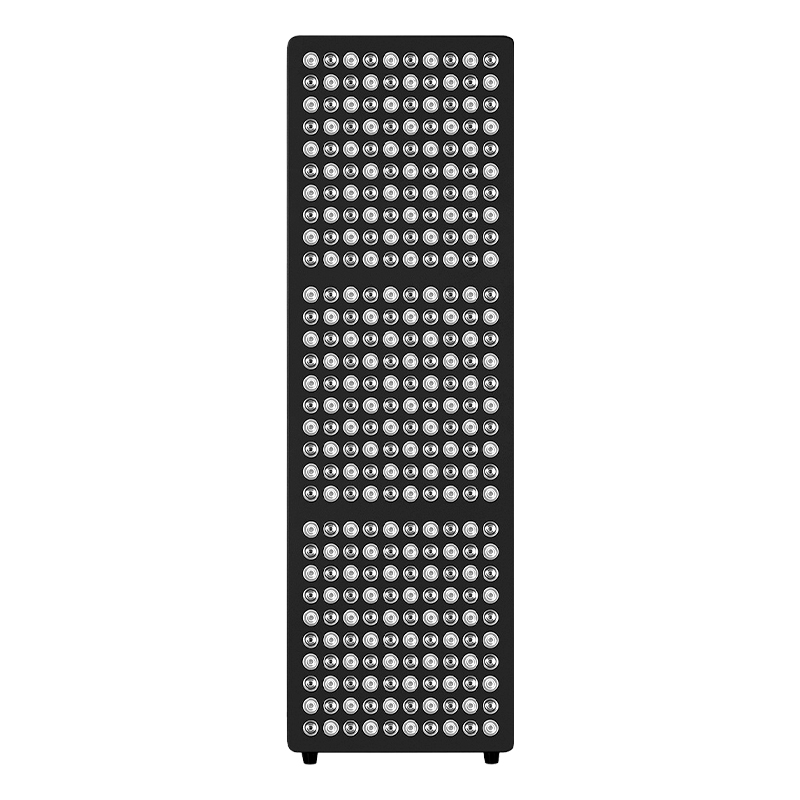
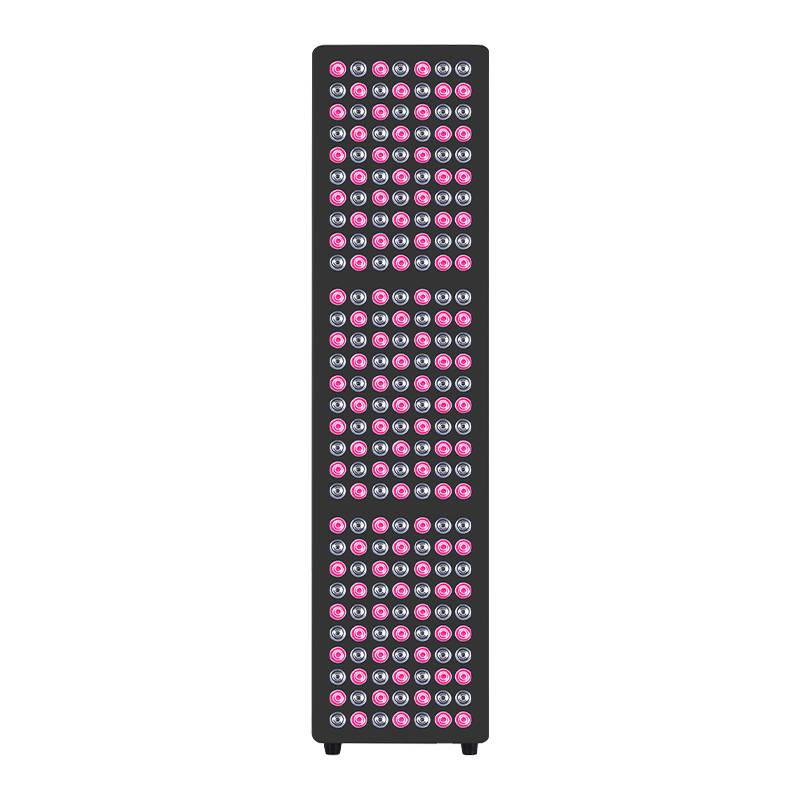
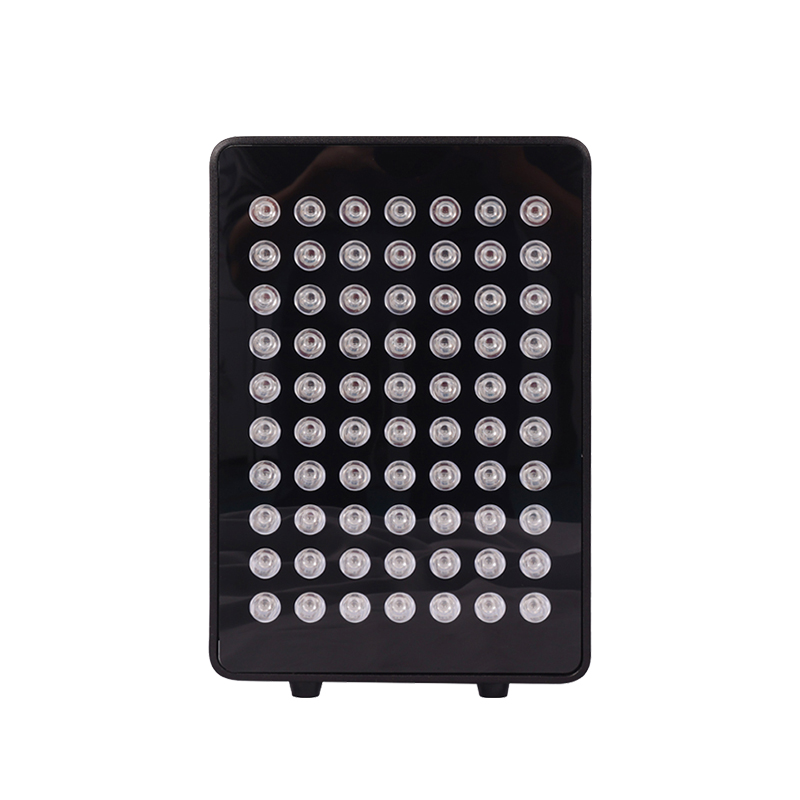
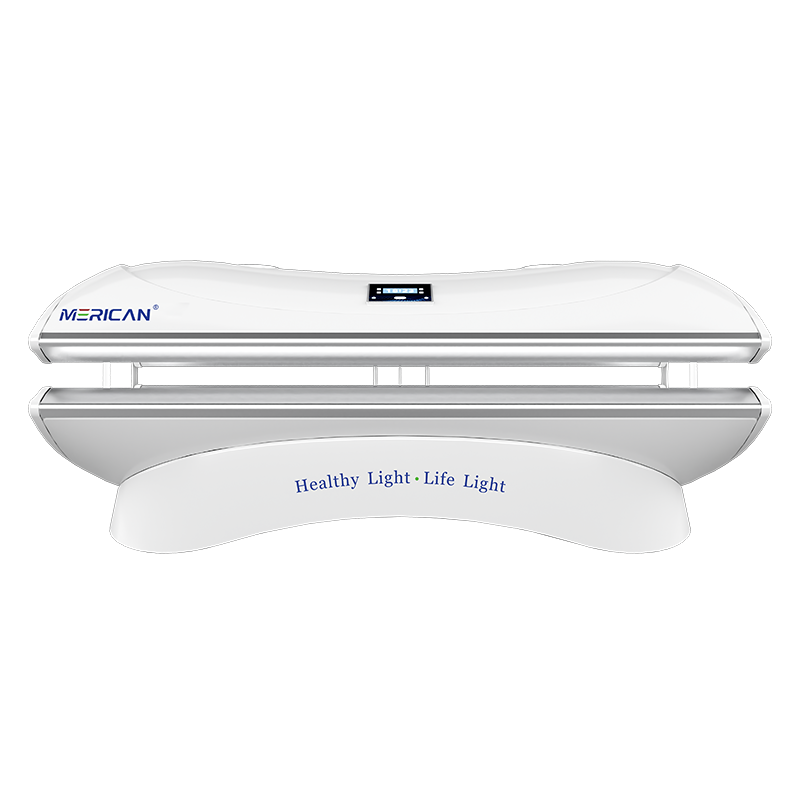
간질 이상에 영향을 미칩니다 50 전 세계적으로 백만 명이, 현대 의약품에도 불구하고 약 3분의 1은 여전히 조절되지 않는 발작을 경험하고 있습니다.. 비약리학적 탐구, 따라서 비침습적 옵션이 강화되었습니다.
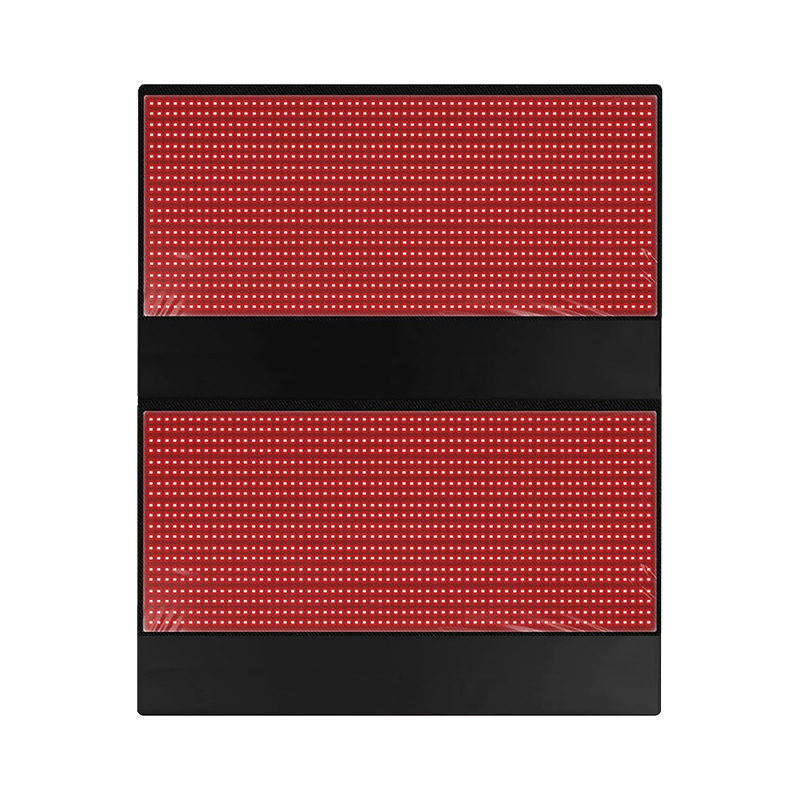
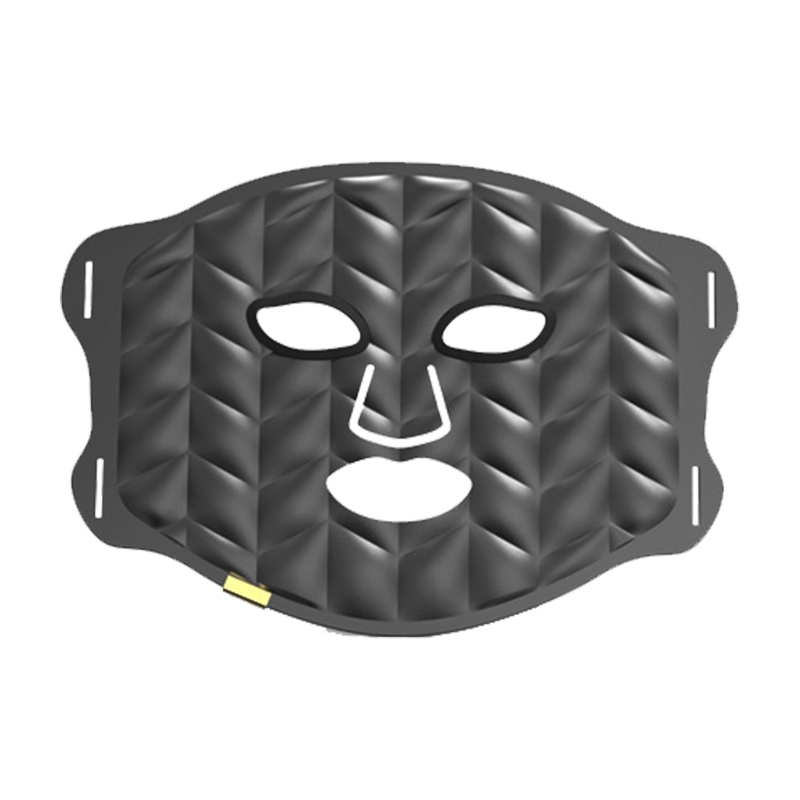
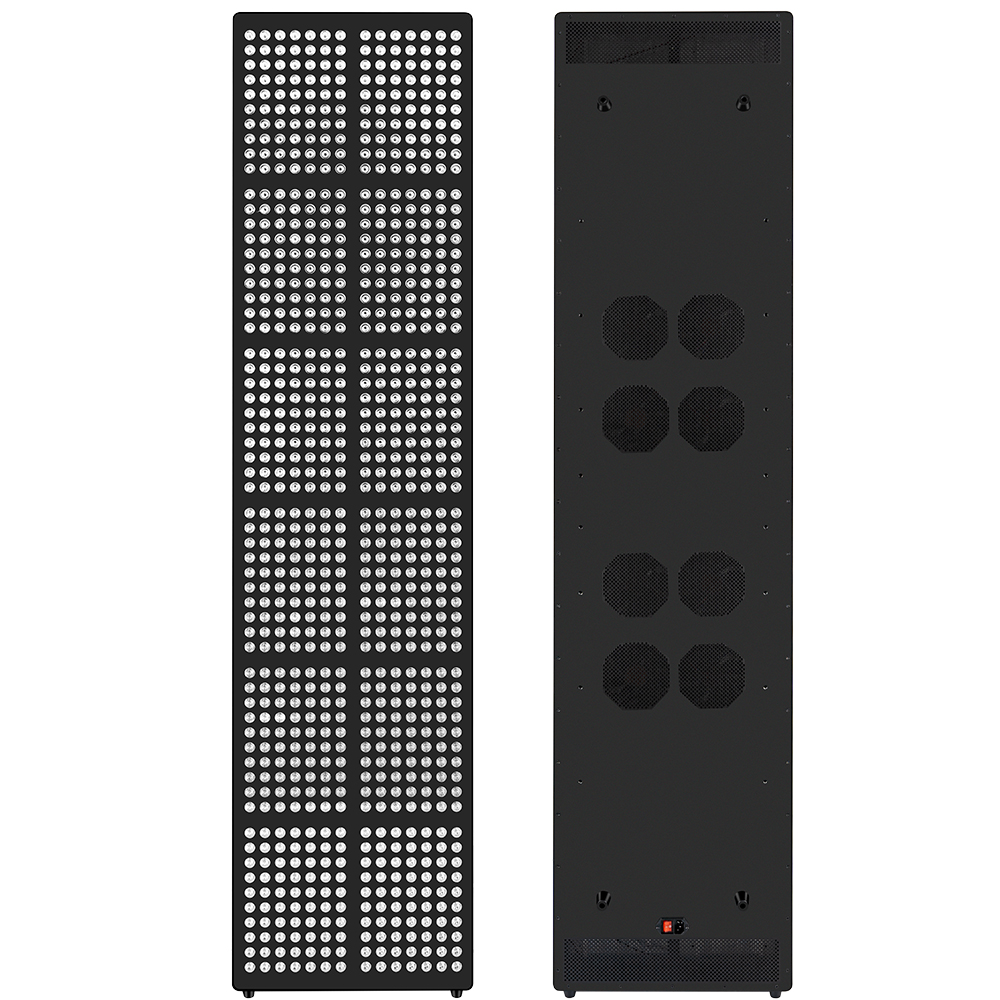
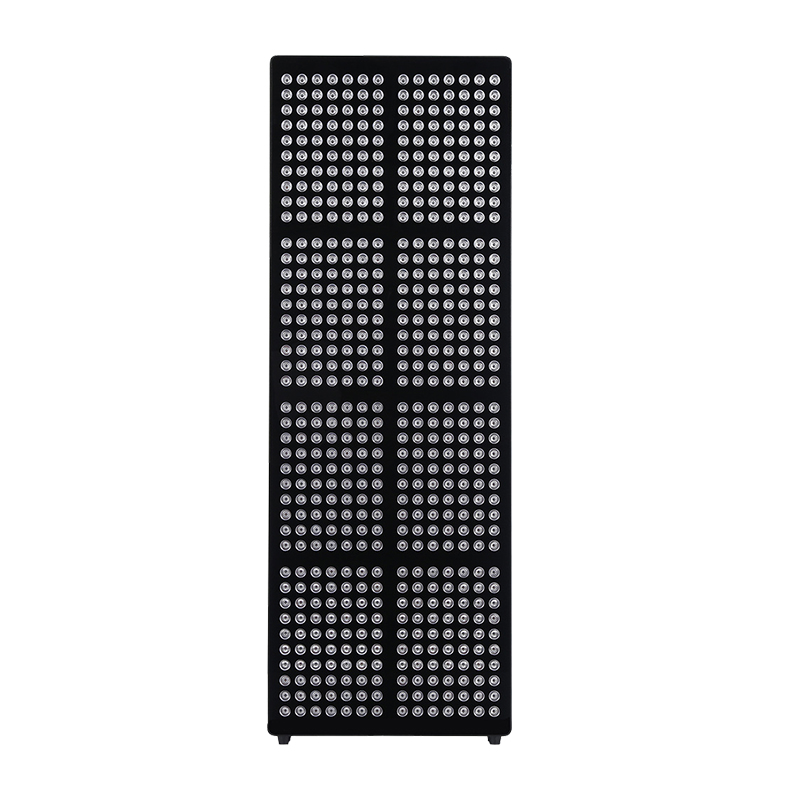
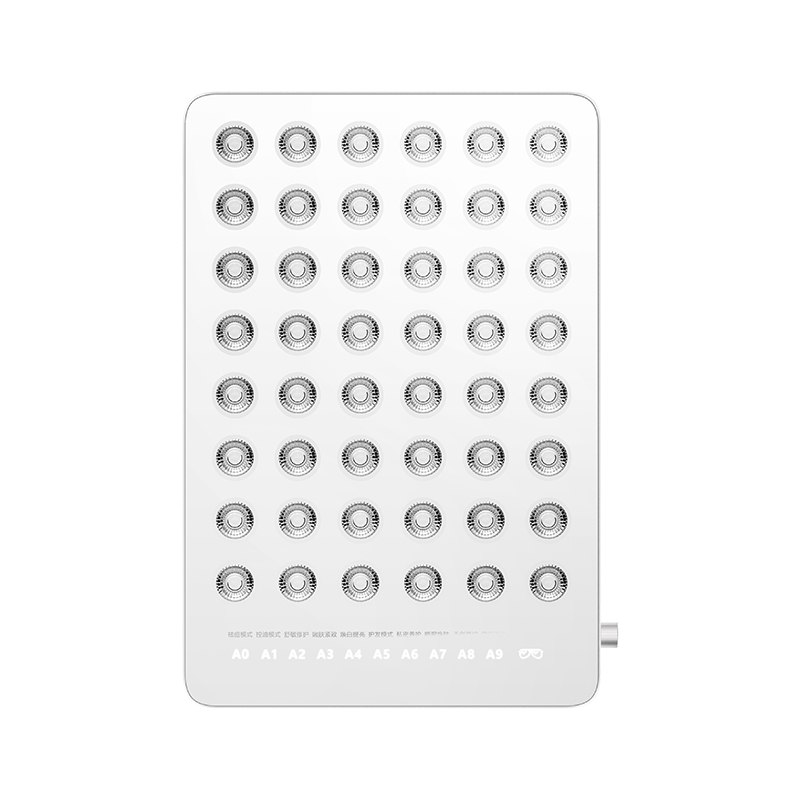
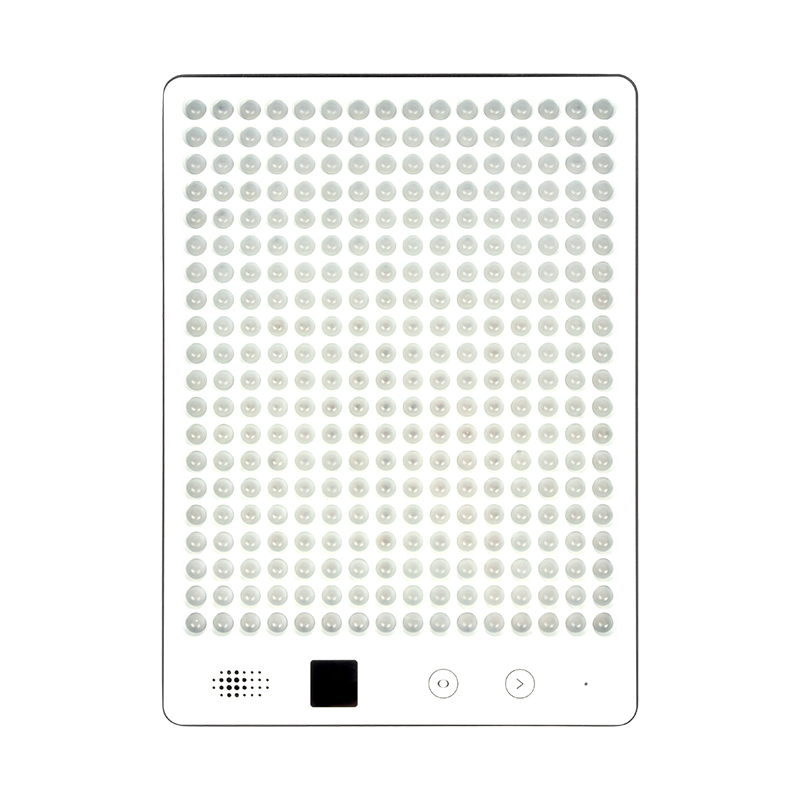
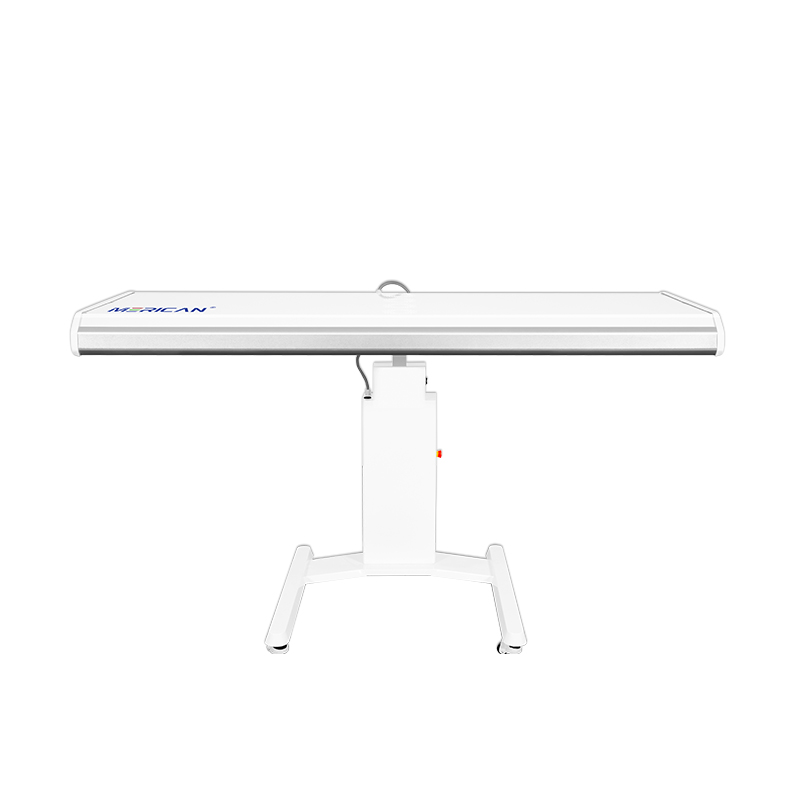
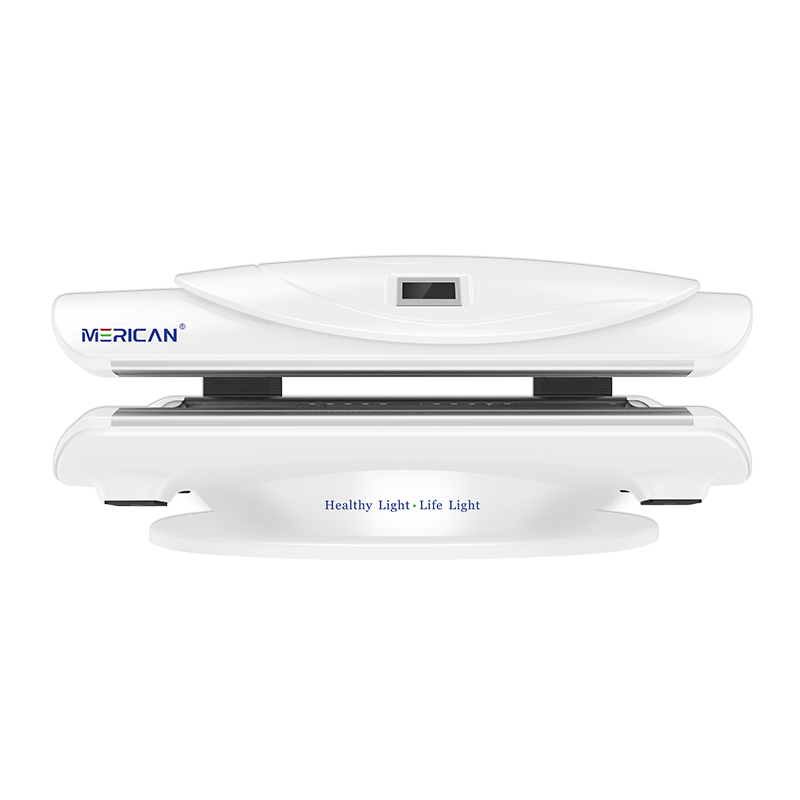
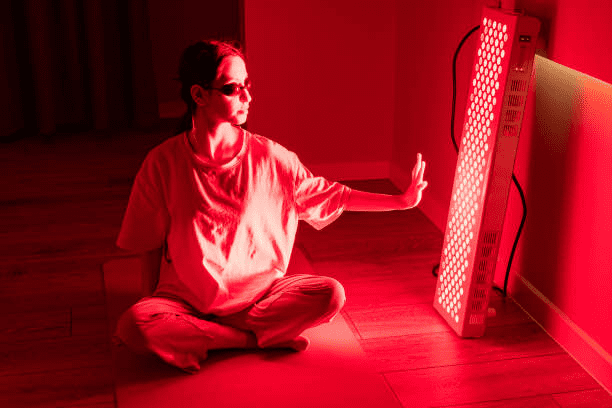
빨간불 치료 (RLT)—광생체 변조라고도 함—낮은 수준의 적색 또는 근적외선 광자를 조직에 전달합니다., 세포 에너지를 증가시키는 일련의 생화학적 효과를 유발합니다., 산화 스트레스를 완화, 염증을 조절하고.
지난 10년 동안, 신경과학자들은 도발적인 질문을 하기 시작했다: 이러한 동일한 메커니즘이 더 적거나 가벼운 발작으로 이어질 수 있습니까?? 초기 데이터는 "아마도,” 그리고 그 잠재력은 철저한, 약속과 함정 모두에 대한 균형 잡힌 시각.
맥락에서의 간질
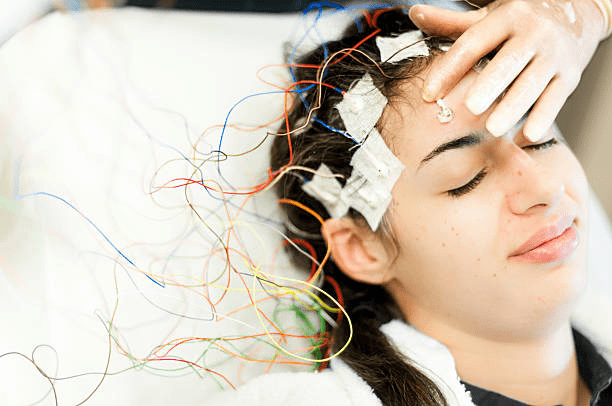
유형, 트리거 & 부담
- 간질은 하나의 질병이 아니라 스펙트럼이다, 포괄 초점, 일반화된, 유전적, 대사, 외상 관련 증후군. 각 하위 유형은 다양한 신경 회로 오작동을 반영합니다., 그러나 모두 비정상의 특징을 공유합니다., 동기 방전. 이러한 방전은 응시 주문으로 나타날 수 있습니다., 근간대성 바보, 또는 몇 분간 지속되는 경련, 종종 피로와 혼란이 뒤따릅니다..
- 트리거는 매우 다양합니다.
수면 부족, 술, 스트레스, 호르몬 변화, 전염병, 그리고 시각적 자극 (예를 들어, 섬광등) 전형적인 침전제이다. 광과민성 간질(빛이나 패턴이 발작을 유발하는 하위 유형)은 대략적으로 설명됩니다. 3 % 경우의, 주로 청소년기에.
- 삶의 질에 미치는 영향은 엄청납니다
신체적 위험을 넘어, 간질로 인해 운전 특권이 축소됩니다, 고용 옵션, 그리고 사회참여, 우울증과 간질로 인한 갑작스러운 예상치 못한 사망의 위험을 높이면서 (수뎁).
표준 치료법 & 그들의 한계
- 항발작제 (ASM) 일선에 남아.
나트륨을 표적으로 삼는다, 칼슘, 또는 GABAergic 채널, 아직 약 30 % 의 환자에서 약물 저항성 간질이 발생합니다. (드레).
- 수술 및 장치 기반 옵션 - 절제술, 미주 신경 자극, 반응성 신경자극, 및 심부 뇌 자극 - 특정 환자에게 안도감을 제공하지만 비용이 많이 듭니다., 수술 위험, 가용성 문제.
- 케톤 생성 다이어트 또는 스트레스 관리와 같은 생활방식 전략은 일부 도움이 되지만 전부는 아닙니다.. 이 치료 공백에서, RLT와 같은 보조 요법에 대한 관심이 급증했습니다..
RLT와 발작 제어를 연결하는 생물학적 경로

미토콘드리아 탄력성
- 미토콘드리아 기능 장애는 간질의 원인으로 알려져 있습니다.
손상된 ATP 생산은 이온 구배를 불안정하게 만들어 발작 역치를 낮춥니다.. 측두엽 간질의 쥐 모델에 대한 연구에 따르면 NIR은 (810 nm) 세션을 통해 ATP가 회복되고 퇴원 후 기간이 단축됩니다..
- RLT는 대사 유연성을 재구성합니다.
Enhanced oxidative phosphorylation increases neuronal endurance during periods of hyperexcitability, potentially curbing seizure duration and severity.
Neuroinflammation & glia
- Seizures induce microglial activation and pro-inflammatory cytokine release (IL-1β, TNF-α). RLT downregulates these cytokines while upregulating IL-10 and BDNF, fostering a reparative environment.
- Astrocyte regulation
By modulating aquaporin-4 and glutamate transporters, RLT may restore extracellular potassium buffering, another anti-seizure mechanism.
Ion-channel modulation
- Recent in vitro work shows red/NIR light altering the gating kinetics of voltage-gated calcium and sodium channels, raising depolarization thresholds. 에이 2024 review emphasized PBM’s capacity to modulate ion-channel phosphorylation cascades, directly impacting excitability.
The Evidence So Far: Red light therapy for epilepsy
Animal data
- Rodent kainate and pilocarpine models
Repeated NIR sessions (830 nm, 30 J/cm²) lowered spontaneous seizure frequency by 45–60 % and preserved hippocampal neuron counts.
- Optogenetic synergy
In transgenic mice expressing light-sensitive opsins, pairing PBM with closed-loop optogenetic inhibition eliminated 80 % of seizures, suggesting combinatorial potential.
Early clinical and case reports
- Open-label pilot (2023, 호주)
Eight adults with focal DRE received transcranial NIR (810 nm, 20 분, thrice weekly). Median monthly seizures dropped from 12 에게 7 ~ 위에 12 주, with cognitive scores stable or improved. Side effects were limited to mild scalp warmth.
- Prism Light Pod retrospective audit (2023, 미국)
Among 22 self-referred users, 41 % reported > 50 % seizure reduction after eight weeks of full-body sessions. Although uncontrolled and self-reported, the data underscore patient-perceived benefit.
- Pediatric feasibility studies are underway, 더 작은 머리 둘레에 맞게 헬멧 디자인을 조정하고 초기 종점으로 발작 횟수 대신 EEG 스펙트럼 변화를 측정합니다..
RLT가 다른 신경조절 도구와 비교되는 방식
| 미터법 | RLT | 미주 신경 자극. | 뇌심부 자극. | tDCS / tMS |
| 침략성 | 두피/피부에 비침습적 LED/레이저 | 이식형 펄스 발생기 | 리드용 개두술 | 비침습적 |
| 기구 | 광-생체 변조 (대사, 항염증) | 말초 구심성 동반 | 네트워크 수준 전류 억제 | 양극화 / 자기 |
| 전형적인 발작 감소 | 30–60 % 초기 데이터에서 | 30–50 % (확립된) | 40-70 % (DRE에서) | 20-40 % (변하기 쉬운) |
| 불리한 프로필 | 온화한 따뜻함, 드문 두통 | 음성 변경, 기침 | 수술 위험 | 두피 따끔 거림 |
메모: RLT 증거는 FDA가 승인한 신경자극 방식과 비교하여 아직 예비 단계로 남아 있습니다.; 엄격한 무작위 대조 시험 (RCT) 여전히 필요하다.
안전 & 위험 질문에 대한 답변
할 수 있다 적색광 요법 발작을 일으키다?
- 아직까지 설득력 있는 증거는 없습니다
번쩍이는 스트로보라이트와는 다르게 (5-30Hz) 광과민성 발작을 유발하는 것으로 알려져 있습니다., 치료용 RLT는 지속적으로 방출됩니다., 펄스가 없는 빛. 동물 연구에서 발작이 나타났습니다 절감 노출 후.
- 예방 원칙
광과민증이 심한 사람도 더 짧은 것부터 시작해야 합니다., 임상의 감독 하에 저강도 세션을 진행하고 최소 4주 동안 모든 조짐 또는 이벤트를 기록합니다..
LED 조명이 발작을 일으킬 수 있나요??
예, 하지만 맥락이 중요해. 가정용 또는 무대용 LED가 깜박일 수 있음, 특히 조광기에서, 15~25Hz 위험 구역 내, 민감한 개인에게 잠재적으로 발작을 유발할 수 있음. 제대로 규제되지 않은 드라이버 회로가 일반적인 원인입니다..
치료 LED가 다릅니다. 인증된 PBM 장치에는 깜박임이 있는 정전류 드라이버가 통합되어 있습니다. < 1 %. 사용자는 제조업체 사양을 확인하고, 가능하다면, 스마트폰 슬로우 모션 테스트로 깜박임 측정.
간질을 위한 최고의 전구
온백색, 깜박임 없는 LED: 명시적으로 "깜박임 방지" 등급을 받은 전구를 선택하세요. (< 1 % 조정). 여러 브랜드에서 IEEE를 발행함 1789 규정 준수 보고서.
할로겐 또는 백열등 대체품은 지속적으로 빛을 방출하지만 에너지 문제로 인해 단계적으로 폐지되고 있습니다.; 가능한 경우 안전한 대체 수단으로 남아 있습니다..
조절 가능한 색온도와 조광 곡선을 갖춘 스마트 전구는 천천히 증가하거나 감소하도록 프로그래밍할 수 있습니다., 갑작스러운 휘도 점프 방지. 야간용 붉은색 전구는 차분한 시각적 환경을 조성하고 멜라토닌 억제를 감소시킵니다., 수면 부족과 관련된 발작 위험에 유익합니다.
약물 상호작용 – 적색 광선 요법으로 피해야 할 약물은 무엇입니까??
항생제
테트라사이클린 (독시사이클린, 미노사이클린) 플루오로퀴놀론은 광독성 반응을 증폭시킬 수 있습니다.. 환자는 RLT를 연기하거나 항생제가 사라질 때까지 치료 중인 피부 부위를 덮어야 합니다..
레티노이드
경구 이소트레티노인은 피부 취약성을 증가시킵니다.; 높은 방사조도의 빛과 결합하면 피부염이나 과다색소침착을 유발할 수 있습니다..
NSAID & 이뇨제
이부프로펜, 나프록센, 티아지드는 감광성을 유발하는 경우가 거의 없습니다., 그러나 장기간, 전신 세션은 증분 투여 계획을 보장합니다..
향정신성 약물
페노티아진과 리튬은 광과민성 위험이 잘 문서화되어 있습니다.; 정신과 의사와 복용량을 검토하는 것이 좋습니다.
허브 보충제
성. John's Wort는 광독성 하이페리신 유도체를 유도합니다; 사용자는 RLT 과정 2주 전에 보충을 중단해야 합니다..
결론
적색 광선 요법(Red Light Therapy)은 간질의 잠재적인 보완 치료법으로 주목받고 있습니다., 염증 감소에 대한 유망한 초기 결과, 미토콘드리아 기능 강화, 뇌 건강 개선. 기존의 간질약을 대체할 수는 없지만, 많은 연구자와 환자는 신경 기능과 전반적인 웰빙을 지원하는 능력의 가치를 알고 있습니다.. 더 많은 연구가 진행됨에 따라 적색광 요법 간질에 대한, 효과적인 제안을 할 수 있습니다, 증상 관리에 도움이 되는 약물 없는 옵션, 특히 전통적인 치료 계획과 결합할 때.
그 말은, 안전이 최우선. 간질이 있는 사람은 광선 기반 요법에 주의해야 하며 사용하기 전에 의료 전문가와 상담해야 합니다.. “적색광 치료가 발작을 일으킬 수 있습니까?”와 같은 중요한 질문?”, “적색 광선 요법으로 피해야 할 약물은 무엇입니까??”, “LED 조명이 발작을 일으킬 수 있나요?”?"라는 문제를 해결해야 올바른 사용이 보장됩니다..
간질에 가장 적합한 전구를 선택하고 임상적으로 테스트된 장치를 사용하면 위험을 최소화하는 데 도움이 될 수 있습니다.. 책임감 있는 적용으로, 적색 광선 요법은 미래의 간질 치료에 귀중한 도구가 될 수 있습니다