sclerosis maha (MS) is an autoimmune disease in which the insulating covers o nerve cells in the brain and spinal cord are damaged.[3] Ko tenei kino ka whakararu i te kaha o nga wahanga o te punaha nerve ki te tuku tohu, ka puta he maha o nga tohu me nga tohu, tae atu ki te tinana, hinengaro, me etahi wa raruraru hinengaro.[1][8][9] Ko nga tohu ko te kite rua, ngaronga tirohanga, eye pain, ngoikoretanga uaua, and loss of sensation or coordination.[3][10][11] MS takes several forms, with new symptoms either occurring in isolated attacks (relapsing forms) or building up over time (progressive forms).[12][13] In relapsing forms of MS, between attacks, symptoms may disappear completely, although some permanent neurological problems often remain, especially as the disease advances.[13] In progressive forms of MS, bodily function slowly deteriorates once symptoms manifest and will steadily worsen if left untreated.[14]
What are the early symptoms of multiple sclerosis?
Early signs and symptoms of MS include:
- Changes to your vision (optic neuritis, double vision, ngaronga tirohanga).
- Muscle weakness (usually affecting one side of your face or body, or below your waist).
- Numbness or abnormal sensations (usually affecting one side of your face or body, or below your waist).
What are the symptoms of multiple sclerosis?
Common symptoms of MS include:
- Te rohirohi.
- Clumsiness.
- Dizziness.
- Difficulty with bladder regulation
- Loss of balance and coordination.
- Difficulty with cognitive function (thinking, maharahara, concentration, learning and judgment).
- Mood changes.
- Muscle stiffness and muscle spasms (tremors).
These symptoms vary from person to person and may fluctuate in severity from one day to the next. You may have a few of these symptoms but it’s unlikely you’ll experience all of them at once.
What is Red light therapy (RLT)?
Te rongoa rama whero (RLT) he maimoatanga e whakamahi ana i nga taumata iti o te rama whero hei whakapai ake i te ahua o to kiri, ano he whakaiti i nga kita, nga whiu, te whero, me te hakihaki.
Te rongoa rama whero (RLT) a tata-infrared rongoā (NIR) are emerging as promising treatments for multiple sclerosis (MS), a chronic autoimmune disease affecting the central nervous system.
Benefits of Red Light Therapy for MS Patients
For individuals grappling with Multiple Sclerosis (MS), a life marked by unpredictable symptoms and often debilitating challenges, the quest for alleviation is relentless. The introduction of Red Light Therapy (RLT) into this therapeutic landscape is not just a new modality; it signifies a paradigm shift, grounded in deep cellular and molecular science. Here are some of the compelling benefits RLT offers for MS patients:
Symptom Alleviation
- Te rohirohi: One of the hallmarks of MS is fatigue, which can significantly curtail daily activities. RLT’s stimulation of ATP production within mitochondria can lead to enhanced cellular energy. This uptick in cellular function might translate to reduced fatigue levels for patients.
- Te mamae: Chronic pain is another frequent companion of MS. The modulation of inflammatory processes and the release of nitric oxide (NO) by RLT can contribute to pain reduction. By decreasing inflammation and improving blood circulation, RLT can potentially alleviate pain spots in the body.
- Spasticity: The involuntary muscle spasms and stiffness experienced by MS patients, termed spasticity, can be addressed by RLT. Through its neuroprotective effects and immune modulation, RLT might aid in reducing spasticity’s intensity and frequency.
Enhanced Mobility
A decline in mobility is a progressive challenge in MS. The combined effects of RLT, including neuroprotection, whakahaere mumura, and ATP production enhancement, can potentially contribute to better neural signaling and muscle function. Tenei, ka huri, might lead to improved mobility and a decreased rate of mobility decline.
Improved Mood and Cognition
Beyond the physical manifestations, MS can also impact a patient’s emotional and cognitive well-being. The interaction of RLT with the brain’s neural circuits, combined with its overall physiological benefits, can potentially lead to mood enhancement and cognitive improvement. By bolstering cellular health and reducing neural inflammation, RLT may offer a pathway to clearer thinking and emotional stability.
Hei whakarāpopototanga, Red light therapy has shown potential in relieving MS symptoms, and its mechanism involves various aspects such as reducing inflammation, promoting cell repair and regeneration, te whakapai ake i te tohanga toto, and relieving pain. Heoi ano, it should be noted that although some studies have been conducted to support its application in MS management, further large-scale clinical trials are needed to verify its long-term efficacy and safety.
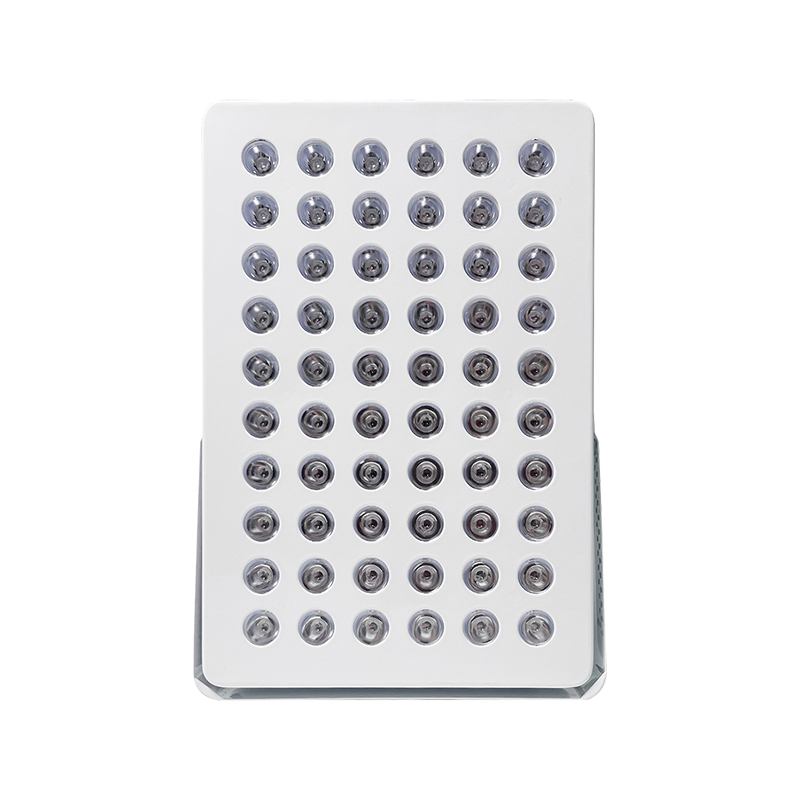
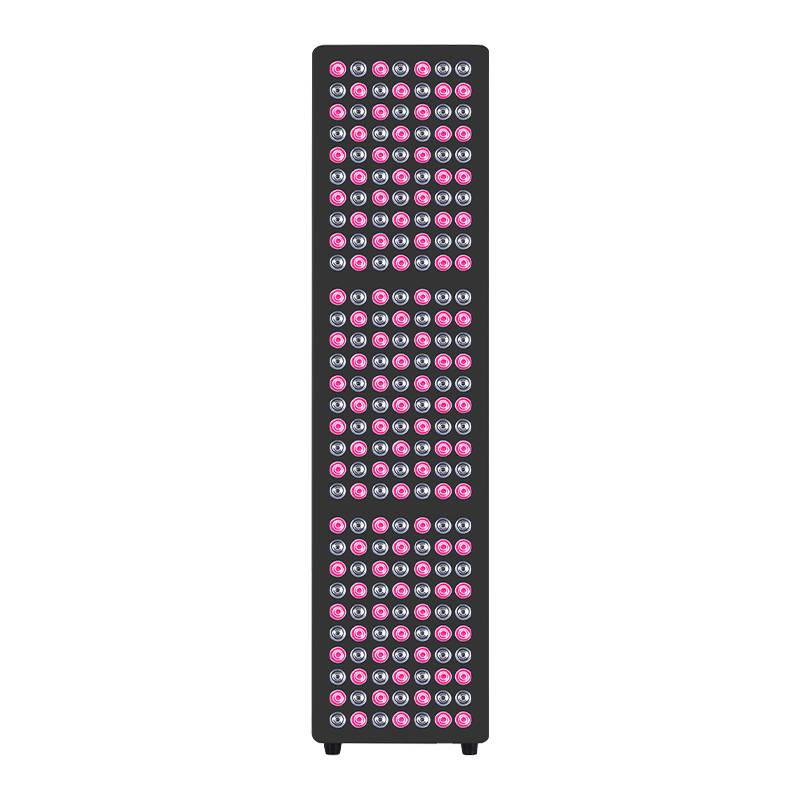
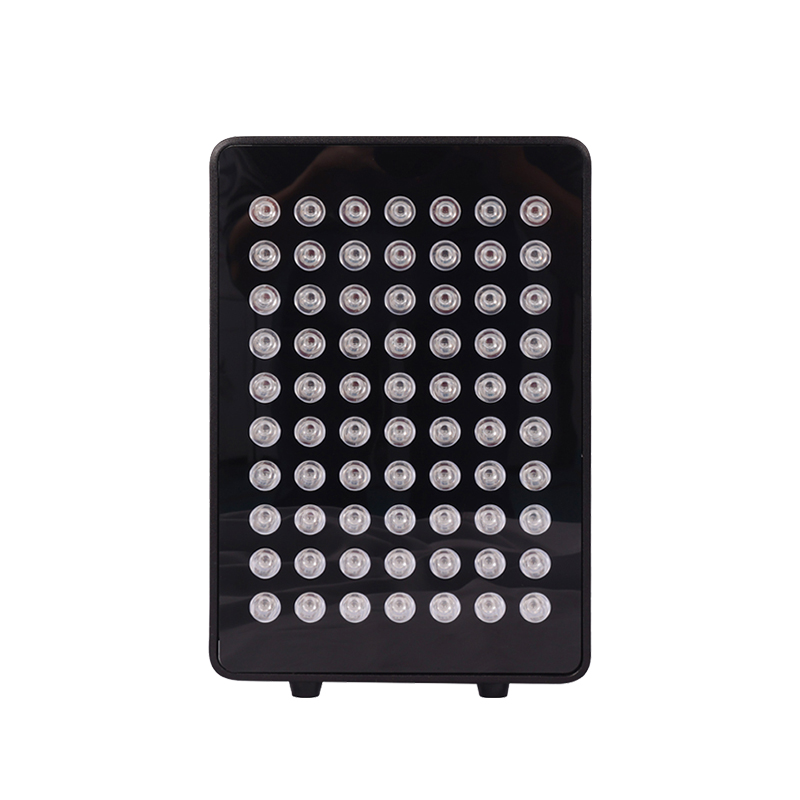
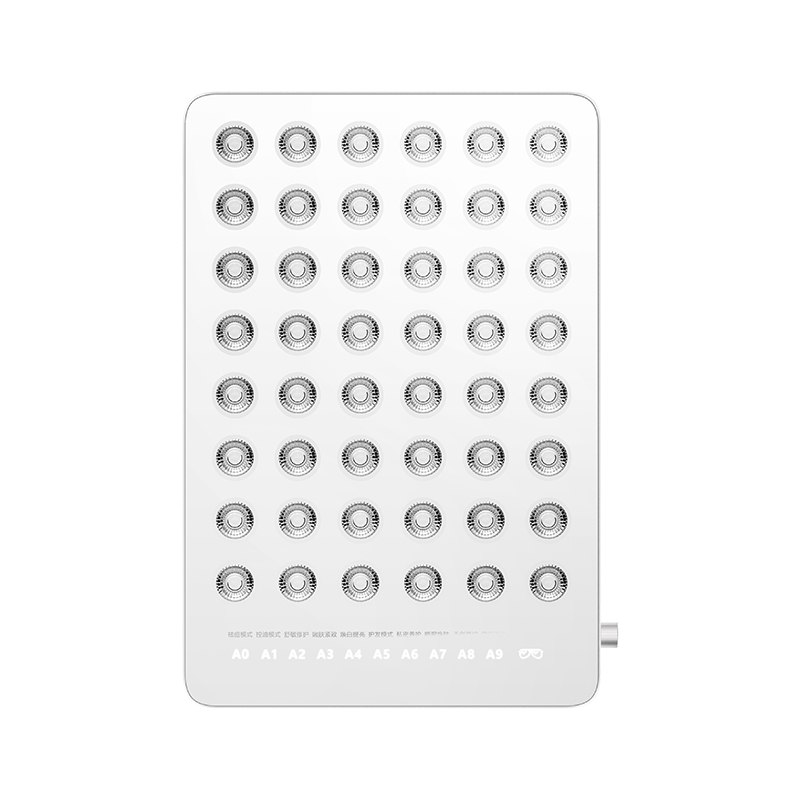
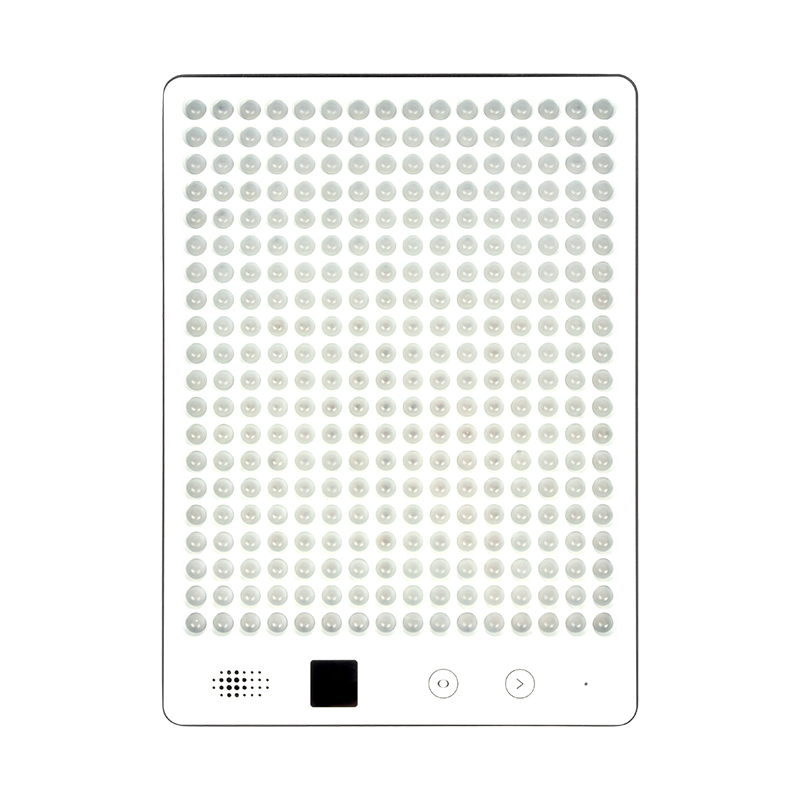
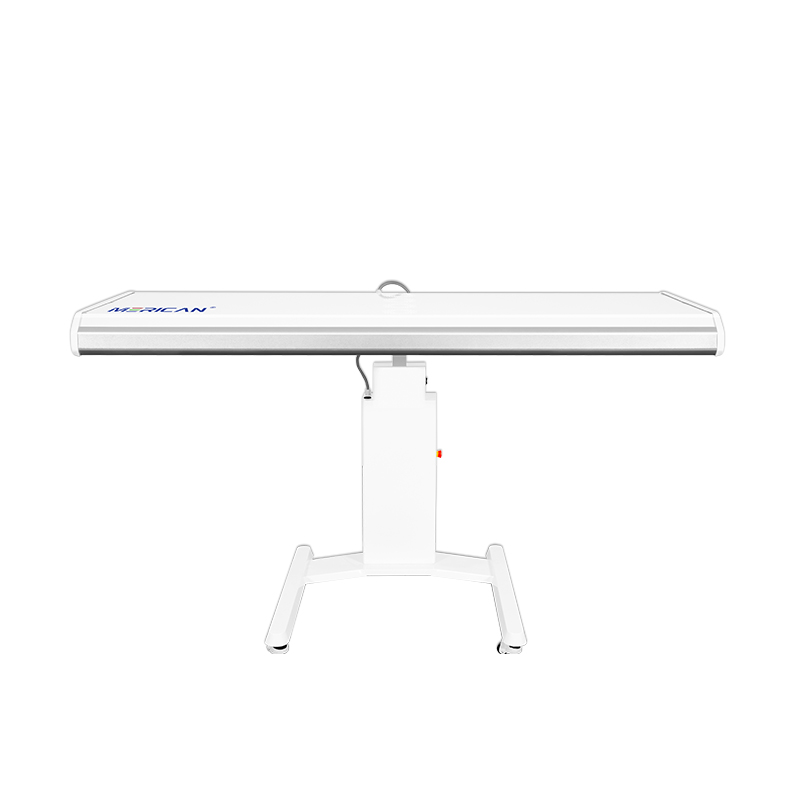
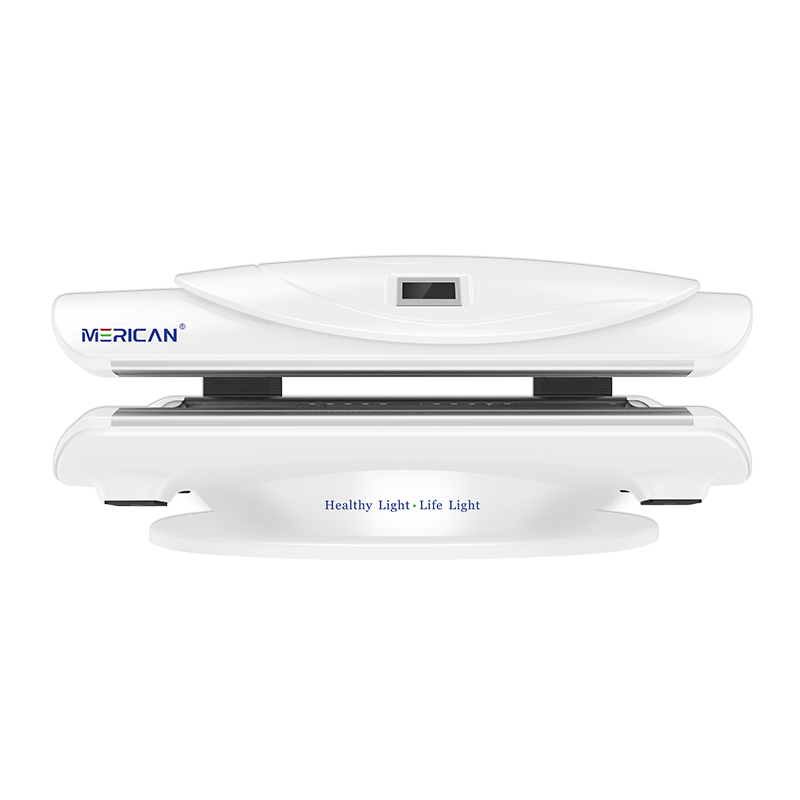
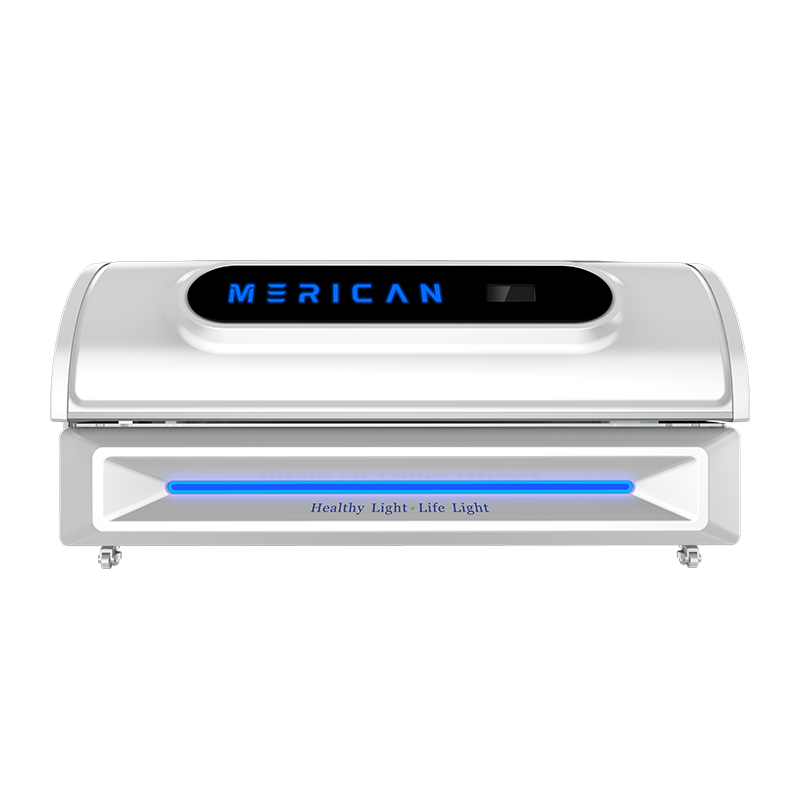
Panuku, I’d like to introduce you to a red light therapy product that can be used at home.
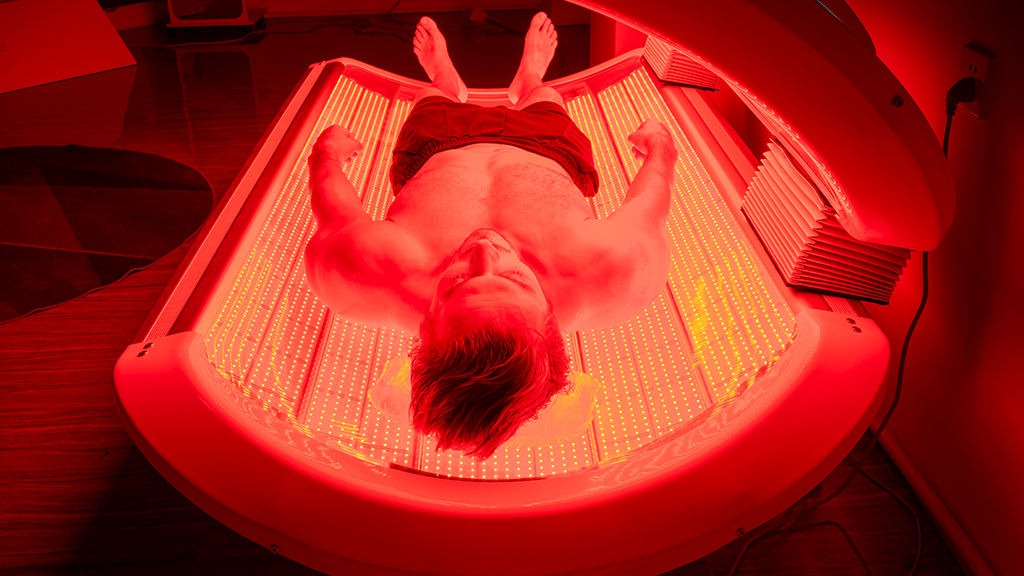
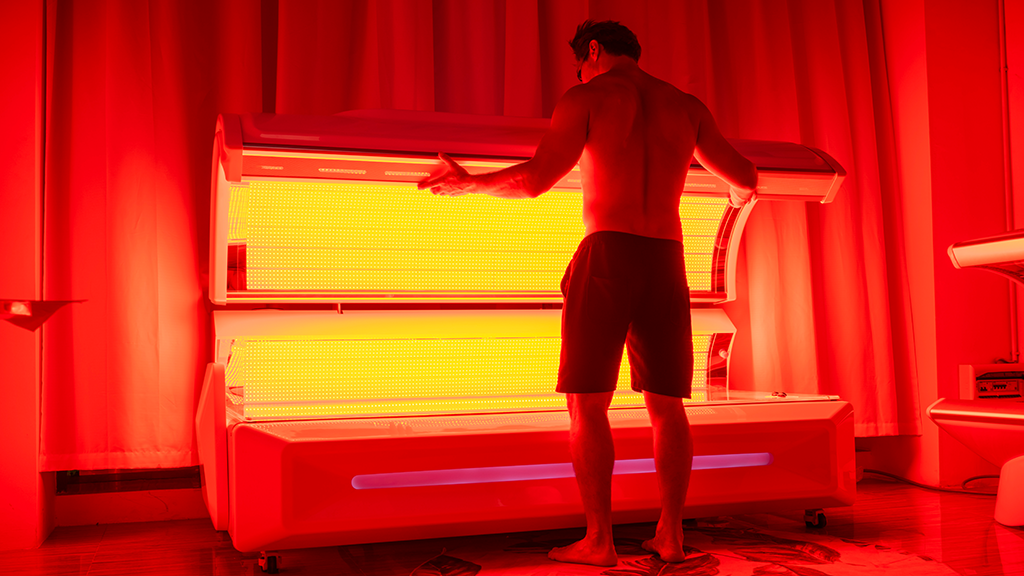
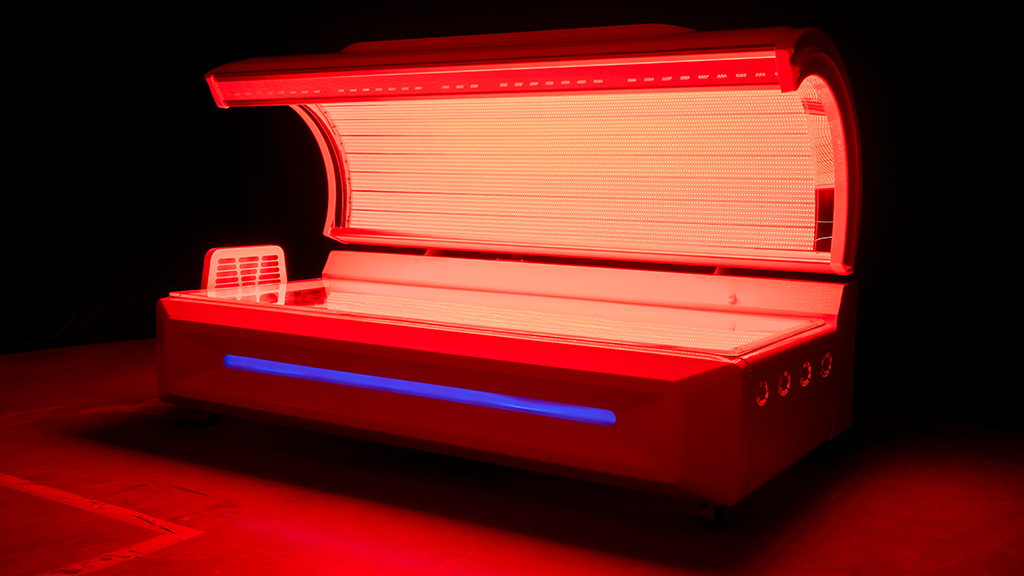
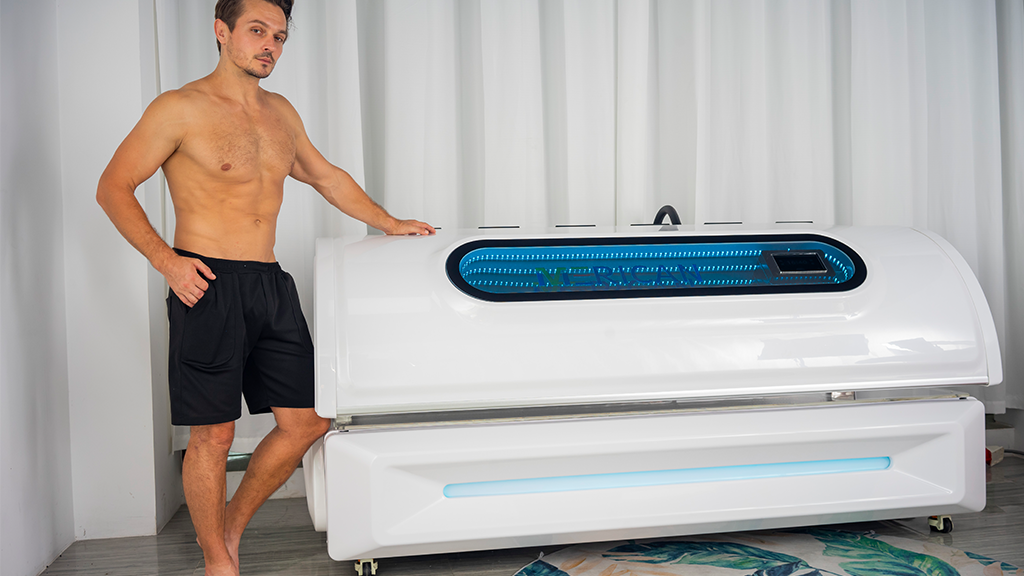
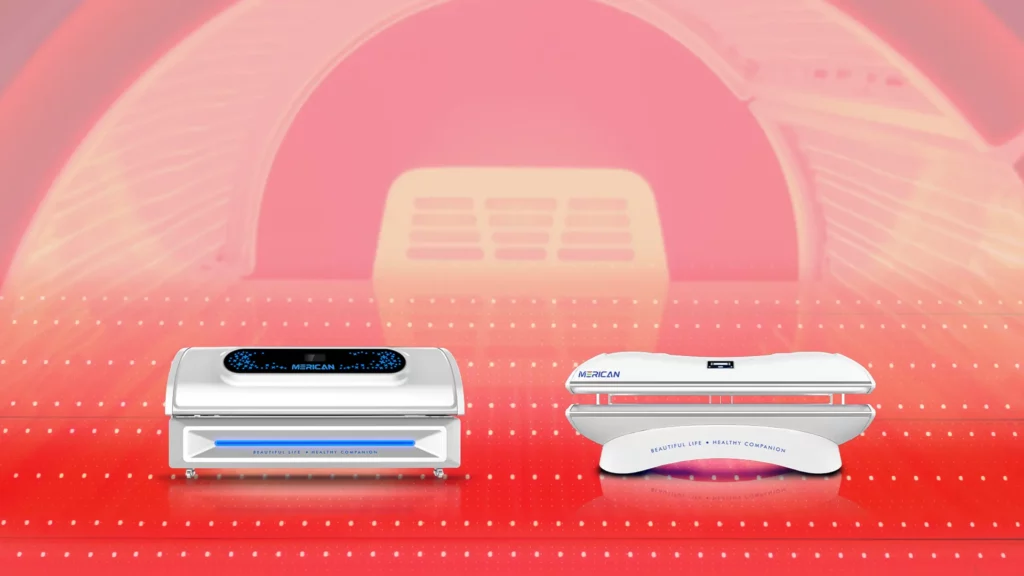
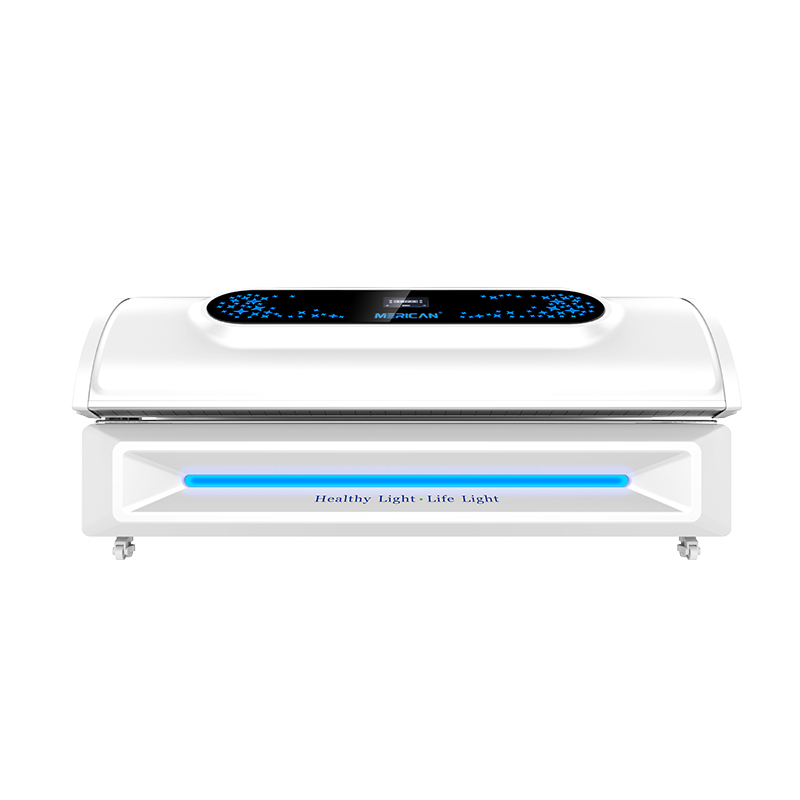
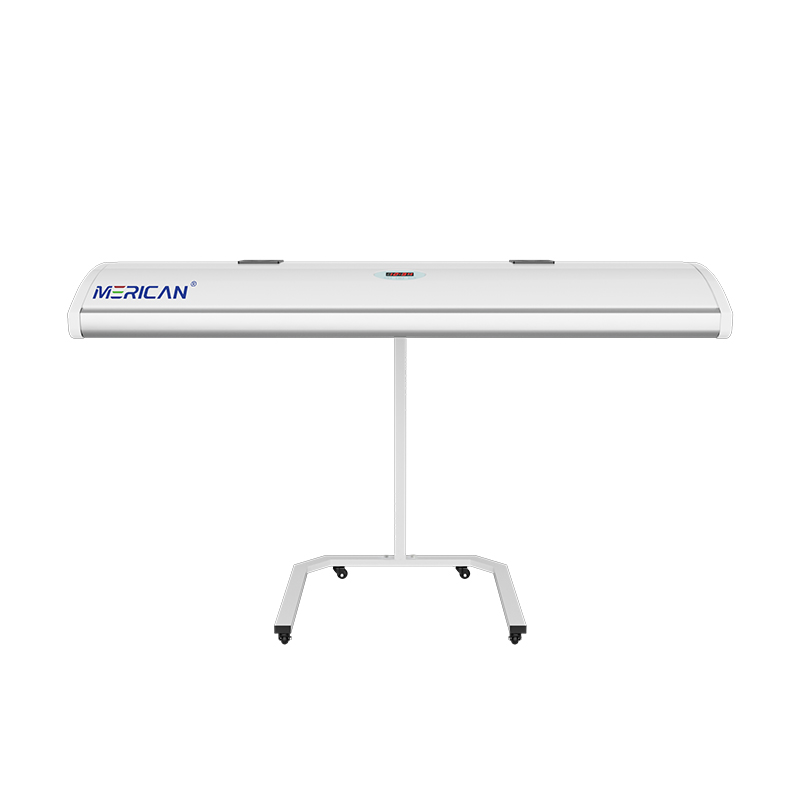
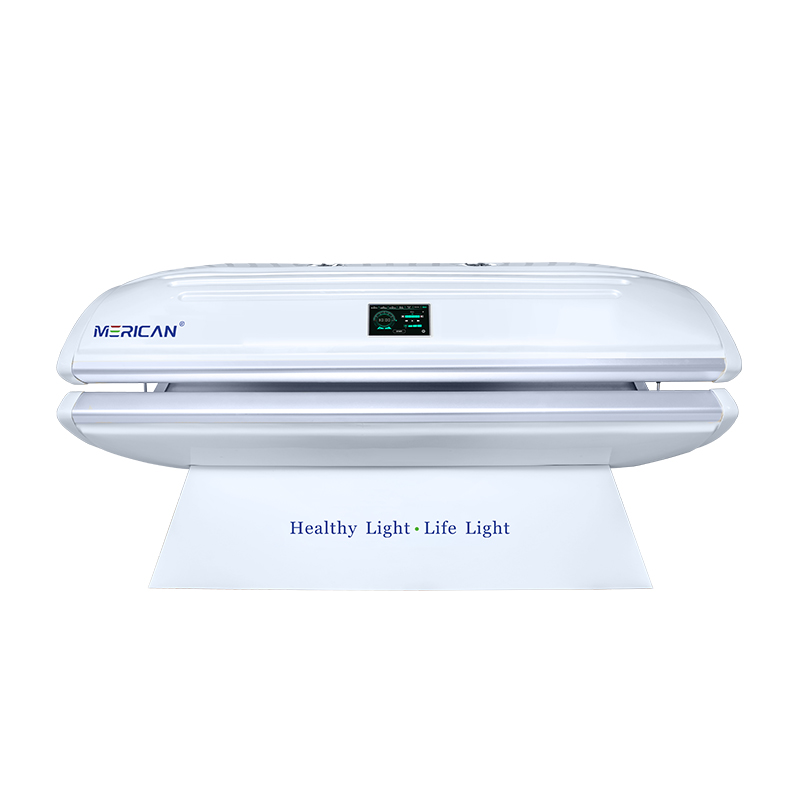
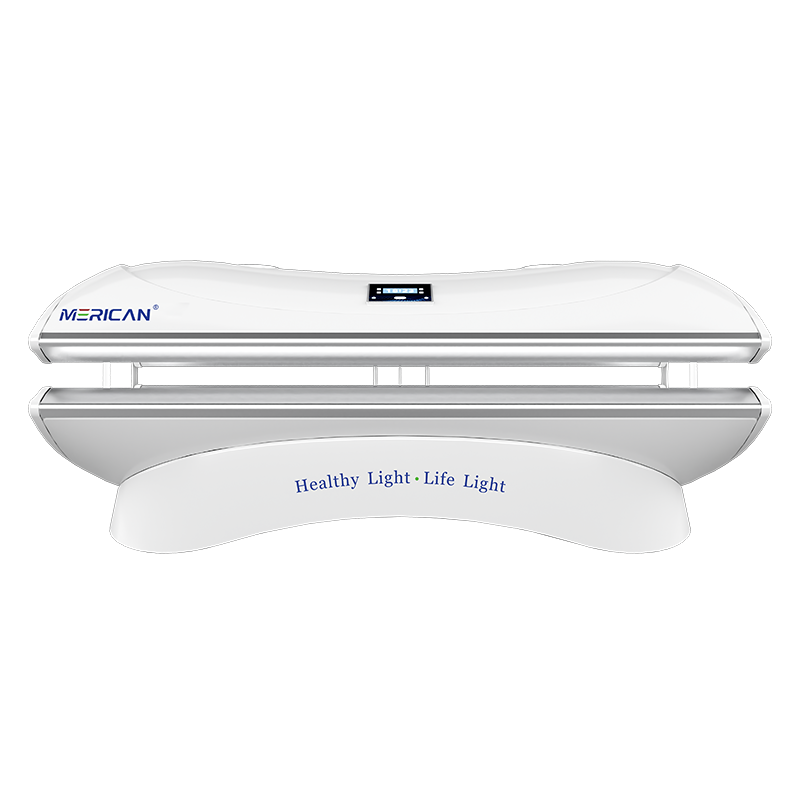
Merican LED Light Therapy Bed M6N
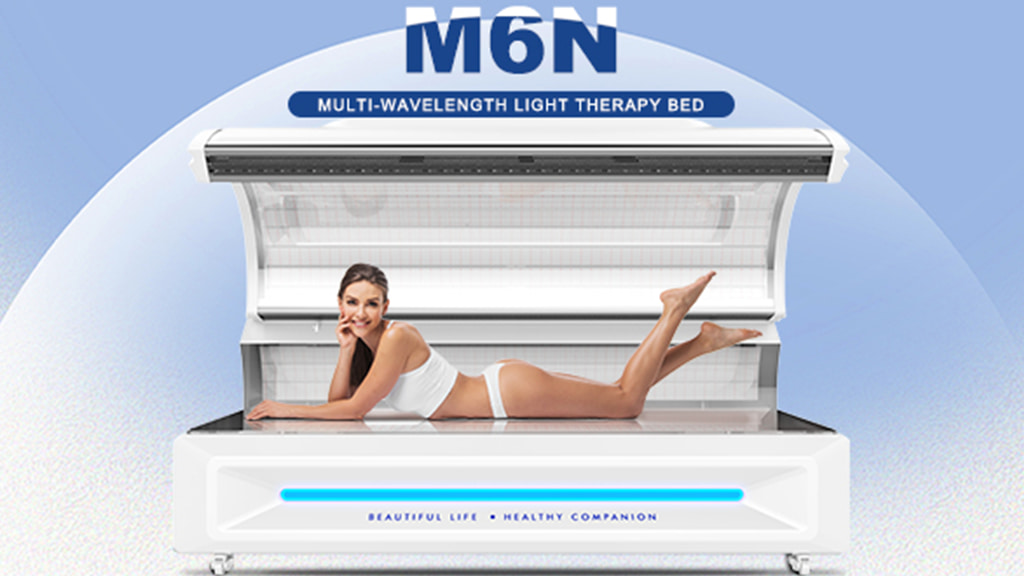
The LED Light Therapy Bed M6N is designed to deliver therapeutic benefits using LED light. Here are some key features and benefits typically associated with this type of device:
Whakamarama: The bed utilizes various wavelengths of light to target different skin concerns. This may include red light for anti-aging, blue light for acne, and near-infrared light for deeper tissue repair.
Full-Body Treatment: Kaore i rite ki nga taputapu ringaringa, the M6N offers a full-body treatment experience, allowing you to lie down and receive even light coverage across your entire body.
Customization: Many LED therapy beds offer customizable settings so you can adjust the light intensity, roanga, and specific wavelength to suit your needs.
Te waatea: Using a bed format allows for a more comfortable and relaxing experience compared to smaller devices where you might need to hold the light close to your skin.
Nga Painga Hauora: Regular use of LED light therapy is believed to improve skin texture, whakaiti i nga kita, whakatairanga whakaora, and potentially offer pain relief.
Te Whakamahinga ngawari: These beds are often designed for ease of use, with simple controls and settings, making them suitable for both home and professional use.
Please contact us if you’re considering using the M6N or a similar LED light therapy bed.