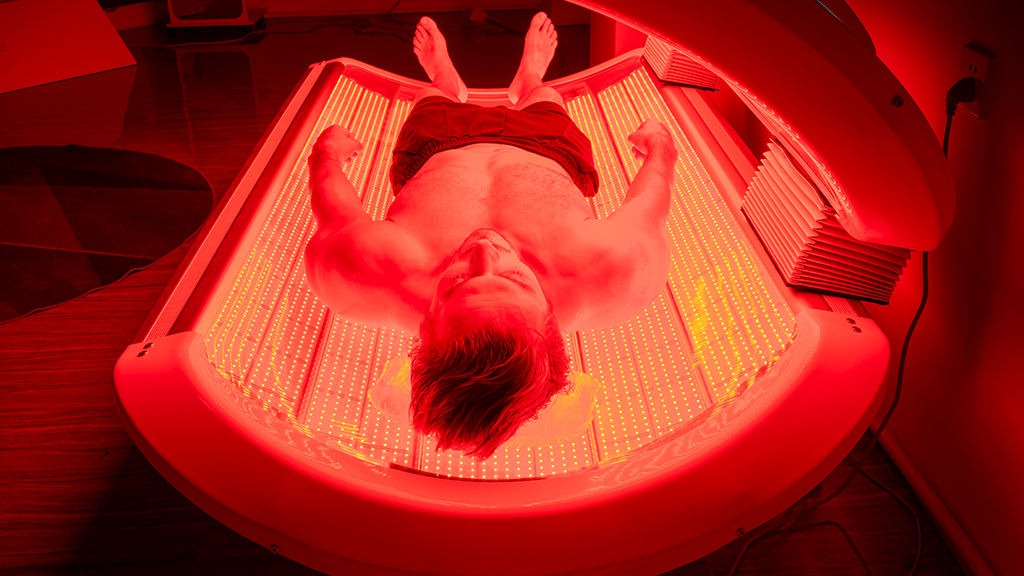
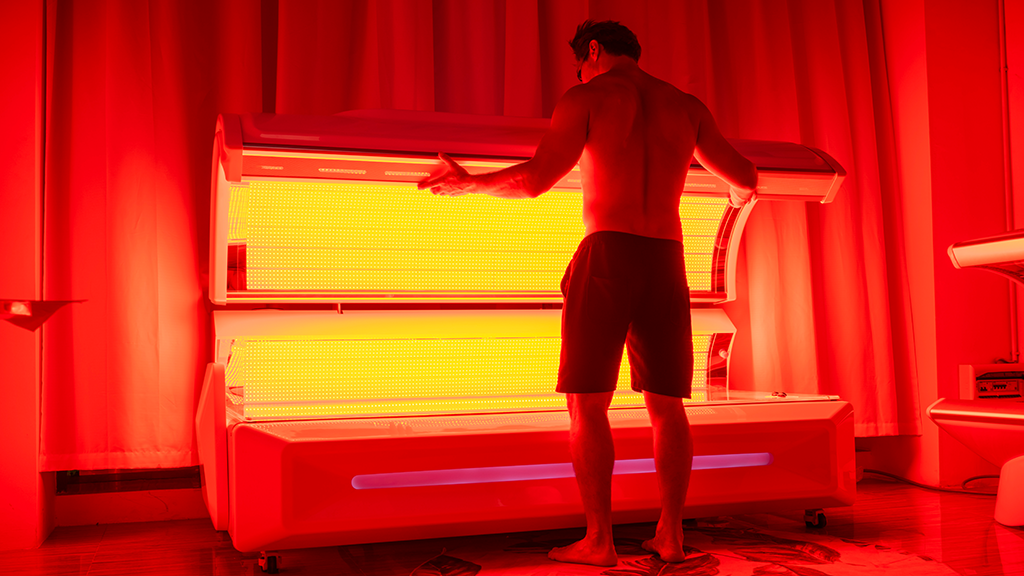
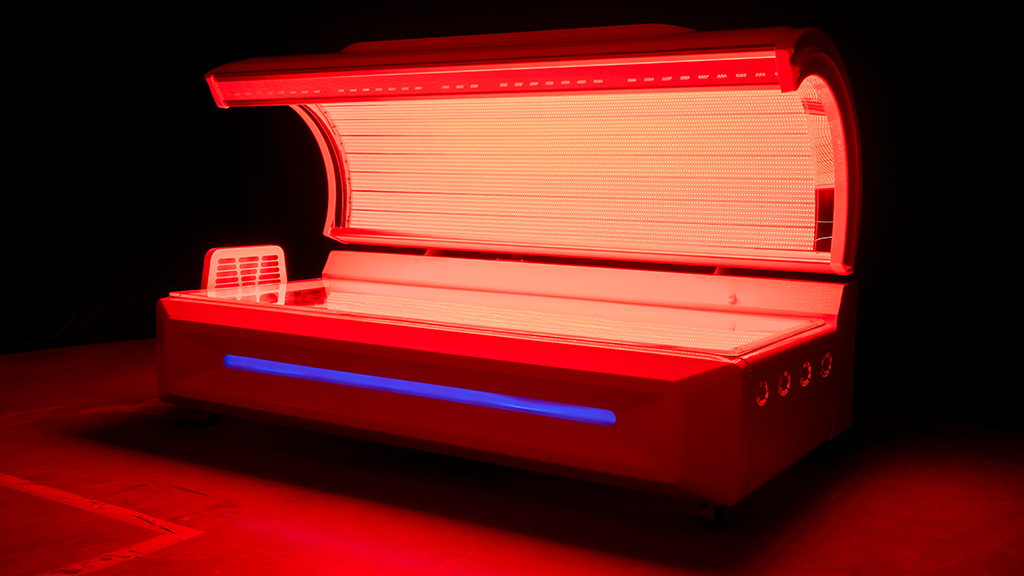
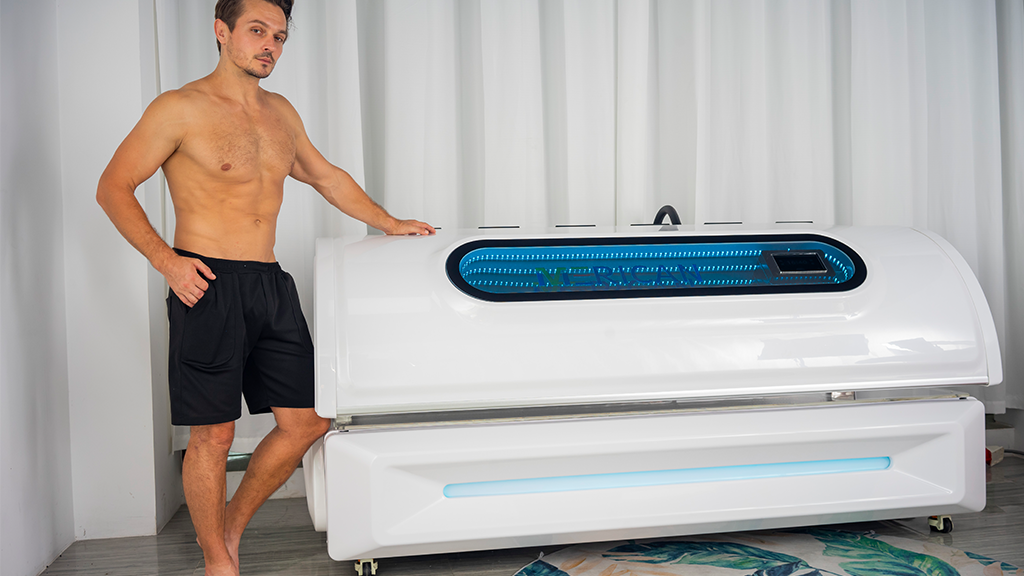
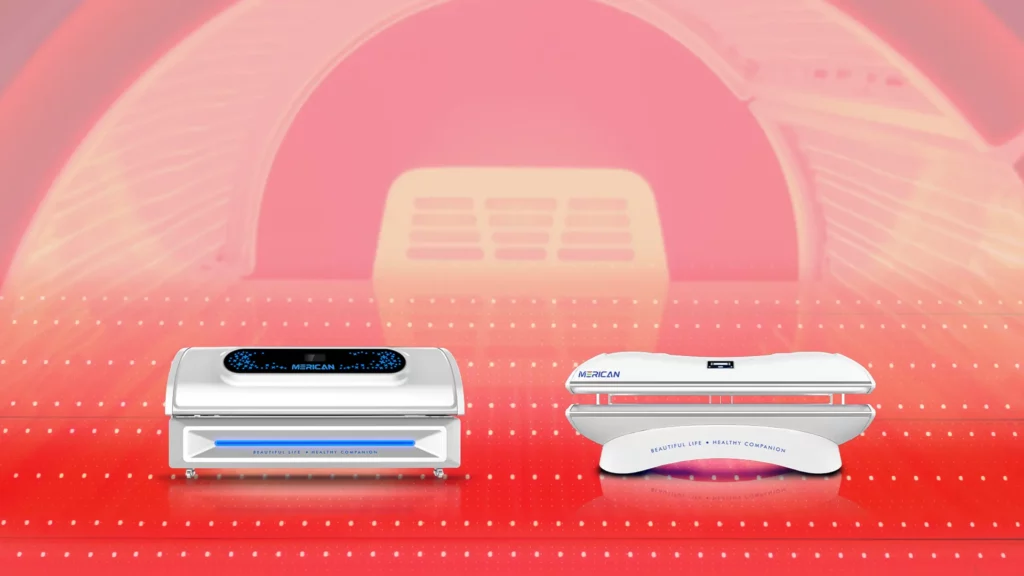
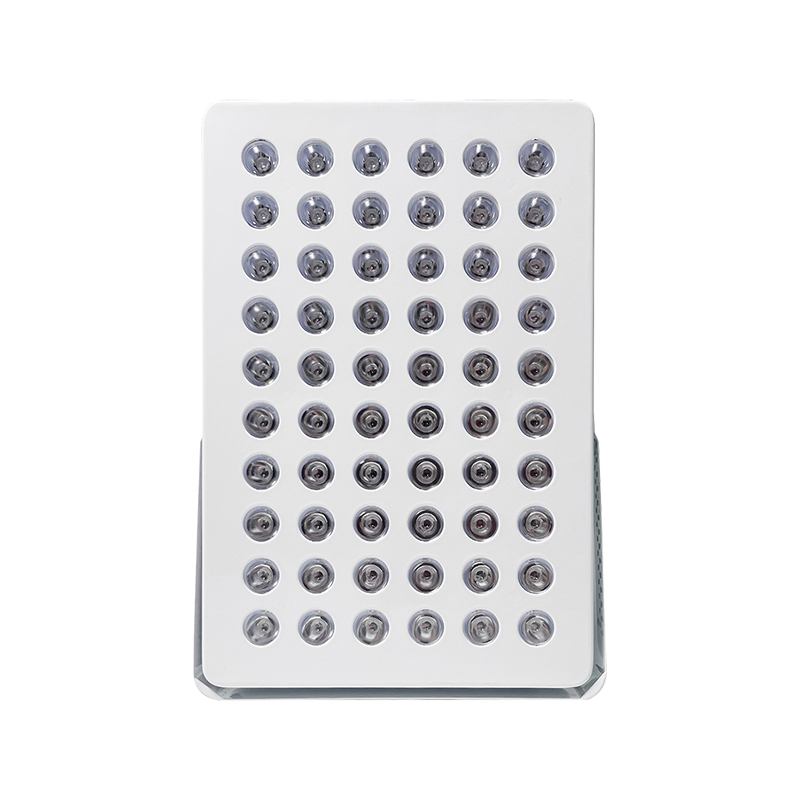
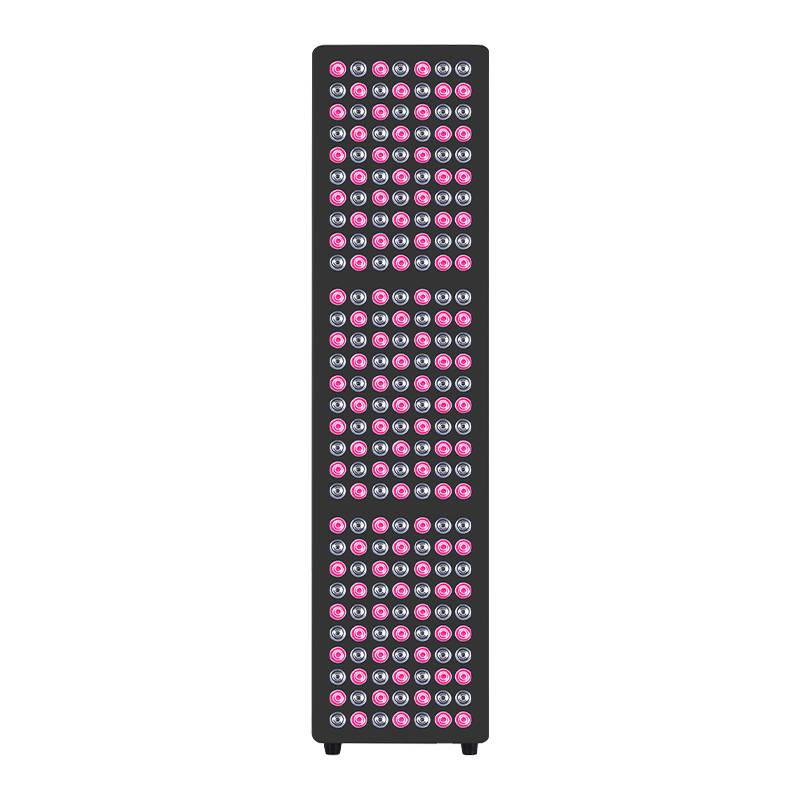
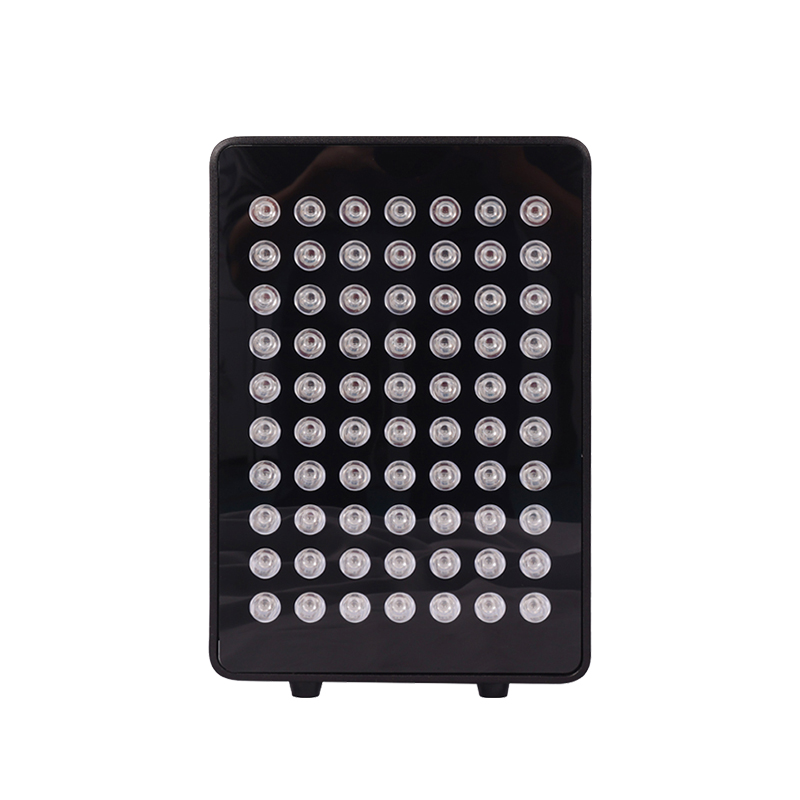
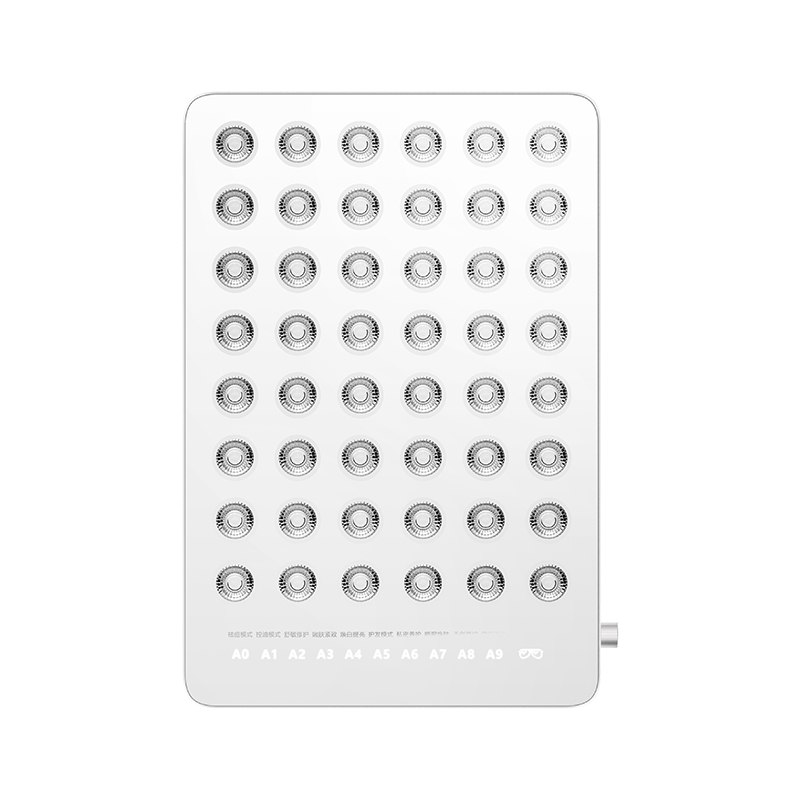
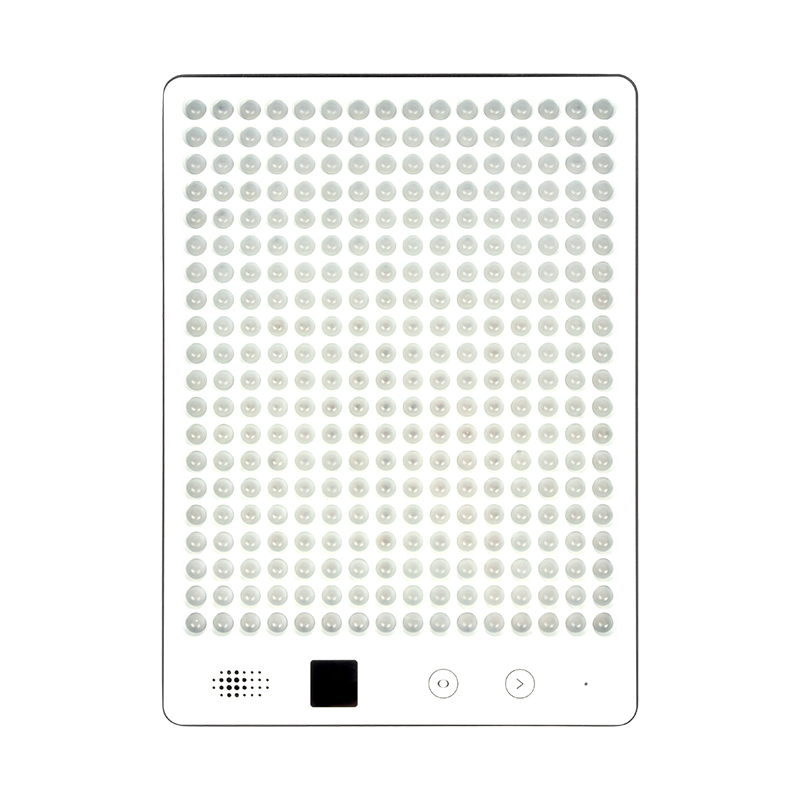
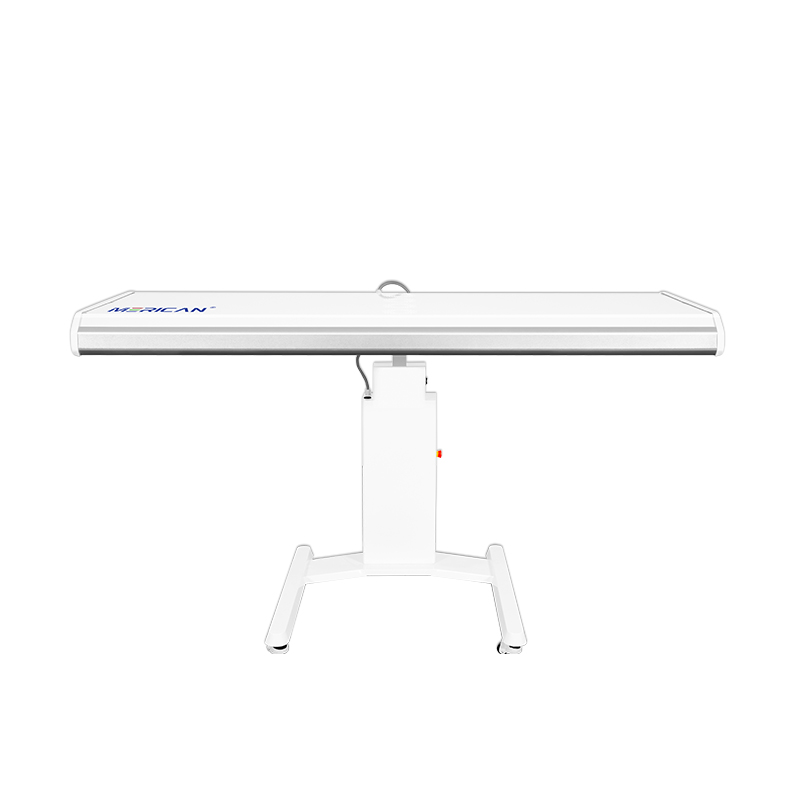
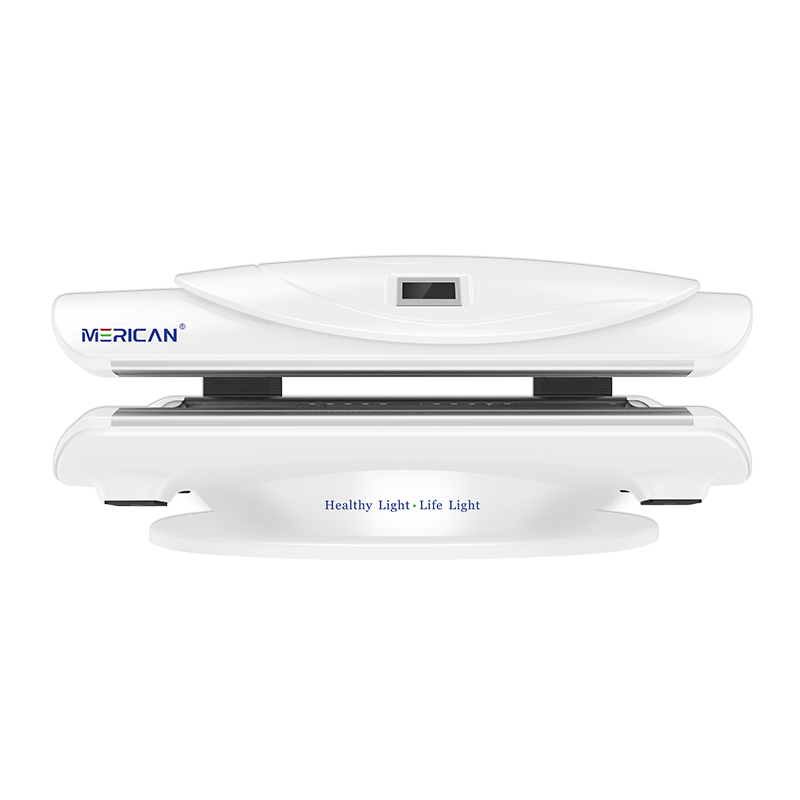
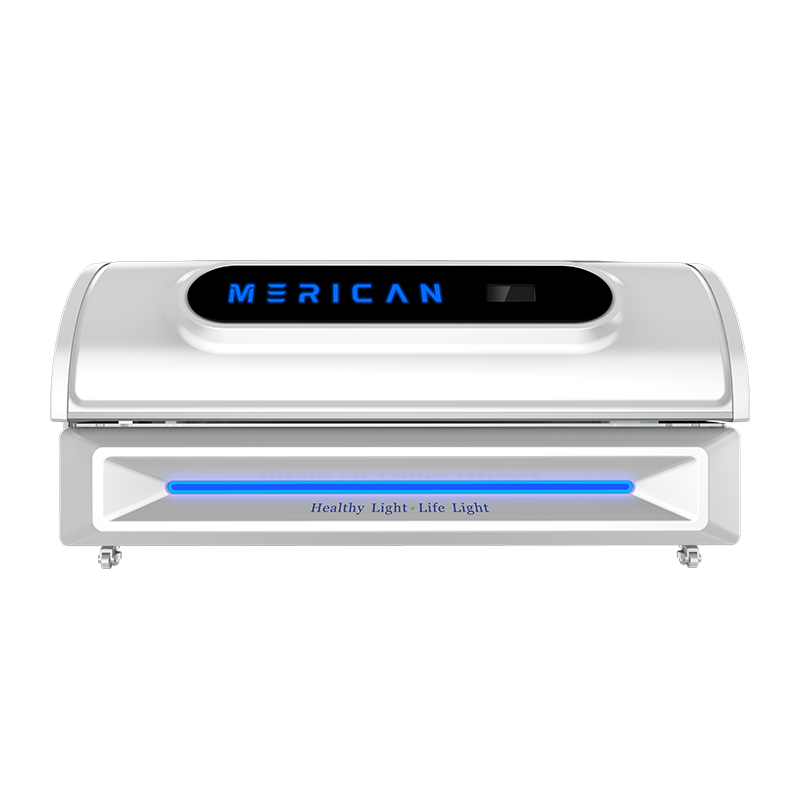
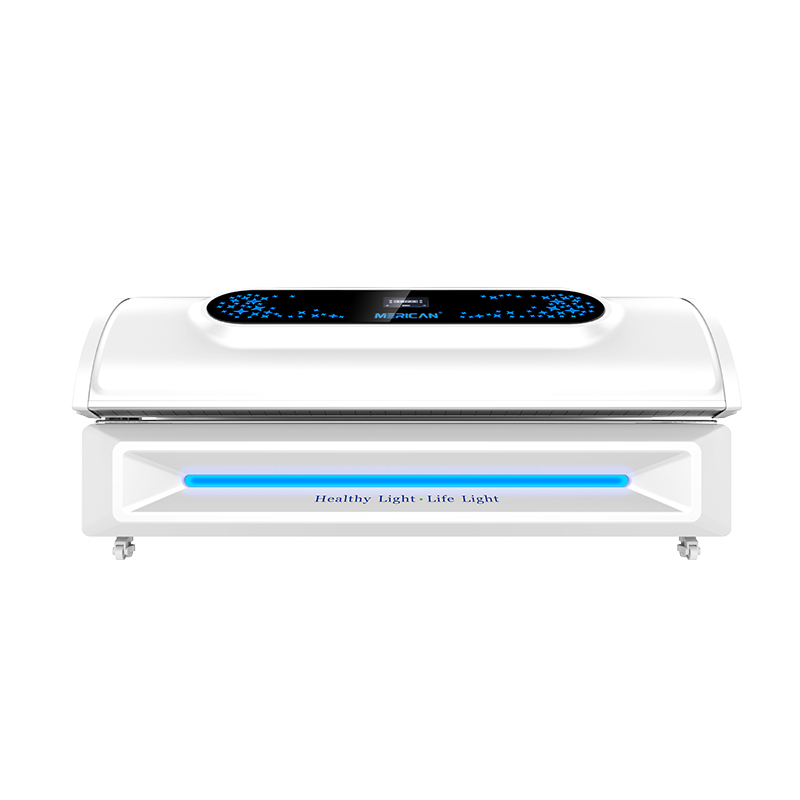
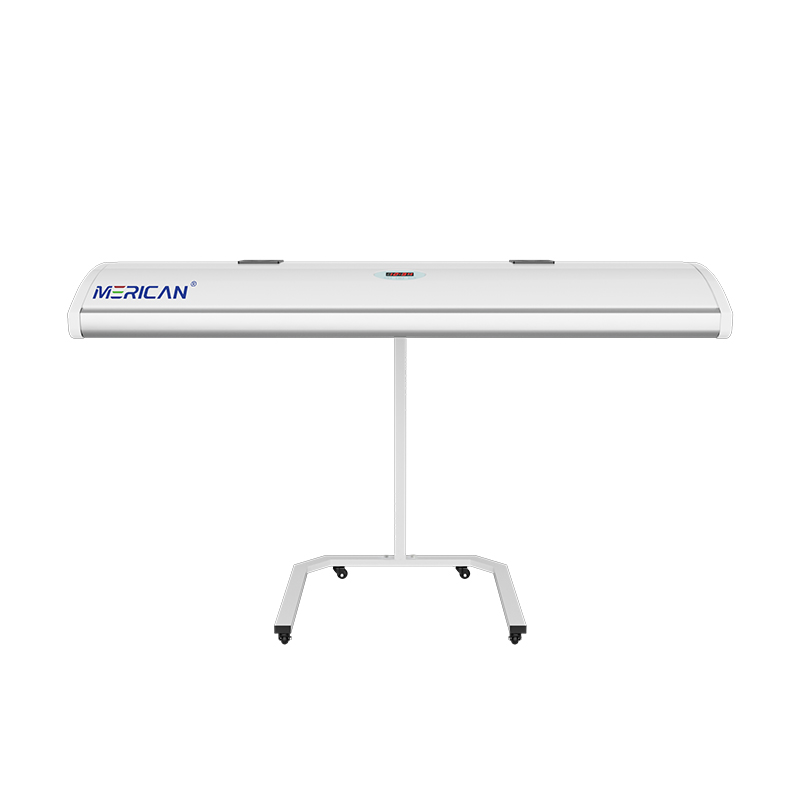
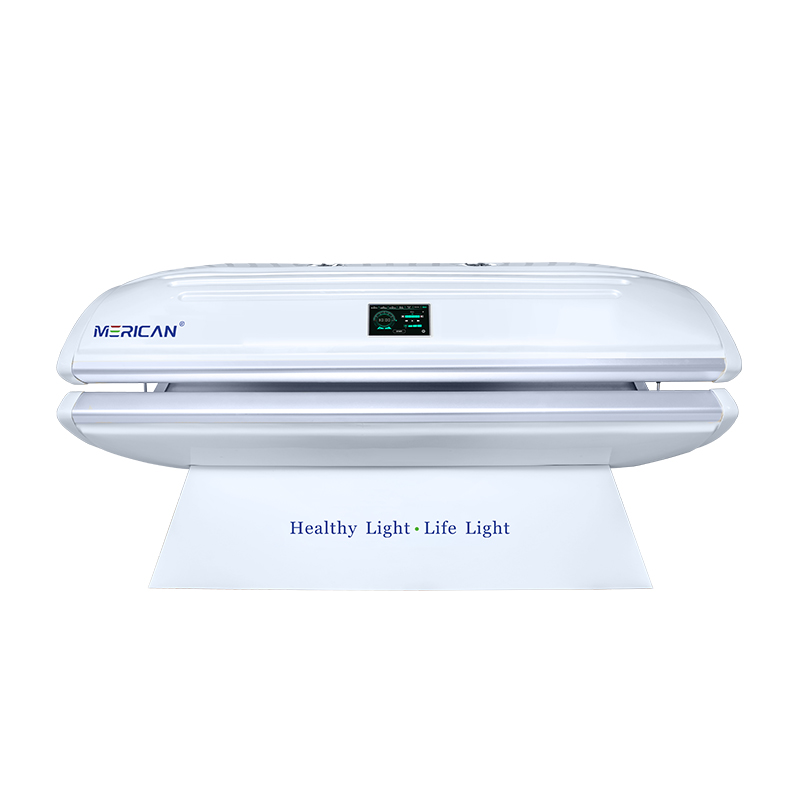
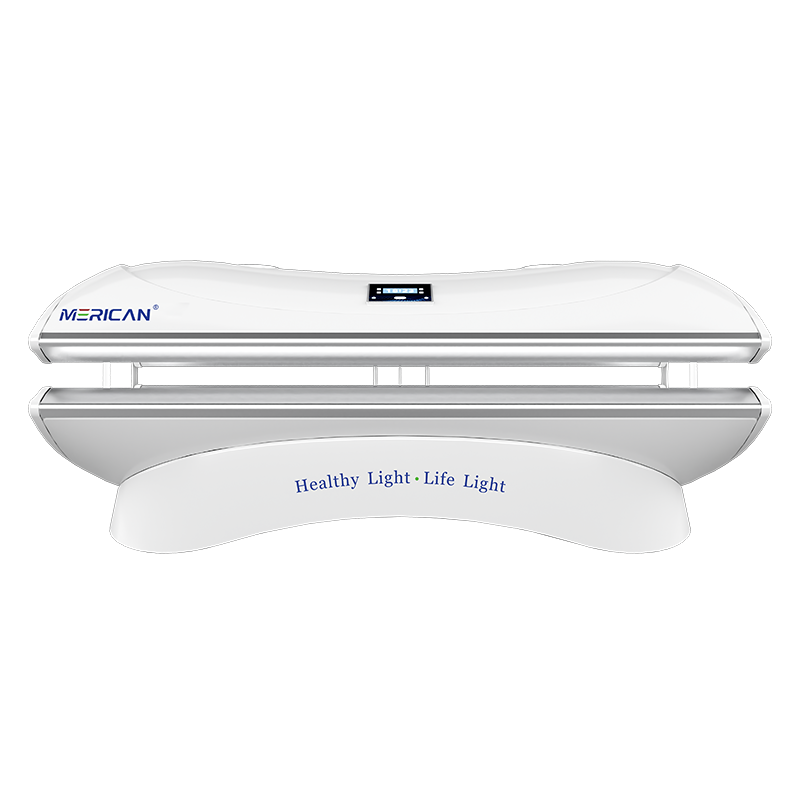
Red light therapy and UV tanning offer different benefits and risks for your skin. Red light therapy uses non-UV wavelengths to boost healing and improve skin health, while UV tanning provides a tan but can lead to skin damage and increased cancer risk. Want to understand how these treatments differ and their impact on your skin? Continue reading to explore the details!
Defintion
What is Red light therapy?
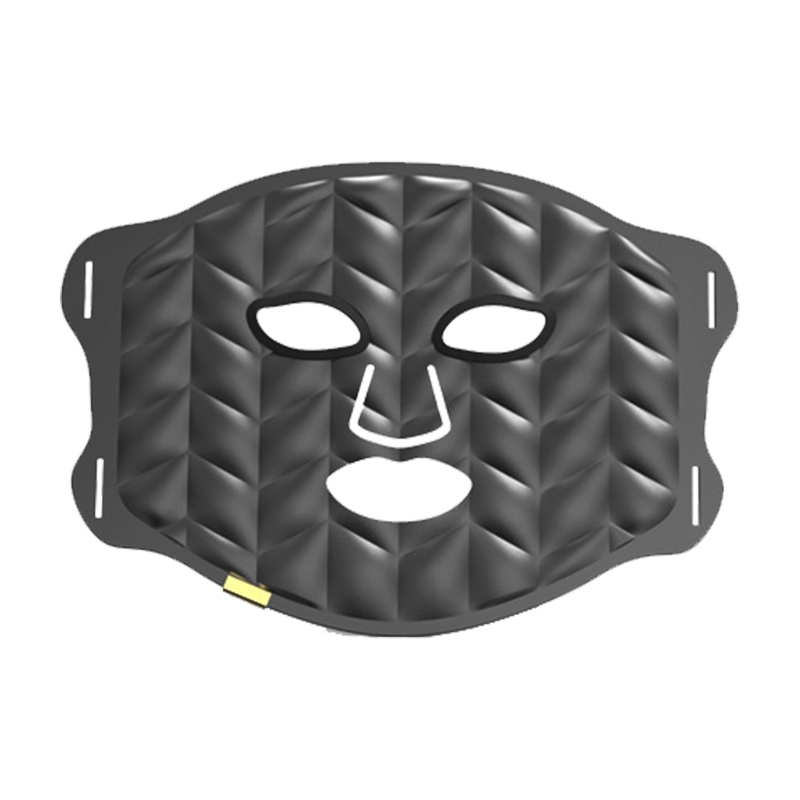
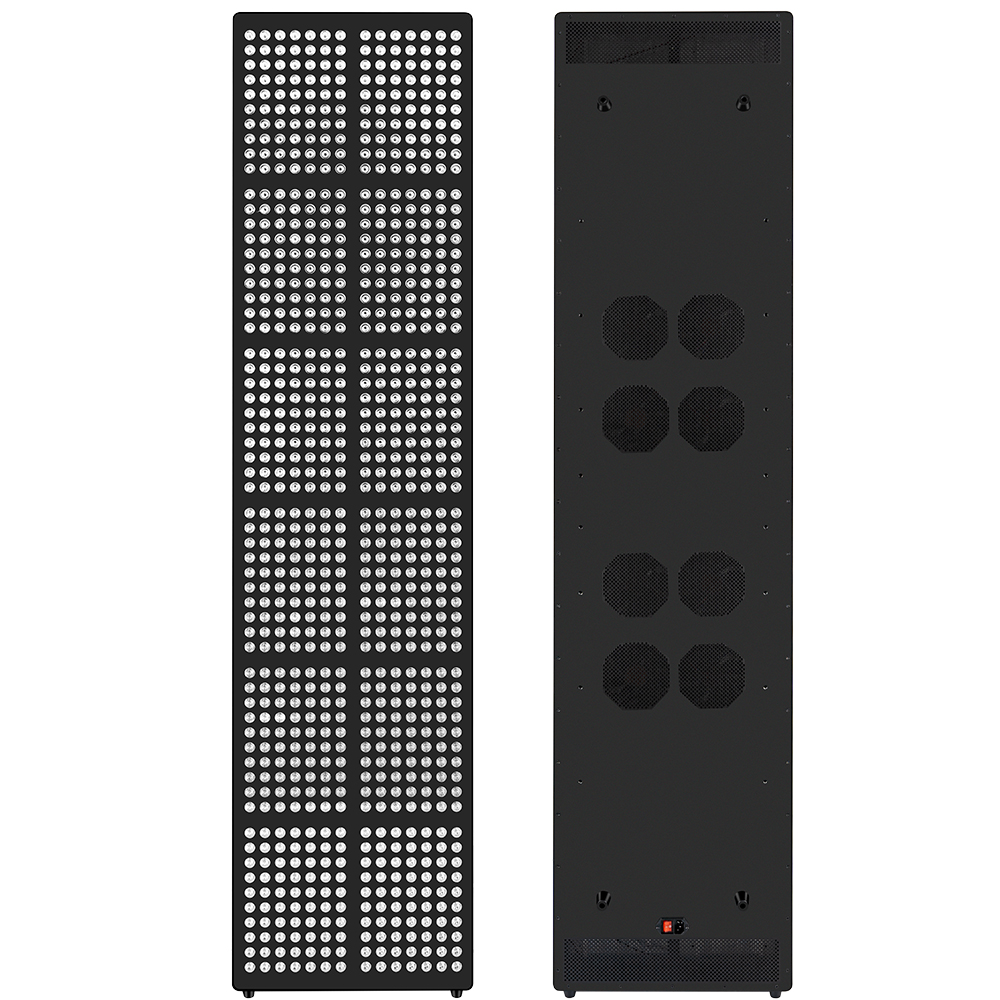
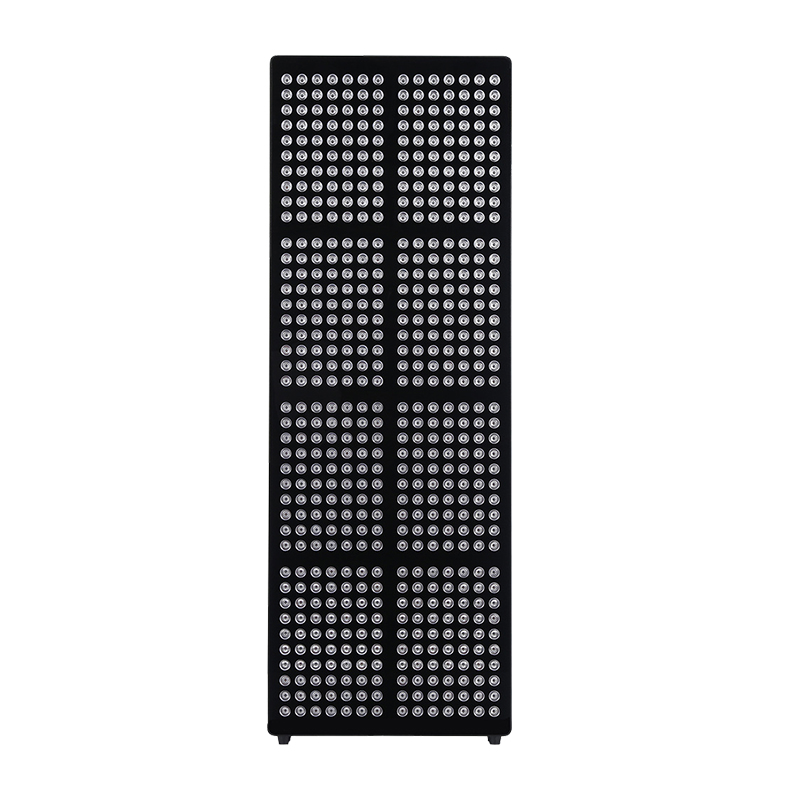
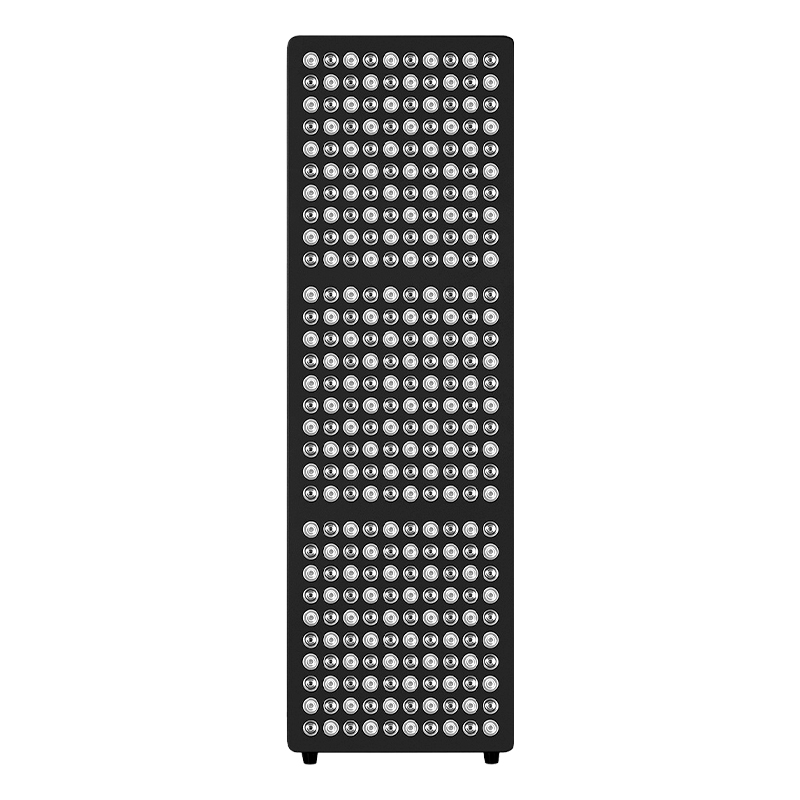
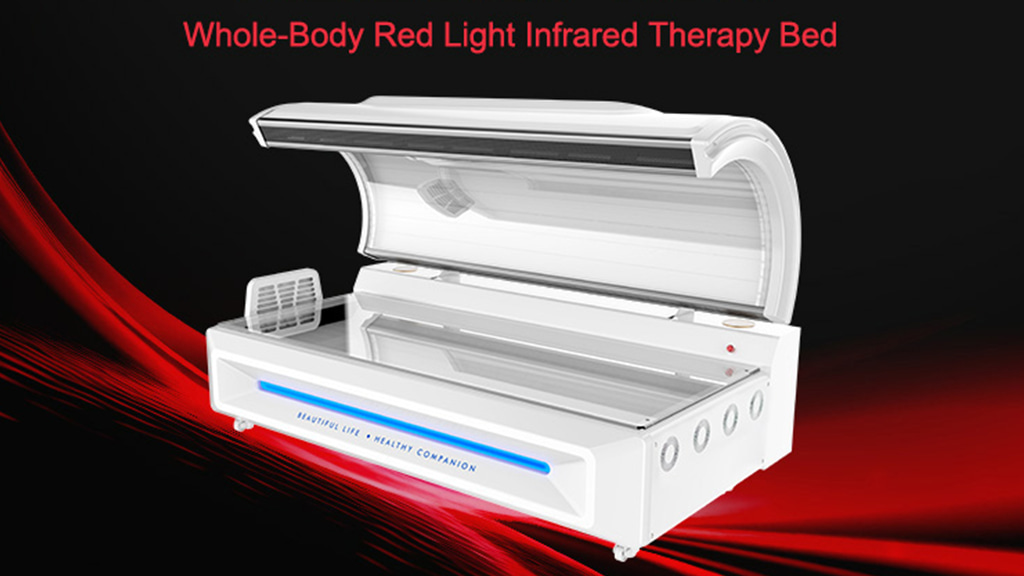
Red light therapy uses a specific range of non-UV light wavelengths, te tikanga i waenganui 600 a 900 nm, to penetrate the skin and stimulate the body’s natural healing processes.
The red light helps to increase blood flow, hanga collagen, and cell turnover, leading to improvements in skin texture, reo, me te hauora katoa.
Red light therapy is considered a safe and non-invasive treatment that does not damage the skin, and is often used to reduce the appearance of fine lines, korukoru, nga whiu, me te hakihaki, as well as to promote wound healing and relieve pain.
What is UV Tanning?
UV tanning involves exposure to ultraviolet (UV) irirangi, which is part of the invisible spectrum of light.
There are two main types of UV rays used in tanning: UVA me UVB.
UVA penetrates deeper into the skin and is primarily responsible for tanning, i te wa UVB is more responsible for burning and is also involved in the production of vitamin D. UV radiation, especially UVB. It can cause DNA damage, leading to skin aging and an increased risk of skin cancer.
Nga painga
Whakamarama Whero Whero: It is used for a variety of purposes, including skin rejuvenation, whakaora patunga, te whakaiti i te mumura, and treating certain skin conditions like acne and psoriasis. It is also used for pain relief and muscle recovery.
UV Taning: The primary benefit of UV tanning is the cosmetic effect of a tan, which many people find aesthetically pleasing. UV exposure also leads to the production of vitamin D, which is essential for bone health and other bodily functions. Heoi ano, the risks associated with UV exposure often outweigh these benefits.
Nga raruraru
Whakamarama Whero Whero: Generally considered safe when used correctly, red light therapy can cause mild side effects like redness or warmth on the skin. There is no evidence to suggest that it causes skin damage or cancer.
UV Taning: The most significant risk of UV tanning is skin damage, ka arahina ki te koroheketanga o mua (korukoru, leathery skin) and an increased risk of skin cancer, including melanoma. Eye exposure to UV rays can also cause damage to the cornea and contribute to the development of cataracts.
Whakamutunga
While both red light therapy and UV tanning can have cosmetic and therapeutic benefits, they operate through different mechanisms and carry different risks. Red light therapy is generally considered safer and is used for a broader range of therapeutic applications without the risks associated with UV exposure. UV tanning, i tetahi atu ringa, provides a tan but at the cost of potential long-term skin damage and increased cancer risk. No reira, individuals should carefully consider these factors when choosing between the two.