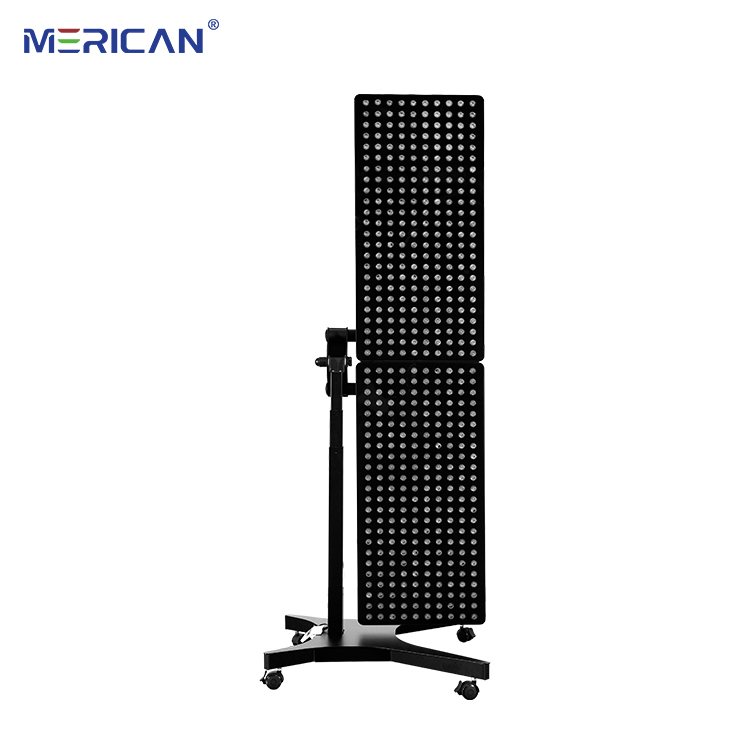
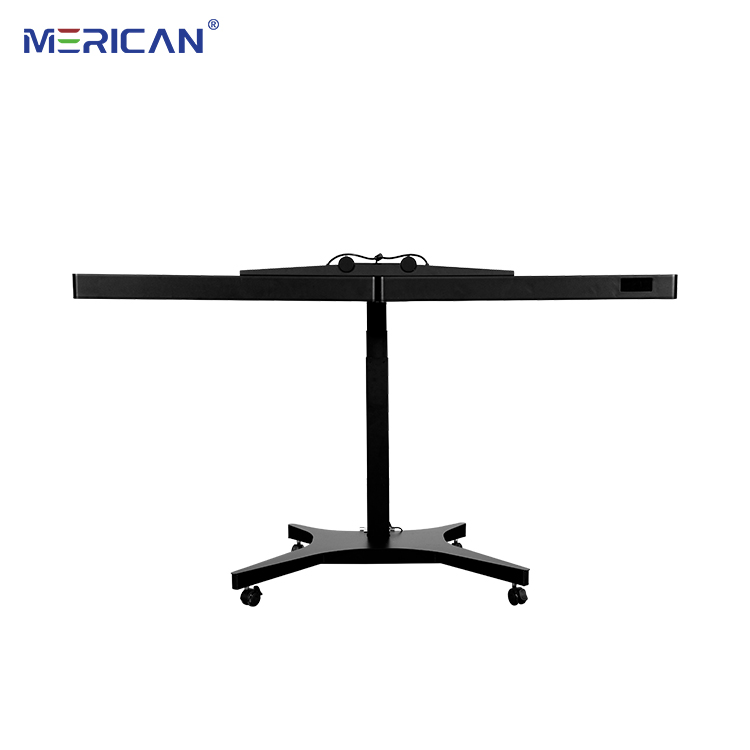
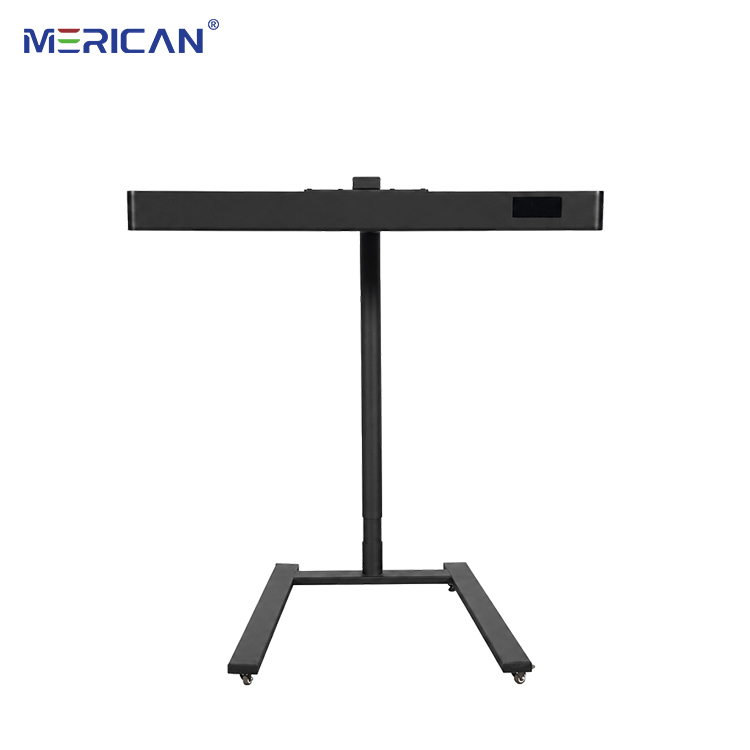
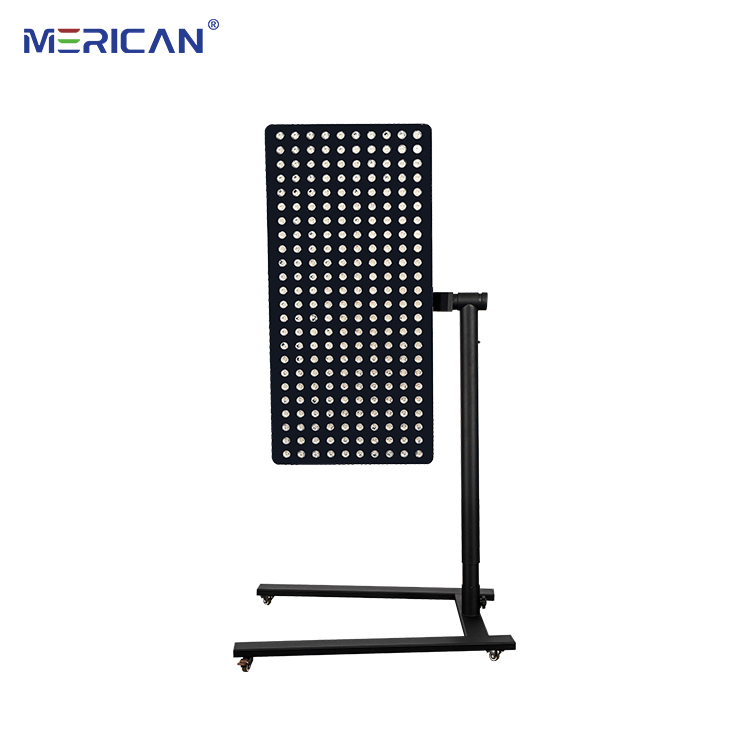
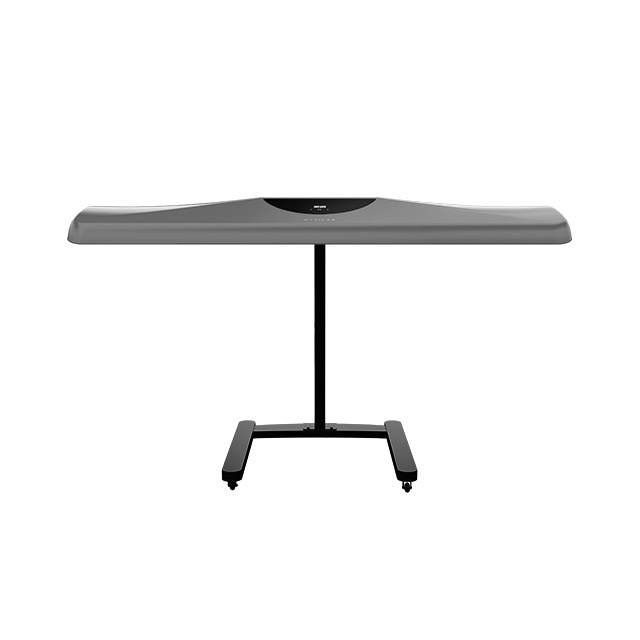
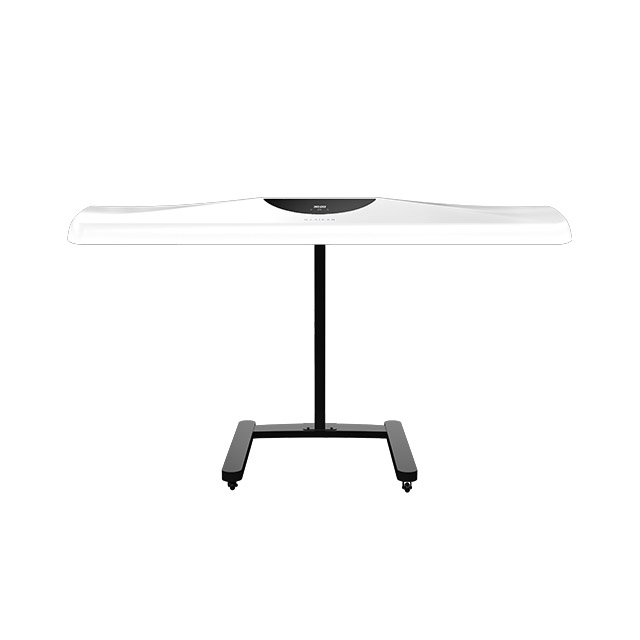
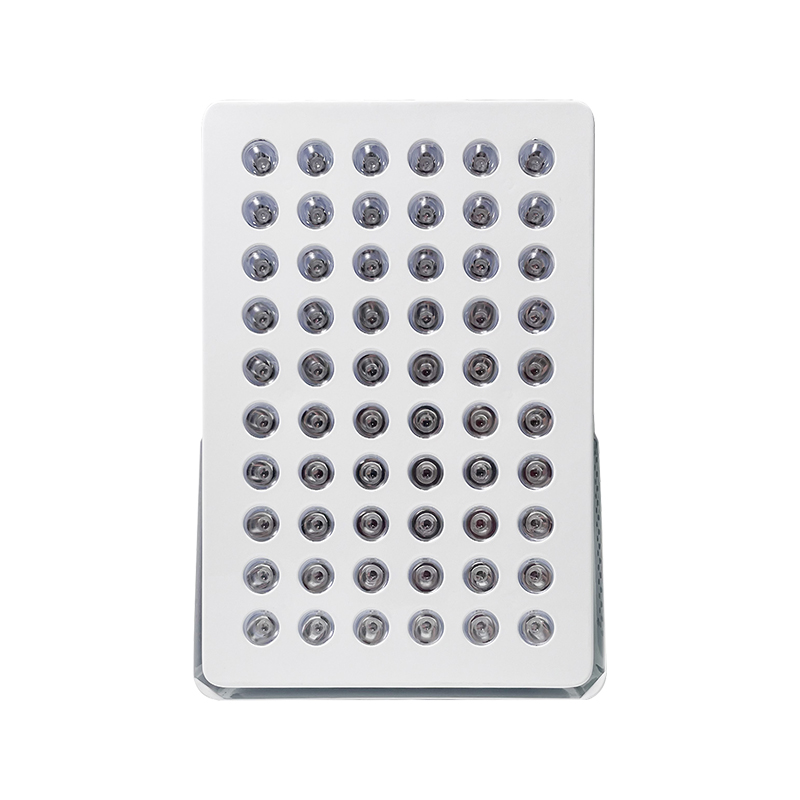
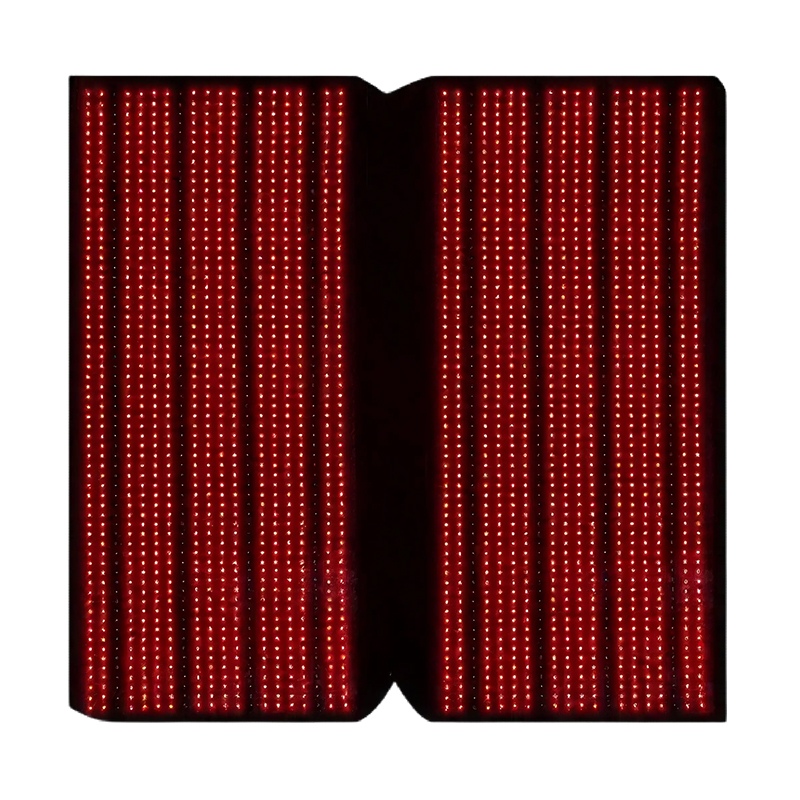
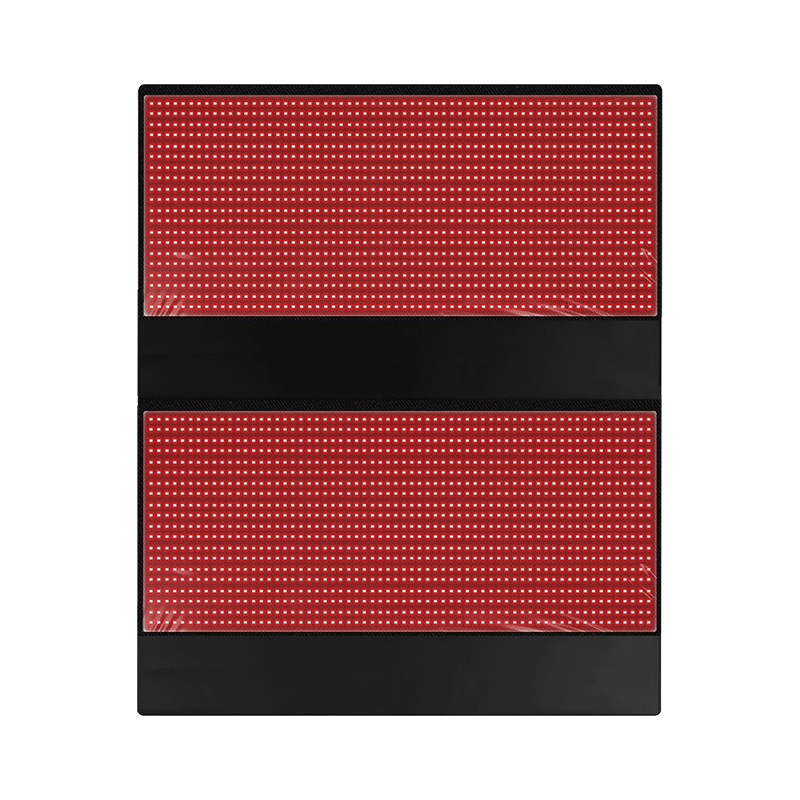
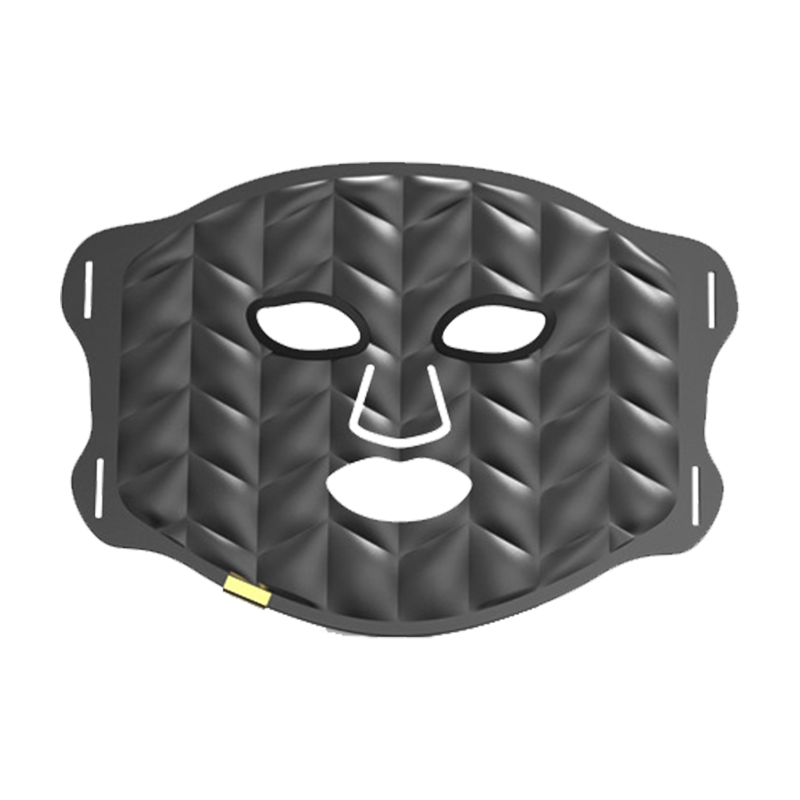
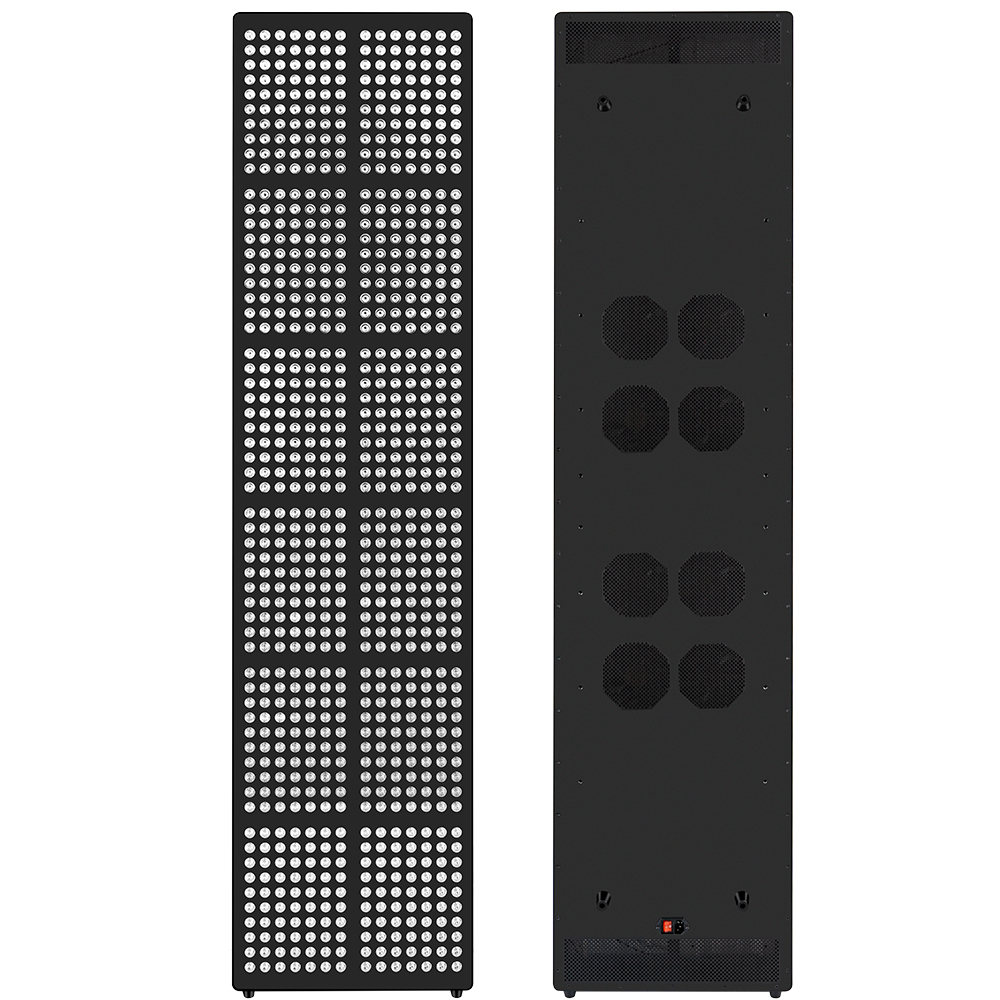
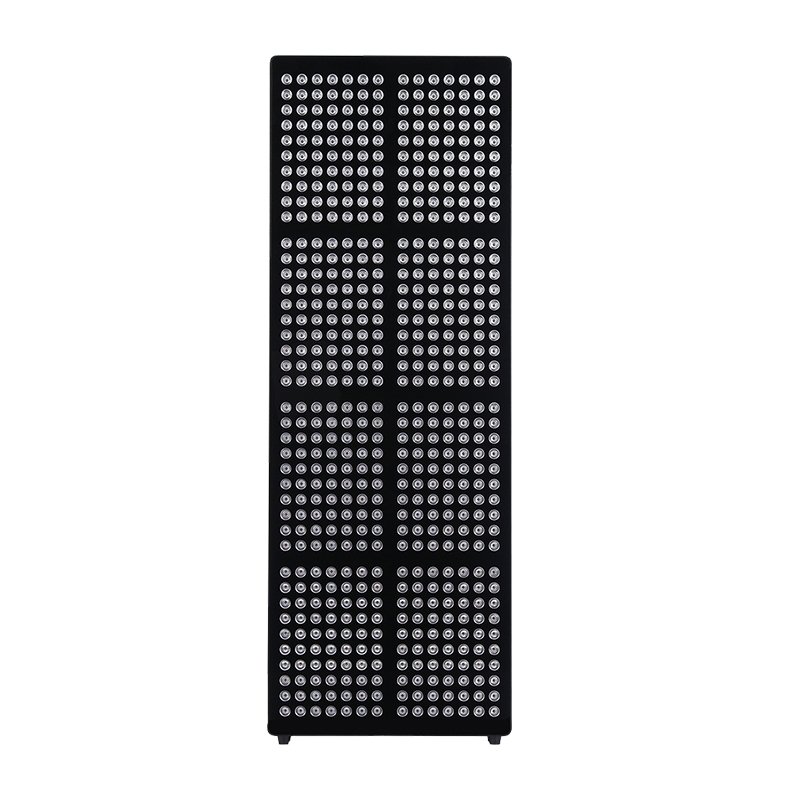
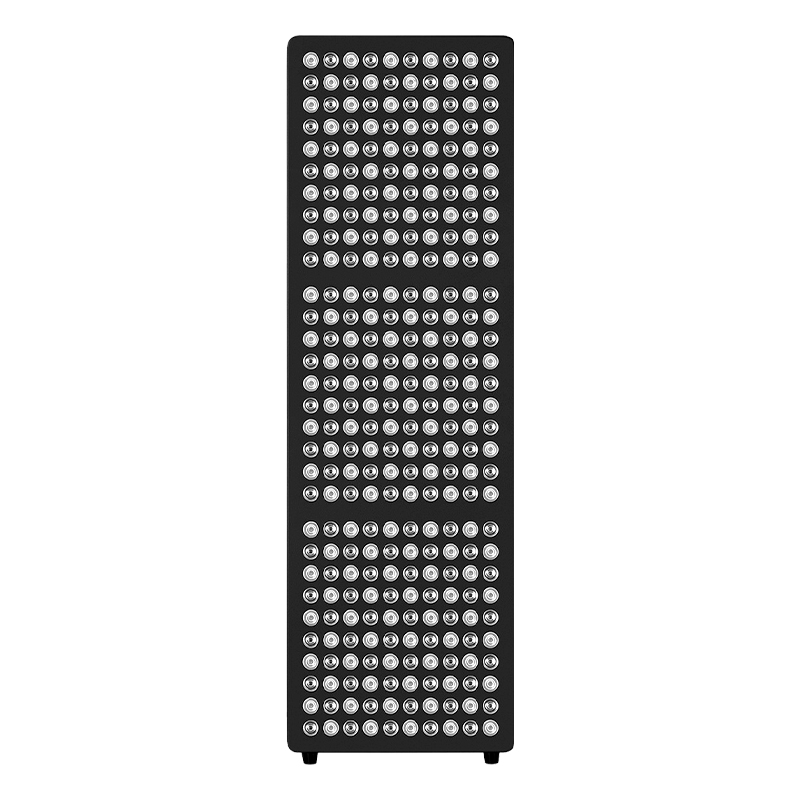
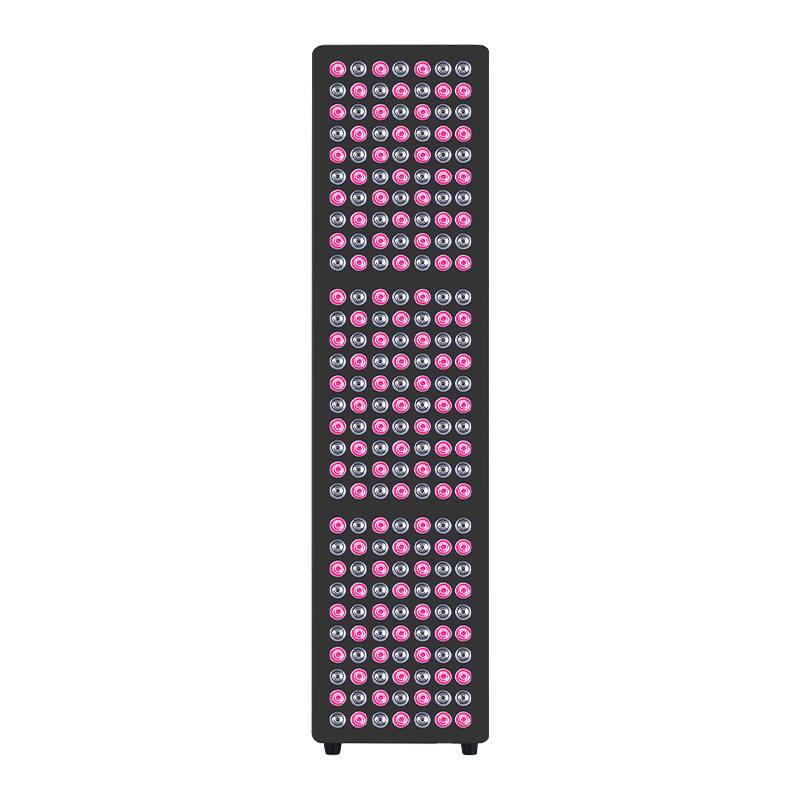
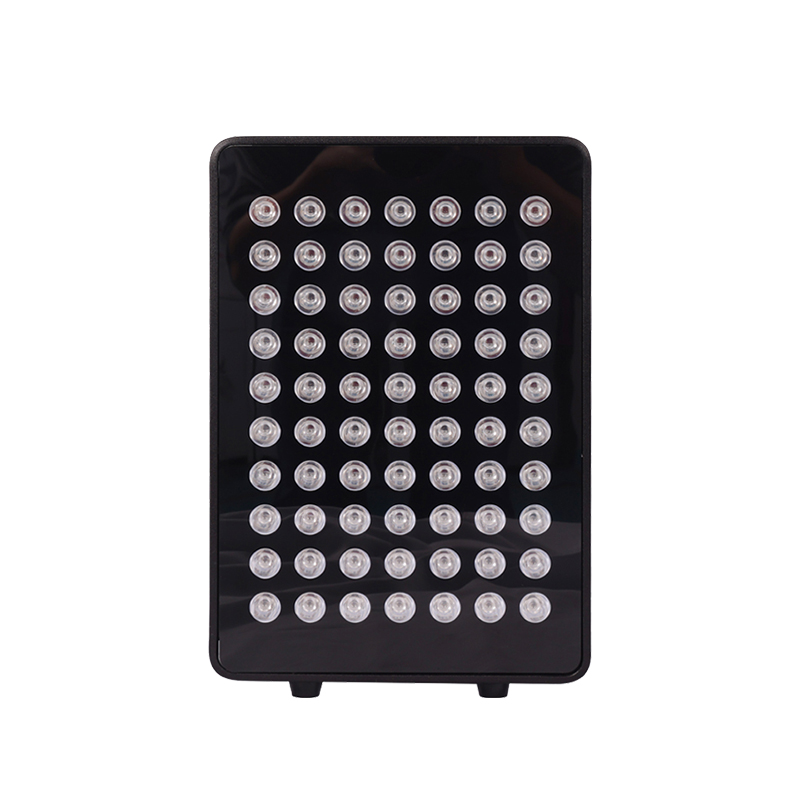
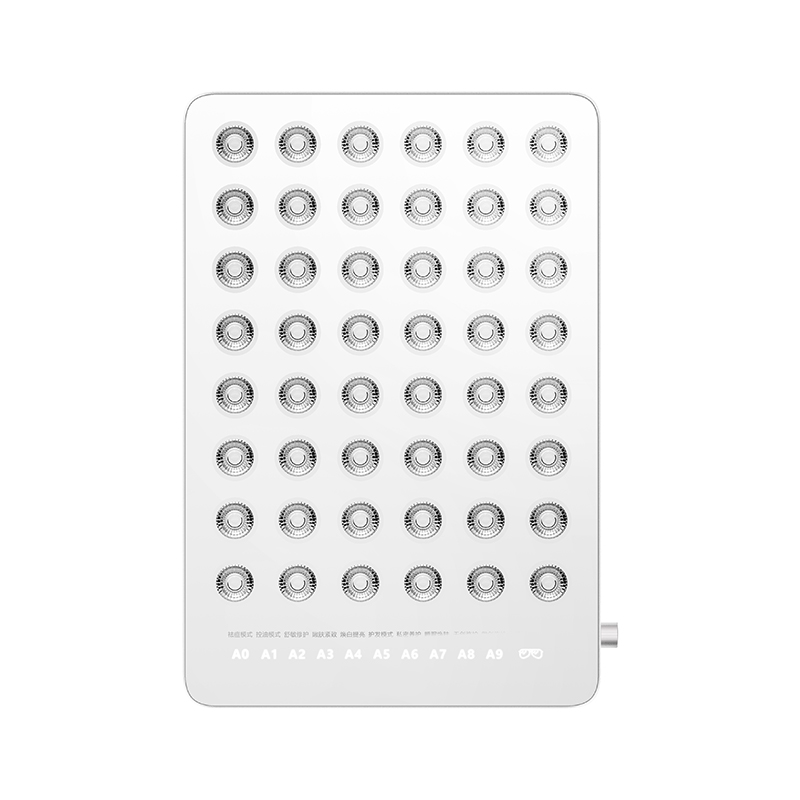
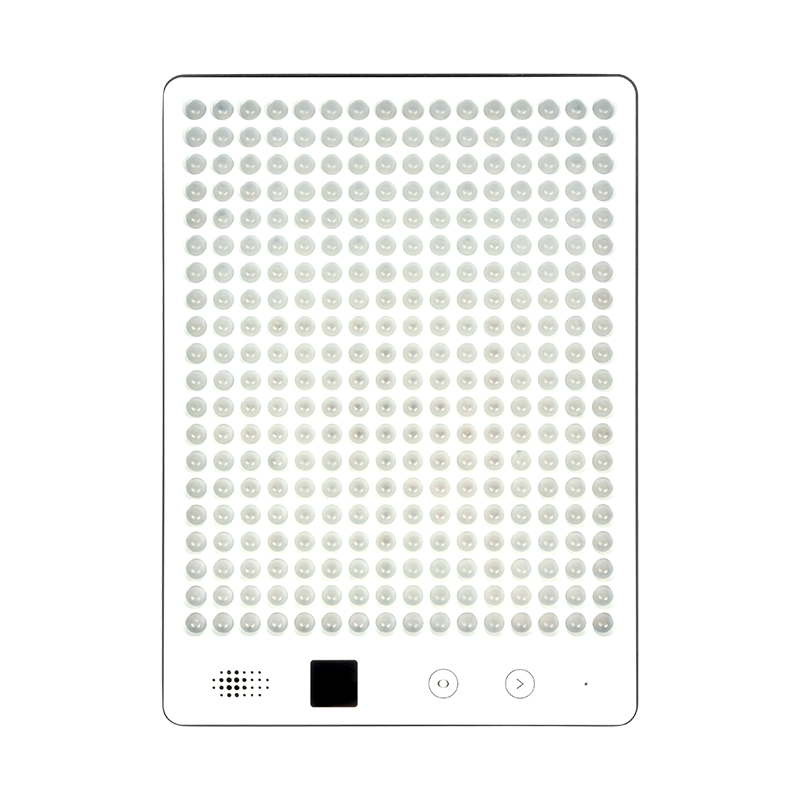
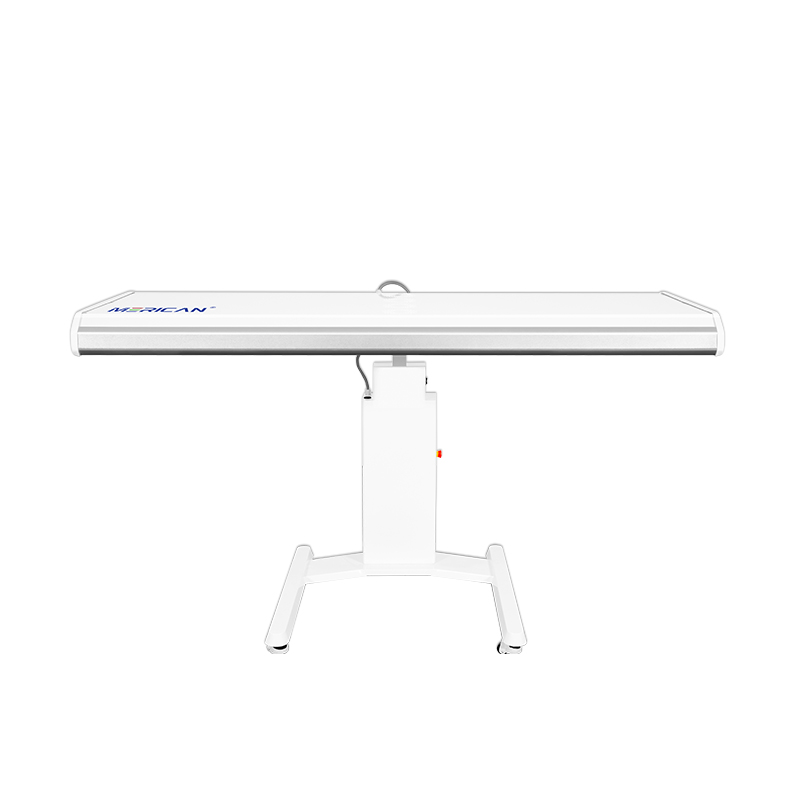
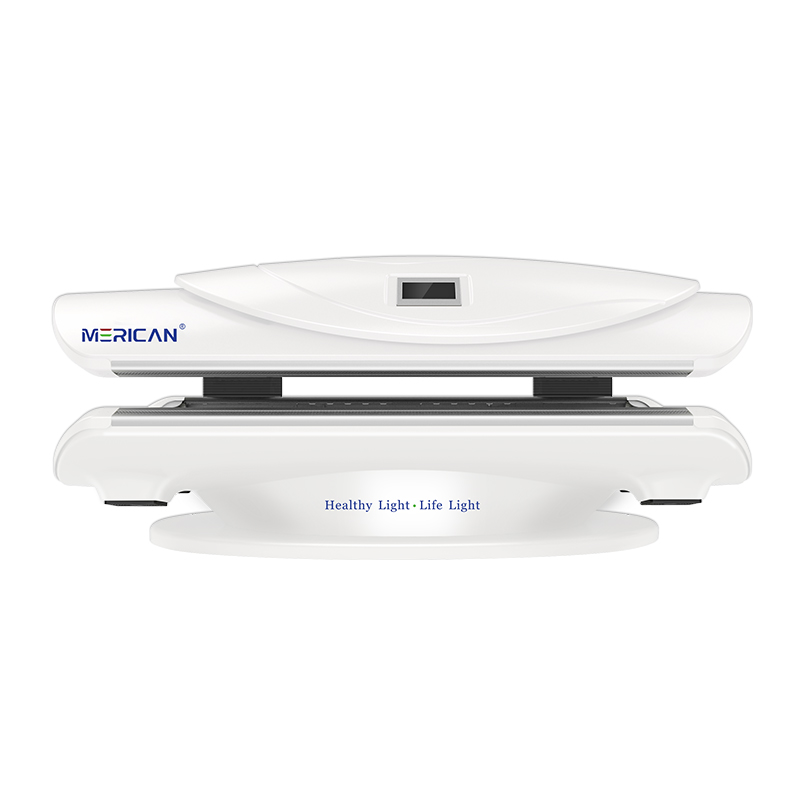
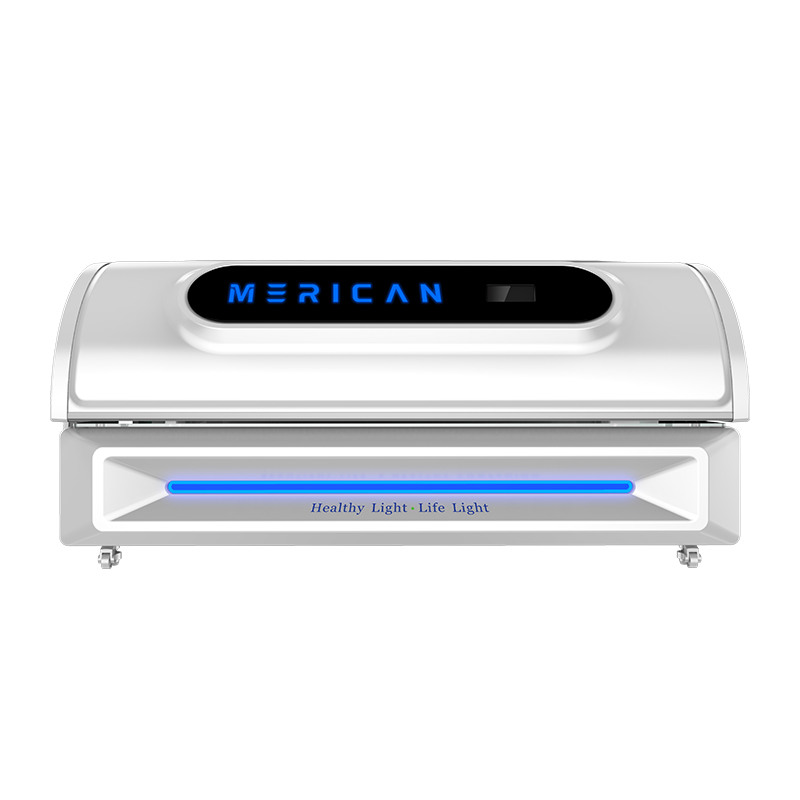
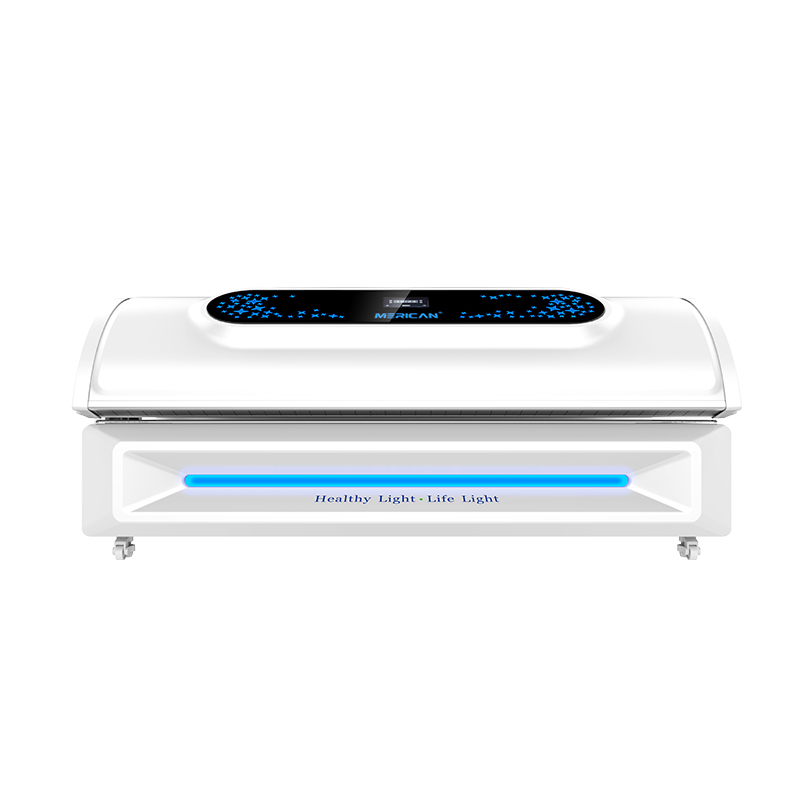
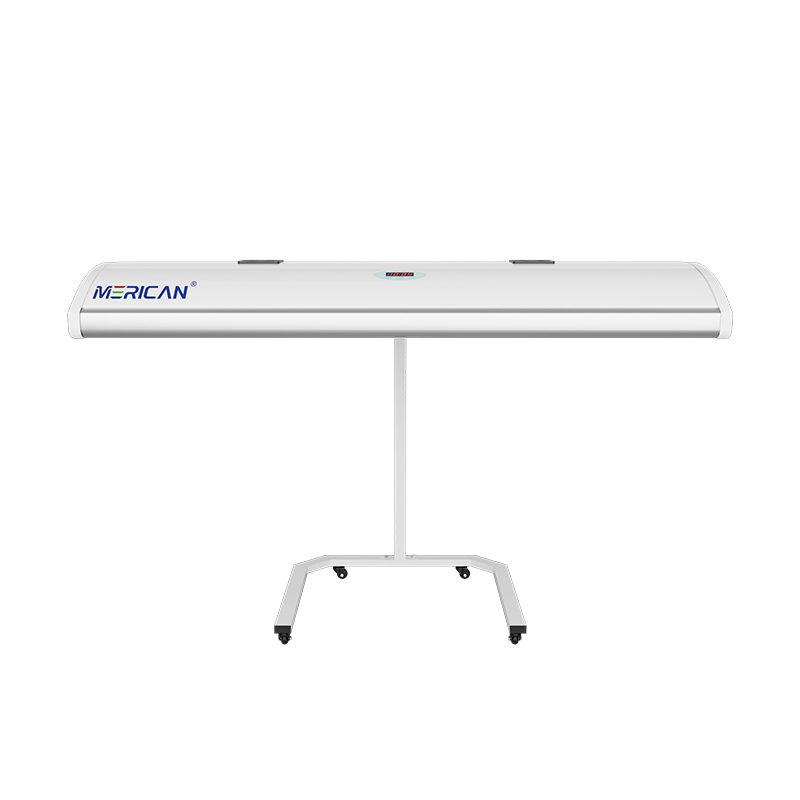
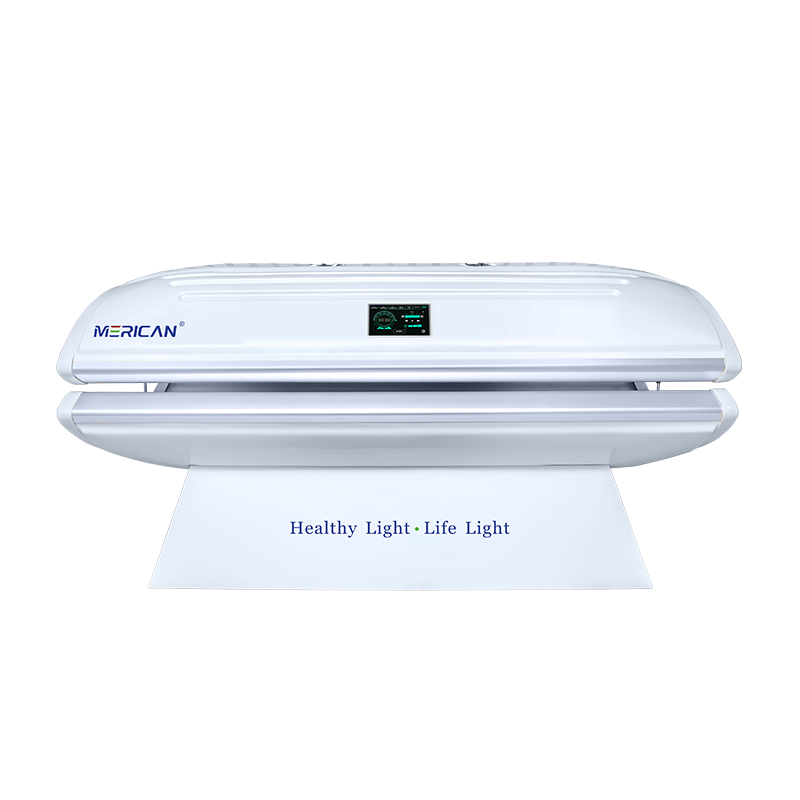
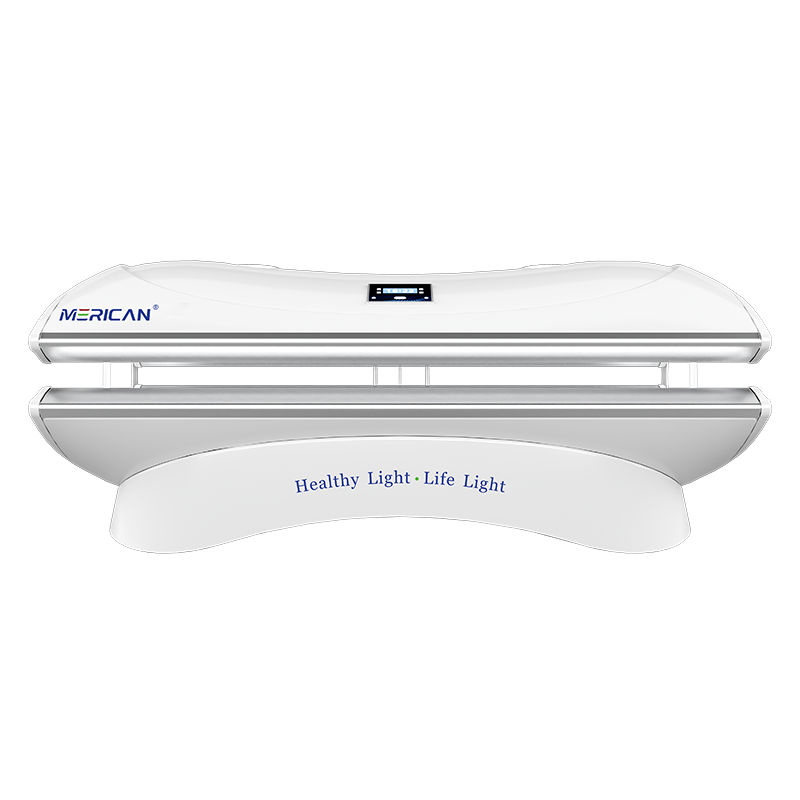
If the goal is fat reduction, the light has to arrive where the fat is: in the subcutaneous layer just under the skin. That means a red light therapy bed should be used with the emitters directly against the body or as close as the device allows, and positioned over the specific areas being treated rather than somewhere in the middle of the room. Contact is a necessary condition, not a guarantee. It improves the chance that a meaningful dose reaches the target tissue, but it does not by itself produce fat loss, and it does not turn a wellness session into a medical treatment.
What Does Placement Mean When the Target Is Fat?
Red and near-infrared light penetrates tissue, but not indefinitely. At the wavelengths used in these devices, useful penetration is measured in millimetres to a few centimetres, and the intensity at depth is always lower than the intensity at the surface. Subcutaneous fat sits immediately below the dermis, which is why proximity matters so much: every centimetre of air between the panel and the skin removes light before it ever reaches the layer you are trying to influence.
Placement therefore has two components. The first is distance, which determines how much light enters. The second is location, which determines which tissue receives it. A red light therapy bed that illuminates the whole body at once solves the location problem broadly but leaves the distance question to its own geometry, because the panels are fixed in the canopy and the base. What the user controls is where the body sits inside that geometry.
It also helps to be precise about the goal. Body contouring devices are studied for localised changes in fat thickness and circumference, not for overall weight reduction. A session that reduces a measurement around the waist is not the same outcome as losing kilograms, and treating the two as interchangeable is the most common misunderstanding in this category.
Why Does Proximity Matter More Than the Label on the Device?
Optical power falls steeply with distance. A panel rated at a high irradiance at the surface delivers a fraction of that figure a short way into the air, and the tissue beneath the skin receives less again. Two devices with identical wavelength labels can therefore produce very different doses at the fat layer if one is used flush against the body and the other is used across a gap.
Fat depth is the second variable. Subcutaneous thickness varies enormously between sites and between people: the abdominal wall, the flanks, the outer thighs, and the upper arms all differ, and a layer that is thin in one person may be several times thicker in another. Light that barely reaches the fat in one body may not reach it at all in another, which is one reason results in the literature are inconsistent and why device instructions specify the intended treatment sites.
This is also why a whole-body red light therapy bed is a blunt instrument for a localised goal. It delivers moderate light everywhere rather than concentrated light to one area. That design is reasonable for general wellness and for covering large surface areas, but it cannot be recalibrated to a single stubborn region simply by lying in a different spot.
Where Do These Devices Get Used for Fat Reduction?
The areas most often treated are the abdomen, the flanks, the outer thighs, the buttocks, and the upper arms, because those are the sites where subcutaneous fat is accessible and where contour studies have historically been conducted. Some clinics also treat under the chin with dedicated applicators. A red light therapy bed can cover the first four areas at once, which is convenient, but coverage is not the same as concentration.
Positioning over the target means aligning the body so the area in question faces a panel directly rather than sitting at the edge of the illuminated field. In a tunnel bed the panels surround the body, so the main task is to lie flat and centred. In a canopy bed or an open frame, one side is closer to the light, and turning at the interval the manual specifies is what keeps exposure even.
Areas at the boundary of the field deserve honesty. Hands, feet, the outer edges of the torso, and the sides of the thighs often sit where irradiance is low. If a specific region is the goal, a bed may not be the right format at all, and a targeted panel or a clinic applicator may be the more appropriate tool. That is a limitation of the equipment, not a failure of the user.
Does the Bed Actually Have to Touch the Skin?
Direct contact is the ideal case, and short of that, the smallest gap the machine allows. Contact removes air attenuation entirely and keeps the distance constant for the length of the session. It also prevents the subtle drift that happens when someone props themselves up, shifts a shoulder, or lets a limb fall away from the panel.
Most red light therapy beds are not designed for true skin contact across the whole body. The canopy sits above the torso and the base sits below, and the body rests on a surface rather than pressing into an emitter. In that case the instruction is to use the clearance the bed was built with and to avoid adding anything that increases it: no extra mattress topper, no folded blanket under the back, no thick towel between the body and the base.
Clothing should be thin, bersih, and consistent, or removed if the manual permits it. Heavy fabric, compression garments with dense panels, and multiple layers all absorb or scatter light before it reaches the skin. Sweat is a separate issue: it does not block light, but it changes comfort and heat perception, and pooled moisture on a treatment surface is a hygiene and slipping problem rather than an optical one.
Does Close Contact Mean the Fat Will Go Away?
Tidak. Contact improves dose delivery, and dose delivery is a prerequisite for any biological effect, but the evidence for fat reduction with light therapy is modest and specific. Studies tend to report small changes in localised fat thickness or circumference in selected groups, often alongside a diet or exercise programme, and follow-up periods are usually short. That is not the same as a predictable cosmetic result for an individual user.
Response also depends on factors the device cannot control: baseline fat thickness, jenis kulit, umur, hormon, total energy balance, ubat-ubatan, and adherence to the protocol. Someone hoping to change a measurement while eating in a large surplus is asking light to do work that no device in this category can do. Sebaliknya, a modest localised change may be masked by fluid shifts, postur badan, or the time of day a measurement is taken.
The honest framing is that contact is one variable among several, and it is the one the user can actually control. Treat it as a condition for a fair trial of the device rather than as a promise. If a supplier presents skin contact as proof of effectiveness, that is a marketing claim, not a mechanism.
Where Does Fat Loss End and Body Contouring Begin?
Body contouring aims at a local shape change; weight loss is a whole-body reduction in mass. Light therapy of this kind has been studied mainly for the first, and it should not be presented as a route to the second. A red light therapy bed does not burn a meaningful number of calories during a session, does not replace dietary change, and does not substitute for medical treatment of obesity.
That distinction matters for expectations and for safety. Someone with a metabolic condition, a history of eating disorders, or a medical need for weight management should be discussing that with a clinician rather than shopping for equipment. A device that improves the appearance of one region does nothing for the physiology that determines body weight.
It also matters commercially. A studio that markets sessions as weight loss is making a claim it cannot support, and clients who measure themselves on a bathroom scale will conclude the service failed even if a circumference change occurred. Clear language about localised contouring protects both the operator and the customer, and it is the kind of detail that separates a credible provider from a promotional one.
How Should You Position Yourself in the Bed?
Lie flat, centred on the treatment surface, with the spine aligned along the long axis of the bed and the shoulders level. Keep the arms at the sides rather than folded across the abdomen, because folded arms lift the forearms away from the lower panel and create a gap exactly where many people want exposure. Keep the legs straight unless the protocol specifies a bent-knee position, since raised knees move the thighs away from the base.
If the red light therapy bed has a canopy, check that the head is not propped so high that the chest drops away from the upper panel. A thin pillow may be permitted; a stack of them is not. Turn at the midpoint if the instructions call for it, and turn the same way each session so that the two sides receive comparable exposure across the programme.
Akhirnya, resist the urge to press hard into the surface to “get closer”. Forcing contact can compress tissue, restrict movement, and make the session uncomfortable without improving the dose in any way you can verify. The design distance is the design distance; the goal is to occupy it consistently, not to defeat it.
What Reduces the Dose Before It Reaches the Fat?
Distance is the largest factor, but it is not the only one. Thick or dark clothing absorbs and scatters light. A towel laid over the body, a protective plastic sheet, and a heavy blanket all sit in the optical path. Moisture films and residues on the panel surface reduce output and should be cleaned according to the manufacturer’s schedule rather than wiped with whatever is at hand.
Heat management matters too. When a panel throttles because of temperature, output can drop during a session, so a red light therapy bed that feels warm to the touch is not necessarily delivering more light. Cooling fans, kelegaan pengudaraan, and the duty cycle stated in the specification all affect what actually reaches the skin over twenty minutes.
And coverage geometry decides where the light lands. A body that is off-centre, or an area that sits at the edge of the field, receives less regardless of how close it feels. The practical check is simple: look at the illuminated area before the session starts, confirm that the target region is inside it, and adjust position once rather than fidgeting throughout.
| Kawasan sasaran | How a bed usually covers it | Proximity issue to watch |
|---|---|---|
| Perut | Directly under the upper panel when lying supine | Raised knees or a thick pillow increase the gap |
| Flanks | At the side edges of the field | Lower irradiance at the boundary; turning matters |
| Outer thighs | Lower panel plus side spill | Legs apart or rolled outward move tissue out of the field |
| Upper arms | Near the shoulder edge of the canopy | Folded or raised arms take the area out of range |
| Buttocks | Base panel when lying prone | Requires a separate prone session or a turn |
How Do You Tell Whether the Placement Is Working?
Measure the same way, at the same time of day, with the same tape, at marked landmarks. Waist at the navel, the widest point of the hips, mid-thigh, and mid-upper-arm are the usual reference points. Take each measurement twice and record the average, then repeat weekly or fortnightly rather than daily, because fluid and posture create noise that overwhelms a small real change.
Photographs help when taken under identical lighting, jarak, dan postur, but they are easy to bias. Keep the camera position fixed, avoid flexing, and store the images with the session log. A single before-and-after pair taken in different light proves nothing; a series taken the same way shows a trend or its absence.
Record the settings alongside the measurements: program, tempoh masa, kekerapan, kedudukan badan, pakaian, and any change in diet or activity. If the numbers are flat after the evaluation period the manufacturer recommends, the answer is not to lie closer or stay longer. It is to review whether the device is appropriate for the goal, and to decide honestly whether to continue.
When Does Close Placement Become a Safety Issue?
Proximity raises both optical power and heat at the skin, and the areas usually targeted for fat are also areas where heat builds up under a canopy. Watch for warmth that keeps increasing, menyengat, or a sensation that does not settle after the session. Kemerahan yang berterusan, kelembutan, or a burn-like reaction means the exposure was too much for that device or that person, not that it was effective.
Stop and seek advice for burning pain, melepuh, bengkak, ruam yang merebak, pening kepala, or eye symptoms such as pain, berkelip-kelip, or new visual changes. Do not extend a session to compensate for a placement mistake, and do not repeat the exposure as a test. Record the settings, the measured gap, and the time of onset so a clinician or technician has something concrete to work with.
Some people need individual guidance before using any of this equipment: anyone who is pregnant, taking photosensitizing medication, mempunyai gangguan fotosensitiviti, penyakit mata yang ketara, pembedahan mata baru-baru ini, keadaan kulit yang aktif, or a medical reason for weight management. Contact with the skin does not remove those considerations, and a device being noninvasive does not make it suitable for every body.
What Should You Ask the Supplier About Placement?
Ask for the irradiance at the treatment plane and the distance at which it was measured, then ask how much the figure varies across the treatment area. A number quoted for the centre of the panel tells you little about the edges, where the flanks and outer thighs usually sit. Ask whether the protocol specifies contact, near-contact, or a fixed clearance, and whether clothing is permitted.
Ask which body sites the device is intended for and what documentation supports that. A serious supplier can describe the intended use, the treatment area dimensions, the recommended session length and frequency, and the contraindications in writing. Vague answers about “penetrating deep into fat” without any optical data are a signal to look elsewhere.
Akhirnya, ask what happens after service or a panel replacement. Output can shift, and a placement protocol calibrated to the old output may no longer be appropriate. A supplier who can answer that question has document control; one who cannot leaves the operator guessing about the dose being delivered to a client’s skin.
Peraturan praktikal: Put the light where the fat is: use the red light therapy bed with the emitters as close to the target area as the device allows, then measure the result instead of assuming it. Contact improves dose delivery, but only a documented protocol, a consistent position, and an honest evaluation period tell you whether the session is doing anything worth repeating.
Bawa Pulang Akhir
The placement answer is straightforward: directly against the skin, or at the shortest distance the equipment permits, centred over the subcutaneous fat you intend to treat. In a red light therapy bed that usually means lying flat and centred inside a fixed geometry rather than pressing into the panels, keeping clothing thin, and turning as instructed so both sides receive comparable exposure.
What contact does not do is guarantee an outcome. Light therapy is studied for localised contour changes, not weight loss, and the effect sizes reported in the literature are modest and variable. Use the device as specified, measure with a tape at marked landmarks, and judge the result over the evaluation period rather than by how warm the skin felt. If the numbers do not move, more proximity is not the fix. The useful next step is a review of the protocol, the equipment specification, and the goal itself, not a longer session or a harder press into the panel.