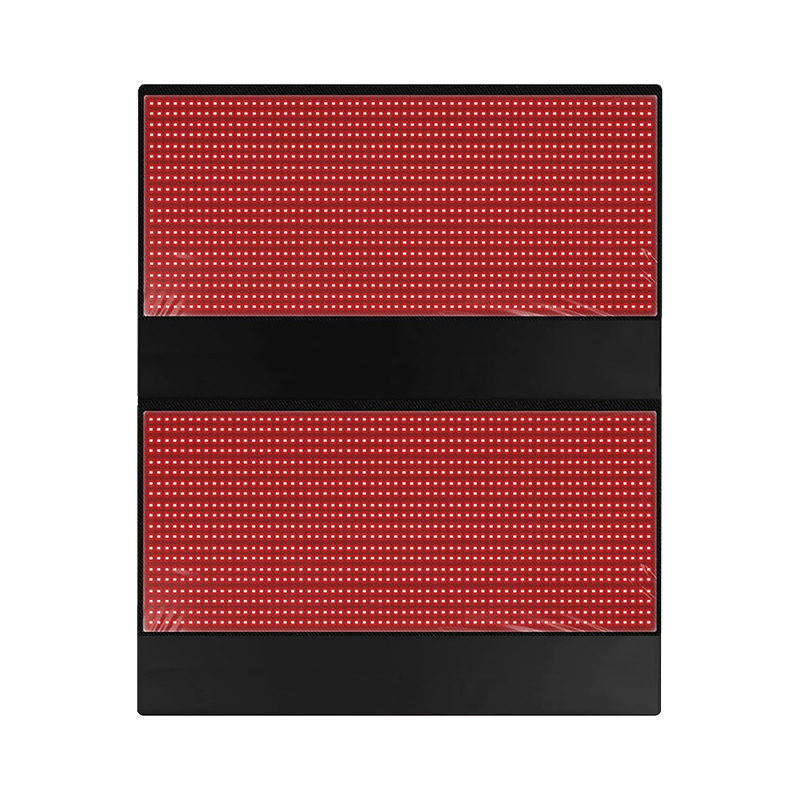
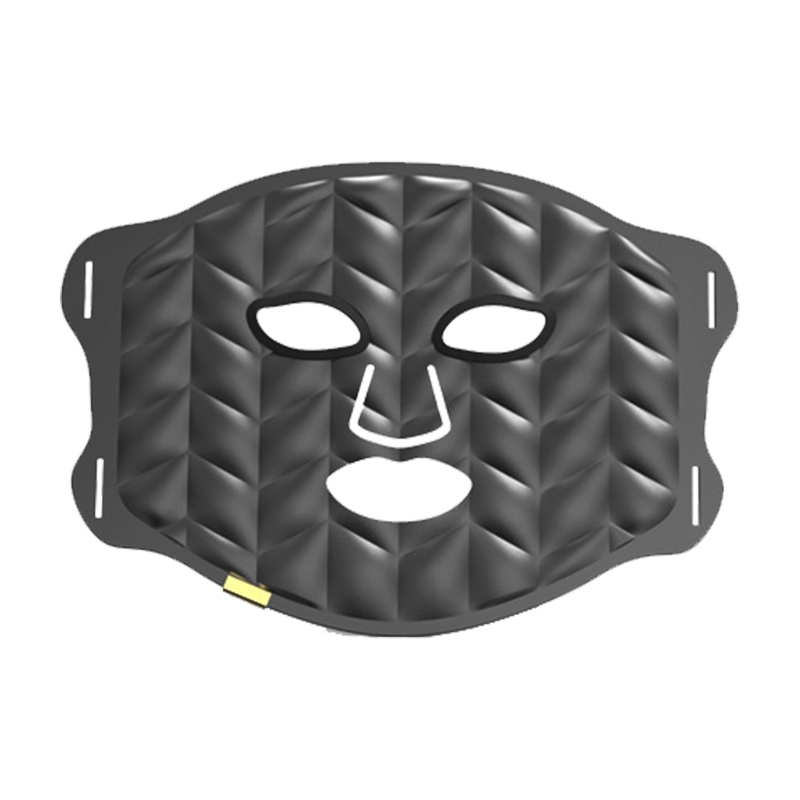
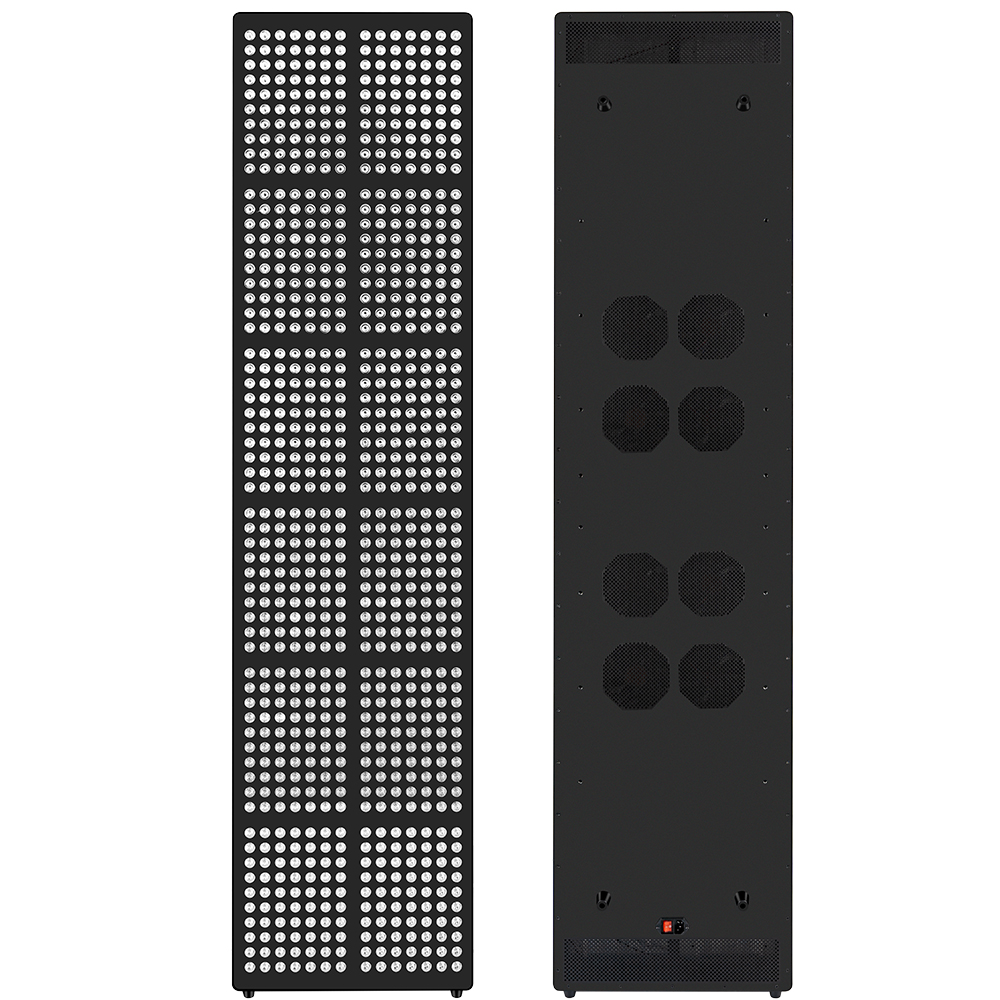
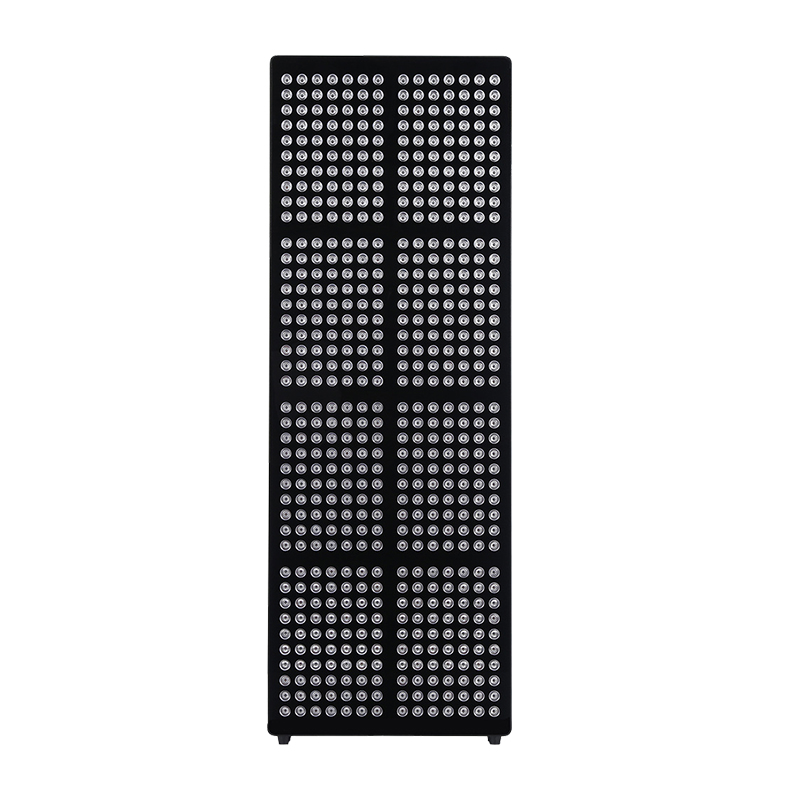
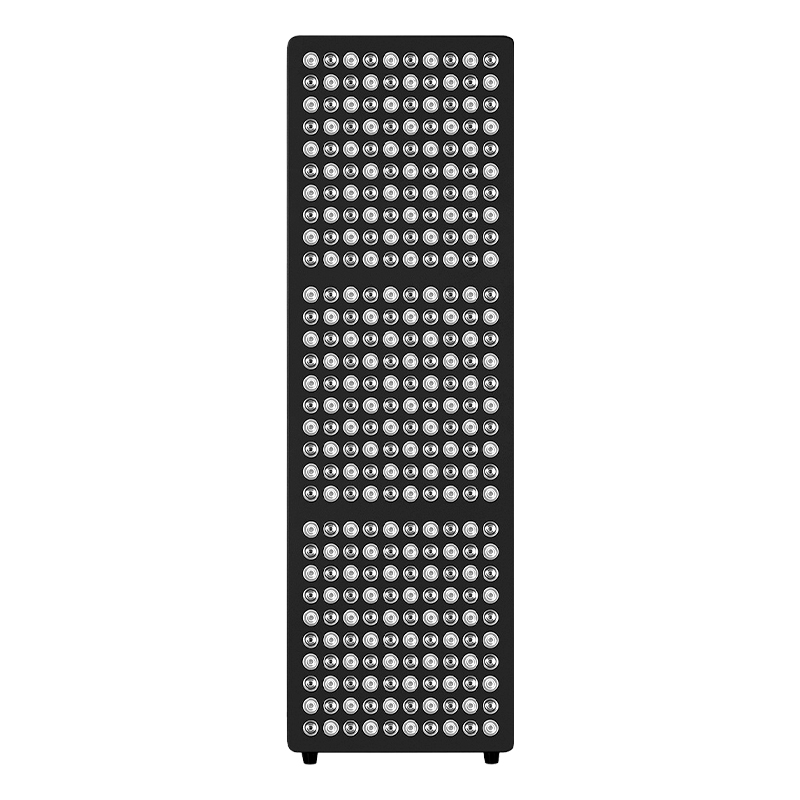
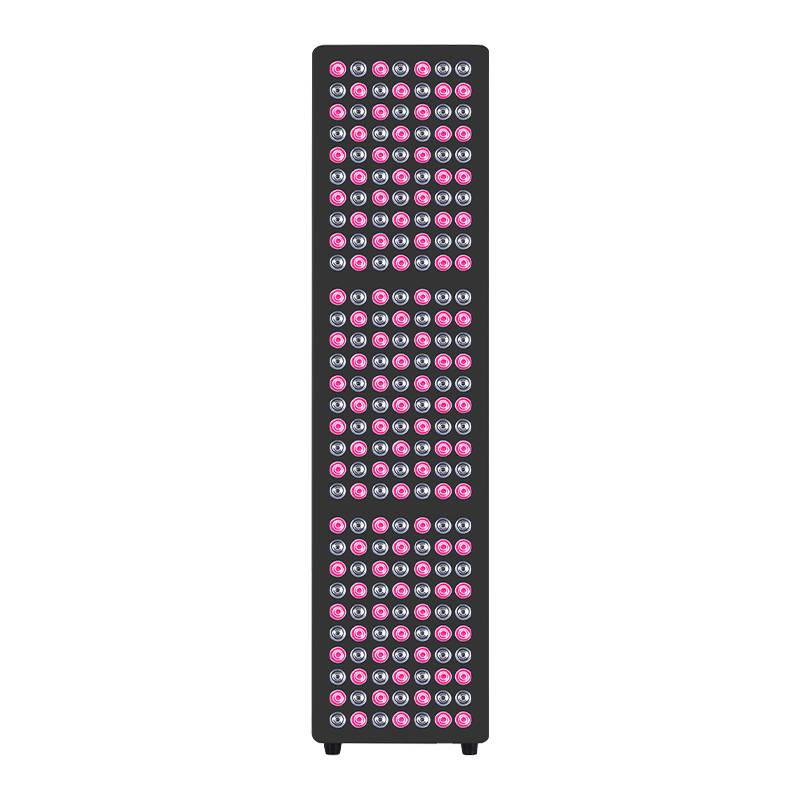
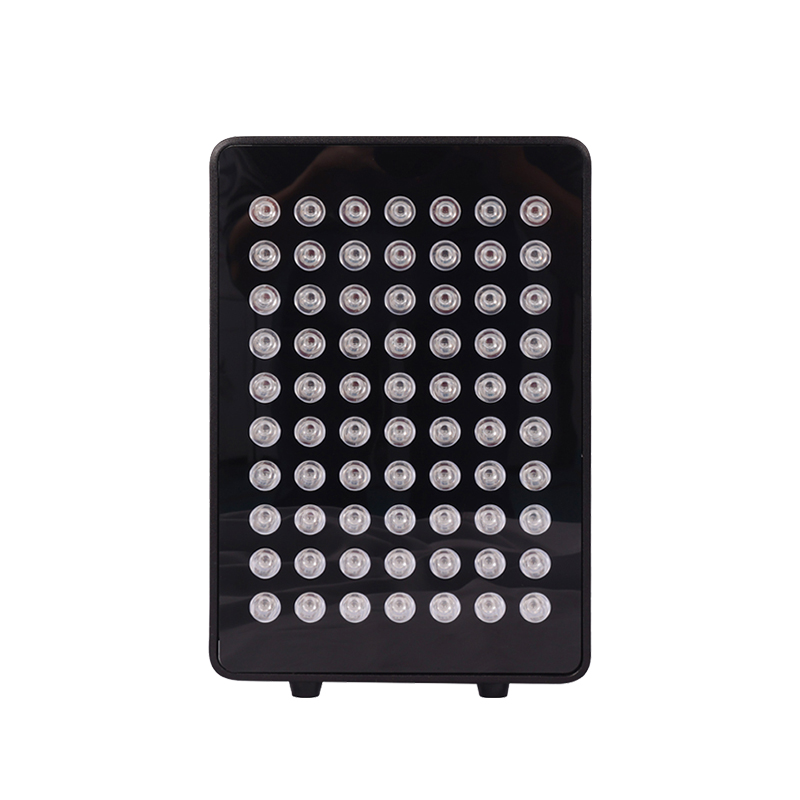
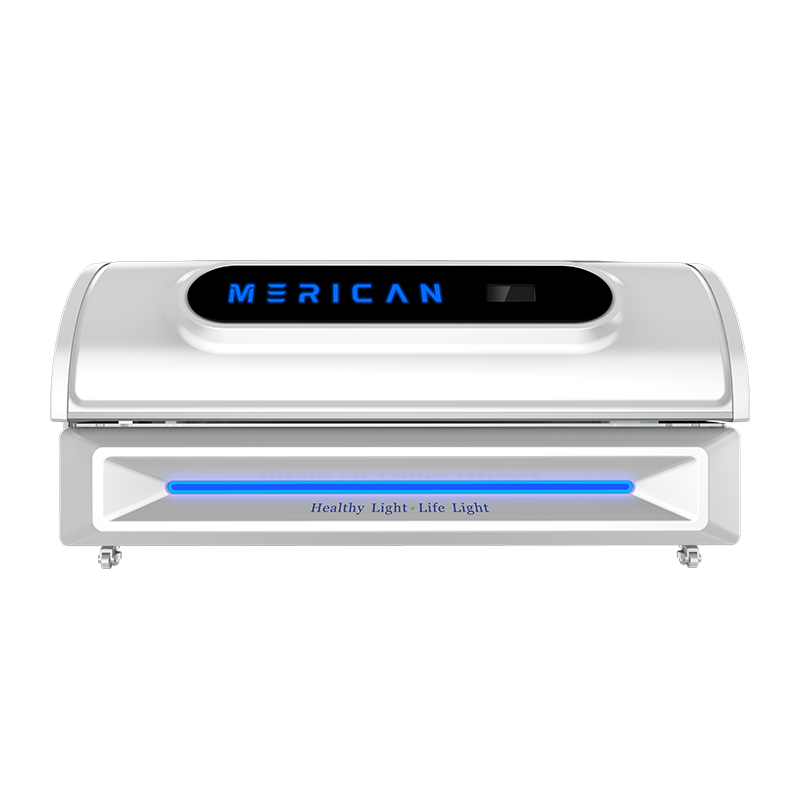
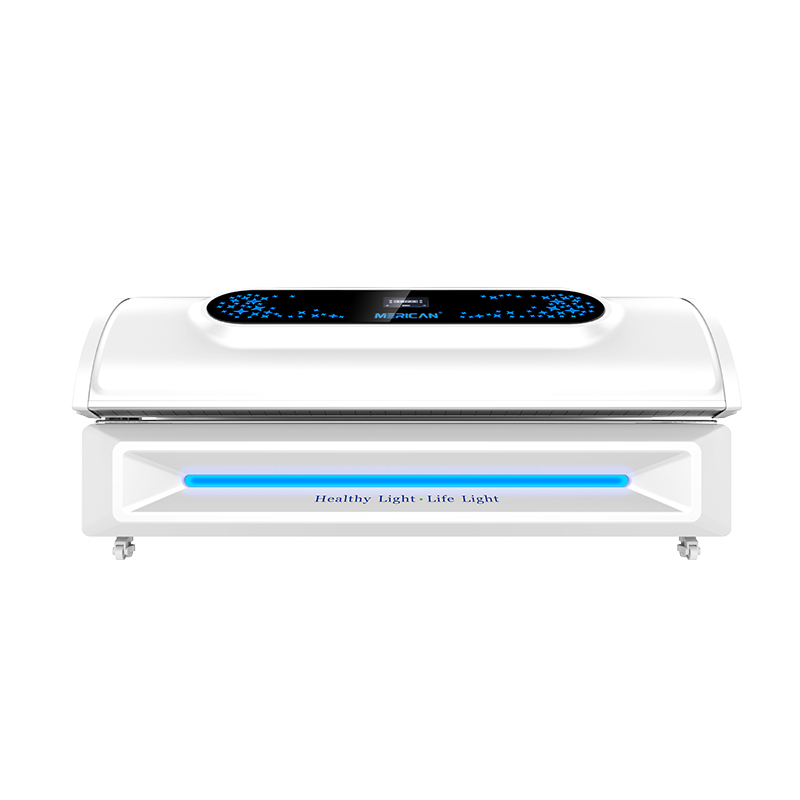
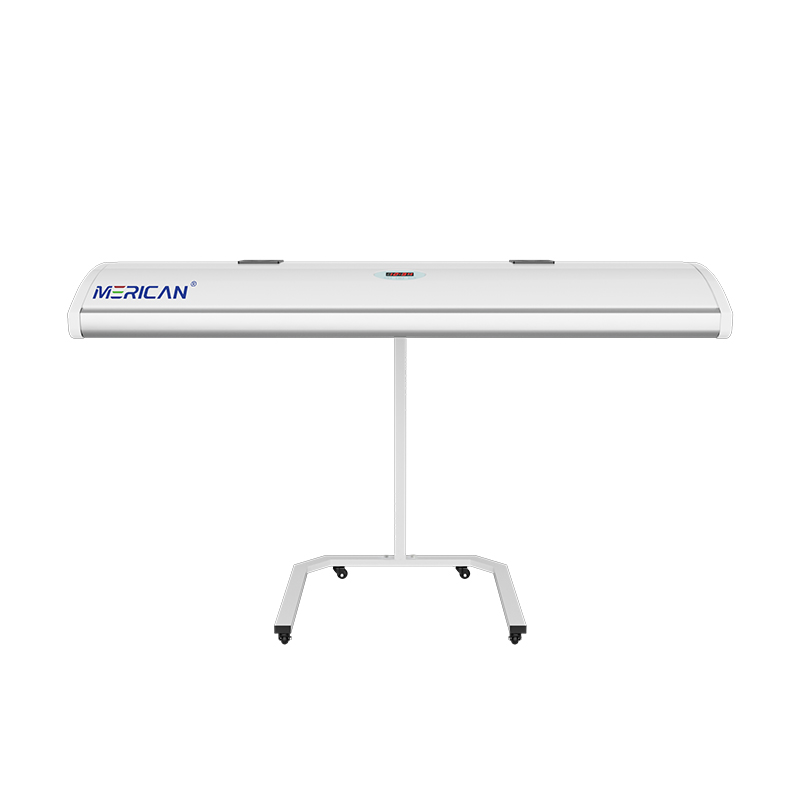
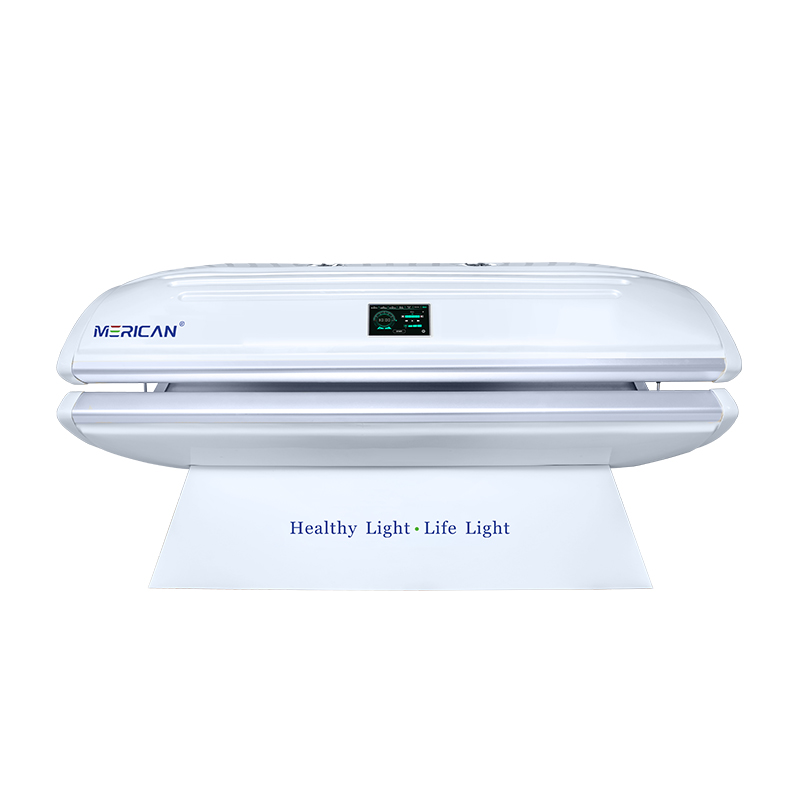
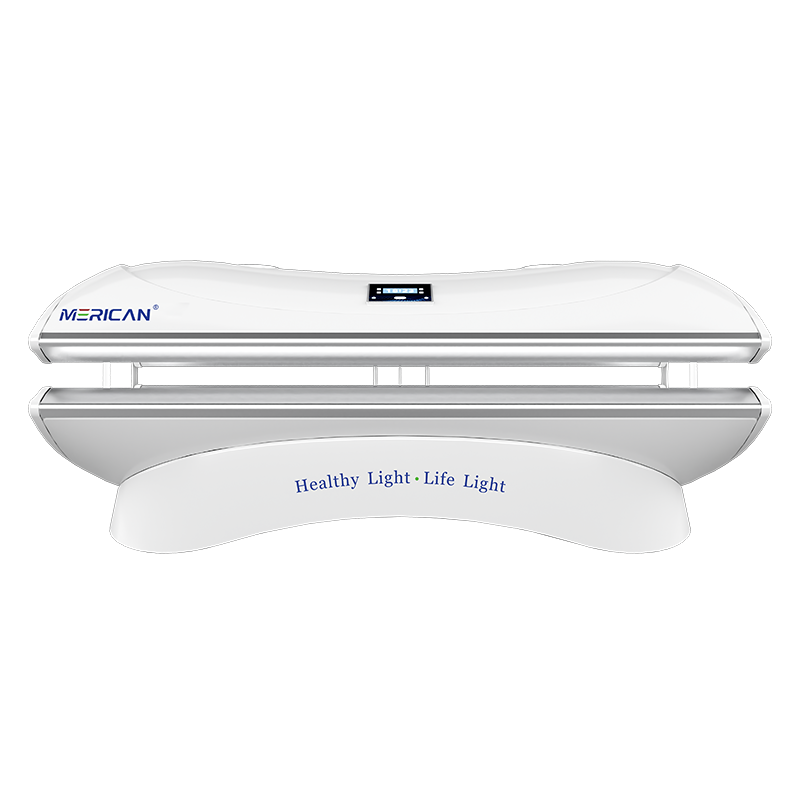
Veel mensen vragen het: Welk type licht is roodlichttherapie, en of het echt een verschil maakt? Het antwoord is ja -het type licht en de golflengte hebben een directe invloed op de behandelingsdiepte, resultaten, en veiligheid.
1. Roodlichttherapie is niet alleen maar ‘rood licht’
Al doet de naam een enkele kleur vermoeden, roodlichttherapie combineert doorgaans:
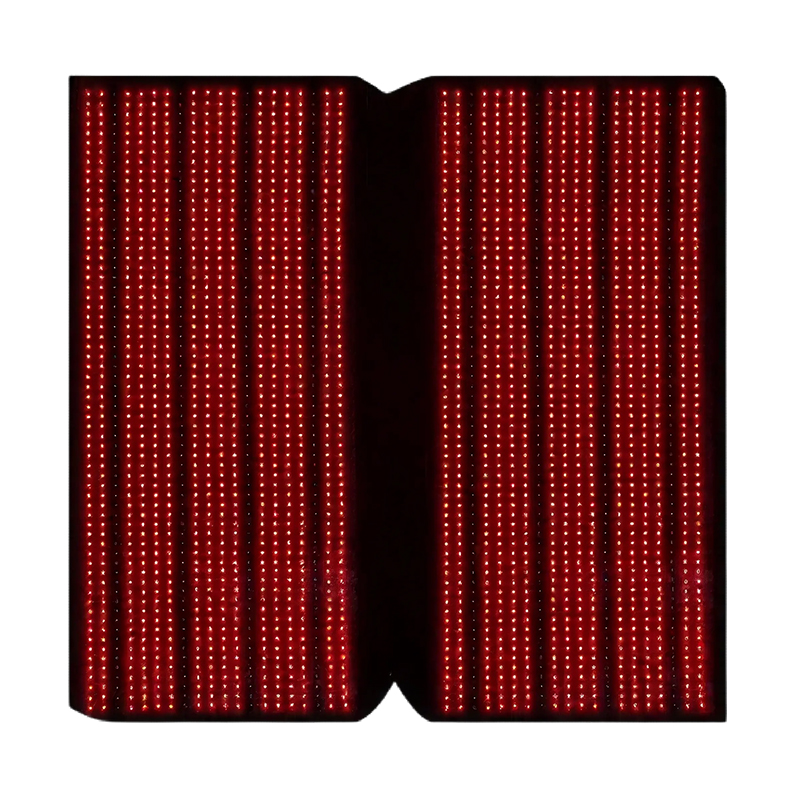
- Rood LED-licht (rondom 630 nm & 660 nm)
- Nabij-infrarood LED-licht (rondom 850 nm)
Deze combinatie maakt behandeling van beide mogelijk oppervlakkige huidproblemen En dieper spier- of gewrichtsklachten in één sessie.
2. Waarom deze lichttypen worden gebruikt in plaats van UV
In tegenstelling tot traditionele zonnebanken die UV-licht uitstralen om melanine te stimuleren, apparaten voor roodlichttherapie:
- Doen niet de huid donkerder maken
- Doen niet DNA beschadigen
- Worden vaak gebruikt voor welzijn, herstel, en esthetische ondersteuning
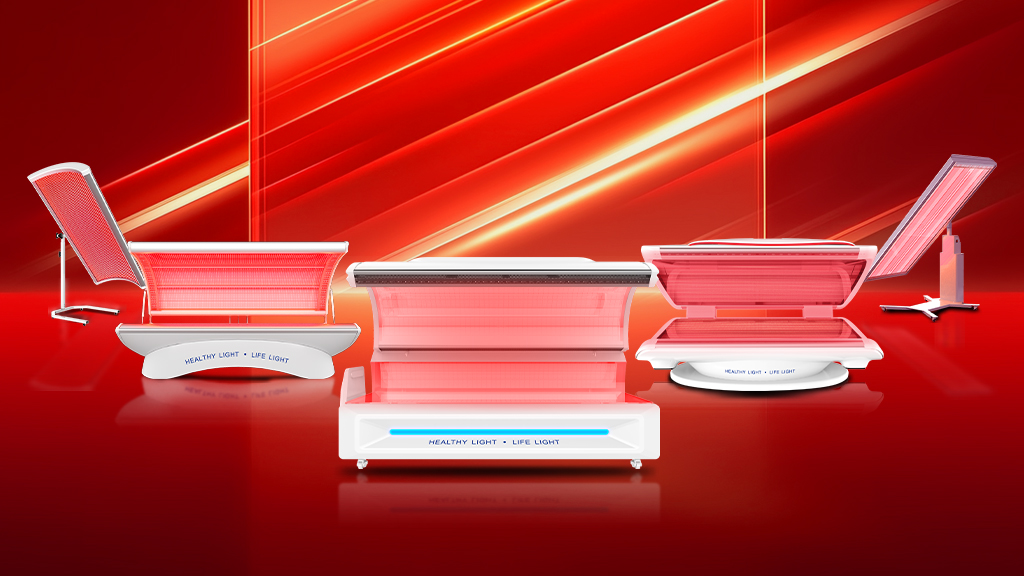
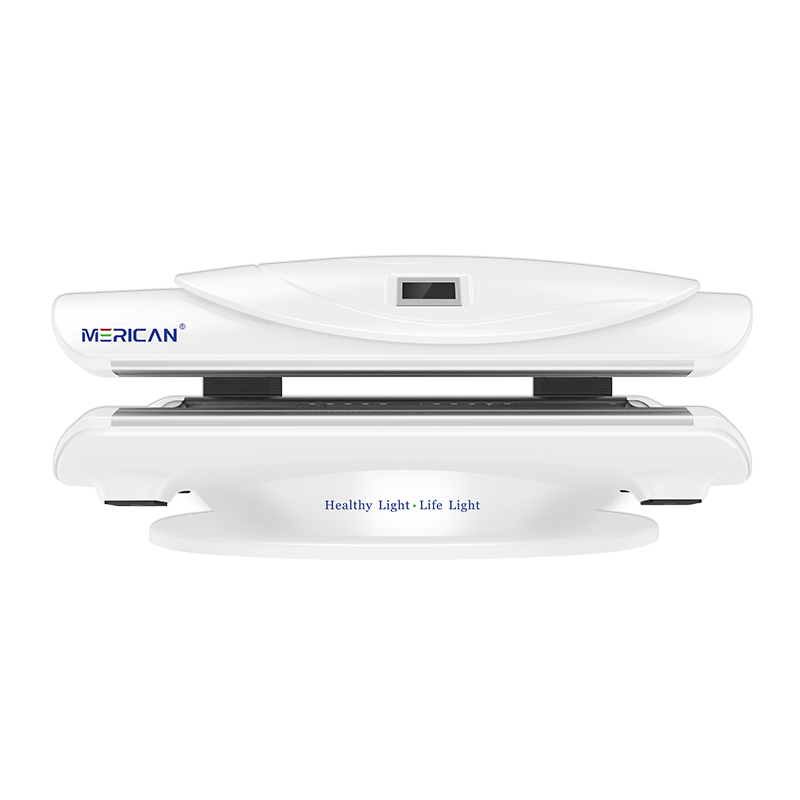
Dit is de reden waarom veel moderne wellnesscentra nu aanbieden roodlichttherapiebedden als losse of gecombineerde optie naast zonnebank- of spadiensten.
3. Lichttype afstemmen op behandeldoelen
Verschillende golflengten dienen verschillende doeleinden:
- 630–660 nm (Rood licht)
Beste voor:- Verbetering van de huidskleur
- Behandelingen tegen veroudering
- Gezichts- en cosmetische toepassingen
- 850 nm (Nabij-infrarood licht)
Beste voor:- Sportherstel
- Rug, gewricht, en spierongemak
- Wellnessprogramma's voor het hele lichaam
Professionele full-body-systemen integreren vaak beide voor maximale veelzijdigheid.
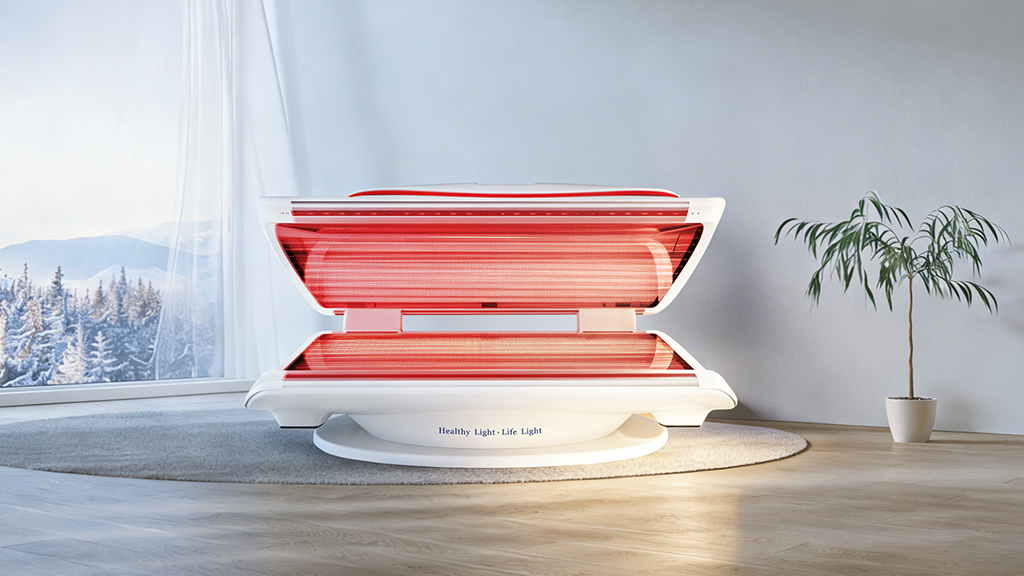
4. Professionele bedden vs. Thuisapparaten
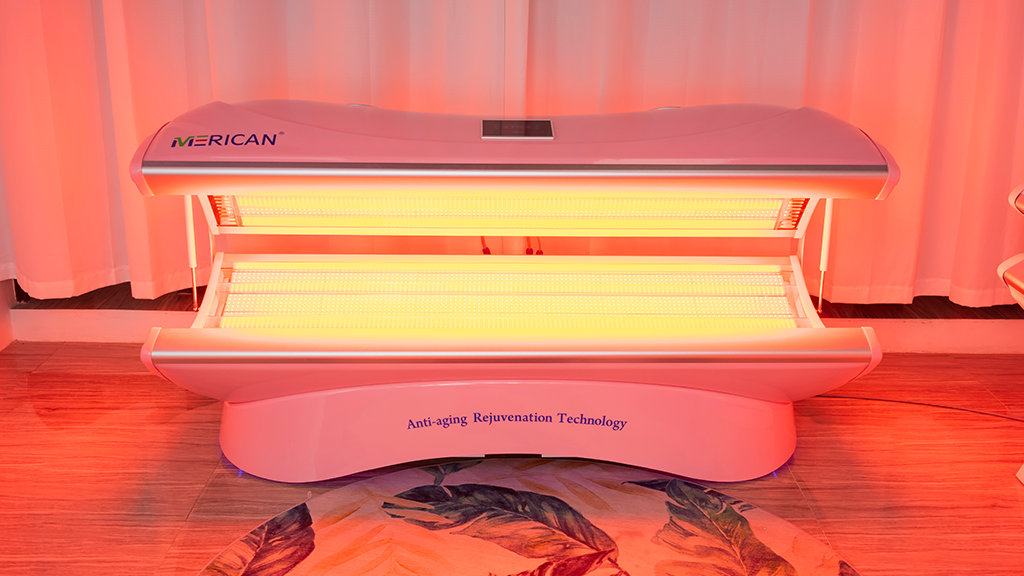
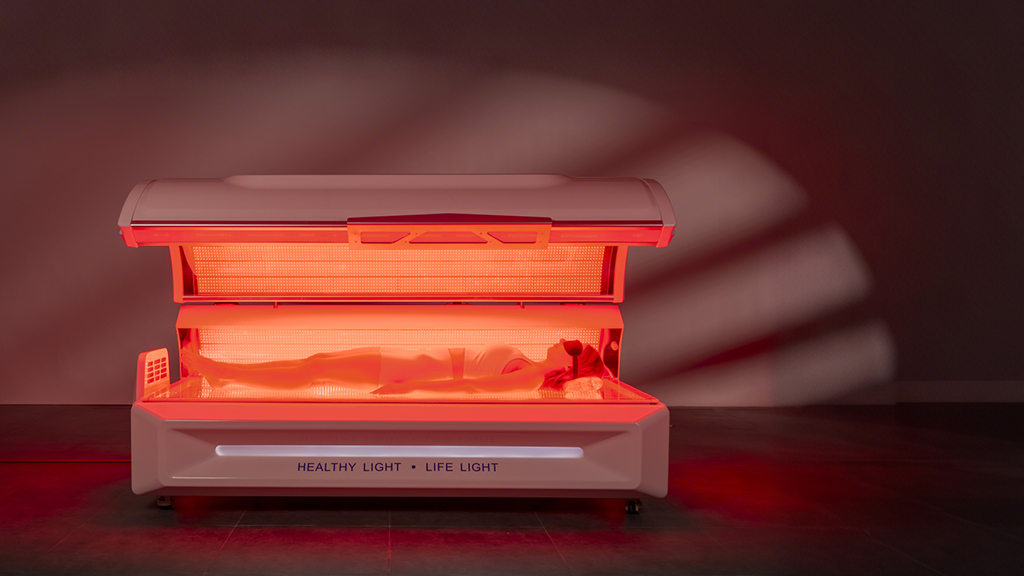
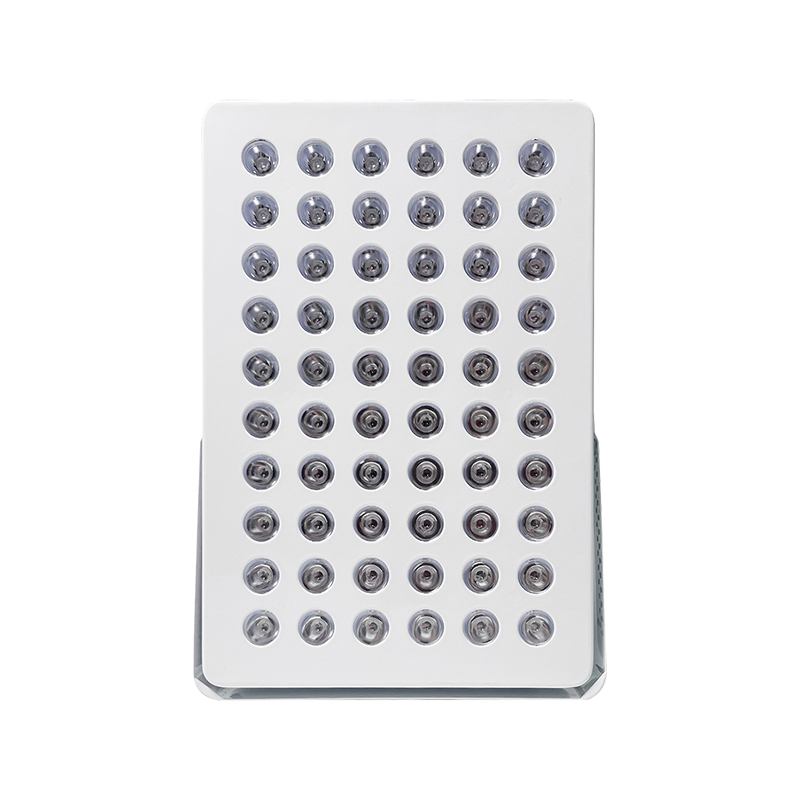
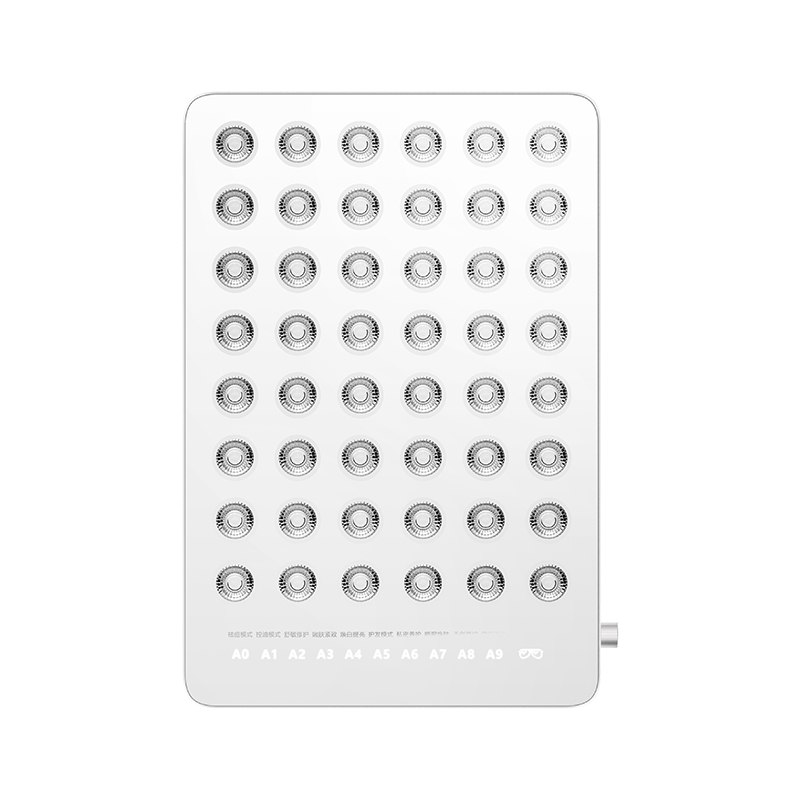
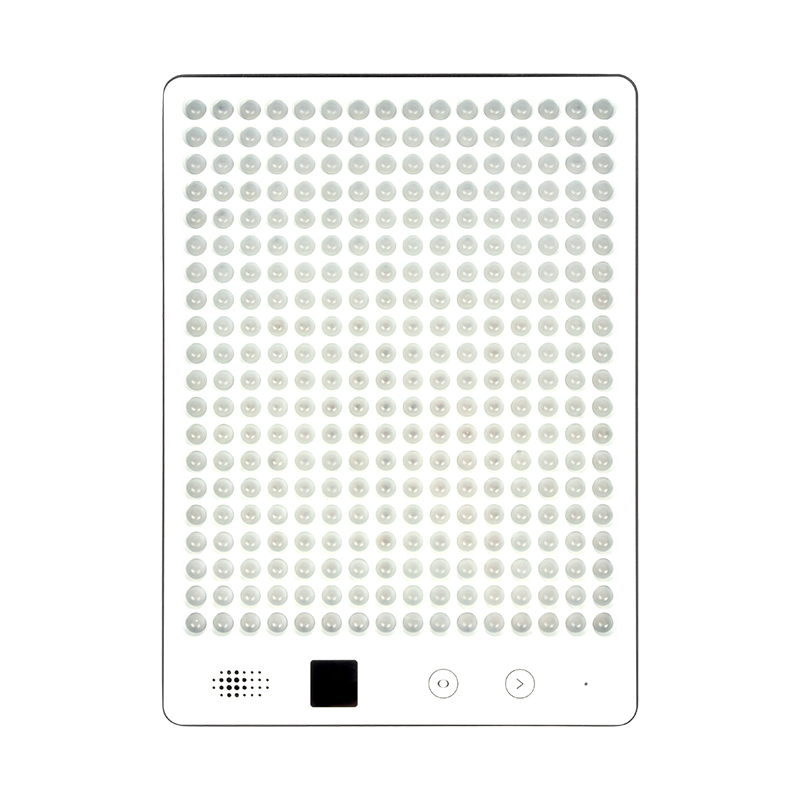
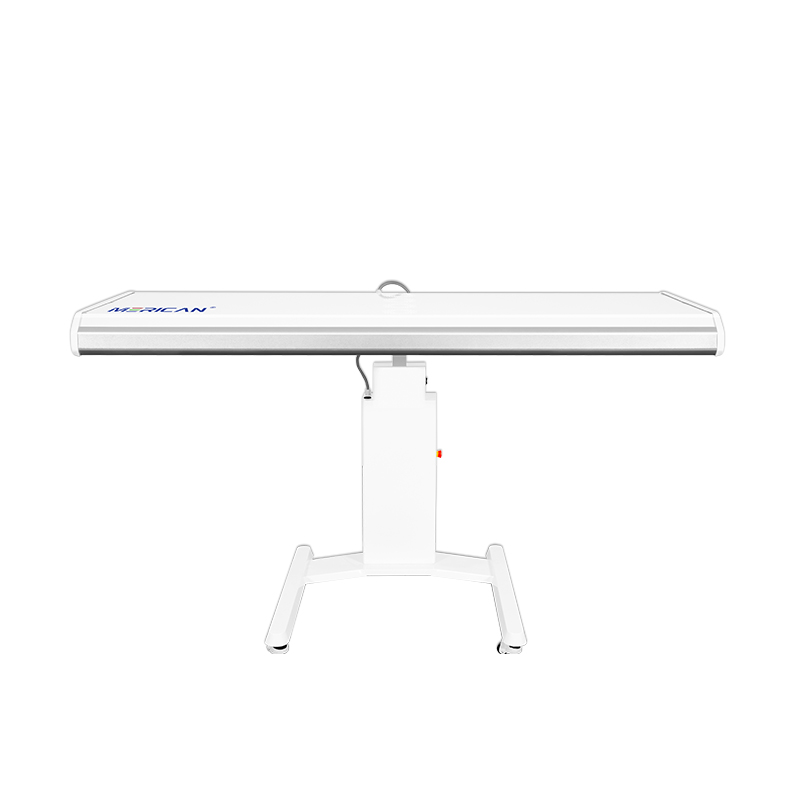
Terwijl thuispanelen meestal hetzelfde gebruiken soort licht, professionele bedden voor roodlichttherapie worden doorgaans aangeboden:
- Hogere uitvoerconsistentie
- Volledige lichaamsdekking
- Kortere sessietijden
- Commerciële LED's getest op lange levensduur
Dit maakt ze geschikt voor klinieken, sportscholen, wellness centra, en distributeurs die op zoek zijn naar schaalbare oplossingen.
5. Is roodlichttherapie veilig??
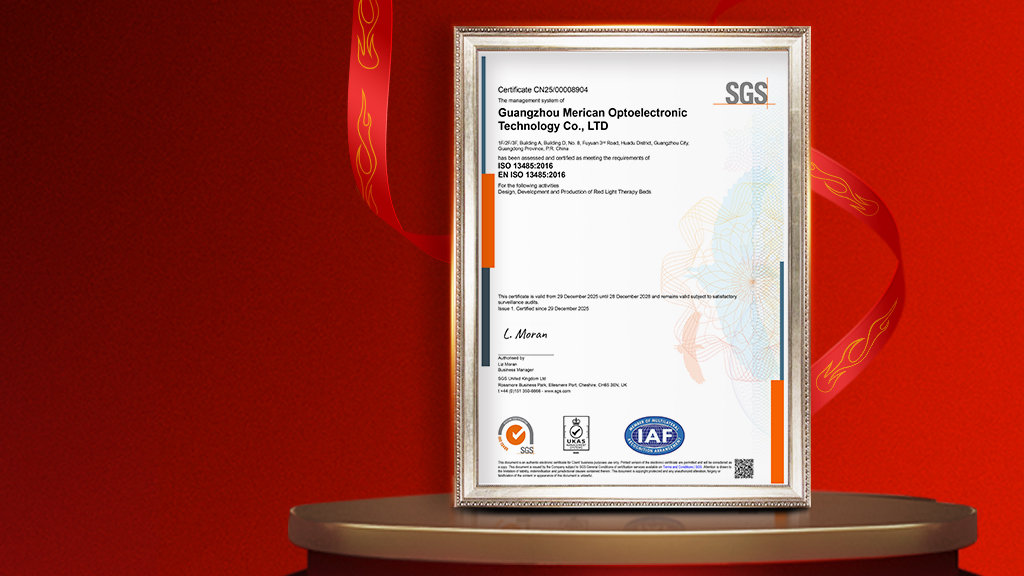
Omdat het gebruikt niet-ioniserend rood en nabij-infrarood licht, roodlichttherapie wordt over het algemeen als veilig beschouwd wanneer apparaten de vastgestelde normen voor golflengte en belichtingstijd volgen.
Conclusie
Toepassingen van roodlichttherapie specifieke rode en nabij-infrarode golflengten, geen UV- of warmte-gebaseerd licht. Het kiezen van het juiste type licht – en het juiste apparaat – speelt een sleutelrol bij het bereiken van consistentie, effectieve resultaten voor zowel persoonlijk als professioneel gebruik.