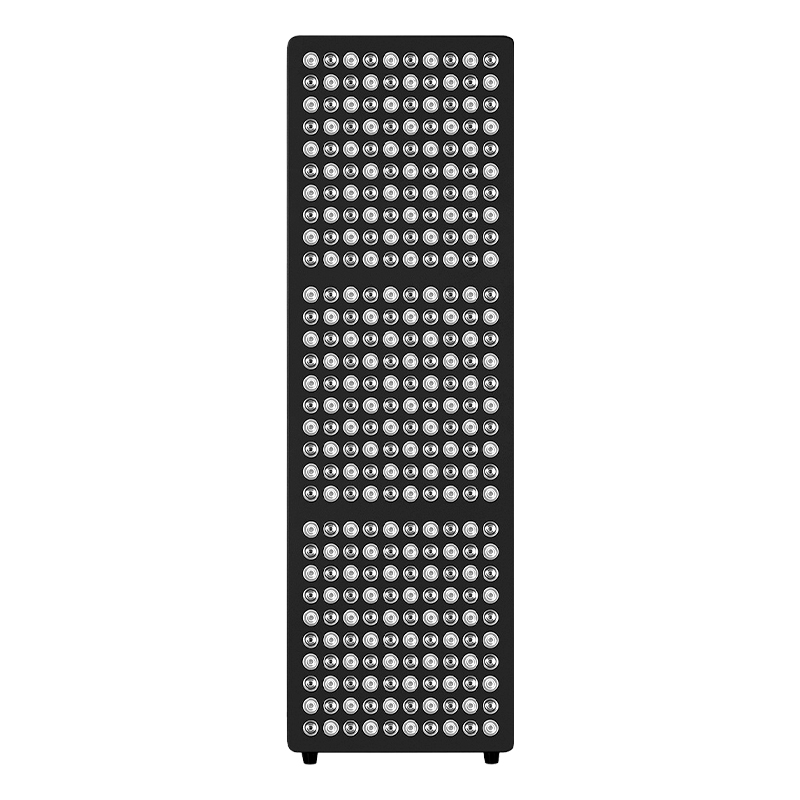
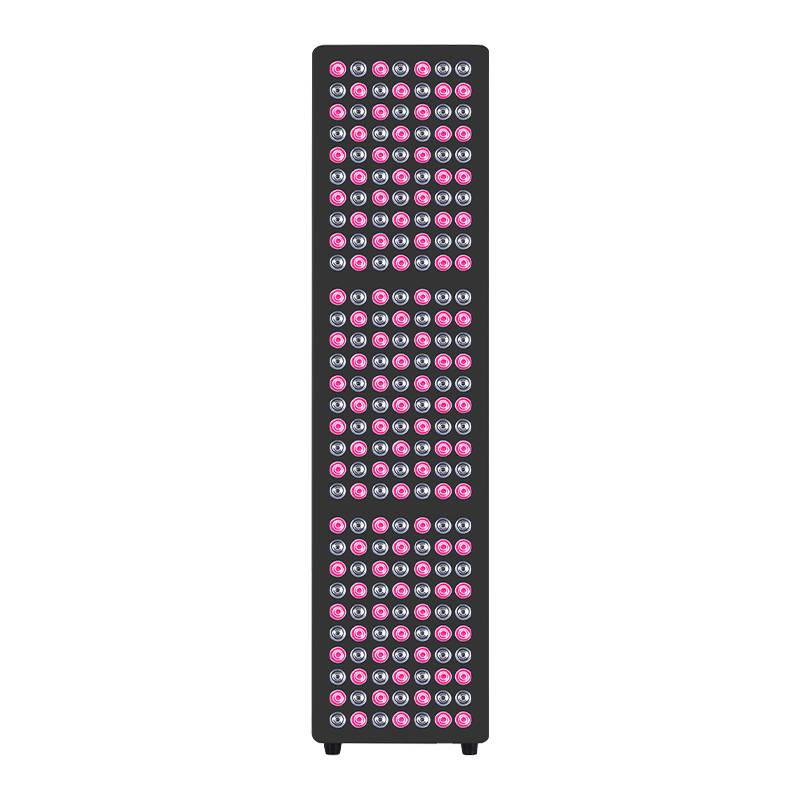
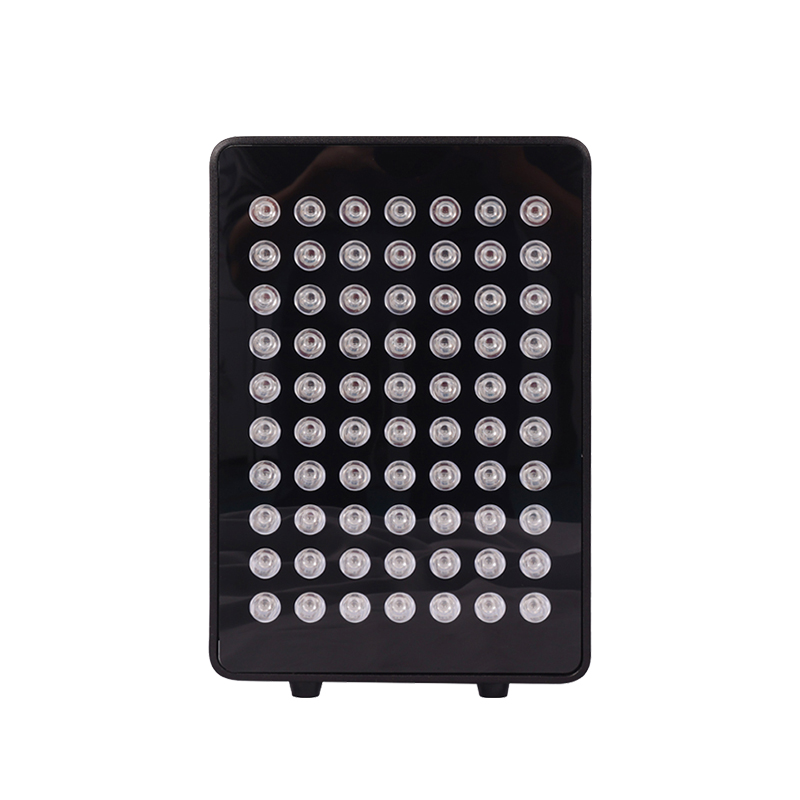
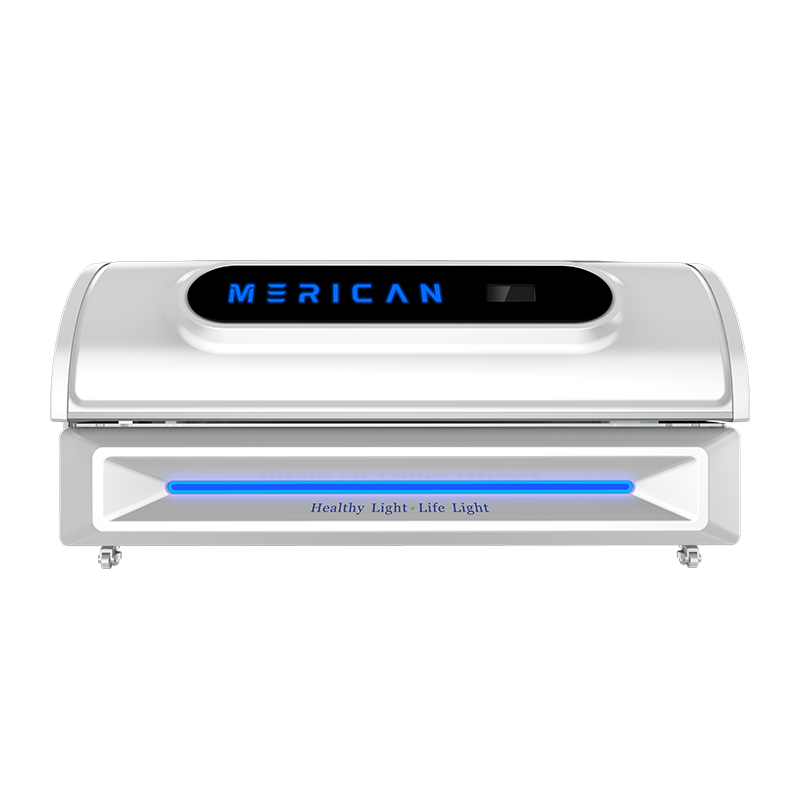
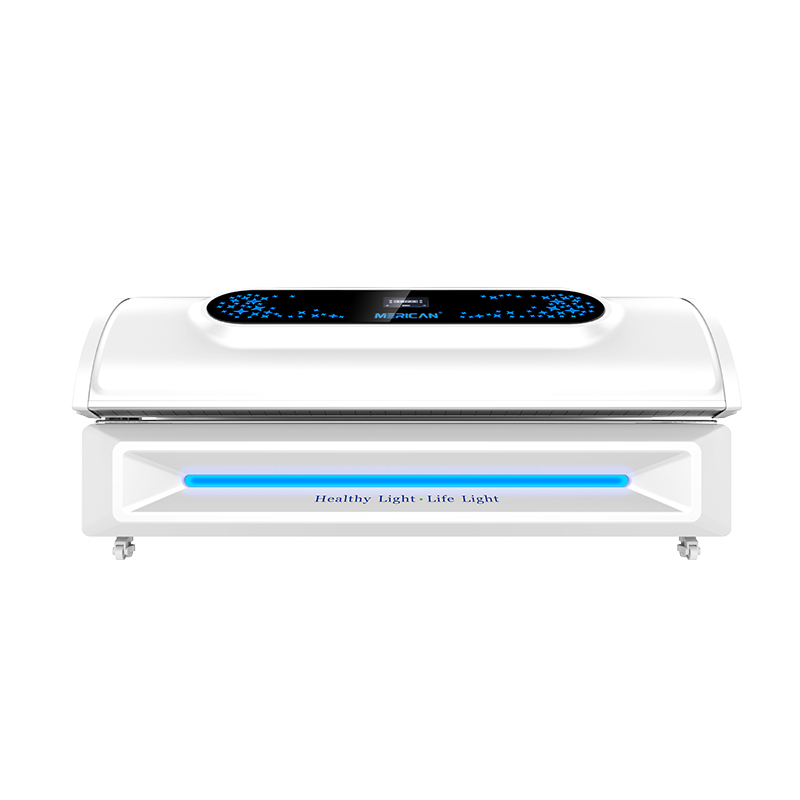
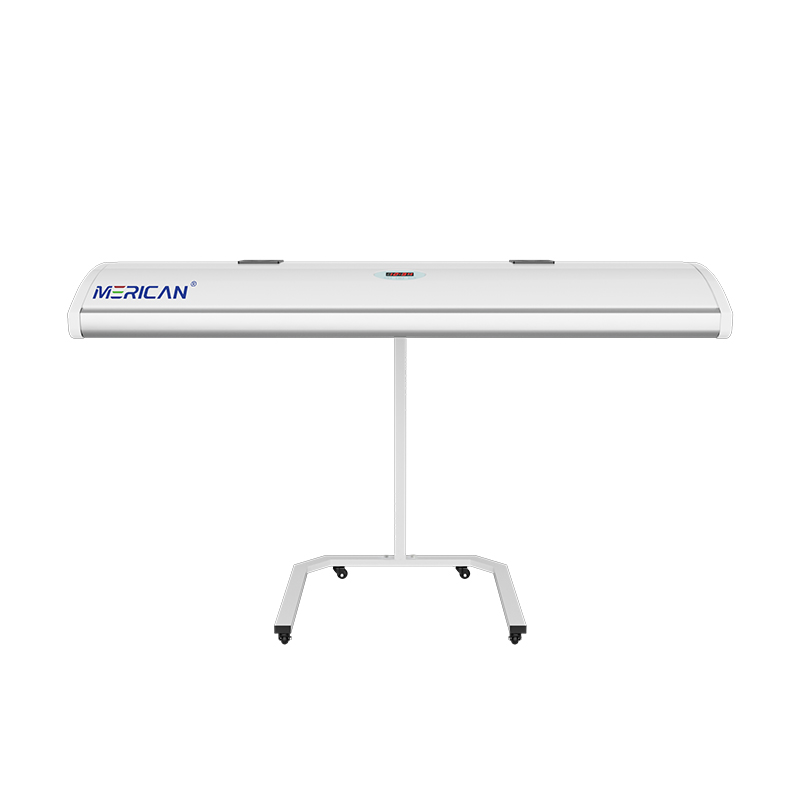
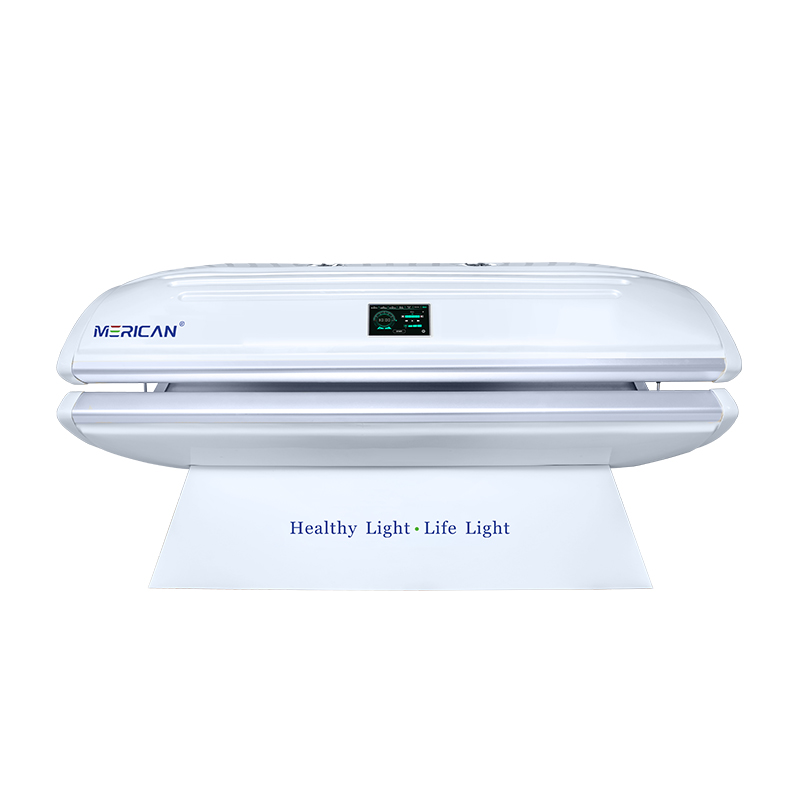
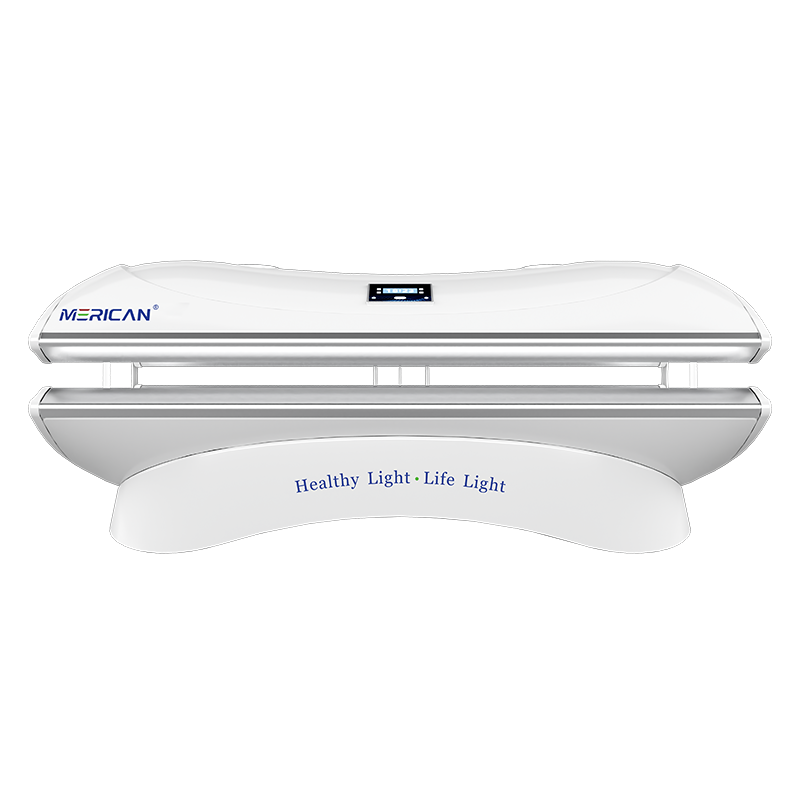
Sokan kérdezik: Milyen típusú fény a vörös fényterápia, és valóban változtat-e? The answer is yes—the type of light and wavelength directly affect treatment depth, eredményeket, és biztonság.
1. Red Light Therapy Is Not Just “Red Light”
Although the name suggests a single color, a vörös fényterápia jellemzően kombinálja:
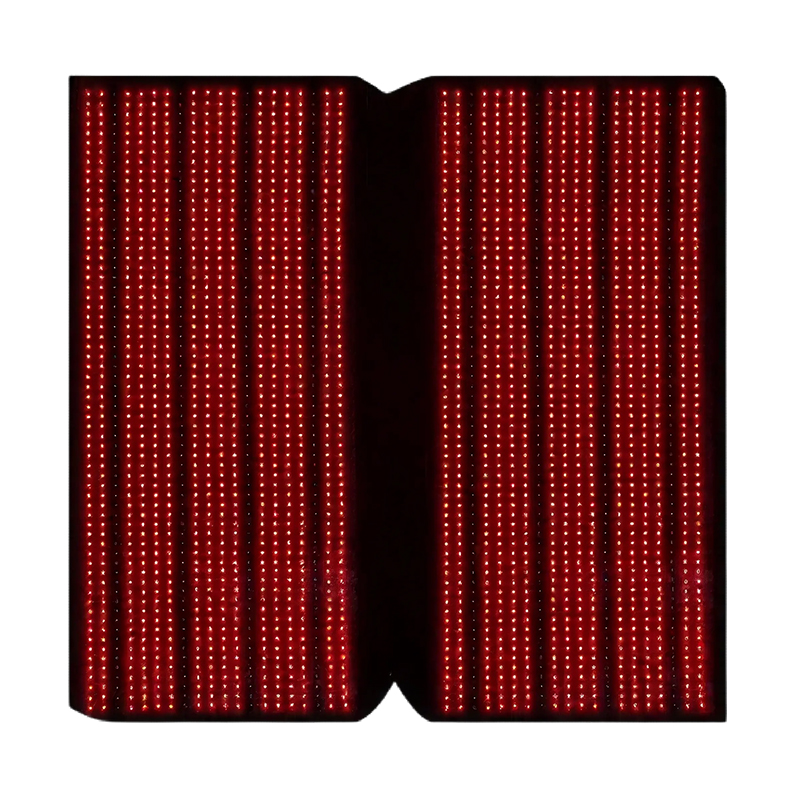
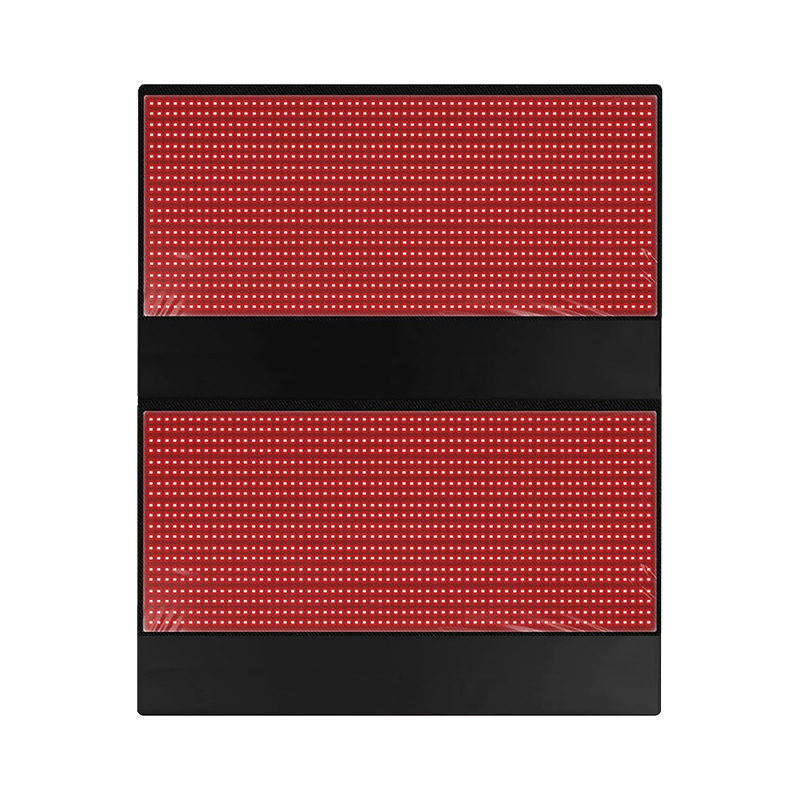
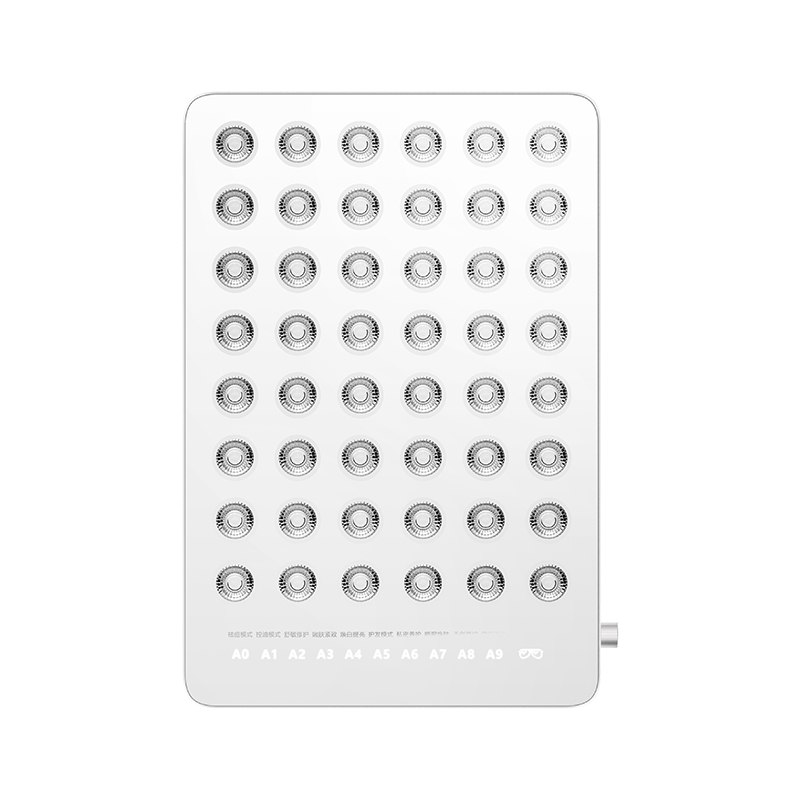
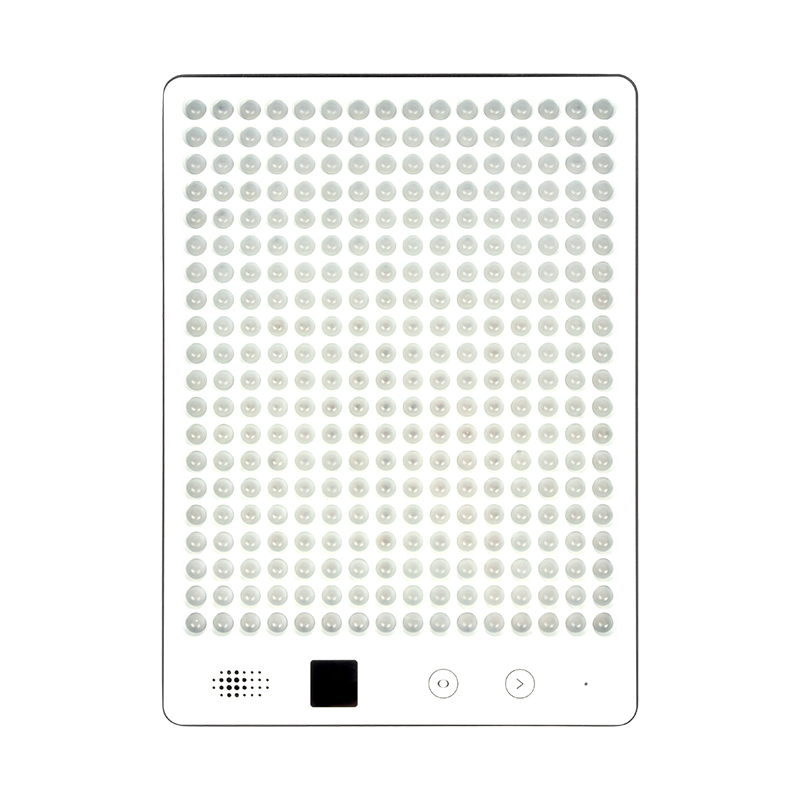
- Red LED light (körül 630 nm & 660 nm)
- Near-infrared LED light (körül 850 nm)
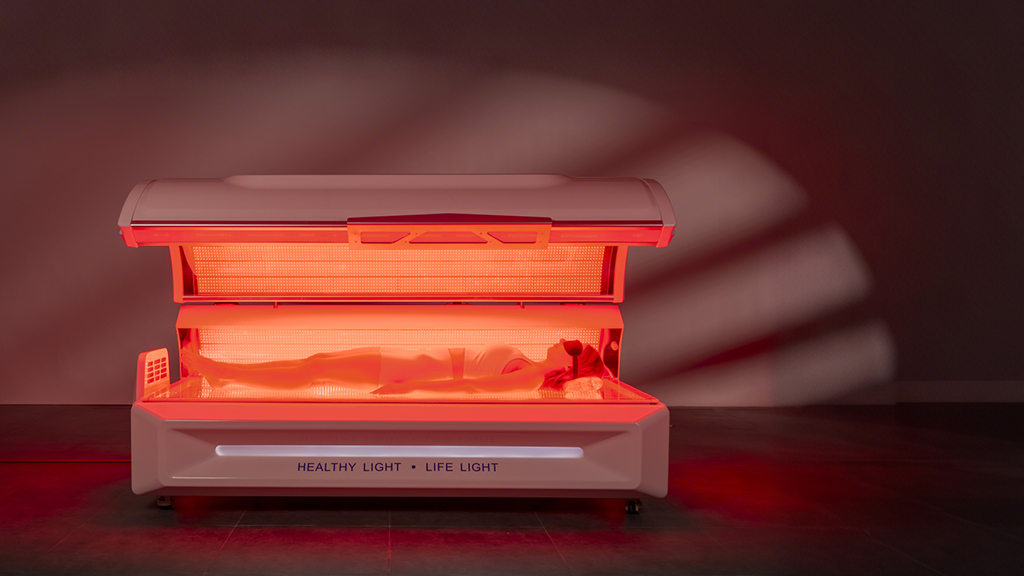
This combination allows treatment of both surface-level skin concerns és deeper muscle or joint discomfort in one session.
2. Why These Light Types Are Used Instead of UV
Unlike traditional tanning beds that emit UV light to stimulate melanin, vörös fényterápiás eszközök:
- Tedd nem darken the skin
- Tedd nem károsítja a DNS-t
- Are commonly used for wellness, felépülés, and aesthetic support
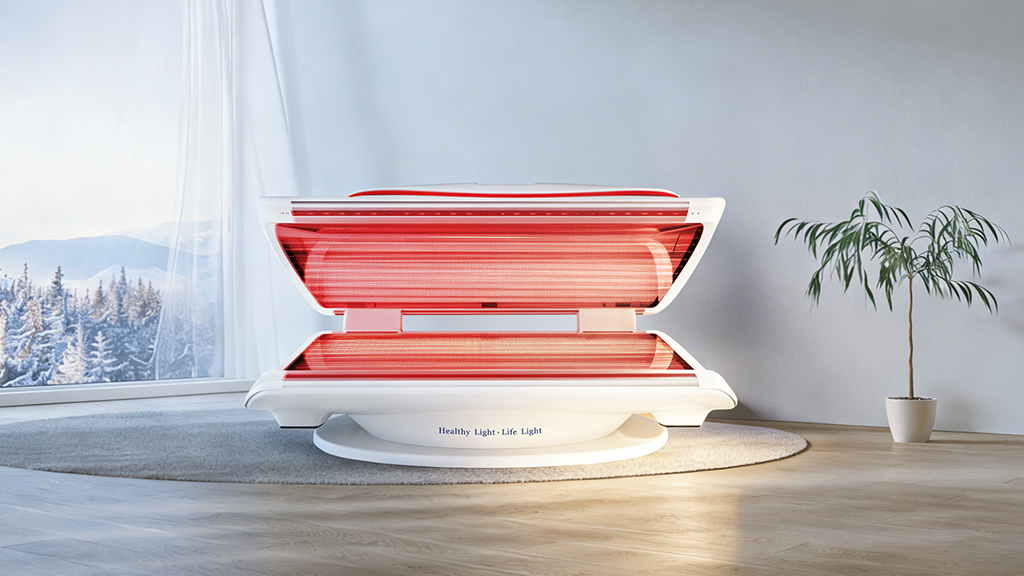
This is why many modern wellness centers now offer red light therapy beds as a separate or combined option alongside tanning or spa services.
3. Matching Light Type to Treatment Goals
Different wavelengths serve different purposes:
- 630-660 nm (Piros fény)
A legjobb:- Skin tone improvement
- Öregedésgátló kezelések
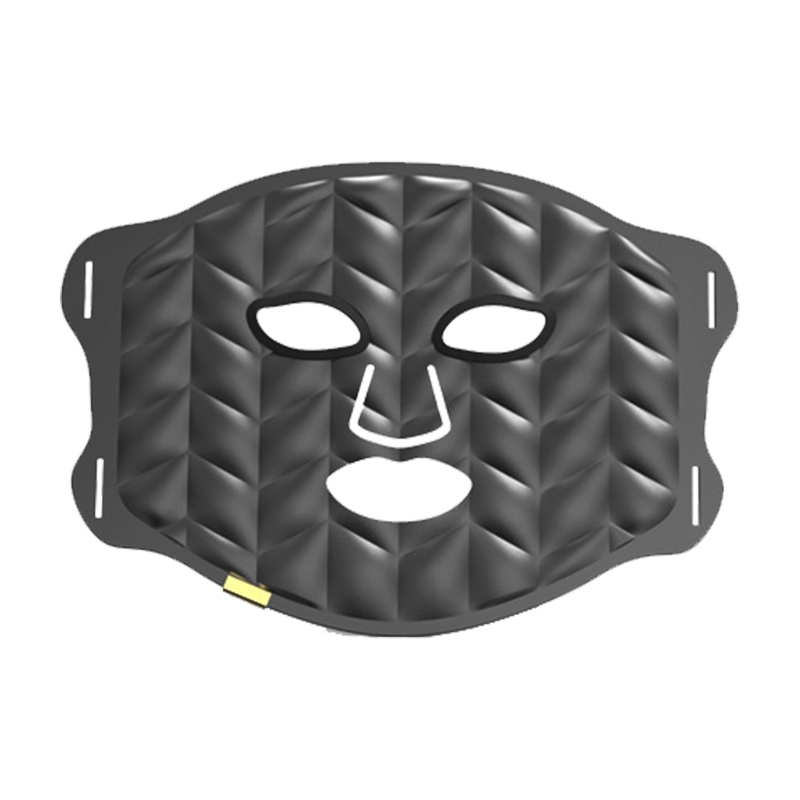
- Facial and cosmetic applications
- 850 nm (Közeli infravörös fény)
A legjobb:- Sport felépülés
- Vissza, közös, and muscle discomfort
- Whole-body wellness programs
Professional full-body systems often integrate both for maximum versatility.
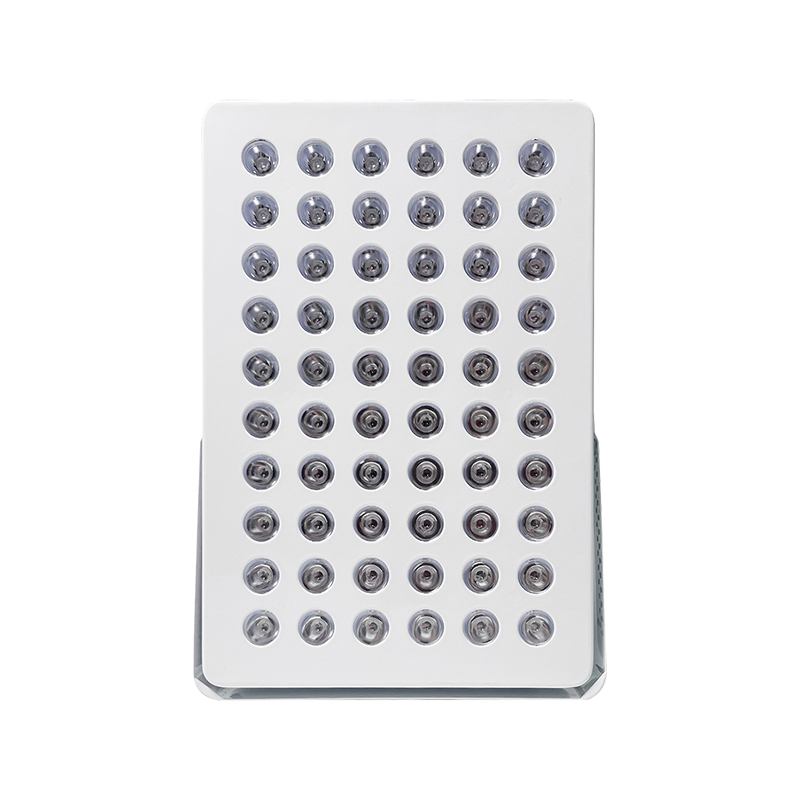
4. Professional Beds vs. Otthoni eszközök
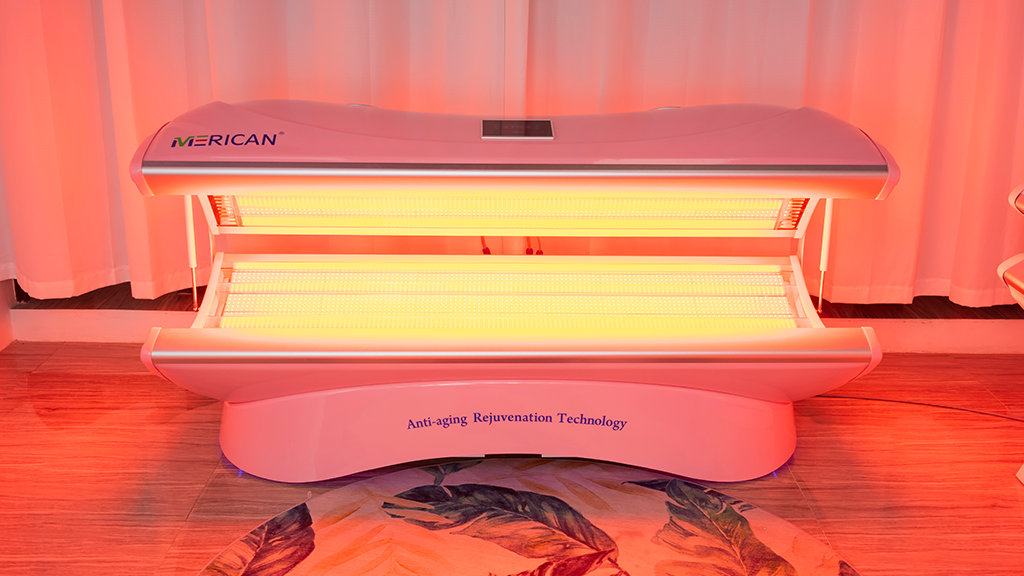
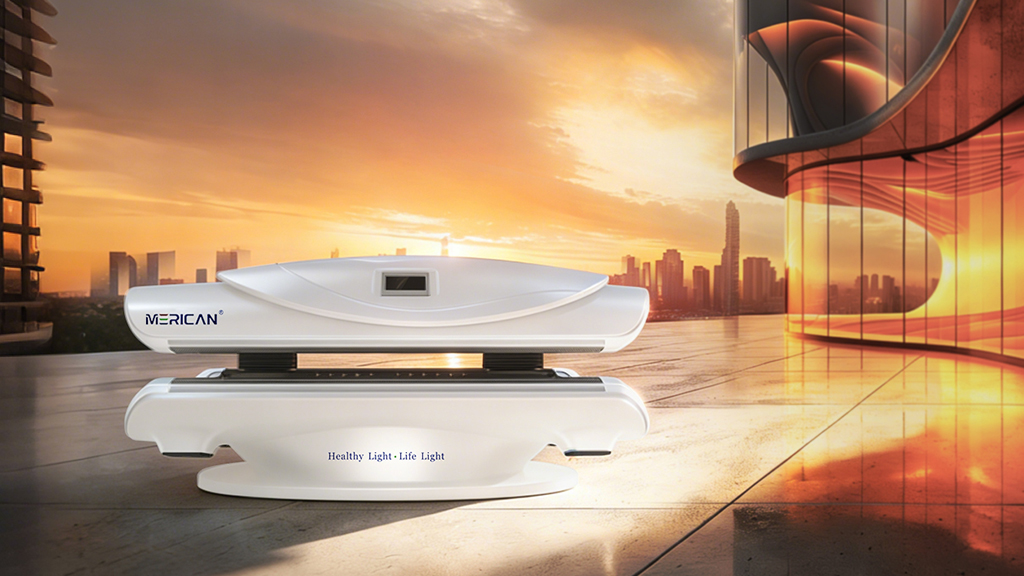
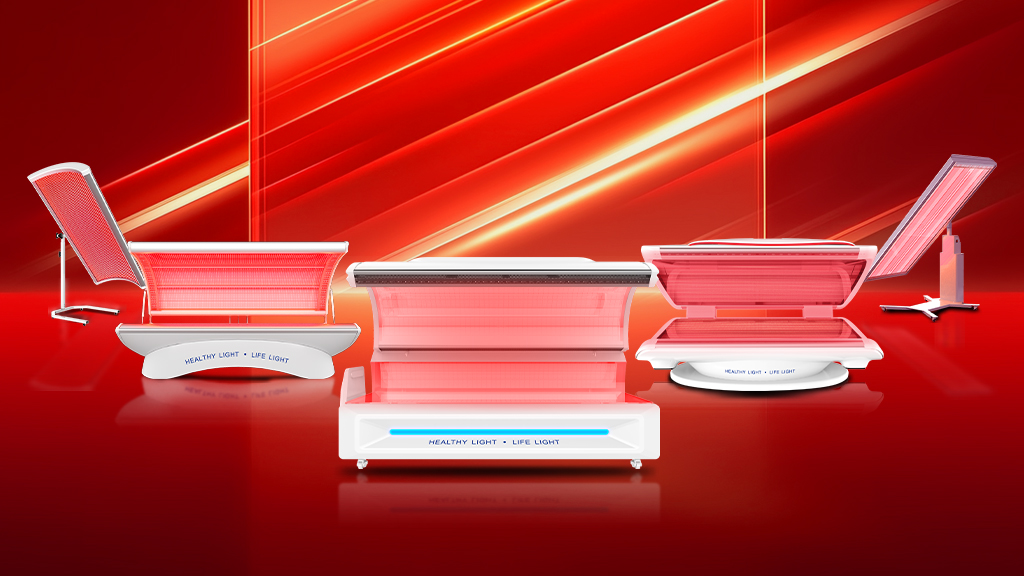
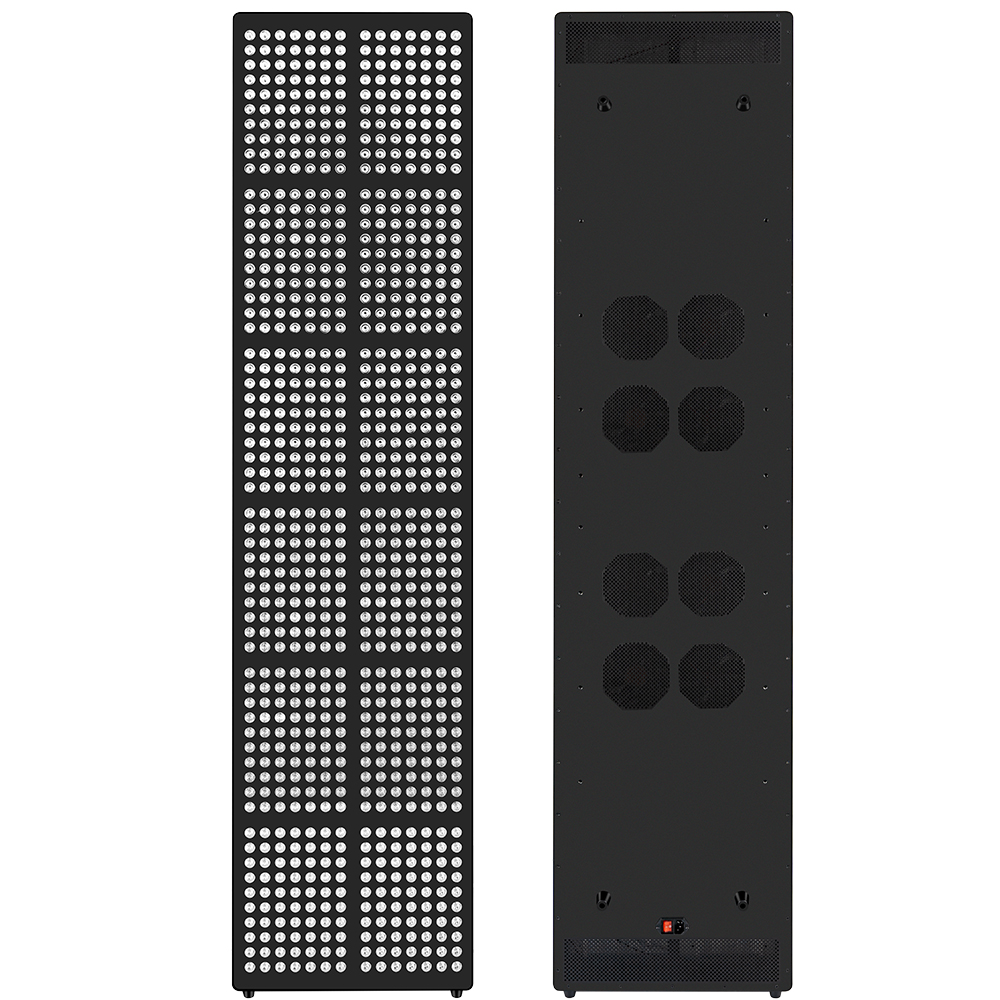
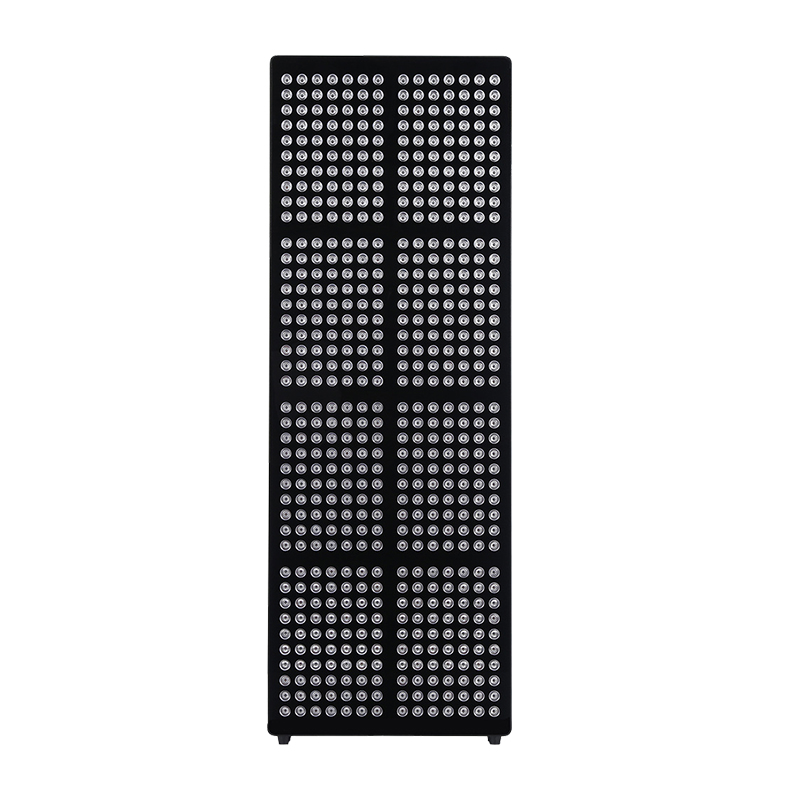
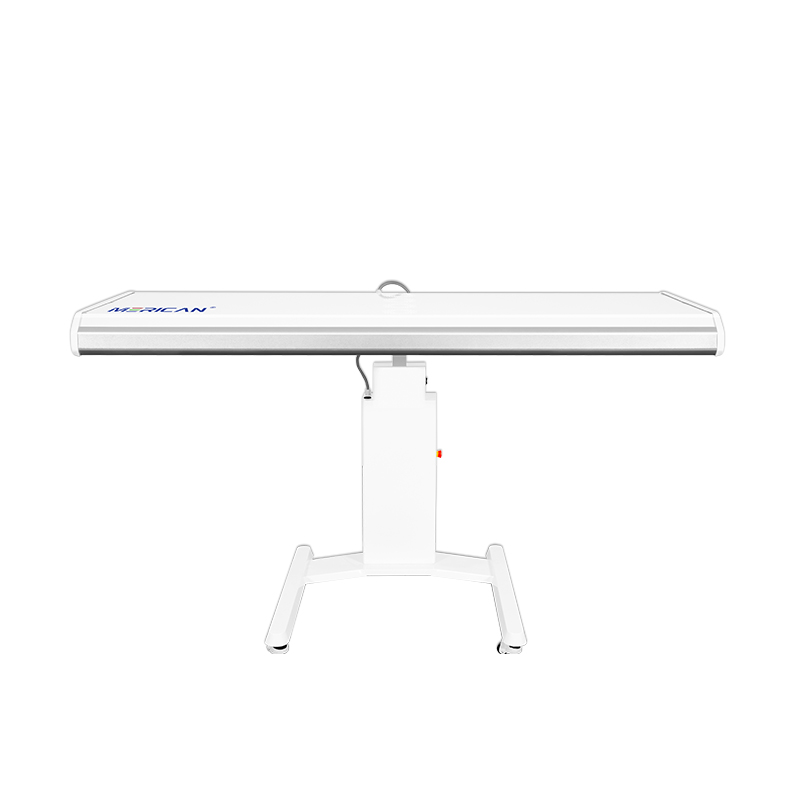
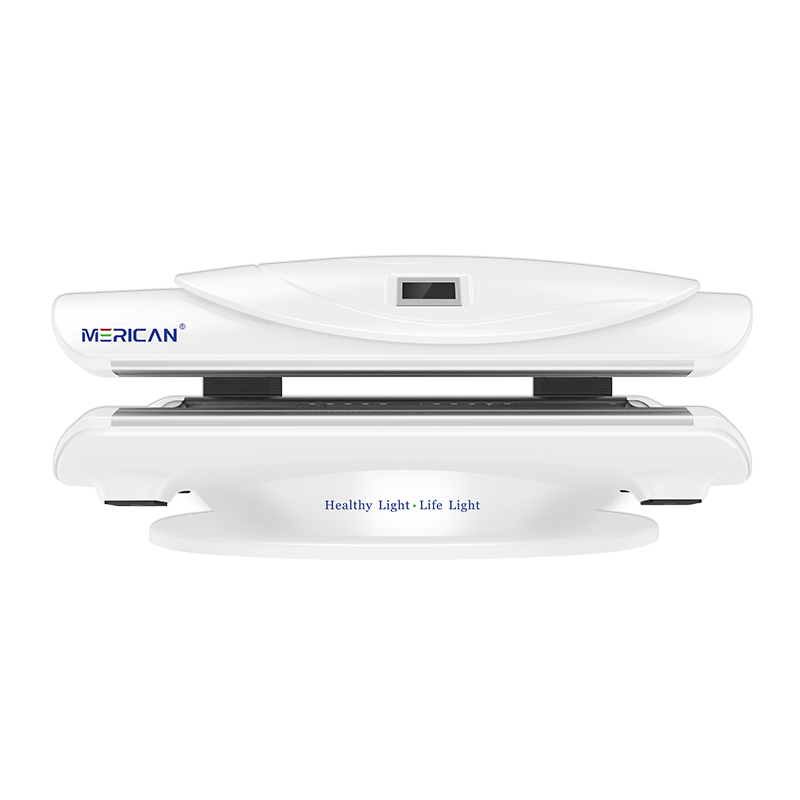
While home panels usually use the same type of light, professional red light therapy beds typically offer:
- Magasabb kimeneti konzisztencia
- Teljes testet fed
- Rövidebb foglalkozási idők
- Commercial-grade LEDs tested for longevity
This makes them suitable for clinics, edzőtermek, wellness központok, and distributors seeking scalable solutions.
5. A vörös fényterápia biztonságos?
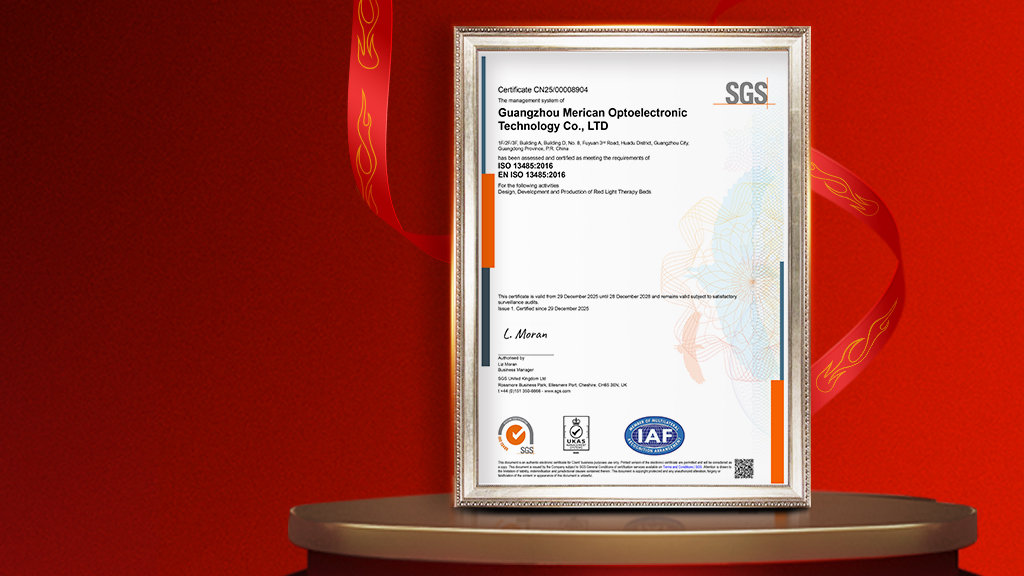
Because it uses non-ionizing red and near-infrared light, red light therapy is generally considered safe when devices follow established standards for wavelength and exposure time.
Következtetés
Vörös fényterápia alkalmazása specifikus vörös és közeli infravörös hullámhosszok, not UV or heat-based light. Choosing the right type of light—and the right device—plays a key role in achieving consistent, effective results for both personal and professional use.