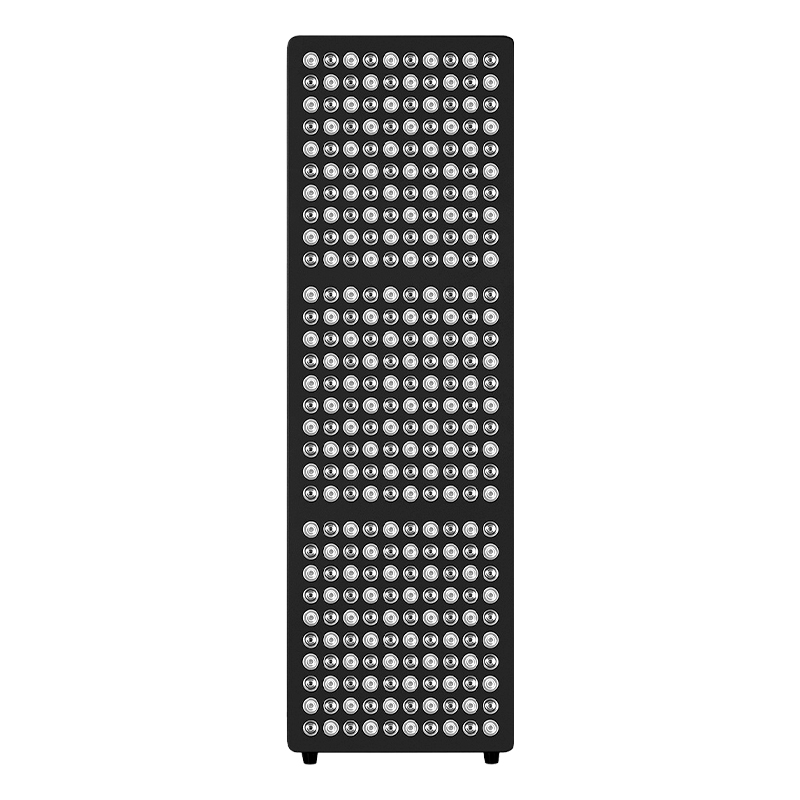
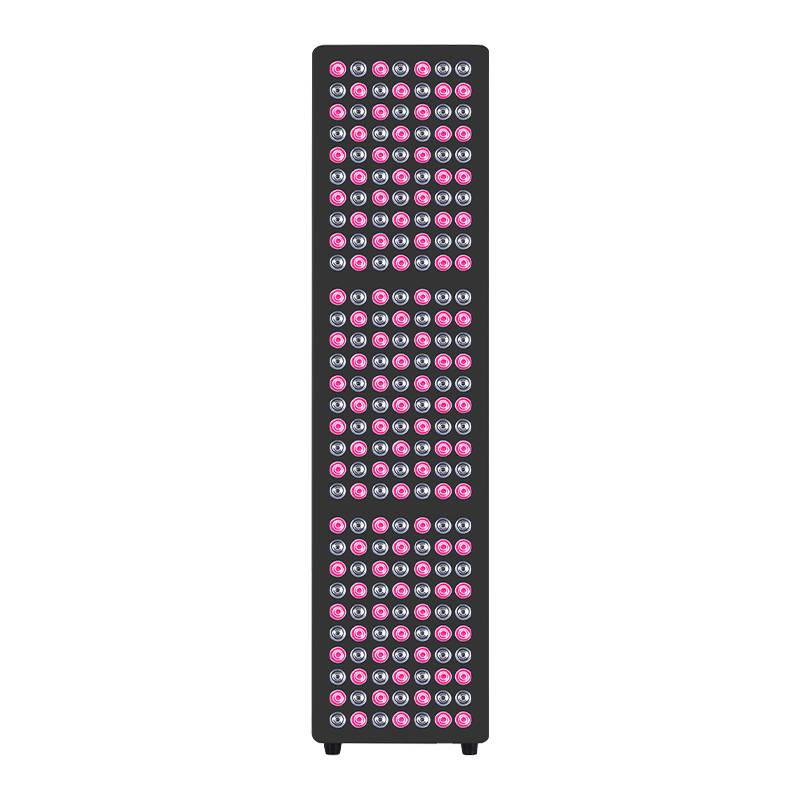
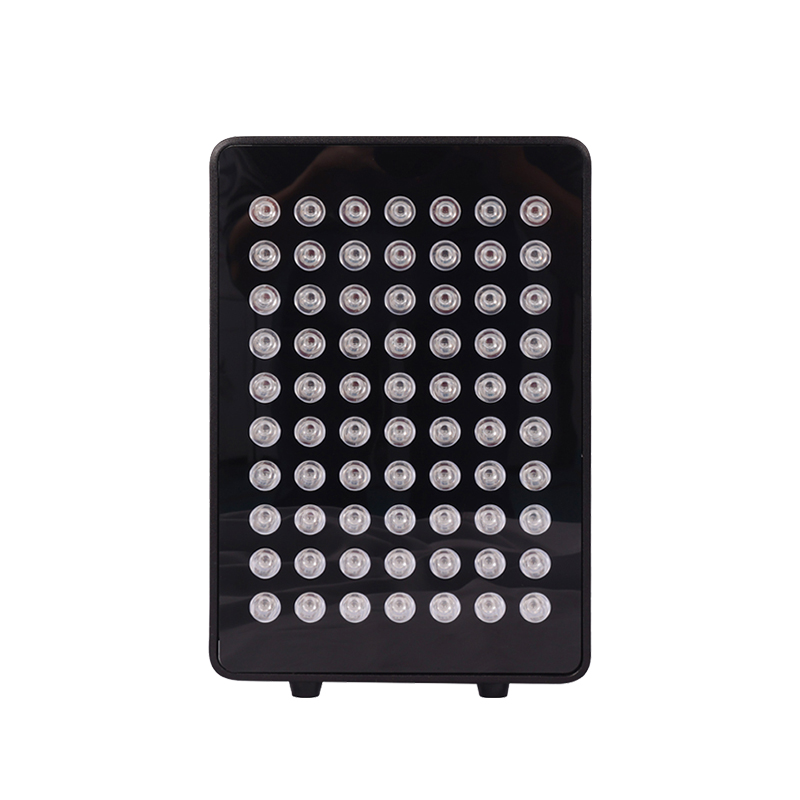
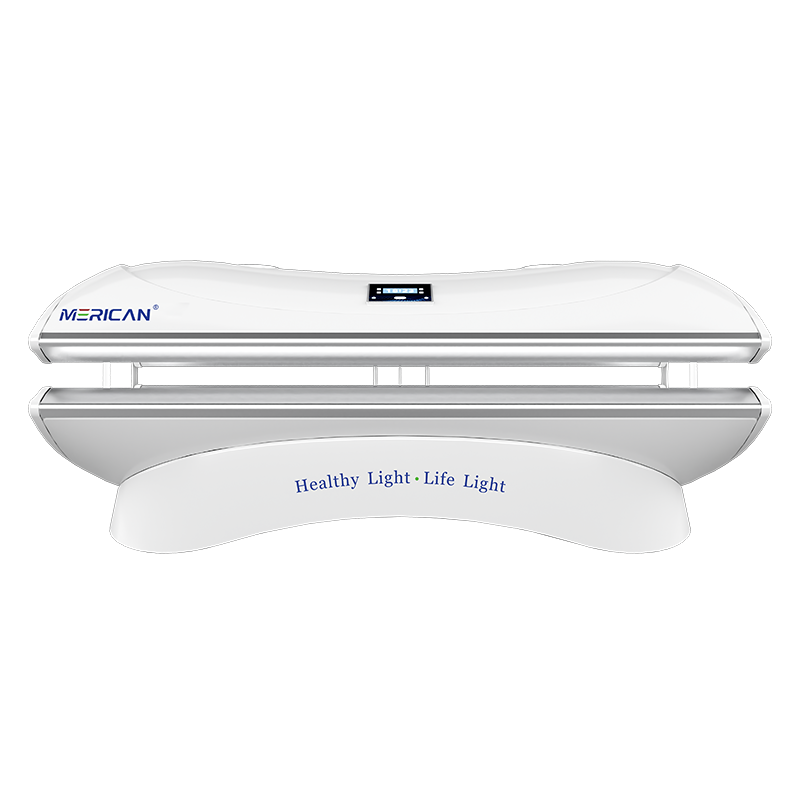
Iarrann go leor daoine: Cén cineál solais is teiripe solas dearg, agus an ndéanann sé difríocht i ndáiríre? Is é an freagra tá -cuireann an cineál solais agus tonnfhad isteach go díreach ar dhoimhneacht cóireála, torthaí, agus sábháilteacht.
1. Ní “Solas Dearg” amháin é Teiripe Solais Dheirg
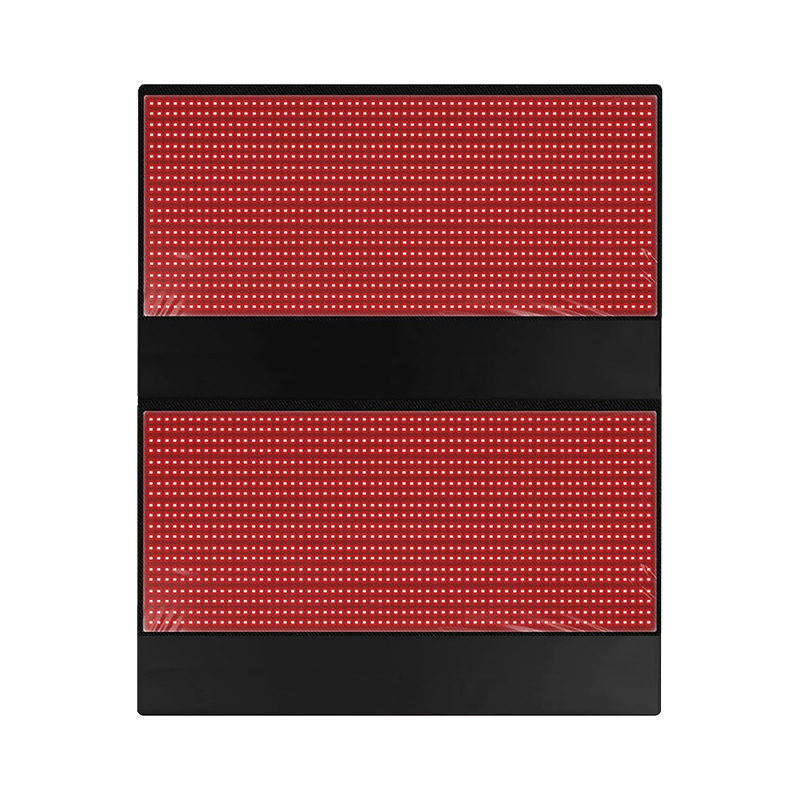
Cé go dtugann an t-ainm dath amháin le fios, teiripe solas dearg le chéile go tipiciúil:
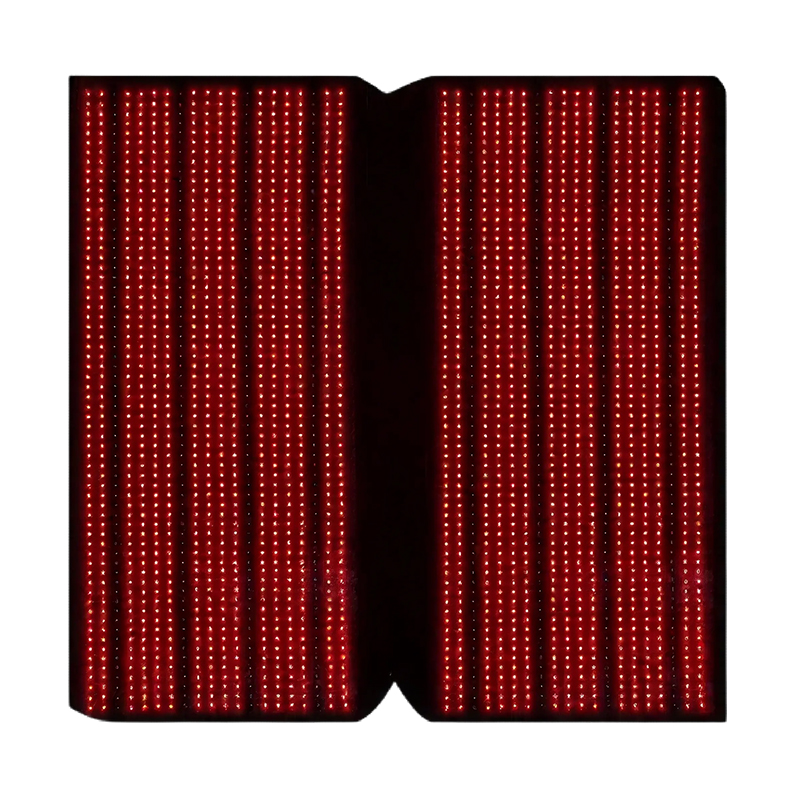
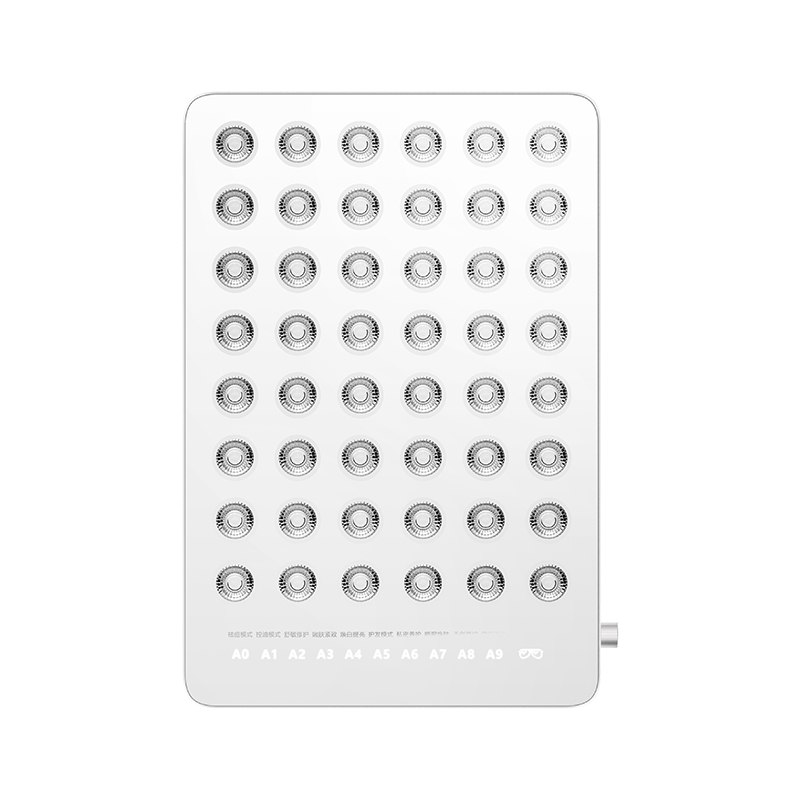
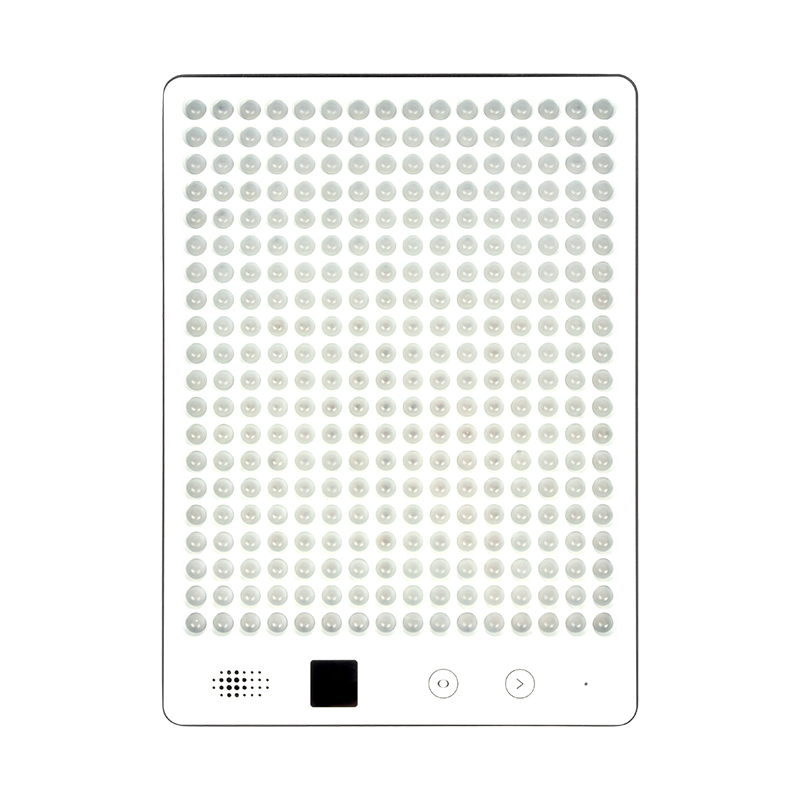
- Solas dearg faoi stiúir (thart 630 nm & 660 nm)
- Solas LED gar-infridhearg (thart 850 nm)
Ceadaíonn an meascán seo cóireáil ar an dá cheann imní craiceann leibhéal an dromchla agus muscle níos doimhne nó míchompord comhpháirteach in aon seisiún amháin.
2. Cén Fáth a Úsáidtear na Cineálacha Solais seo In ionad UV
Murab ionann agus leapacha súdaireachta traidisiúnta a scaoileann solas UV chun melanin a spreagadh, feistí teiripe solas dearg:
- Déan nach bhfuil Dorchaigh an craiceann
- Déan nach bhfuil DNA damáiste
- A úsáidtear go coitianta le haghaidh folláine, téarnamh, agus tacaíocht aeistéitiúil
Sin é an fáth a thairgeann go leor ionaid folláine nua-aimseartha anois leapacha teiripe solas dearg mar rogha ar leithligh nó comhcheangailte taobh le seirbhísí súdaireachta nó spá.
3. Cineál Solais a Chomhoiriúnú le Spriocanna Cóireála
Freastalaíonn tonnfhaid éagsúla chun críocha éagsúla:
- 630–660 nm (Solas Dearg)
Is fearr le haghaidh:- Feabhsú ton craicinn
- Cóireálacha frith-aosaithe
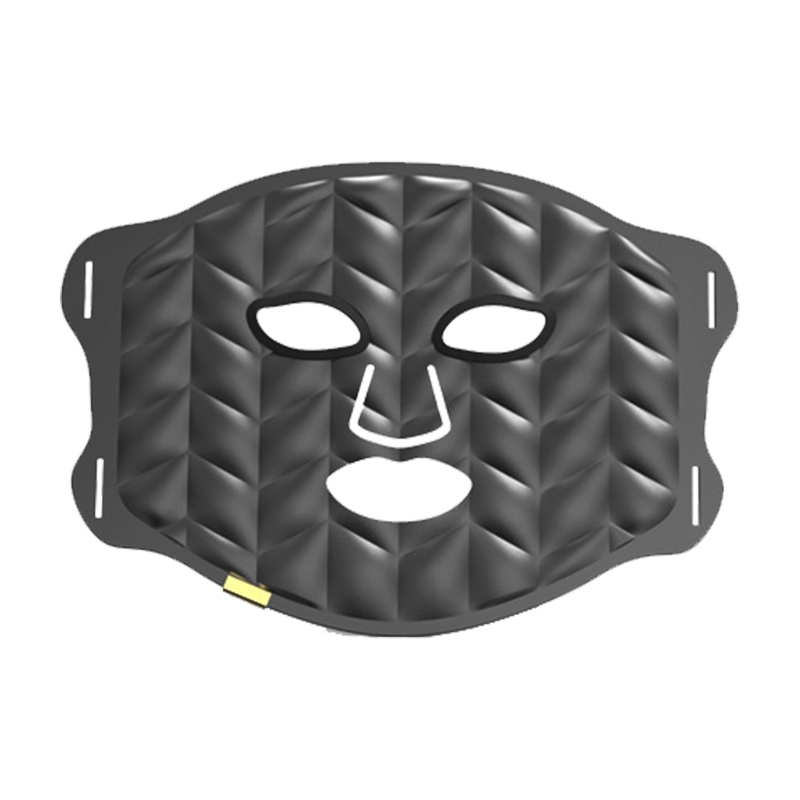
- Iarratais facial agus cosmaideacha
- 850 nm (Solas Near-Infridhearg)
Is fearr le haghaidh:- Aisghabháil spóirt
- Ar ais, comhpháirteach, agus míchompord matáin
- Cláir folláine coirp uile
Is minic a chomhtháthaíonn córais lánchorp gairmiúla an dá cheann le haghaidh solúbthachta uasta.
4. Leapacha Gairmiúla vs. Gléasanna Baile
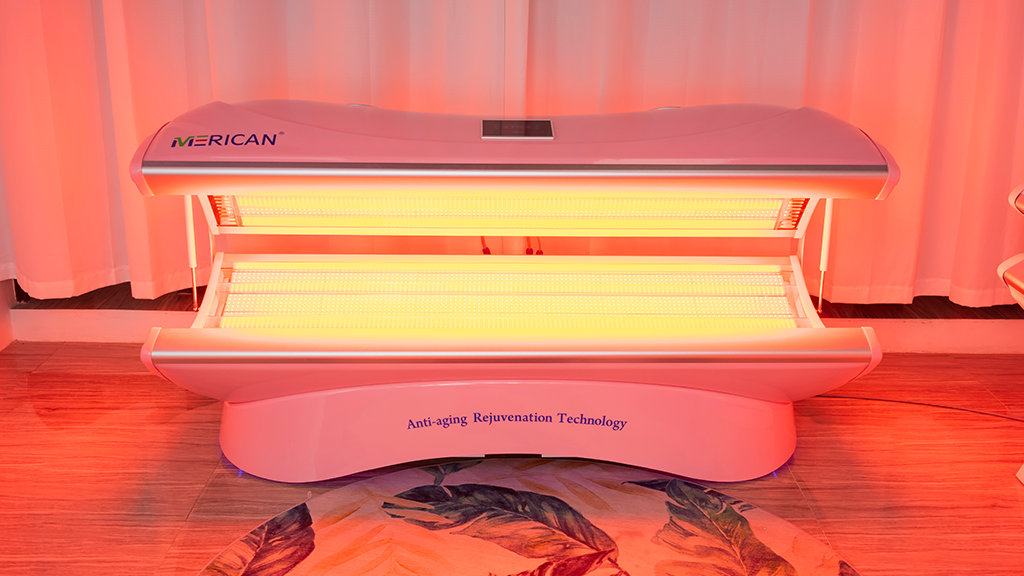
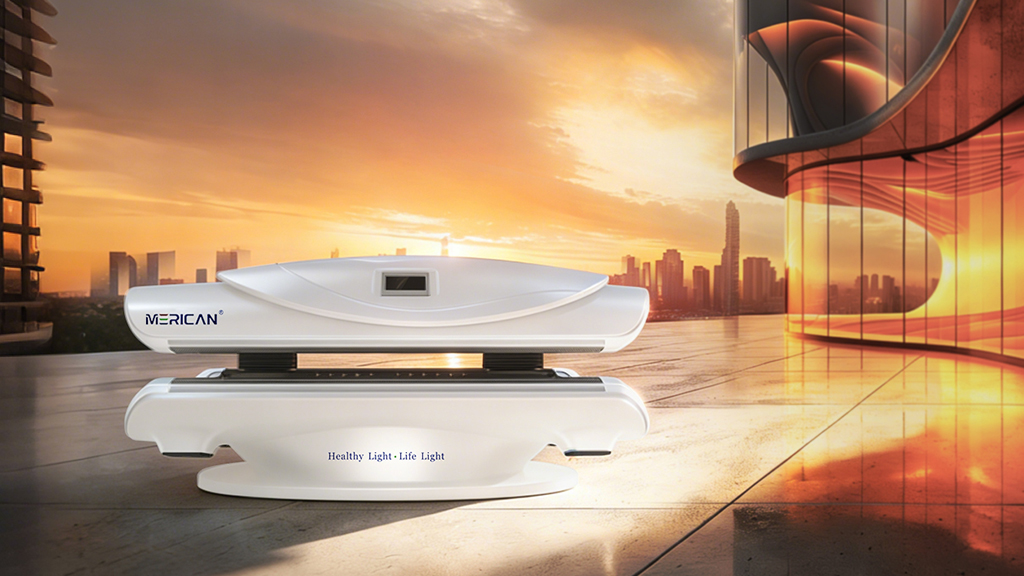
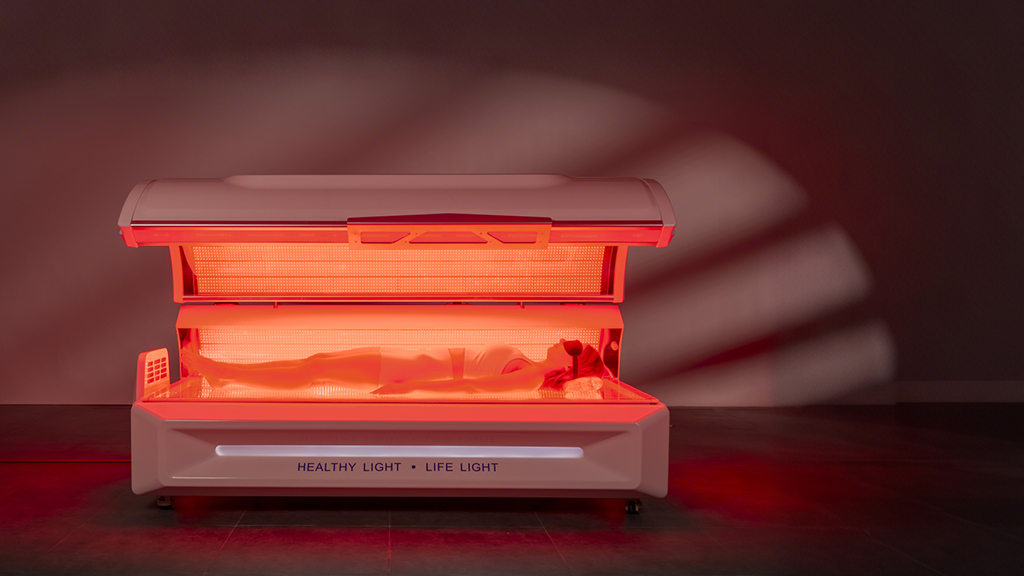
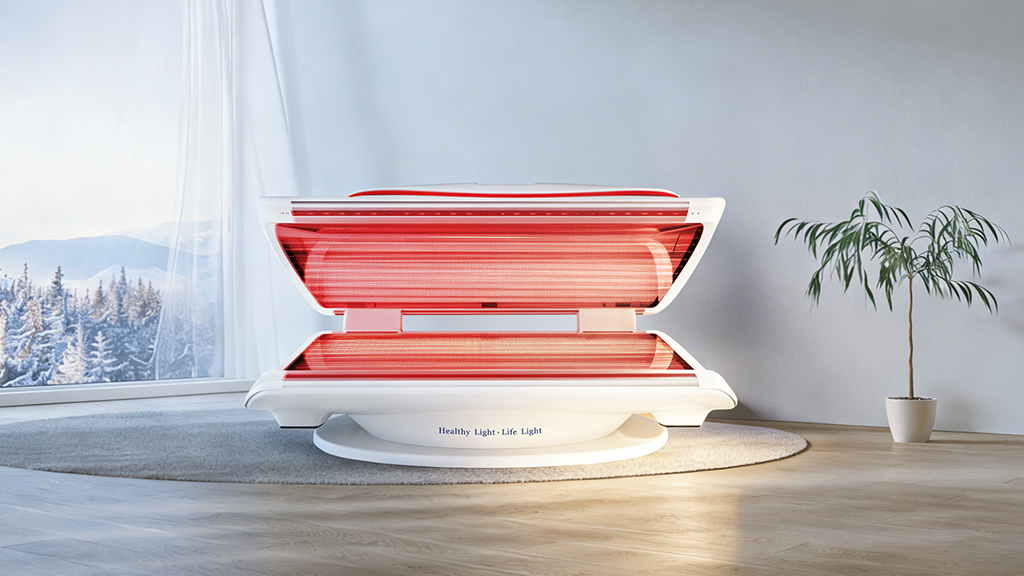
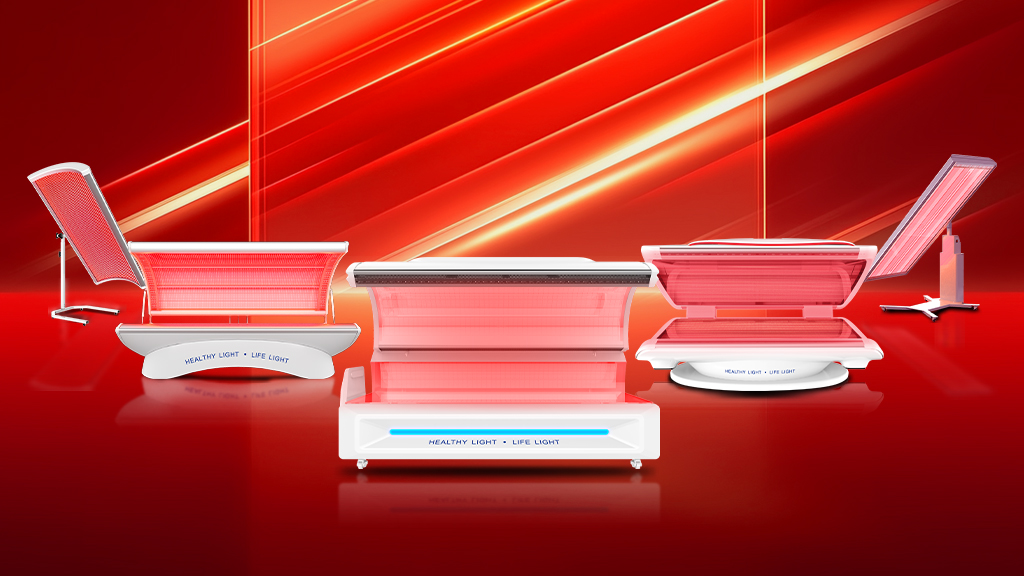
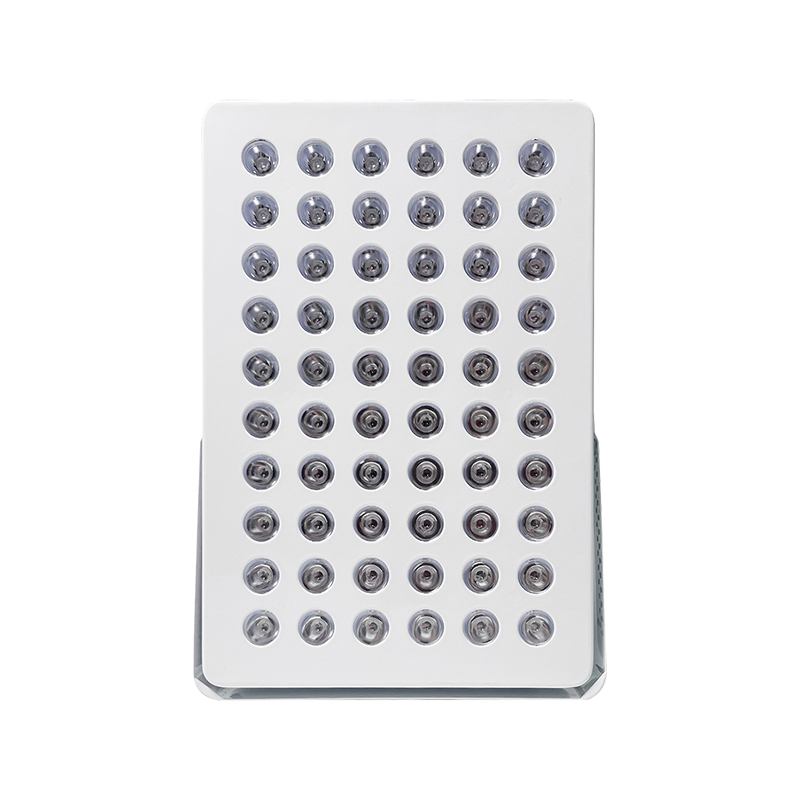
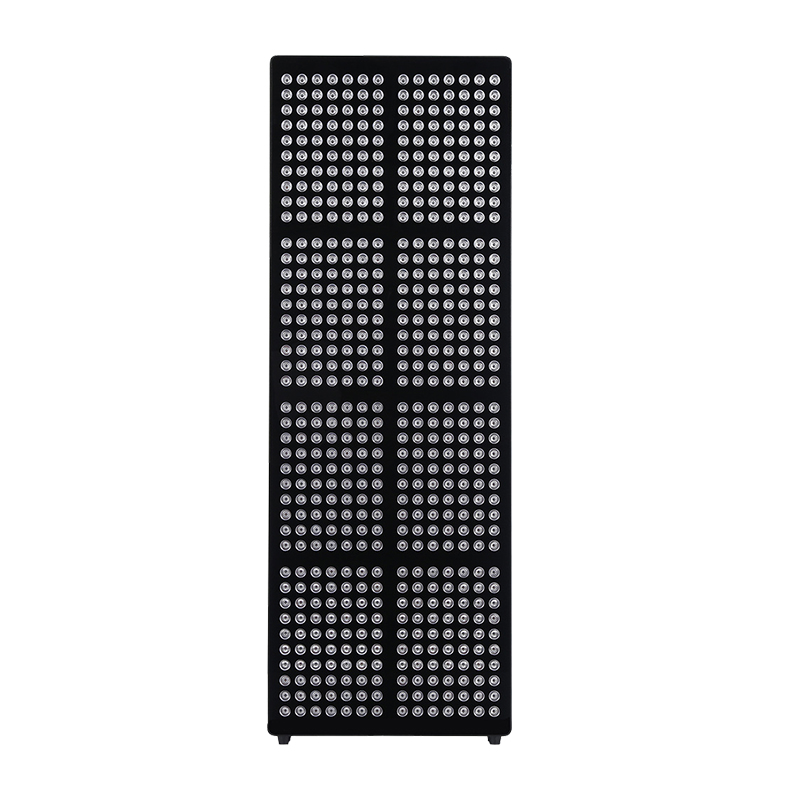
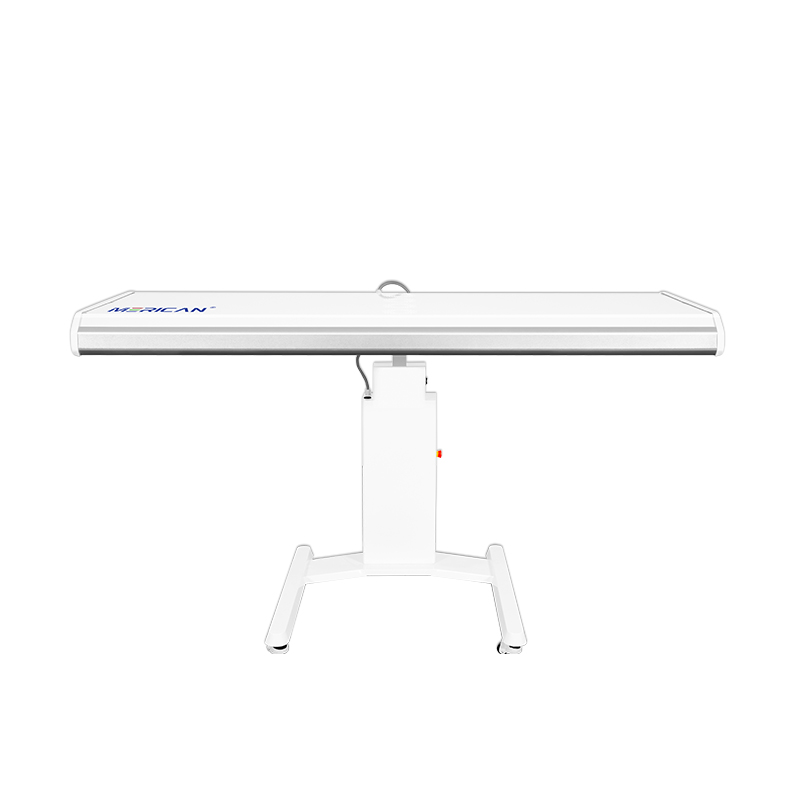
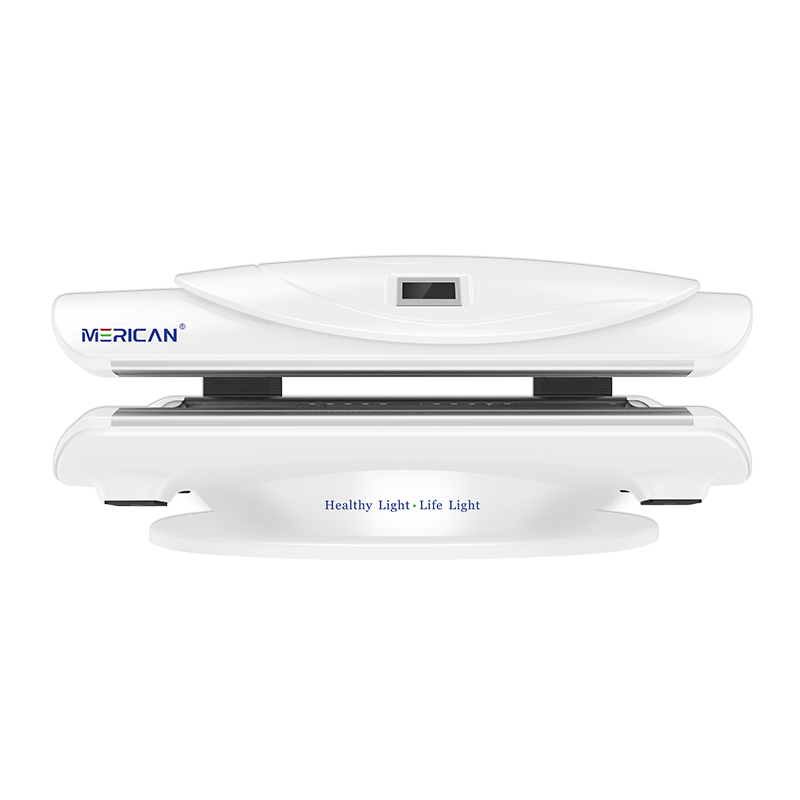
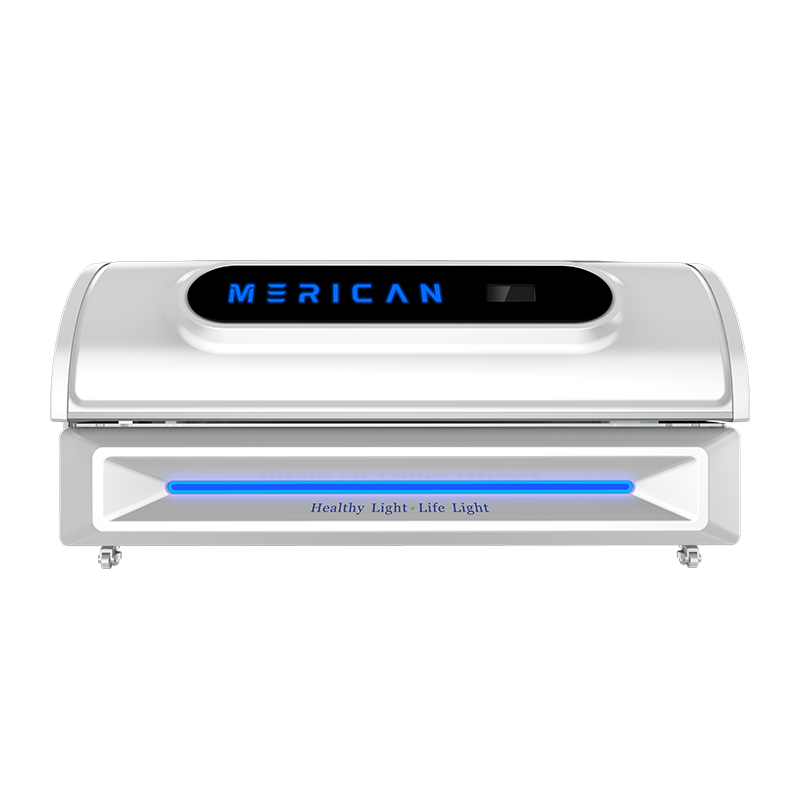
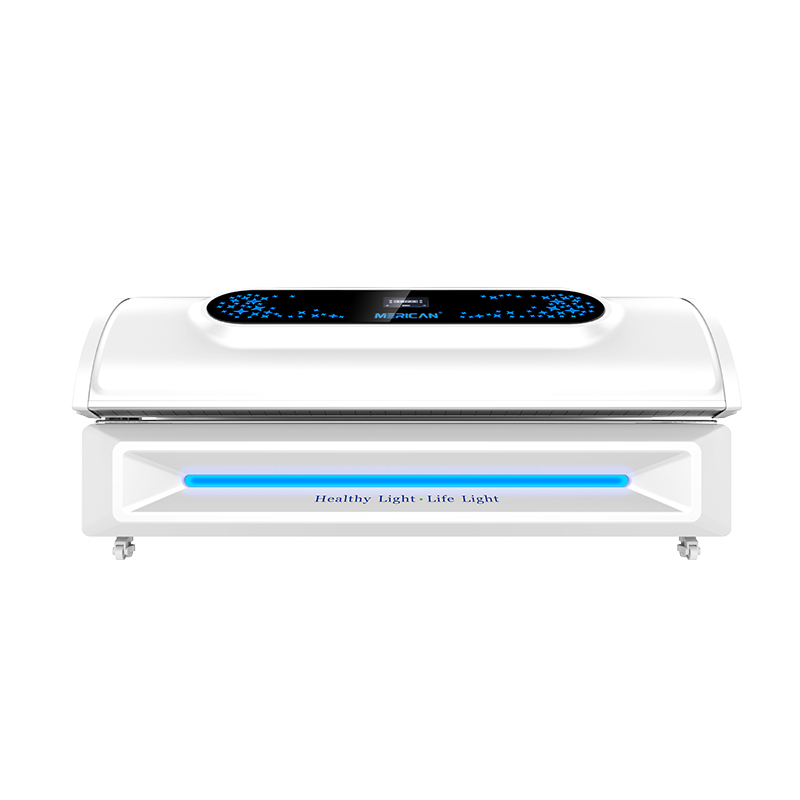
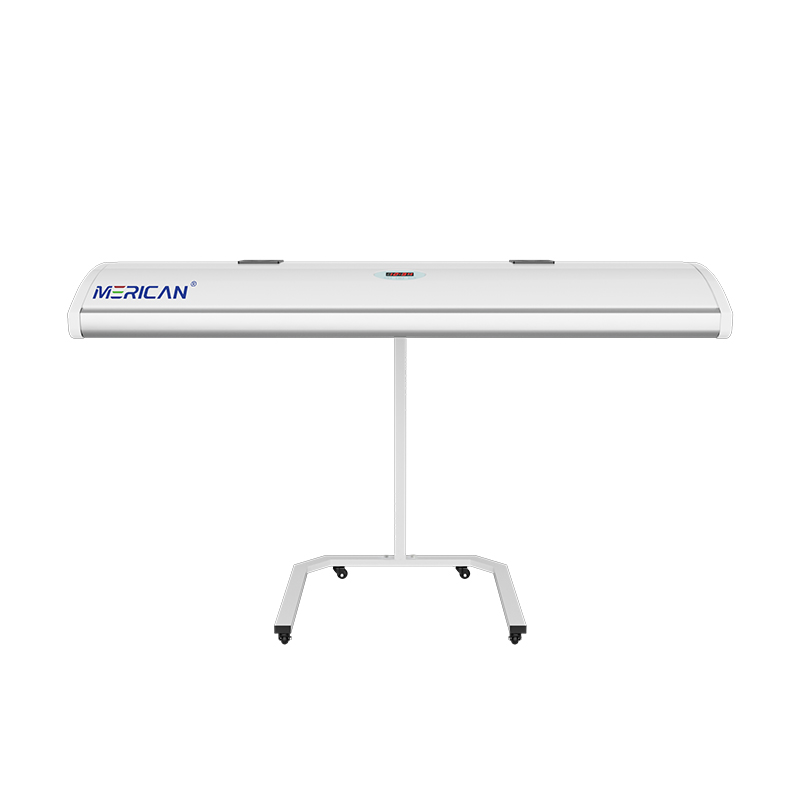
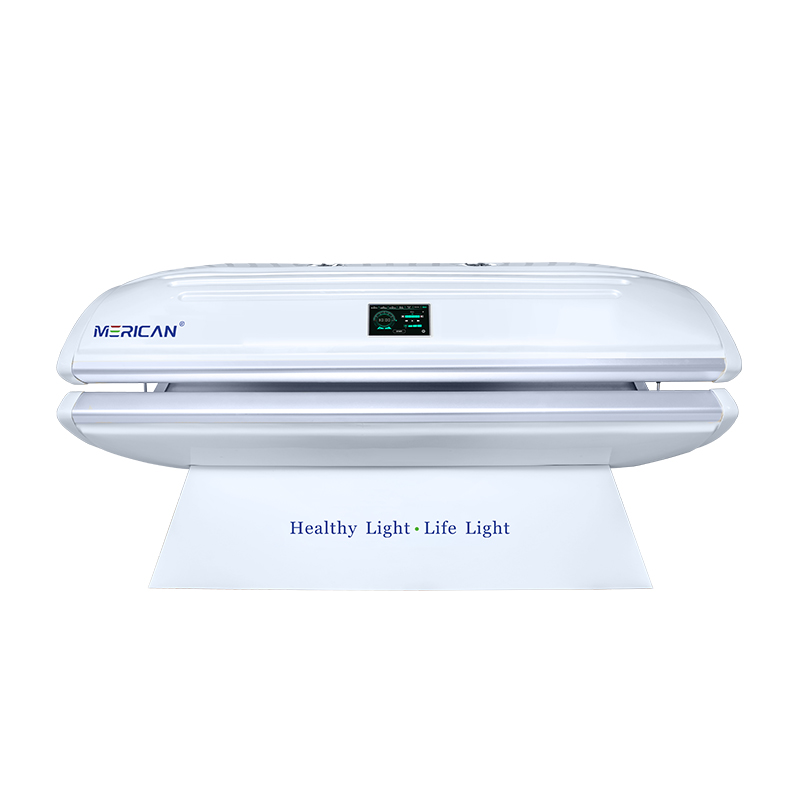
Cé go n-úsáideann painéil tí mar an gcéanna de ghnáth cineál solais, de ghnáth cuireann leapacha gairmiúla teiripe solais dearga ar fáil:
- Comhsheasmhacht aschuir níos airde
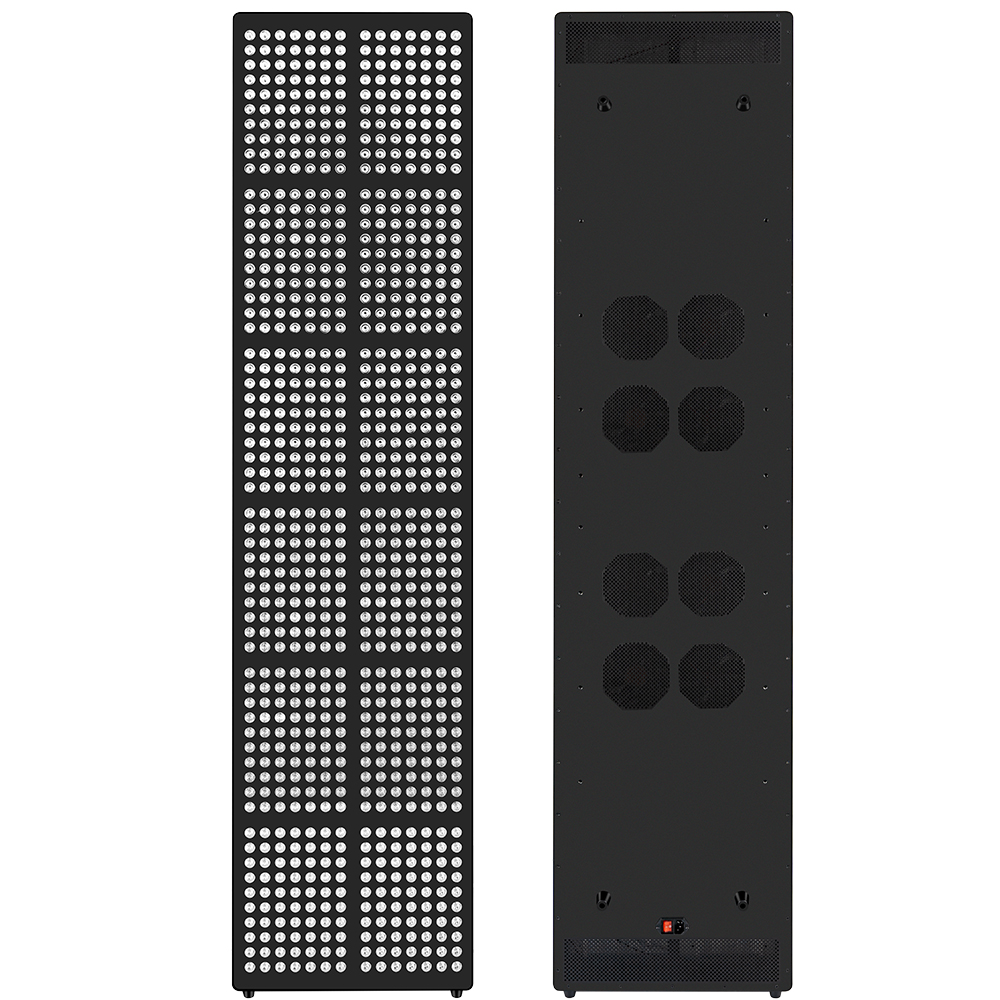
- Clúdach comhlacht iomlán
- Amanna seisiúin níos giorra
- Rinneadh tástáil ar LEDanna de ghrád tráchtála le haghaidh fad saoil
Déanann sé seo oiriúnach iad do chlinicí, gyms, ionaid folláine, agus dáileoirí atá ag lorg réitigh inscálaithe.
5. An bhfuil Teiripe Solas Dearg Sábháilte?
Toisc go n-úsáideann sé solas dearg neamhianaíoch agus solas gar-infridhearg, Meastar go ginearálta go bhfuil teiripe solais dhearg sábháilte nuair a leanann feistí caighdeáin bhunaithe maidir le tonnfhad agus am nochta.
Conclúid
Úsáideann teiripe solas dearg tonnfhaid shonracha dearga agus neas-infridhearg, ní UV nó solas teas-bhunaithe. Tá ról lárnach ag roghnú an cineál ceart solais - agus an fheiste ceart - chun comhsheasmhacht a bhaint amach, torthaí éifeachtacha le haghaidh úsáide pearsanta agus gairmiúla araon.