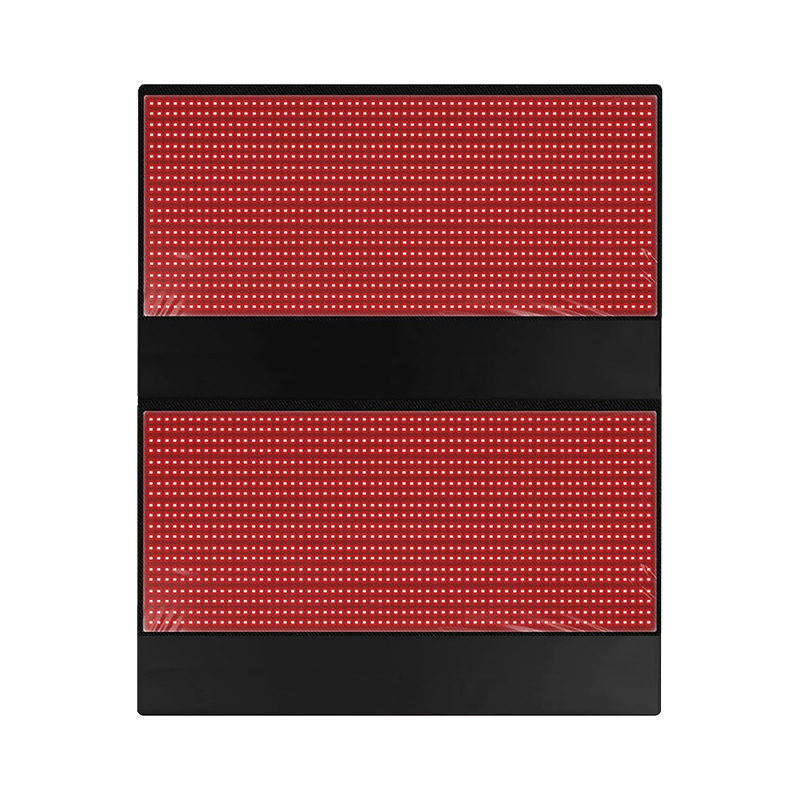
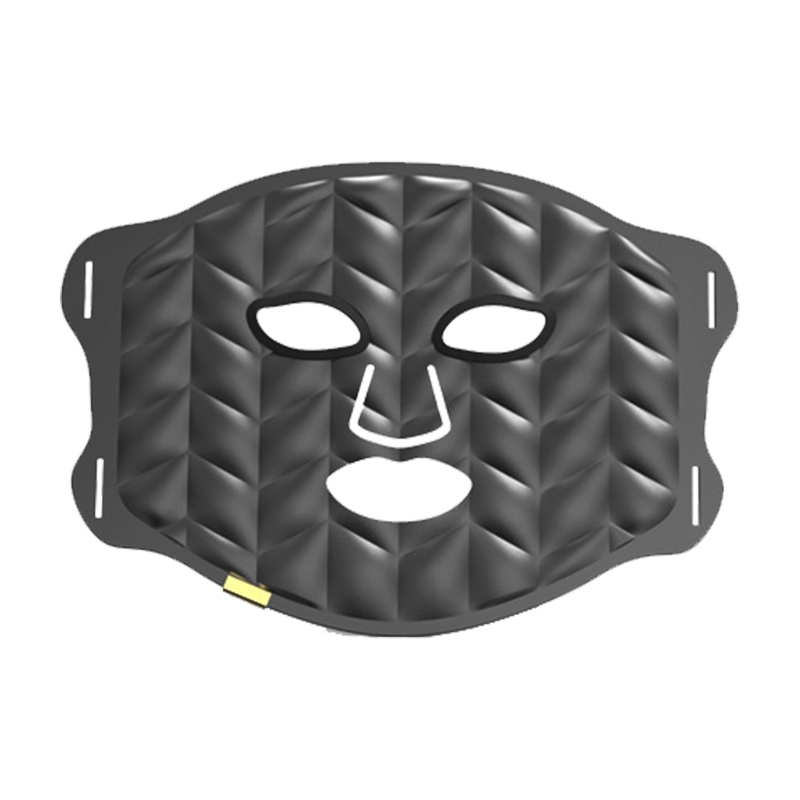
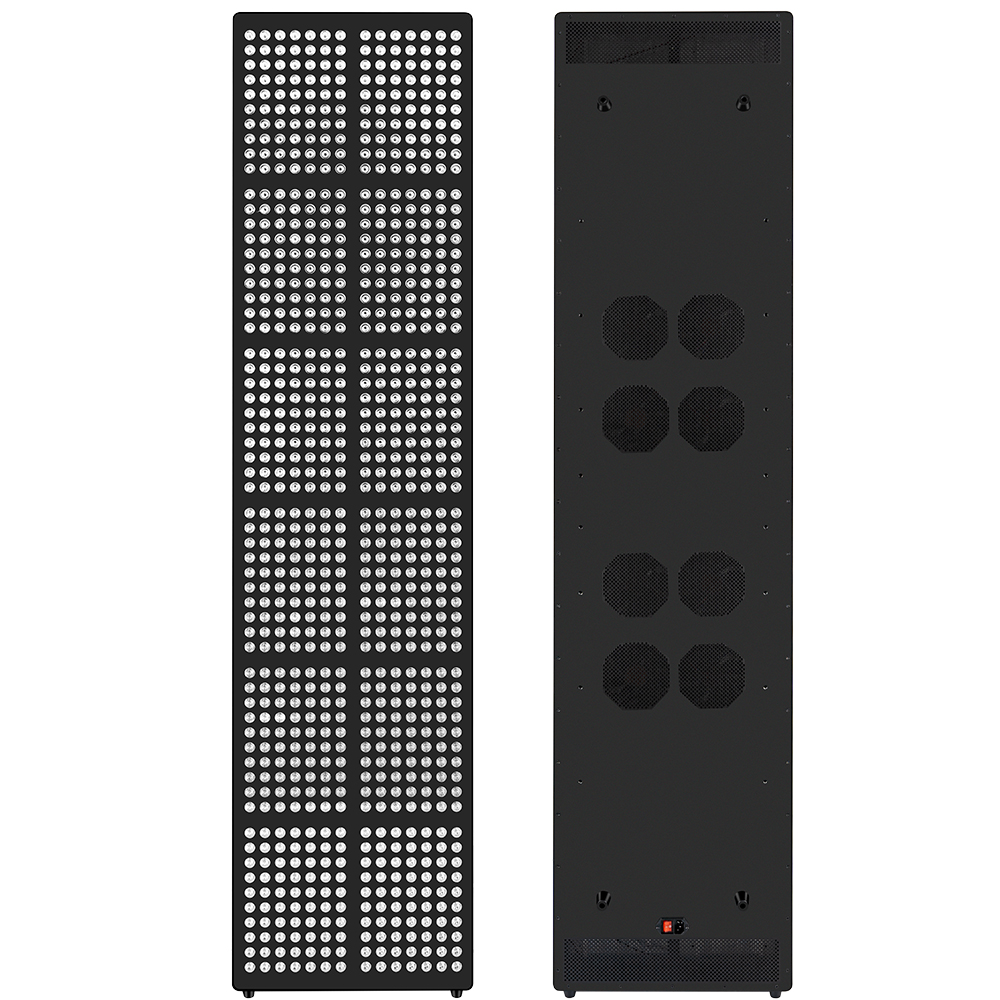
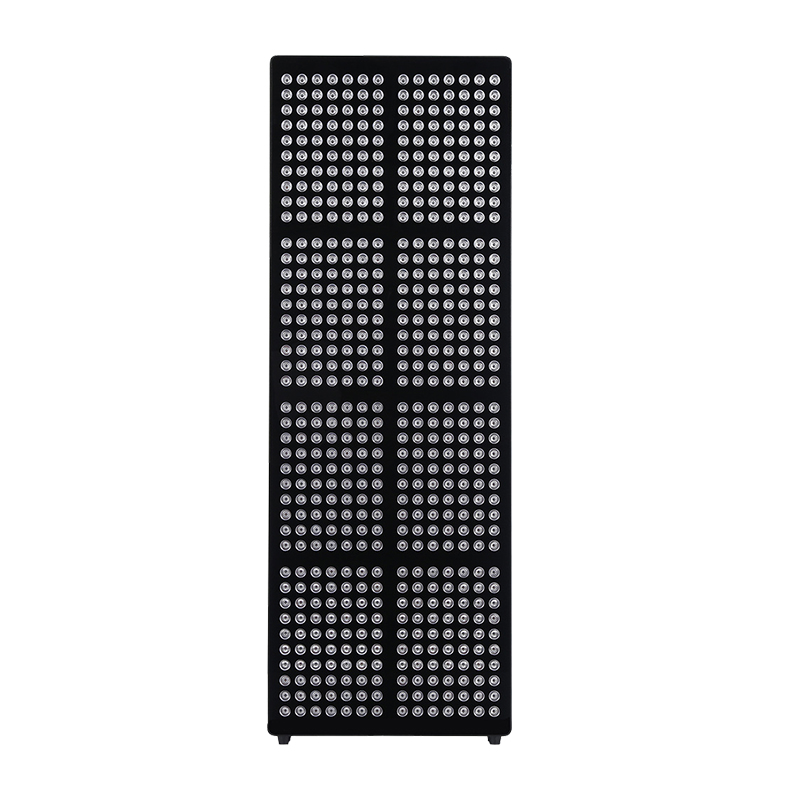
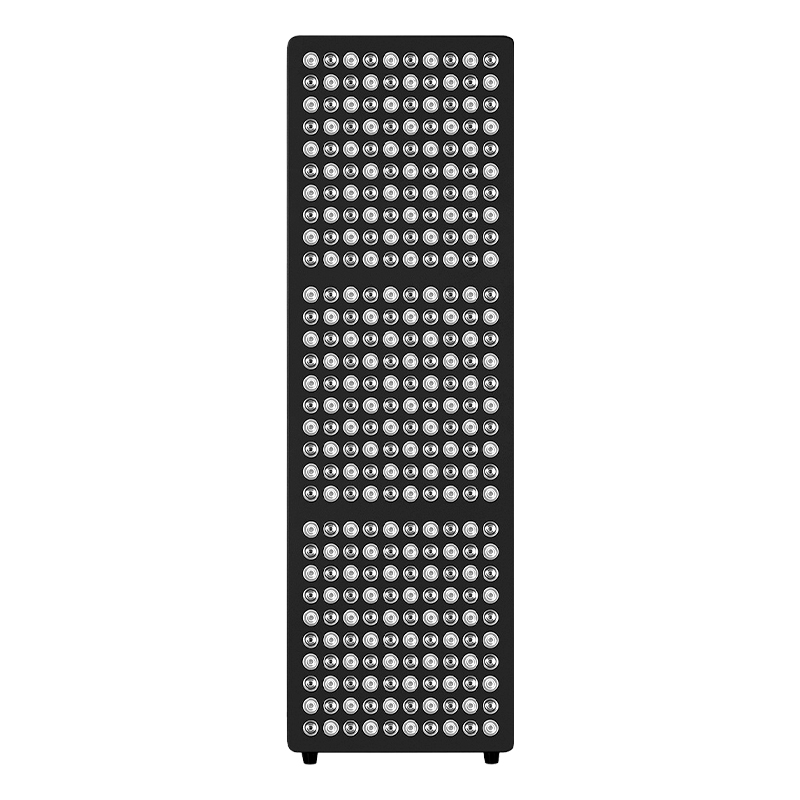
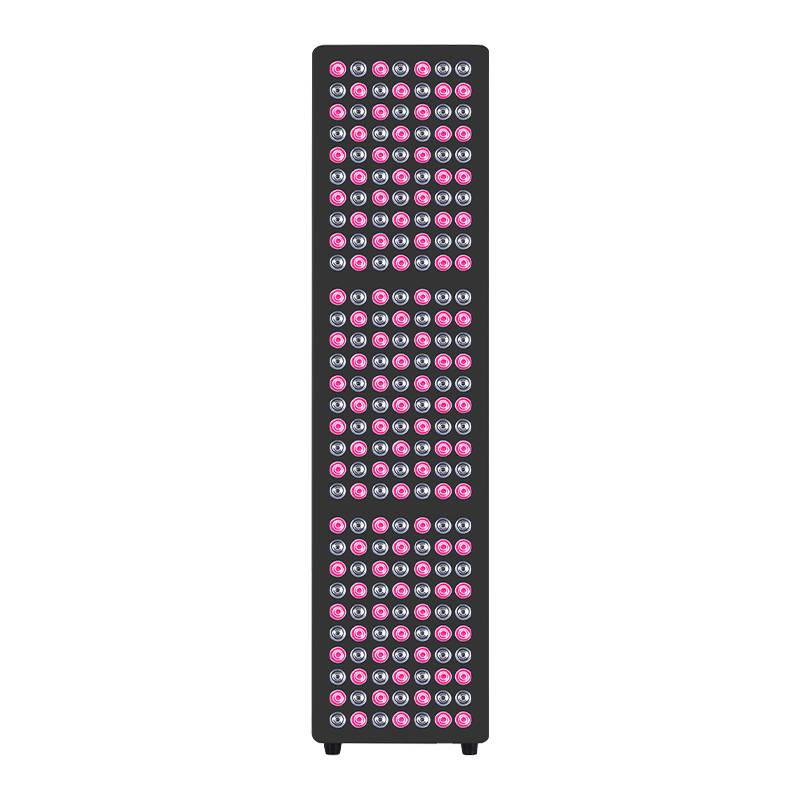
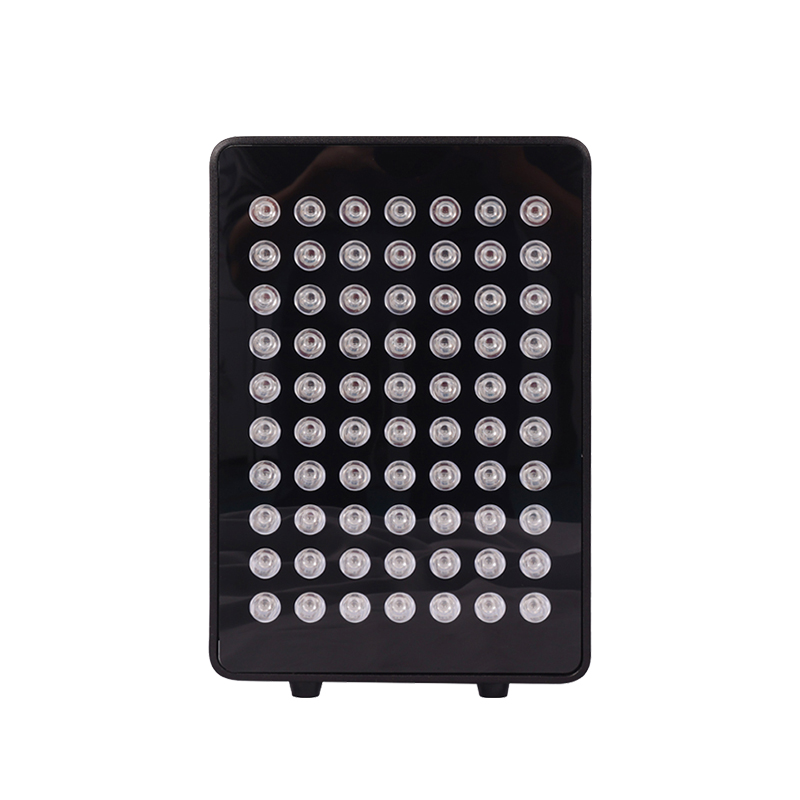
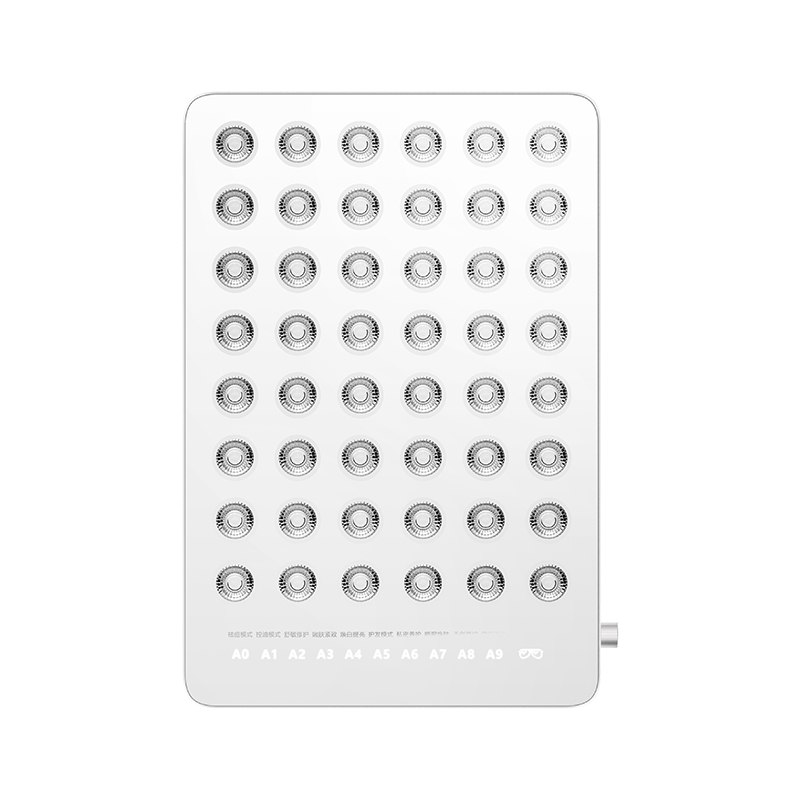
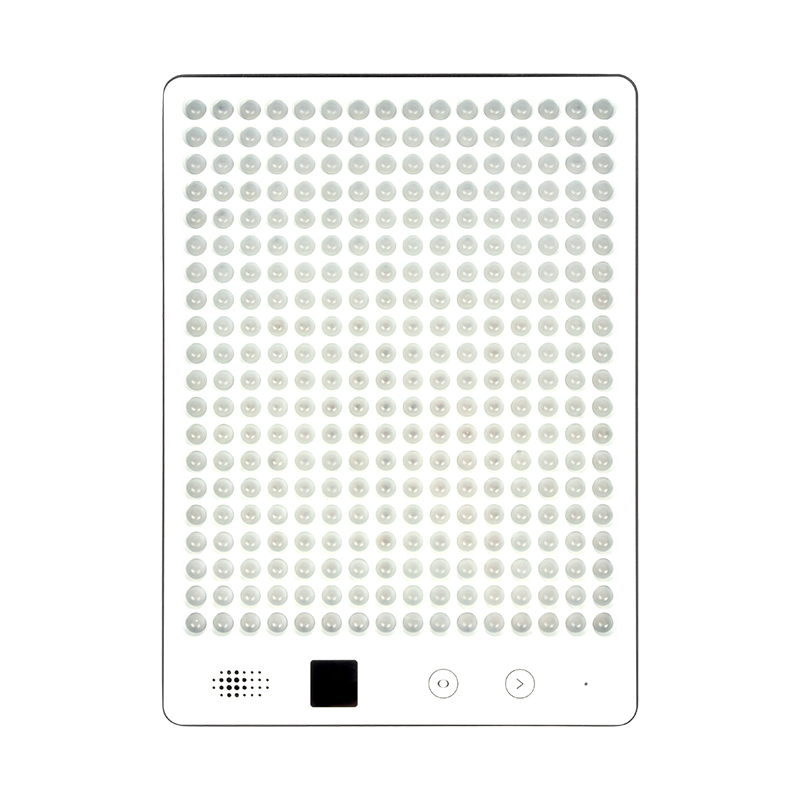
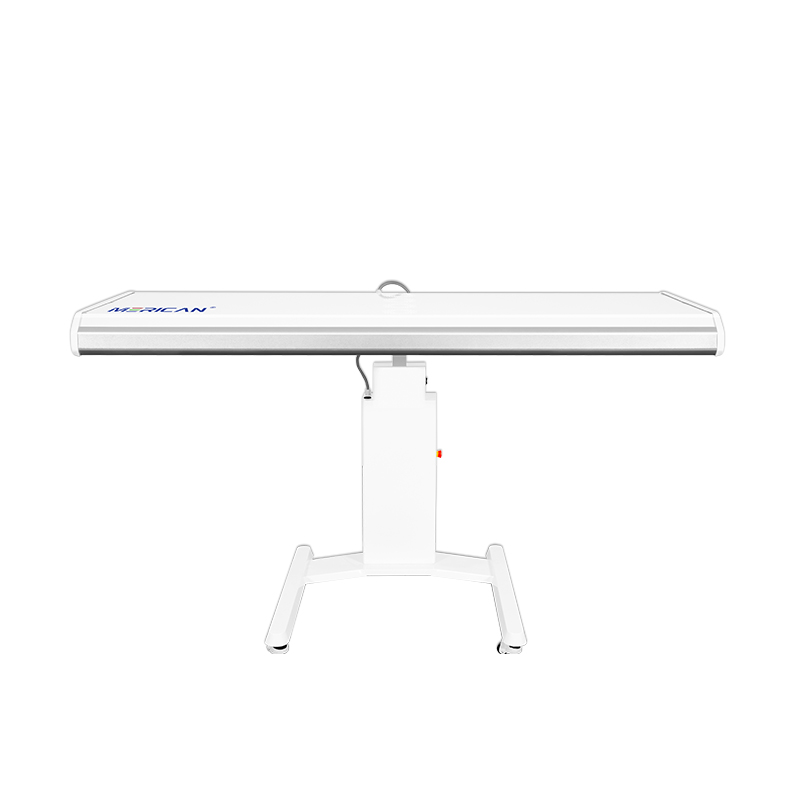
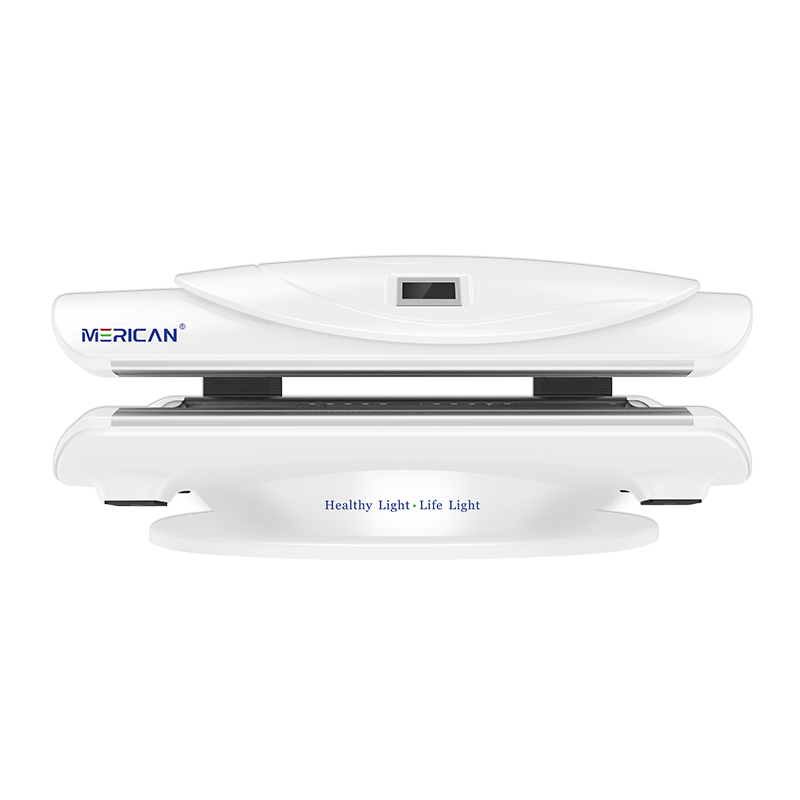
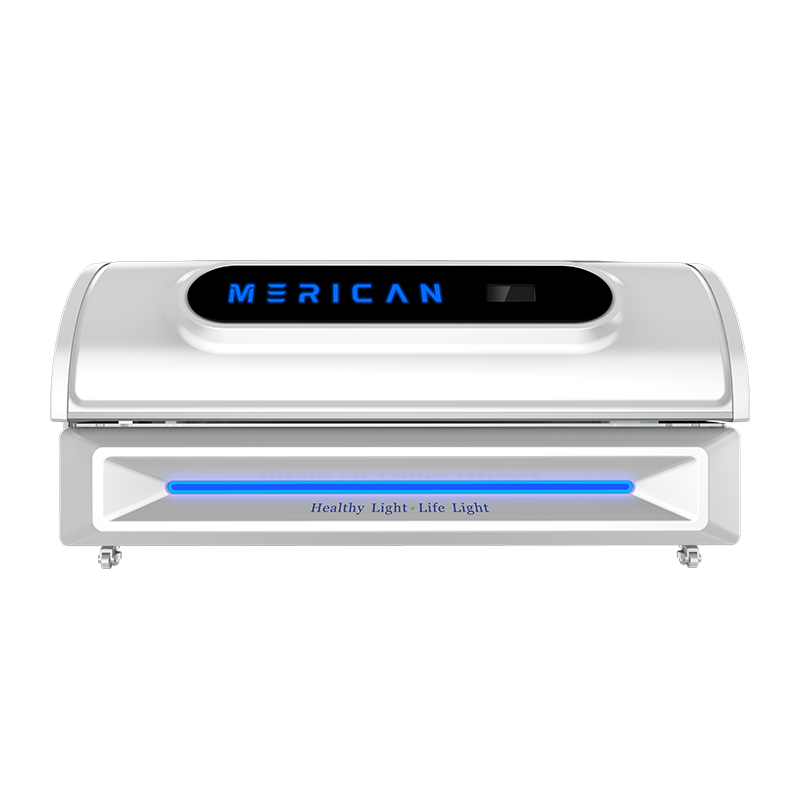
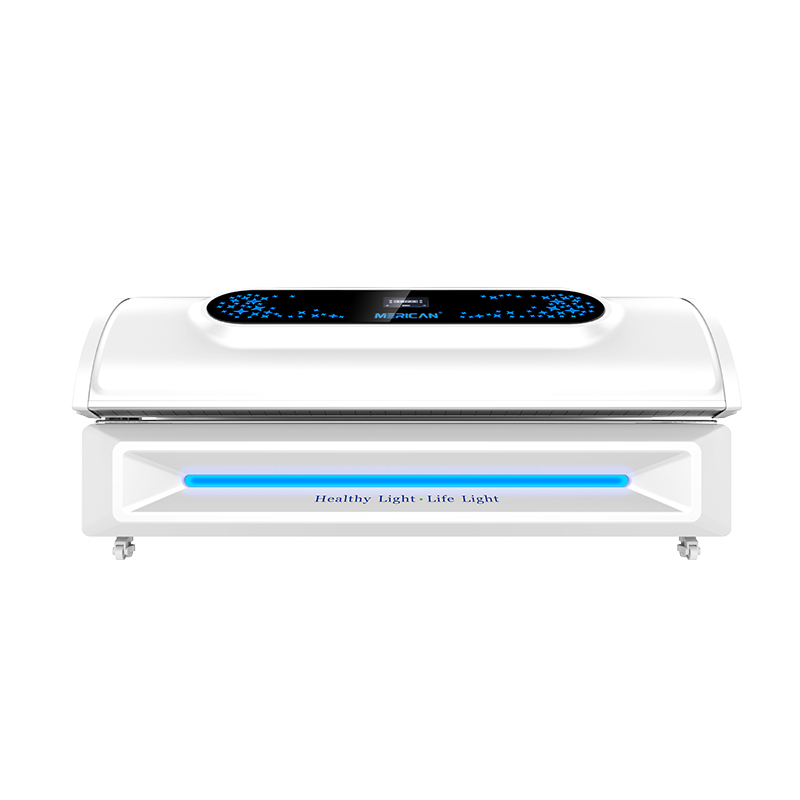
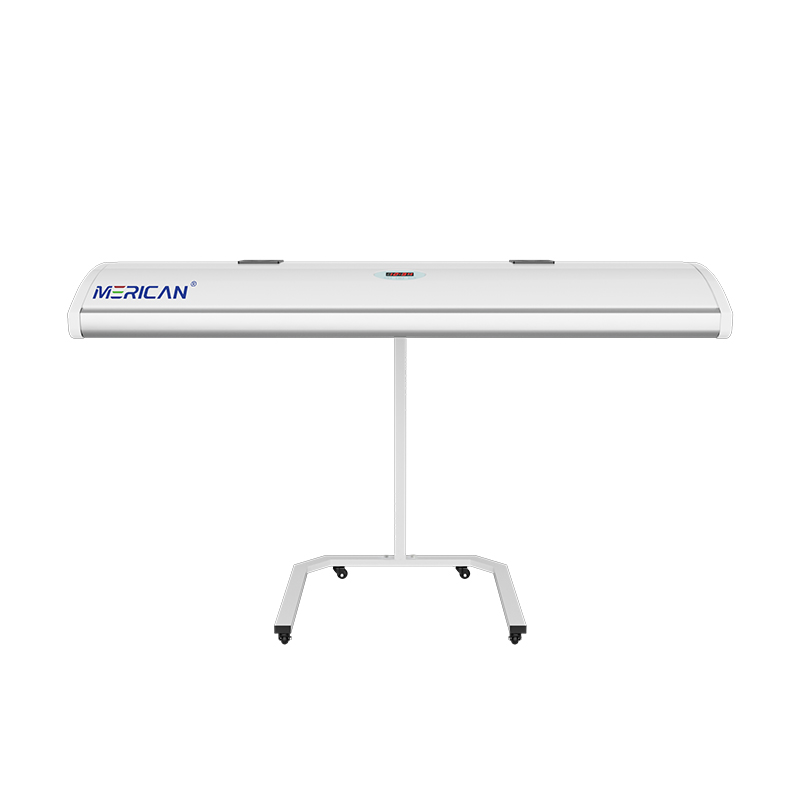
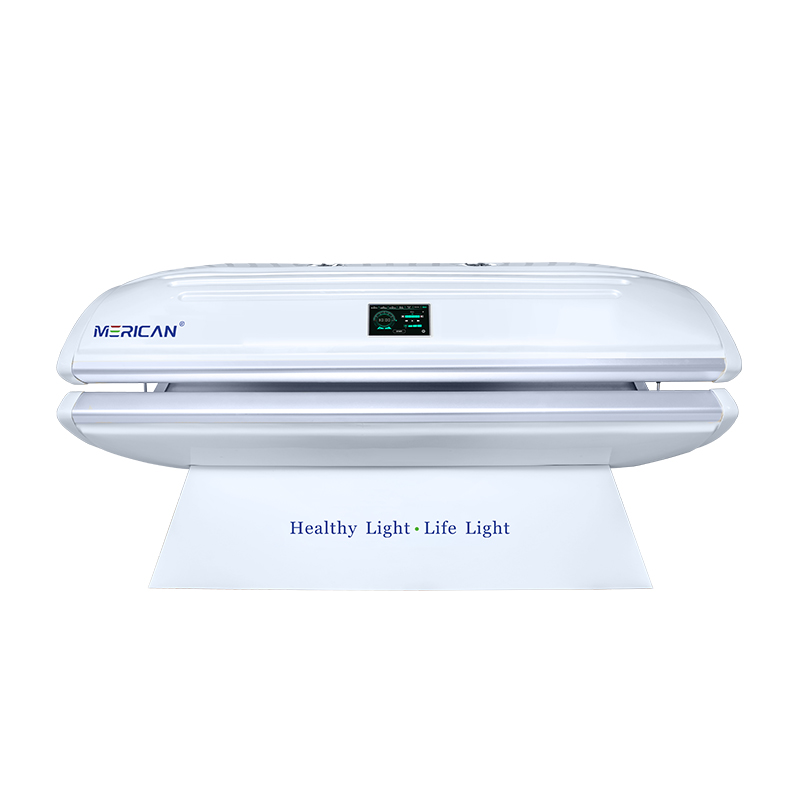
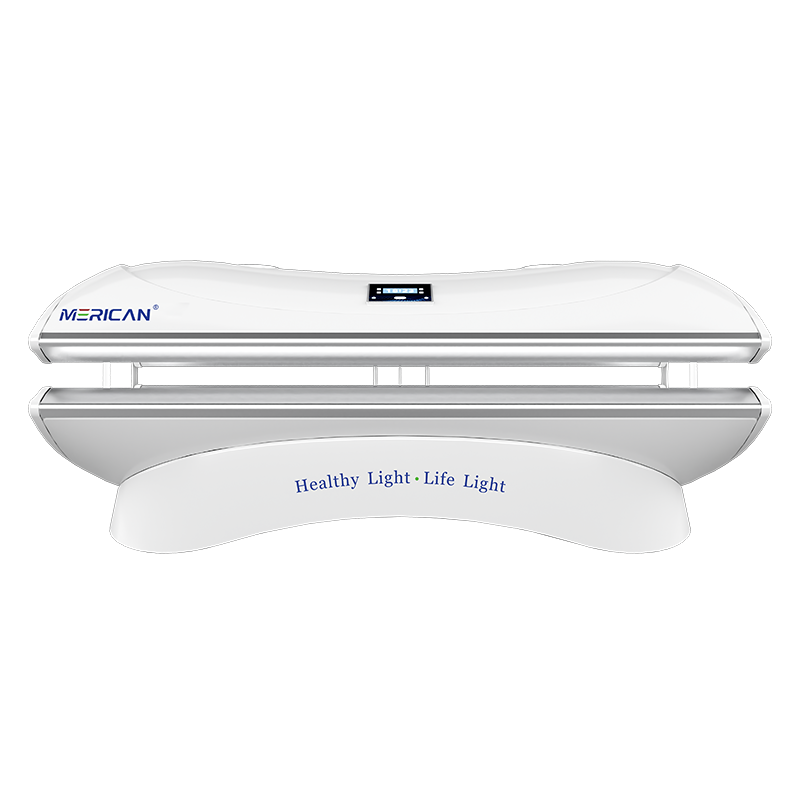
Många frågar: Vilken typ av ljus är rött ljusterapi, och gör det verkligen någon skillnad? Svaret är ja-typen av ljus och våglängd påverkar direkt behandlingsdjupet, resultat, och säkerhet.
1. Rödljusterapi är inte bara "rött ljus"
Även om namnet antyder en enda färg, rött ljusterapi kombineras vanligtvis:
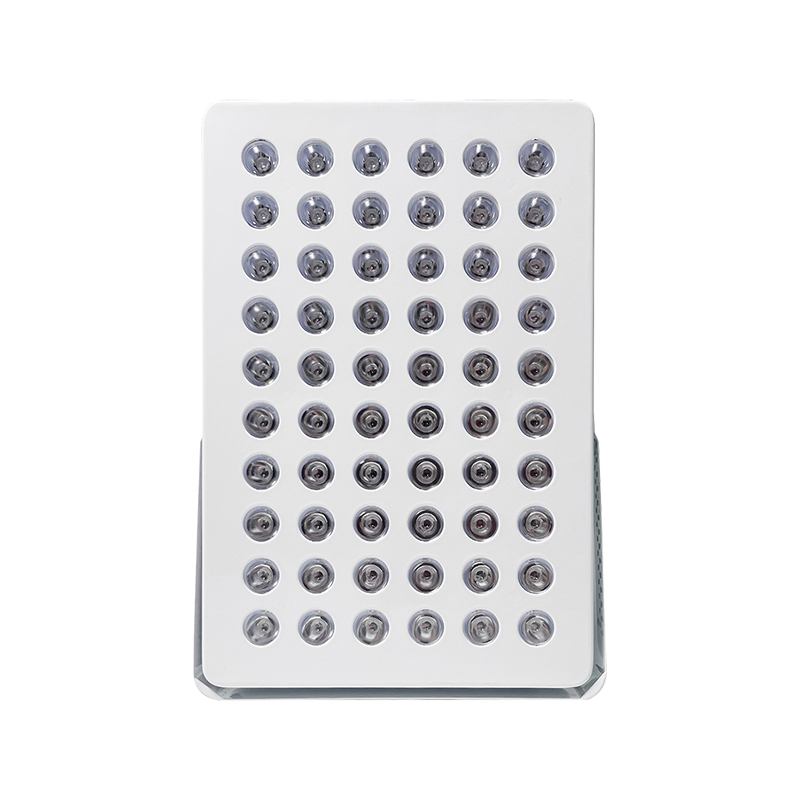
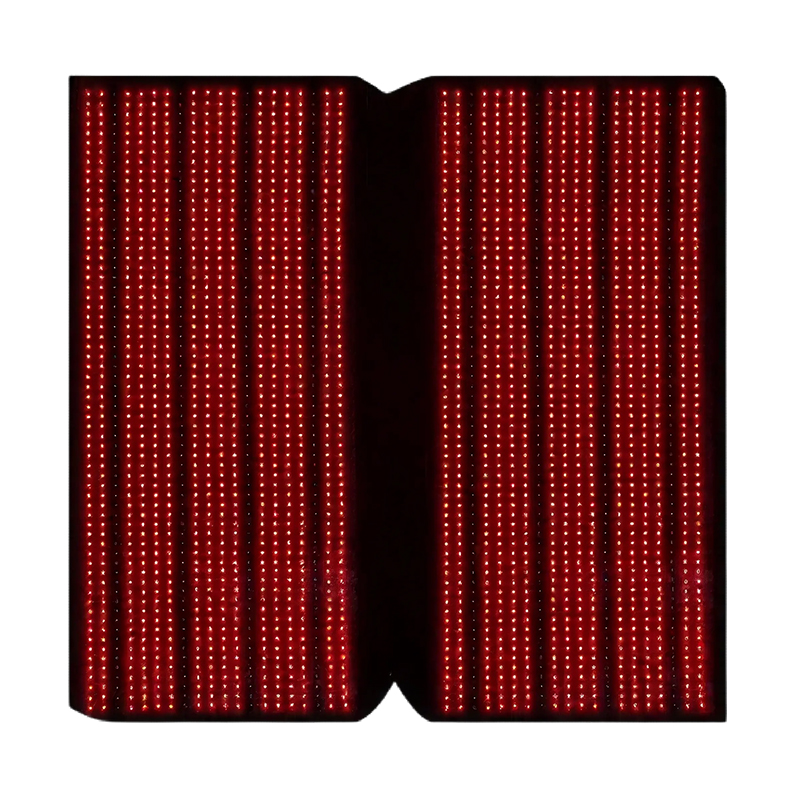
- Rött LED-ljus (runt 630 nm & 660 nm)
- Nära-infrarött LED-ljus (runt 850 nm)
Denna kombination möjliggör behandling av båda hudproblem på ytnivå och djupare muskel- eller ledbesvär i en session.
2. Varför dessa ljustyper används istället för UV
Till skillnad från traditionella solarier som avger UV-ljus för att stimulera melanin, apparater för rött ljusterapi:
- Do inte mörka huden
- Do inte skada DNA
- Används ofta för välbefinnande, återhämtning, och estetiskt stöd
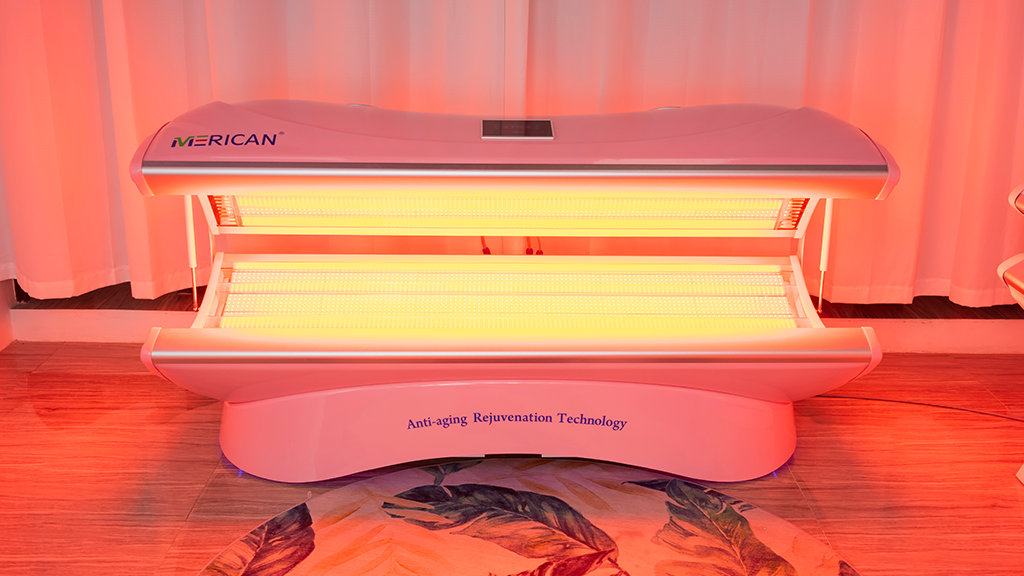
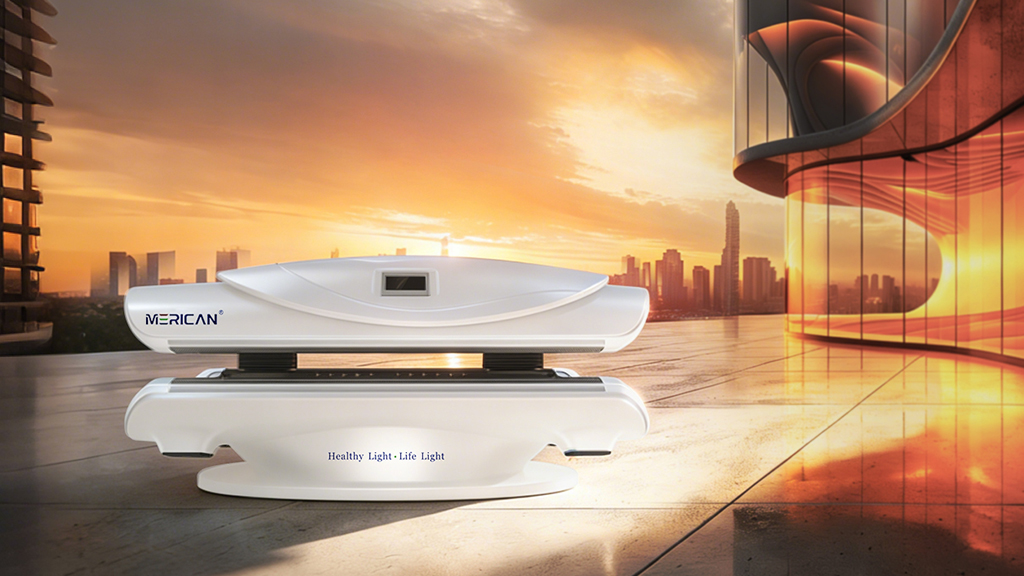
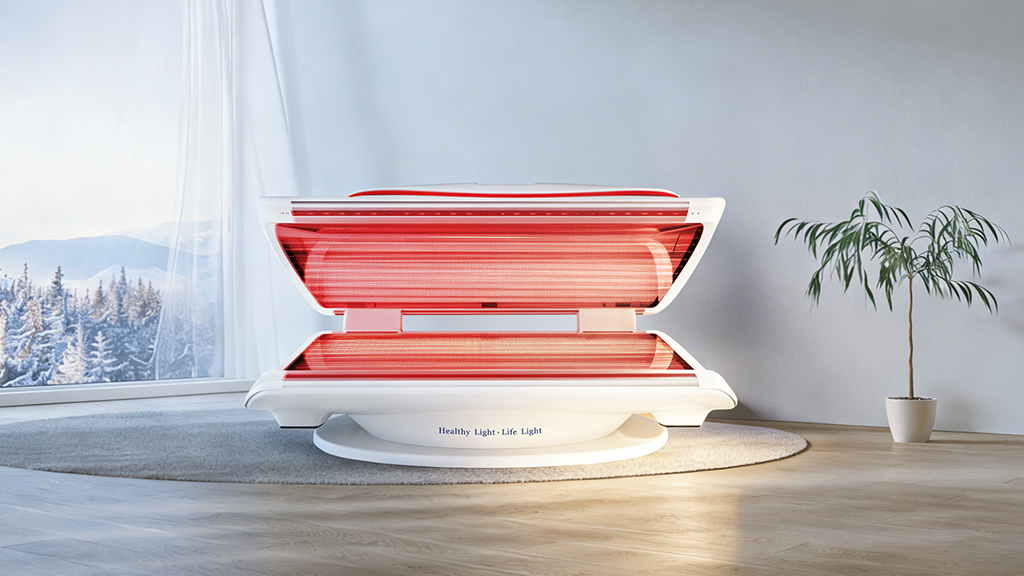
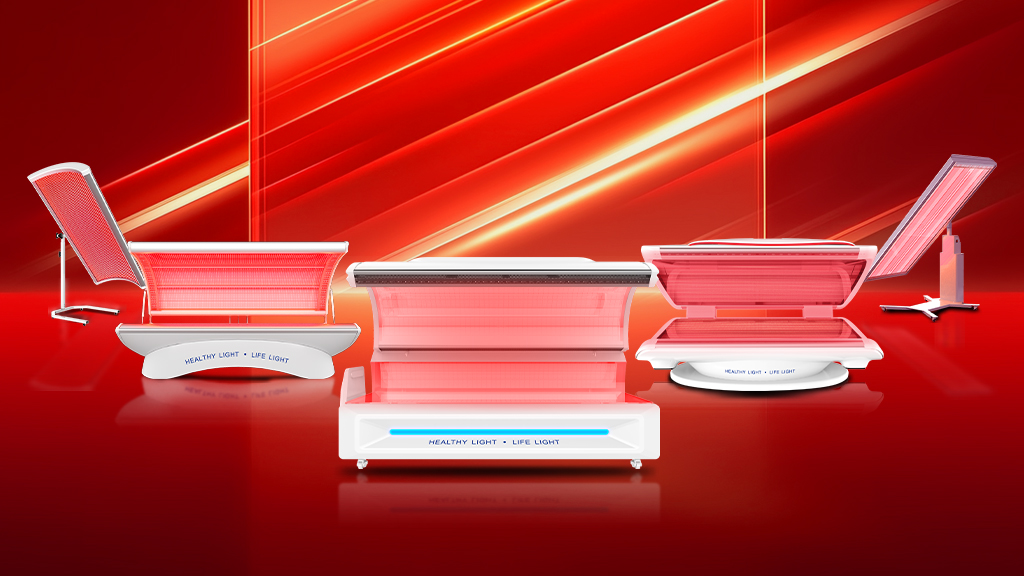
Det är därför många moderna hälsocenter nu erbjuder red light therapy beds as a separate or combined option alongside tanning or spa services.
3. Matching Light Type to Treatment Goals
Different wavelengths serve different purposes:
- 630–660 nm (Rött ljus)
Bäst för:- Skin tone improvement
- Anti-aging behandlingar
- Facial and cosmetic applications
- 850 nm (Nära-infrarött ljus)
Bäst för:- Sportåterhämtning
- Tillbaka, gemensam, and muscle discomfort
- Hälsoprogram för hela kroppen
Professional full-body systems often integrate both for maximum versatility.
4. Professional Beds vs. Hemenheter
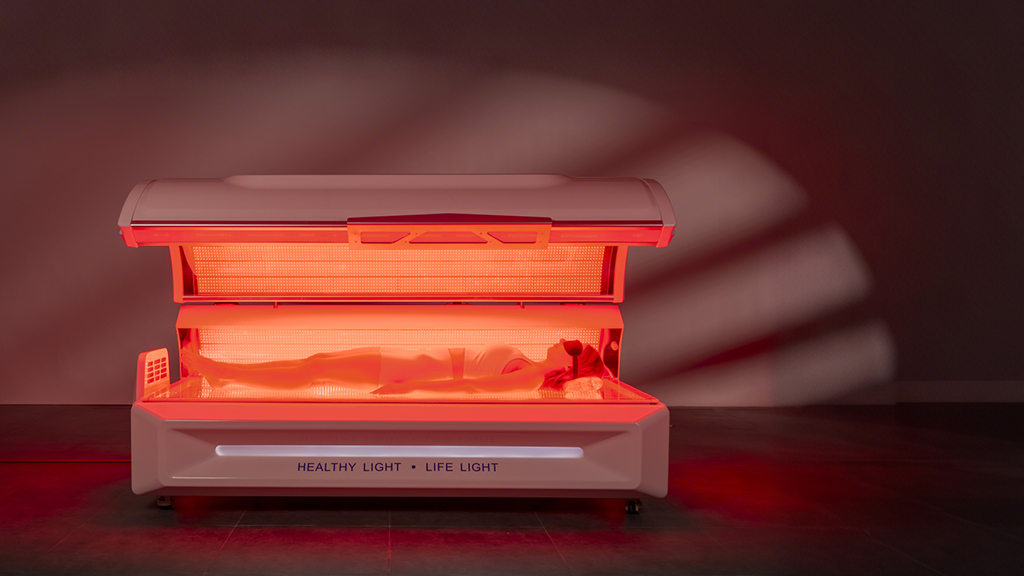
While home panels usually use the same type of light, professional red light therapy beds typically offer:
- Higher output consistency
- Helkroppstäckning
- Kortare sessionstider
- Commercial-grade LEDs tested for longevity
This makes them suitable for clinics, gym, friskvårdscenter, and distributors seeking scalable solutions.
5. Är rödljusterapi säker?
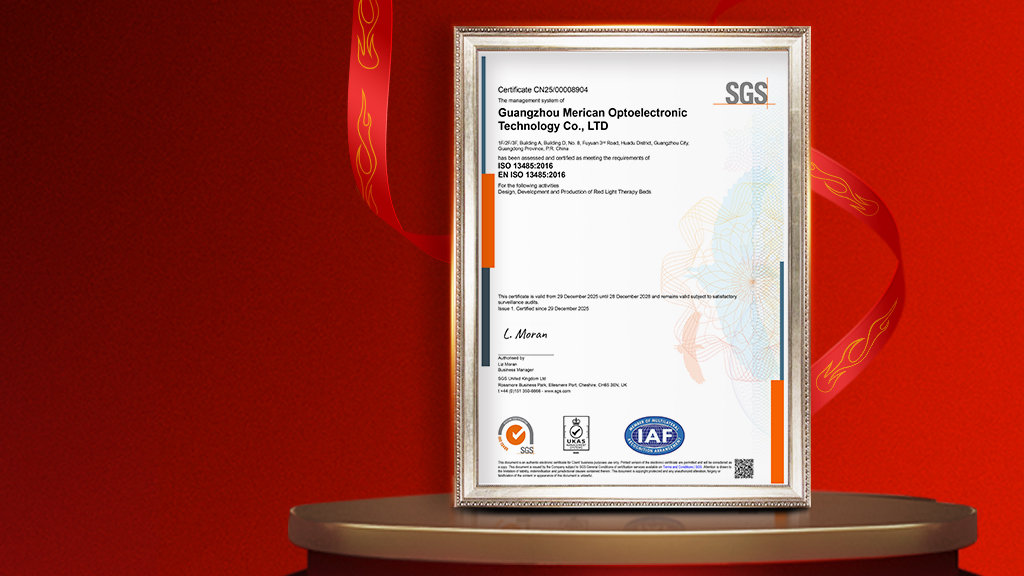
Because it uses non-ionizing red and near-infrared light, red light therapy is generally considered safe when devices follow established standards for wavelength and exposure time.
Slutsats
Rött ljusterapi använder specific red and near-infrared wavelengths, inte UV- eller värmebaserat ljus. Att välja rätt typ av ljus – och rätt enhet – spelar en nyckelroll för att uppnå konsistens, effektiva resultat för både personligt och professionellt bruk.