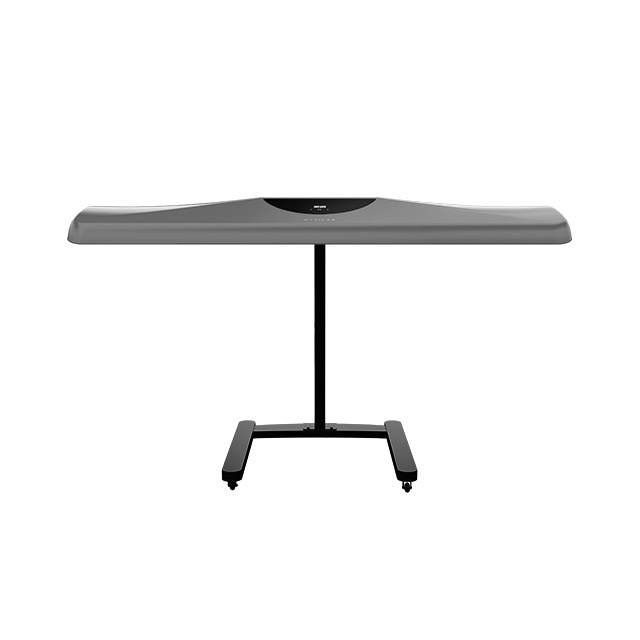
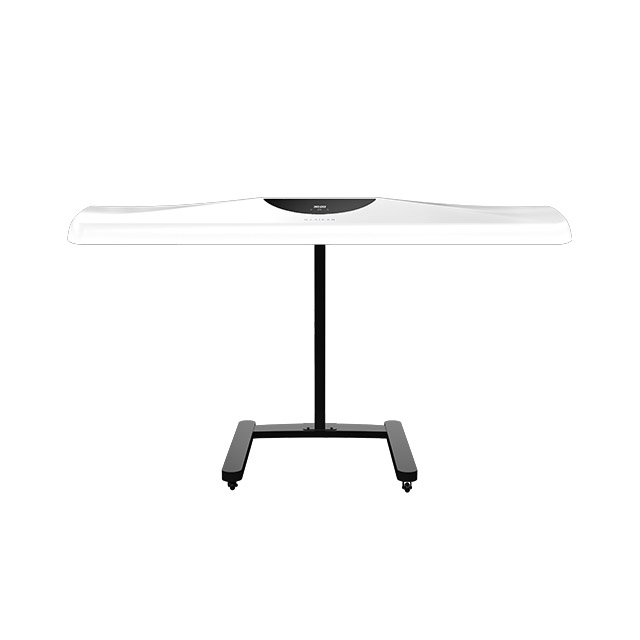
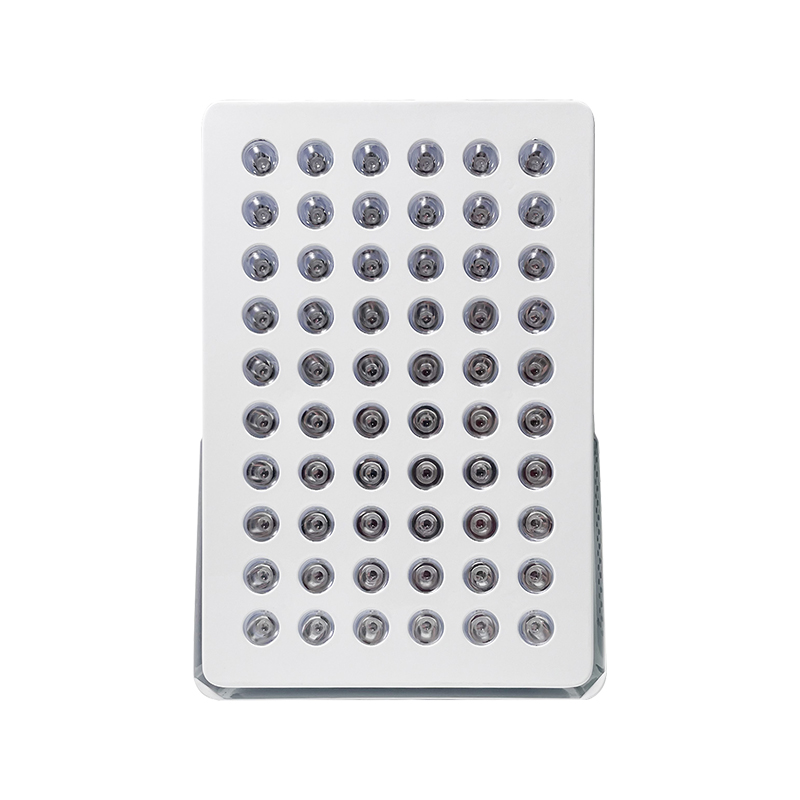
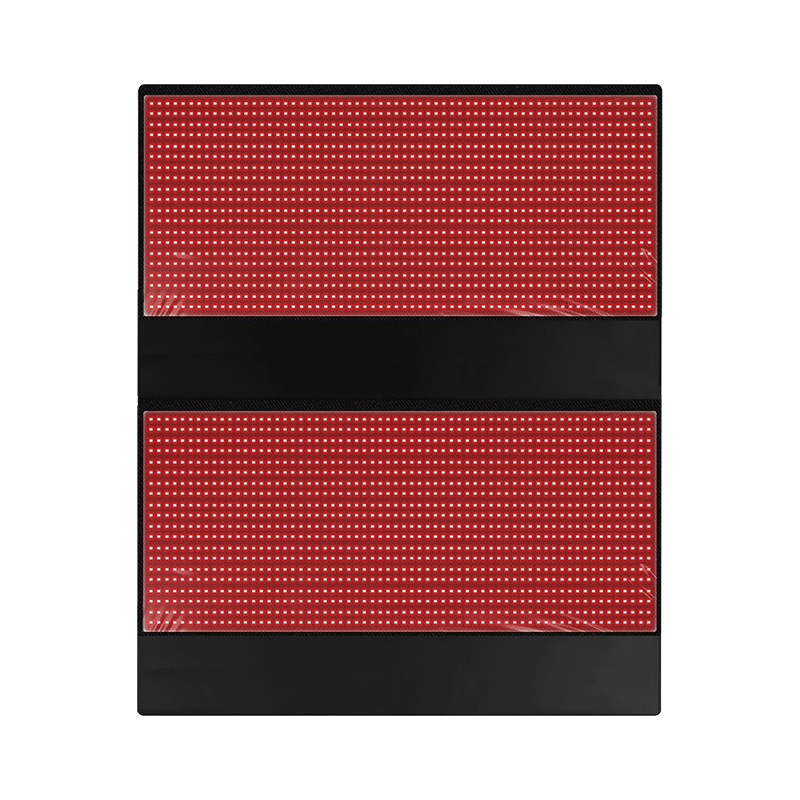
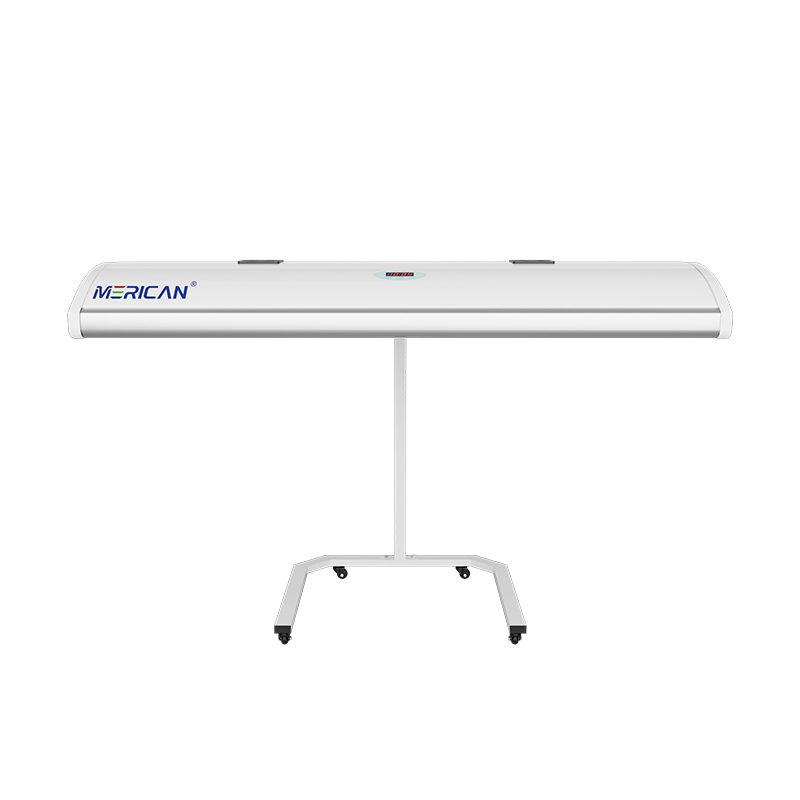
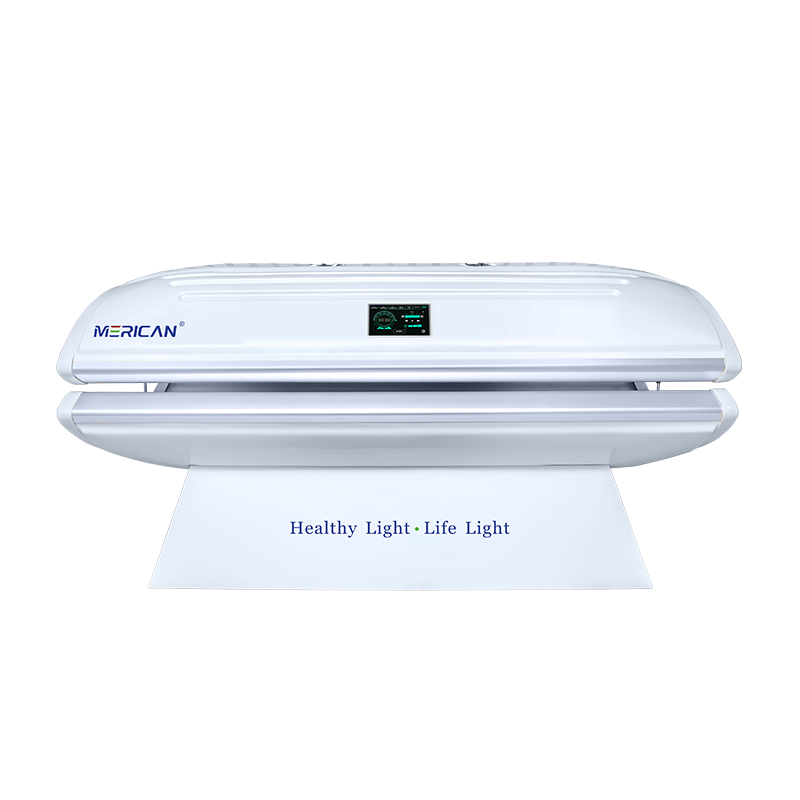
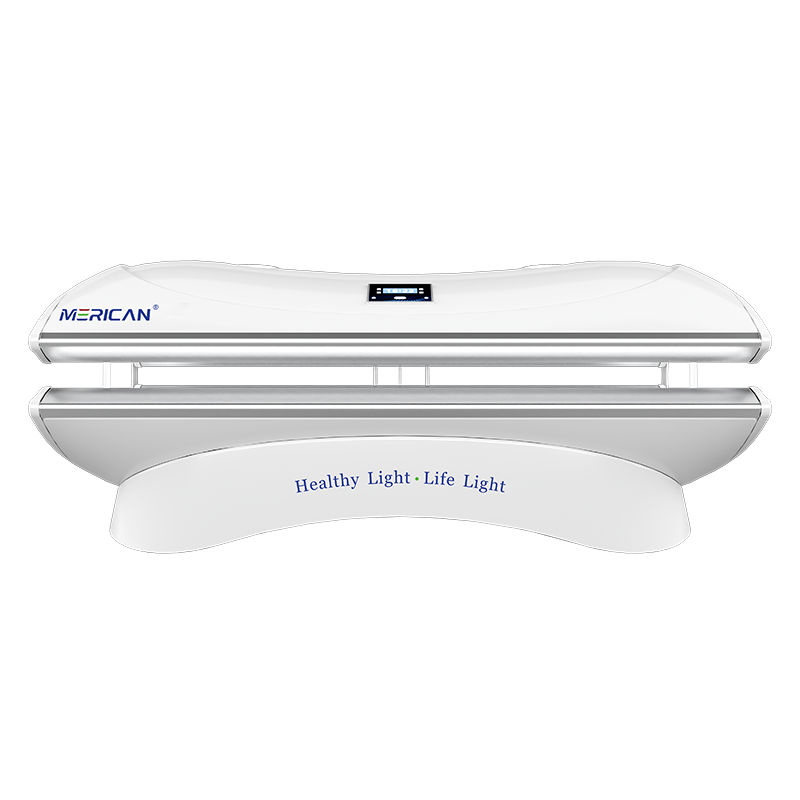
Possivelmente, but not reliably, and not in the way most people hope. A red light therapy bed may help skin look more even over a period of weeks to months, and some users do report that pigmentation appears less pronounced. What it does not do is target melanin the way a laser or an intense pulsed light treatment does, and it is not a substitute for sun protection or for a dermatological opinion on a spot that has changed. Brown spots have several different causes, including sun damage, melasma, inflammation after acne, and growths that need assessment. Treating them all with the same device, at the same settings, for the same number of weeks is not a plan. If your goal is a specific spot, the useful first step is to know what it is, and the useful ongoing step is daily UV protection, because without it any improvement from light exposure is likely to be undone by the sun.
What brown spots usually are
Brown spots are a description rather than a diagnosis. Solar lentigines, often called age spots, come from cumulative sun exposure and appear on areas that see daylight. Melasma tends to be broader, symmetrical, and influenced by hormones, aquecer, and light. Post-inflammatory hyperpigmentation follows injury, acne, or irritation.
Other brown marks are not pigmentation problems at all. Seborrheic keratoses are common benign growths that can look like stuck-on patches. Melanoma and other skin cancers can begin as a pigmented lesion, which is why a changing spot belongs to a clinician rather than to a device routine.
The distinction changes everything about treatment. A solar lentigo may respond to pigment-targeted procedures, melasma often worsens with heat and needs a gentler approach, and post-inflammatory marks fade as the underlying inflammation settles.
None of that can be settled by looking in a mirror and guessing. A dermatologist can examine the lesion, use a dermatoscope, and decide whether treatment, monitoramento, or a biopsy is appropriate.
What red light can reasonably do
Red and near-infrared light are studied for effects on inflammation, reparo de tecidos, and comfort. Those processes influence how skin looks, and a reduction in inflammation can make tone appear more even without any direct effect on melanin.
Some small studies have looked at photobiomodulation for skin tone and pigmentation with mixed results. The honest summary is that the evidence is limited, the protocols vary, and the effect sizes reported are modest rather than dramatic.
Modest is not nothing. A user with dull, slightly uneven skin may notice a difference in overall clarity over two or three months, particularly if the routine also includes better sun protection and less irritation.
What a bed cannot do is selectively destroy pigment. That is the mechanism of certain lasers and intense pulsed light devices, which target chromophores with specific wavelengths, pulse durations, and cooling. A full body panel array is a different instrument with a different purpose.
Why red light is not pigment-specific
Melanin absorbs light across a broad range, and the visible red wavelengths used in these beds are not chosen to be absorbed preferentially by pigment. Heating a large area of skin also introduces a variable that matters for some pigmentation disorders.
Melasma is the clearest example. Aquecer, visible light, and ultraviolet exposure can all aggravate it, which is why clinicians often emphasise cooling, strict photoprotection, and tinted sunscreen rather than adding more light exposure.
For a solar lentigo, the limitation is different. The pigment sits in the epidermis or at the dermo-epidermal junction, and removing it usually requires a targeted approach with a defined endpoint and a plan for the surrounding skin.
This is why a session that feels pleasant can still be the wrong tool for the spot you are looking at. The device is doing something; whether that something addresses your specific lesion is a separate question.
A quick way to keep the distinction straight is to ask what the wavelength is designed to reach. A clinical pigment device is built around absorbing in melanin; a wellness bed is built around broad exposure for comfort and general skin support.
What matters more than the device
Daily sun protection is the single most useful habit for anyone concerned about brown spots. Broad-spectrum sunscreen, shade, hats, and avoiding deliberate tanning reduce new pigment and protect the results of anything else you do.
Tinted sunscreen has an additional advantage for melasma, because the iron oxides help block visible light as well as UV. That detail is often more relevant than the number on the bottle.
Reducing irritation matters too. Harsh scrubs, picking, over-exfoliation, and layering several actives can create post-inflammatory marks that look like the pigmentation you were trying to treat.
Dormir, smoking, and alcohol are less glamorous contributors, but they influence skin appearance and healing. A red light therapy bed cannot compensate for a routine that is otherwise working against the skin.
Consistency is the other quiet factor. Sunscreen applied on the days you remember is not the same as sunscreen applied daily, and the difference shows up in photographs long before it shows up in how the skin feels.
How to use a bed if you choose to
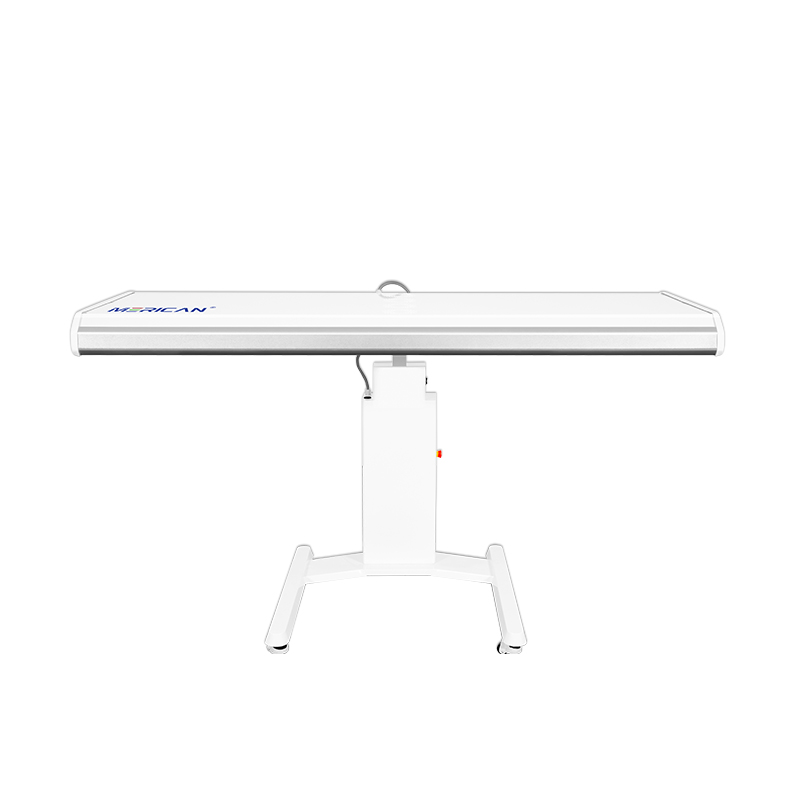
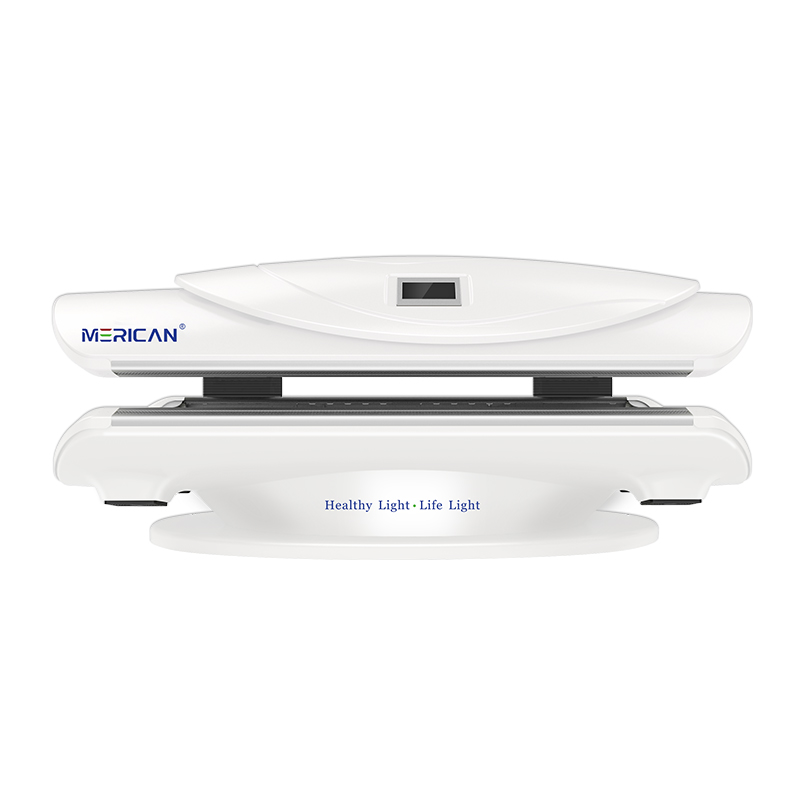
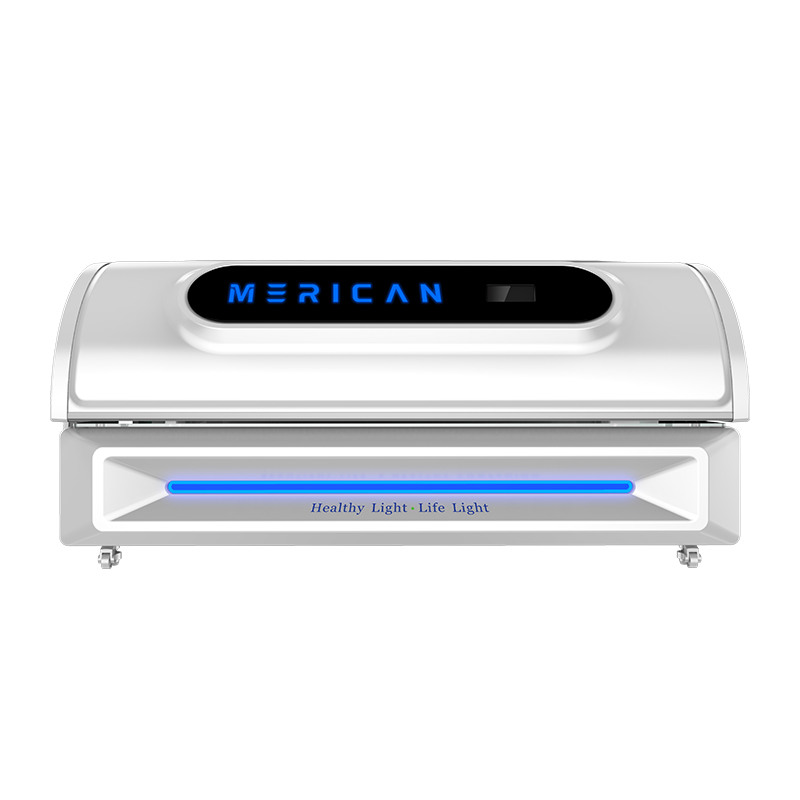
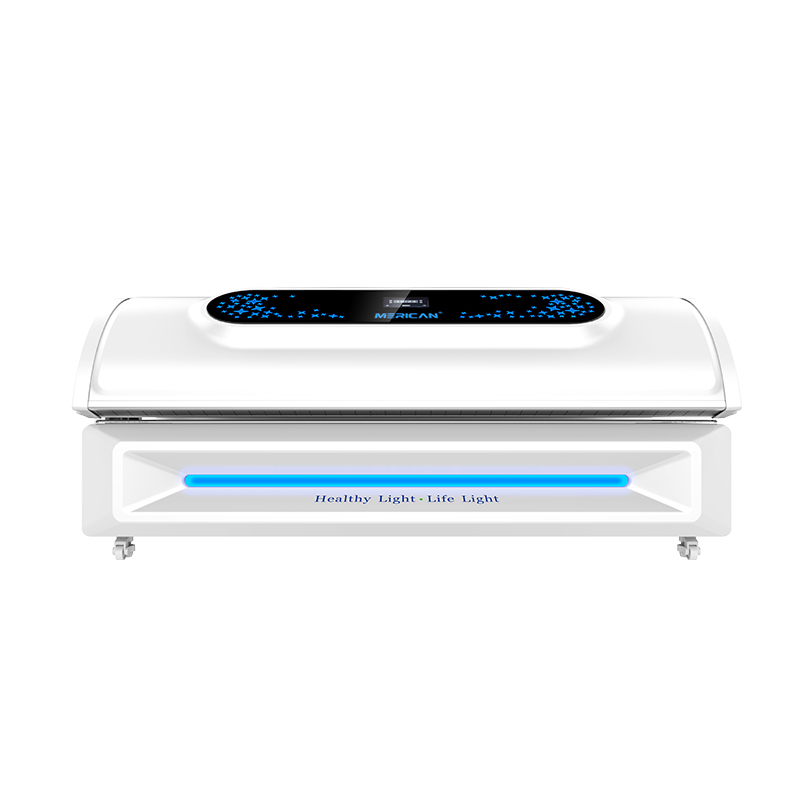
Follow the manual for the exact model, keep the documented distance, and use the eye protection the manufacturer specifies. Pigmentation goals do not justify a longer timer or a closer position.
Keep the rest of the routine stable. Changing your serum, your exfoliant, and your session frequency in the same month makes it impossible to know which change mattered.
Take photographs before you start, under the same light, at the same distance, at roughly the same time of day. Brown spots are difficult to judge from memory, and a baseline image is the only honest comparison.
Plan for weeks rather than days. Surface changes in tone are slow, and a device that has been used for ten days has not yet had a fair trial. If a spot becomes darker, raised, or irritated, stop and have it looked at.
Keep the session comfortable rather than maximal. A bed that leaves the face warm and flushed for an hour is adding heat to a pigmentation problem, and heat is the factor most likely to work against you.
Signs a spot needs a dermatologist
A new spot, a spot that is changing in size, shape, or colour, or one that bleeds, crusts, or itches should be assessed rather than treated. Those features are not typical of simple sun-induced pigmentation.
The familiar asymmetry, border, cor, diameter, and evolving checklist is a prompt to seek review, não é um diagnóstico. A clinician may also examine spots on the palms, soles, nails, and mucous membranes, which deserve particular attention.
Multiple new spots appearing quickly, or spots that are darker than others nearby, are another reason to book an appointment. So is a spot that returns after a cosmetic treatment.
Nothing in this article is a reason to delay that assessment for a light routine. The device will still be there afterwards, and the answer may change whether you should use it on that area at all.
Bring a photograph of the spot from a year ago if you have one. Change is easier to judge across time than in a single visit, and an old image is often the most useful thing a patient brings to the appointment.
What can make pigmentation worse
Ultraviolet exposure is the main driver for most sun-related pigmentation, and it works quietly. A session in a bed followed by an unprotected lunch outside is a net loss for the goal.
Heat is the second factor, particularly for melasma. Saunas, hot yoga, long hot showers, and a warm full body session all add to the same load, so the timing of a session matters if heat is a trigger for you.
Friction and inflammation leave marks. Tight straps, aggressive massage, picking at blemishes, and repeated irritation in the same area can produce exactly the discolouration you are trying to remove.
Some medications and hormonal factors increase sensitivity or pigmentation. If a new mark appeared after a change in medication or during pregnancy, mention it before starting any home treatment.
It is also worth reviewing how often the area is exposed to heat without thinking about it: a laptop on the lap, a heated seat, a hot water bottle, or a phone pressed to the cheek. Small repeated exposures are easy to overlook and hard to account for later.
What clinicians commonly use instead
Topical options include retinoids, azelaic acid, ácido tranexâmico, and in some cases hydroquinone under supervision. Each has a role, a timeline, and potential irritation, which is why the choice is individual rather than universal.
Procedural options include pigment-targeted lasers, luz intensa pulsada, and chemical peels. These carry real risks, particularly in darker skin types, and require an experienced operator and a plan for aftercare.
The common thread is that the treatment is matched to the diagnosis. Melasma, lentigines, and post-inflammatory marks respond differently, and a plan that ignores the difference tends to disappoint.
A red light therapy bed can sit alongside such a plan as a general wellness habit. It should not replace the diagnosis, the photoprotection, or the follow-up that the plan depends on.
If a clinician has already given you a plan, follow it before adding anything. Two treatments that both irritate the skin do not combine into a faster result, and the resulting inflammation can leave new marks of its own.
How to judge whether it is working
Use photographs taken under identical conditions, and review them at planned intervals rather than every evening. Spots look different in a bathroom mirror at 11 p.m. than they do in daylight.
Ask a specific question of the comparison: is the spot lighter, smaller, or simply less inflamed? Those are different outcomes, and only the first two suggest a pigment effect.
Registrar a exposição solar, produtos, and session settings alongside the images. If the improvement began the week you started a new sunscreen, the sunscreen deserves at least part of the credit.
Stop if the spot darkens or changes character, and stop if the surrounding skin becomes irritated. A fair evaluation requires skin that is calm enough to compare.
It also helps to write down what you expect before you begin. A note that says “less visible under daylight at twelve weeks” is testable; a general wish for clearer skin is not, and it tends to slide into disappointment regardless of what actually happened.
What to ask before you start
Ask the supplier what the device is documented to do, and whether any pigmentation claim is supported by evidence for that model rather than for the category. Ask what the manual says about heat and about facial use.
Ask a dermatologist whether the spot you are concerned about is suitable for home light exposure at all, and whether anything about it needs assessment first.
Ask what would count as success and by when. A vague hope of fading is hard to evaluate; a defined comparison at twelve weeks is not.
Ask what you should stop and report. Knowing the stopping rule in advance is what prevents a reaction from being interpreted as progress.
Ask how the advice changes if you have melasma rather than sun spots, since the two need different handling and one may be made worse by heat. A supplier who cannot distinguish them is describing a category, not your skin.
Spot type and expected role
The table is a short guide to the mismatch between what a device can do and what a particular spot needs. It assumes the lesion has been looked at by someone qualified, and it does not replace that assessment.
Read it as a reason to ask a question rather than as a verdict. Plenty of people use a red light therapy bed for general skin comfort and also have a spot that needs a clinician, and those two facts can be true at the same time.
| Spot type | What usually helps | Role of a red light bed |
|---|---|---|
| Solar lentigo | Proteção solar, pigment-targeted procedures | Unlikely to remove it |
| Melasma | Photoprotection, resfriamento, clinician-led topicals | Heat may aggravate it |
| Post-inflammatory mark | Time, calming routine, treating the cause | May support overall tone |
| Seborrheic keratosis | Assessment, removal if desired | No role |
| Changing or irregular lesion | Dermatology review | Do not treat at home |
| General dullness | Consistent routine and sun protection | Possible modest improvement |
Regra prática: If you cannot name the spot, do not treat it. Protect it from the sun, have it assessed, and use a red light therapy bed for general skin comfort rather than as a pigment remover.
Takeaway final
A red light therapy bed may help skin look more even over time, but it is not a reliable way to fade defined brown spots and it does not target melanin the way clinical pigment treatments do.
Sun protection does more for pigmentation than any home device, and a changing spot needs a dermatologist rather than a timer. If you use a bed, keep the protocol conservative, photograph the area honestly, and stop if the spot behaves unusually.
The realistic expectation is modest support for overall skin appearance, not the removal of a specific lesion. Keeping that distinction clear protects both your skin and your judgment about whether the device is worth the time.
If the spot is the reason you bought the bed, measure the spot. If it is the reason you keep using the bed, be honest that the reason has changed, because a device that is pleasant to use is allowed to stay in your week on those terms.