Гладить, одна из ведущих причин инвалидности во всем мире, часто представляет долгосрочные проблемы для пациентов и их семей. Традиционные методы реабилитации, такие как физиотерапия., трудотерапия, и логопедия – краеугольные камни выздоровления. Однако, технологические достижения принесли нам новый дополнительный инструмент: терапия красным светом, также известный как фотобиомодуляционная терапия. Эта восходящая звезда реабилитации, благодаря своей неинвазивности, безболезненный, и безопасные свойства, приносит новую надежду пациентам, перенесшим инсульт’ восстановление.
Что такое терапия красным светом?
Терапия красным светом использует красный свет низкой интенсивности или ближний инфракрасный свет определенной длины волны. (обычно в 630-670 NM и 810-850 нм диапазоны) чтобы осветить тело. В отличие от мощных лазеров, генерирующих тепло, этот нежный свет может проникнуть через кожу и череп, проникая глубоко в клетки и воздействуя на митохондрии, клетки’ “энергетические заводы.”
Основным принципом терапии красным светом является фотобиомодуляция.. Когда свет поглощается ферментом в митохондриях (цитохром С оксидаза), значительно повышает эффективность аденозинтрифосфата (СПС) синтез. АТФ — это молекулярная валюта, которая обеспечивает энергию для всех клеточных процессов.. При достаточном энергоснабжении, клеточная функция, ремонт, и возможности регенерации улучшаются.
Four Potential Benefits of Red Light Therapy for Stroke Patients
Based on its cellular mechanisms of action, red light therapy offers multiple positive benefits for the damaged brain and body following a stroke:
Promoting Neural Repair and Brain Plasticity
A stroke causes brain cell death and disruption of neural networks. Research has shown that near-infrared light can penetrate the skull, stimulate damaged neurons, promote the production of neurotrophic factors, and enhance neuroplasticity—the brain’s ability to reorganize itself and establish new connections. This is the biological basis for functional recovery, such as relearning to walk and speak.
Reducing Inflammation and Oxidative Stress
After a stroke, acute inflammation and oxidative stress are the main causes of secondary brain damage. Доказано, что терапия красным светом оказывает мощное противовоспалительное и антиоксидантное действие., помогает удалить вредные свободные радикалы, модулировать воспалительные факторы, и создать микросреду, более благоприятную для восстановления мозга.
Улучшение двигательной функции и координации
Многочисленные доклинические исследования и предварительные испытания на людях показали, что у пациентов с инсультом, получающих терапию красным светом, наблюдаются значительные улучшения двигательных функций., мышечная сила, баланс, и координация. Это имеет решающее значение для восстановления повседневной деятельности, такой как ходьба и хватание..
Улучшение познания и настроения
Когнитивные нарушения (такие как снижение памяти и внимания) и депрессия часто встречаются после инсульта. Путем улучшения общего энергетического метаболизма мозга и кровообращения., Терапия красным светом может помочь улучшить когнитивную ясность, память, и настроение, тем самым улучшая состояние пациентов’ quality of life and motivation to participate in rehabilitation.
How is Red Light Therapy Used?
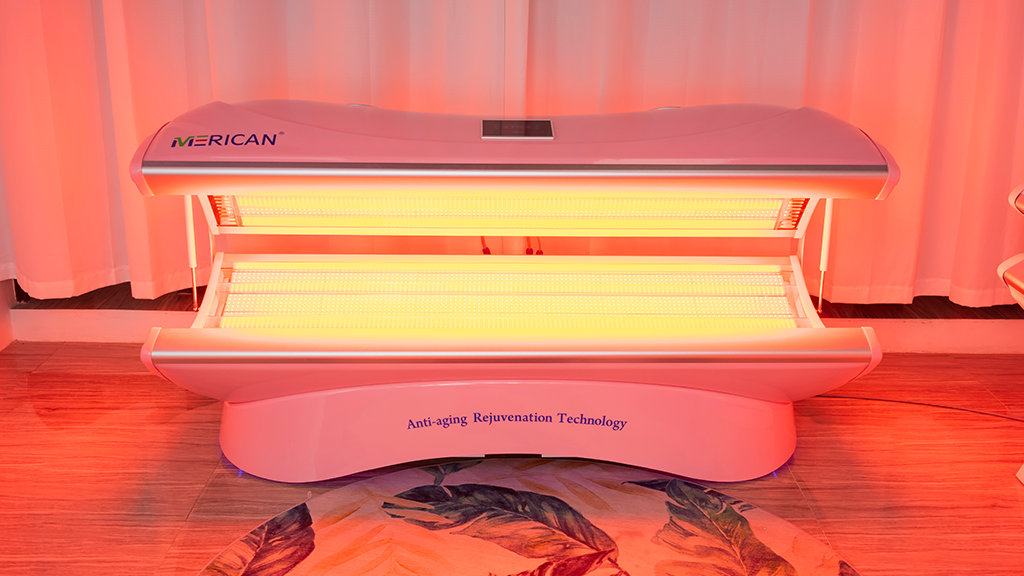
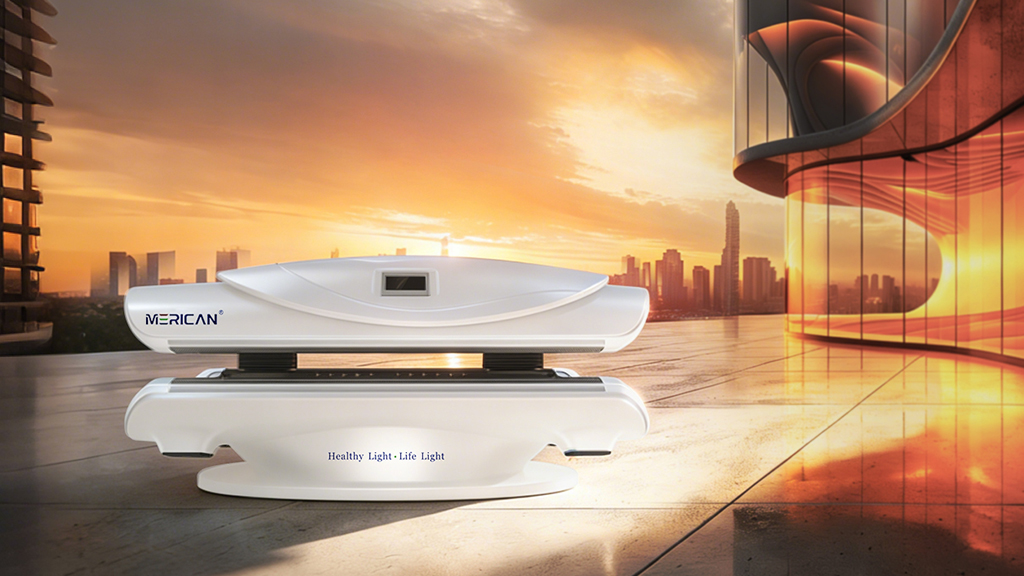
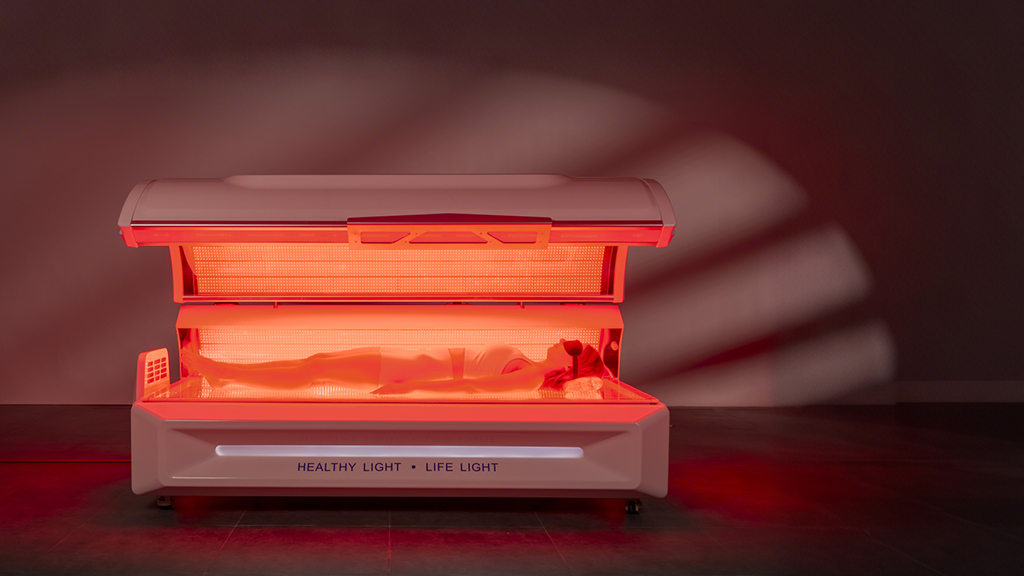
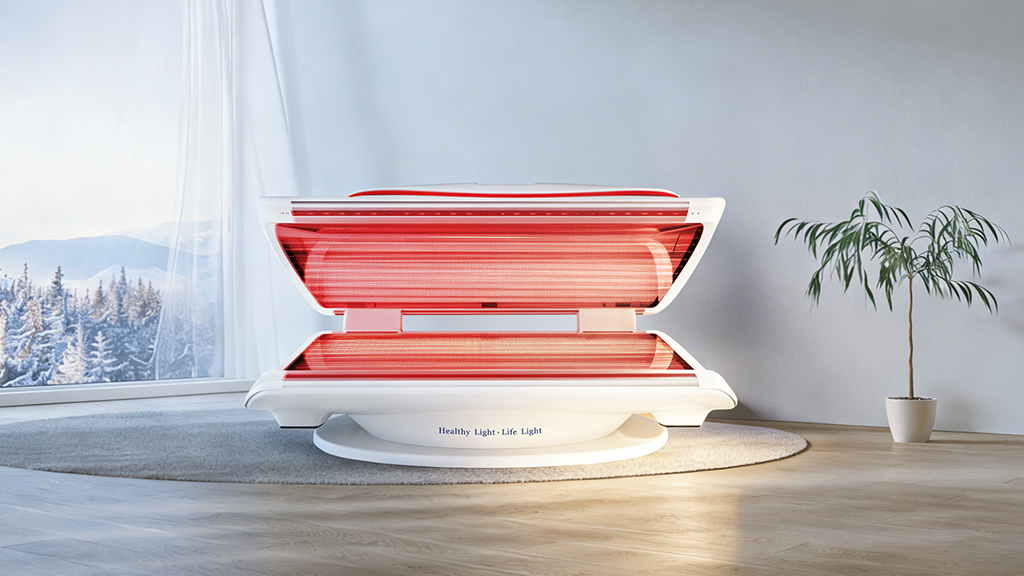
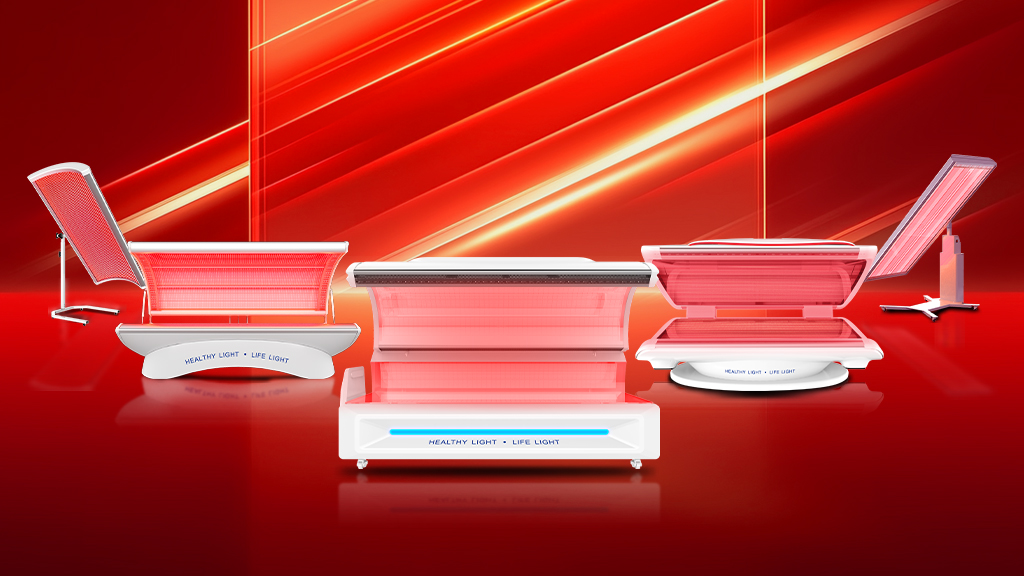
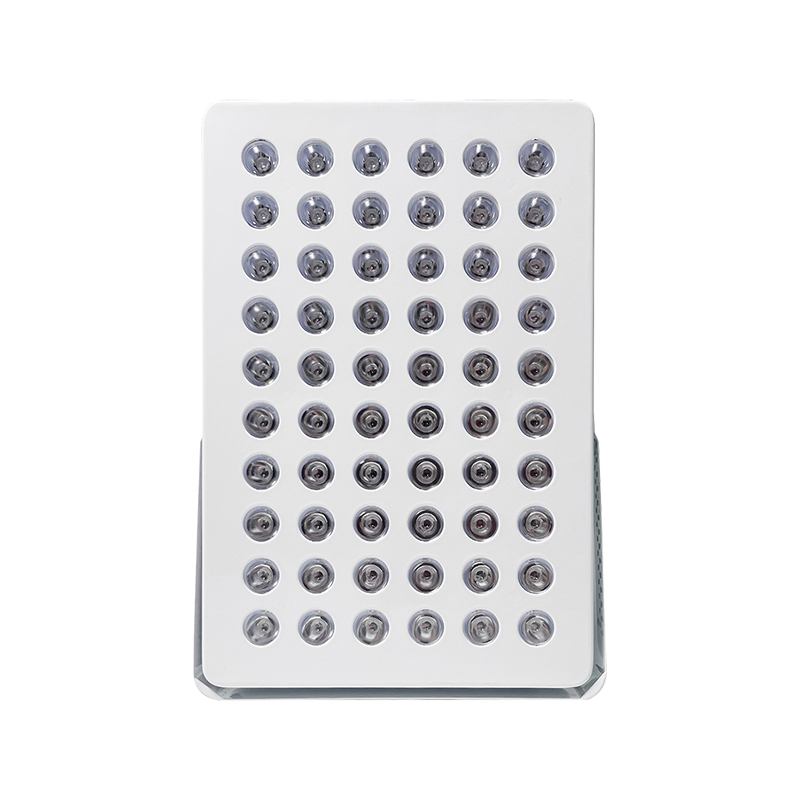
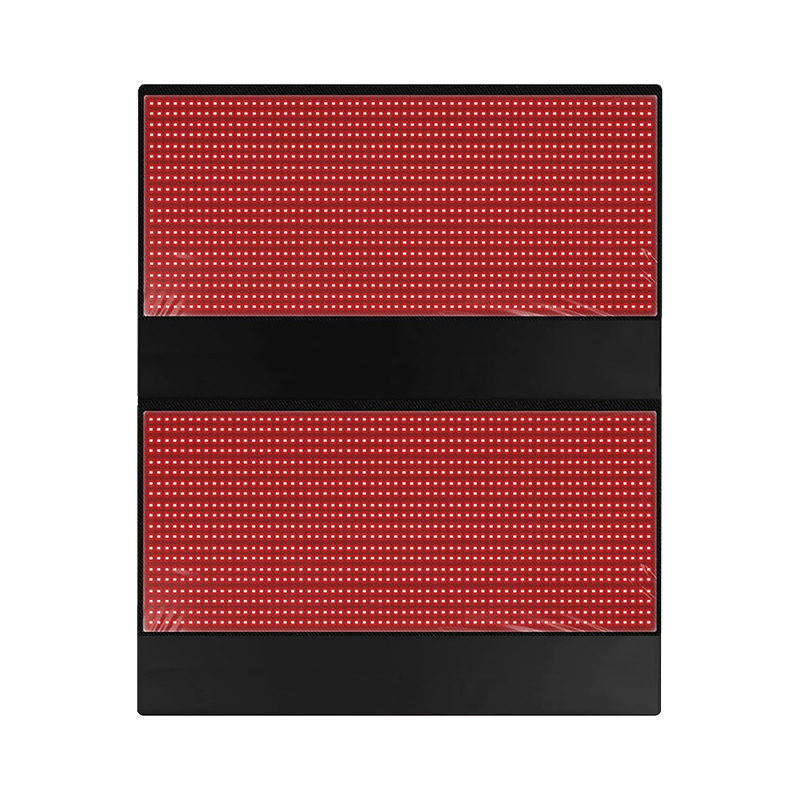
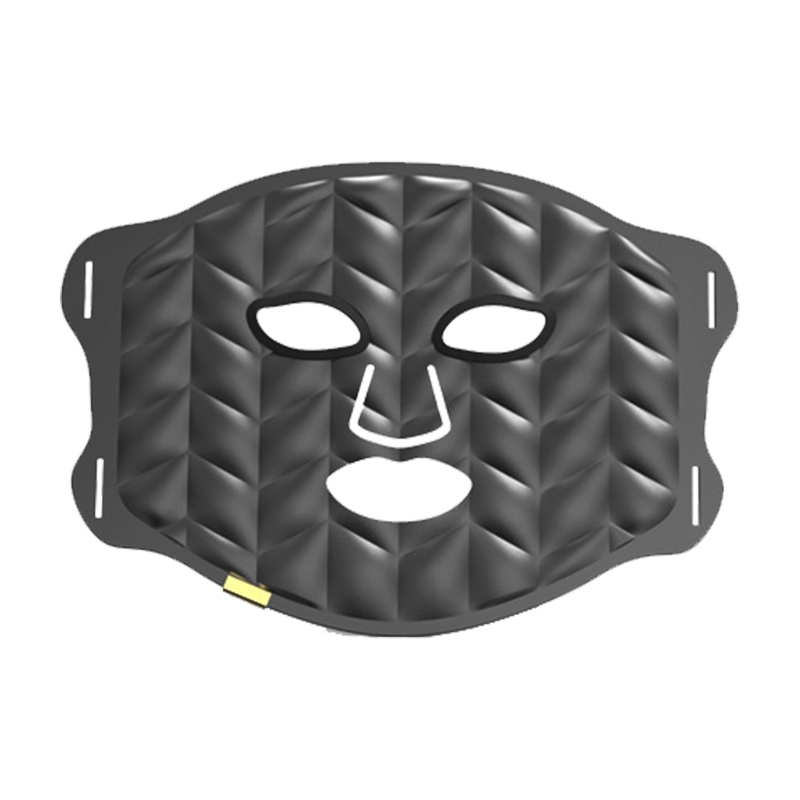
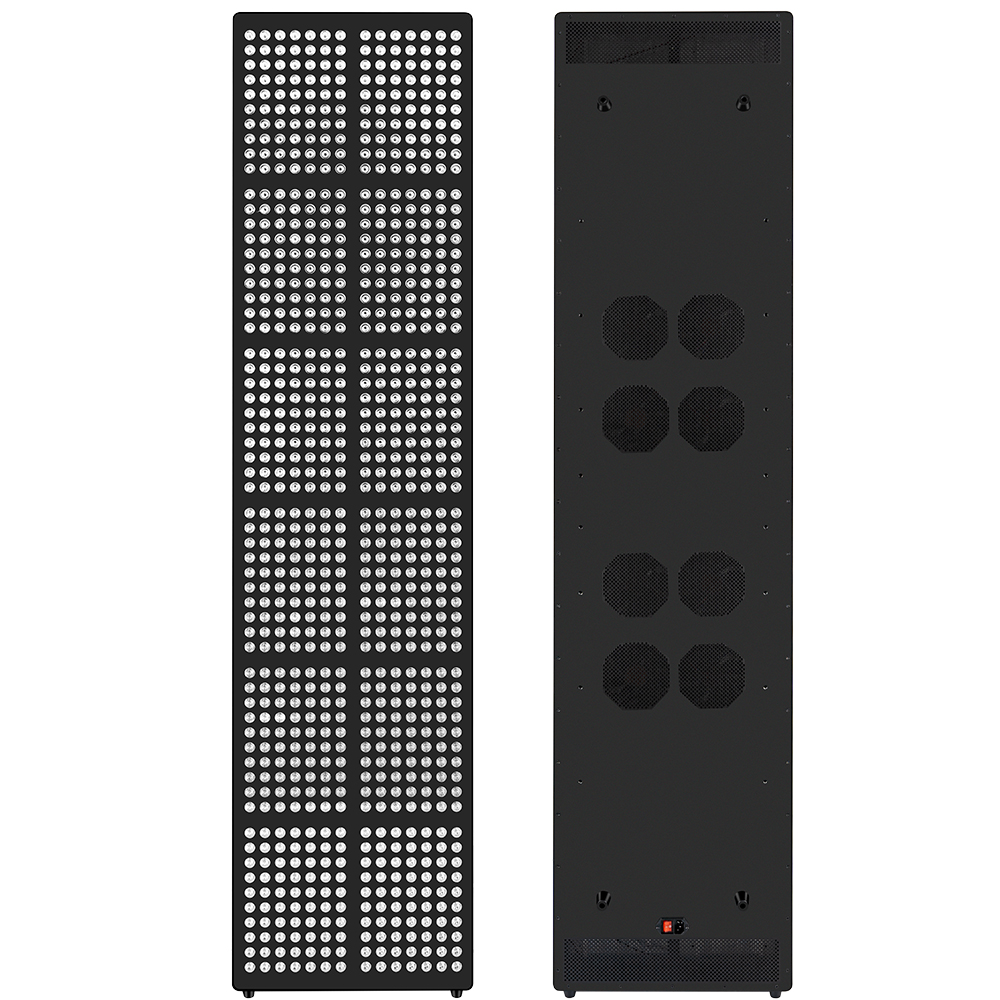
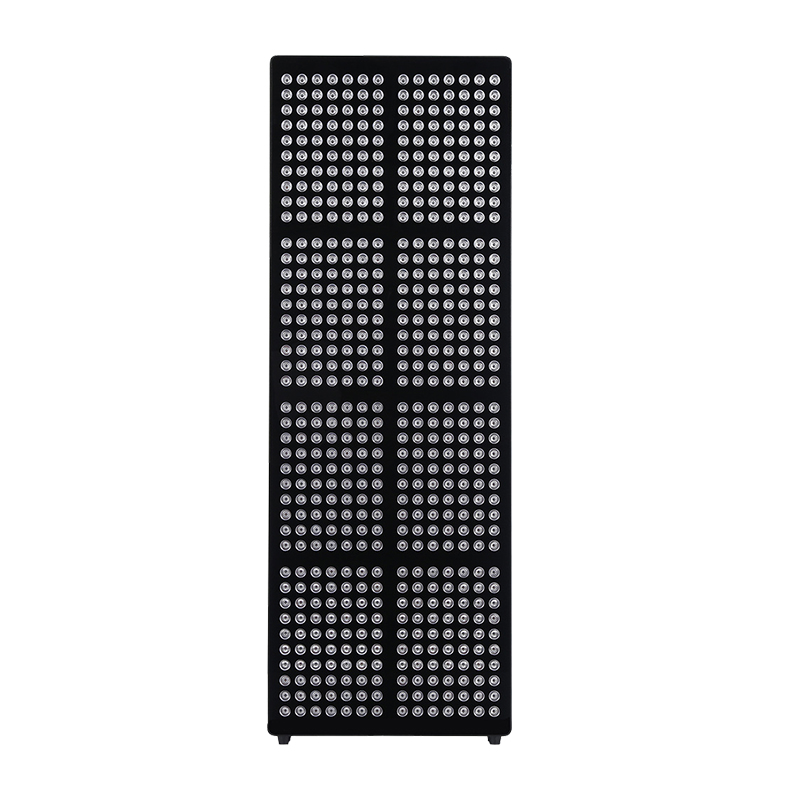
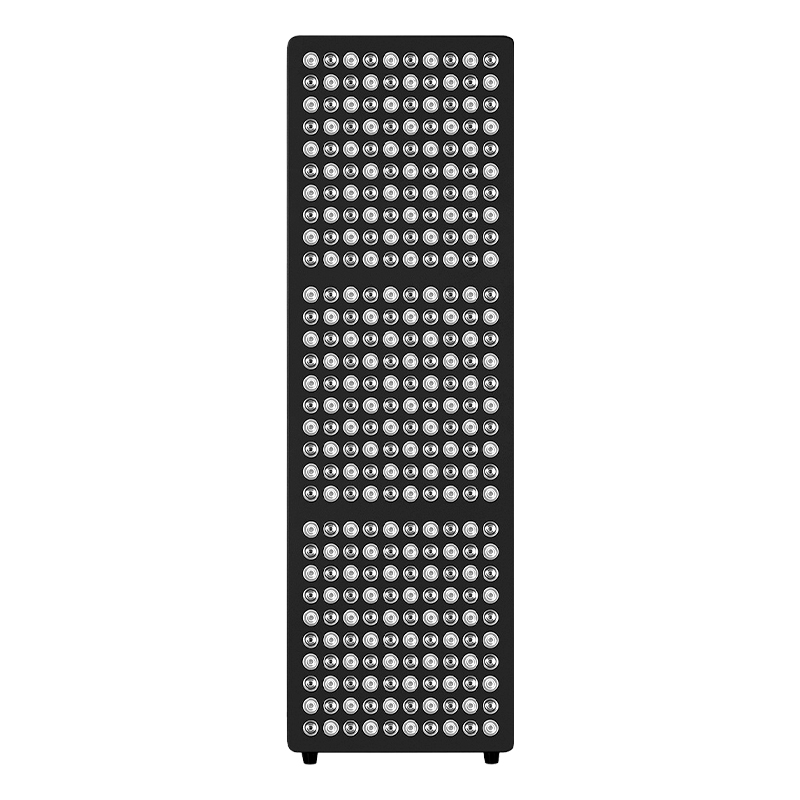
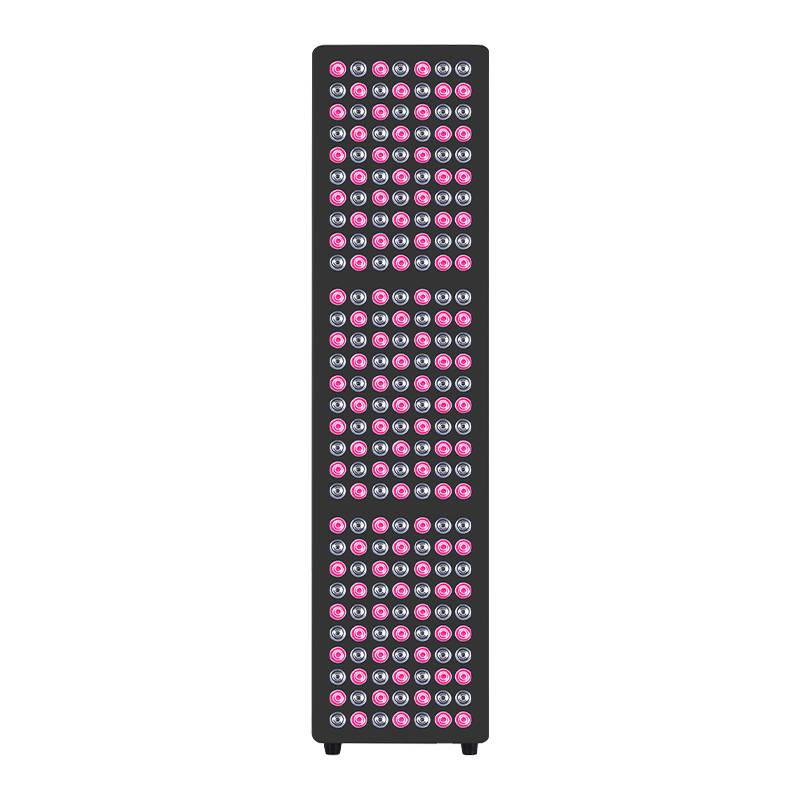
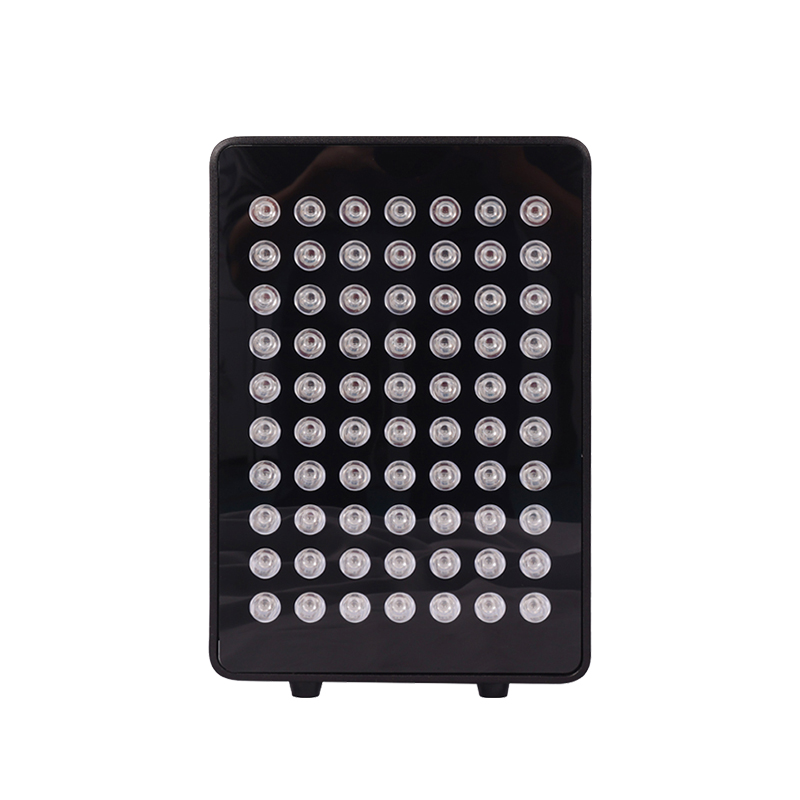
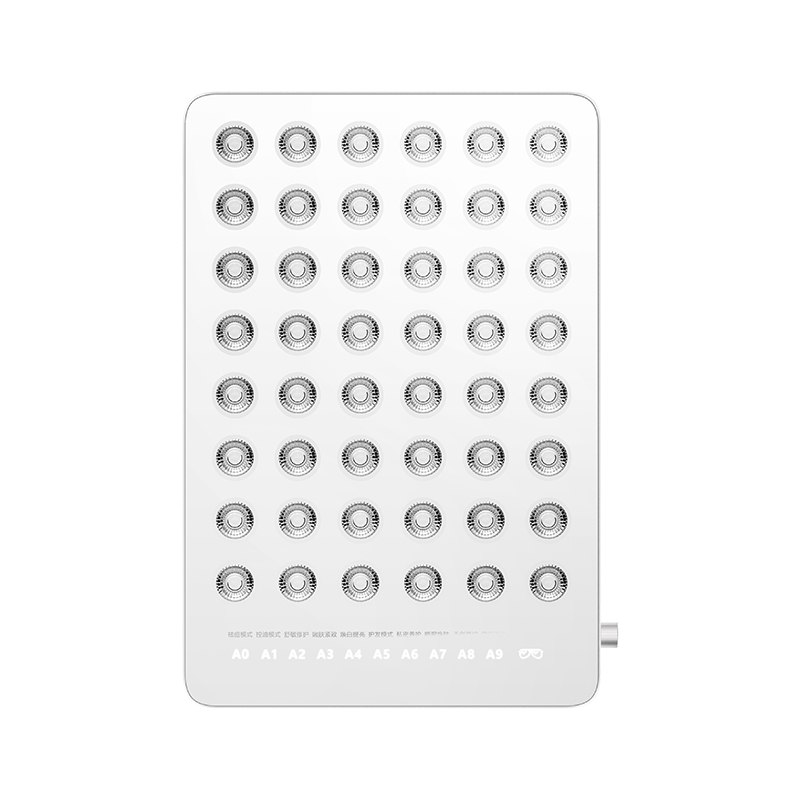
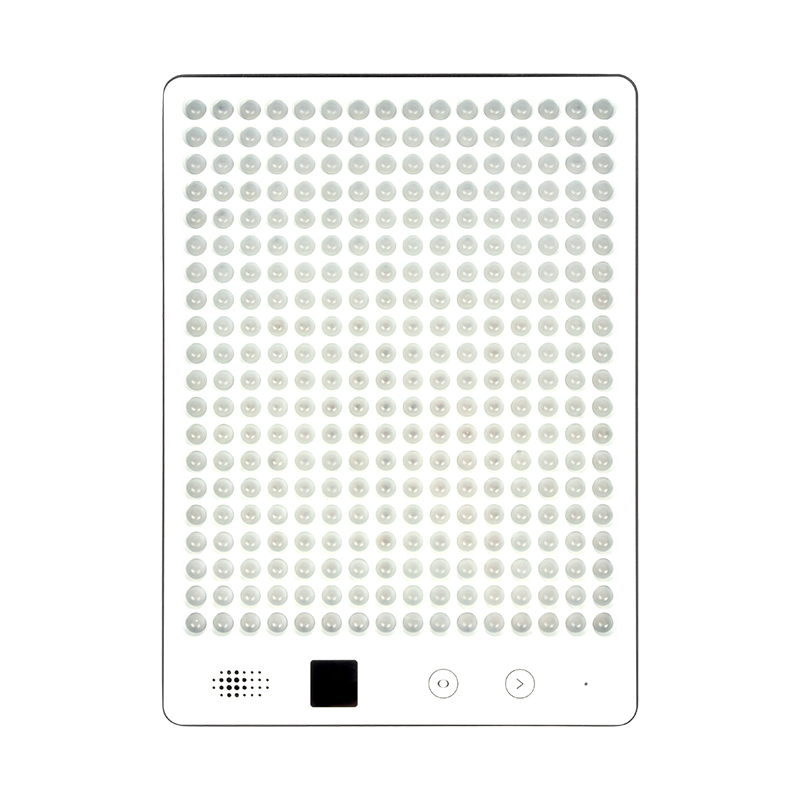
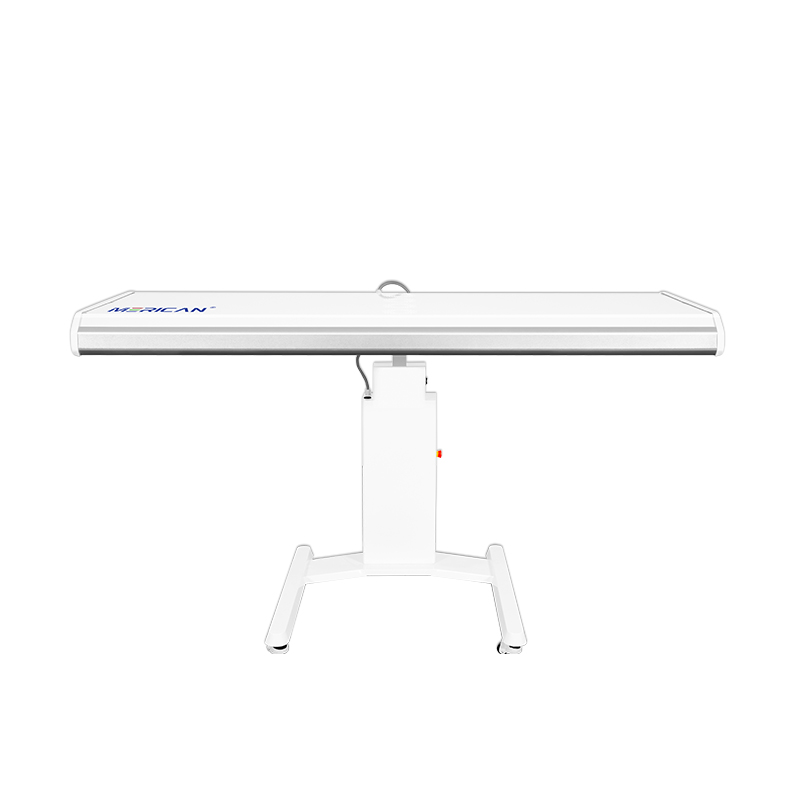
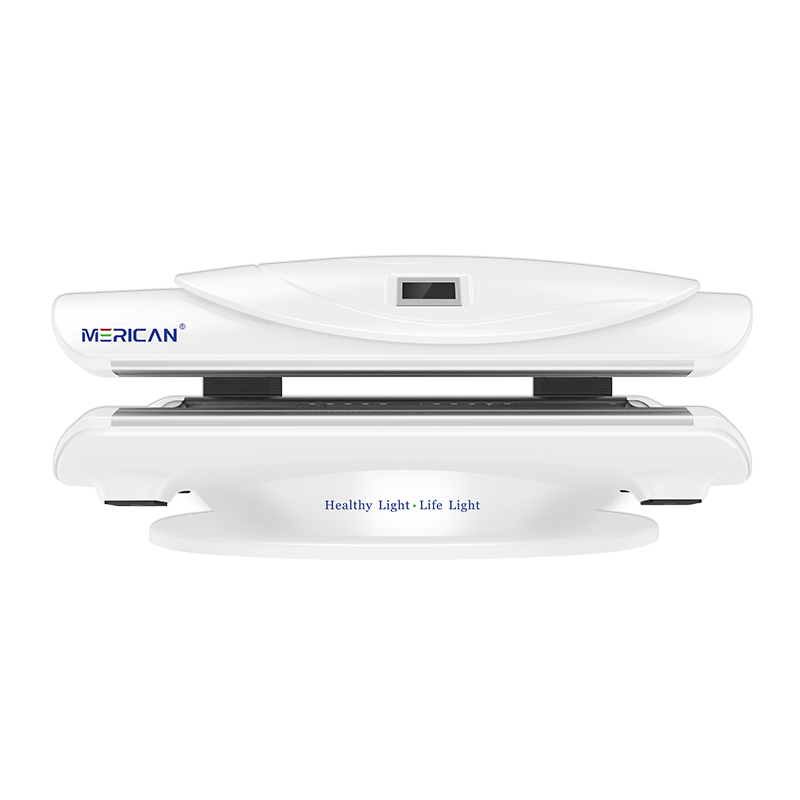
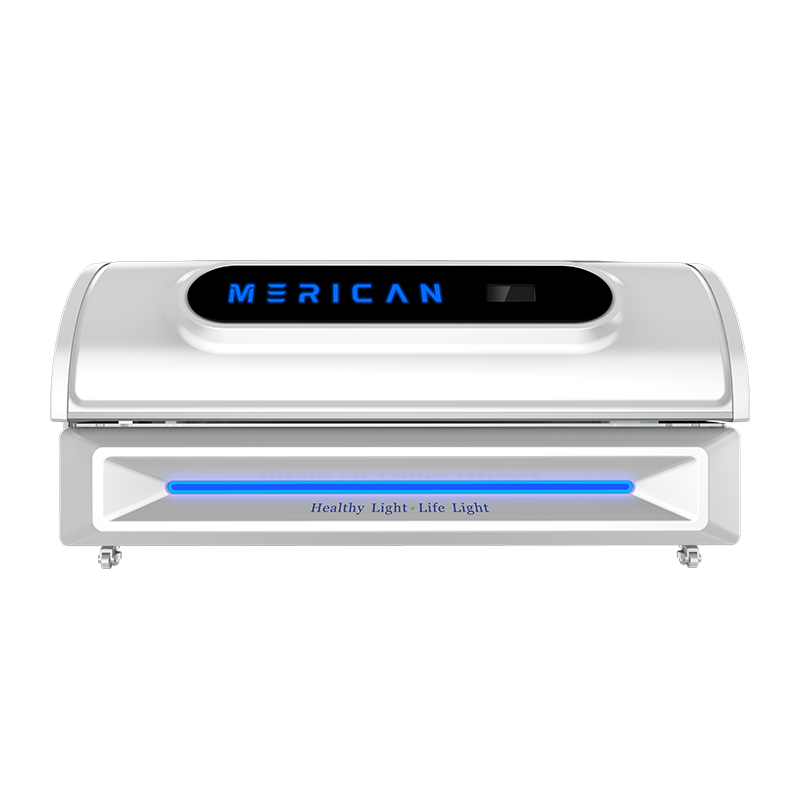
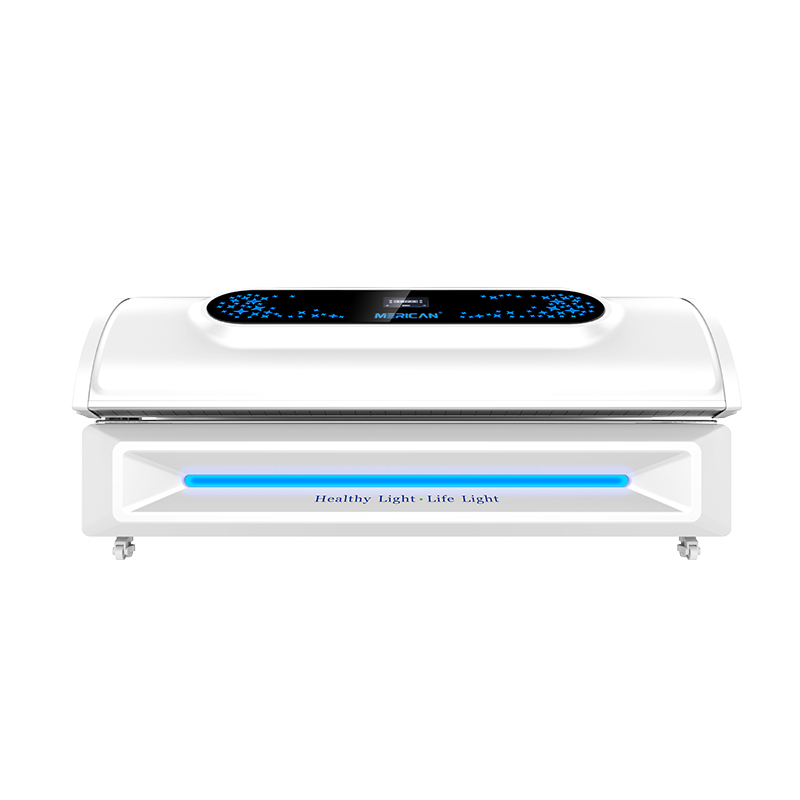
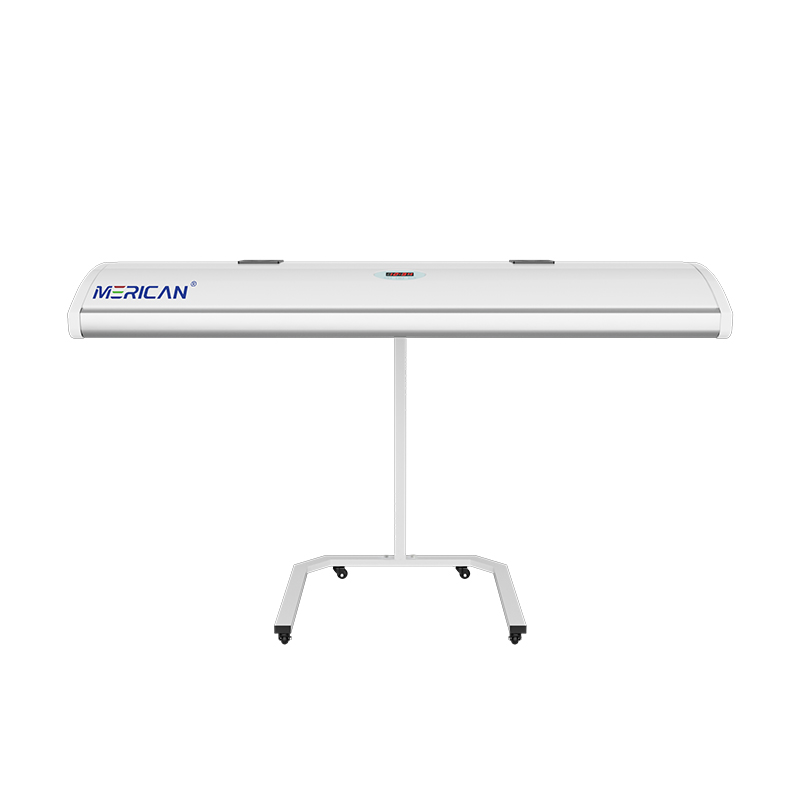
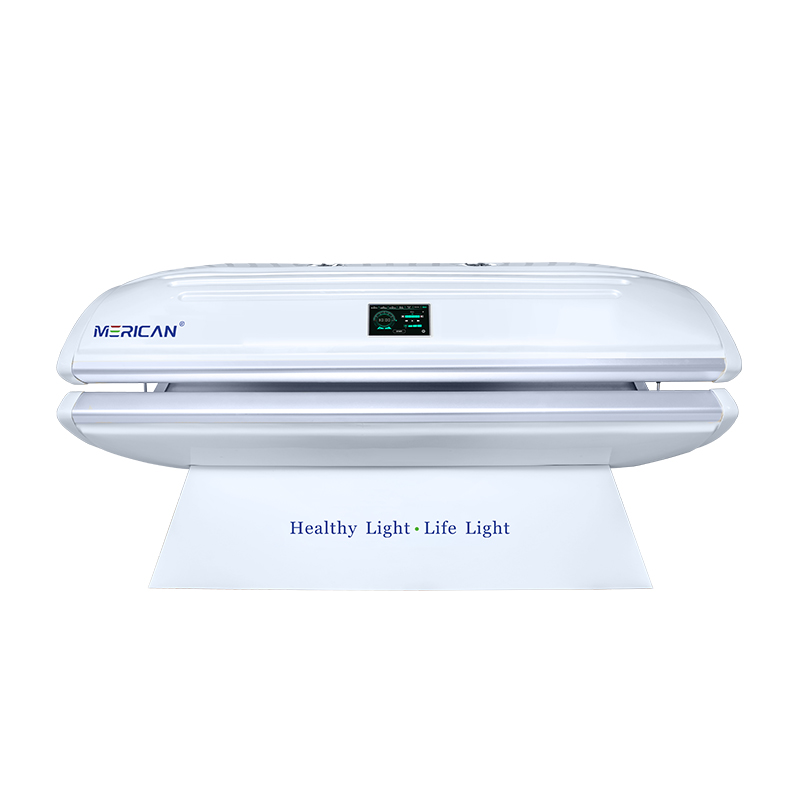
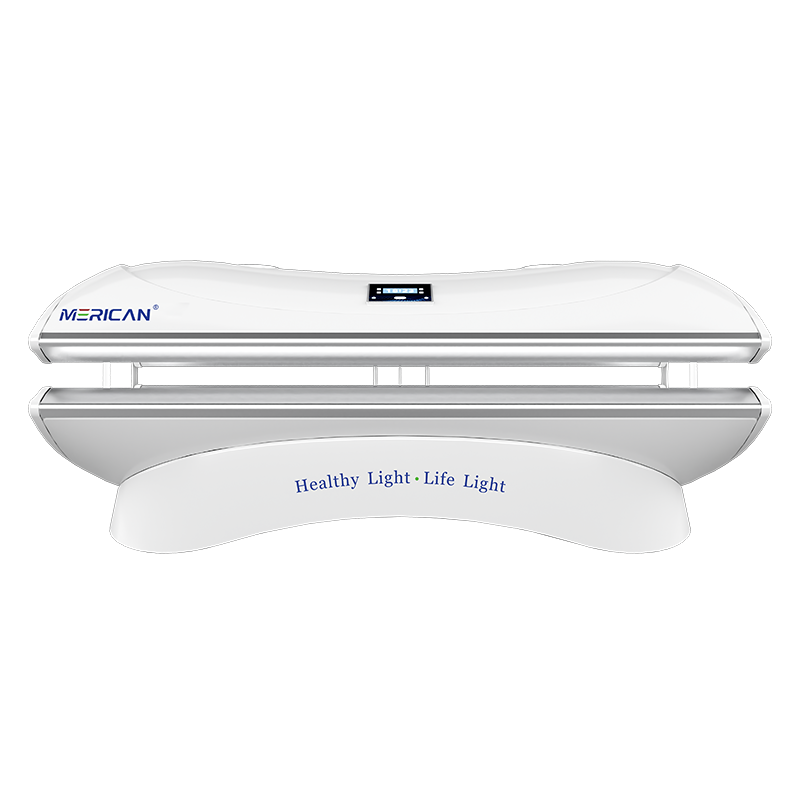
Red light therapy devices come in a variety of forms, including large panels, портативные устройства, and wearable helmets. Treatments typically require continuous sessions of 10-20 minutes several times a week. It is crucial that patients consult their primary care physician or neurologist before undergoing any form of red light therapy to ensure it is appropriate for their specific condition and to obtain professional guidance on device selection and use.
Заключение
Although red light therapy as an adjunct to stroke rehabilitation still requires further large-scale clinical research to establish a standardized protocol, the existing scientific evidence is encouraging. It extends rehabilitation from macro-functional training to micro-cellular empowerment, offering a novel approach. For stroke patients and their families navigating the long road to recovery, red light therapy is undoubtedly a promising ray of hope.