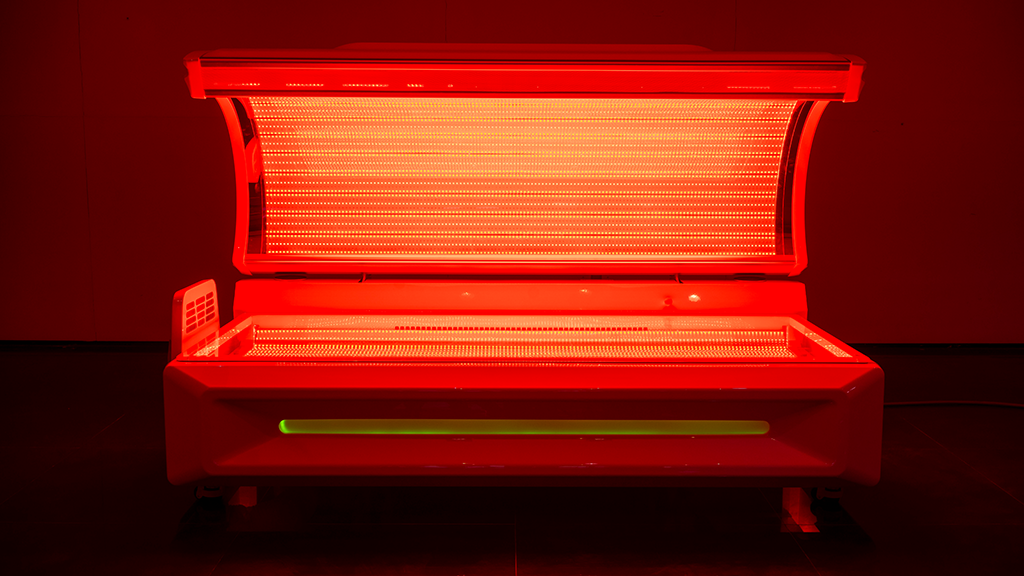
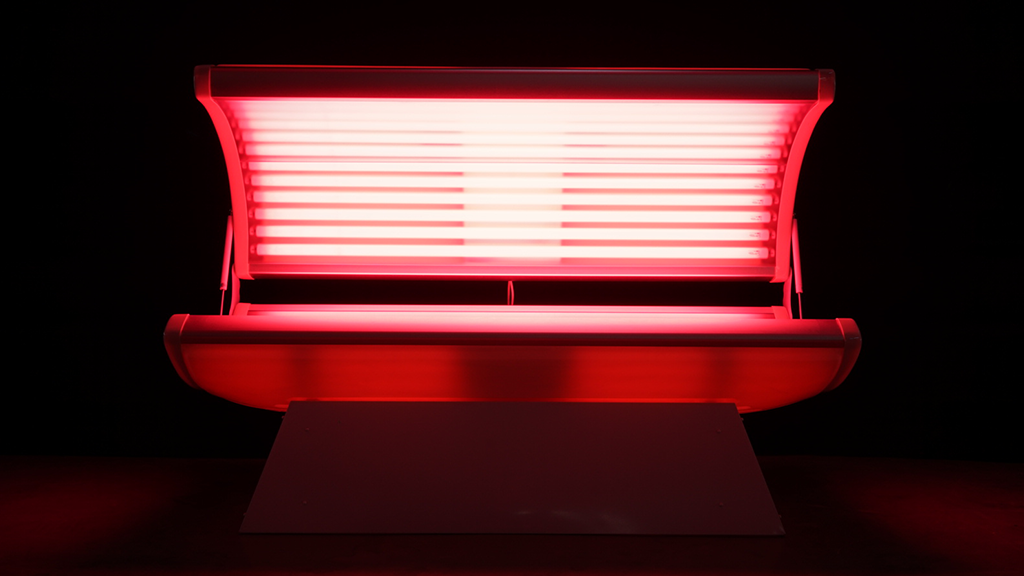
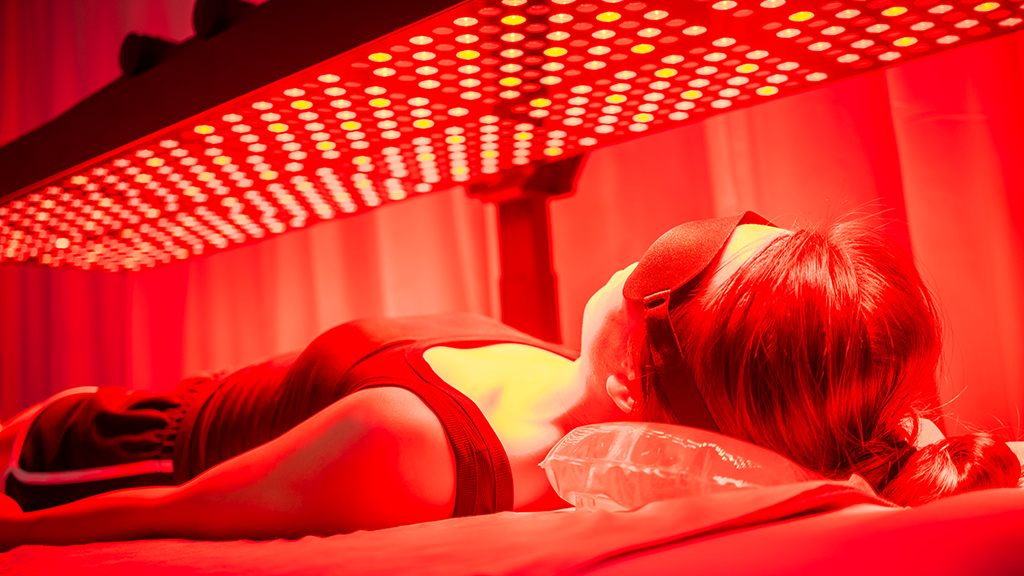
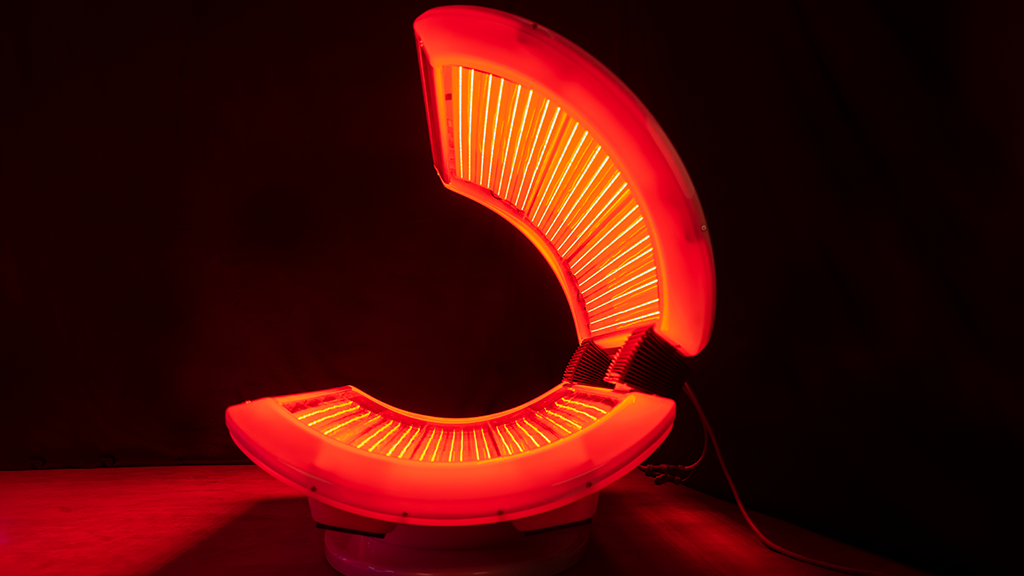
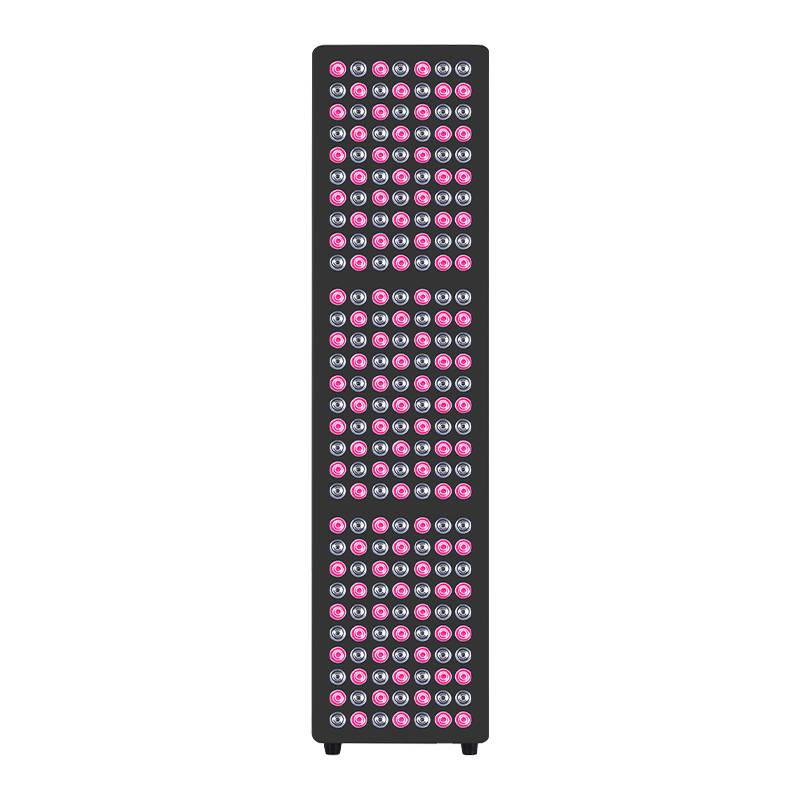
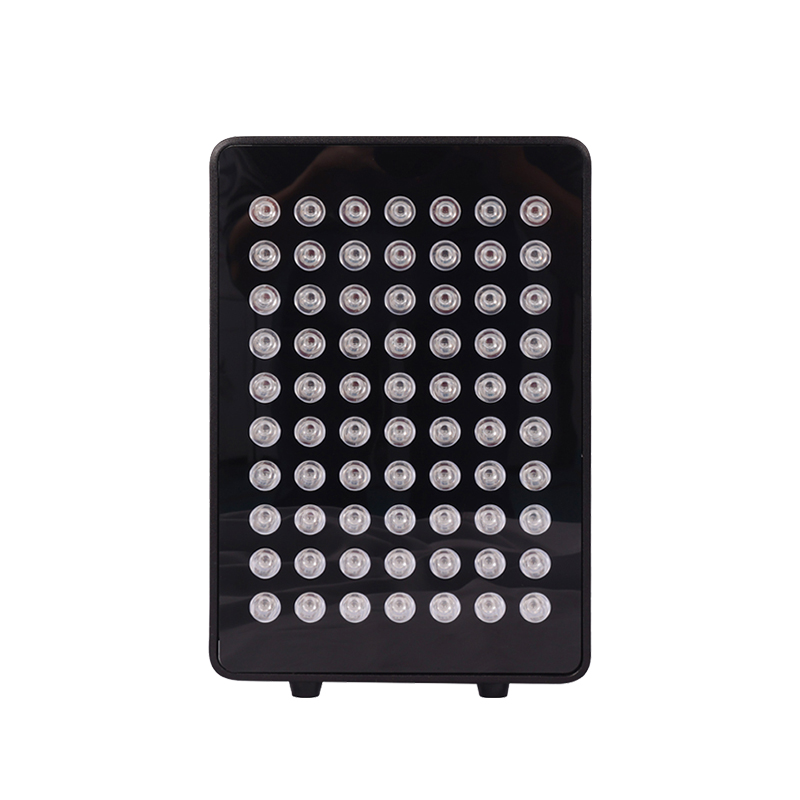
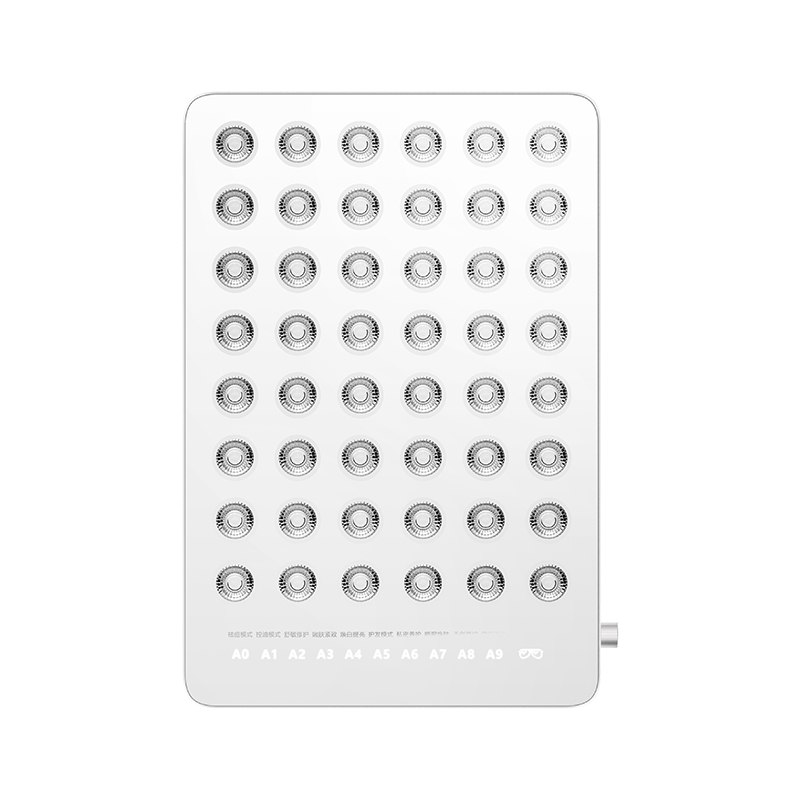
As interest in advanced light-based therapies grows, 1060nm red light therapy is gaining attention. But its benefits depend heavily on correct expectations and proper use.
1. Where 1060nm Light Is Commonly Used
1060nm near-infrared light is most often associated with:
- Deep tissue-focused wellness technologies
- Body contouring and localized fat-related applications
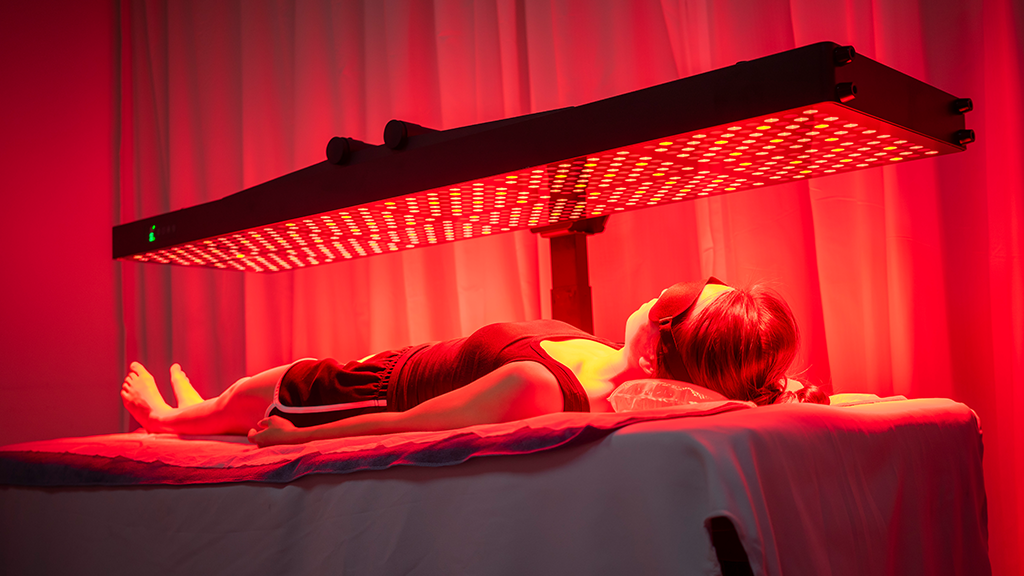
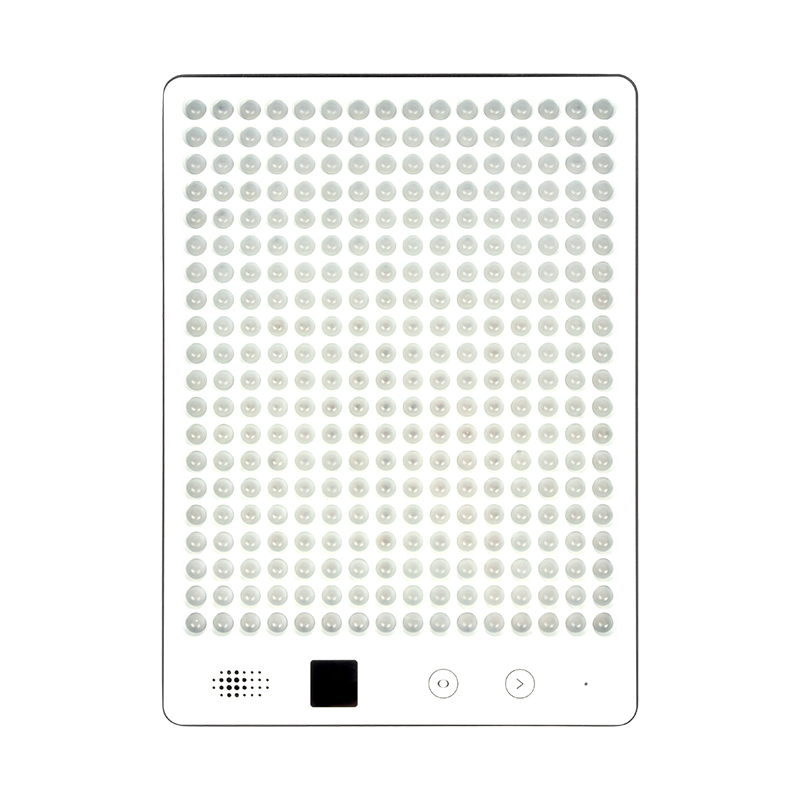
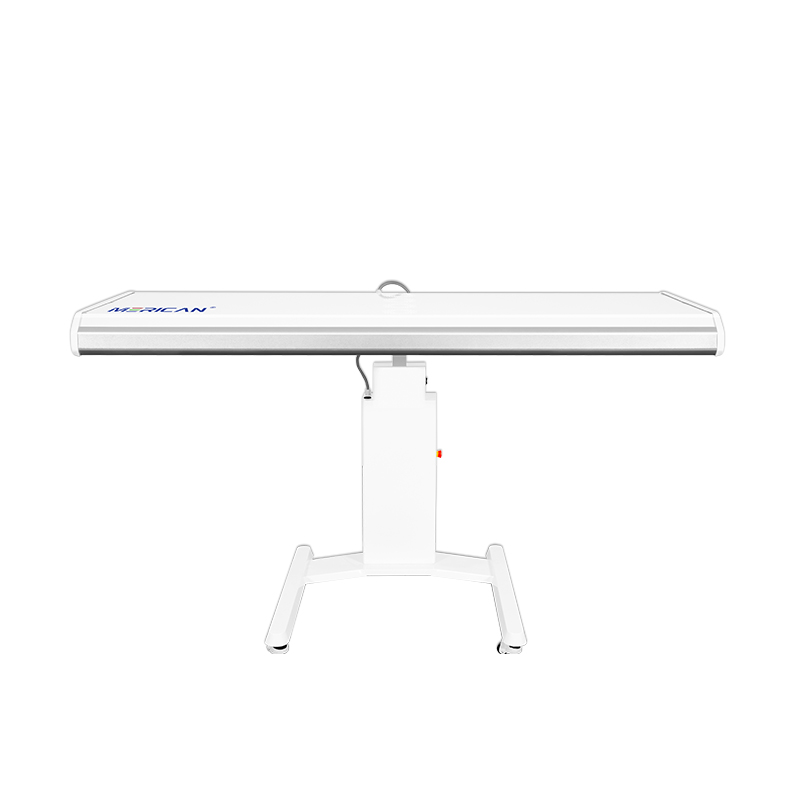
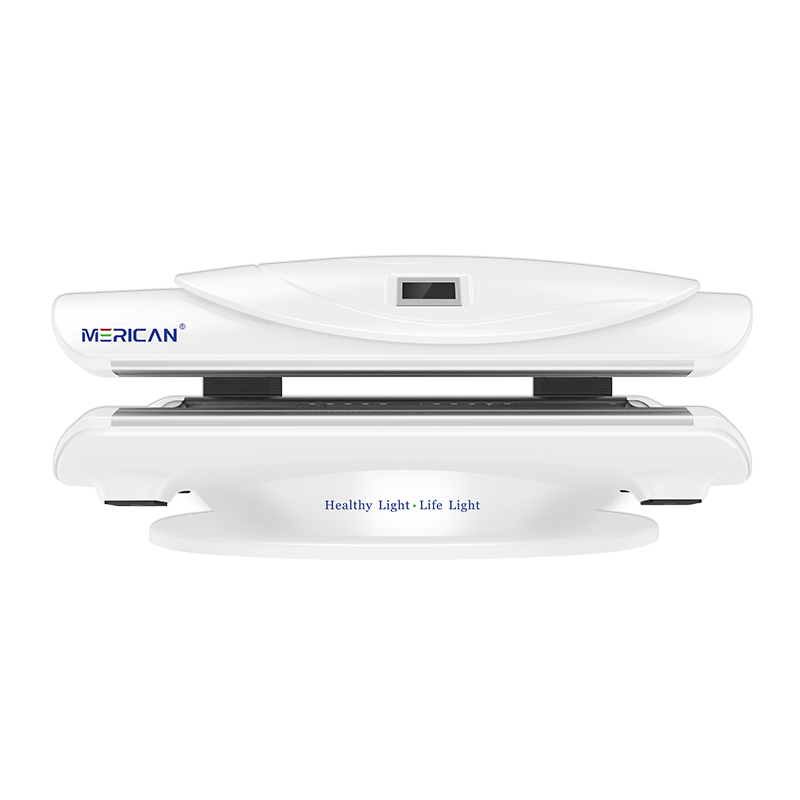
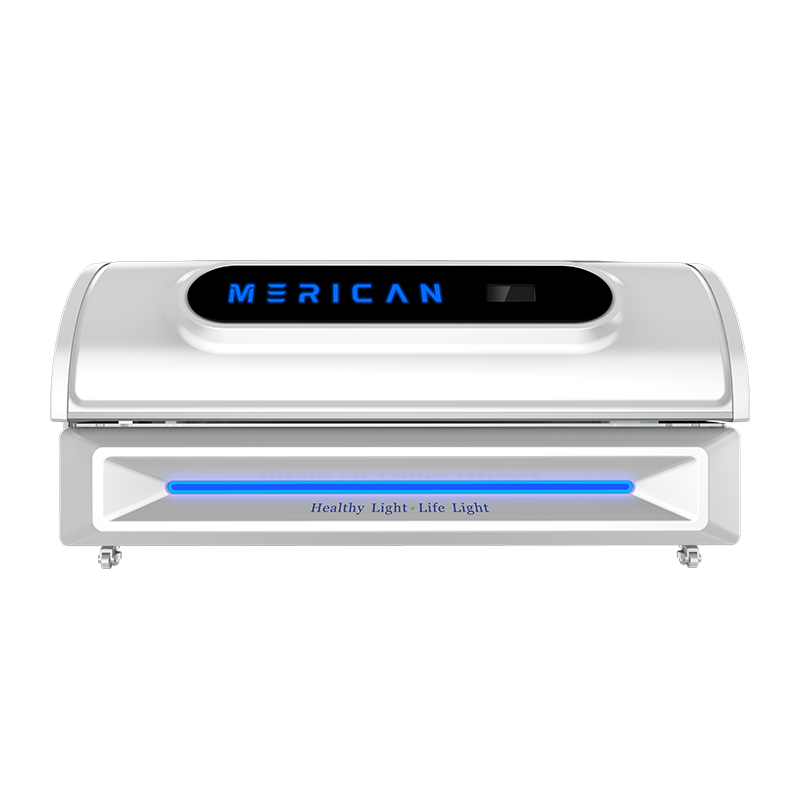
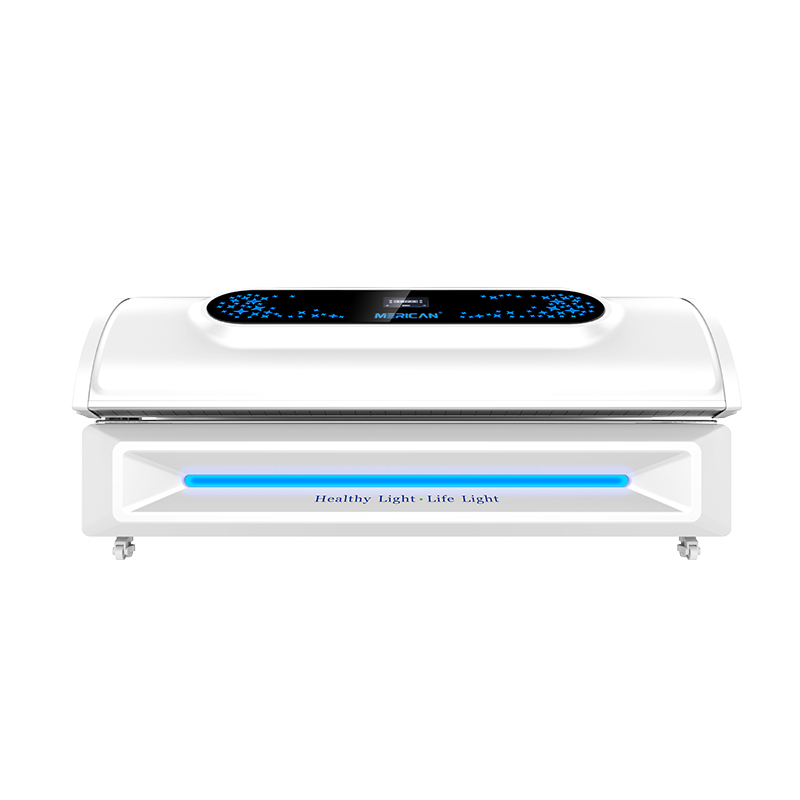
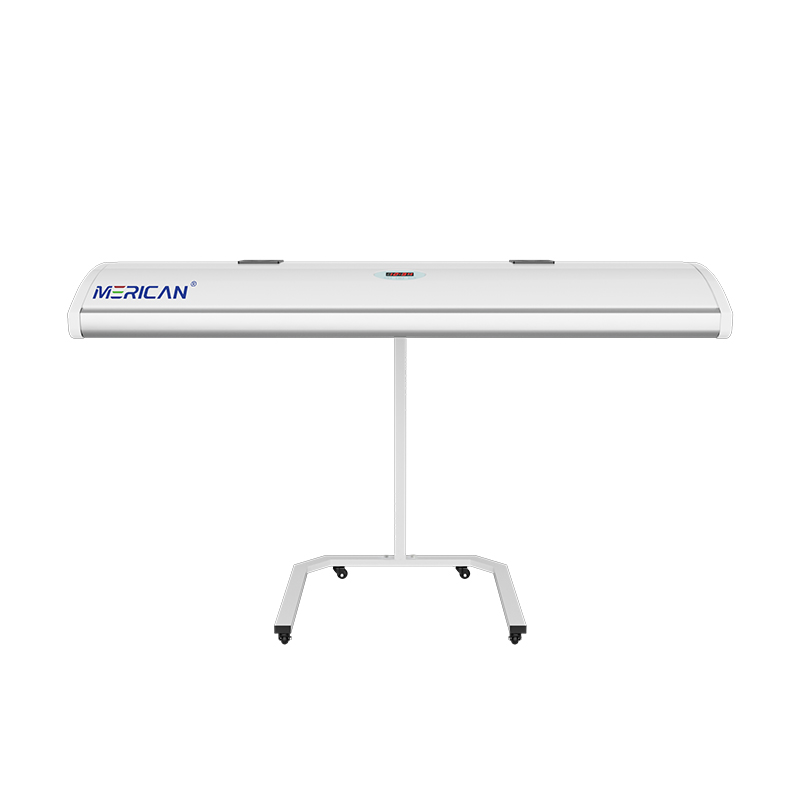
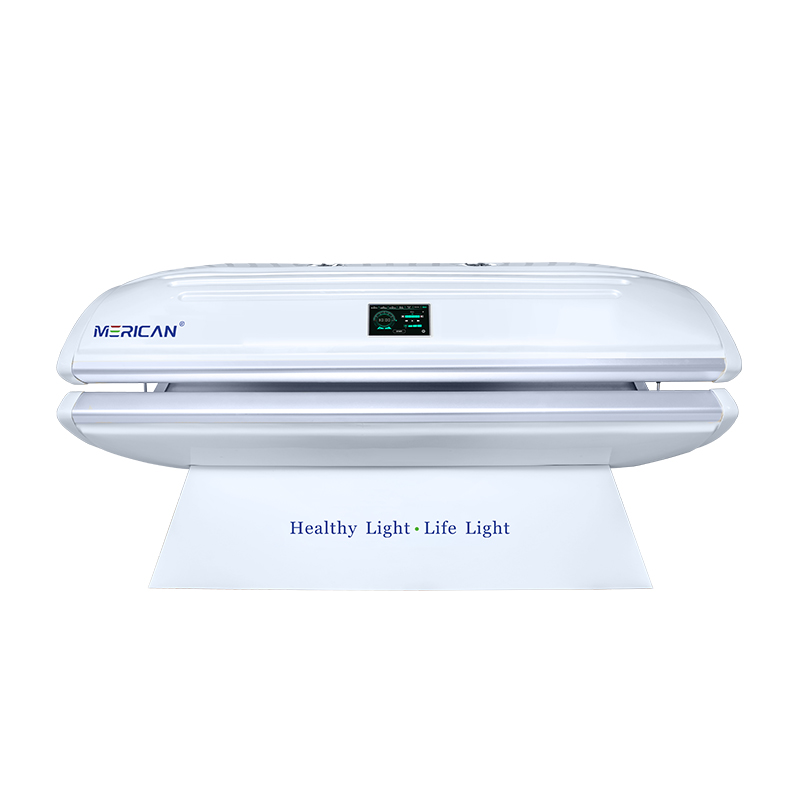
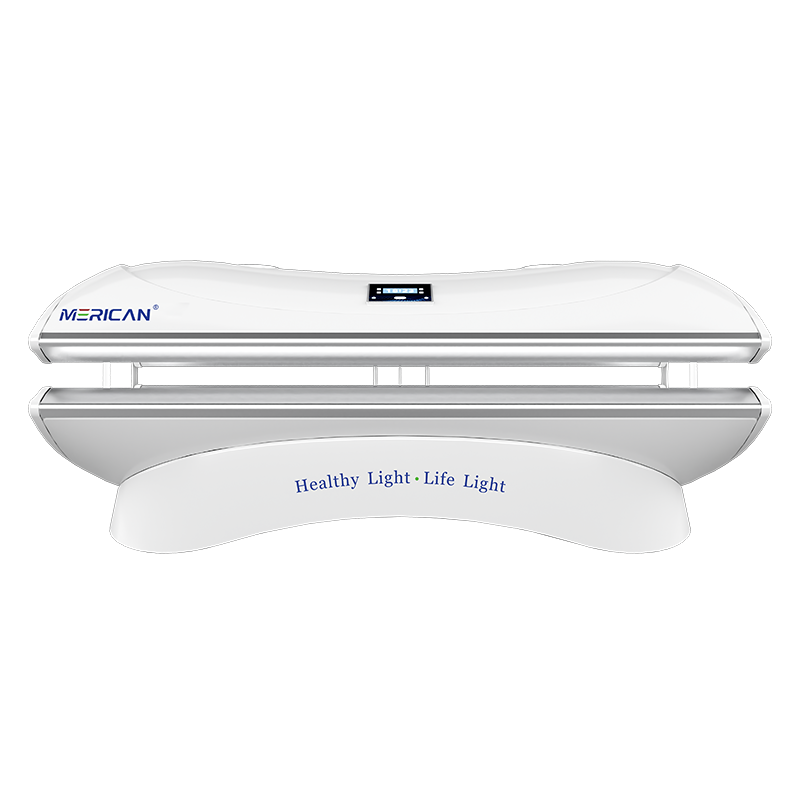
- Professional, clinic-based systems
It is typically not designed for facial skincare or cosmetic anti-aging routines.
2. How 1060nm Differs From Traditional Red Light Therapy
Traditional red light therapy focuses on cellular photobiomodulation near the skin surface. In contrast, 1060nm:
- Targets deeper tissue layers
- Produces more noticeable thermal sensations
- Requires stricter control of exposure parameters
This is why 1060nm systems are usually operated in professional environments.
3. Potential Benefits in Practical Use
When properly designed and applied, 1060nm light may:
- Support localized circulation at depth
- Assist comfort in deep tissue treatment sessions
- Complement multi-wavelength therapy programs
It is often used alongside, not instead of, red and 850nm near-infrared wavelengths.
4. Is 1060nm Better Than Standard Red Light?
Not necessarily. Each wavelength serves a different purpose:
- Skin health → 630/660 nm
- Muscle recovery → 850 nm
- Deep tissue focus → 1060 nm
Choosing the “best” wavelength depends entirely on the intended outcome.
5. Safety and Usage Considerations
Because 1060nm light penetrates deeply and can generate heat:
- Session duration must be controlled
- Device quality and certification are critical
- User guidance is essential
This wavelength is generally not recommended for casual or unsupervised home use.
Conclusion
1060nm red light therapy offers unique benefits related to deep near-infrared penetration, but it is not a universal solution. Understanding what this wavelength is designed for helps users and professionals apply it more effectively and responsibly.