Why People Confuse Cold Laser and Red Light Therapy
Both therapies use low-level light and are marketed for pain relief and healing. However, choosing the wrong option may limit results or increase costs.
Understanding the difference between cold laser and red light therapy helps you select the most effective solution for your needs.
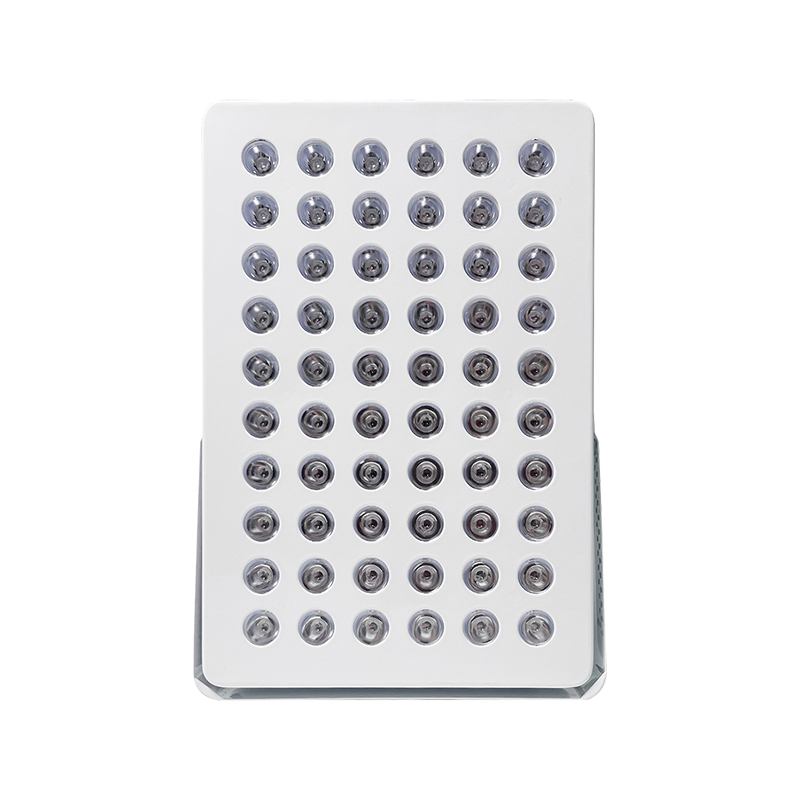
Cold Laser Therapy: Best for Targeted Pain Relief
Best suited for:
- Small, specific injury areas
- Acute pain or inflammation
- Clinical treatment plans
Pros
- Highly focused treatment
- Often faster relief for localized pain
Cons
- Limited coverage
- Requires professional sessions
- Higher per-treatment cost
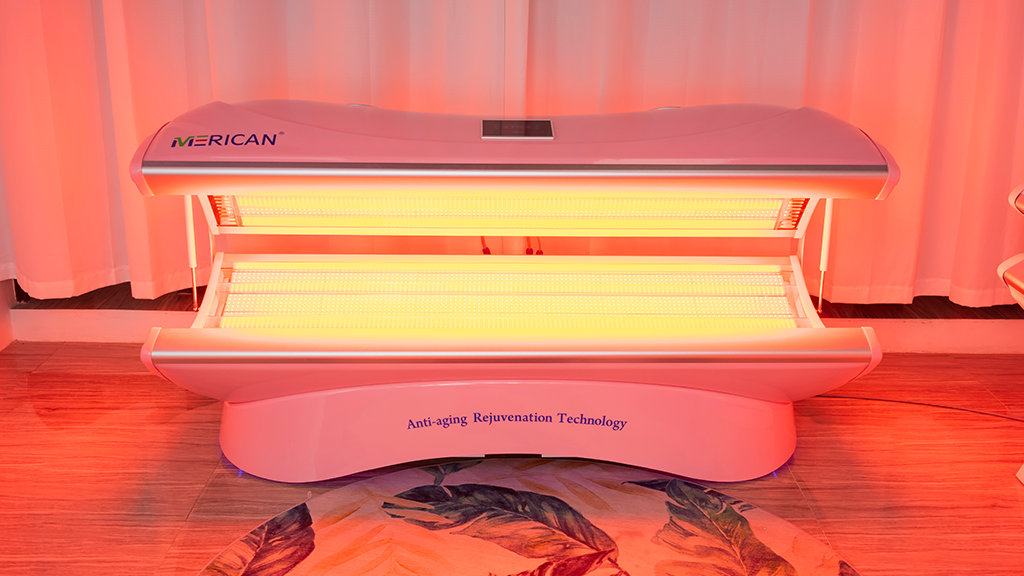
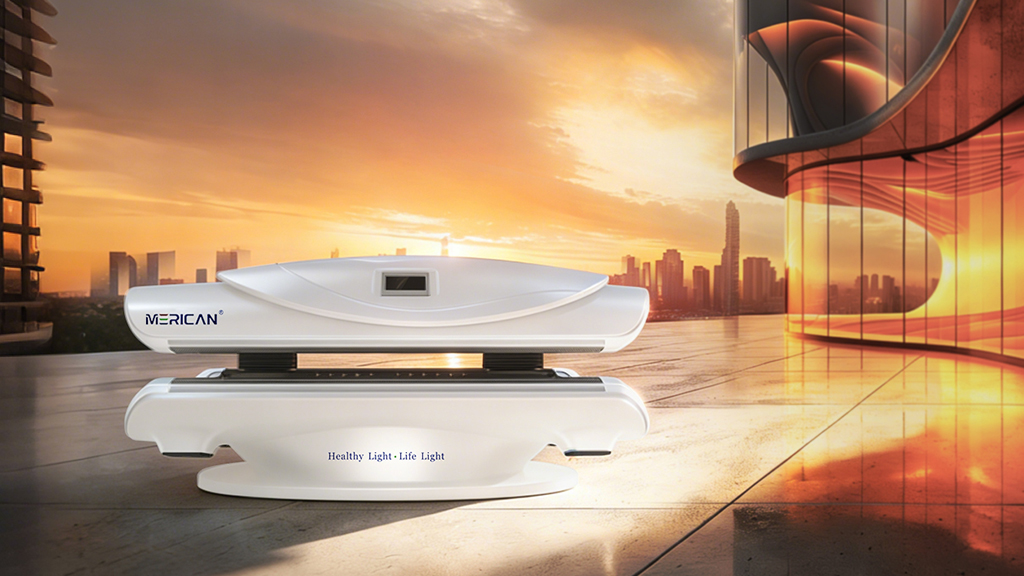
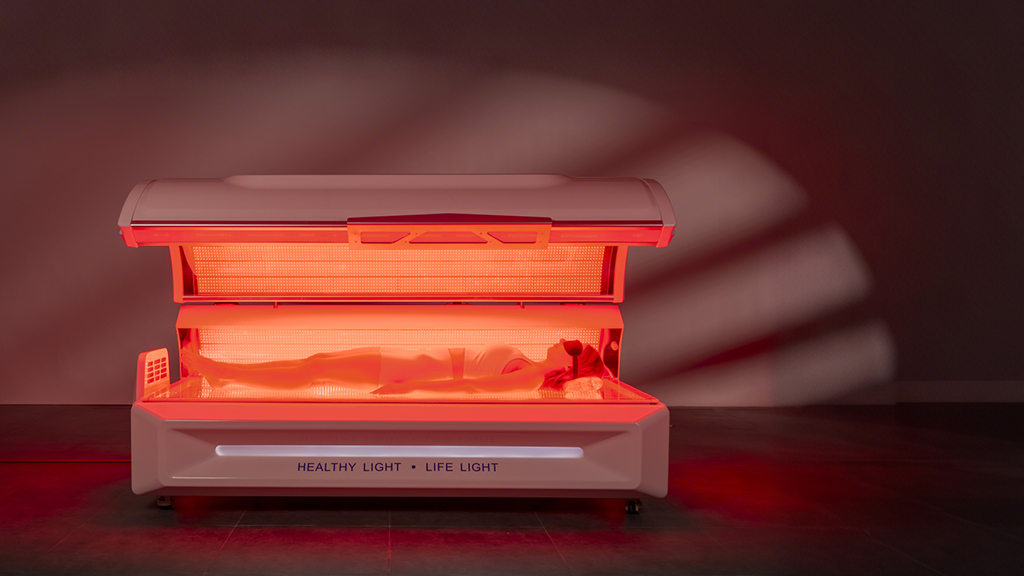
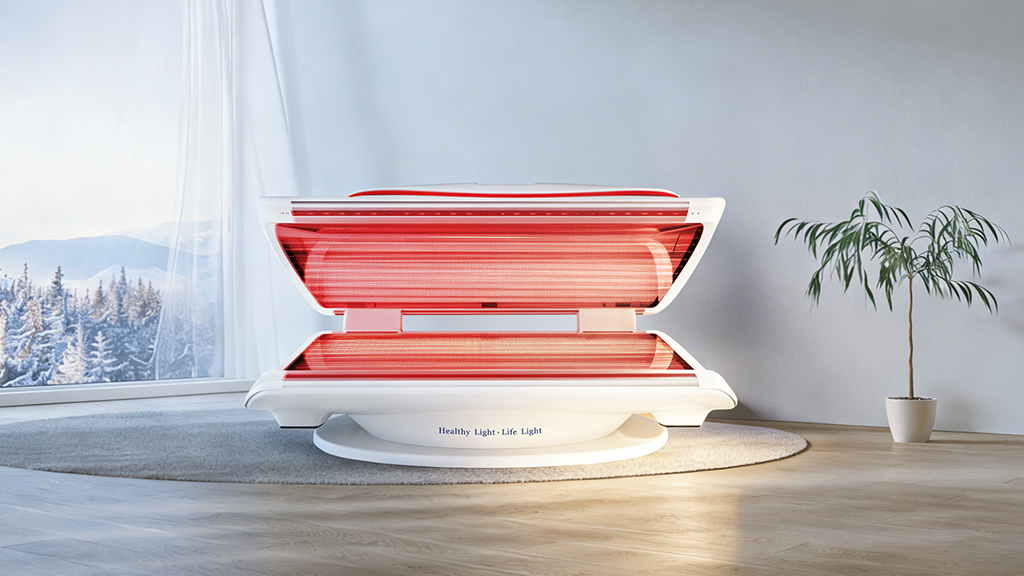
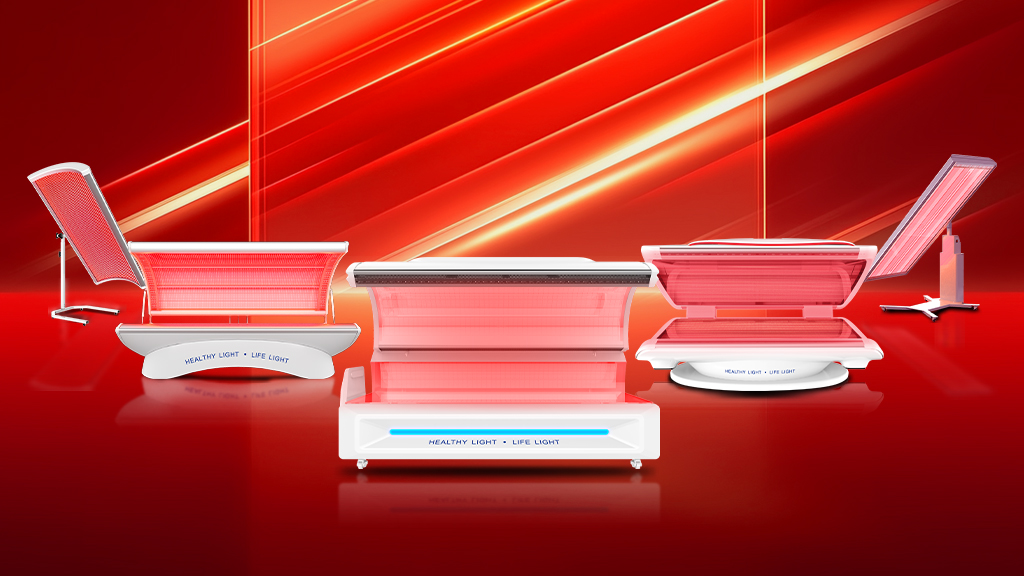
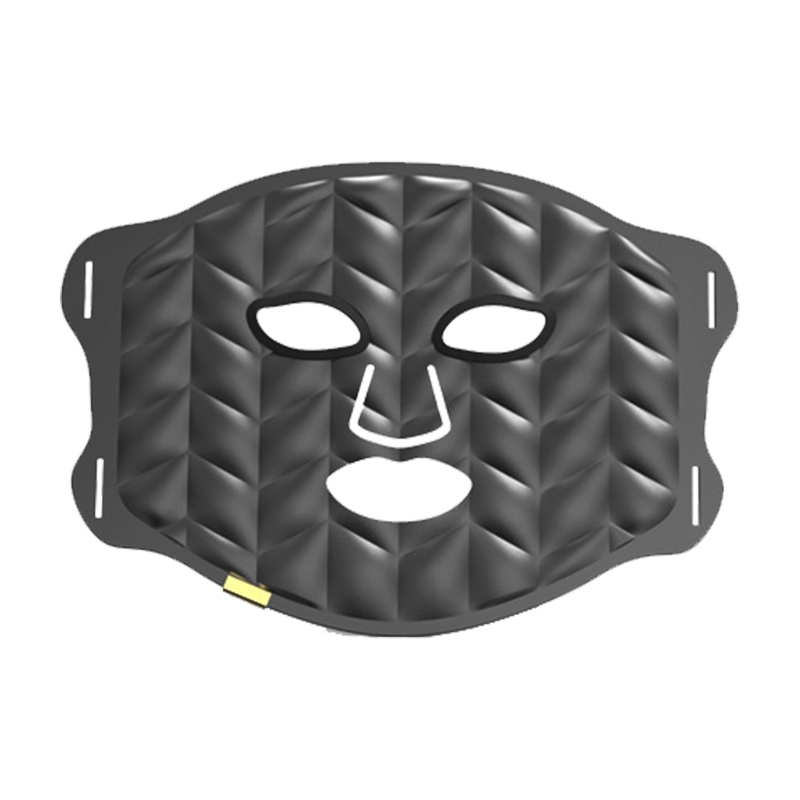
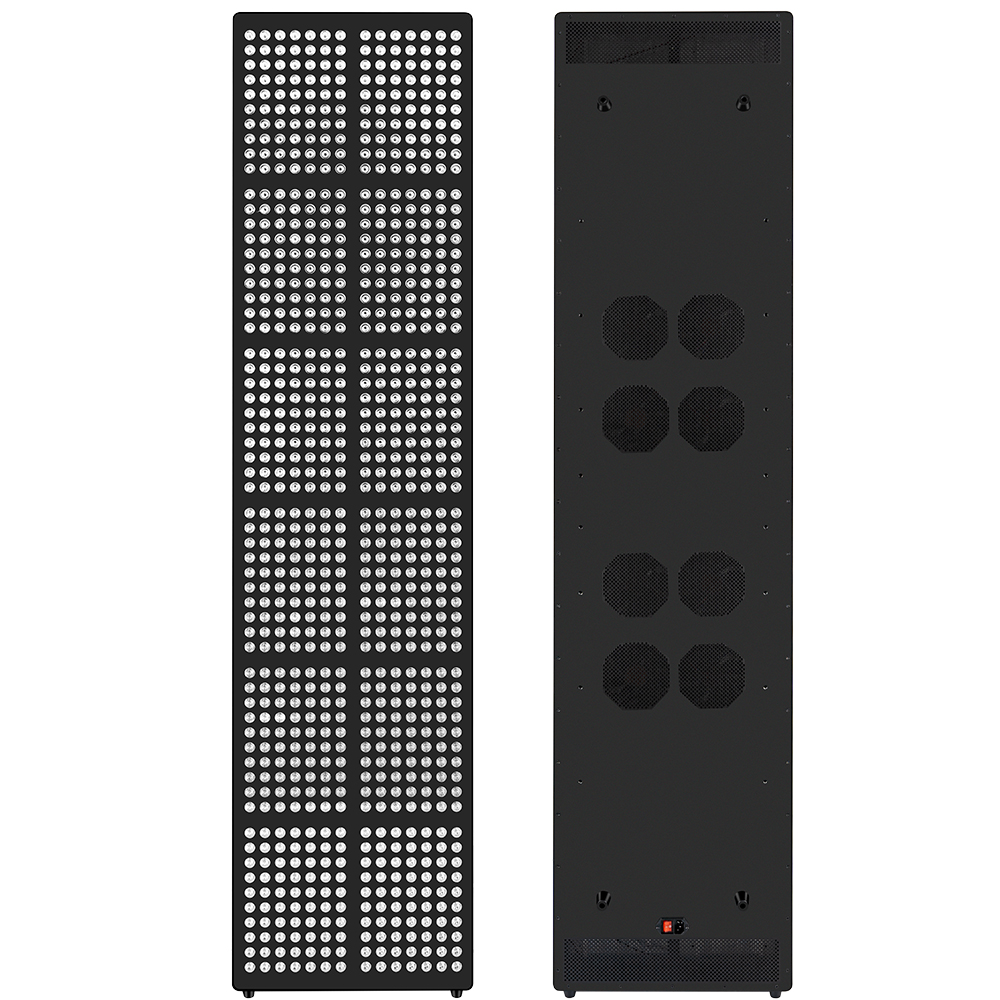
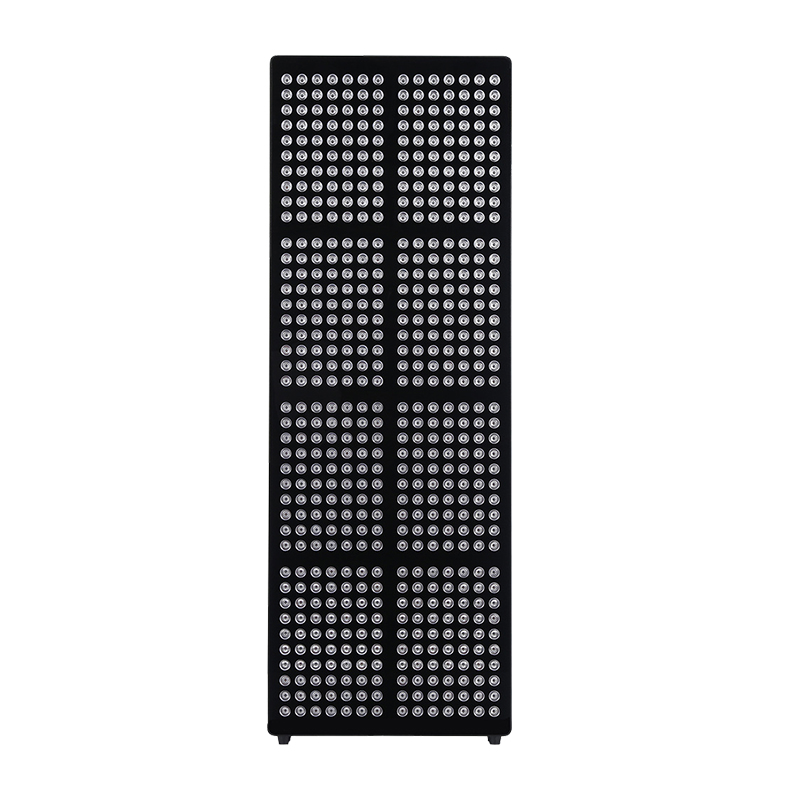
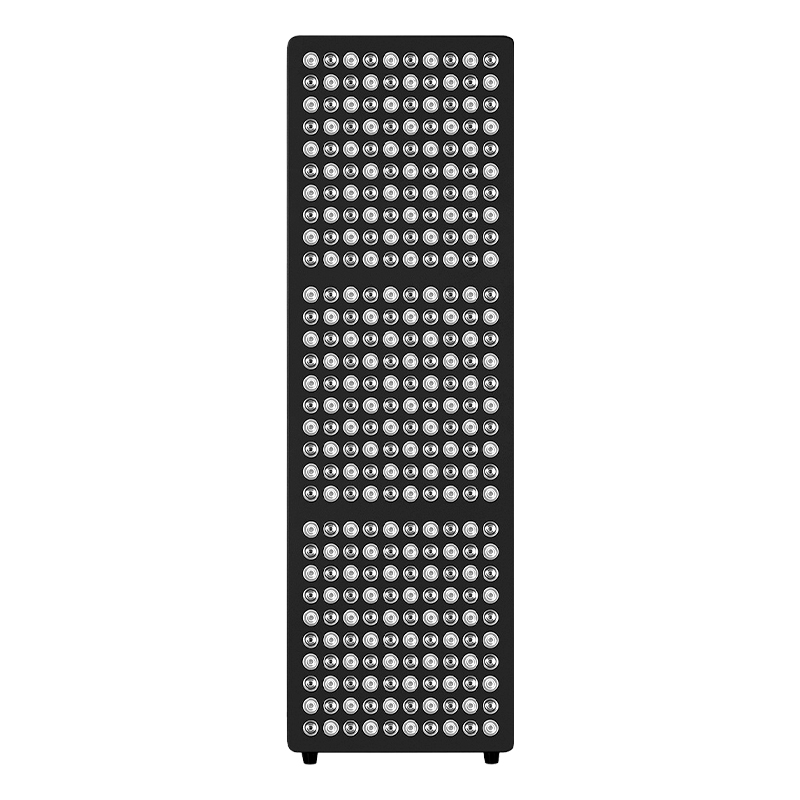
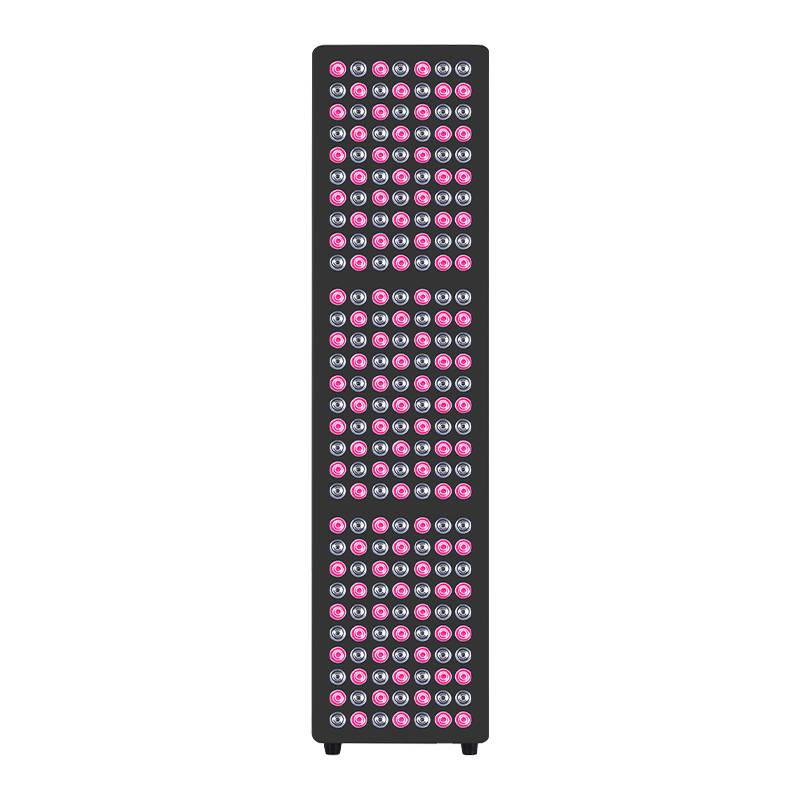
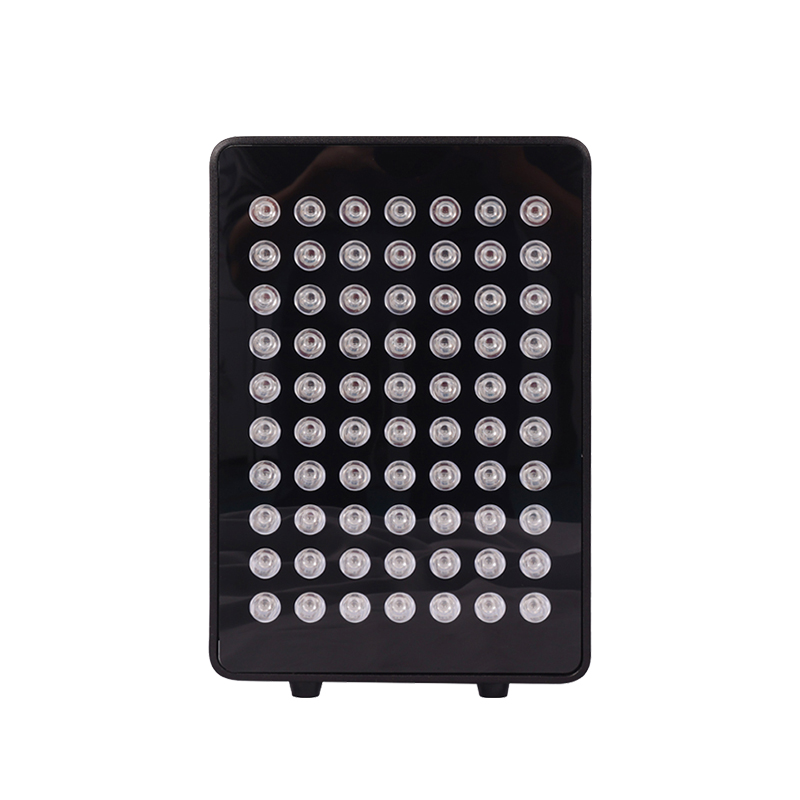
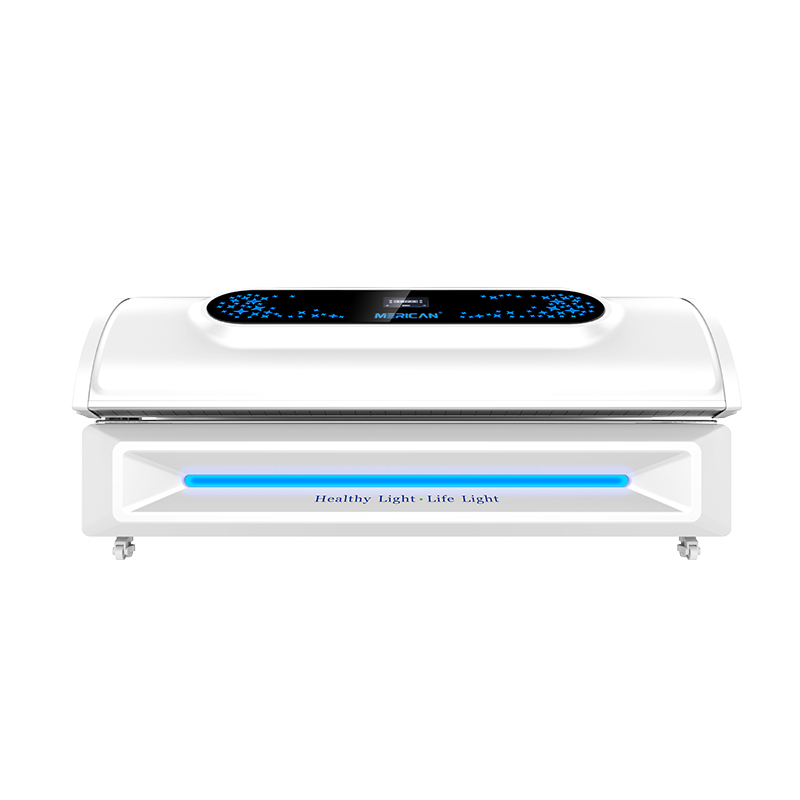
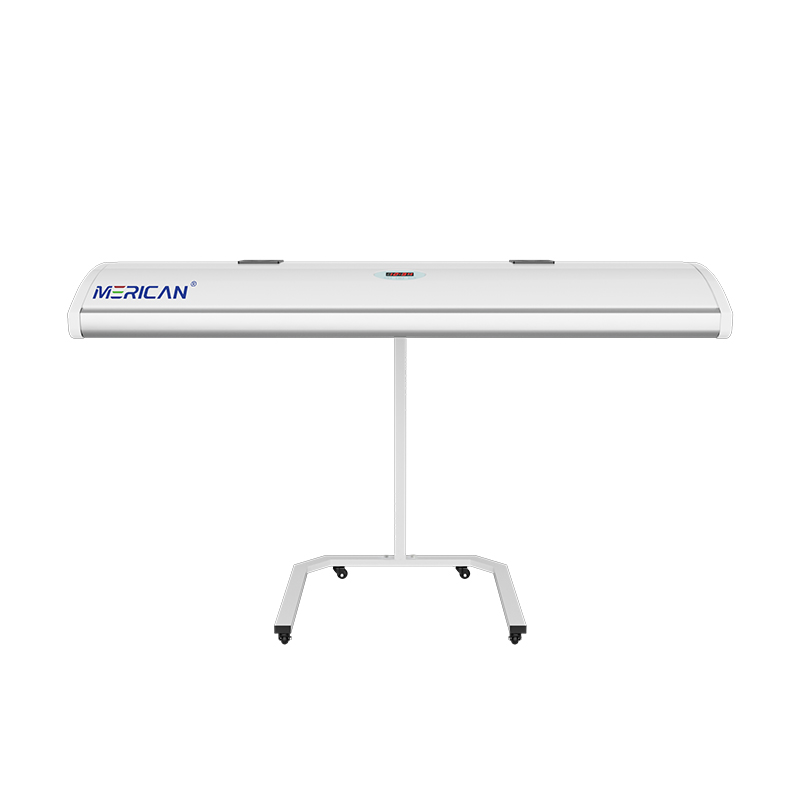
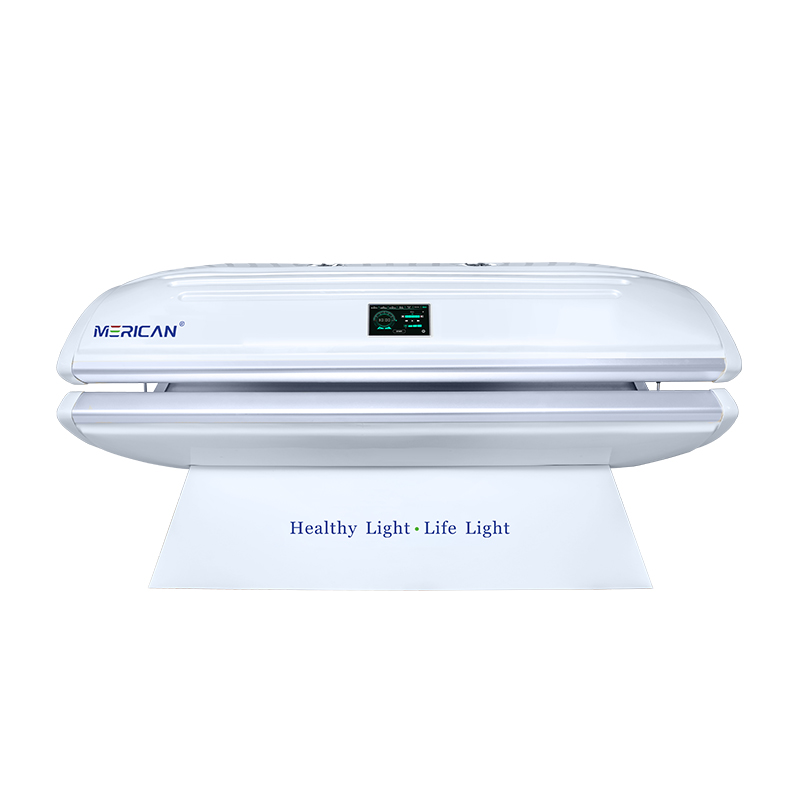
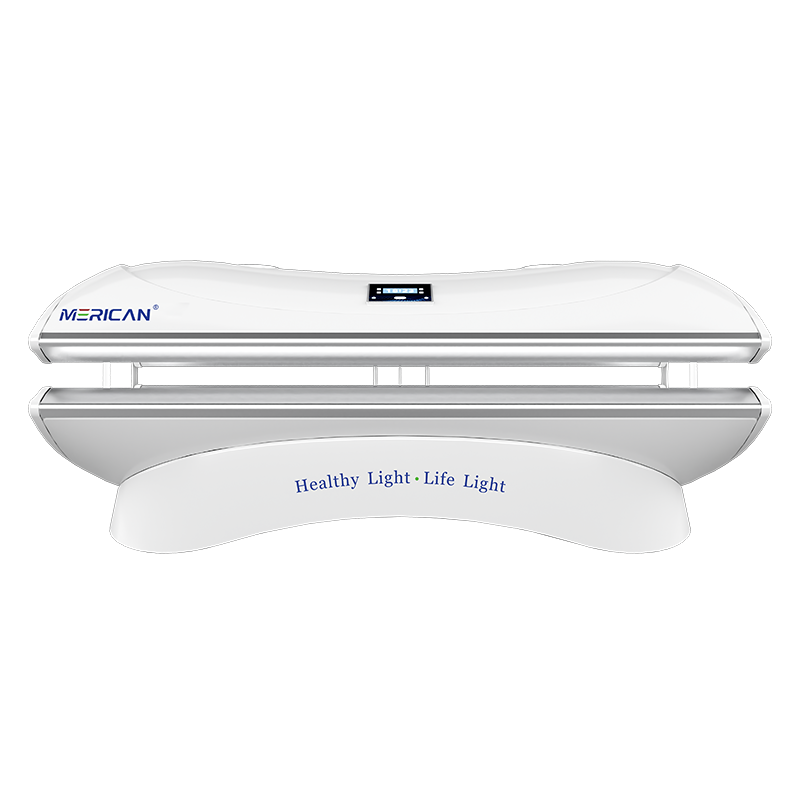
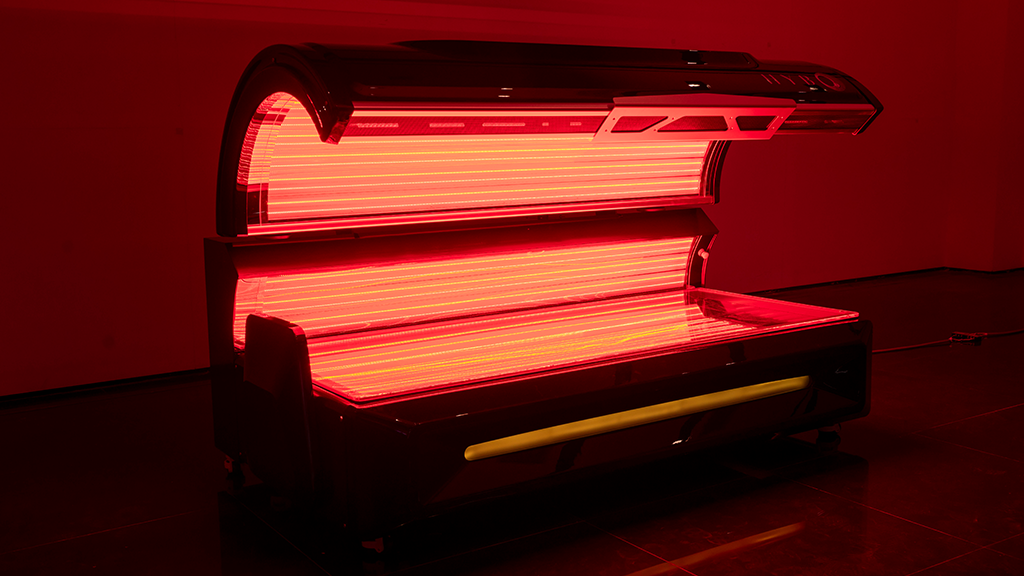
Red Light Therapy: Best for Whole-Body Recovery
Best suited for:
- Muscle recovery
- Joint stiffness
- Skin aging
- Long-term wellness routines
Pros
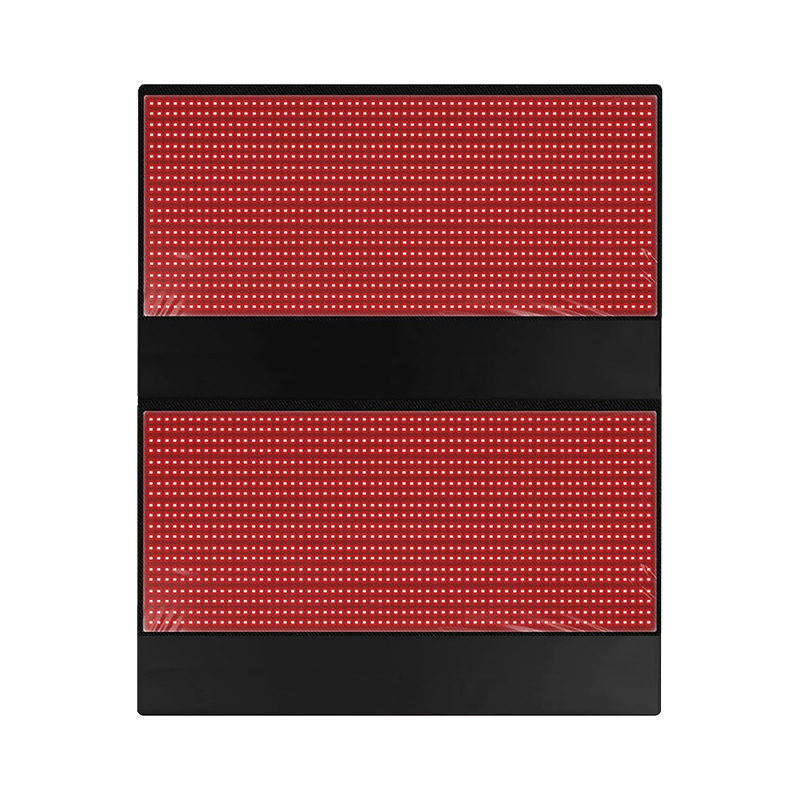
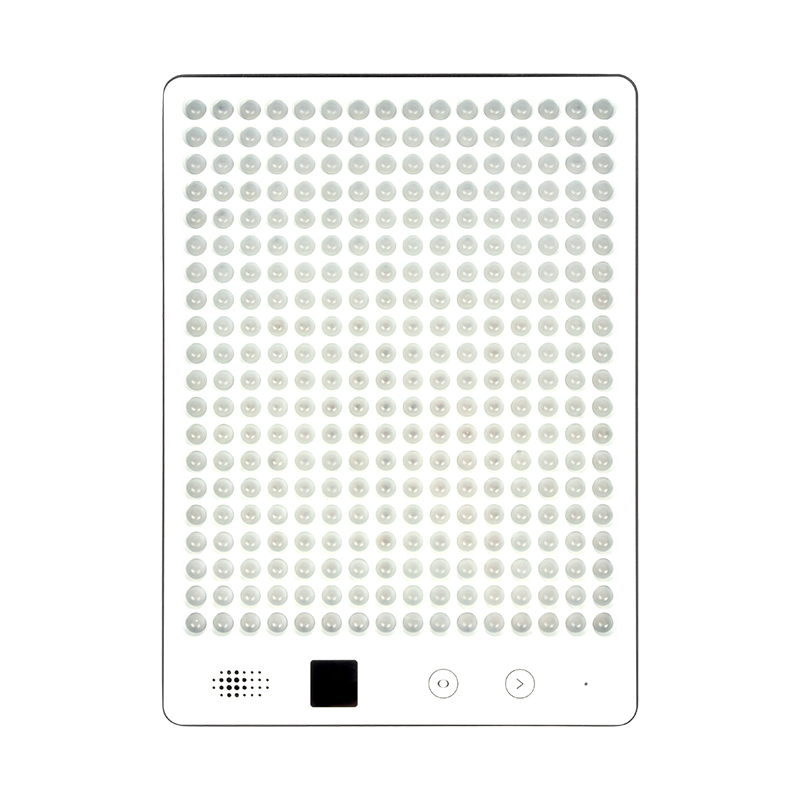
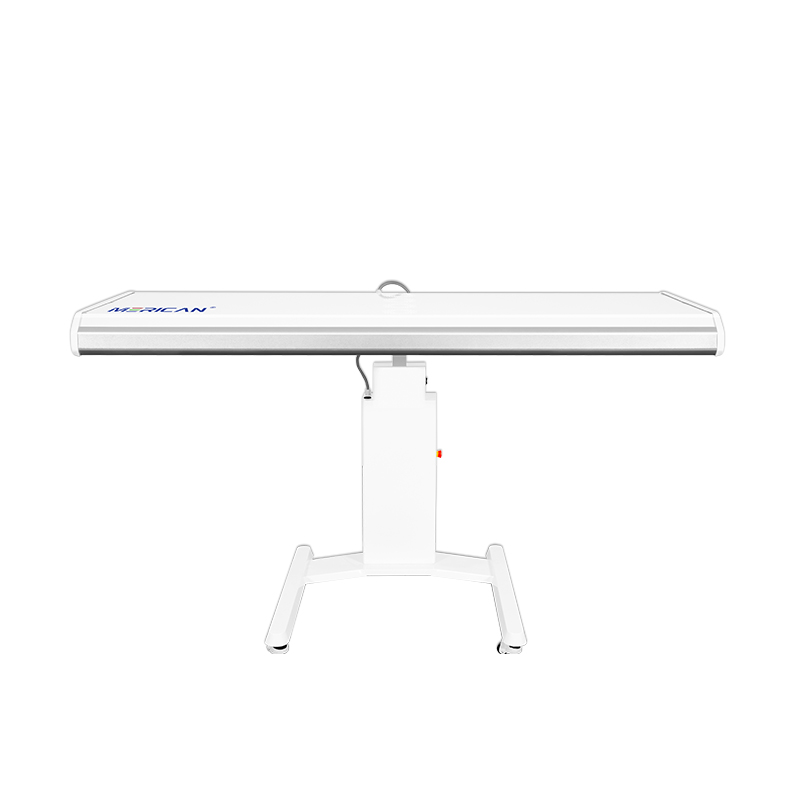
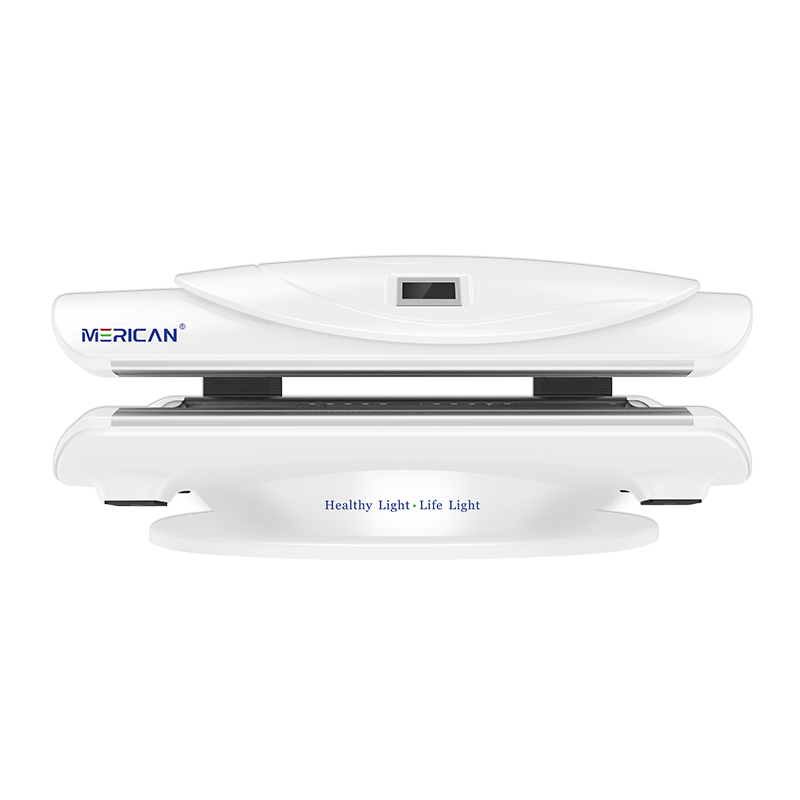
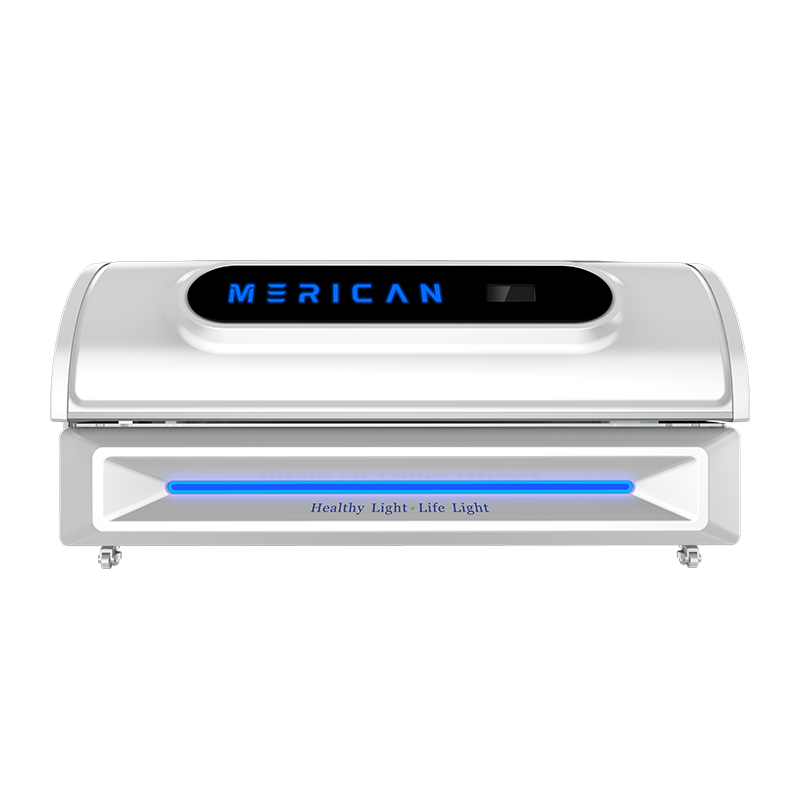
- Covers large areas
- Easy to use consistently
- Suitable for home and professional use
Cons
- Requires regular sessions
- Results are gradual
Side-by-Side Comparison
| Goal | Better Option |
|---|---|
| Localized injury | Cold laser |
| Muscle soreness | Red light |
| Skin anti-aging | Red light |
| Post-surgery rehab | Cold laser |
| Daily wellness | Red light |
Can Cold Laser and Red Light Therapy Be Used Together?
Yes. Some rehabilitation clinics combine:
- Cold laser for acute injury points
- Red light therapy for surrounding tissue recovery
This hybrid approach can improve overall outcomes.
Which Therapy Is More Cost-Effective?
For long-term use:
- Cold laser is more expensive per session
- Red light therapy offers better scalability and ROI
This is why red light therapy is popular in wellness centers and spas.
Final Verdict
So, what’s the difference between cold laser and red light therapy?
Cold laser therapy focuses on precise, clinical pain treatment, while red light therapy supports broader healing, recovery, and preventative care.
Choosing the right one depends on whether your goal is targeted medical intervention or full-body wellness support.
FAQ
Q1: Can red light therapy replace cold laser therapy?
Not for acute, localized injuries.
Q2: Is red light therapy safe for daily use?
Yes, when following recommended guidelines.