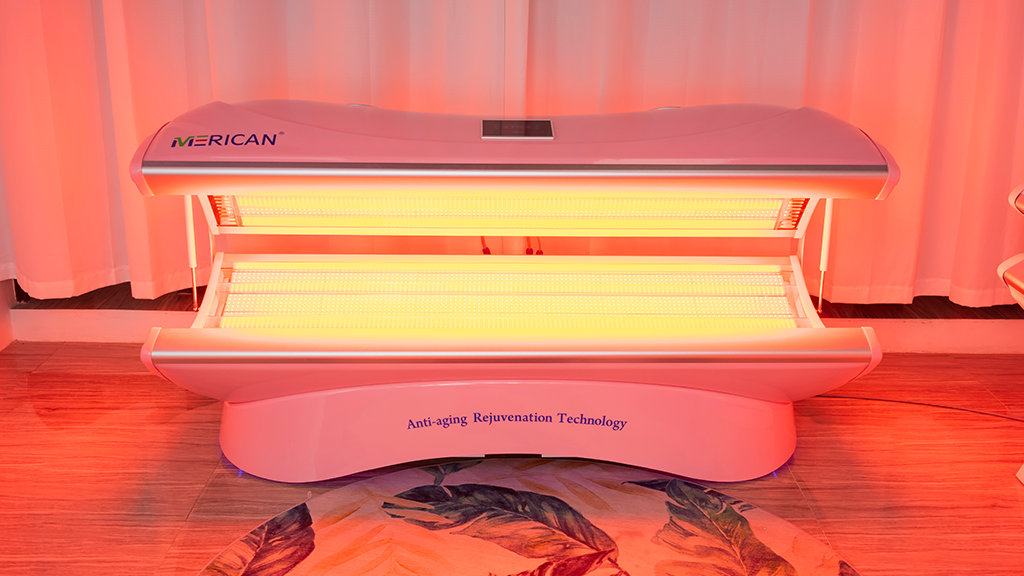
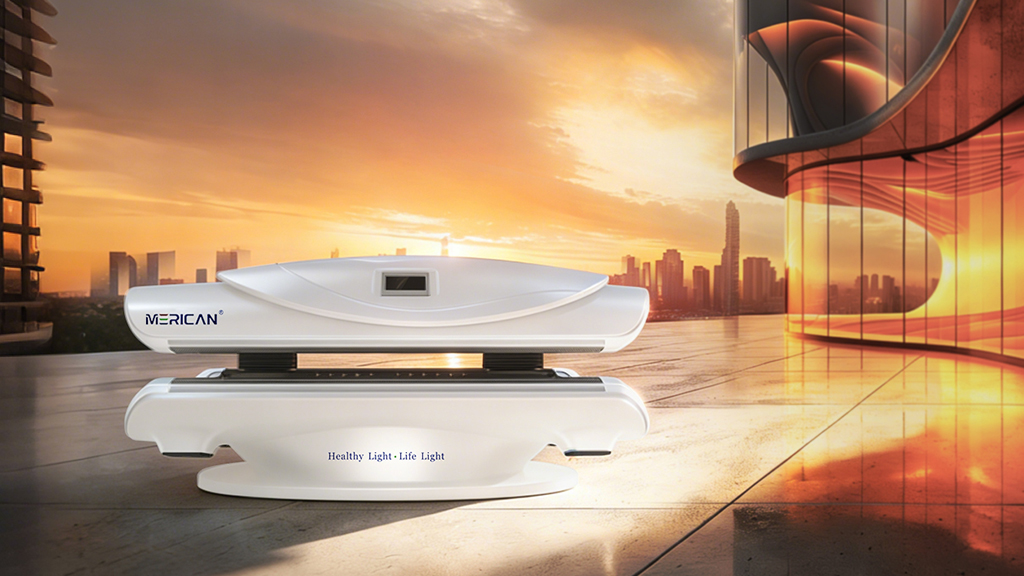
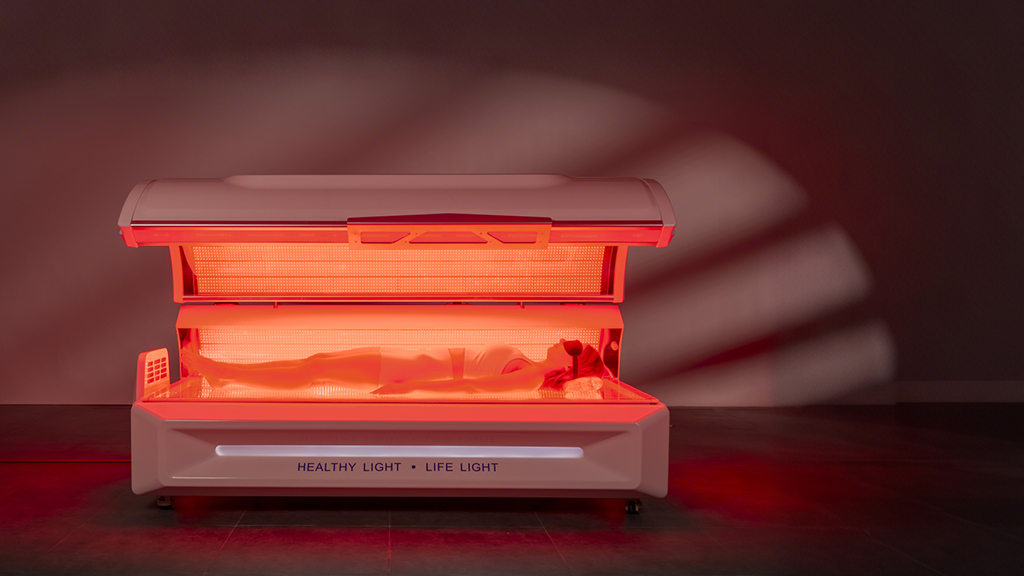
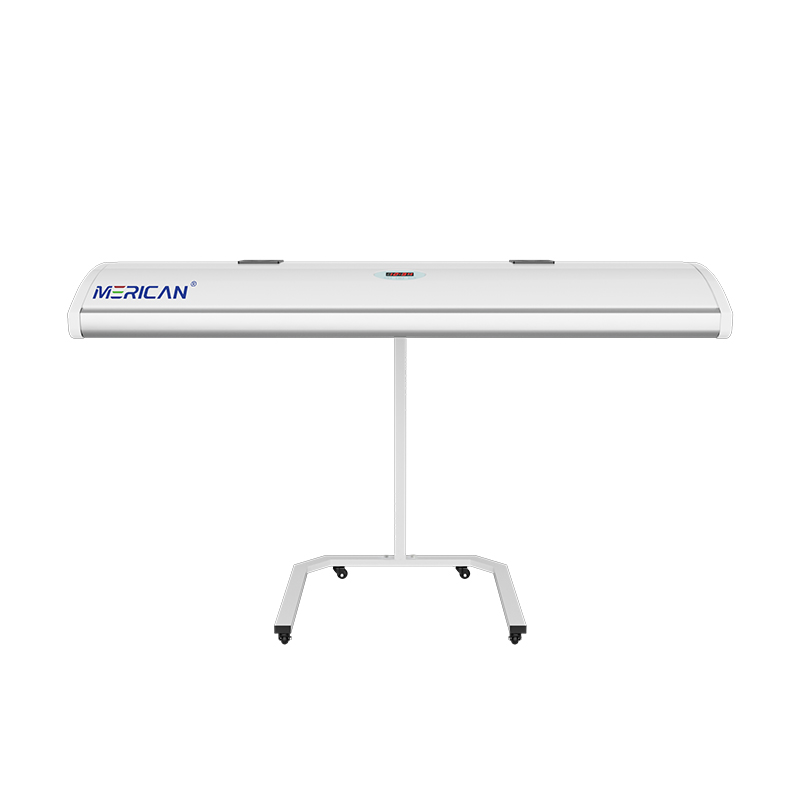
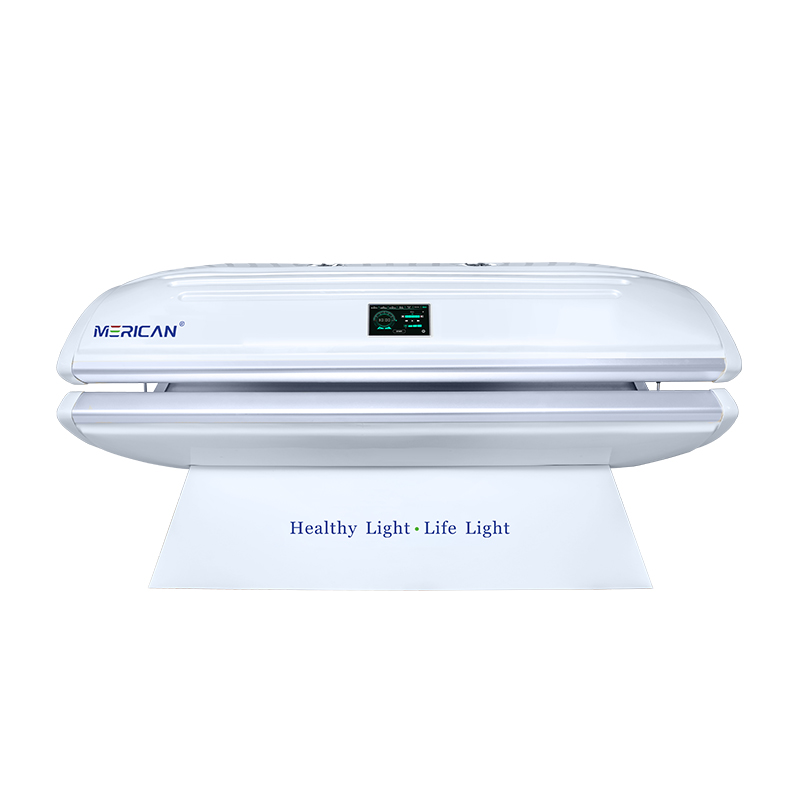
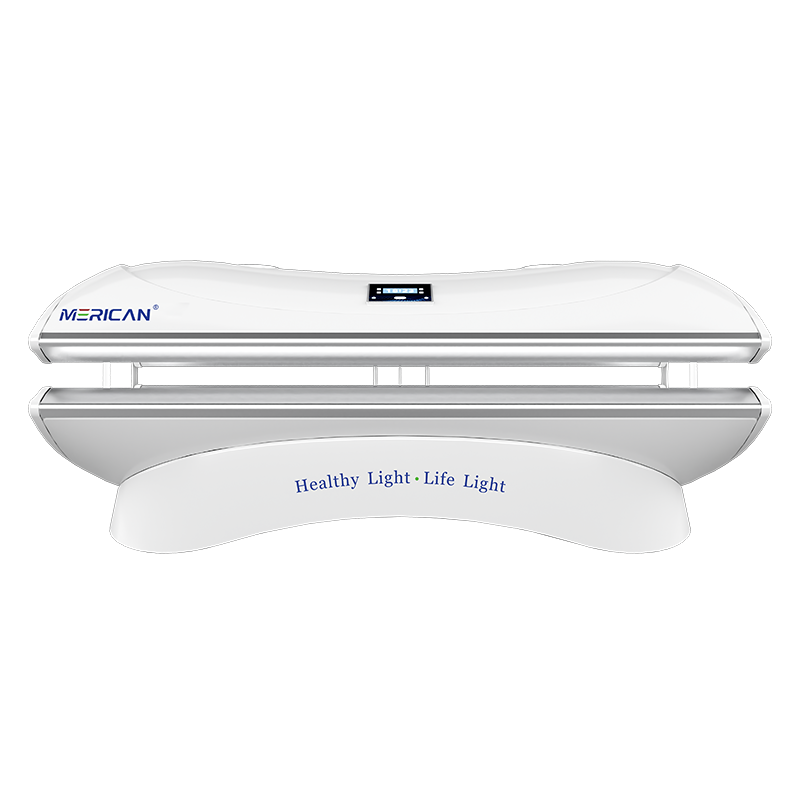
Red light therapy (RLT), also known as photobiomodulation, is a non-invasive approach that uses specific red and near-infrared wavelengths to support natural biological processes. Below is a structured overview of the most commonly discussed benefits, based on current research and clinical use.
1. Cellular Energy and Mitochondrial Support
Red and near-infrared light may:
- Stimulate mitochondrial activity
- Support ATP (cellular energy) production
- Improve cellular efficiency
This foundational effect helps explain many downstream benefits.
2. Skin Health and Appearance
One of the most widely recognized benefits involves the skin:
- Improved skin tone and texture
- Support for collagen and elastin production
- Reduction in the appearance of fine lines
- Support for wound and scar healing
These effects are typically associated with 630–660 nm red light.
3. Muscle Recovery and Physical Performance
Near-infrared wavelengths (commonly ~850 nm) are often used for:
- Post-exercise recovery
- Temporary relief of muscle soreness
- Support for tissue repair and circulation
Athletes and physical therapy clinics frequently incorporate red light therapy into recovery routines.
4. Joint and Soft Tissue Comfort
Red light therapy may help:
- Support joint flexibility
- Reduce stiffness after activity
- Promote comfort in connective tissues
This application benefits from deeper tissue penetration.
5. Circulation and Oxygen Utilization
Light exposure may:
- Encourage microcirculation
- Improve oxygen delivery at the cellular level
- Support metabolic balance
Improved circulation contributes to both recovery and skin health.
6. Inflammation Modulation
Rather than “blocking” inflammation, red light therapy may help:
- Support healthy inflammatory responses
- Promote faster resolution after stress or injury
This makes it a complementary tool in wellness and rehabilitation settings.
7. Sleep and Circadian Rhythm Support
Some users report:
- Improved relaxation
- Better sleep quality when used in evening routines
Unlike blue light, red light is less disruptive to melatonin production.
Conclusion
The benefits of red light therapy span skin health, recovery, circulation, and cellular energy support. Its versatility comes from its ability to work at the cellular level, influencing multiple systems without invasive intervention.