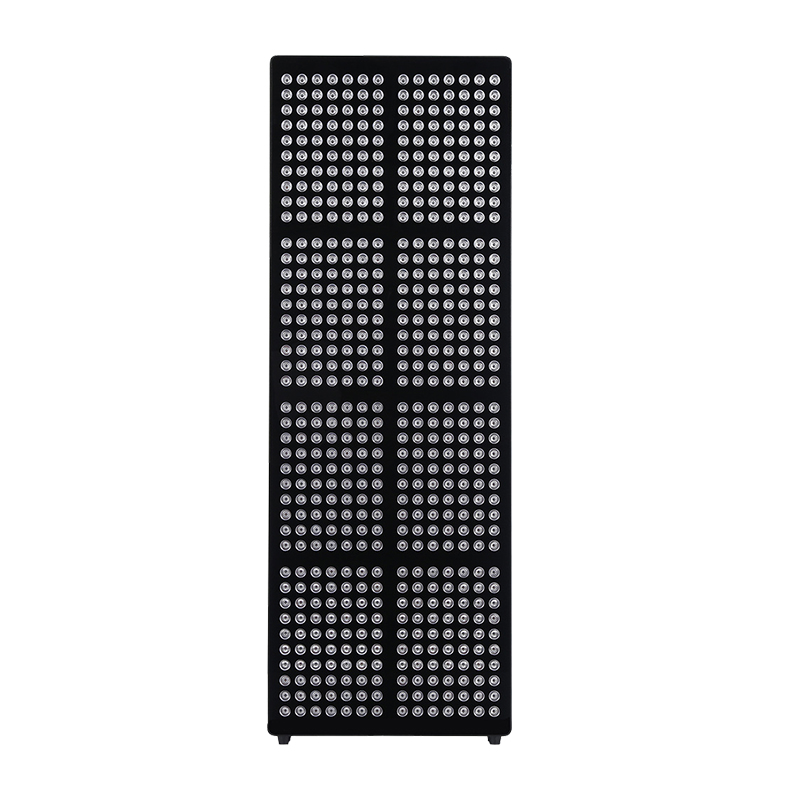
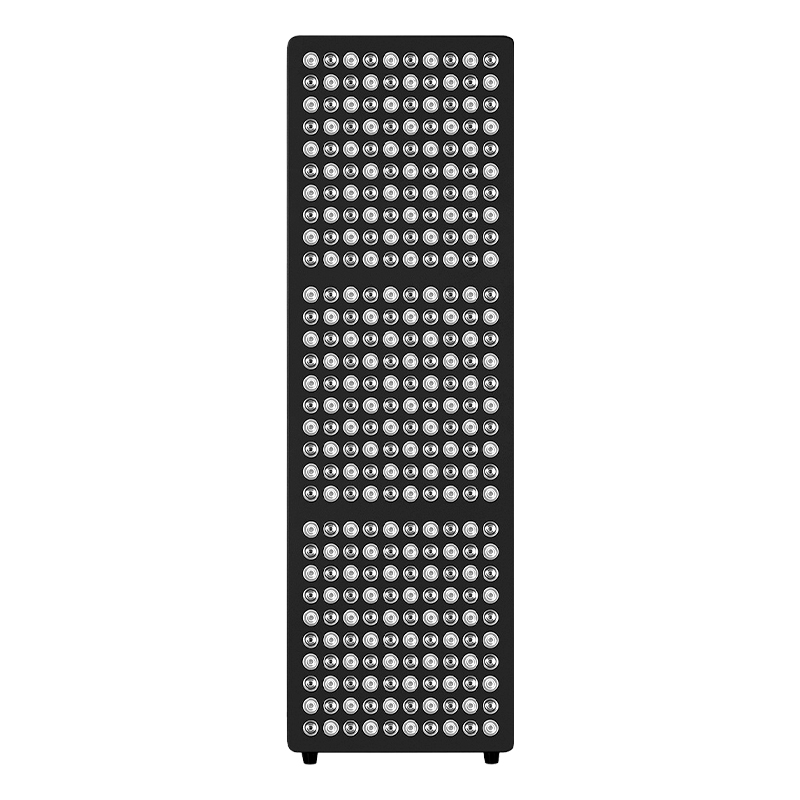
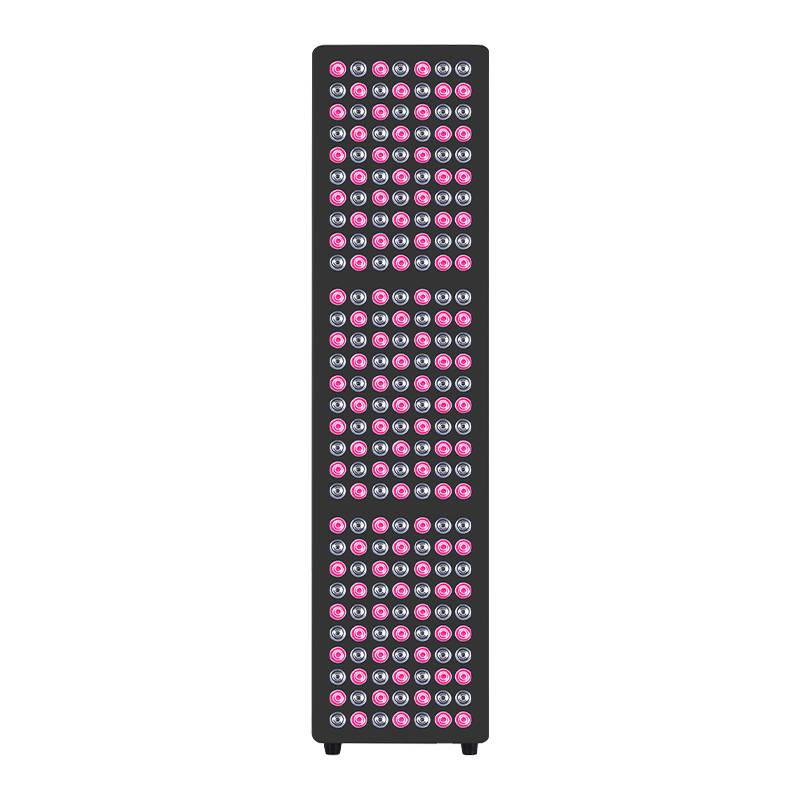
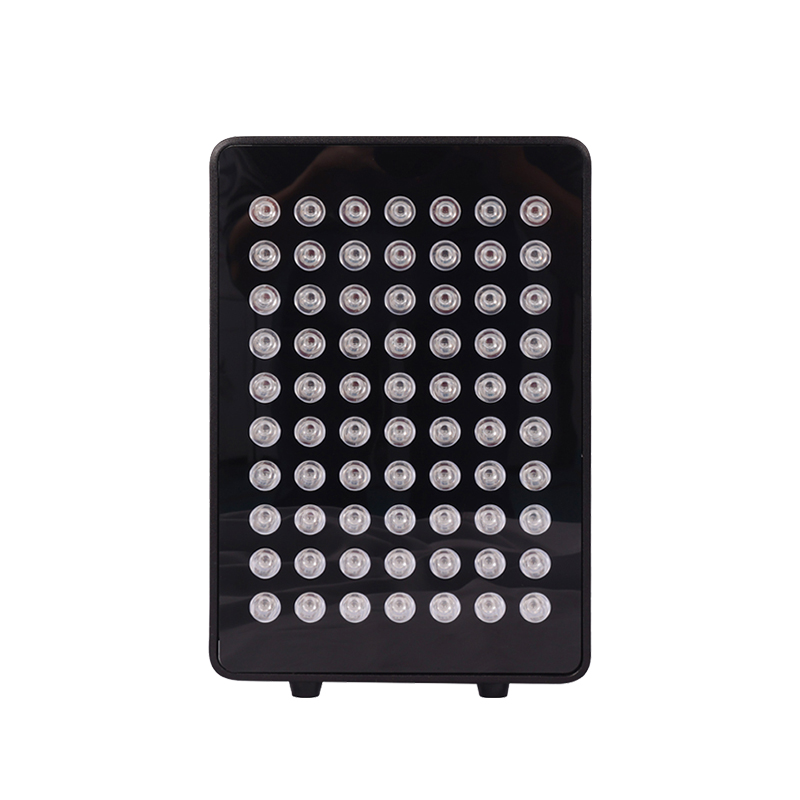
Introduction
Facial red light therapy has become one of the most popular non-invasive skincare treatments in aesthetic clinics and at-home routines. But many people still ask: Is red light therapy good for the face?
Backed by growing research, red light therapy (RLT), also called photobiomodulation, is widely used to support skin rejuvenation, collagen production, and inflammation reduction.
How Red Light Therapy Works on Facial Skin
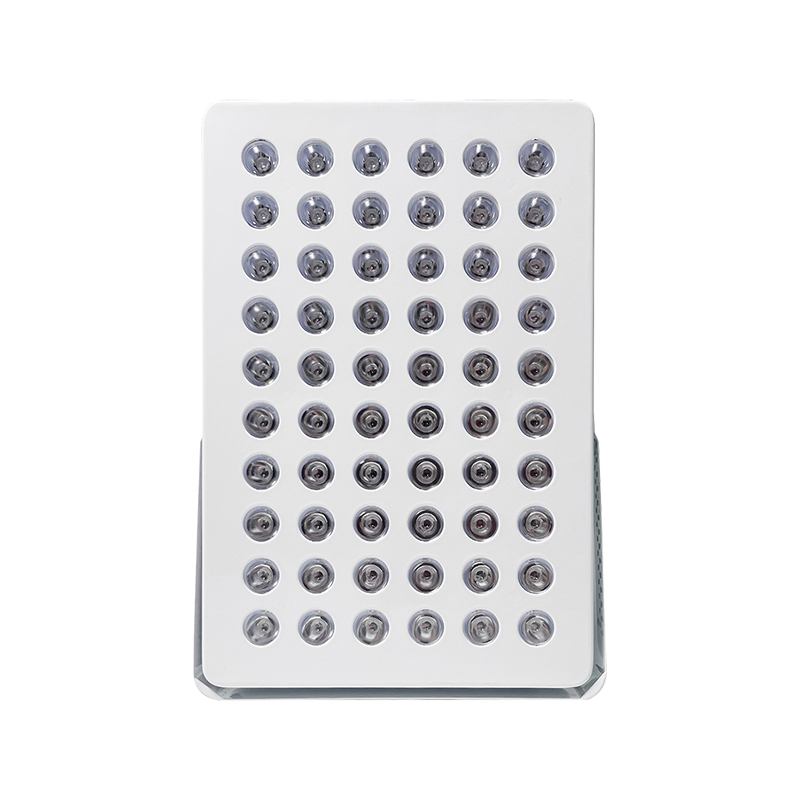
Red light typically uses wavelengths between 630–660nm, sometimes combined with near-infrared (810–850nm). These wavelengths penetrate the dermis and stimulate mitochondrial activity, increasing ATP production.
This process may:
- Boost collagen and elastin synthesis
- Improve blood circulation
- Reduce inflammation
- Accelerate skin cell turnover
- Enhance overall skin vitality
Unlike UV light, red light does not damage or burn the skin.
Key Facial Benefits
Regular facial red light therapy may help:
1. Reduce Fine Lines and Wrinkles
Increased collagen production helps improve skin firmness and smoothness.
2. Improve Skin Tone and Texture
Enhanced circulation promotes a healthier glow.
3. Calm Redness and Inflammation
Beneficial for mild rosacea or sensitive skin.
4. Support Acne Recovery
By reducing inflammation and promoting healing.
How Long Before You See Results?
Most people notice improvements after:
- 2–4 weeks of consistent use
- 3–5 sessions per week
- 10–20 minutes per session
Results are gradual and cumulative.
Final Verdict
Is red light therapy good for the face?
Yes — it is one of the safest, most researched non-invasive treatments for improving skin texture, firmness, and overall facial appearance. Consistency is key for long-term benefits.