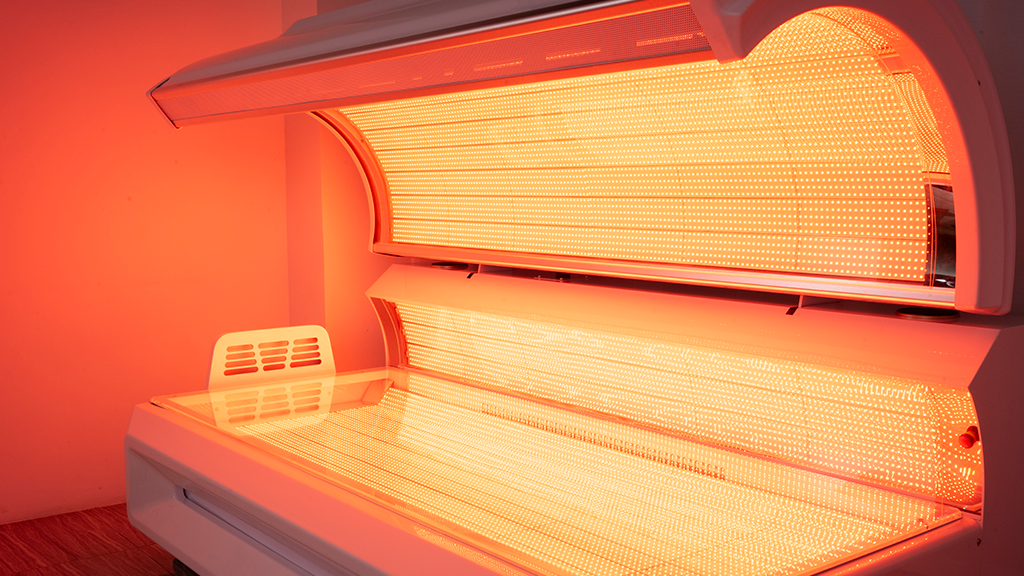
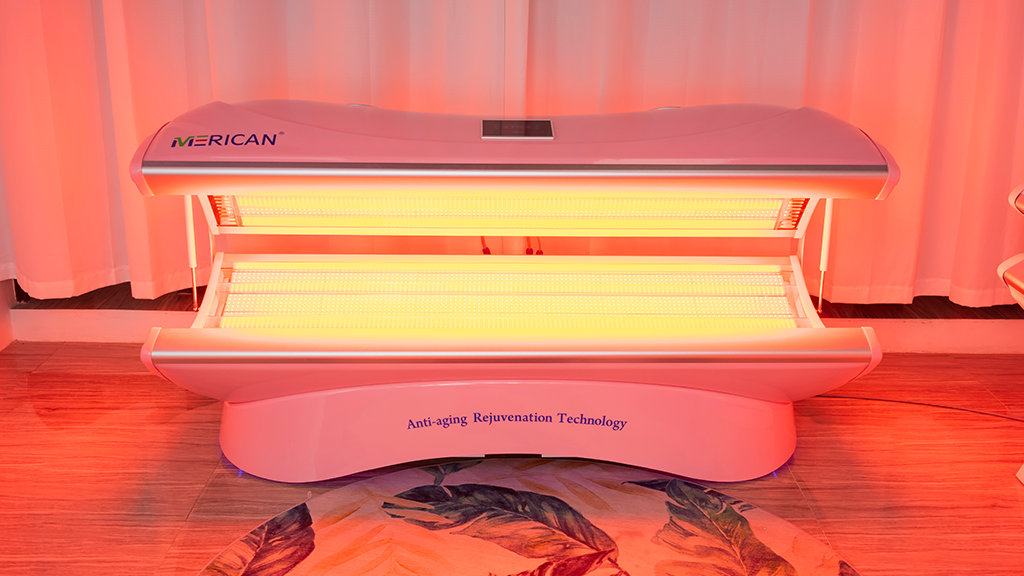
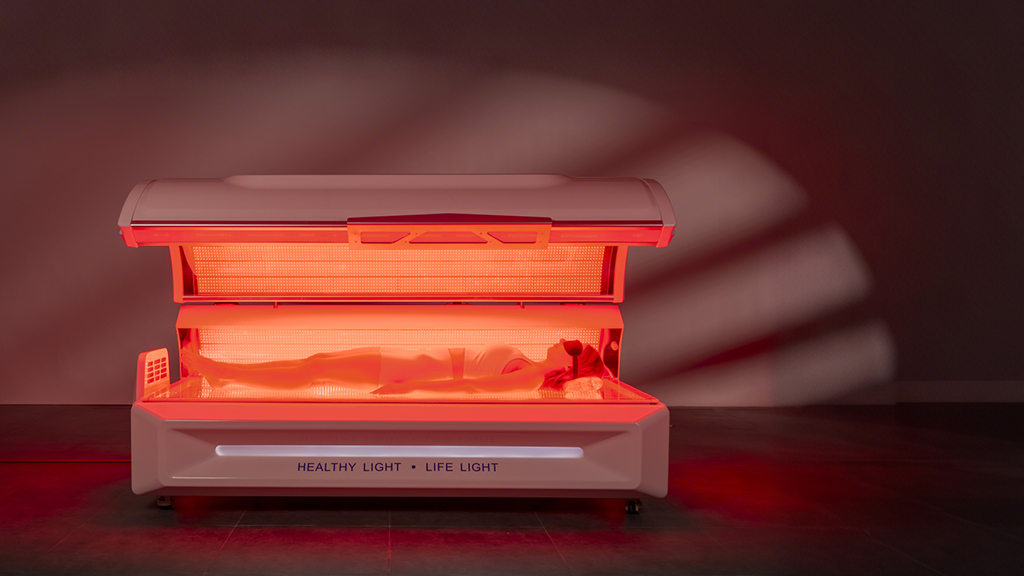
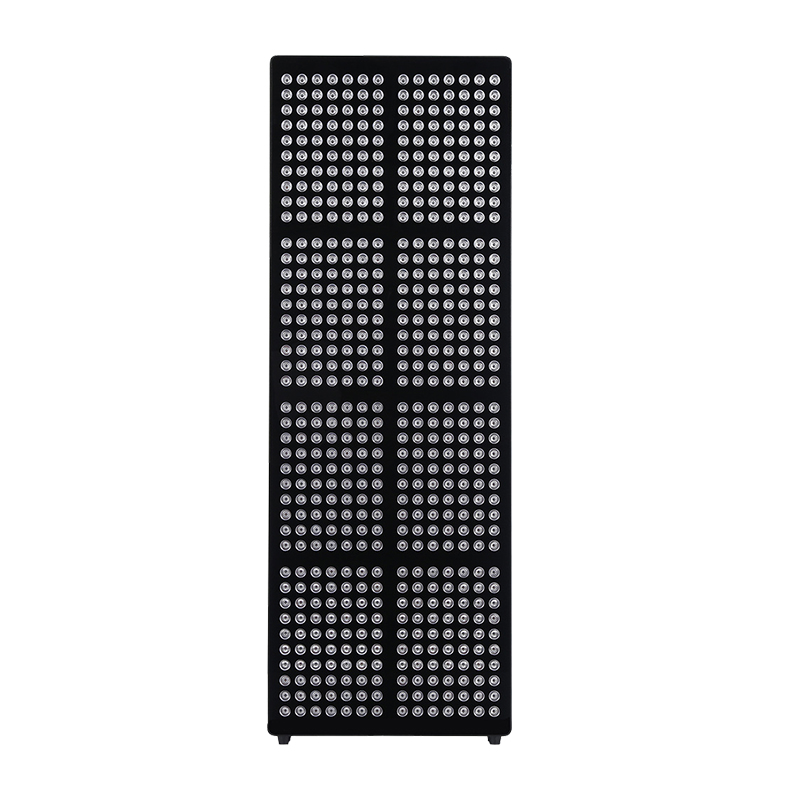
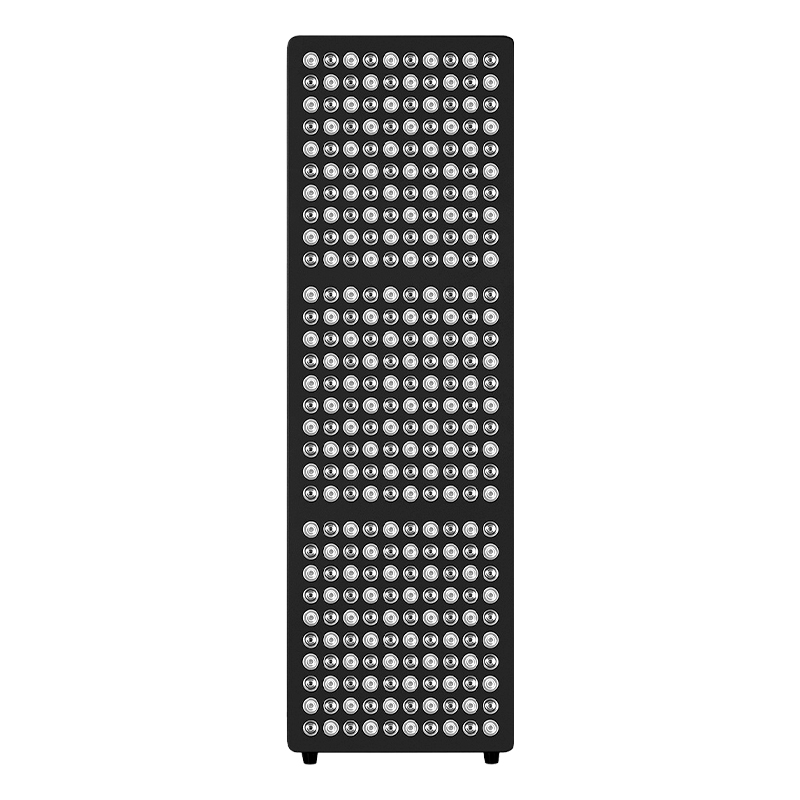
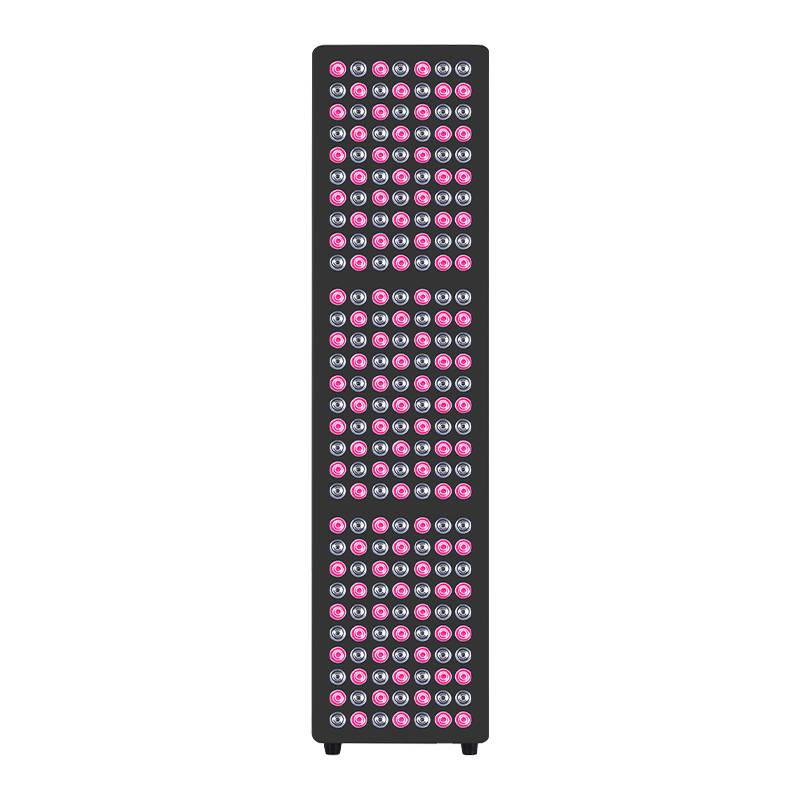
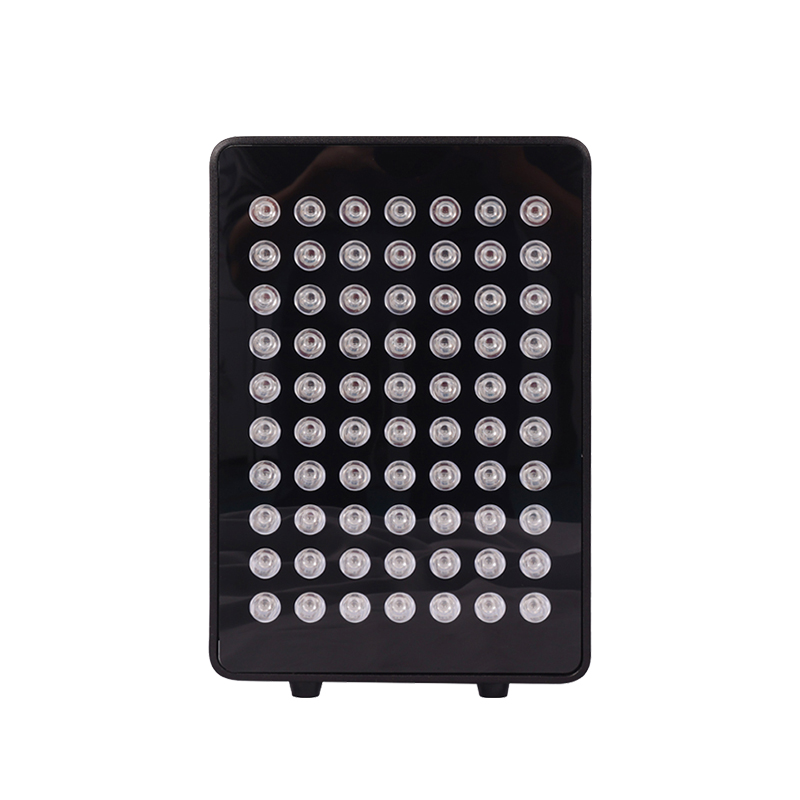
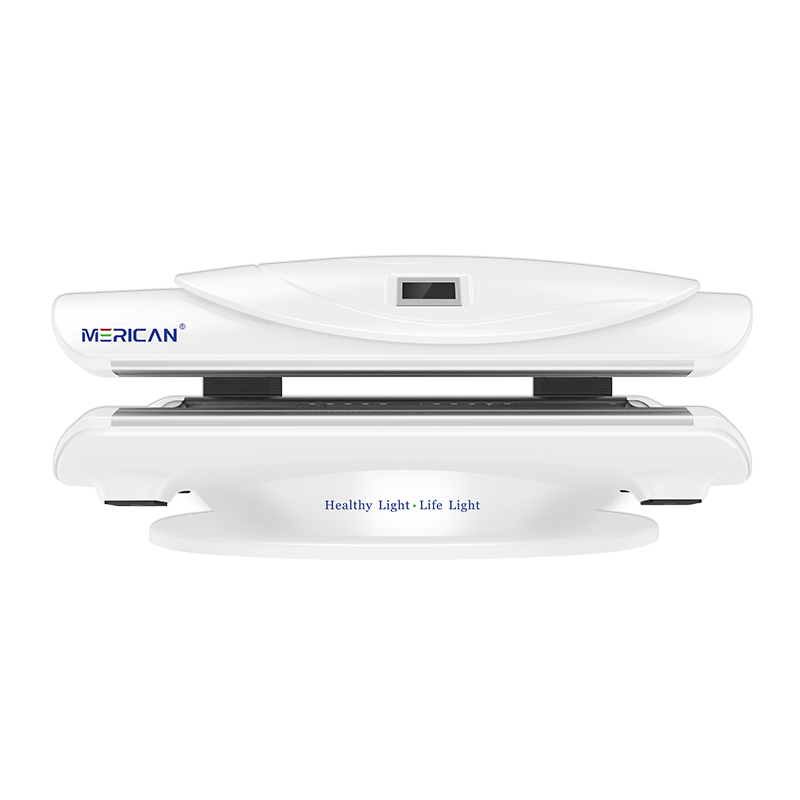
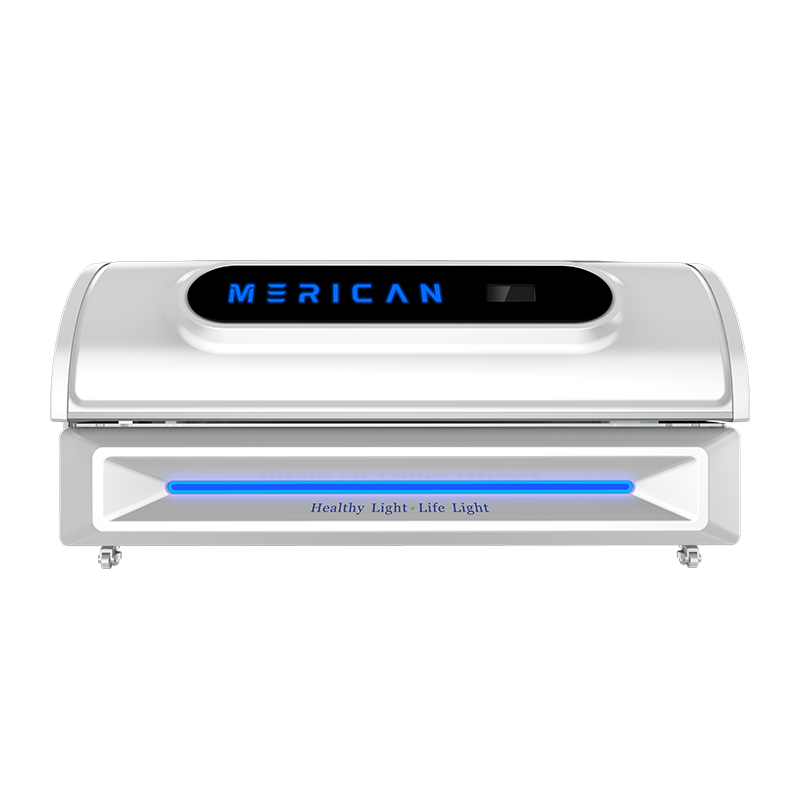
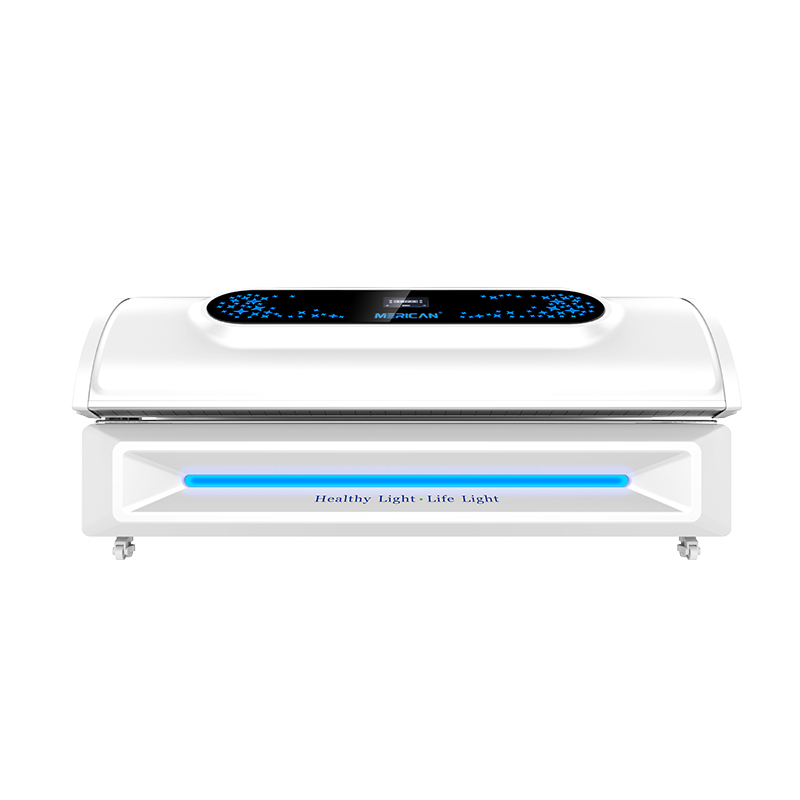
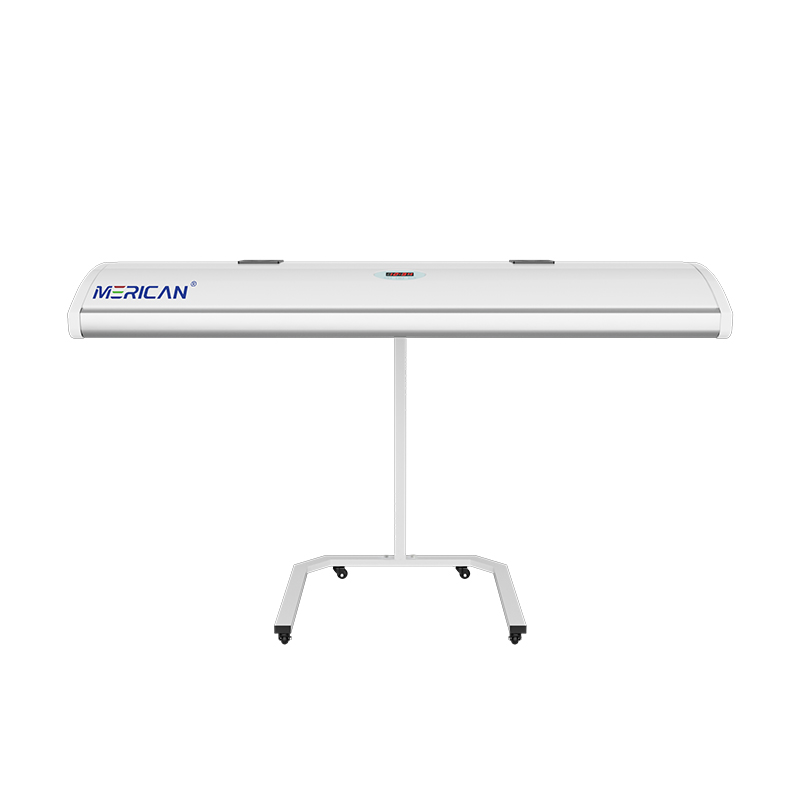
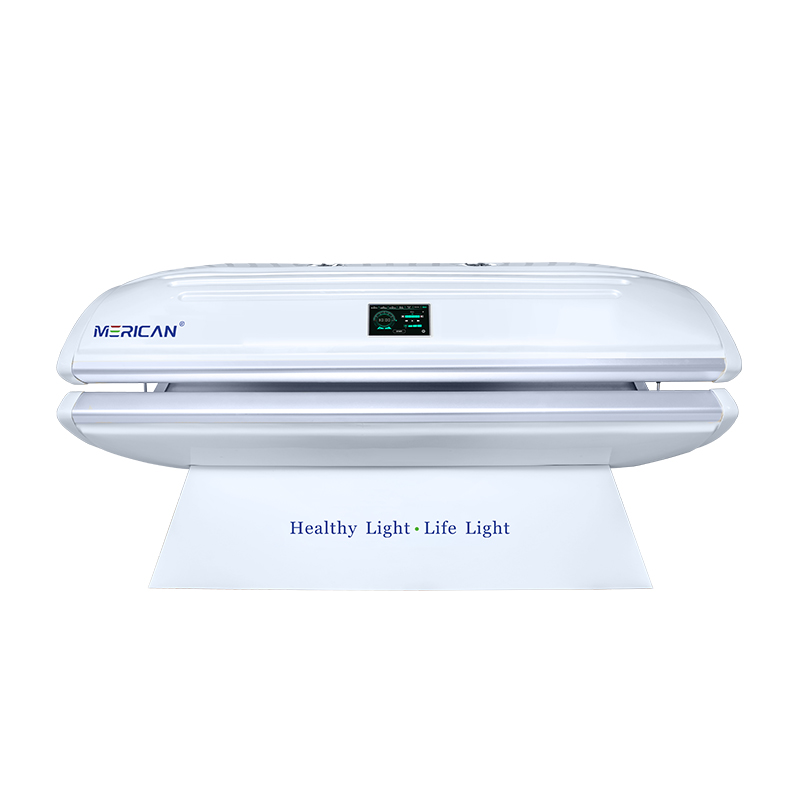
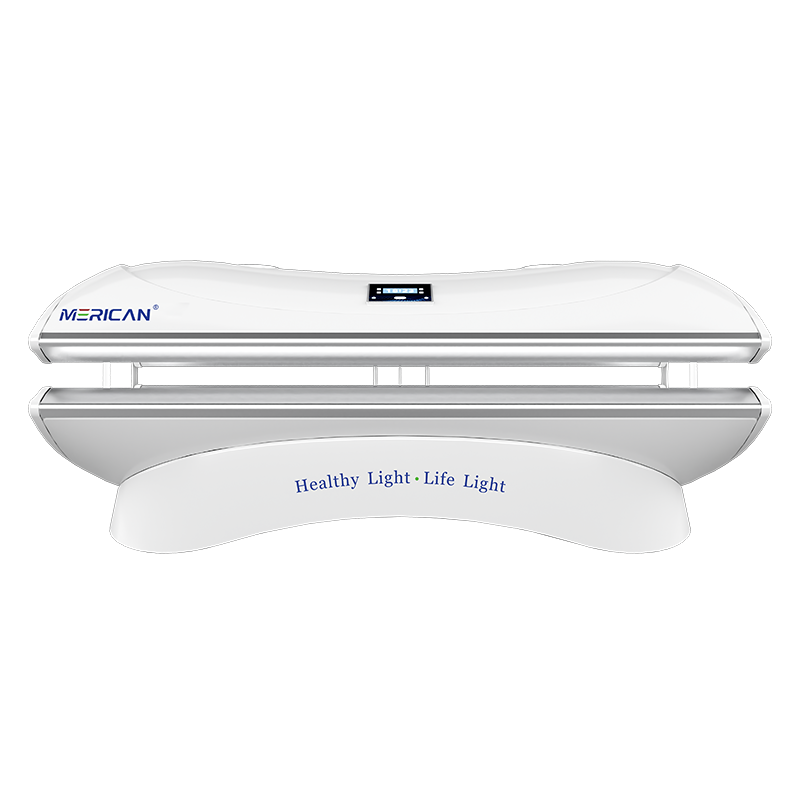
After undergoing Breast Augmentation, many patients seek ways to improve healing, reduce scarring, and enhance overall results. Red light therapy has emerged as a popular non-invasive option—but how effective is it for post-surgical recovery?
Why Recovery Support Matters
Breast augmentation recovery involves several stages:
- Initial inflammation and swelling
- Tissue repair and incision healing
- Scar formation and remodeling
Supporting these processes can help improve both comfort and aesthetic outcomes.
How Red Light Therapy Supports Healing
Red light therapy works at a cellular level, making it a valuable tool for recovery support.
1. Reduces Inflammation
Post-surgical swelling and discomfort are common. Red light therapy helps calm inflammatory responses, potentially reducing recovery time.
2. Promotes Collagen Production
Collagen is essential for wound healing and skin structure. Increased collagen may improve incision healing and reduce visible scarring.
3. Enhances Blood Circulation
Improved circulation helps deliver oxygen and nutrients to healing tissues.
4. Supports Scar Improvement
Over time, red light therapy may help soften and reduce the appearance of scars.
What It Cannot Do
While beneficial, red light therapy has limitations:
- It does not change implant size or position
- It does not replace proper surgical care
- It cannot prevent all complications
When to Start Using Red Light Therapy
Timing is crucial. Most patients should:
- Wait several weeks post-surgery
- Begin only after medical clearance
- Start with short, gentle sessions
Who Can Benefit Most?
Red light therapy may be especially helpful for:
- Individuals prone to visible scarring
- Patients experiencing prolonged swelling
- Those looking to enhance skin quality post-surgery
Combining with Other Recovery Strategies
For optimal results, combine red light therapy with:
- Proper wound care
- Compression garments (if recommended)
- Adequate nutrition and hydration
- Follow-up appointments with your surgeon
Final Thoughts
Red light therapy can be a valuable addition to your post-breast augmentation recovery plan. While it won’t replace medical care, it may enhance healing, reduce inflammation, and improve skin appearance when used correctly and at the right time.