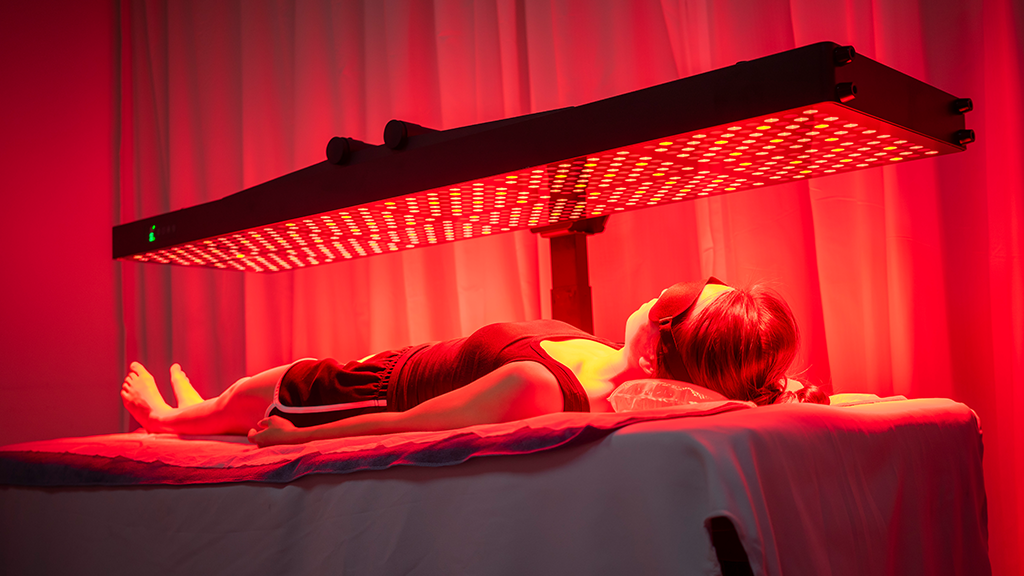
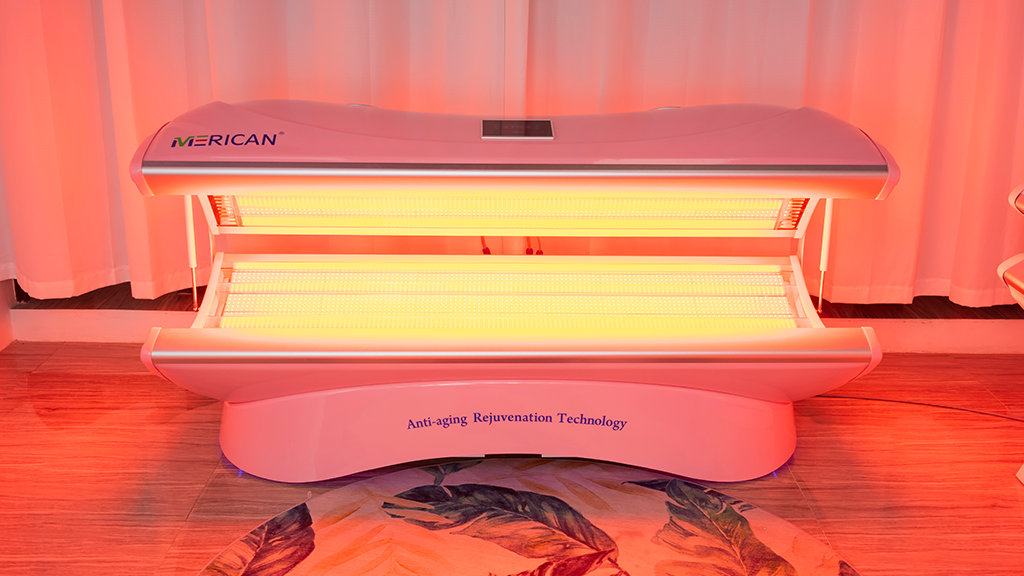
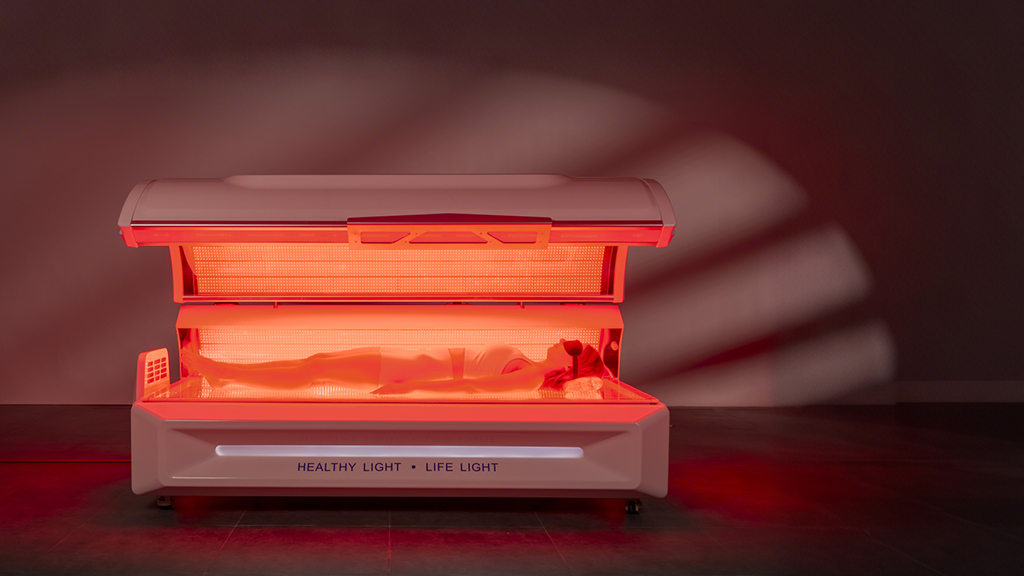
Collagen is the foundation of youthful, healthy skin. As we age, collagen production naturally declines, leading to wrinkles, sagging, and loss of elasticity. This has led many people to explore non-invasive treatments like red light therapy—but can it really boost collagen?
The answer is: yes, red light therapy may help stimulate collagen production, making it a popular option for anti-aging and skin rejuvenation.
What Is Collagen and Why Does It Matter?
Collagen is the most abundant protein in the human body. It provides structure, firmness, and elasticity to the skin.
As collagen levels decrease due to aging, sun exposure, and environmental stressors, the skin begins to show signs of aging, including:
- Fine lines and wrinkles
- Sagging skin
- Thinner, less resilient texture
Maintaining collagen levels is key to preserving a youthful appearance.
How Red Light Therapy Stimulates Collagen
Red light therapy (typically 630–660nm) works at a cellular level to improve skin function.
1. Activation of Fibroblasts
Fibroblasts are the cells responsible for producing collagen. Red light therapy stimulates these cells, encouraging increased collagen synthesis.
2. Increased Cellular Energy (ATP)
By boosting mitochondrial activity, red light provides cells with more energy to repair and regenerate tissue.
3. Improved Blood Circulation
Better circulation delivers oxygen and nutrients needed for collagen production.
4. Reduced Inflammation
Chronic inflammation can break down collagen. Red light therapy helps protect existing collagen by reducing inflammatory processes.
What Results Can You Expect?
With consistent use, red light therapy may lead to:
- Smoother skin texture
- Reduction in fine lines and wrinkles
- Improved skin firmness
- More even skin tone
Most users begin to notice improvements after 4–8 weeks, with more visible results over time.
Is It as Effective as Other Treatments?
Red light therapy is less aggressive than treatments like:
- Laser resurfacing
- Chemical peels
- Microneedling
However, it has key advantages:
- Non-invasive
- No downtime
- Suitable for regular use
It’s best viewed as a gradual, maintenance-focused solution rather than a dramatic, one-time fix.
How to Maximize Collagen Production
To enhance results:
- Use red light therapy 3–5 times per week
- Keep sessions around 10–20 minutes
- Combine with collagen-supporting skincare (e.g., vitamin C)
- Protect skin with sunscreen to prevent collagen breakdown
Who Benefits Most?
Red light therapy is ideal for:
- Individuals with early signs of aging
- People seeking non-invasive anti-aging treatments
- Those wanting to maintain skin health long-term
Limitations to Keep in Mind
- Results take time and consistency
- It cannot fully replace lost collagen in advanced aging
- Device quality and wavelength accuracy matter
Final Thoughts
Red light therapy offers a scientifically supported way to support collagen production and improve skin health over time. While it won’t deliver instant transformation, consistent use can lead to smoother, firmer, and more youthful-looking skin.