Light-based therapies are becoming increasingly popular for pain relief, skin rejuvenation, and recovery. Among them, two commonly compared options are cold laser therapy and red light therapy. While they are often used interchangeably, they are not exactly the same.
So, what’s the difference between cold laser therapy and red light therapy—and which one is better for your needs?
What Is Cold Laser Therapy?
Cold laser therapy, also known as low-level laser therapy (LLLT), uses focused laser light at specific wavelengths to stimulate tissue repair and reduce inflammation.
Unlike surgical lasers, it does not generate heat that damages tissue, which is why it is called “cold” laser. It is often used in clinical settings for:
- Pain management
- Injury recovery
- Joint and muscle conditions
- Physical therapy treatments
What Is Red Light Therapy?
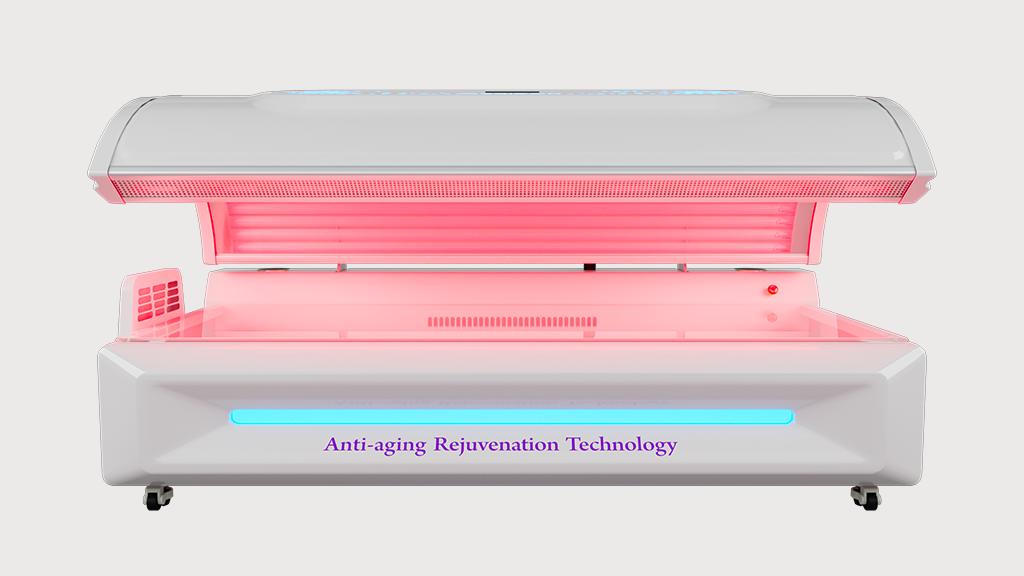
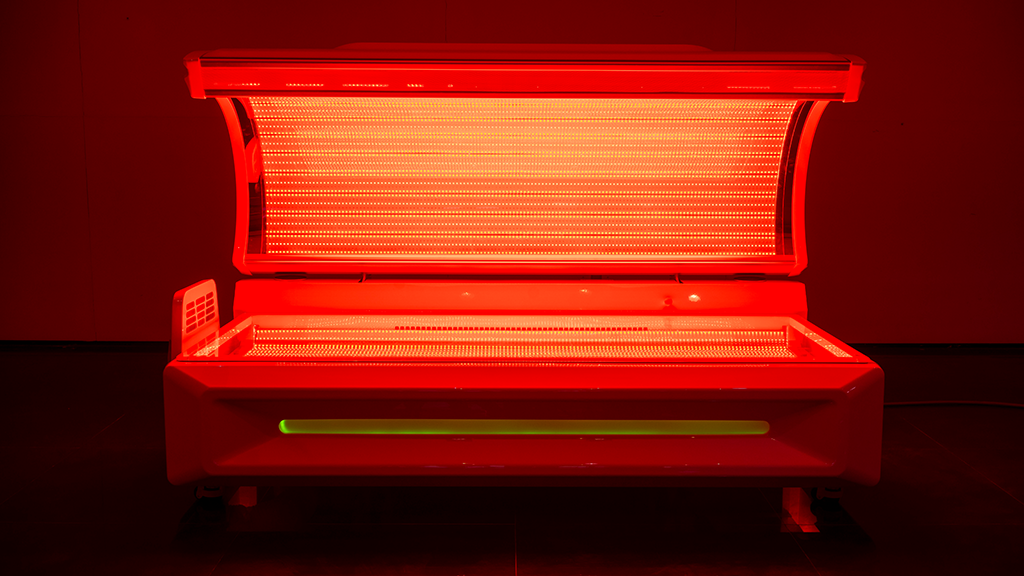
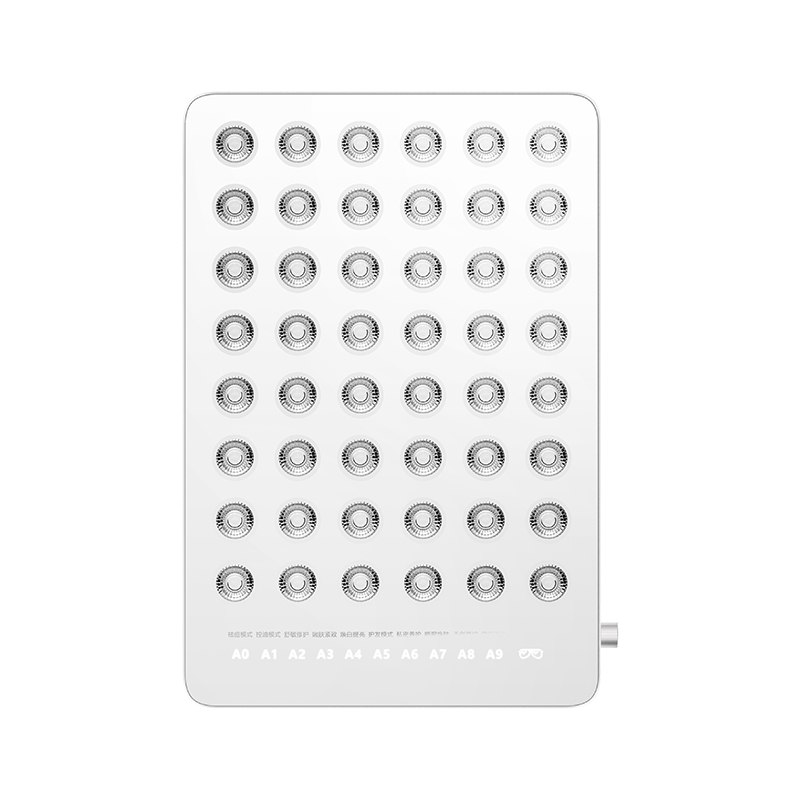
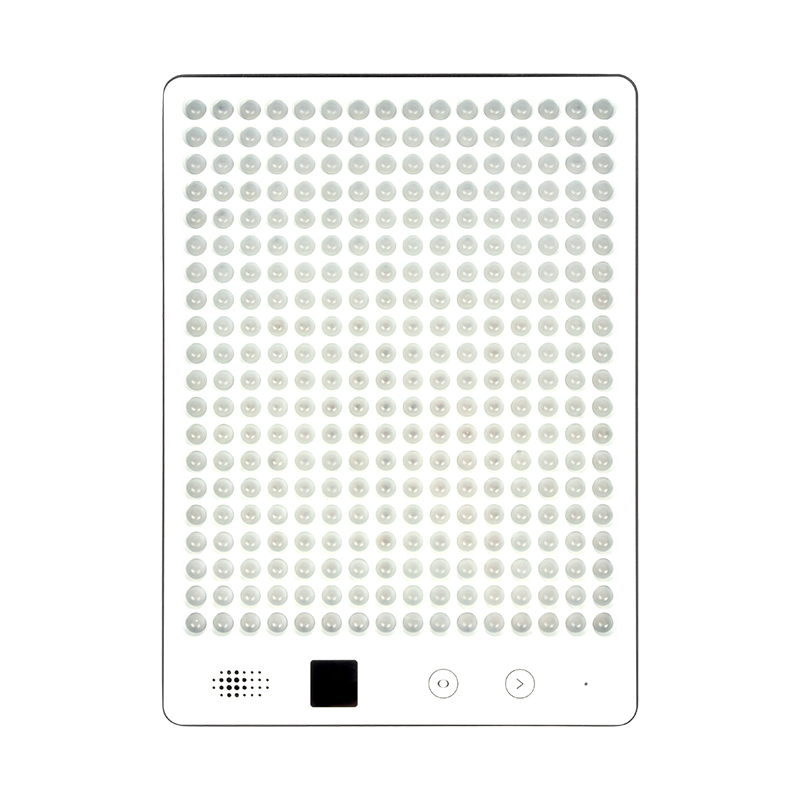
Red light therapy uses LED or laser-based light in the red and near-infrared spectrum (typically 630–850nm). It is commonly used for:
- Skin rejuvenation
- Anti-aging treatments
- Muscle recovery
- General wellness
Compared to cold laser therapy, it is more widely available for at-home use.
Key Differences Between Cold Laser and Red Light Therapy
1. Light Source and Delivery
- Cold Laser Therapy: Uses coherent, focused laser beams
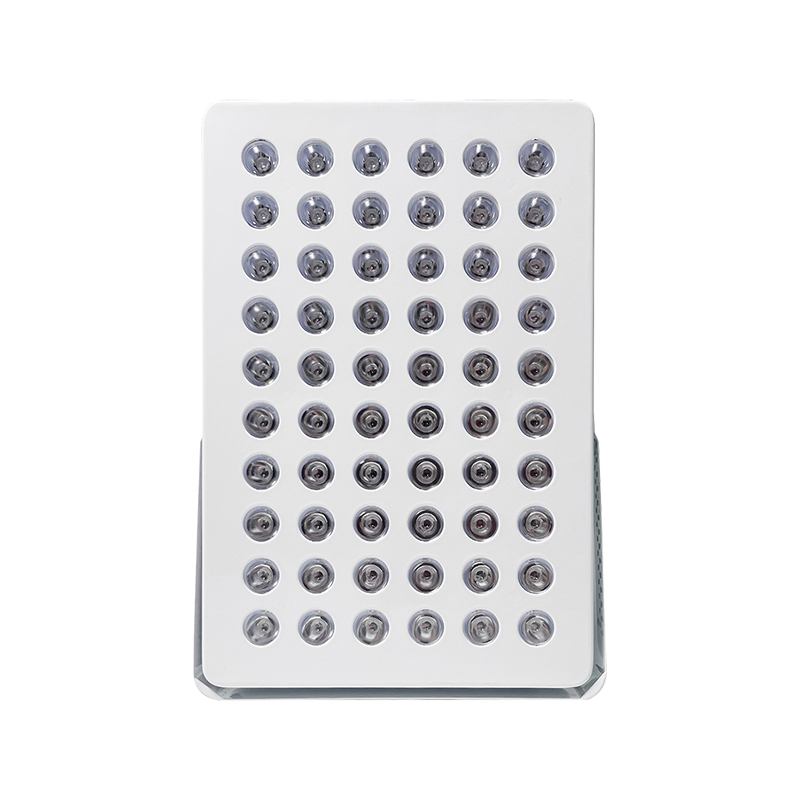
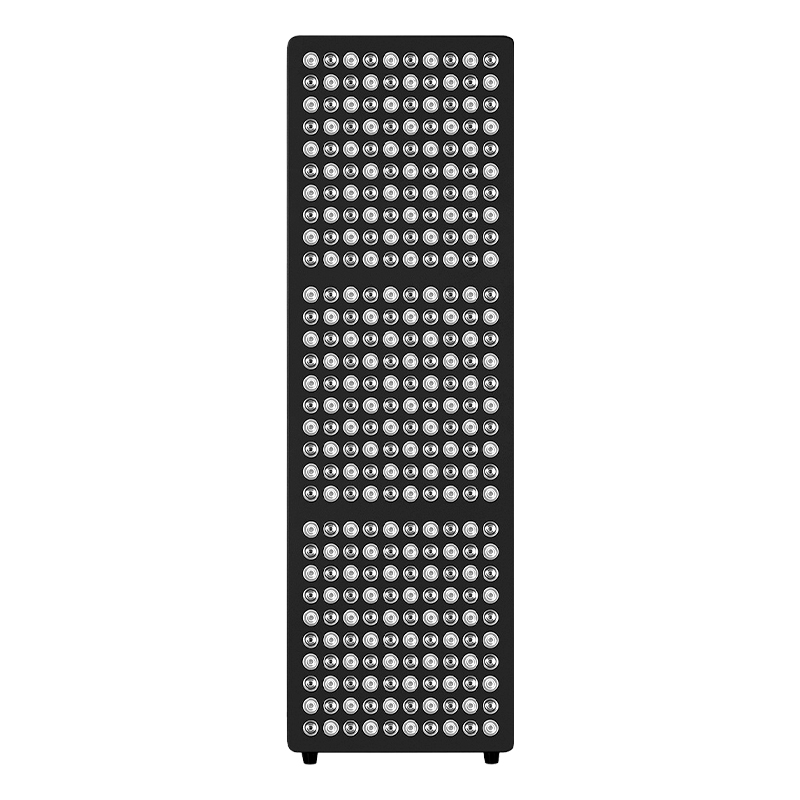
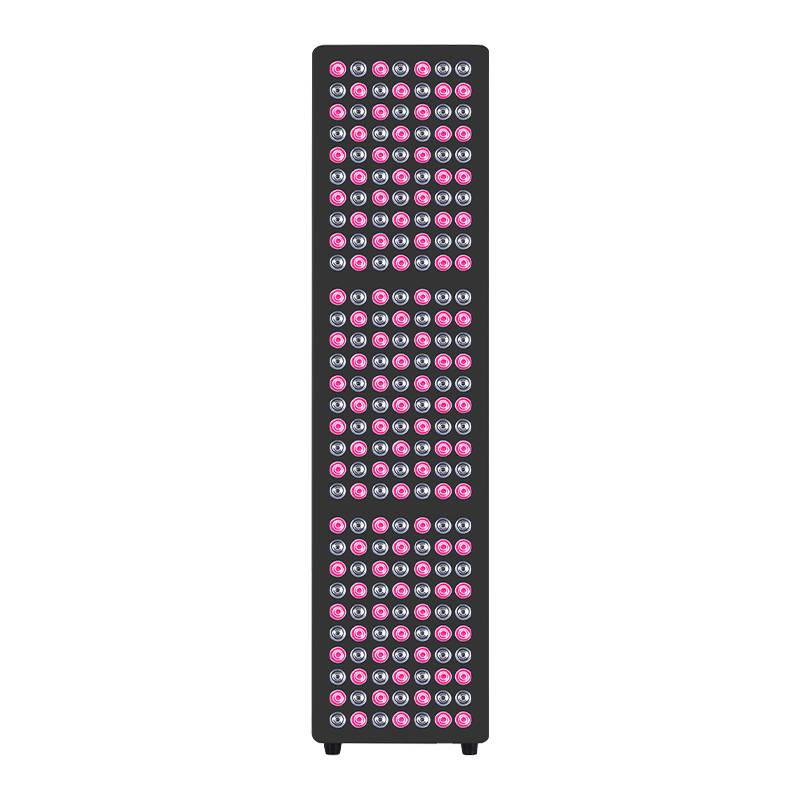
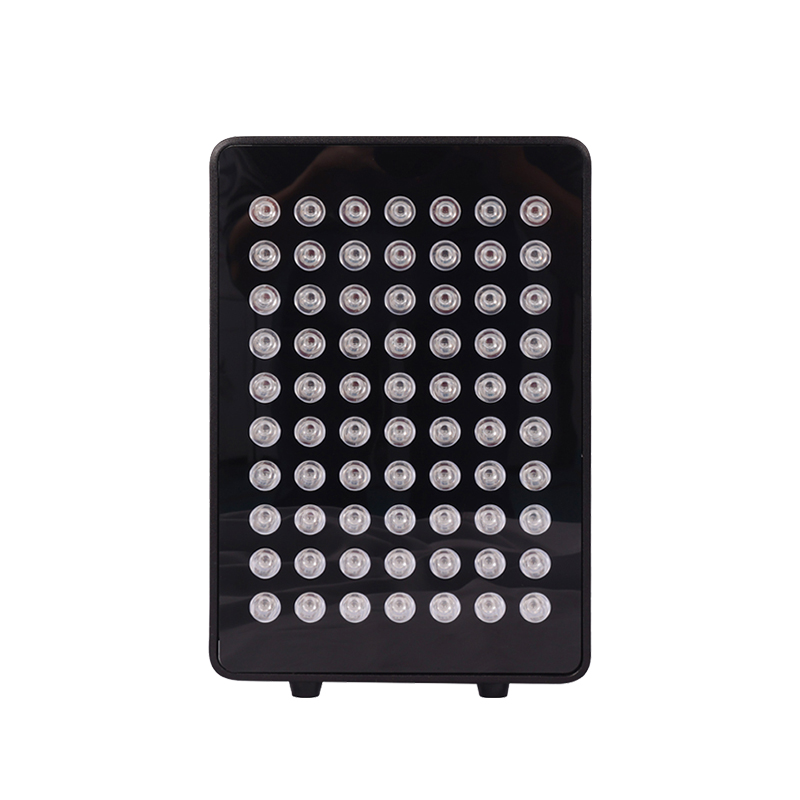
- Red Light Therapy: Typically uses LEDs or broader light sources
Laser light is more concentrated, while LED light is more diffused.
2. Treatment Precision
- Cold laser therapy is highly targeted, ideal for specific injuries or pain points
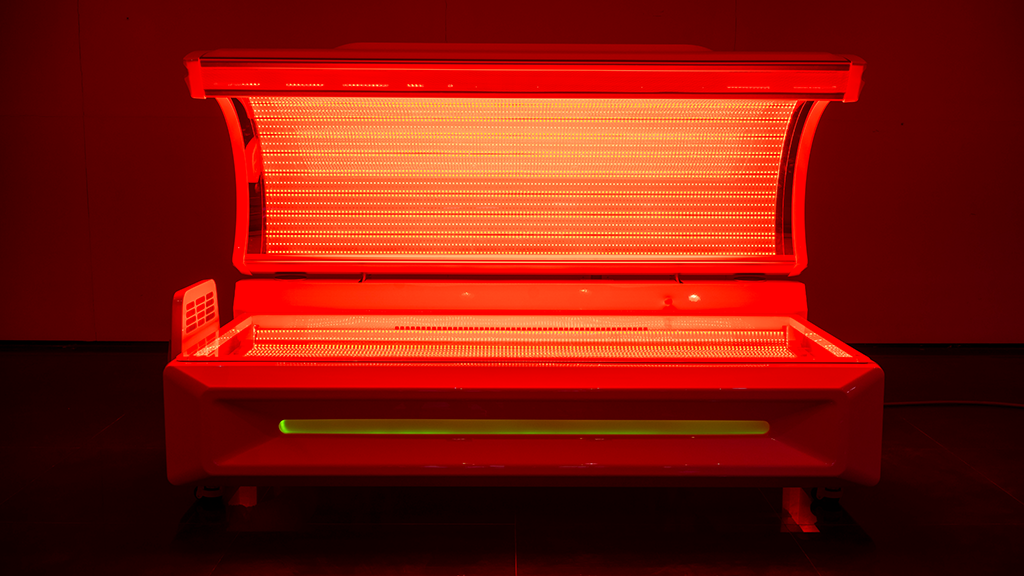
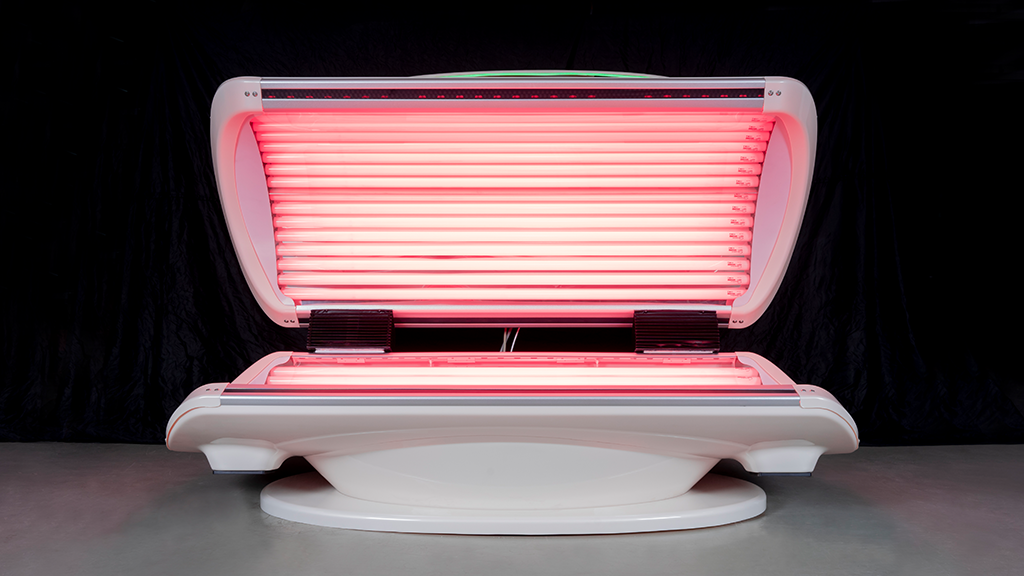
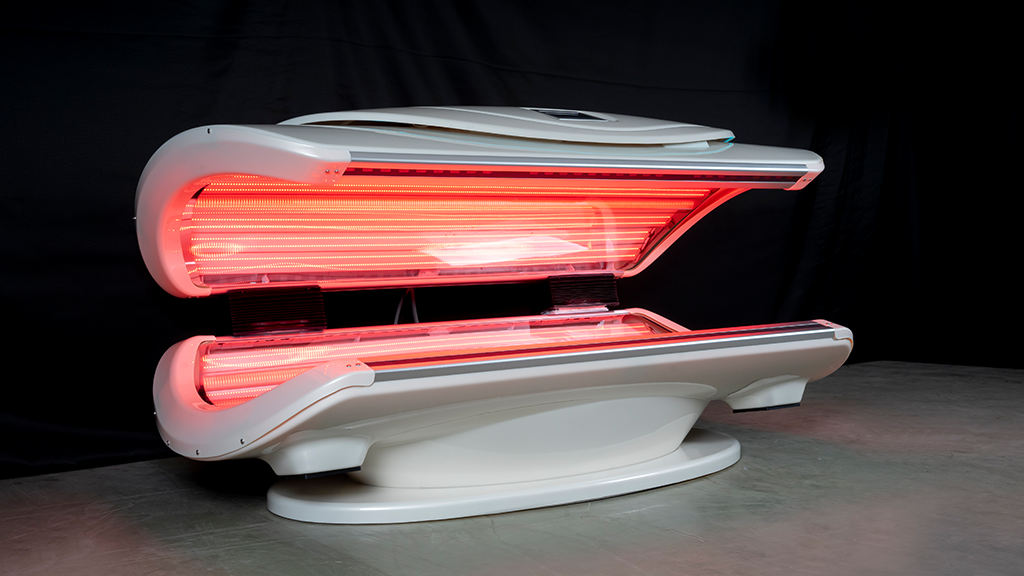
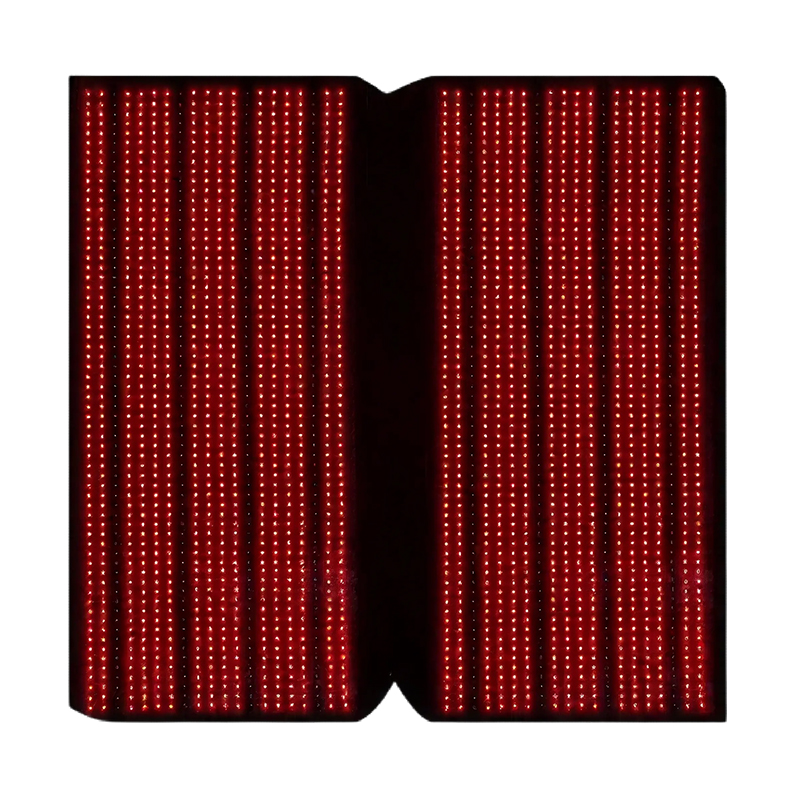
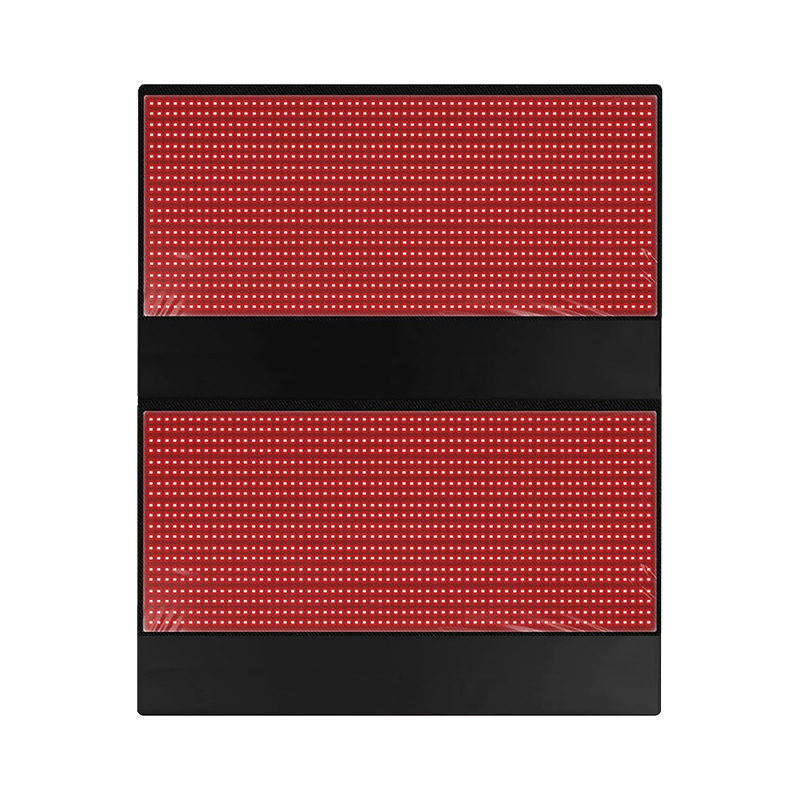
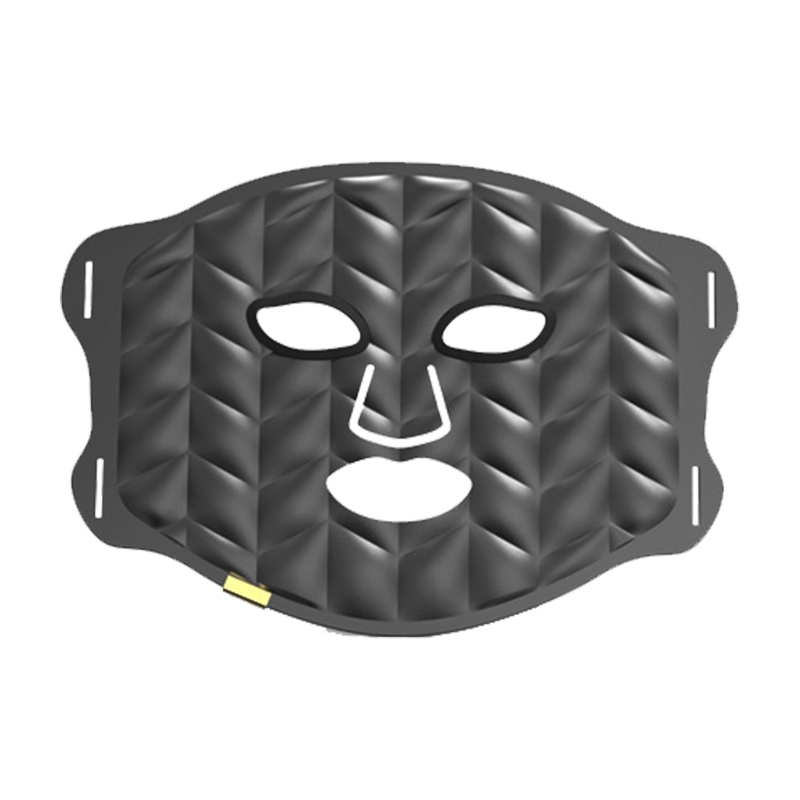
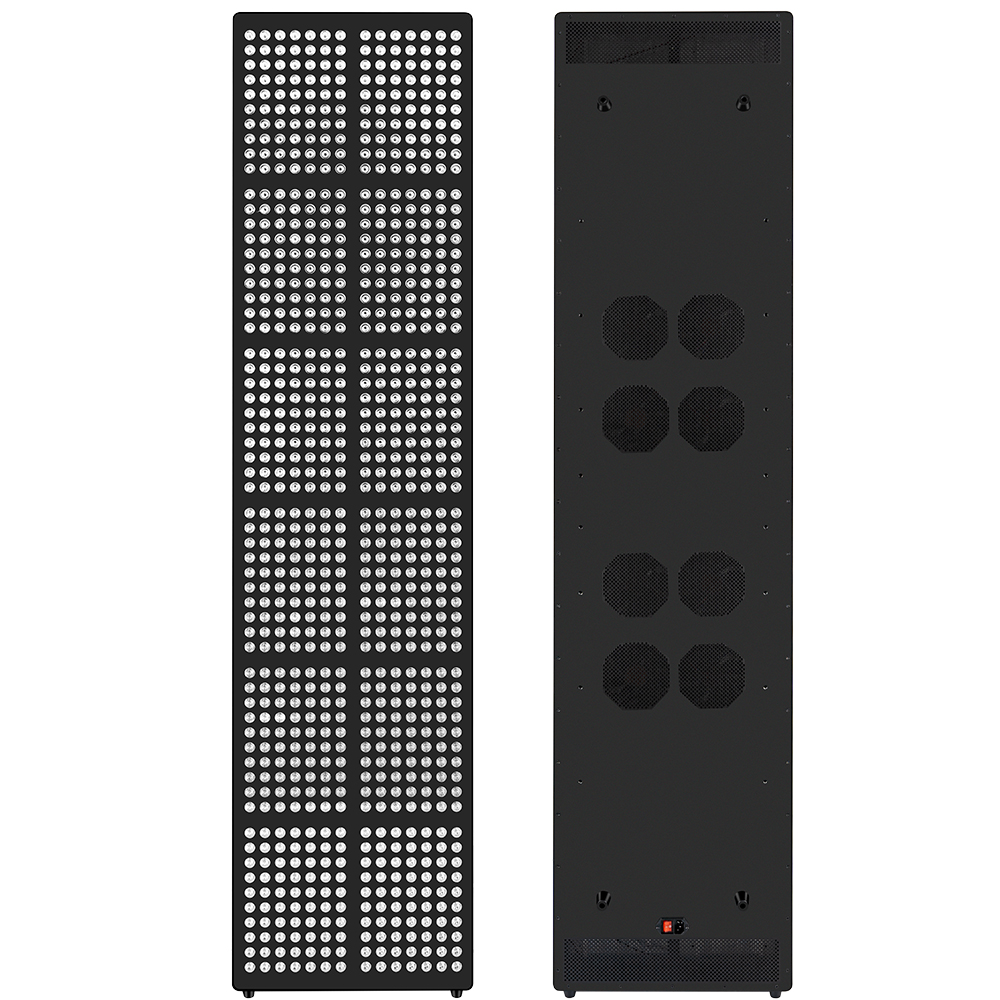
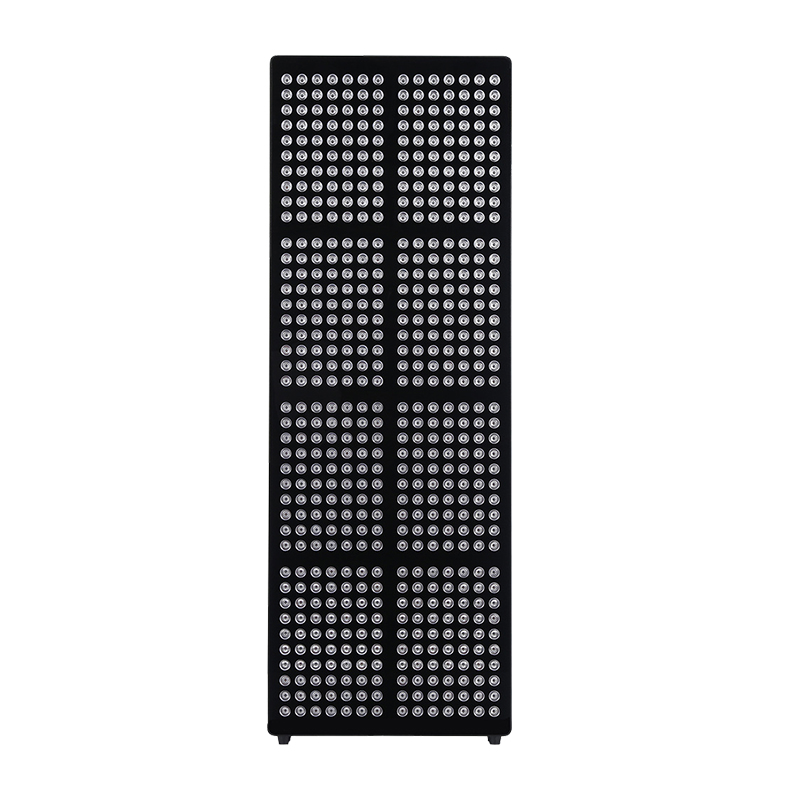
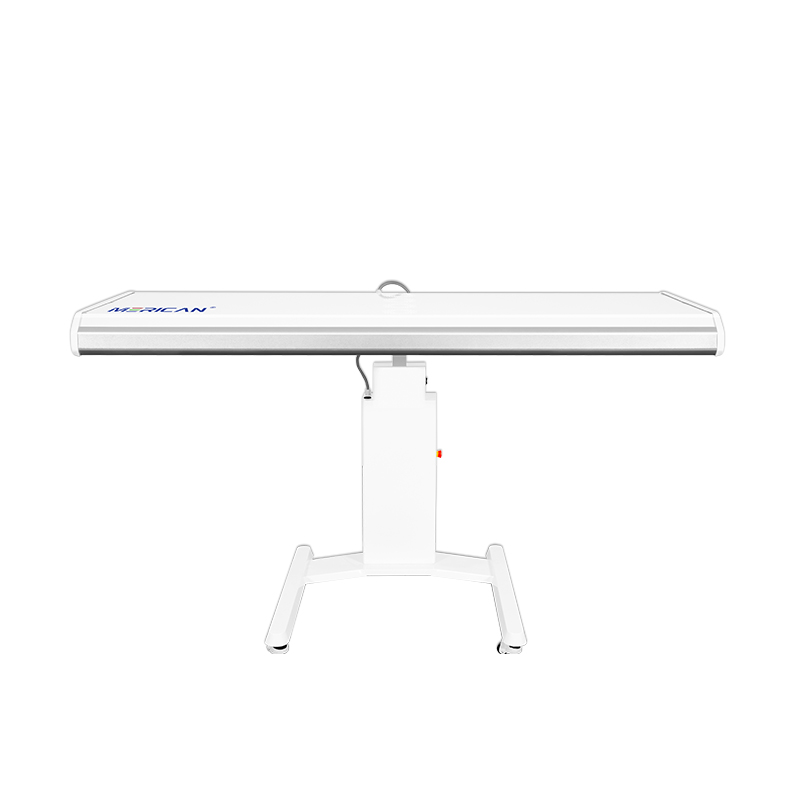
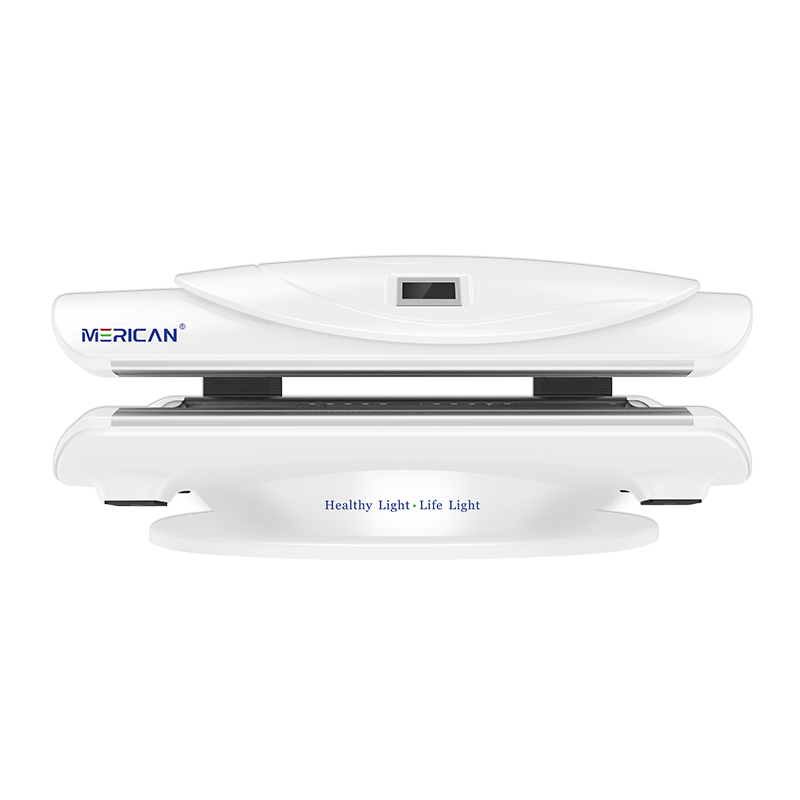
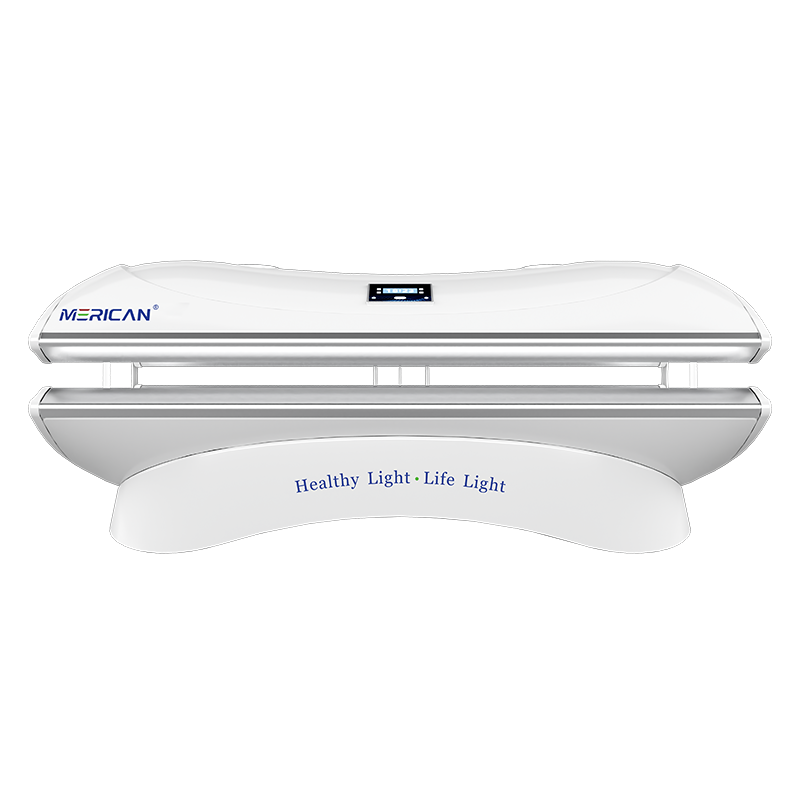
- Red light therapy is better for larger surface areas, such as the face or full body
3. Intensity and Penetration
- Cold laser devices may deliver higher energy to a precise area
- Red light therapy provides gentler, broader coverage
Both can penetrate the skin, but their depth and concentration differ.
4. Common Use Cases
Cold Laser Therapy:
- Chronic pain
- Sports injuries
- Joint inflammation
Red Light Therapy:
- Skin care and anti-aging
- Hair growth
- Muscle recovery
- General wellness
5. Accessibility
- Cold laser therapy is often performed in clinics or physical therapy centers
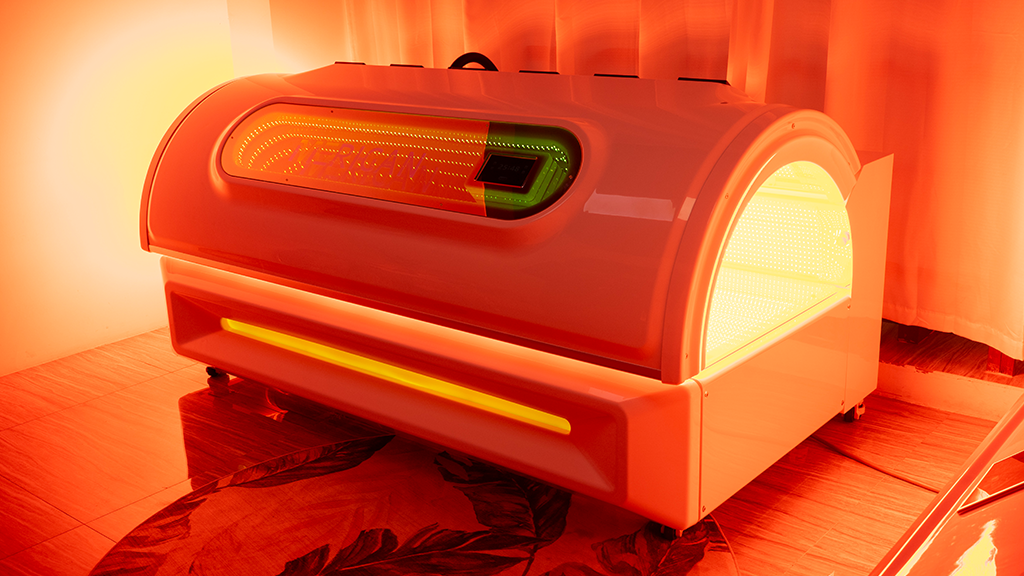
- Red light therapy is widely available for home use devices
Which One Works Better?
The answer depends on your goal:
- For targeted pain relief or injury treatment, cold laser therapy may be more effective
- For skin improvement or full-body wellness, red light therapy is often more practical
In many cases, both therapies rely on similar biological mechanisms—stimulating cellular energy and reducing inflammation—so they are more similar than different.
Can You Use Them Together?
Yes, in some treatment plans, cold laser therapy and red light therapy may be combined:
- Cold laser for targeted treatment
- Red light therapy for broader recovery and maintenance
This combination can provide both precision and coverage.
Safety Considerations
Both therapies are generally safe when used correctly, but:
- Avoid direct eye exposure
- Follow device guidelines
- Consult a professional for medical conditions
Final Thoughts
Cold laser therapy and red light therapy are closely related but serve slightly different purposes. One offers precision and clinical targeting, while the other provides convenience and broader application.
Choosing the right option depends on your specific goals—whether that’s pain relief, skin health, or overall recovery.