Tinnitus je vnímání zvonění, bzučení, syčící, nebo hučení v uších bez vnějšího zdroje. Postihuje miliony lidí na celém světě a může se pohybovat od mírných a příležitostných až po chronické a rušivé. Mezi běžné příčiny patří poškození sluchu způsobené hlukem, ztráta sluchu související s věkem, ušní infekce, oběhové problémy, stres, a neurologické faktory.
Jak roste zájem o neinvazivní wellness technologie, ptá se mnoho lidí: Can red light therapy help tinnitus? Zatímco terapie červeným světlem ano not a cure for tinnitus, nově vznikající výzkum naznačuje, že může nabídnout supportive benefits for certain individuals, depending on the underlying cause.
Co je terapie červeným světlem?
Terapie červeným světlem, také známý jako fotobiomodulace (PBM), používá nízkoúrovňové červené a blízké infračervené světlo – obvykle mezi 630 nm a 880 nm – ke stimulaci buněčné aktivity.
Unlike sound-based or drug therapies, red light therapy works by influencing cellular energy production, oběh, a regulaci zánětu. It is non-invasive and does not damage tissue when used correctly.
How Red Light Therapy May Support Tinnitus Management
Red light therapy does not directly eliminate tinnitus sounds, but it may help address contributing factors through several mechanisms:
1. May Improve Inner Ear Circulation
Some forms of tinnitus are linked to reduced blood flow in the cochlea and auditory pathways. Red light therapy may support microcirculation, helping deliver oxygen and nutrients to sensitive inner ear structures.
2. Supports Cellular Energy in Auditory Cells
Photobiomodulation stimulates mitochondrial ATP production, which may support the function and resilience of auditory hair cells and surrounding tissues.
3. Pomáhá snižovat zánět
Inflammation in the auditory system or surrounding tissues may contribute to tinnitus. Red light therapy has been studied for its anti-inflammatory and antioxidant effects, which may help reduce irritation.
4. May Support Nervous System Regulation
Tinnitus is often associated with heightened nervous system activity and stress. Red light therapy has been explored for its calming effects on the nervous system, which may help reduce tinnitus-related distress.
Co říká výzkum?
Research on photobiomodulation for tinnitus is still evolving. Some small clinical studies and pilot trials have explored low-level laser or red light therapy applied around the ear or mastoid area, with mixed results. Certain individuals reported reduced tinnitus intensity or improved quality of life, while others experienced minimal change.
Celkově, evidence remains limited and inconsistent, and red light therapy should be considered a complementary approach, není primární léčba.
How Red Light Therapy Is Typically Used for Tinnitus Support
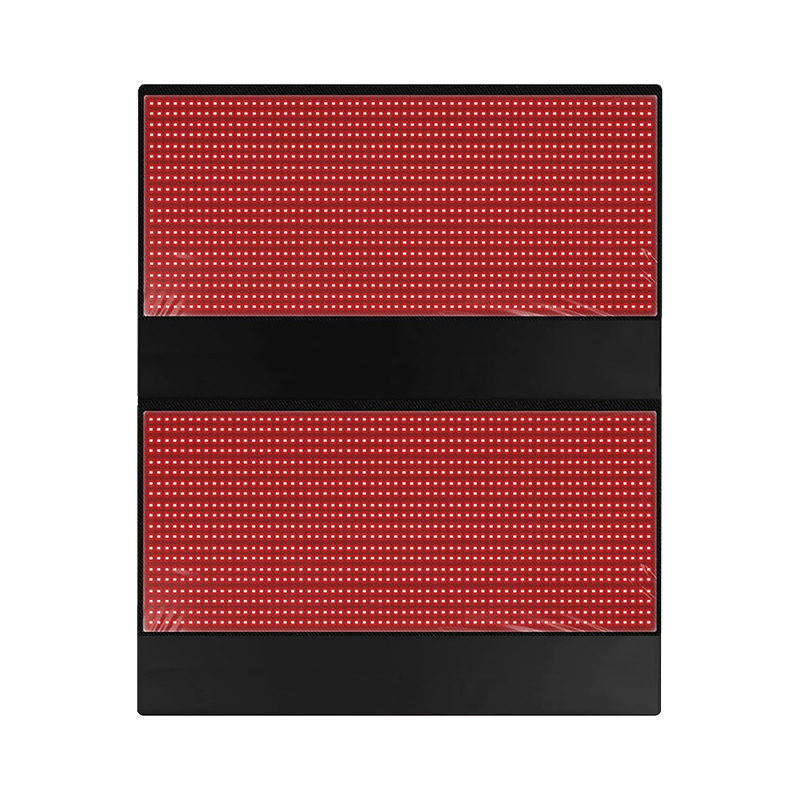
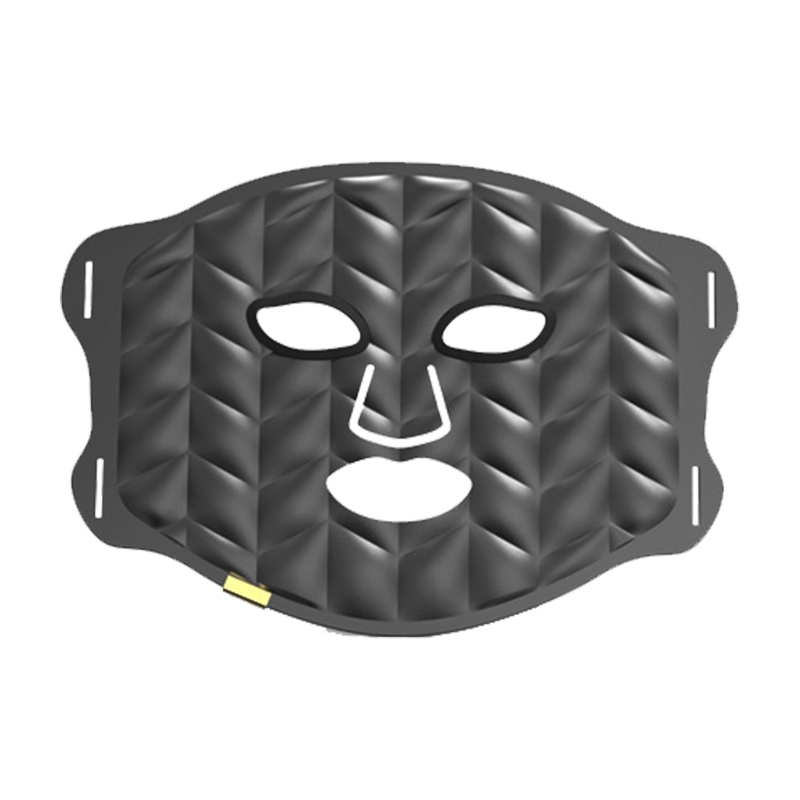
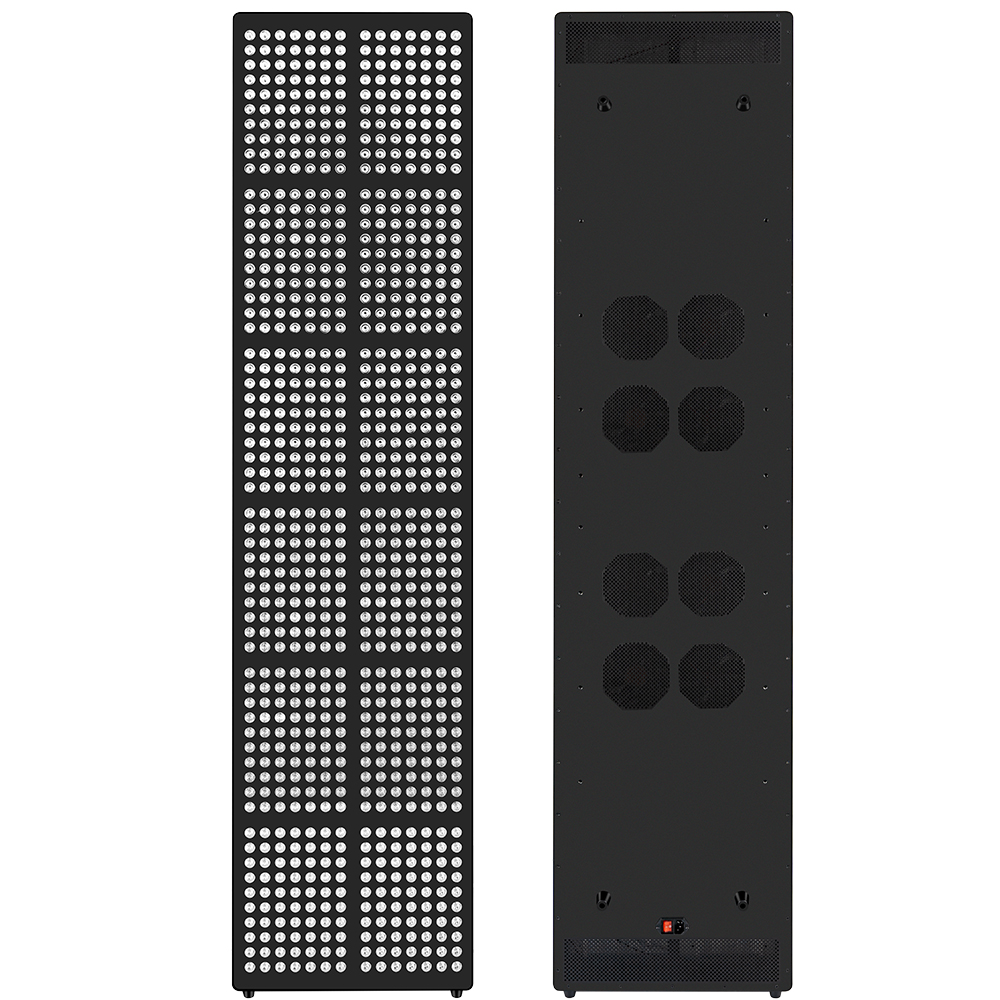
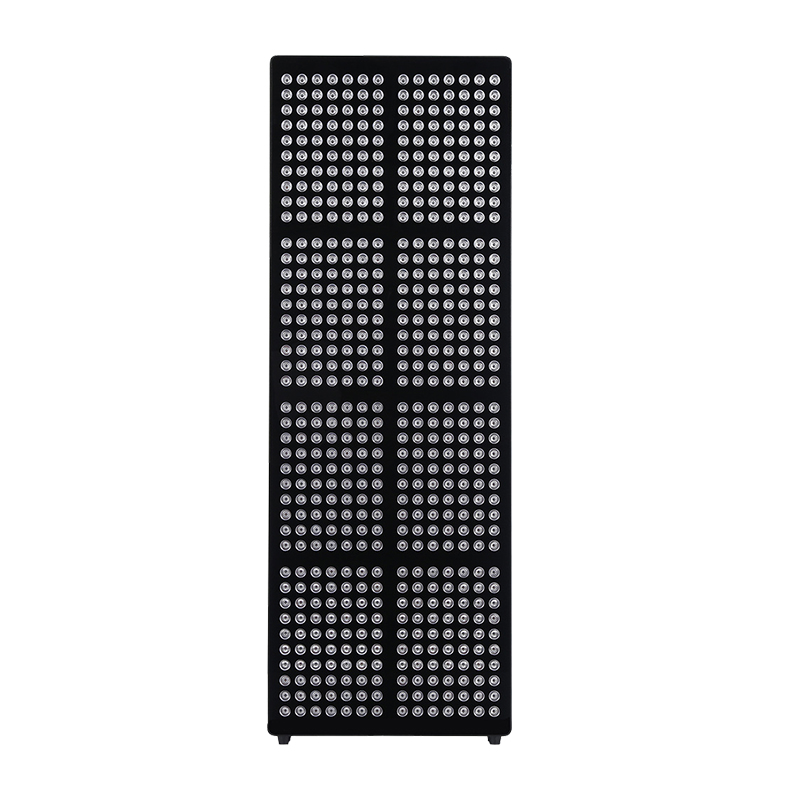
In research or wellness settings, red light therapy may be applied externally near the ear, jaw, or mastoid bone using low-power, targeted devices.
Mezi obecné zásady orientované na wellness patří:
- Vlnové délky: 630-660 nm (červený) and/or 810–850 nm (blízké infračervené)
- Délka relace: 5–10 minutes per area
- Frekvence: 2– 4 sezení týdně
- Oblasti použití: Around the ear or mastoid region (never inside the ear canal)
Professional guidance is strongly recommended due to the sensitivity of the auditory system.
Bezpečnost a důležitá hlediska
- Terapie červeným světlem ano not repair hearing loss or nerve damage
- Sudden-onset tinnitus, one-sided tinnitus, závrať, or hearing loss requires medical evaluation
- Avoid directing light into the ear canal
- Red light therapy should not delay diagnosis or treatment of underlying conditions
Always consult an ENT specialist or audiologist before starting any new therapy for tinnitus.
Závěrečné myšlenky
Tak, can red light therapy help tinnitus? Current evidence suggests it may offer supportive benefits for some individuals by improving circulation, supporting cellular health, snížení zánětu, and calming nervous system responses—but it is není lék and does not work for everyone.
For those seeking a gentle, non-invasive way to support overall ear and nervous system wellness, red light therapy may be considered as part of a comprehensive tinnitus management plan that includes hearing evaluation, zvukovou terapii, zvládání stresu, a lékařským vedením.
FAQ
Q: Can red light therapy cure tinnitus?
A: Žádný. Tinnitus has many causes, and red light therapy cannot cure it.
Q: Is red light therapy safe near the ears?
A: When used externally and properly, it is generally considered safe, but professional guidance is advised.
Q: How long before results may appear?
A: Some users report changes within several weeks, while others may not notice improvement.