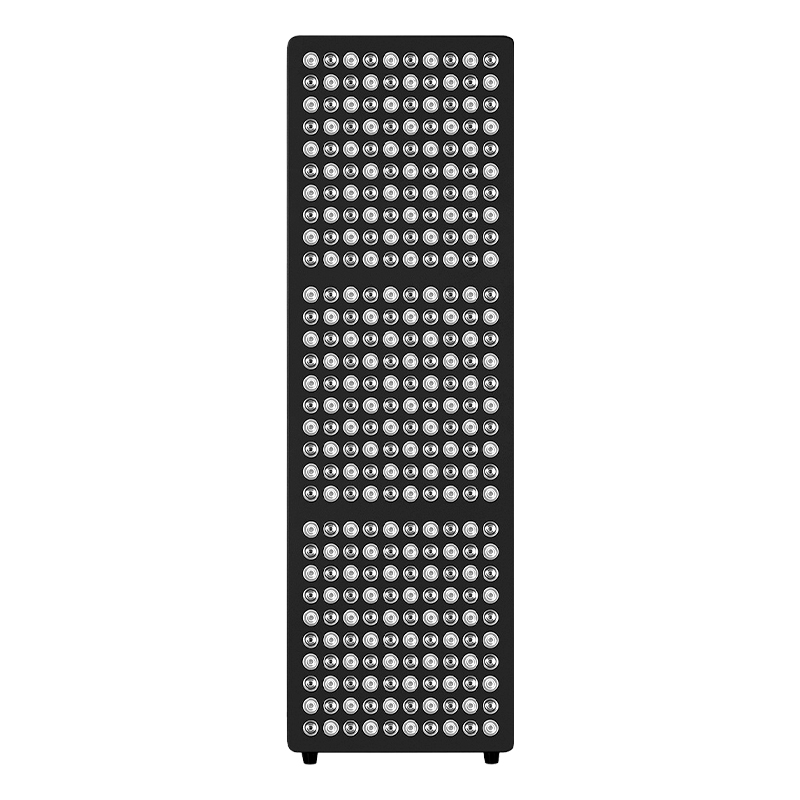
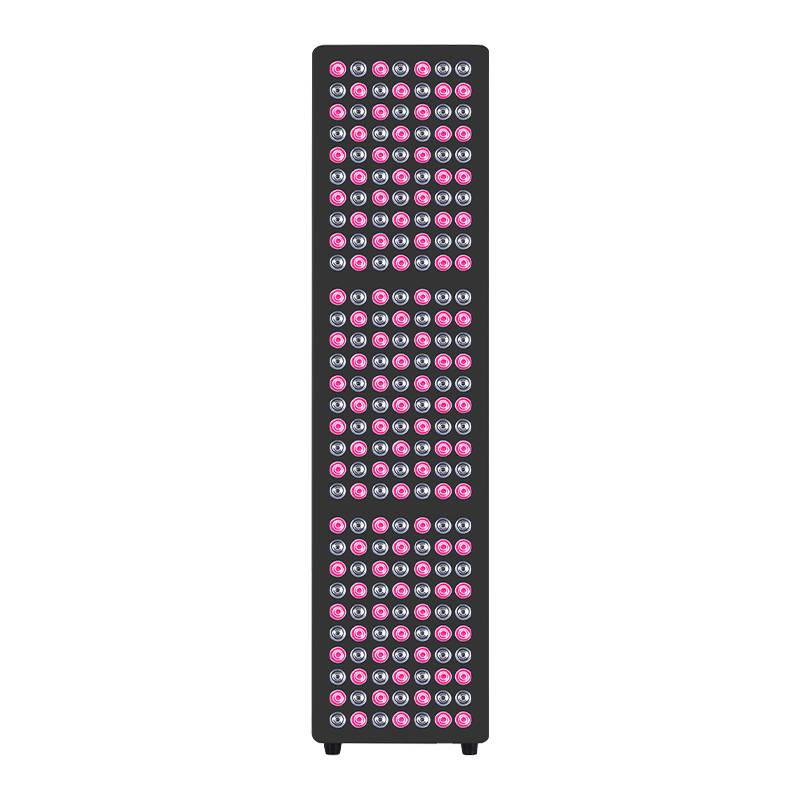
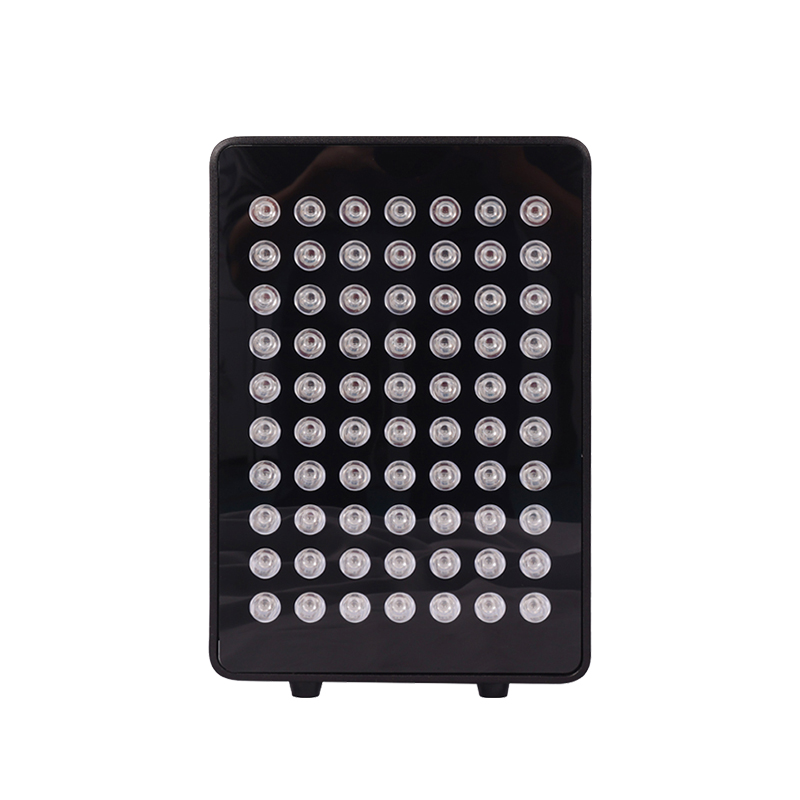
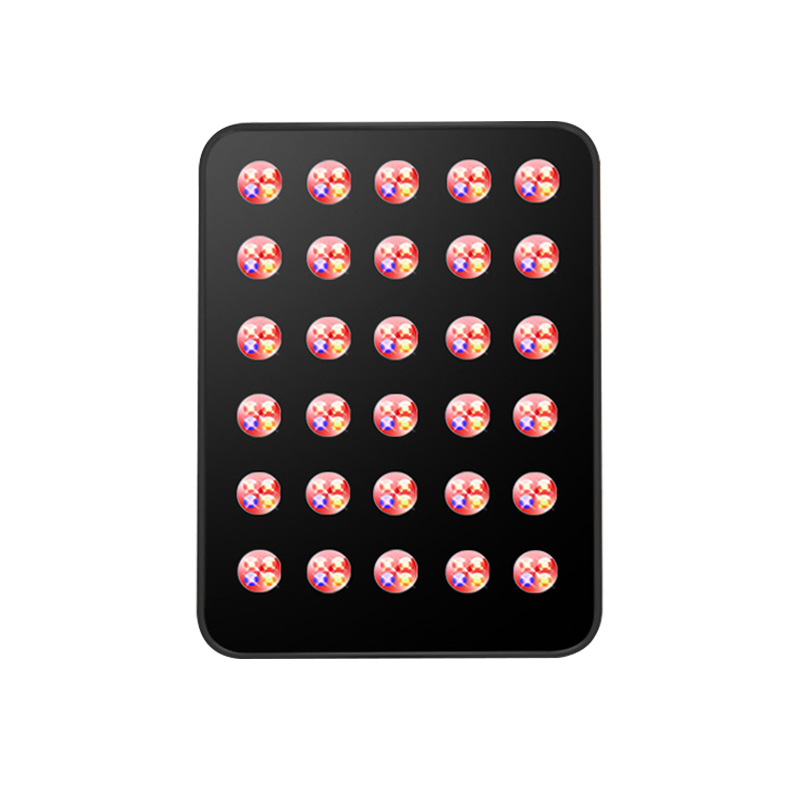
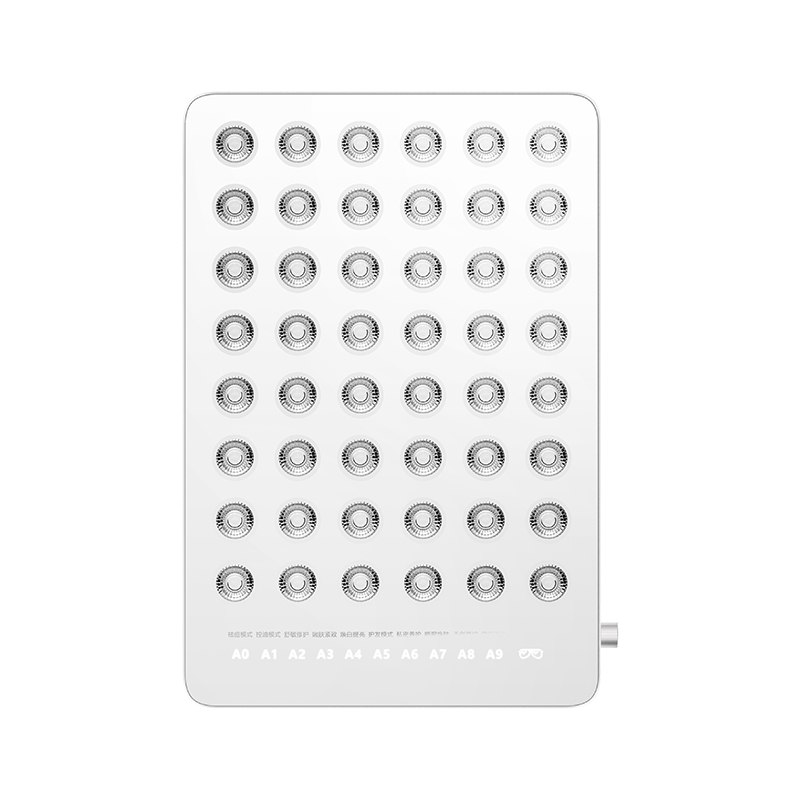
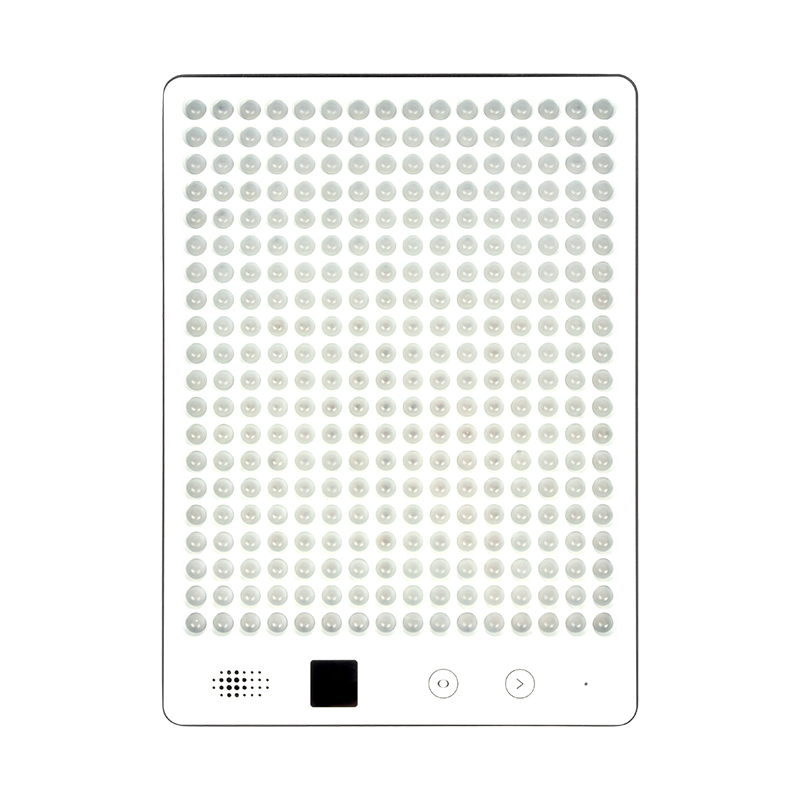
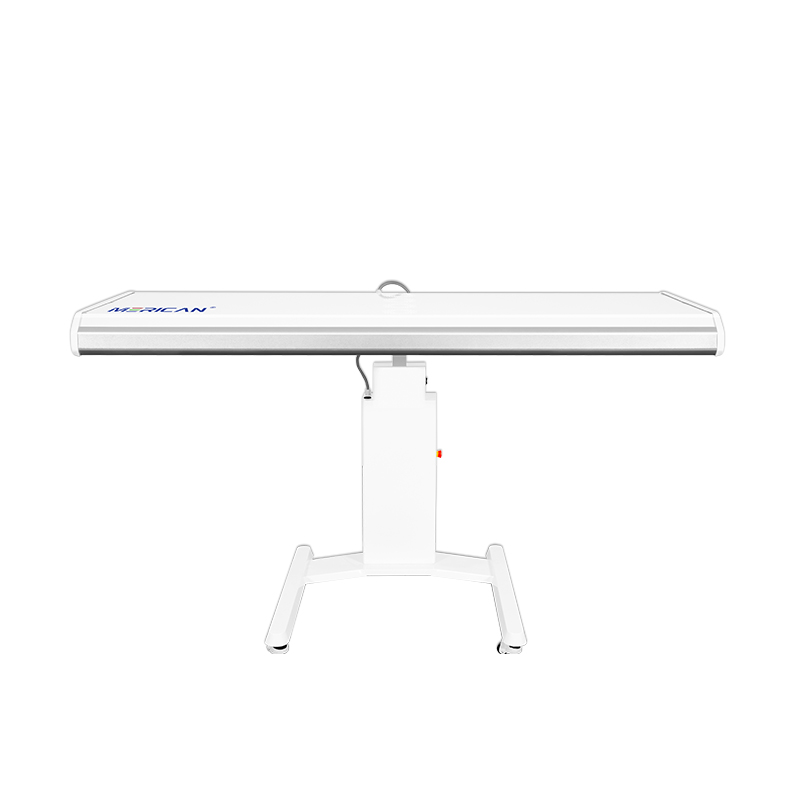
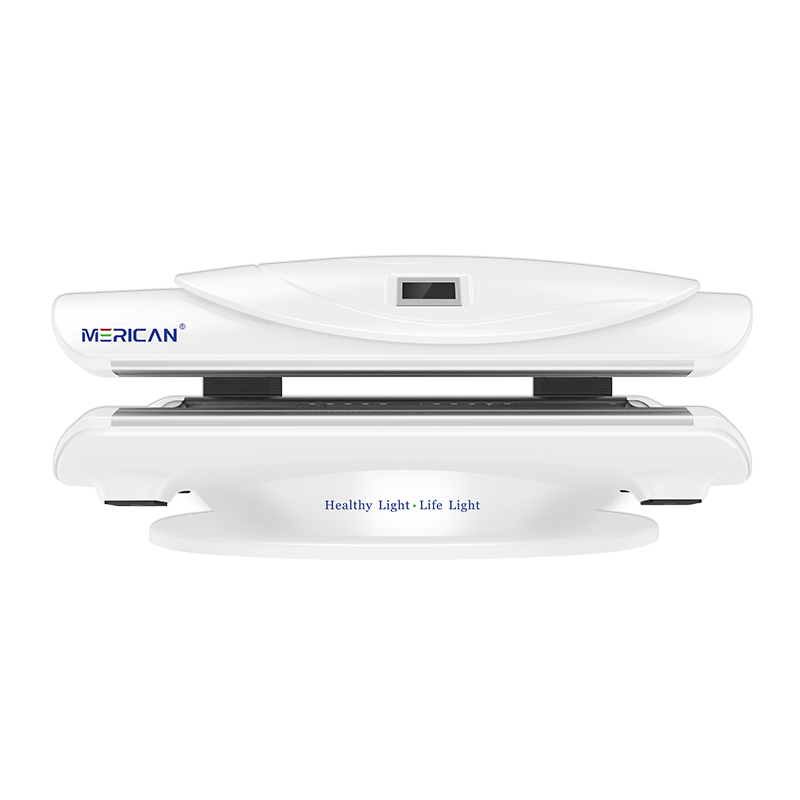
Is é tinnitus an dearcadh atá ag glaoch, buzzing, hiss, nó fuaimeanna cromáin sna cluasa gan foinse sheachtrach. Bíonn tionchar aige ar na milliúin daoine ar fud an domhain agus is féidir leis a bheith idir éadrom agus ócáideach agus ainsealach agus suaiteach. I measc na gcúiseanna coitianta tá damáiste éisteachta de bharr torainn, caillteanas éisteachta a bhaineann le haois, ionfhabhtuithe cluas, saincheisteanna imshruthaithe, strus, agus fachtóirí néareolaíocha.
De réir mar a mhéadaíonn an t-ús i dteicneolaíochtaí folláine neamh-ionracha, iarrann go leor daoine: Can red light therapy help tinnitus? While red light therapy is not a cure for tinnitus, emerging research suggests it may offer supportive benefits for certain individuals, depending on the underlying cause.
Cad is Teiripe Solas Dearg ann?
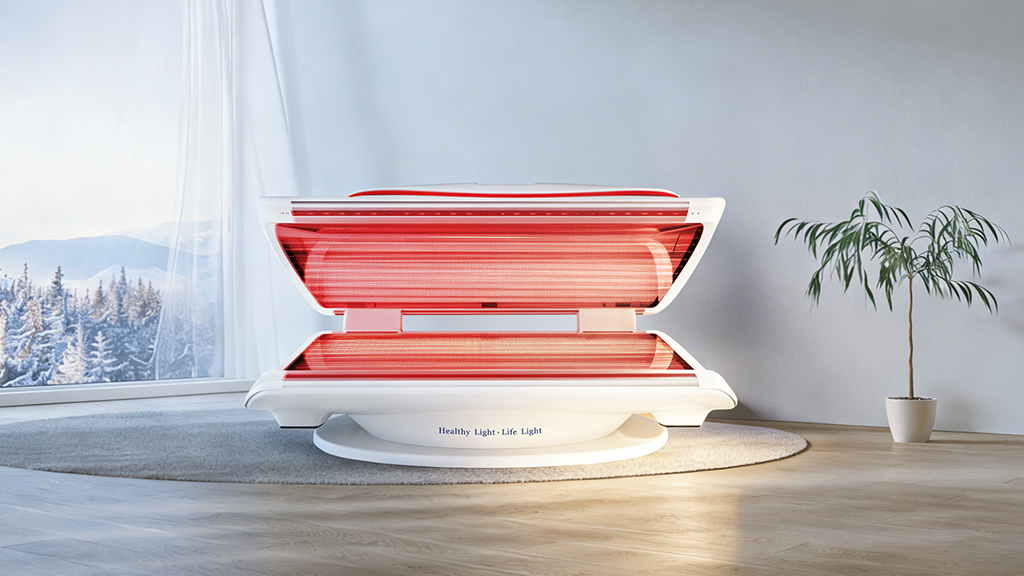
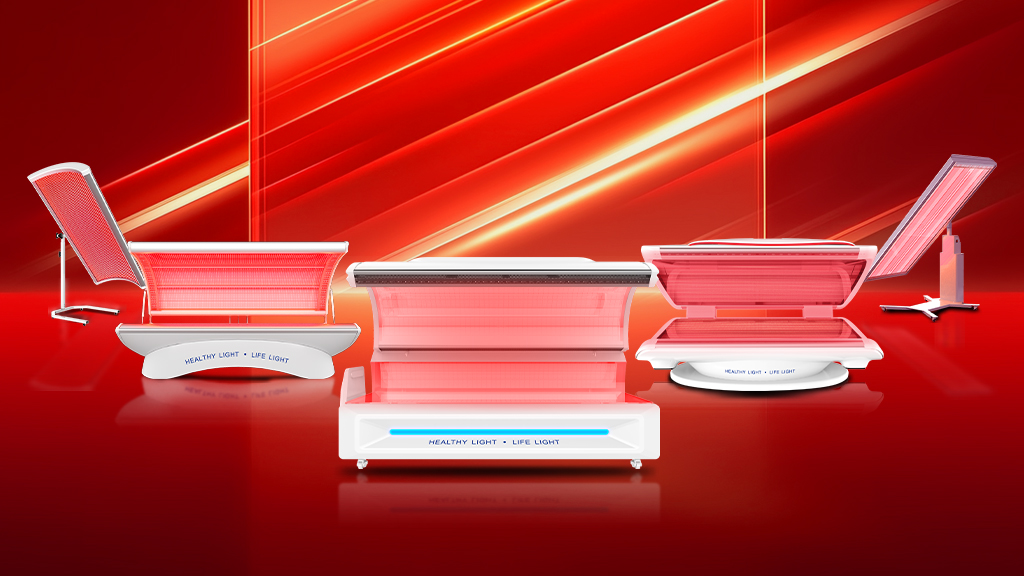
Teiripe solas dearg, ar a dtugtar freisin photobiomodulation (PBM), uses low-level red and near-infrared light—typically between 630 nm agus 880 nm—to stimulate cellular activity.
Unlike sound-based or drug therapies, red light therapy works by influencing cellular energy production, scaipeadh, and inflammation regulation. It is non-invasive and does not damage tissue when used correctly.
How Red Light Therapy May Support Tinnitus Management
Red light therapy does not directly eliminate tinnitus sounds, but it may help address contributing factors through several mechanisms:
1. May Improve Inner Ear Circulation
Some forms of tinnitus are linked to reduced blood flow in the cochlea and auditory pathways. Red light therapy may support microcirculation, helping deliver oxygen and nutrients to sensitive inner ear structures.
2. Supports Cellular Energy in Auditory Cells
Photobiomodulation stimulates mitochondrial ATP production, which may support the function and resilience of auditory hair cells and surrounding tissues.
3. Helps Reduce Inflammation
Inflammation in the auditory system or surrounding tissues may contribute to tinnitus. Red light therapy has been studied for its anti-inflammatory and antioxidant effects, which may help reduce irritation.
4. May Support Nervous System Regulation
Tinnitus is often associated with heightened nervous system activity and stress. Red light therapy has been explored for its calming effects on the nervous system, which may help reduce tinnitus-related distress.
Cad a Deir an Taighde?
Research on photobiomodulation for tinnitus is still evolving. Some small clinical studies and pilot trials have explored low-level laser or red light therapy applied around the ear or mastoid area, with mixed results. Certain individuals reported reduced tinnitus intensity or improved quality of life, while others experienced minimal change.
Tríd is tríd, evidence remains limited and inconsistent, and red light therapy should be considered a complementary approach, ní cóireáil phríomha.
How Red Light Therapy Is Typically Used for Tinnitus Support
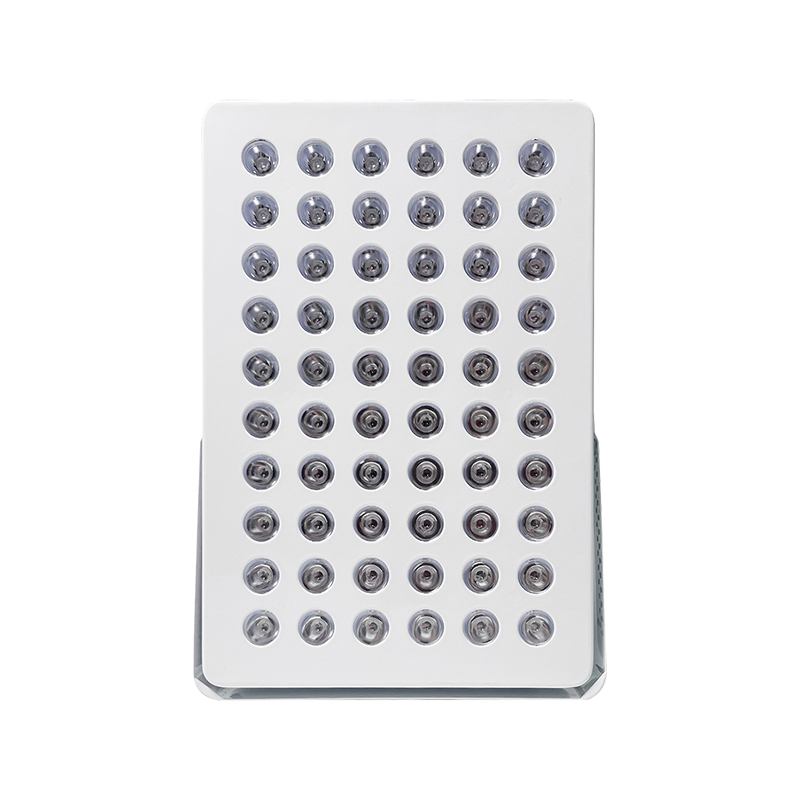
In research or wellness settings, red light therapy may be applied externally near the ear, jaw, or mastoid bone using low-power, targeted devices.
General wellness-oriented guidelines include:
- Tonnfhad: 630–660 nm (dearg) and/or 810–850 nm (gar-infridhearg)
- Fad an tSeisiúin: 5–10 minutes per area
- Minicíocht: 2–4 sessions per week
- Réimsí Iarratais: Around the ear or mastoid region (never inside the ear canal)
Professional guidance is strongly recommended due to the sensitivity of the auditory system.
Safety and Important Considerations
- Déanann teiripe solas dearg not repair hearing loss or nerve damage
- Sudden-onset tinnitus, one-sided tinnitus, meadhrán, or hearing loss requires medical evaluation
- Avoid directing light into the ear canal
- Red light therapy should not delay diagnosis or treatment of underlying conditions
Always consult an ENT specialist or audiologist before starting any new therapy for tinnitus.
Smaointe Deiridh
Mar sin, can red light therapy help tinnitus? Current evidence suggests it may offer supportive benefits for some individuals by improving circulation, supporting cellular health, athlasadh a laghdú, and calming nervous system responses—but it is ní leigheas and does not work for everyone.
For those seeking a gentle, non-invasive way to support overall ear and nervous system wellness, red light therapy may be considered as part of a comprehensive tinnitus management plan that includes hearing evaluation, sound therapy, bainistíocht struis, and medical guidance.
CCanna
C: Can red light therapy cure tinnitus?
A: Níl. Tinnitus has many causes, and red light therapy cannot cure it.
C: Is red light therapy safe near the ears?
A: When used externally and properly, it is generally considered safe, but professional guidance is advised.
C: How long before results may appear?
A: Some users report changes within several weeks, while others may not notice improvement.