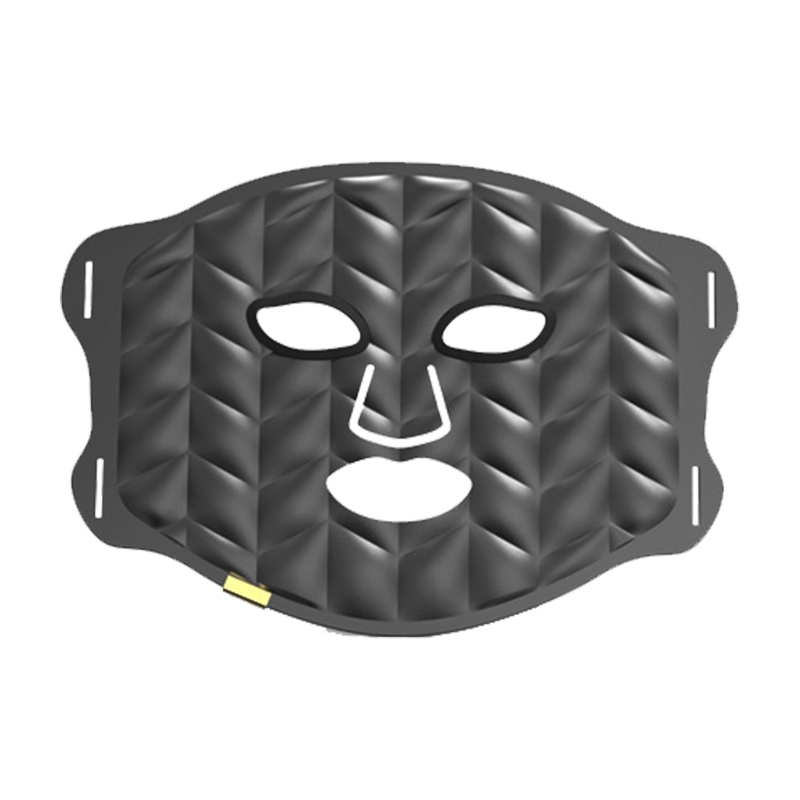
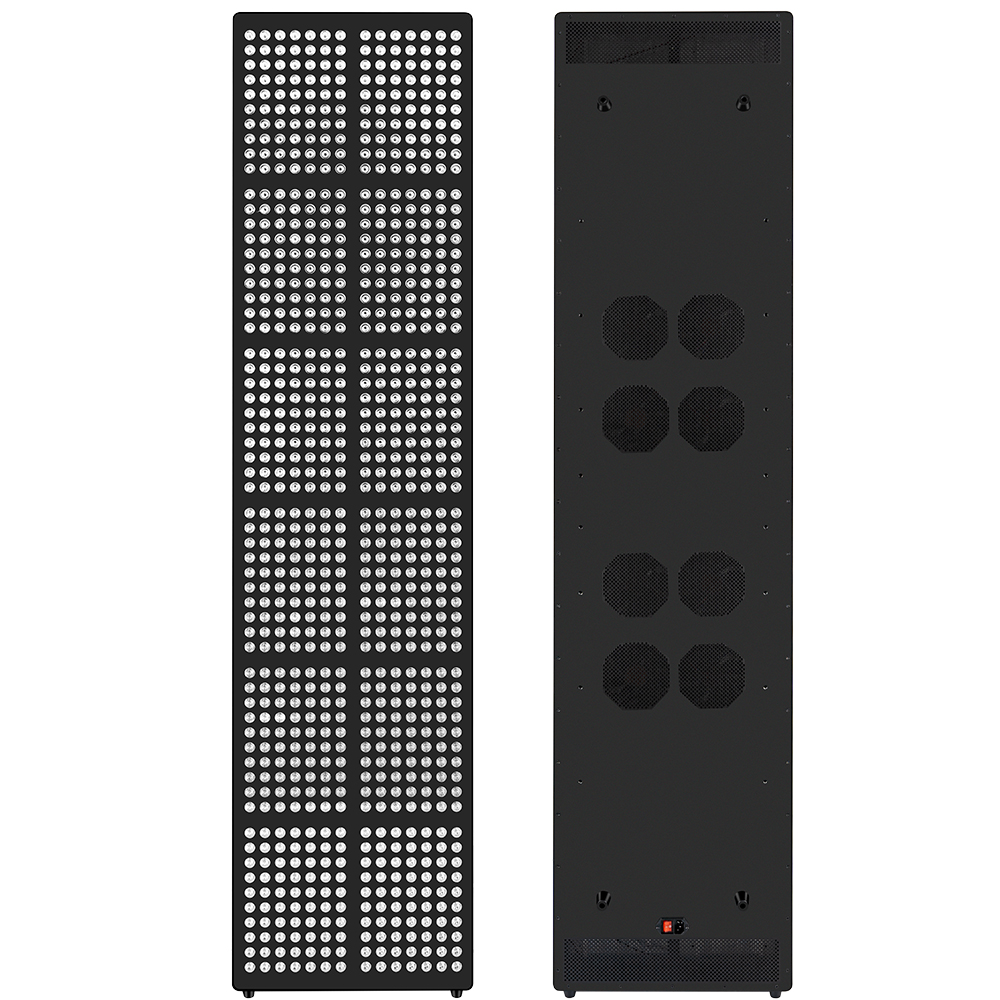
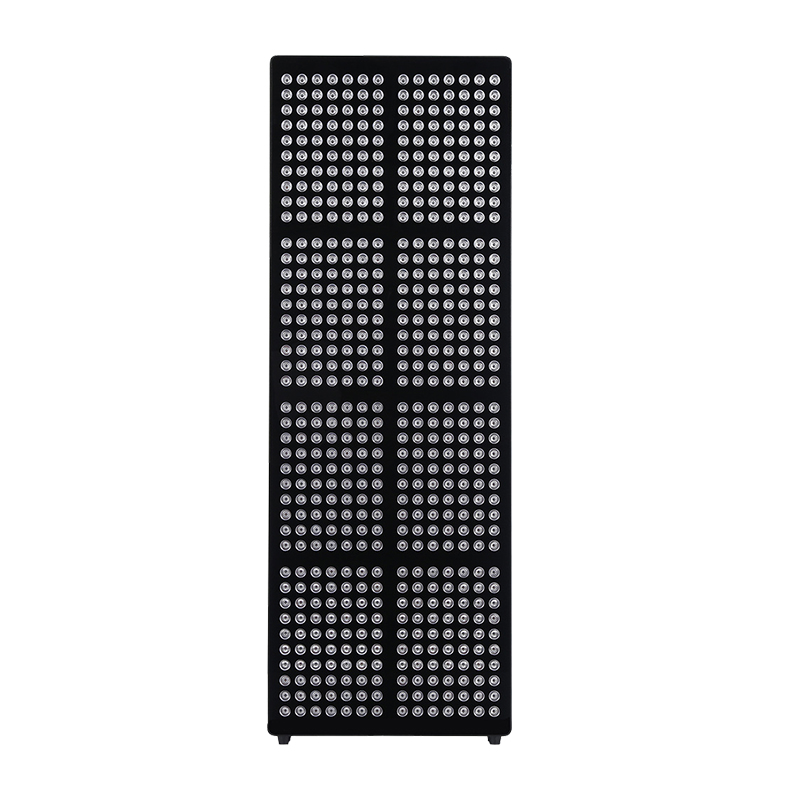
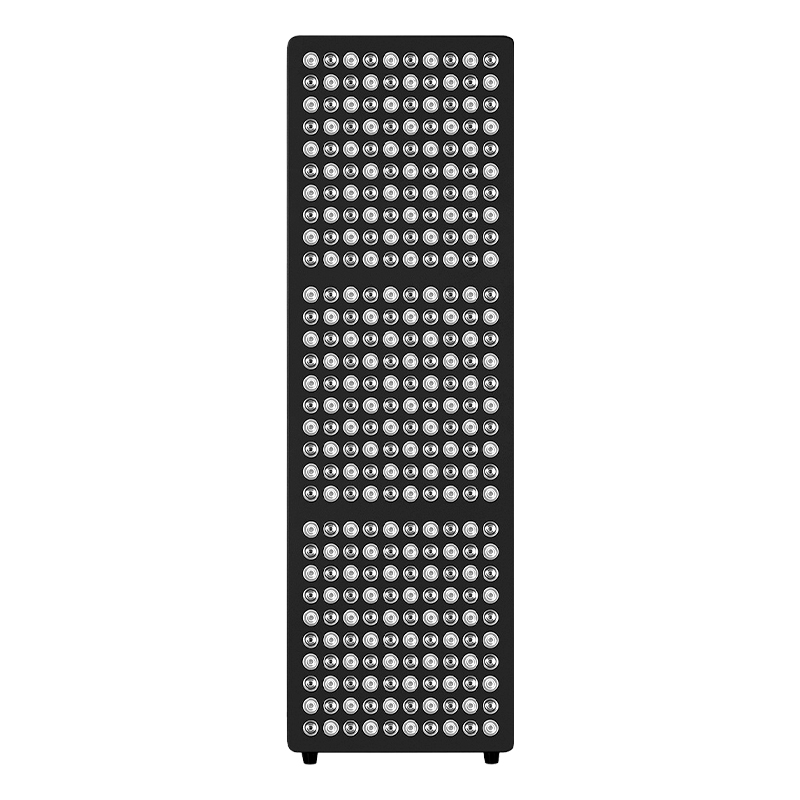
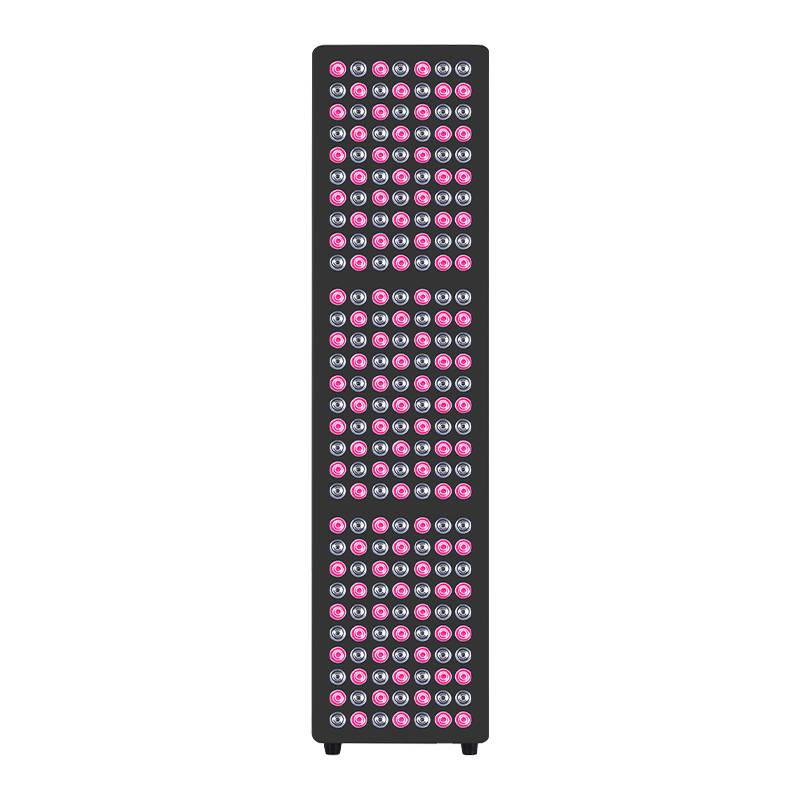
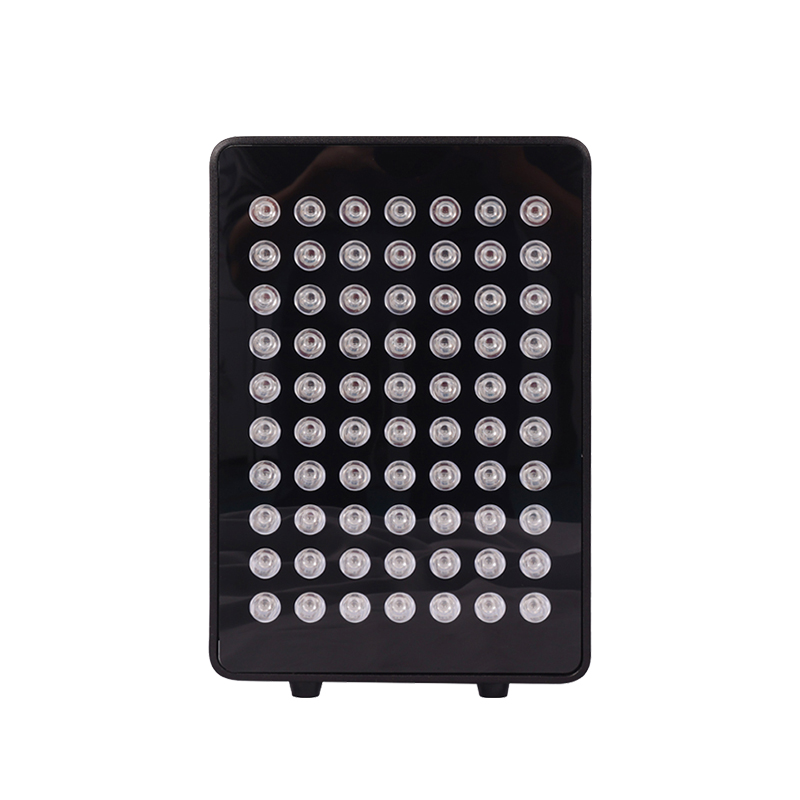
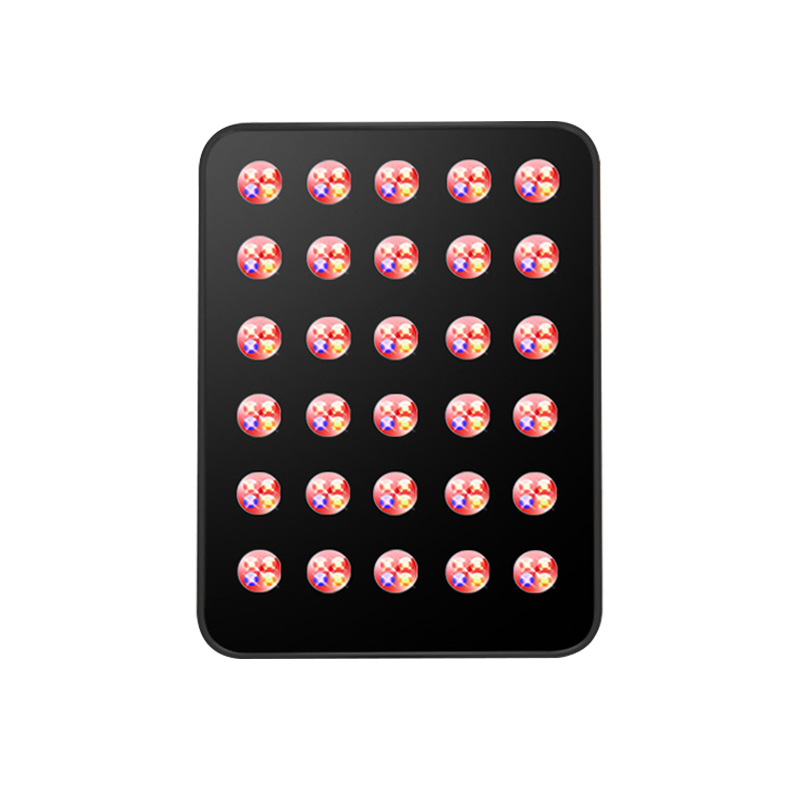
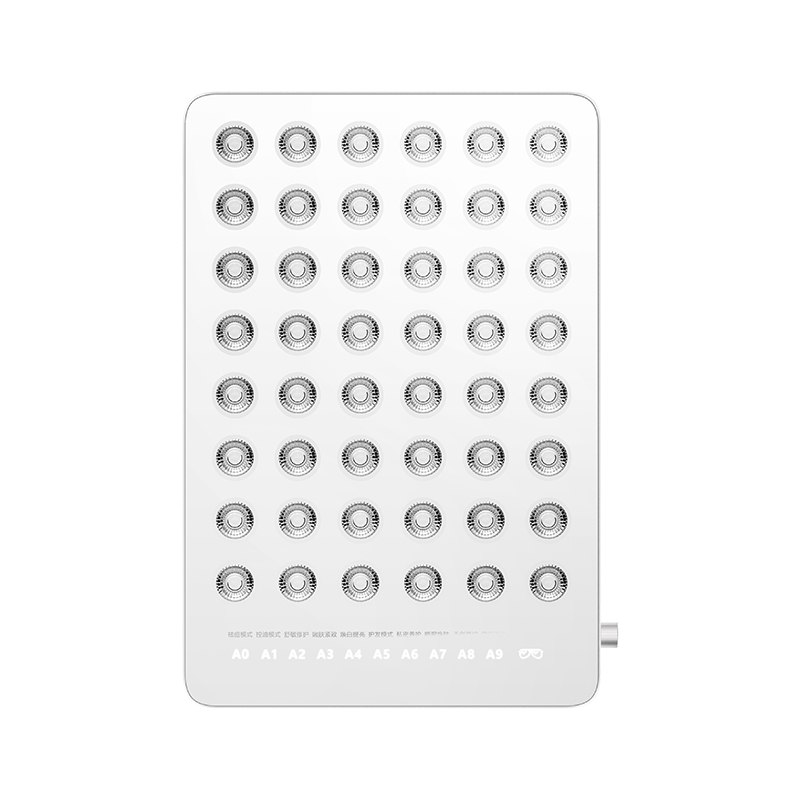
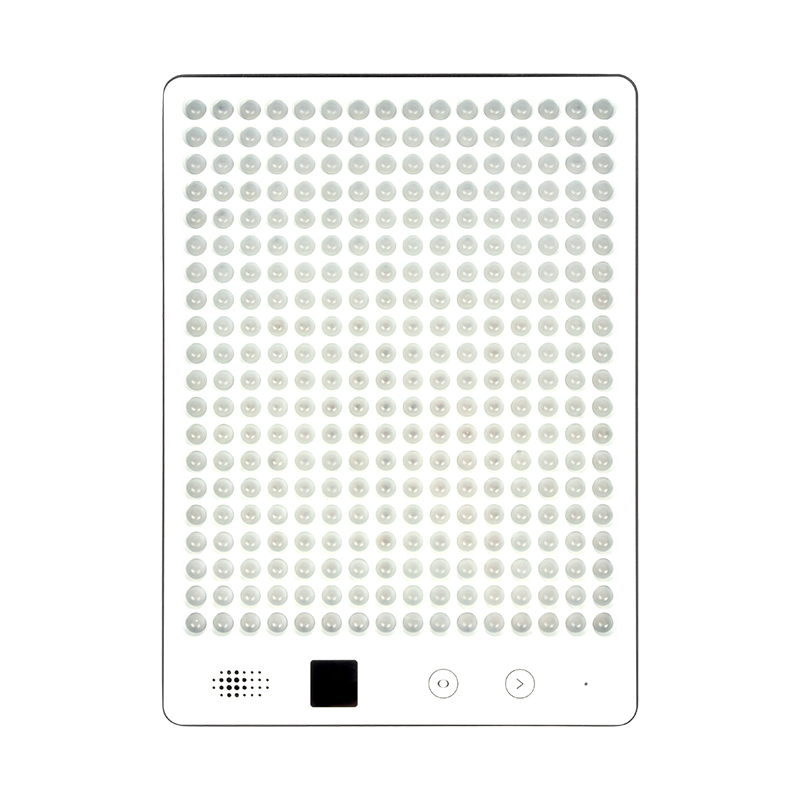
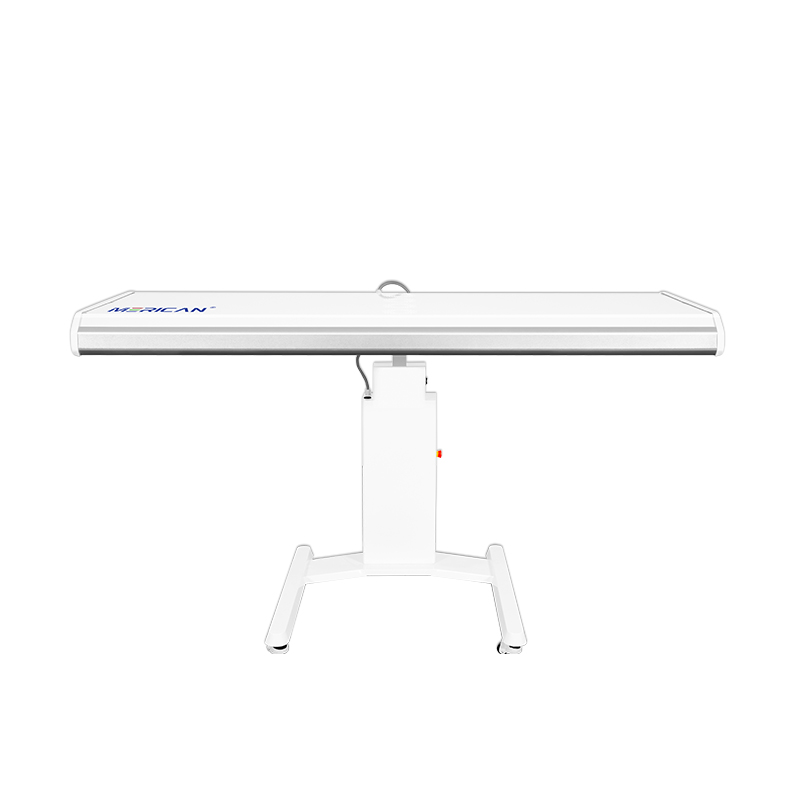
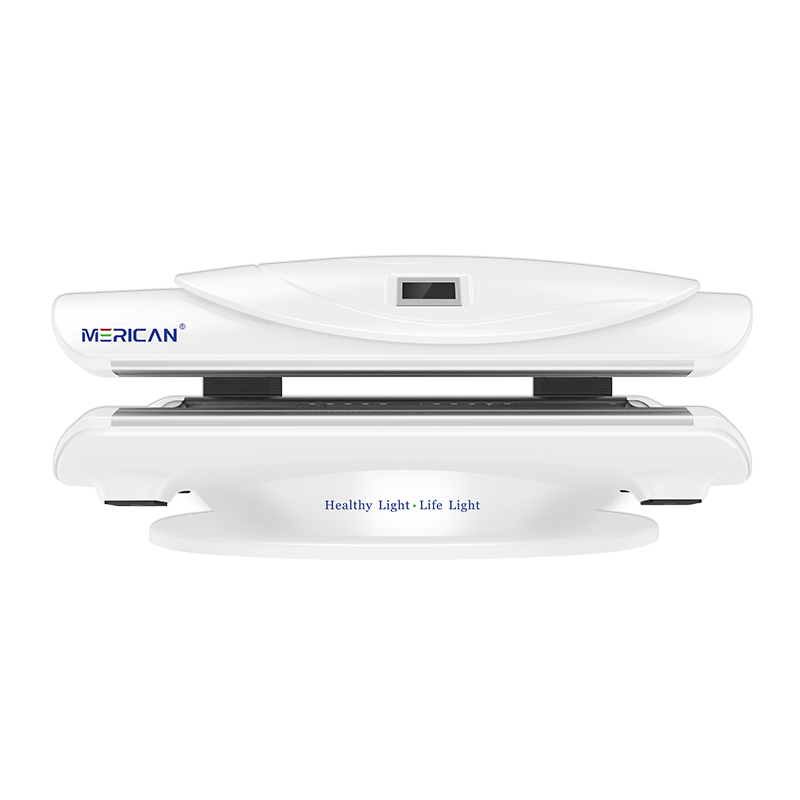
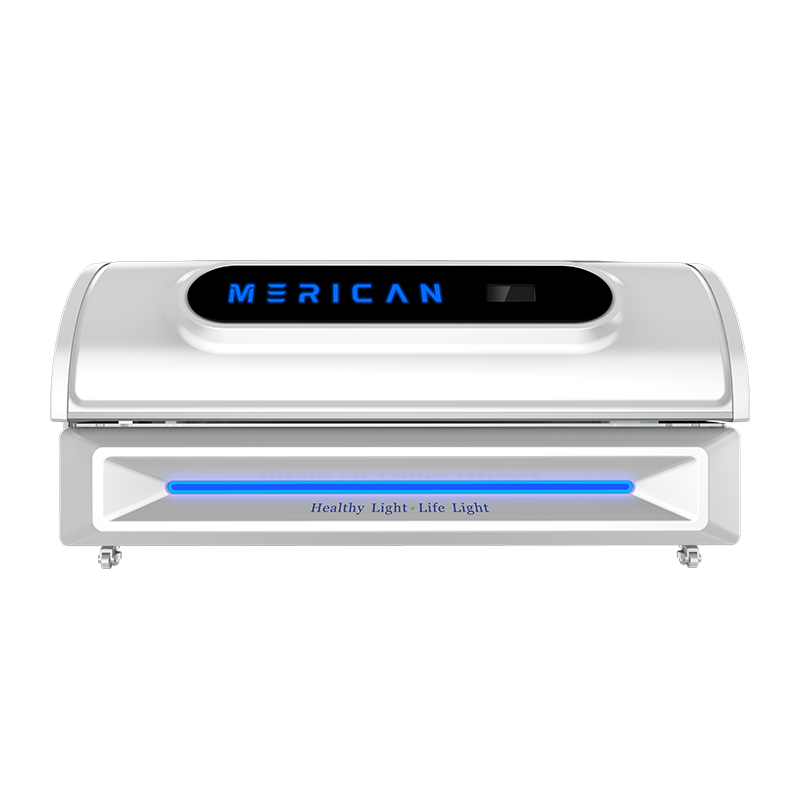
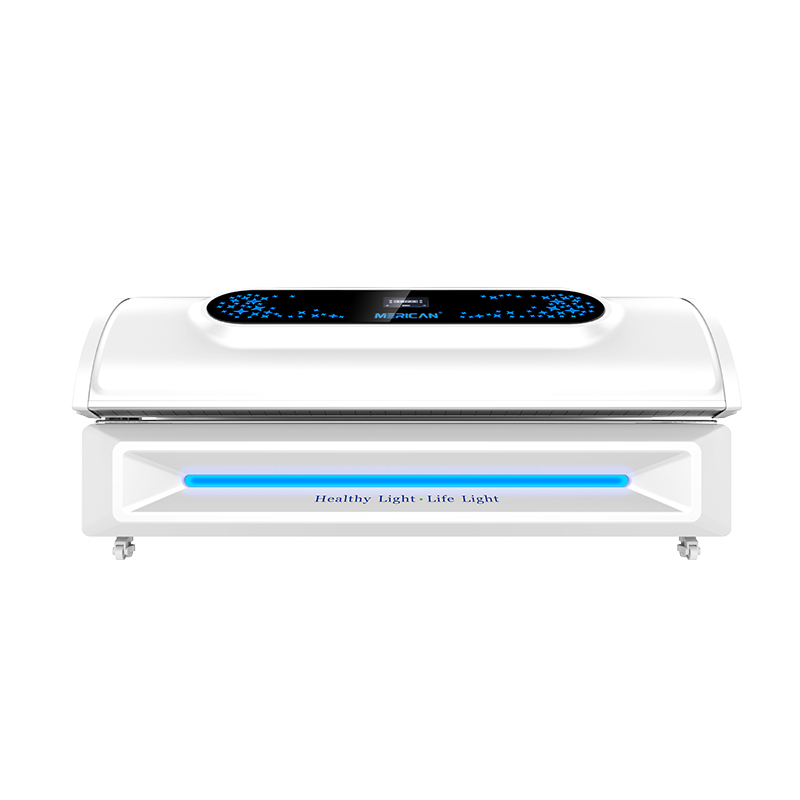
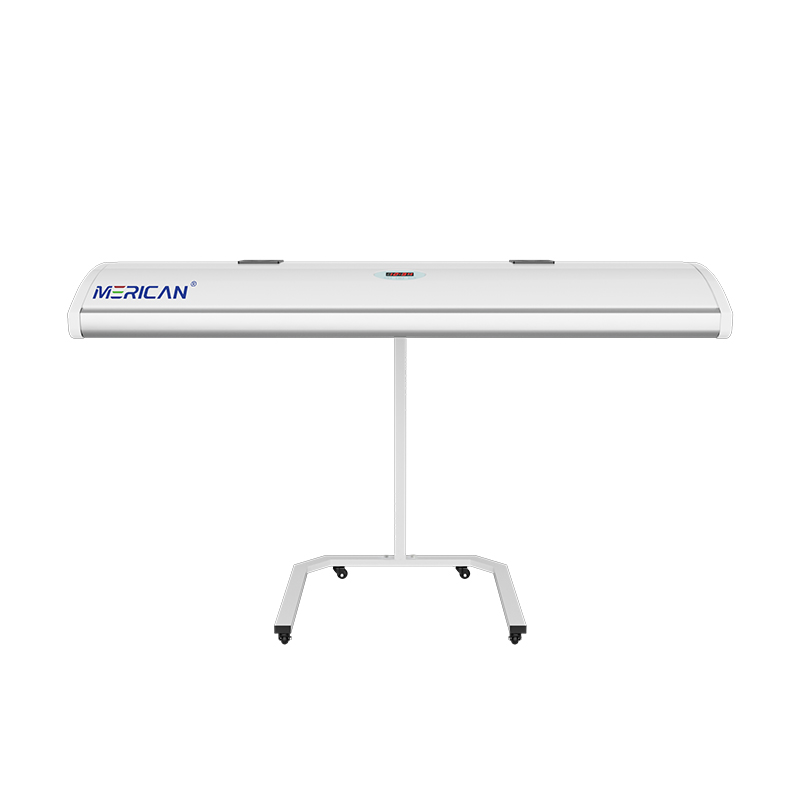
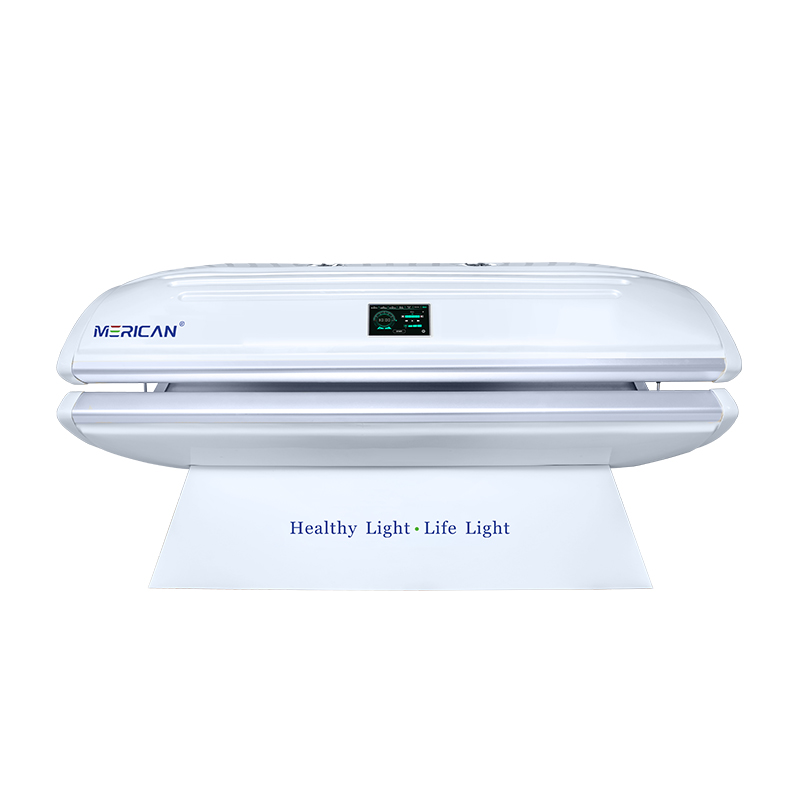
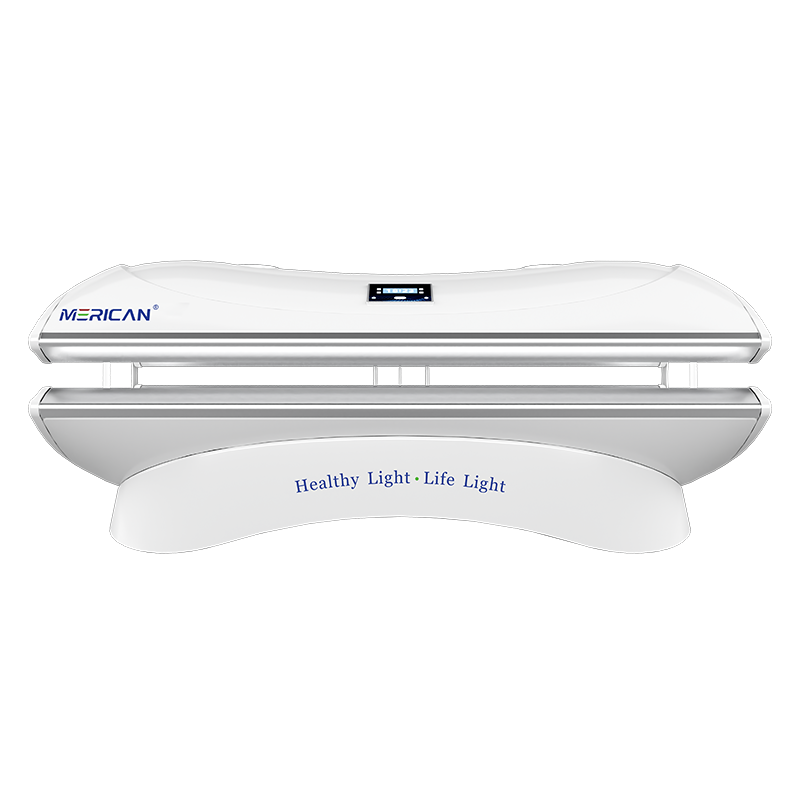
Život s Parkinsonovou chorobou často zahrnuje zvládnutí motorických příznaků, únava, poruchy spánku, a snížená kvalita života. Vedle lékařské péče a fyzikální terapie, some individuals explore wellness-based, non-invasive technologies such as red light therapy.
Why People With Parkinson’s Explore Red Light Therapy
Red light therapy attracts interest because it:
- Is drug-free and non-invasive
- Can be incorporated into regular routines
- Is associated with relaxation and recovery benefits
- May support overall cellular health
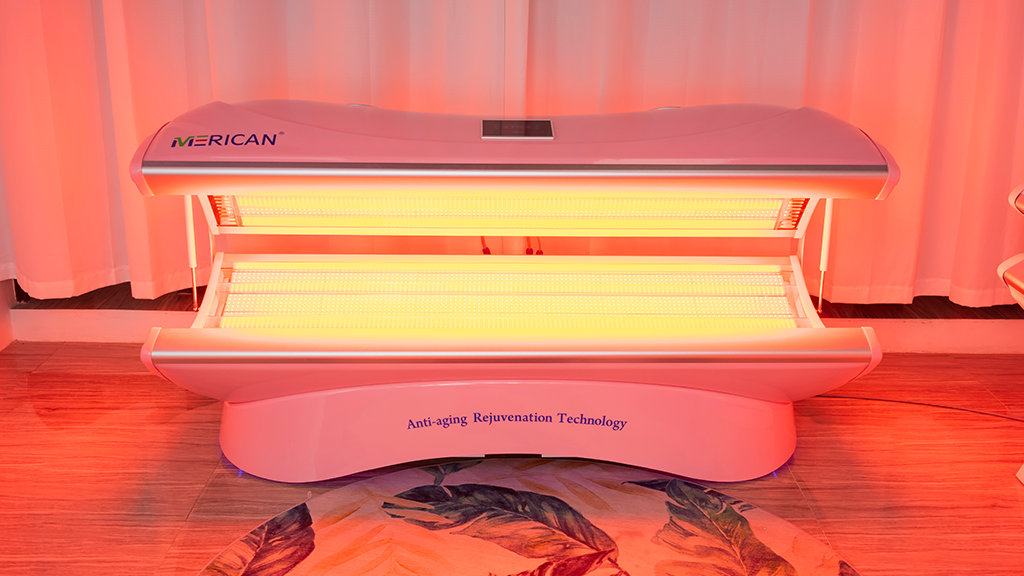
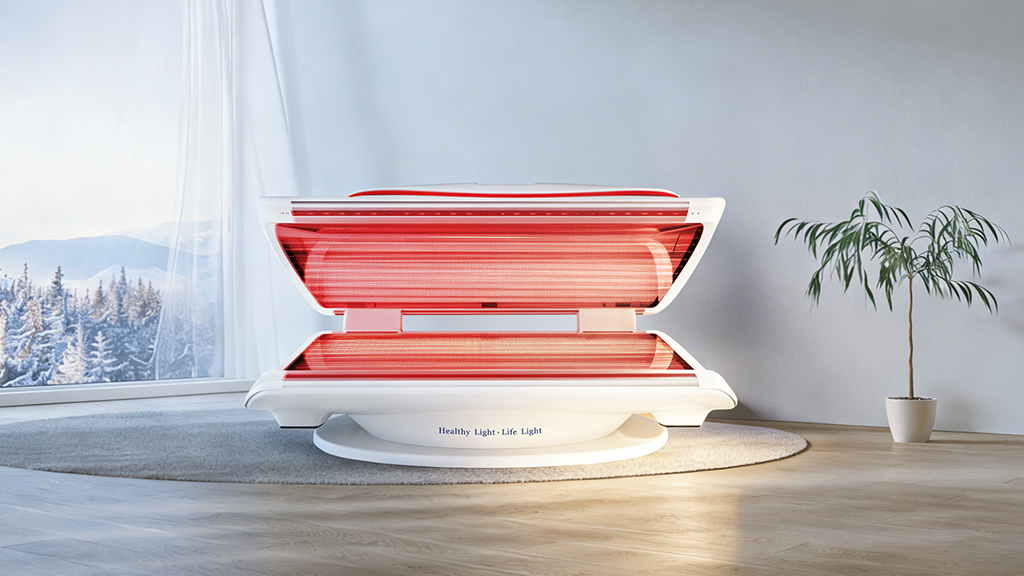
It is often used in wellness centers or at home under professional guidance.
Potential Supportive Benefits (Not Treatment)
While individual experiences vary, some users explore red light therapy for:
- Muscle stiffness and discomfort
- General inflammation management
- Improved relaxation and sleep quality
- Support during physical rehabilitation programs
These effects may indirectly improve daily comfort and well-being.
How Red Light Therapy Is Typically Used (Supportive Context)
Not intended for disease treatment
Common wellness-oriented use includes:
- Short sessions (10– 15 minut)
- 2– 4x týdně
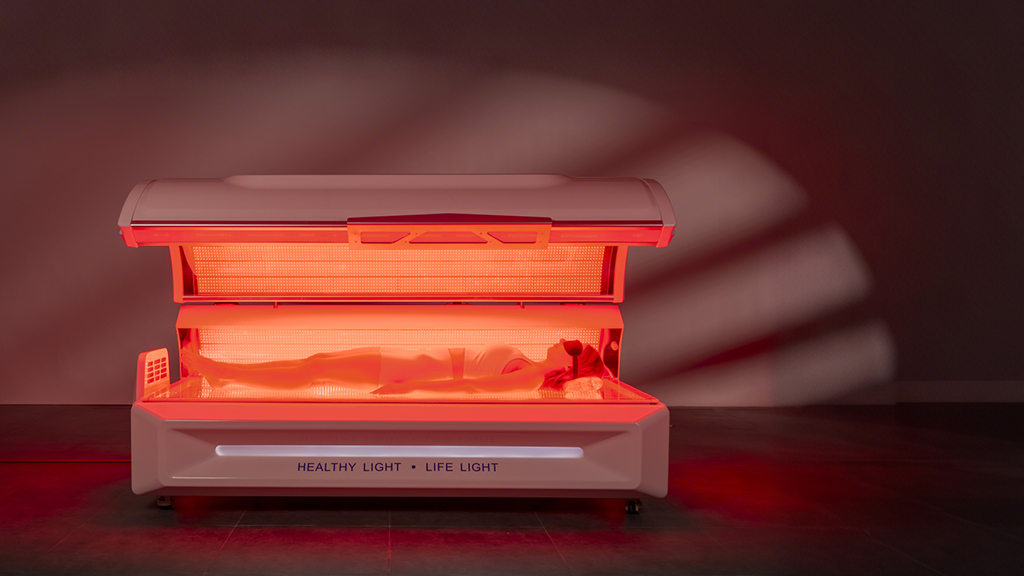
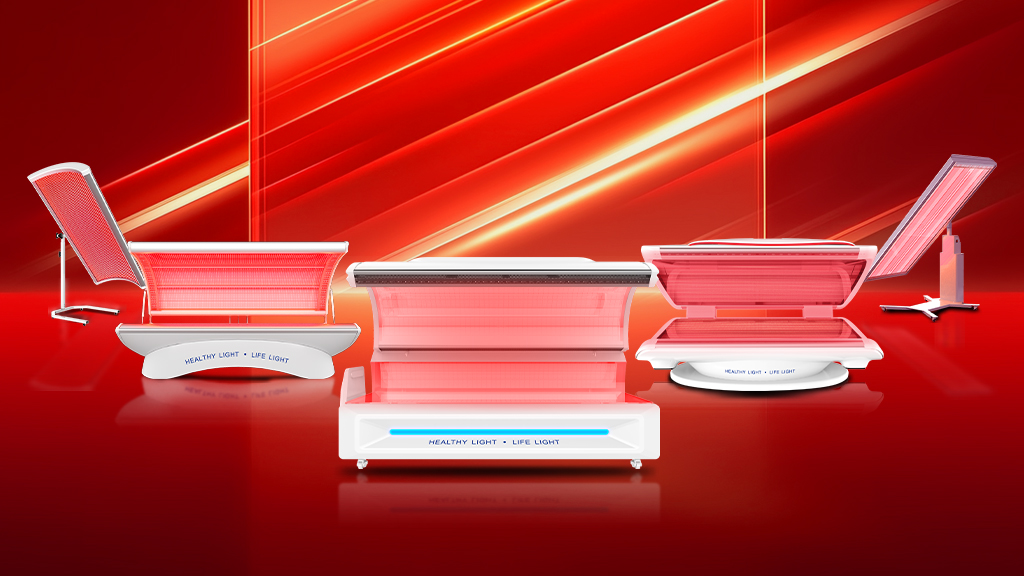
- Full-body or large-area exposure for systemic support
- Combined with exercise and physical therapy
Important Limitations to Understand
- Terapie červeným světlem ano not replace medication
- To ano not restore dopamine levels
- To ano not reverse neurodegeneration
- It should never delay medical care
Kdo by to mohl zvážit?
- Individuals seeking complementary wellness support
- Rehabilitační a wellness kliniky
- Care programs focused on quality-of-life enhancement
Závěrečné myšlenky
Terapie červeným světlem je not a cure for Parkinson’s disease, ale může sloužit jako a podpůrný wellness nástroj při zodpovědném používání. For those interested, it should be approached with realistic expectations and under medical guidance.