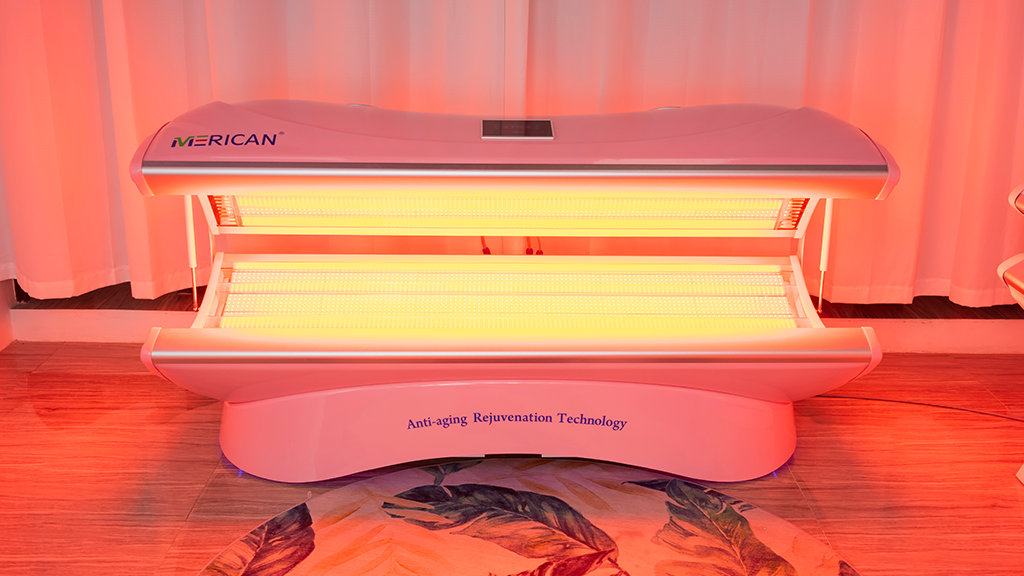
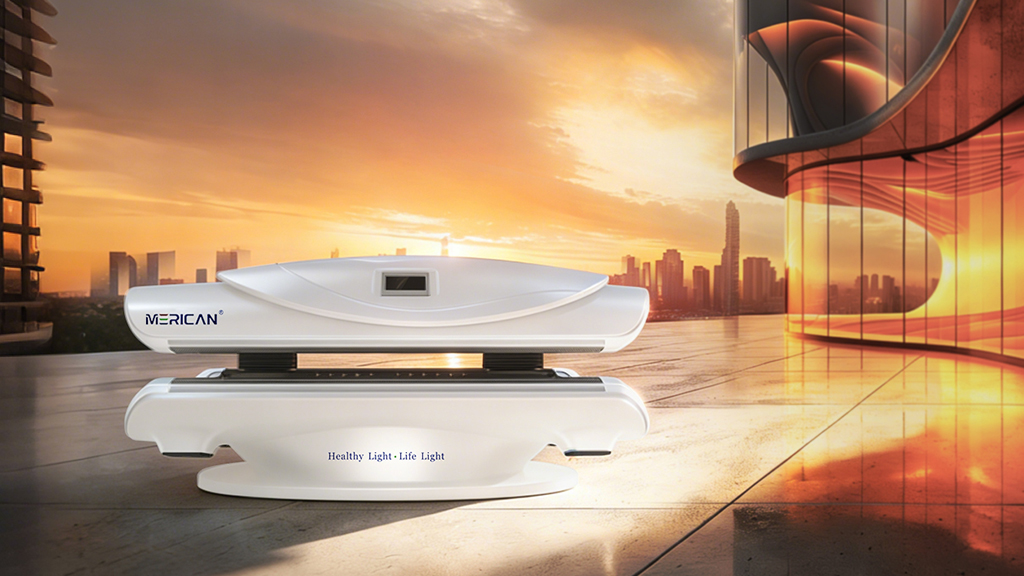
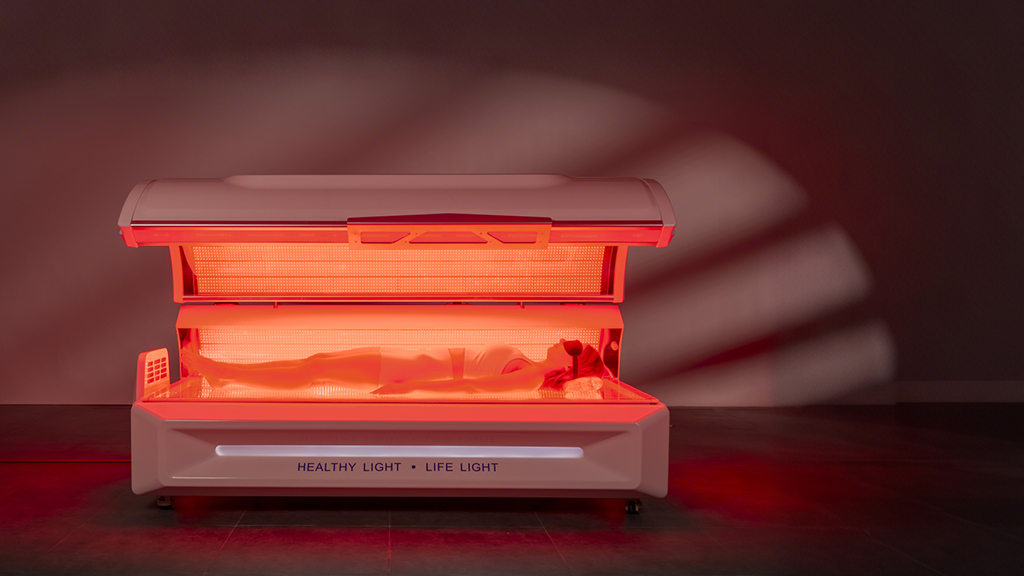
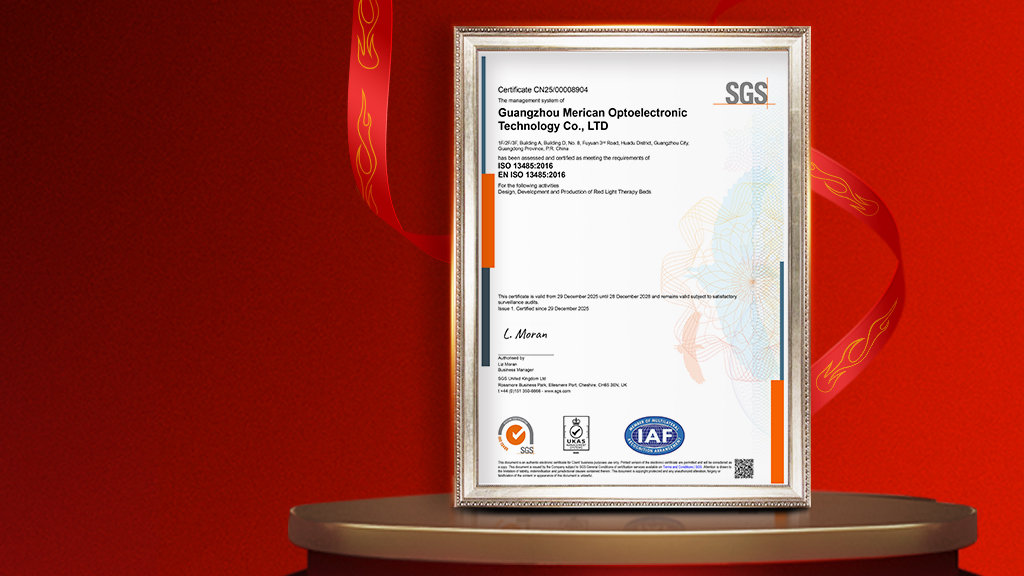
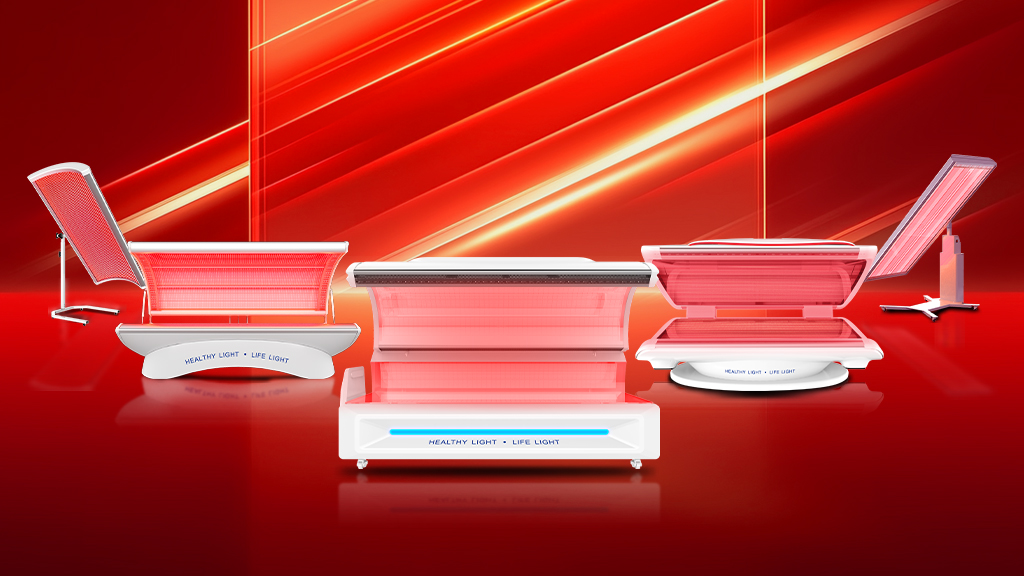
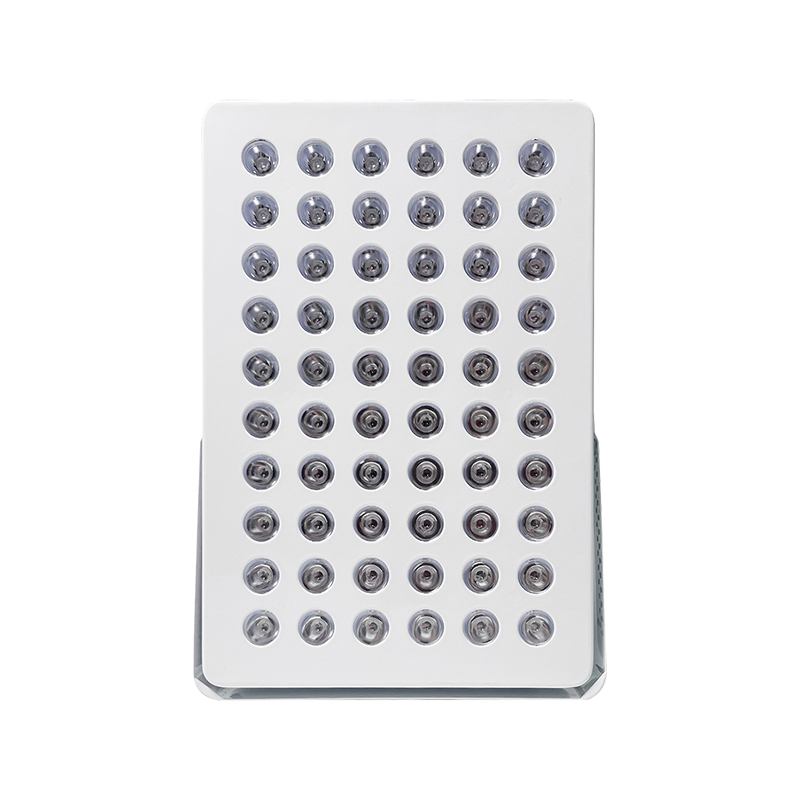
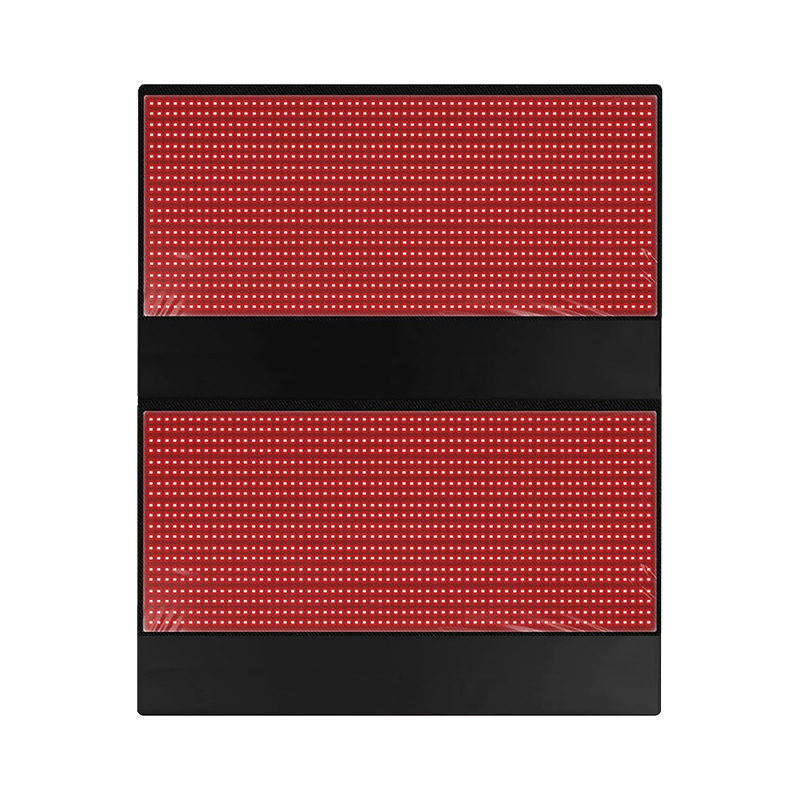
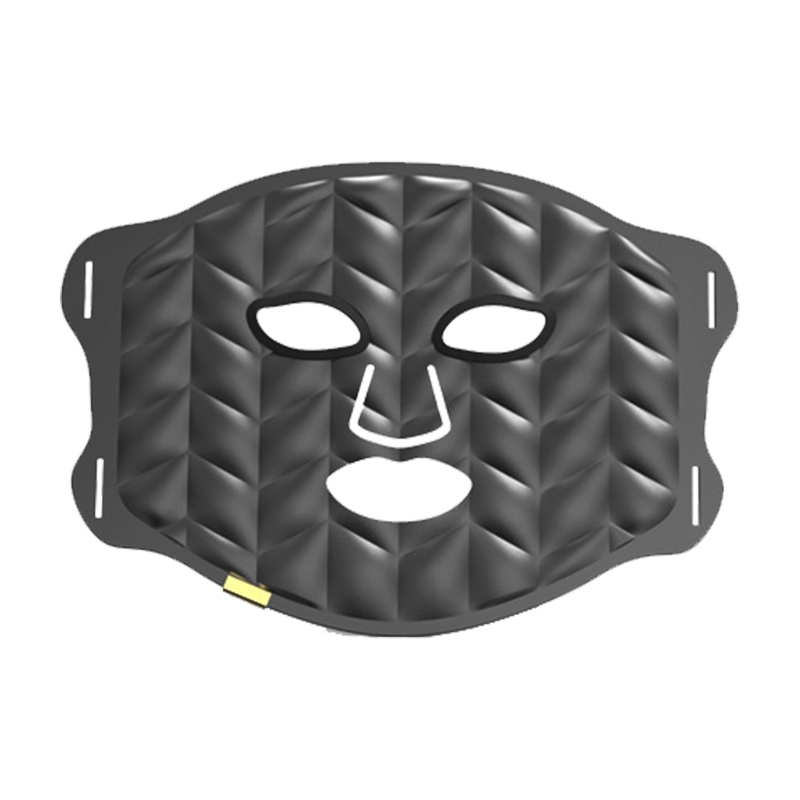
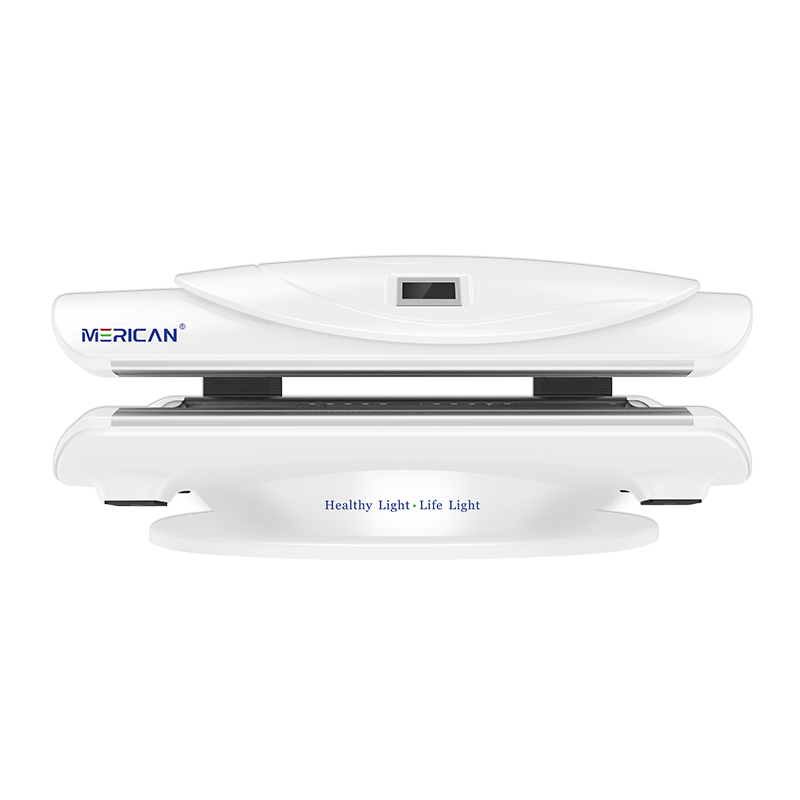
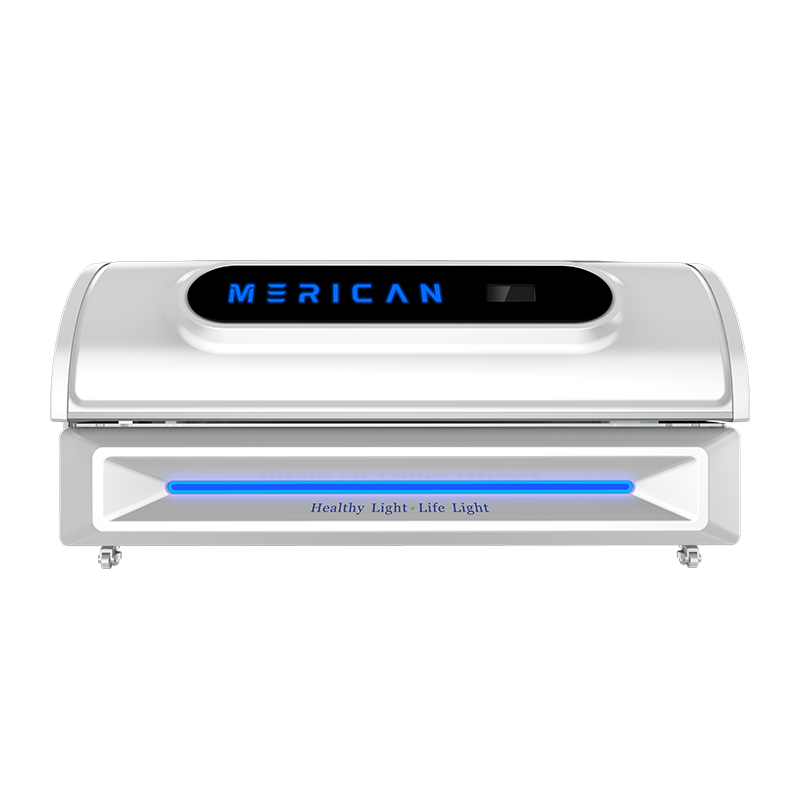
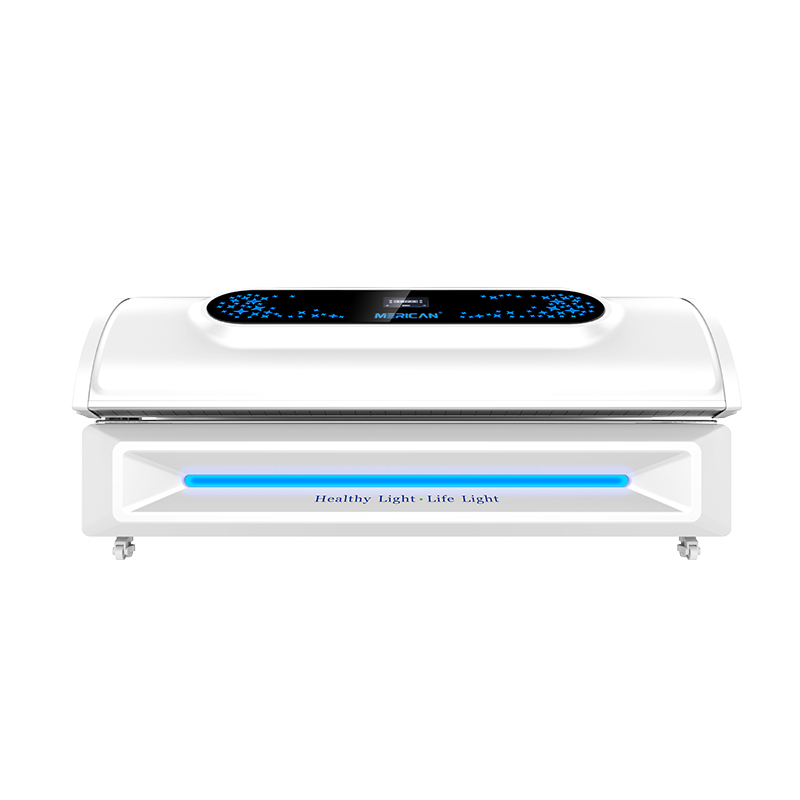
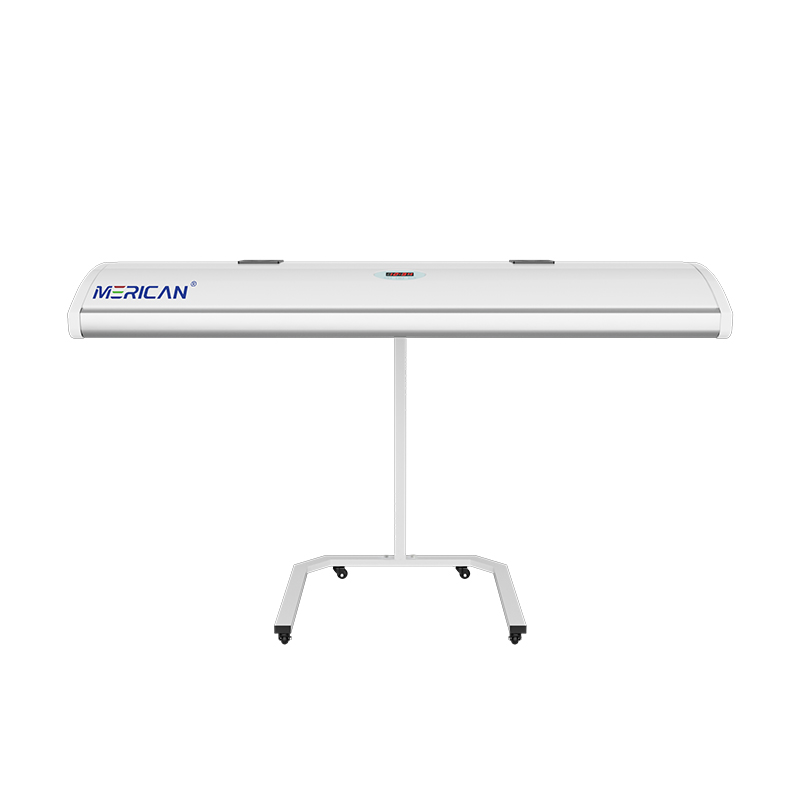
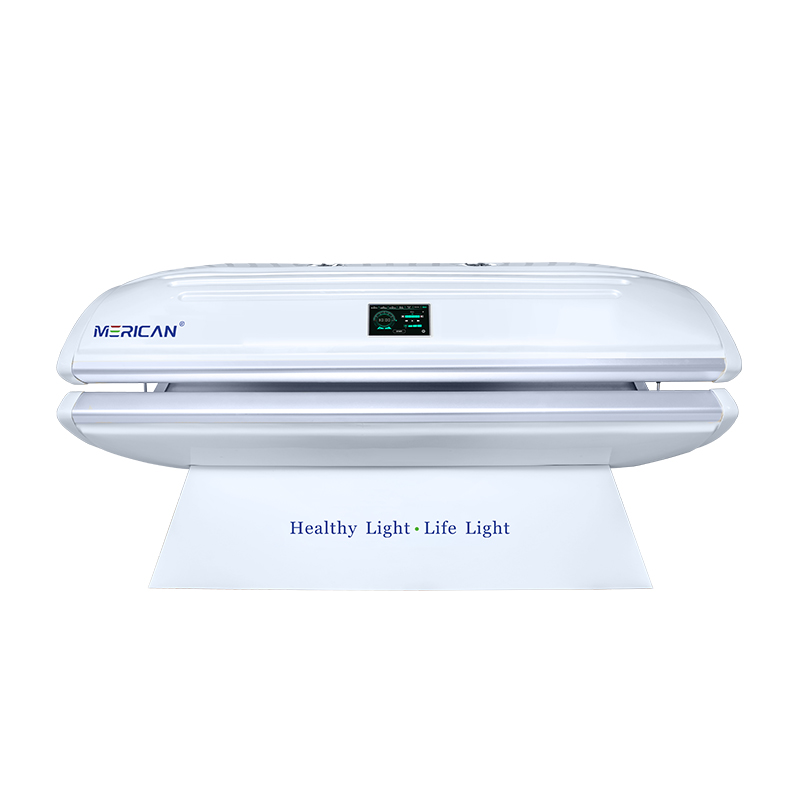
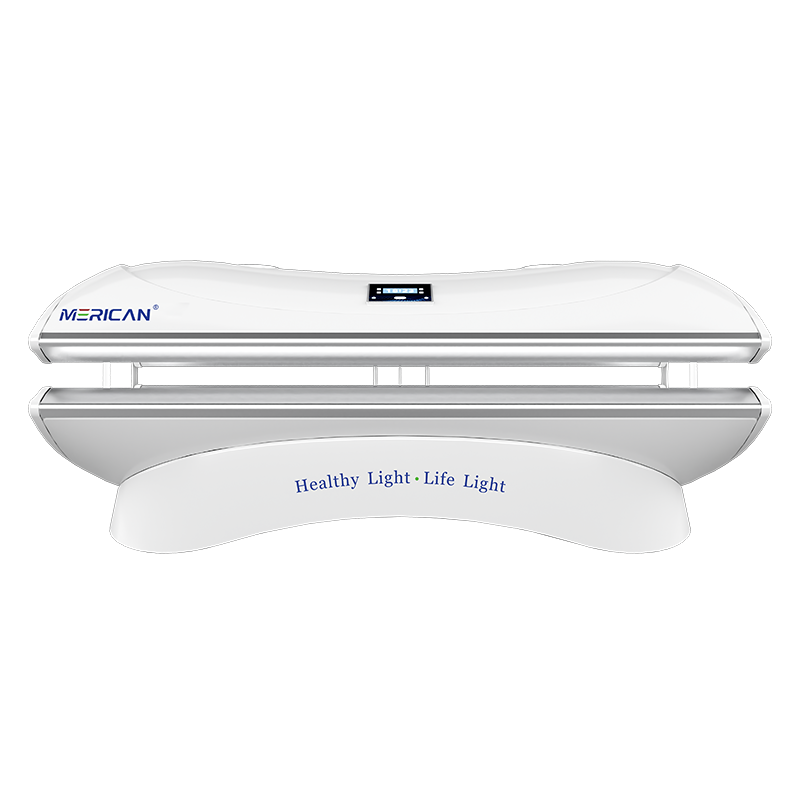
Viver com a doença de Parkinson muitas vezes envolve o gerenciamento de sintomas motores, fadiga, distúrbios do sono, e redução da qualidade de vida. Juntamente com tratamento médico e fisioterapia, alguns indivíduos exploram baseado em bem-estar, tecnologias não invasivas como terapia de luz vermelha.
Por que as pessoas com Parkinson exploram a terapia da luz vermelha
A terapia da luz vermelha atrai interesse porque:
- É livre de drogas e não invasivo
- Pode ser incorporado em rotinas regulares
- Está associado a benefícios de relaxamento e recuperação
- Pode apoiar a saúde celular geral
É frequentemente usado em centros de bem-estar ou em casa sob orientação profissional.
Potenciais benefícios de suporte (Não é tratamento)
Embora as experiências individuais variem, alguns usuários exploram a terapia da luz vermelha para:
- Rigidez e desconforto muscular
- Manejo geral da inflamação
- Melhor relaxamento e qualidade do sono
- Apoio durante programas de reabilitação física
Esses efeitos podem melhorar indiretamente o conforto e o bem-estar diários.
Como a terapia da luz vermelha é normalmente usada (Contexto de Apoio)
Não se destina ao tratamento de doenças
O uso comum voltado para o bem-estar inclui:
- Sessões curtas (10–15 minutos)
- 2–4 vezes por semana
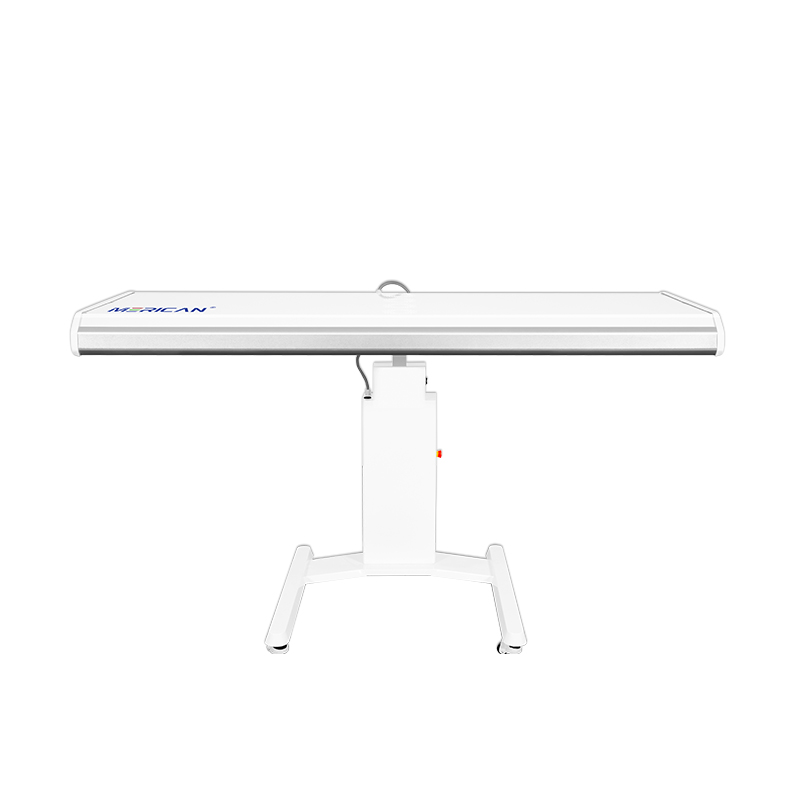
- Exposição de corpo inteiro ou de grande área para suporte sistêmico
- Combinado com exercícios e fisioterapia
Limitações importantes para compreender
- A terapia da luz vermelha faz não substituir medicação
- Isso acontece não restaurar os níveis de dopamina
- Isso acontece não reverter a neurodegeneração
- Nunca deve atrasar o atendimento médico
Quem pode considerar isso?
- Indivíduos que procuram apoio complementar de bem-estar
- Clínicas de reabilitação e bem-estar
- Programas de cuidados focados na melhoria da qualidade de vida
Pensamentos finais
A terapia da luz vermelha é não é uma cura para a doença de Parkinson, mas pode servir como ferramenta de bem-estar de apoio quando usado com responsabilidade. Para os interessados, deve ser abordado com expectativas realistas e sob orientação médica.