Die Rotlichttherapie ist zu einer der am schnellsten wachsenden Technologien im Wellnessbereich geworden, Hautpflege, und Wiederherstellungsanwendungen. Die meisten Benutzer sind mit gängigen therapeutischen Wellenlängen wie 630 nm vertraut, 660nm, 810nm, und 850 nm. Jedoch, Eine wachsende Anzahl von Suchanfragen konzentriert sich jetzt darauf Rotlichttherapie 1280 nm, wirft eine wichtige Frage auf:
Werden 1280 nm tatsächlich in der Rotlichttherapie verwendet?, und bringt es Vorteile??
Um dies zu beantworten, Wir müssen verstehen, wie Lichtwellenlängen mit menschlichem Gewebe interagieren und warum die meisten professionellen Systeme innerhalb bestimmter Bereiche arbeiten.
Was ist die Rotlichttherapie?
Rotlichttherapie, auch bekannt als Photobiomodulation (PBM), ist eine nicht-invasive Technologie, die bestimmte Lichtwellenlängen nutzt, um biologische Reaktionen in Zellen zu stimulieren.
Die am häufigsten verwendeten Wellenlängen sind:
- Rotlicht: 630NM - 660 nm
- Nahinfrarotlicht: 810NM - 850 nm
Diese Wellenlängen werden in klinischen und kommerziellen Geräten häufig eingesetzt, da ihre Wechselwirkung mit Haut und Gewebe ausführlich untersucht wurde.
Im Gegensatz zu UV -Licht, Die Rotlichttherapie schädigt die Haut nicht und verursacht keine Bräunung. Stattdessen, Es soll natürliche zelluläre Prozesse unterstützen.
Was ist 1280-nm-Licht??
Die Wellenlänge 1280nm gehört zum Infrarotspektrum, insbesondere der tiefere Infrarotbereich, der über die typische Nahinfrarottherapie hinausgeht.
Infrarotlicht existiert zwar in einem breiten Spektrum, Nicht alle Wellenlängen sind für biologische Anwendungen gleichermaßen effektiv oder praktisch.
Im Fall von 1280 nm:
- Es liegt tiefer im Infrarotbereich
- In LED-basierten Therapiegeräten wird es nicht häufig verwendet
- Es gibt nur begrenzte Forschungsergebnisse zu Photobiomodulationsanwendungen
Die meisten modernen Rotlichttherapiegeräte verfügen nicht über 1280 nm, da es außerhalb des wirksamsten und am besten erforschten therapeutischen Bereichs liegt.
Warum 630–850 nm der Standard in der Rotlichttherapie sind
Professionelle Rotlichttherapiesysteme basieren auf wissenschaftlich fundierten Wellenlängen.
1. Nachgewiesene biologische Interaktion
Die Forschung konzentriert sich konsequent auf:
- 630nm (Interaktion mit der Hautoberfläche)
- 660nm (Kollagen und Hautunterstützung)
- 810nm–850 nm (tiefes Eindringen in das Gewebe)
Diese Bereiche zeigen eine zuverlässige Wechselwirkung mit der Zellaktivität.
2. Effektive Gewebepenetration
Unterschiedliche Wellenlängen dringen unterschiedlich tief ein:
- Rotlicht (630–660nm): oberflächliche Hautschichten
- Nahinfrarot (810–850 nm): tiefere Muskel- und Gewebeschichten
Diese Kombination bietet eine ausgewogene Abdeckung sowohl für die Haut als auch für die Unterstützung des tieferen Gewebes.
3. LED-Effizienz und Stabilität
Die LED-Technologie schneidet im Bereich von 600–900 nm am besten ab. Außerhalb dieses Bereichs:
- Die Effizienz nimmt ab
- Die biologische Reaktion wird weniger vorhersehbar
- Das Gerätedesign wird komplexer
Aus diesem Grund standardisieren kommerzielle Systeme den Bereich 630–850 nm.
Bietet 1280 nm zusätzliche Vorteile??
Derzeit, 1280nm ist keine Standardwellenlänge, die in Rotlichttherapiebetten oder -panels verwendet wird.
Das liegt vor allem daran:
- Es gibt nur begrenzte klinische Beweise für eine Photobiomodulation bei dieser Wellenlänge
- Bei tieferen Infrarotbereichen nimmt die Wasseraufnahme im Gewebe zu
- Das Lichtverhalten wird in biologischen Systemen weniger vorhersehbar
Infolge, Die meisten Hersteller entwickeln keine Therapiesysteme um 1280 nm herum.
Stattdessen, Sie konzentrieren sich auf Wellenlängen mit etablierter wissenschaftlicher Validierung.
Worauf sich Benutzer stattdessen konzentrieren sollten
Wenn Sie Rotlichttherapiegeräte evaluieren, Die folgenden Faktoren sind weitaus wichtiger als extreme Infrarotwellenlängen:
1. Wellenlängenqualität
Suchen Sie nach Geräten, die Folgendes enthalten:
- 630nm / 660nm (Rotlicht)
- 810nm / 830nm / 850nm (Nahinfrarot)
2. Strahlungsleistung
Eine höhere Bestrahlungsstärke gewährleistet eine ausreichende Energiezufuhr für effektive Sitzungen.
3. Ganzkörperabdeckung
Größere Therapiebetten oder -platten sorgen für eine gleichmäßigere Belichtung.
4. Gerätetechnik
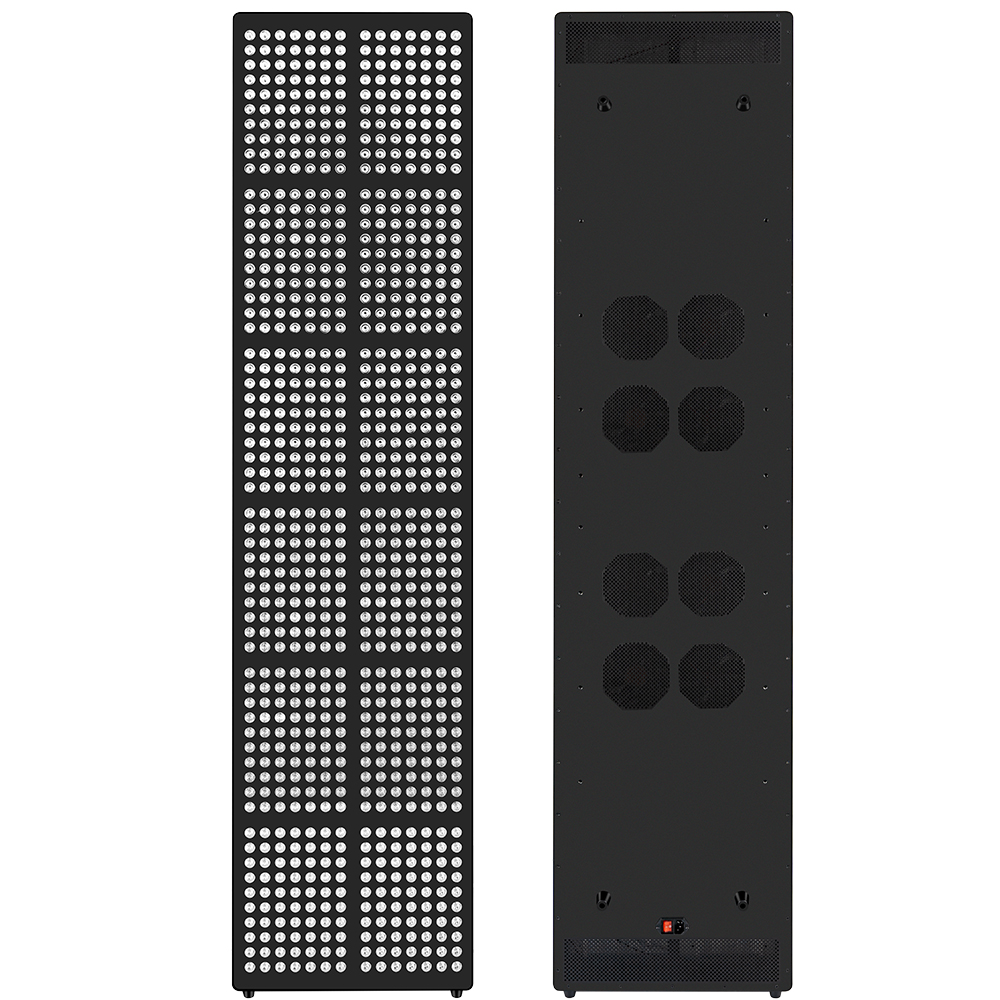
Kühlsysteme, LED-Layout, und strukturelles Design beeinflussen alle die Leistung.
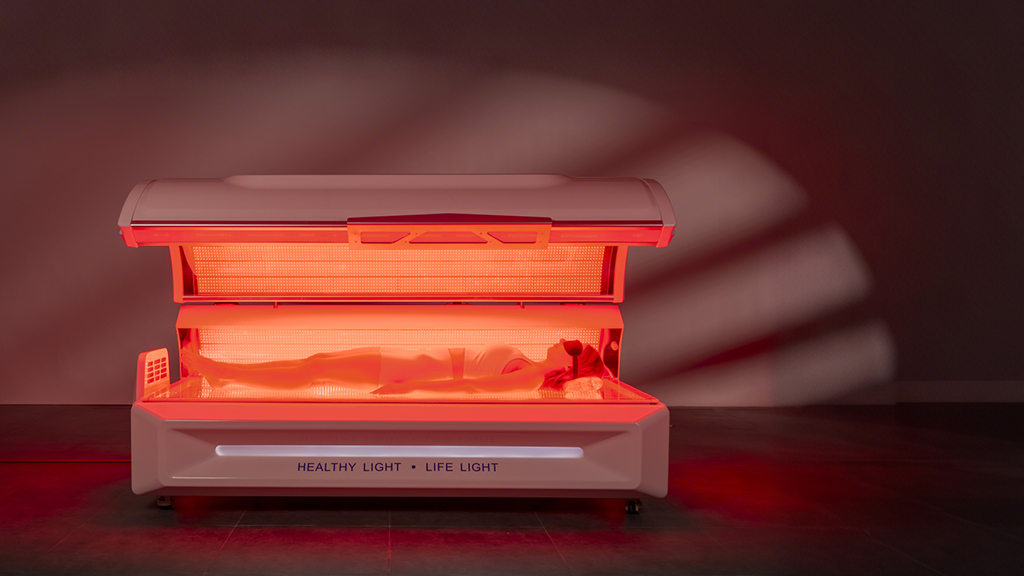
Anwendungen von Rotlichttherapiebetten
Rotlichttherapiebetten werden häufig eingesetzt:
- Routinen zur Verbesserung des Hautbildes
- Unterstützung der Muskelregeneration
- Wellness- und Entspannungstherapie
- Sport-Erholungszentren
- Schönheits- und Spa-Kliniken
Aufgrund ihrer nicht-invasiven Natur und Vielseitigkeit erfreut sie sich immer größerer Beliebtheit.
Letzte Gedanken: Ist eine Rotlichttherapie 1280 nm erforderlich??
Während Rotlichttherapie 1280 nm ist ein interessantes Thema in den Suchtrends, Es handelt sich hierbei nicht um eine standardmäßige oder weit verbreitete Wellenlänge in modernen LED-Therapiesystemen.
Die effektivsten und wissenschaftlich unterstützten Geräte arbeiten innerhalb der 630Bereich nm–850 nm, das eine zuverlässige und wiederholbare biologische Interaktion bietet.
Für Benutzer und Unternehmen, Die Konzentration auf bewährte Wellenlängen ist weitaus wichtiger als die Erforschung extremer Infrarotwerte ohne starke klinische Validierung.
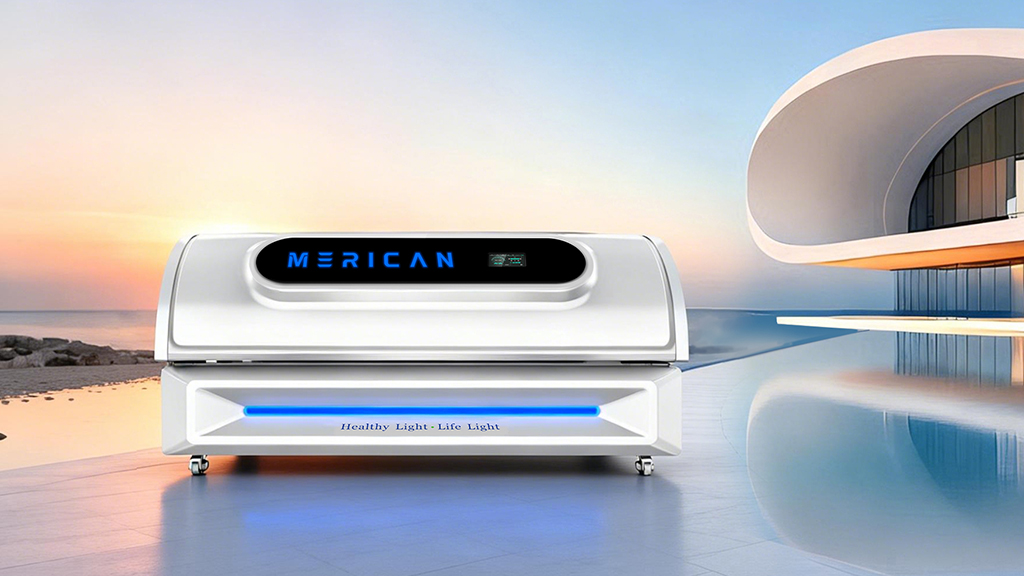
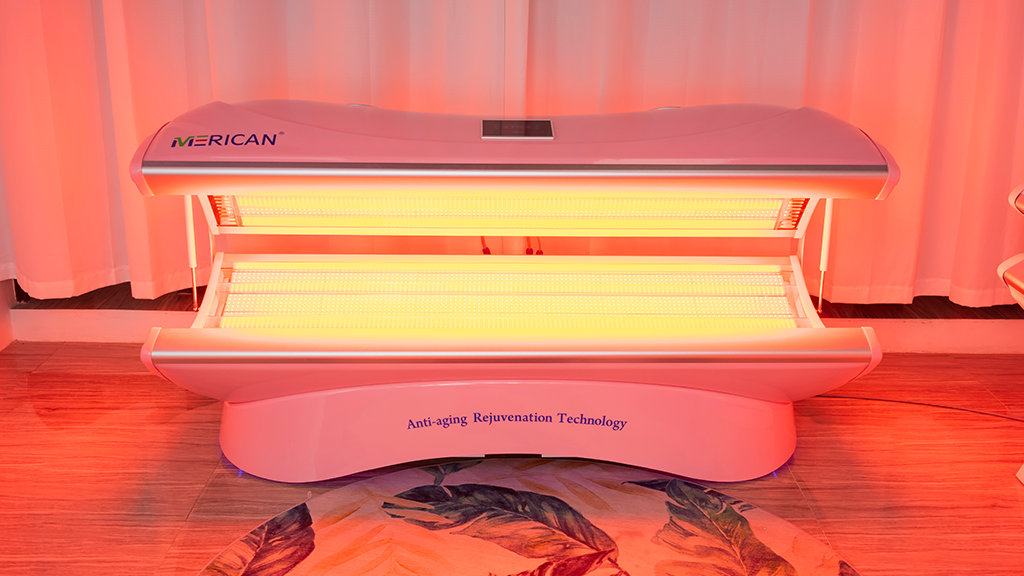
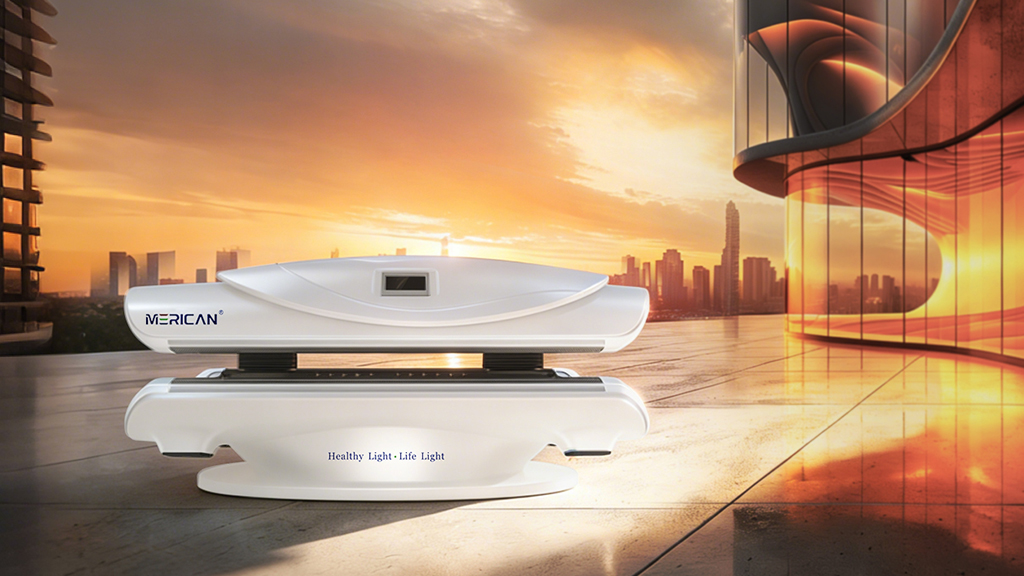
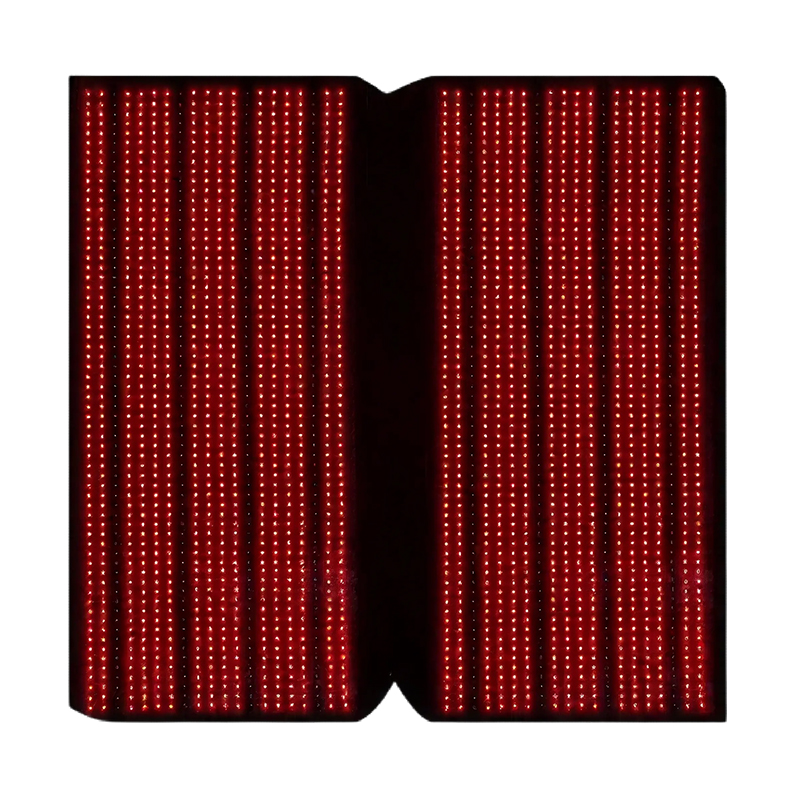
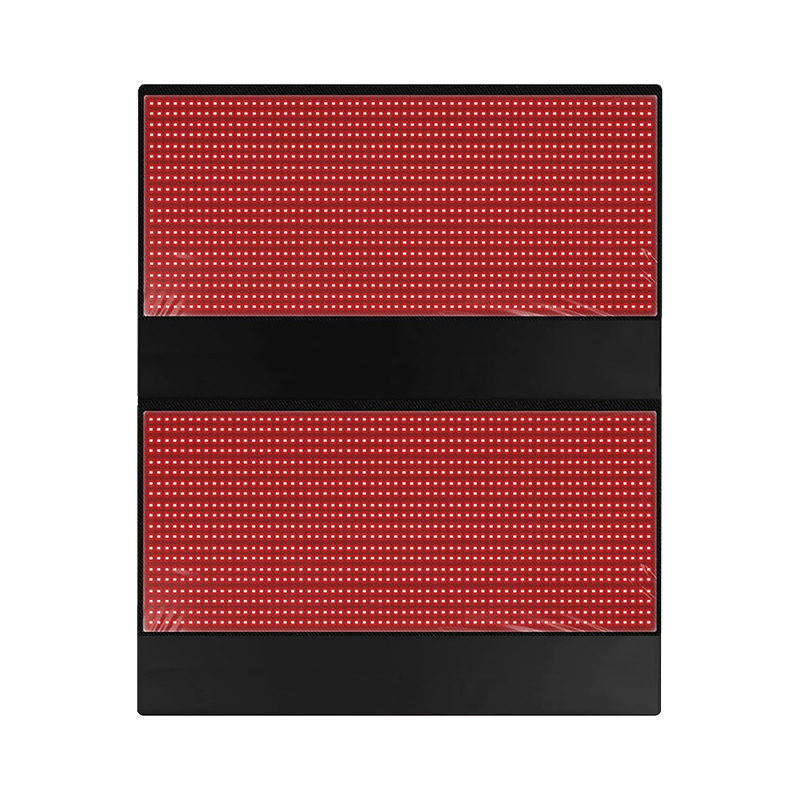
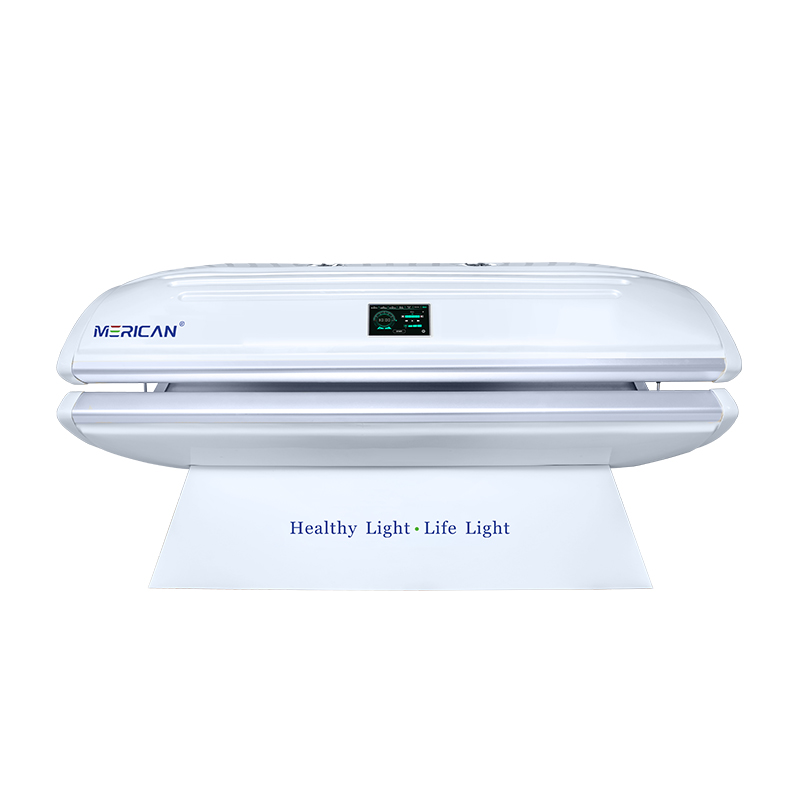
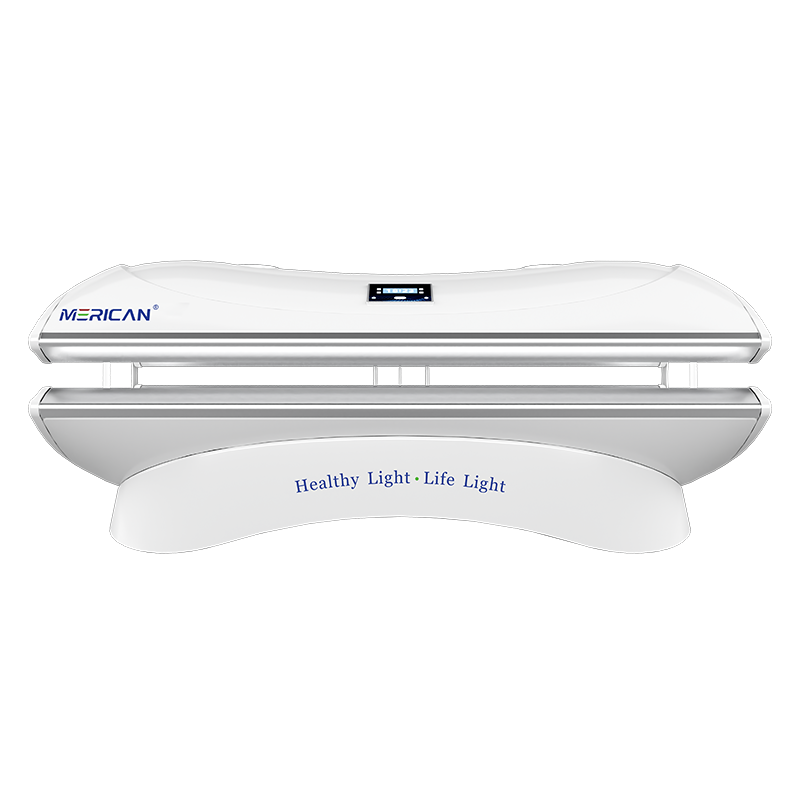
Entdecken Sie das Merican Rotlichttherapiebett M4N mit OEM/ODM-Lösungen
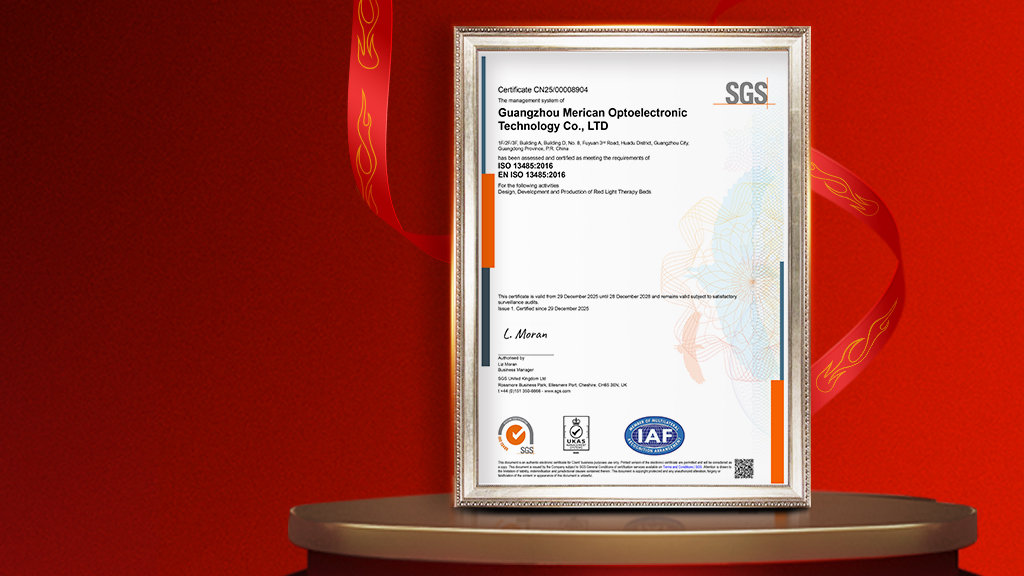
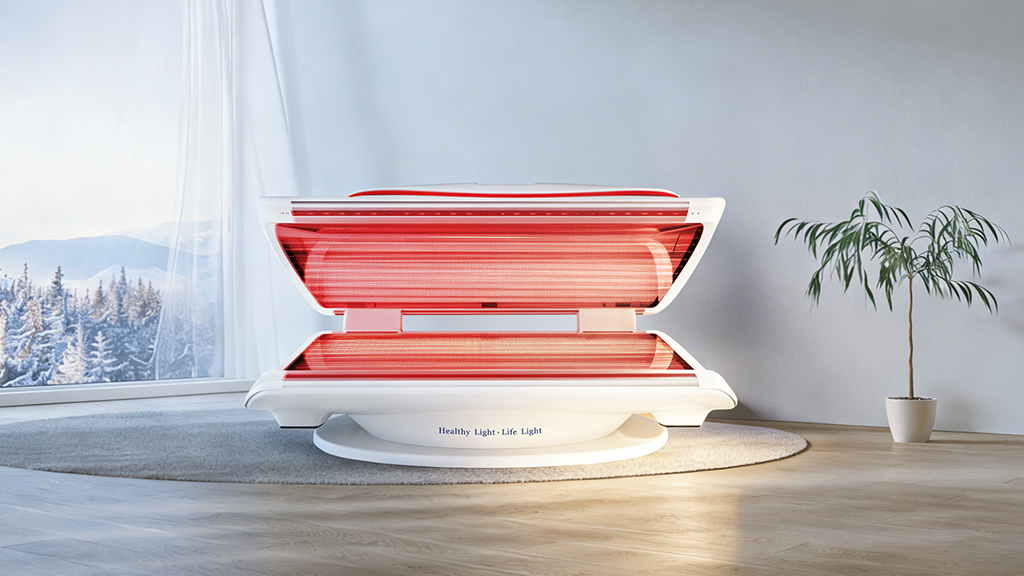
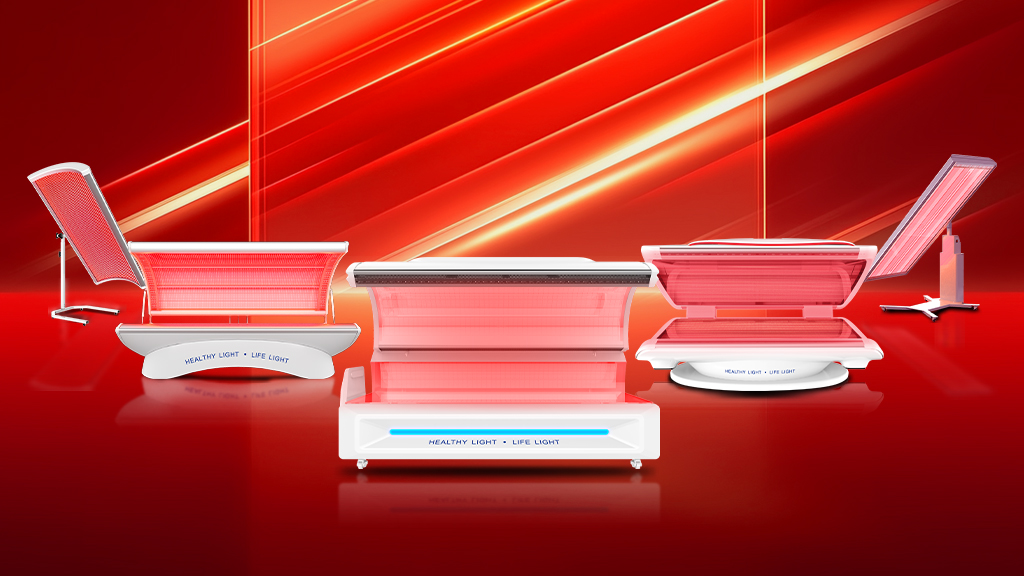
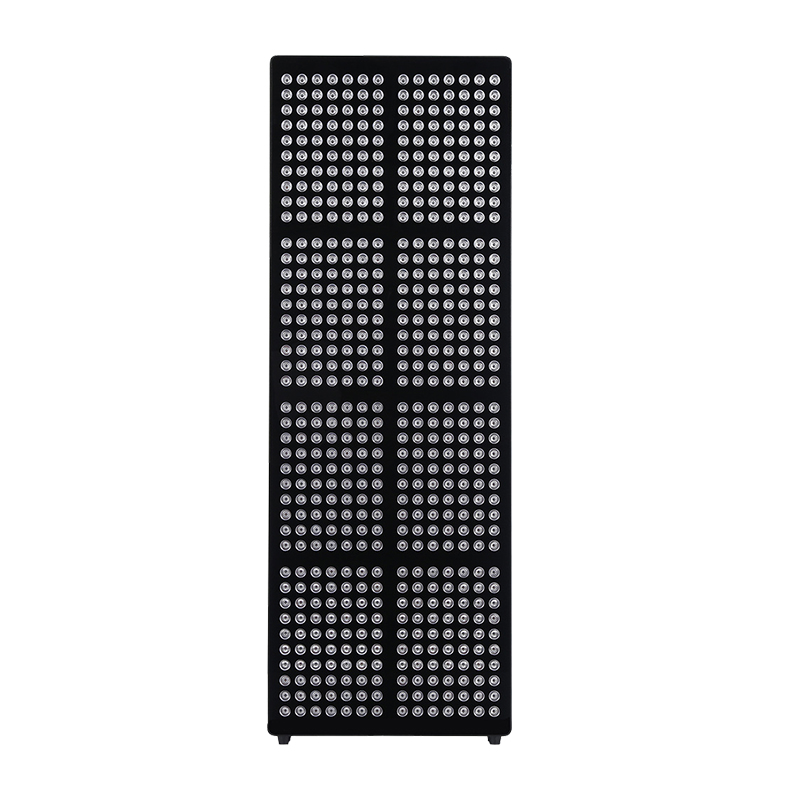
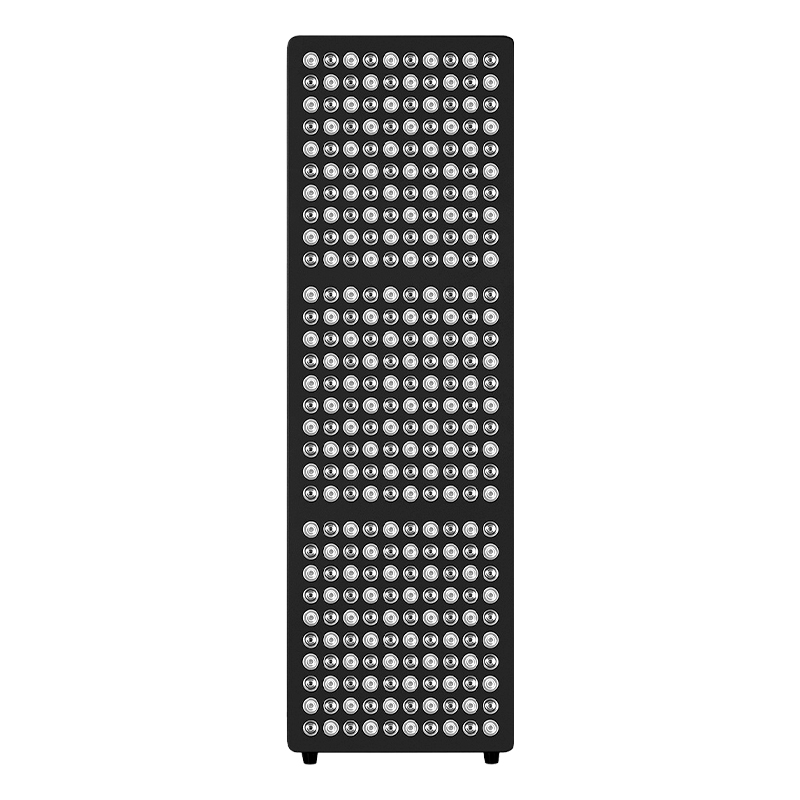
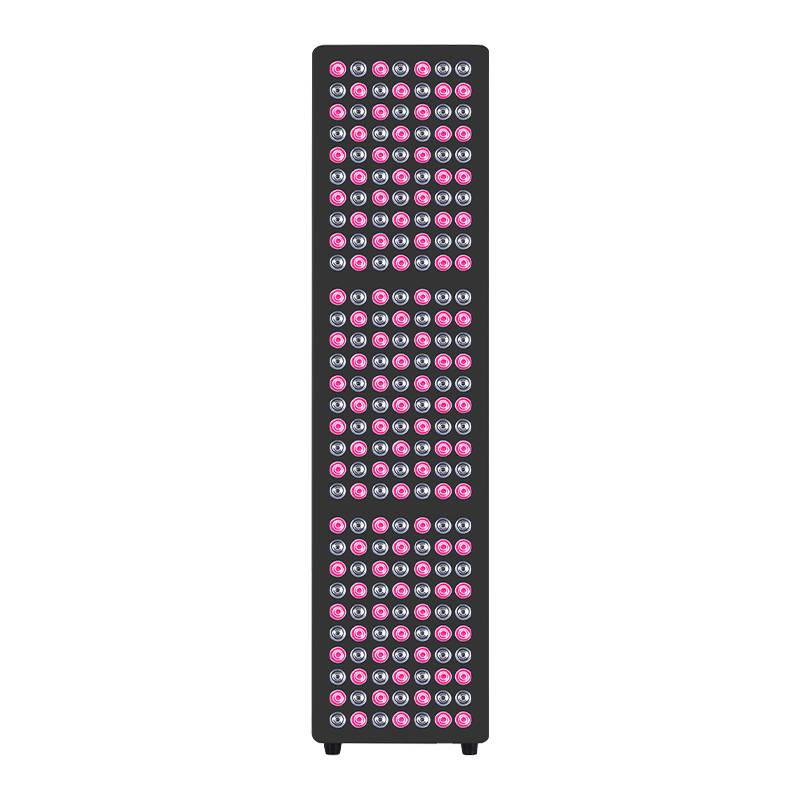
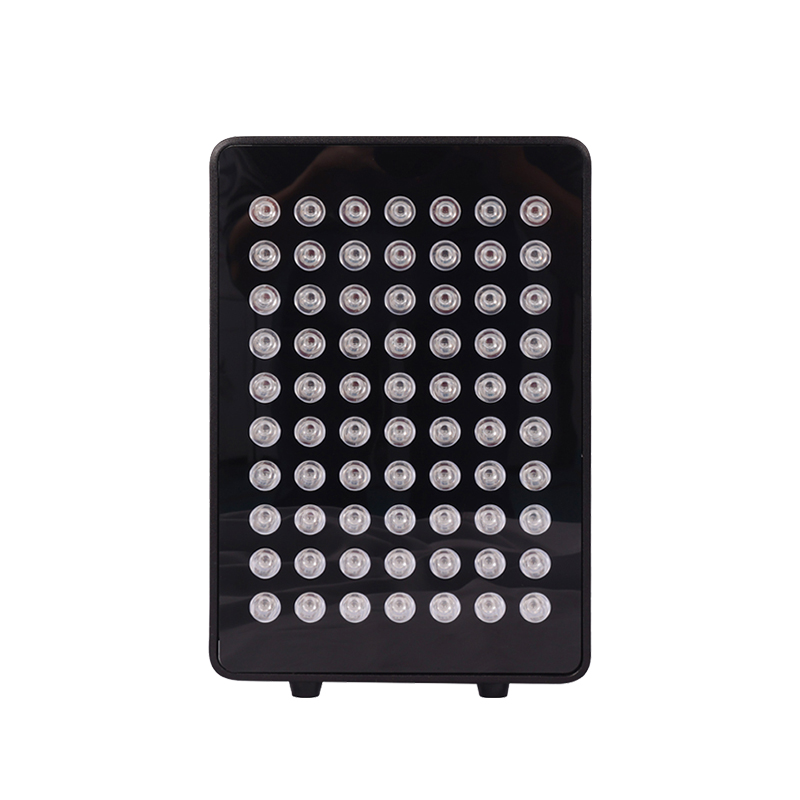
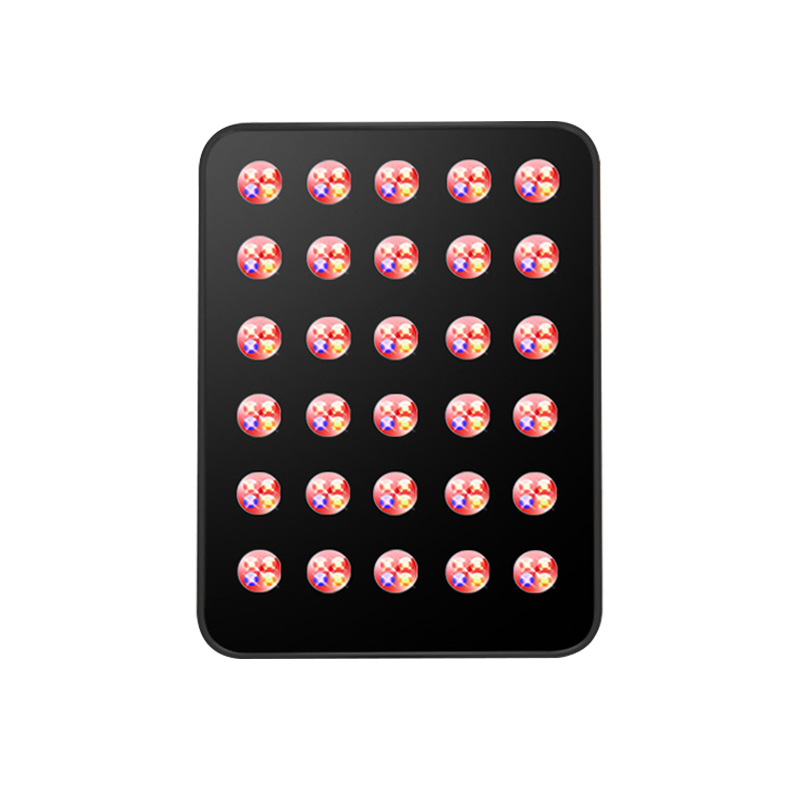
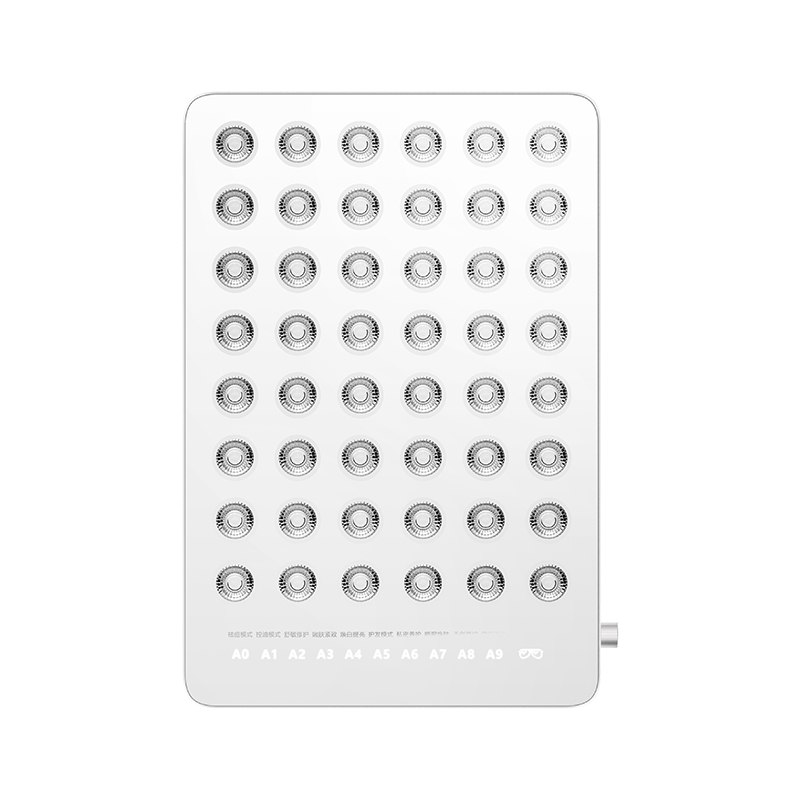
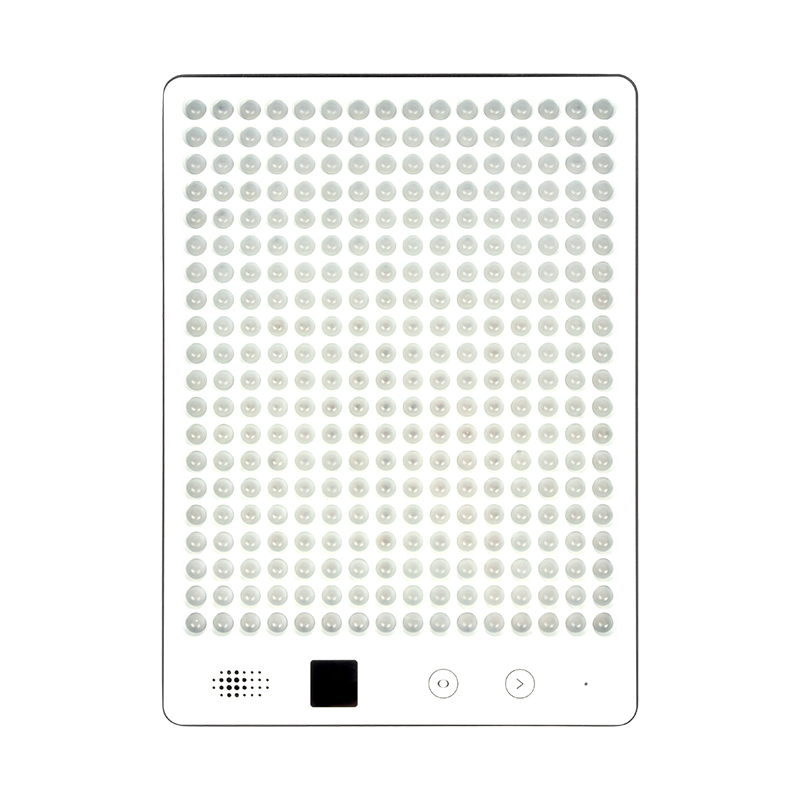
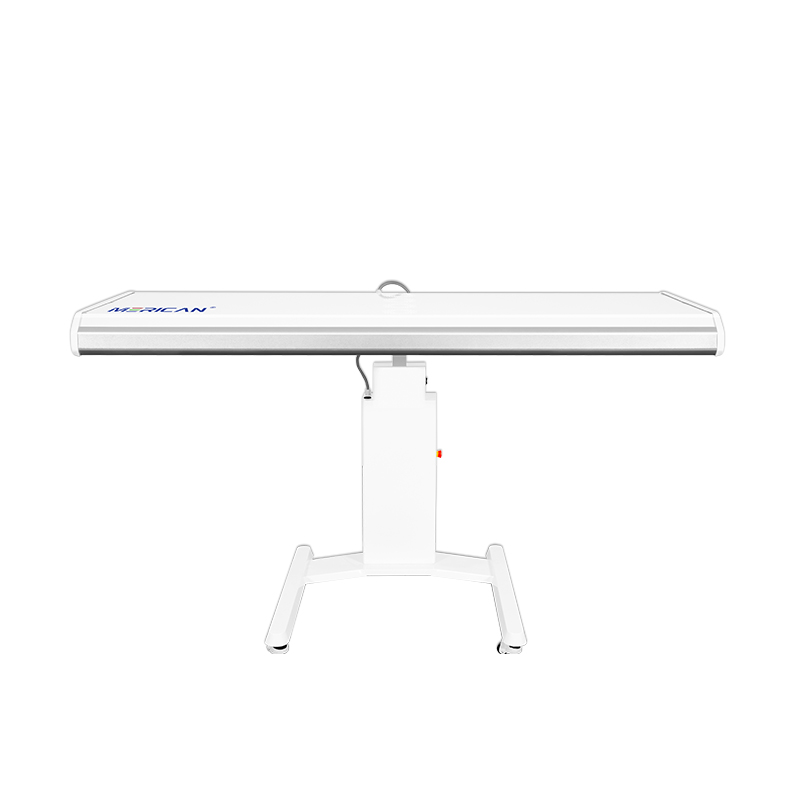
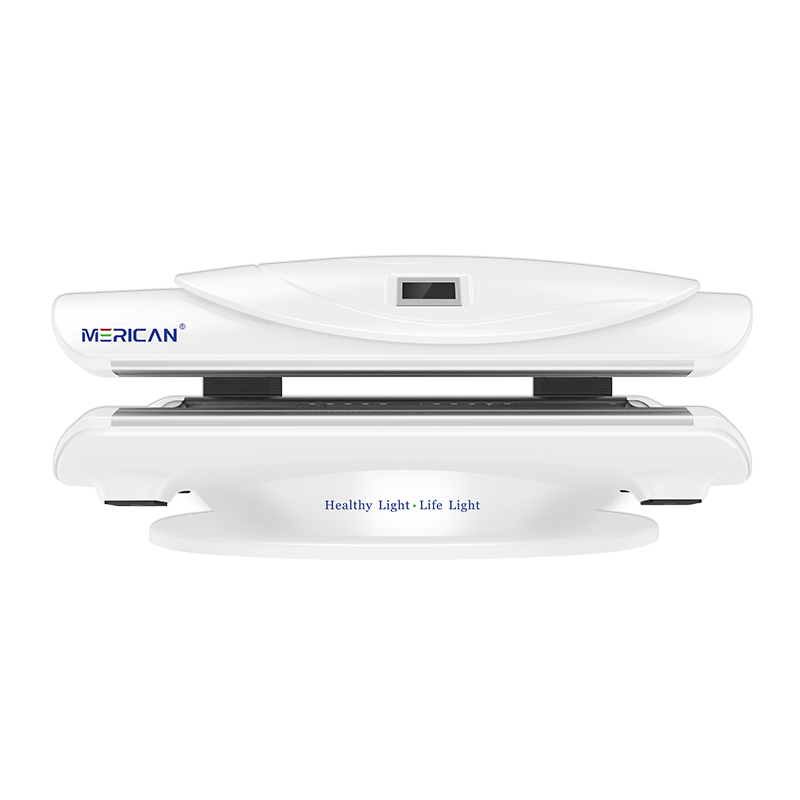
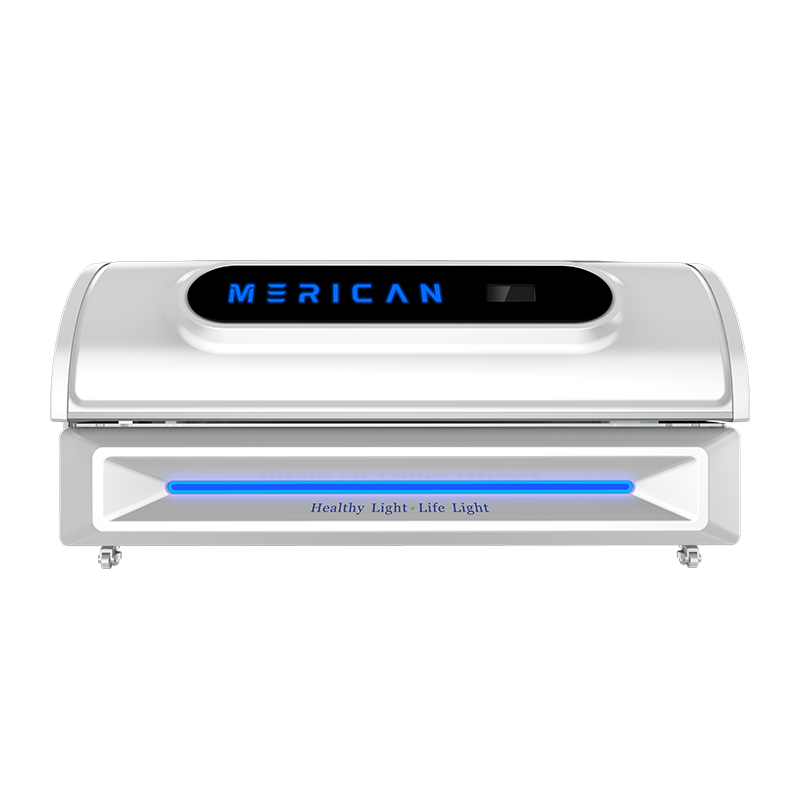
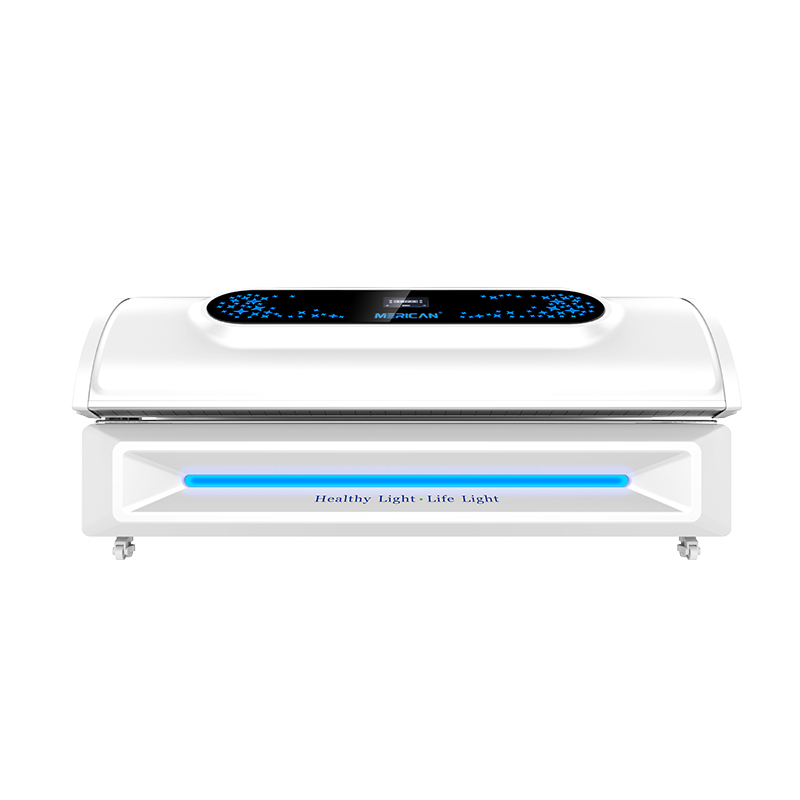
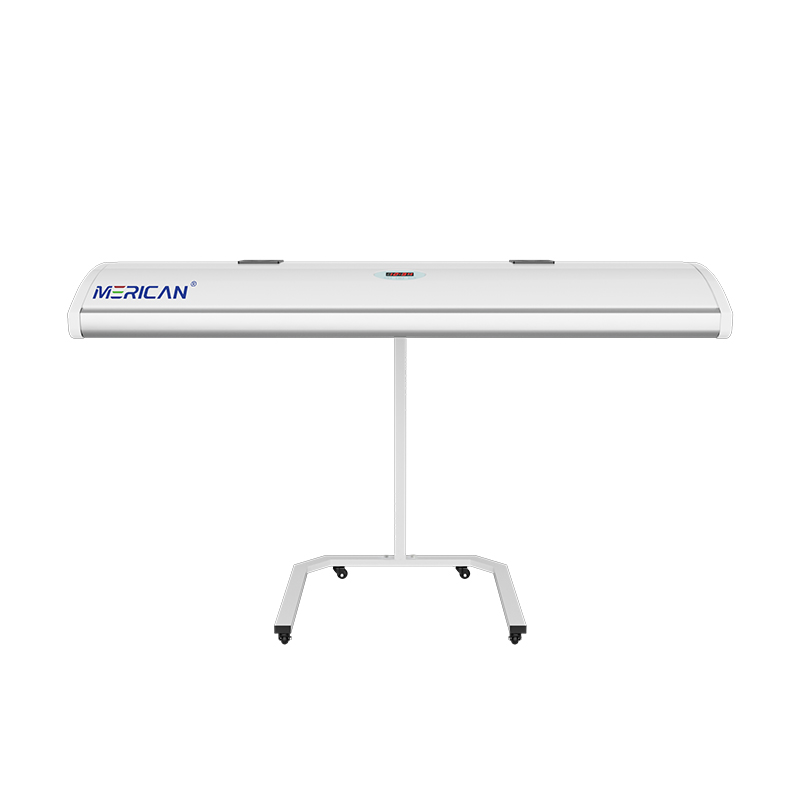
Merican is a professional manufacturer specializing in advanced light therapy equipment, einschließlich der hohen Leistung Red light therapy bed M4N. The M4N is designed with optimized red and near-infrared wavelengths to support professional wellness, Hautpflege, und Wiederherstellungsanwendungen.
Der Merican Red light therapy bed M4N features stable output, efficient full-body light coverage, and durable commercial-grade engineering, Dadurch ist es für Wellness-Zentren geeignet, Schönheitskliniken, and professional therapy environments.
Merican also provides full OEM- und ODM-Anpassungsdienste, einschließlich Produktdesign, structural modification, Branding-Lösungen, and tailored manufacturing to meet different market demands.
Zusätzlich, Merican supports global Kooperationsmöglichkeiten zwischen Agenten und Distributoren, bietet starken technischen Support, manufacturing capability, and long-term partnership potential for international business growth.