A terapia da luz vermelha tornou-se uma das tecnologias de crescimento mais rápido no bem-estar, cuidados com a pele, e aplicativos de recuperação. A maioria dos usuários está familiarizada com comprimentos de onda terapêuticos comuns, como 630nm, 660nm, 810nm, e 850 nm. No entanto, a growing number of searches are now focused on red light therapy 1280nm, levantando uma questão importante:
Is 1280nm actually used in red light therapy, and does it provide benefits?
To answer this, we need to understand how light wavelengths interact with human tissue and why most professional systems operate within specific ranges.
O que é terapia com luz vermelha?
Terapia com luz vermelha, Também conhecido como Fotobiomodulação (PBM), is a non-invasive technology that uses specific wavelengths of light to stimulate biological responses in cells.
The most commonly used wavelengths are:
- Luz vermelha: 630NM - 660nm
- Luz infravermelha próxima: 810NM - 850nm
These wavelengths are widely adopted in clinical and commercial devices because they have been studied extensively for their interaction with skin and tissue.
Ao contrário da luz UV, red light therapy does not damage skin or cause tanning. Em vez de, it is designed to support natural cellular processes.
What Is 1280nm Light?
The wavelength 1280nm belongs to the infrared spectrum, specifically the deeper infrared range beyond typical near-infrared therapy.
While infrared light does exist across a wide spectrum, not all wavelengths are equally effective or practical for biological applications.
In the case of 1280nm:
- It is deeper in the infrared range
- It is not commonly used in LED-based therapy devices
- It has limited research in photobiomodulation applications
Most modern red light therapy devices do not include 1280nm because it falls outside the most effective and well-researched therapeutic range.
Why 630–850nm Is the Standard in Red Light Therapy
Professional red light therapy systems are designed around scientifically supported wavelengths.
1. Proven Biological Interaction
Research consistently focuses on:
- 630nm (skin surface interaction)
- 660nm (collagen and skin support)
- 810nm – 850 nm (penetração profunda nos tecidos)
These ranges show reliable interaction with cellular activity.
2. Effective Tissue Penetration
Different wavelengths penetrate different depths:
- Luz vermelha (630–660nm): surface skin layers
- Infravermelho próximo (810–850nm): deeper muscle and tissue layers
This combination provides balanced coverage for both skin and deeper tissue support.
3. LED Efficiency and Stability
LED technology performs best within the 600–900nm range. Beyond this range:
- Efficiency decreases
- Biological response becomes less predictable
- Device design becomes more complex
This is why commercial systems standardize within 630–850nm.
Does 1280nm Provide Additional Benefits?
Atualmente, 1280nm is not a standard wavelength used in red light therapy beds or panels.
This is mainly because:
- There is limited clinical evidence for photobiomodulation at this wavelength
- Water absorption in tissue increases at deeper infrared levels
- Light behavior becomes less predictable in biological systems
Como resultado, most manufacturers do not design therapy systems around 1280nm.
Em vez de, they focus on wavelengths with established scientific validation.
What Users Should Focus on Instead
If you are evaluating red light therapy devices, the following factors are far more important than extreme infrared wavelengths:
1. Qualidade de comprimento de onda
Look for devices that include:
- 630nm / 660nm (luz vermelha)
- 810nm / 830nm / 850nm (infravermelho próximo)
2. Saída de Irradiância
Higher irradiance ensures sufficient energy delivery for effective sessions.
3. Cobertura de corpo inteiro
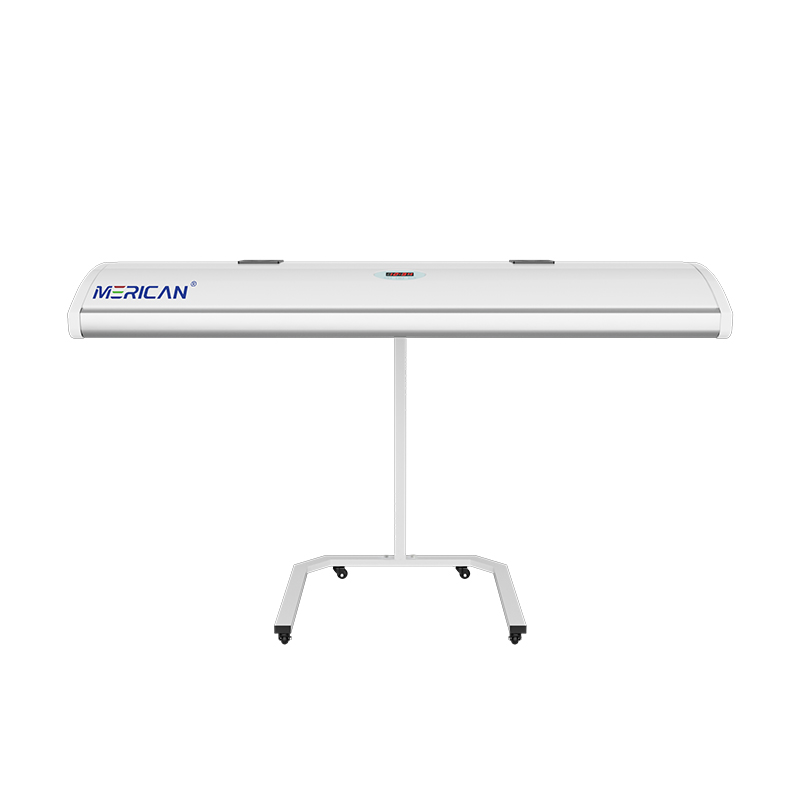
Larger therapy beds or panels provide more consistent exposure.
4. Device Engineering
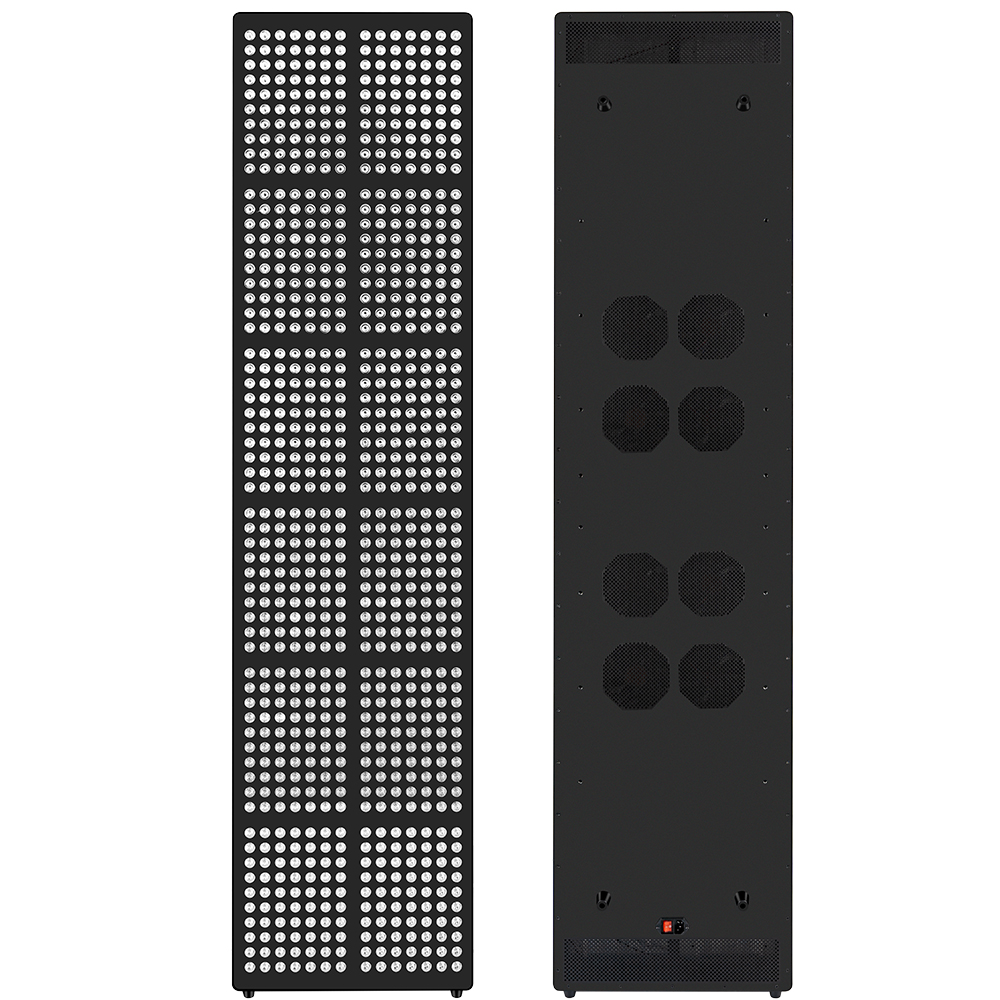
Sistemas de refrigeração, LED layout, and structural design all influence performance.
Applications of Red Light Therapy Beds
Red light therapy beds are widely used in:
- Skin appearance improvement routines
- Muscle recovery support
- Terapia de bem-estar e relaxamento
- Sports recovery centers
- Beauty and spa clinics
Their popularity continues to grow due to their non-invasive nature and versatility.
Pensamentos finais: Is Red Light Therapy 1280nm Necessary?
Enquanto red light therapy 1280nm is an interesting topic in search trends, it is not a standard or widely used wavelength in modern LED therapy systems.
Most effective and scientifically supported devices operate within the 630nm–850nm range, which offers reliable and repeatable biological interaction.
For users and businesses, focusing on proven wavelengths is far more important than exploring extreme infrared values without strong clinical validation.
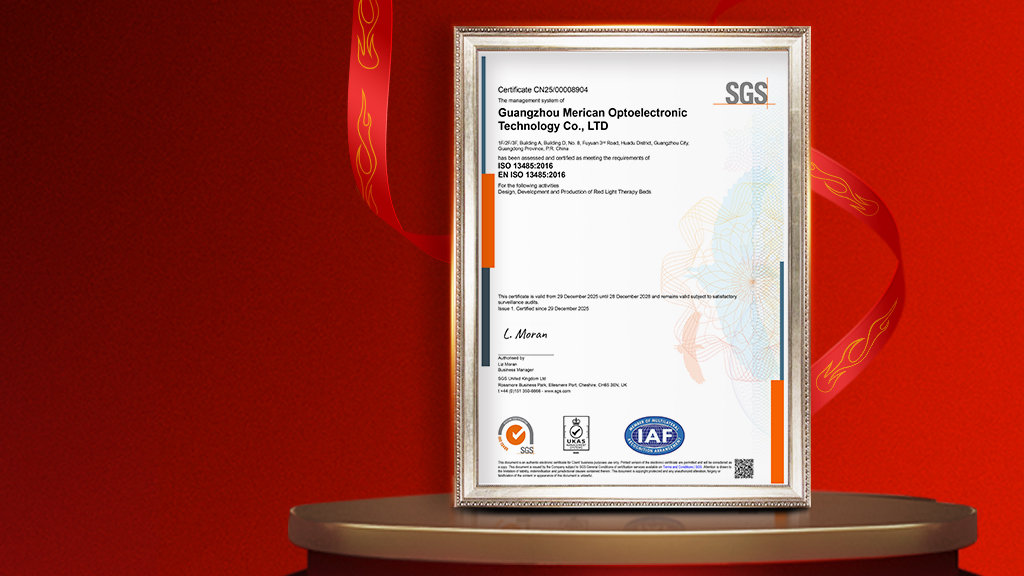
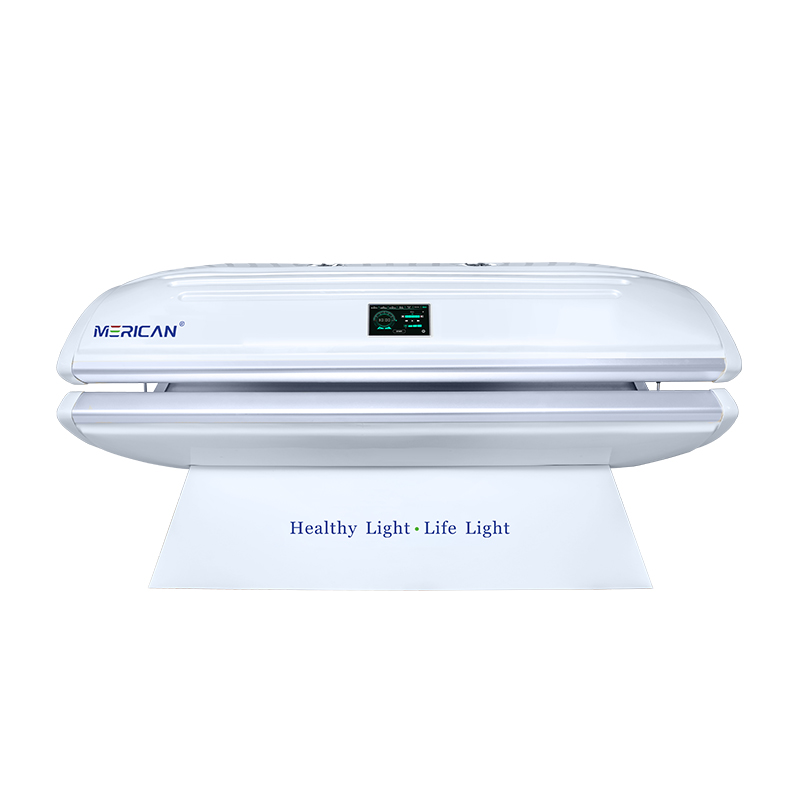
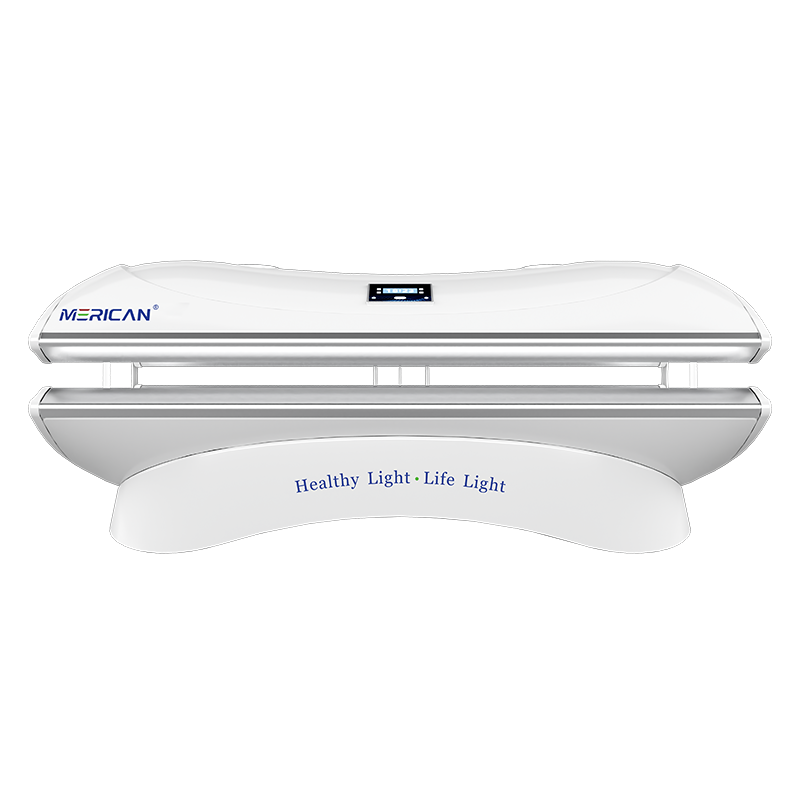
Discover Merican Red Light Therapy Bed M4N with OEM/ODM Solutions
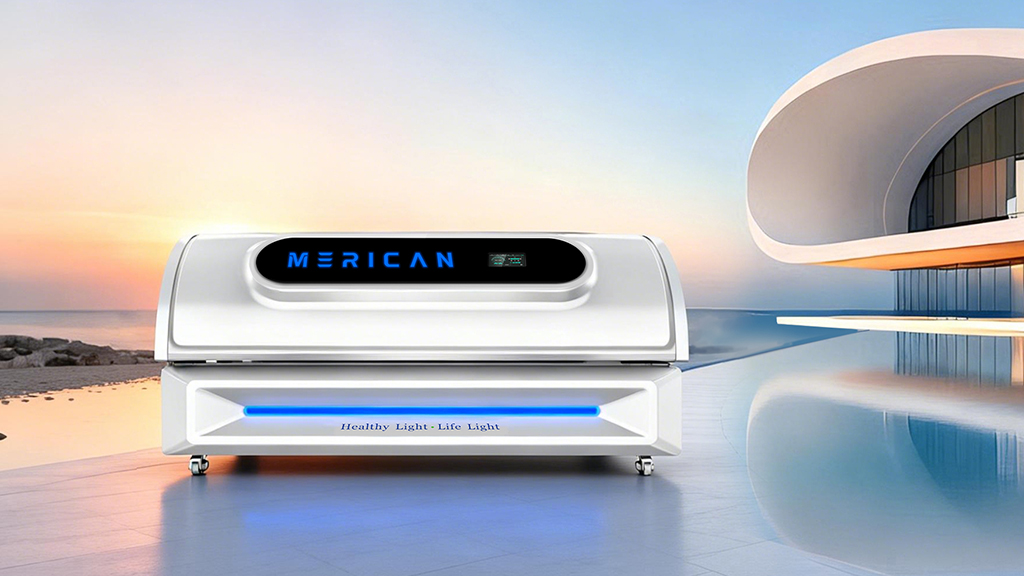
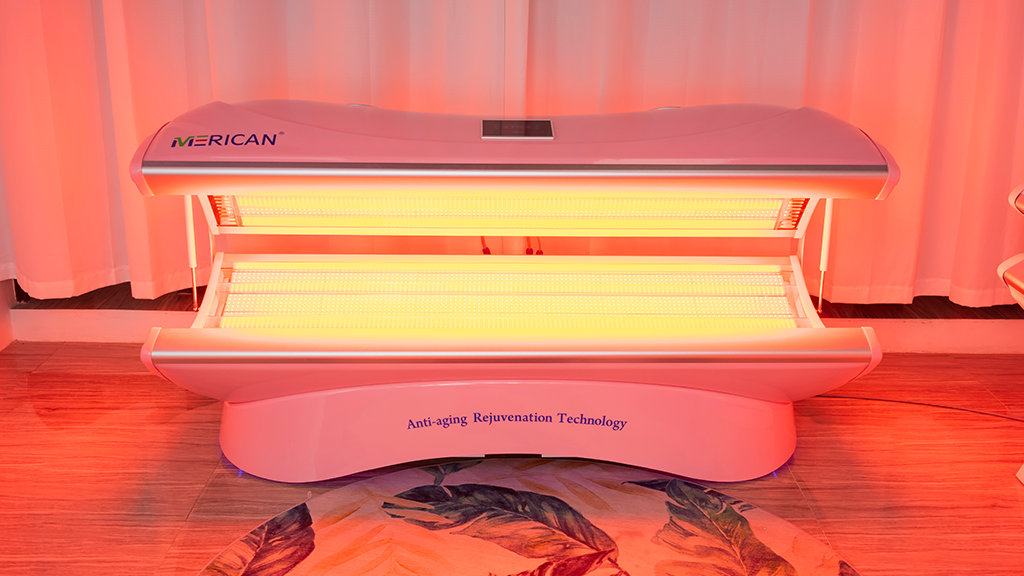
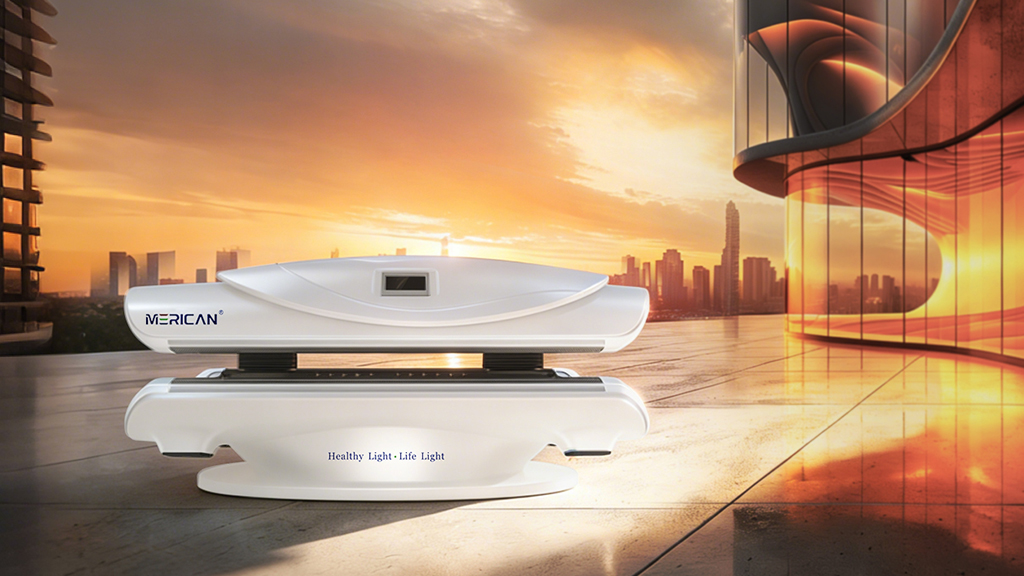
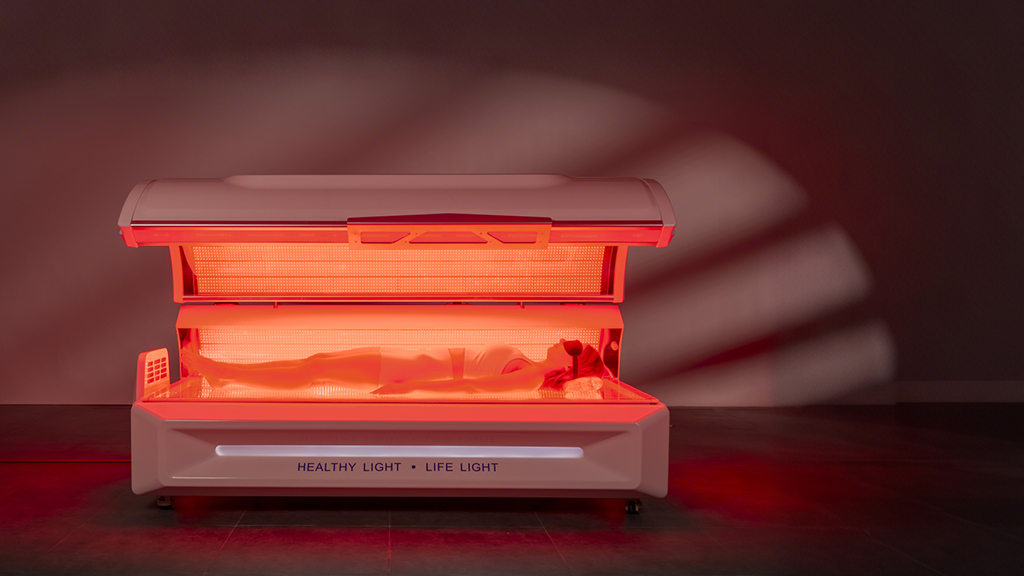
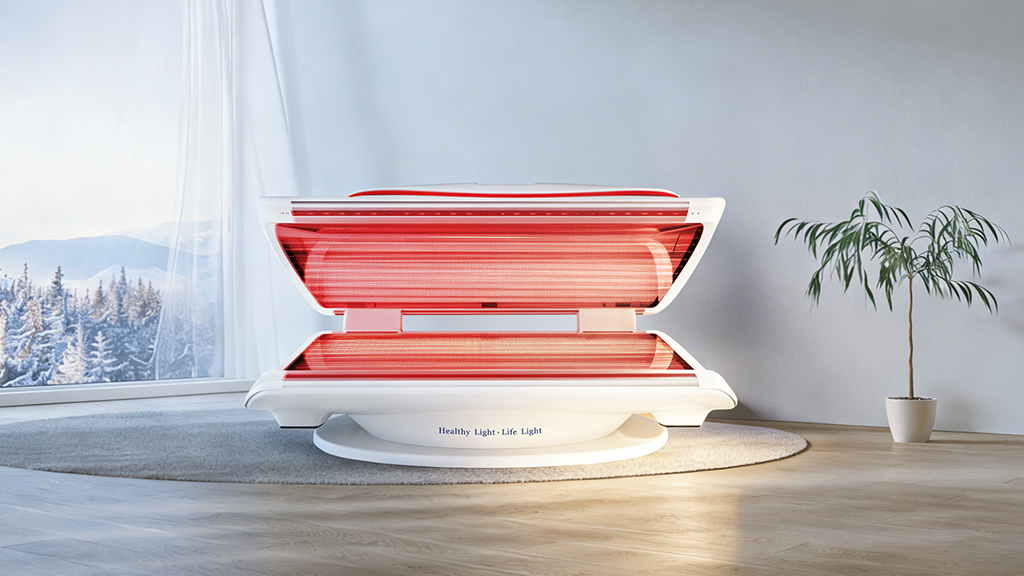
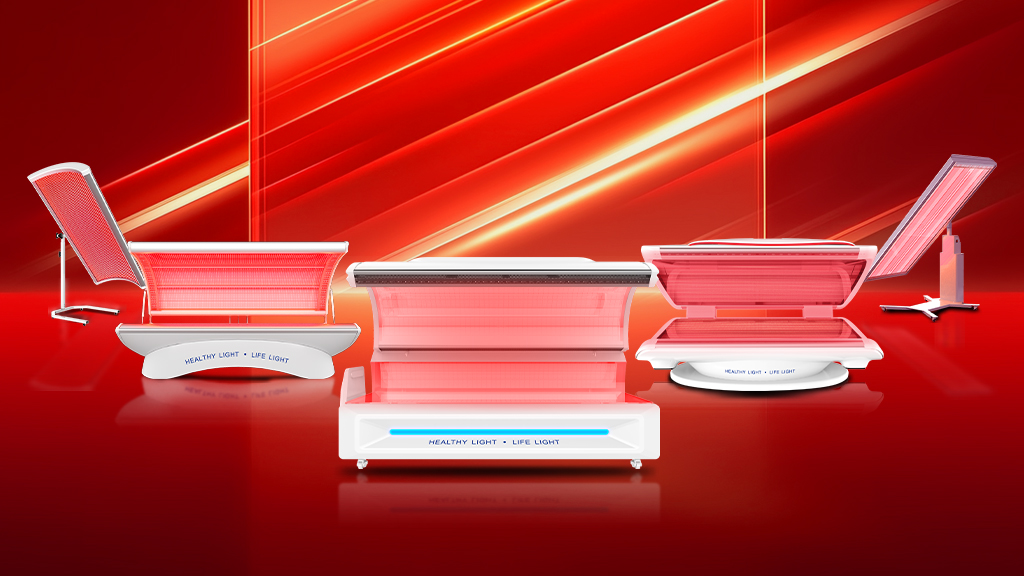
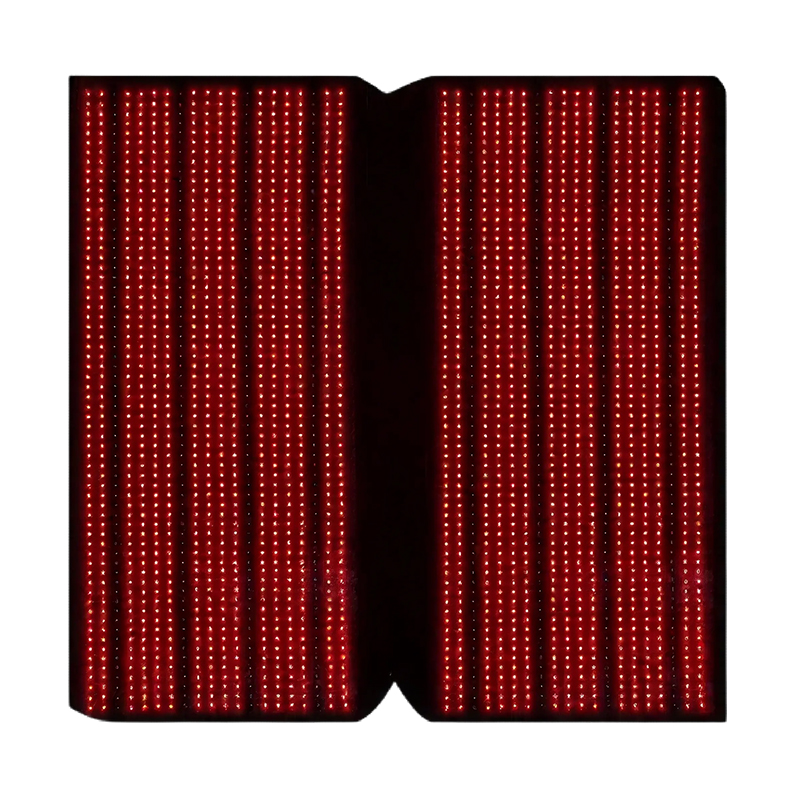
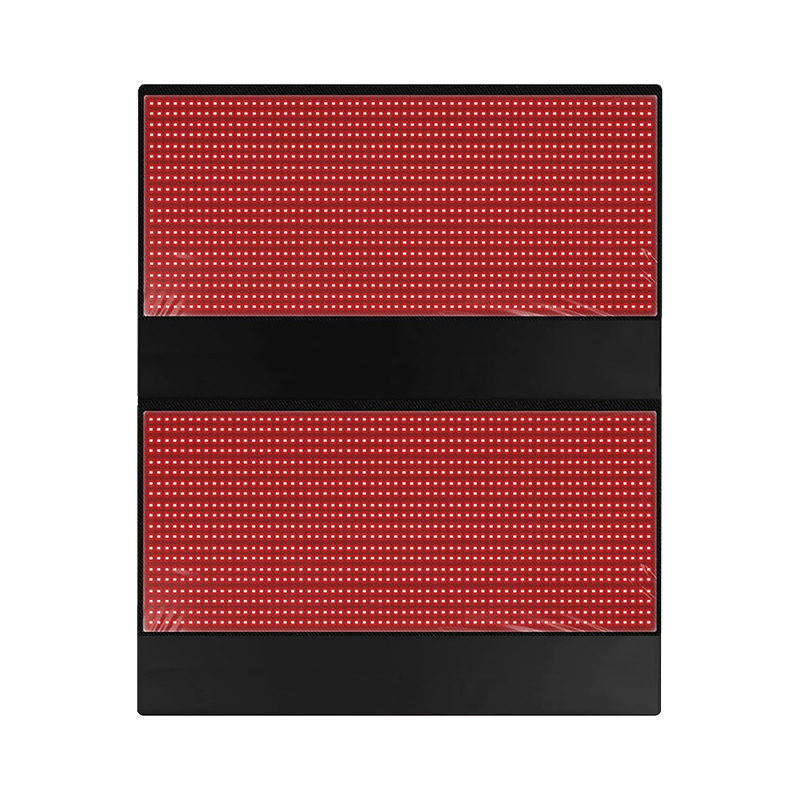
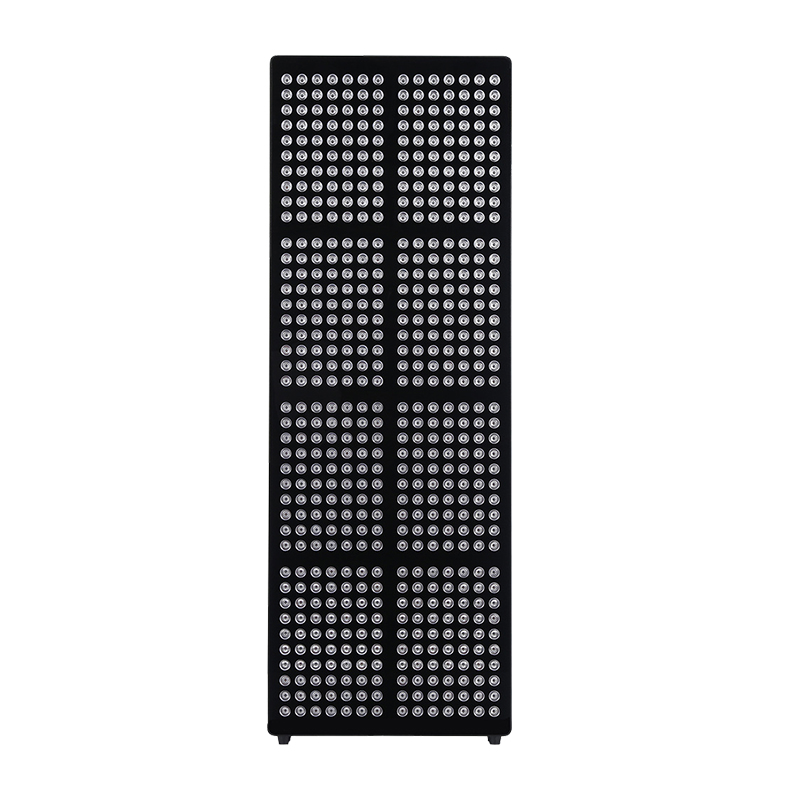
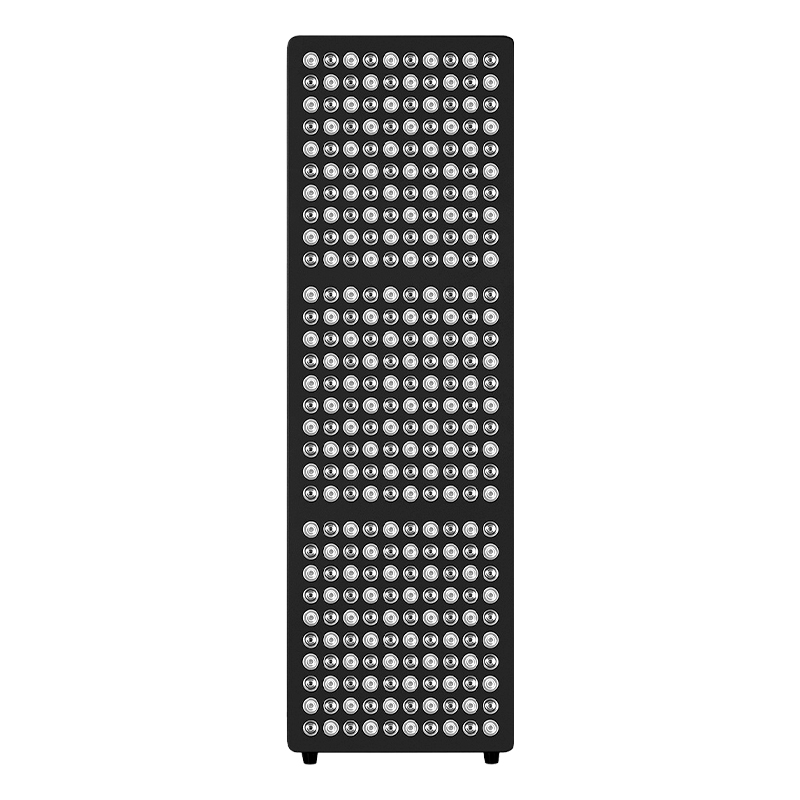
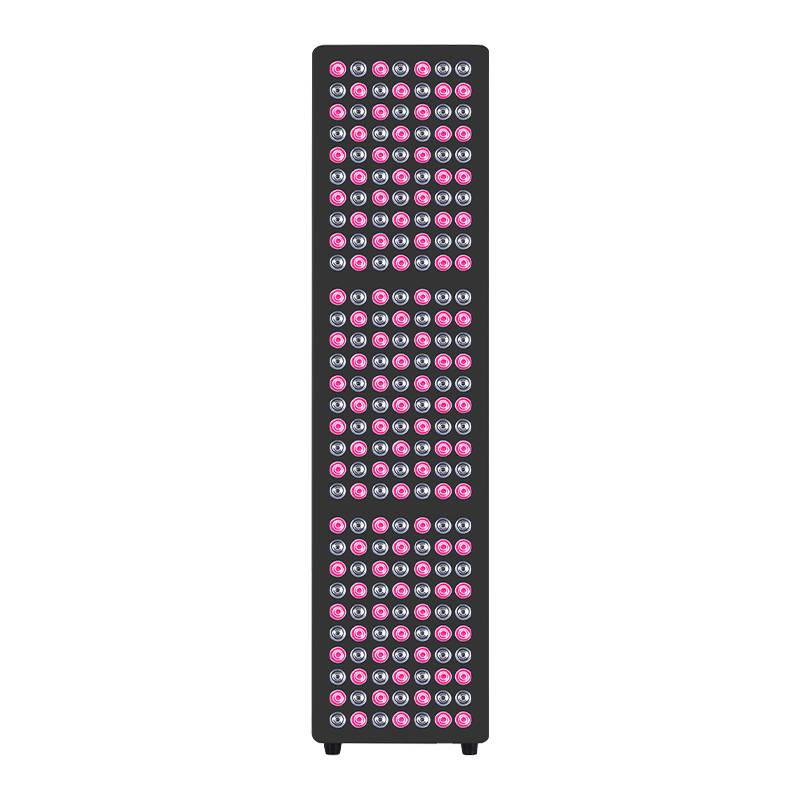
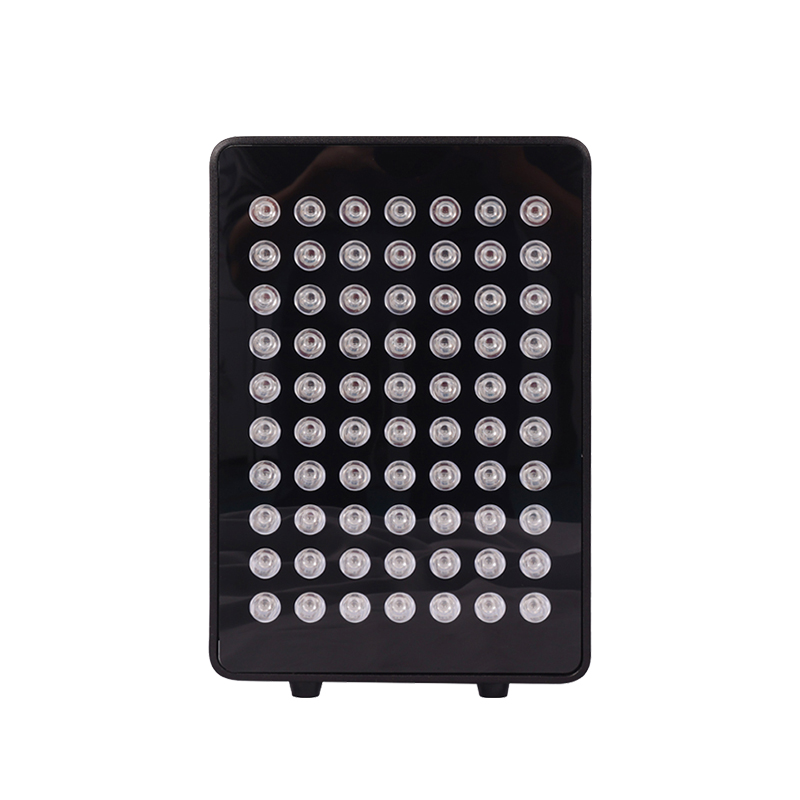
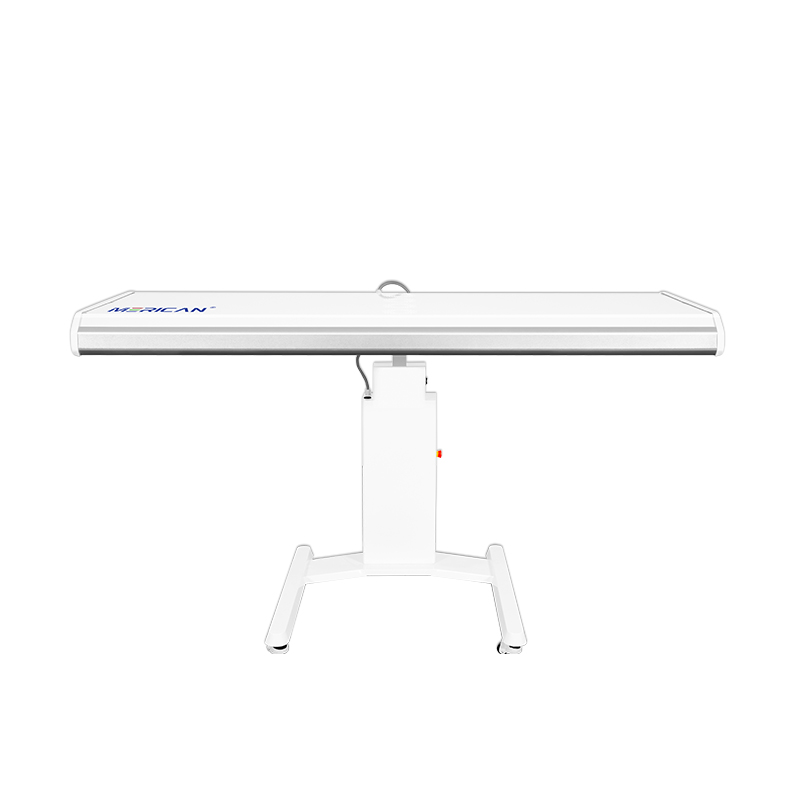
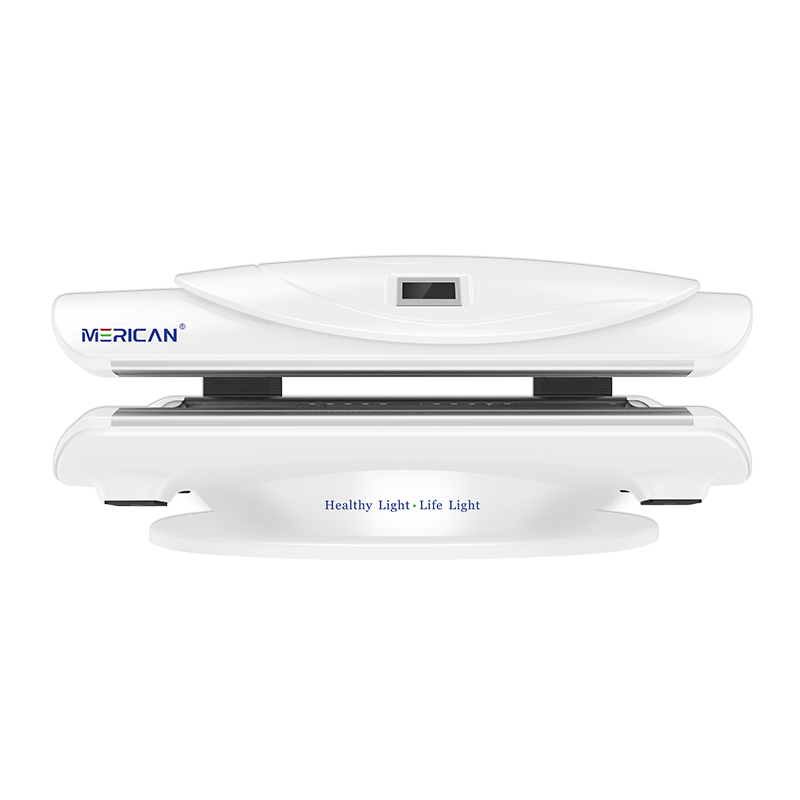
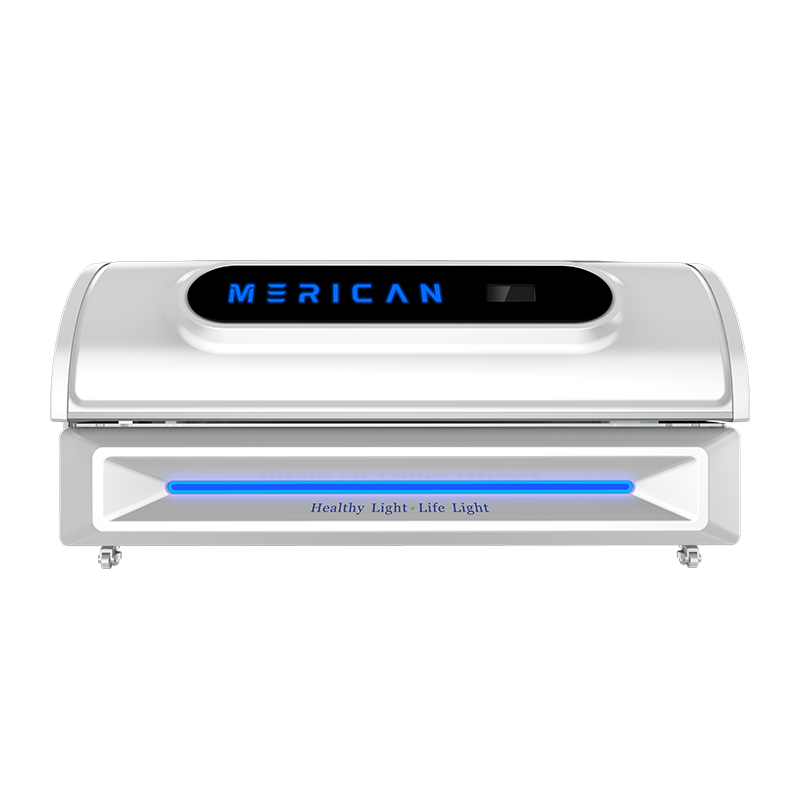
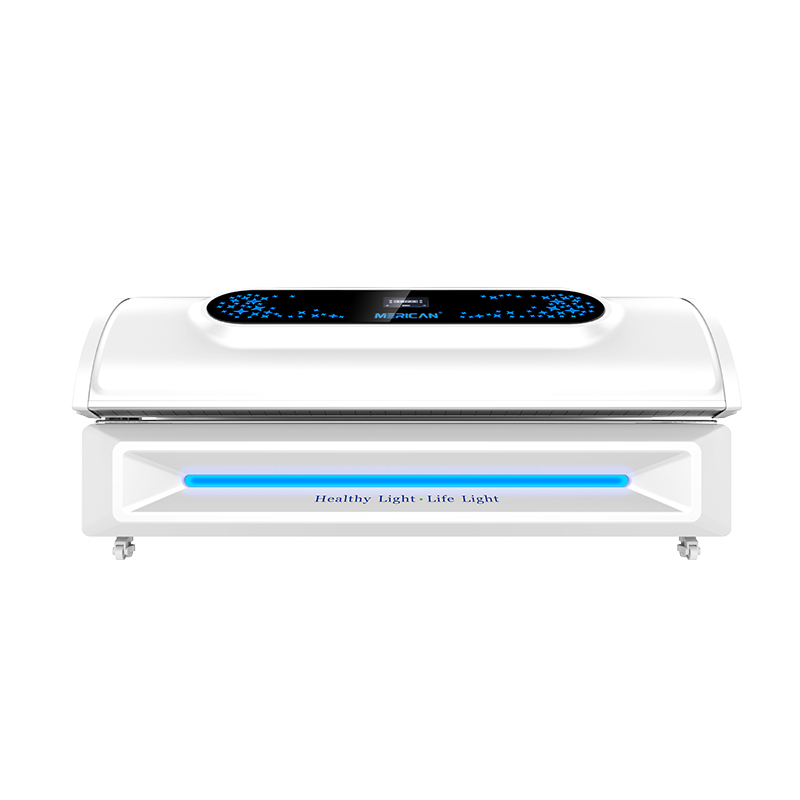
Merican é um fabricante profissional especializado em equipamentos avançados de terapia de luz, incluindo o alto desempenho Red light therapy bed M4N. The M4N is designed with optimized red and near-infrared wavelengths to support professional wellness, cuidados com a pele, e aplicativos de recuperação.
O Merican Red light therapy bed M4N features stable output, efficient full-body light coverage, and durable commercial-grade engineering, tornando-o adequado para centros de bem-estar, clínicas de beleza, e ambientes de terapia profissional.
Merican also provides full Serviços de personalização OEM e ODM, incluindo design de produto, modificação estrutural, soluções de marca, and tailored manufacturing to meet different market demands.
Além disso, Merican apoia globalmente oportunidades de cooperação entre agentes e distribuidores, oferecendo forte suporte técnico, manufacturing capability, e potencial de parceria de longo prazo para o crescimento dos negócios internacionais.