Tá teiripe solais dhearg anois ar cheann de na teicneolaíochtaí is mó fáis i folláine, cúram craicinn, agus feidhmchláir athshlánaithe. Tá an chuid is mó d'úsáideoirí eolach ar thonnfhaid teiripeacha coitianta ar nós 630nm, 660nm, 810nm, agus 850 nm. Mar sin féin, dírítear anois ar líon méadaitheach cuardaigh teiripe solas dearg 1280nm, ceist thábhachtach a ardú:
An úsáidtear 1280nm i ndáiríre i teiripe solas dearg, agus an soláthraíonn sé sochair?
Chun seo a fhreagairt, ní mór dúinn a thuiscint conas a idirghníomhaíonn tonnfhaid solais le fíochán daonna agus cén fáth go n-oibríonn an chuid is mó de na córais ghairmiúla laistigh de raonta sainiúla.
Cad is Teiripe Solas Dearg ann?
Teiripe solas dearg, ar a dtugtar freisin photobiomodulation (PBM), is teicneolaíocht neamh-ionrach é a úsáideann tonnfhaid solais ar leith chun freagairtí bitheolaíocha i gcealla a spreagadh.
Is iad na tonnfhaid is coitianta a úsáidtear:
- Solas dearg: 630nm – 660nm
- Solas gar-infridhearg: 810nm – 850nm
Glactar go forleathan leis na tonnfhaid seo i bhfeistí cliniciúla agus tráchtála toisc go ndearnadh staidéar forleathan orthu maidir lena n-idirghníomhaíocht le craiceann agus fíocháin.
Murab ionann agus solas UV, ní dhéanann teiripe solas dearg damáiste don chraiceann ná ní chuireann sé faoi deara súdaireacht. Ina áit sin, tá sé deartha chun tacú le próisis cheallacha nádúrtha.
Cad é Solas 1280nm?
An tonnfhad 1280nm bhaineann leis an speictream infridhearg, go sonrach an raon infridhearg níos doimhne níos faide ná teiripe tipiciúil gar-infridhearg.
Cé go bhfuil solas infridhearg ann thar speictream leathan, níl gach tonnfhad chomh héifeachtach ná chomh praiticiúil le haghaidh feidhmeanna bitheolaíocha.
I gcás 1280nm:
- Tá sé níos doimhne sa raon infridhearg
- Ní úsáidtear go coitianta é i bhfeistí teiripe LED-bhunaithe
- Tá taighde teoranta aige in iarratais fhótabiomhodúcháin
Ní chuimsíonn an chuid is mó de na feistí teiripe solais dearga nua-aimseartha 1280nm toisc go dtagann sé lasmuigh den raon teiripeach is éifeachtaí agus a bhfuil taighde maith déanta air..
Cén fáth a bhfuil 630-850nm an Caighdeán i dTeiripe Solas Dearg
Tá córais ghairmiúla teiripe solais dhearg deartha timpeall ar thonnfhaid a bhfuil tacaíocht eolaíoch acu.
1. Idirghníomhaíocht Bitheolaíoch cruthaithe
Díríonn taighde go seasta ar:
- 630nm (idirghníomhú dromchla craiceann)
- 660nm (collagen agus tacaíocht craicinn)
- 810nm–850nm (treá fíochán domhain)
Léiríonn na raonta seo idirghníomhaíocht iontaofa le gníomhaíocht cheallacha.
2. Treá Fíocháin Éifeachtach
Téann tonnfhaid éagsúla isteach ar dhoimhneachtaí éagsúla:
- Solas dearg (630–660nm): sraitheanna craiceann dromchla
- Near-infridhearg (810–850nm): sraitheanna matáin agus fíocháin níos doimhne
Soláthraíonn an teaglaim seo clúdach cothrom do thacaíocht craiceann agus fíocháin níos doimhne.
3. Éifeachtúlacht agus Cobhsaíocht LED
Is fearr a fheidhmíonn teicneolaíocht LED laistigh den raon 600-900nm. Thar an raon seo:
- Laghdaíonn éifeachtúlacht
- Ní bhíonn an fhreagairt bhitheolaíoch chomh hintuartha
- Éiríonn dearadh gléas níos casta
Sin an fáth a ndéantar córais tráchtála a chaighdeánú laistigh de 630–850nm.
An soláthraíonn 1280nm Sochair Bhreise?
Faoi láthair, 1280Ní tonnfhad caighdeánach é nm a úsáidtear i leapacha nó i bpainéil teiripe solais dhearg.
Tá sé seo go príomha mar gheall ar:
- Tá fianaise chliniciúil teoranta ar fhótabiomodulation ag an tonnfhad seo
- Méaduithe ionsú uisce i bhfíocháin ag leibhéil infridhearg níos doimhne
- Light behavior becomes less predictable in biological systems
Mar thoradh air sin, most manufacturers do not design therapy systems around 1280nm.
Ina áit sin, they focus on wavelengths with established scientific validation.
What Users Should Focus on Instead
If you are evaluating red light therapy devices, the following factors are far more important than extreme infrared wavelengths:
1. Cáilíocht Tonnfhad
Look for devices that include:
- 630nm / 660nm (solas dearg)
- 810nm / 830nm / 850nm (gar-infridhearg)
2. Aschur ionradaíochta
Higher irradiance ensures sufficient energy delivery for effective sessions.
3. Clúdach Lánchorp
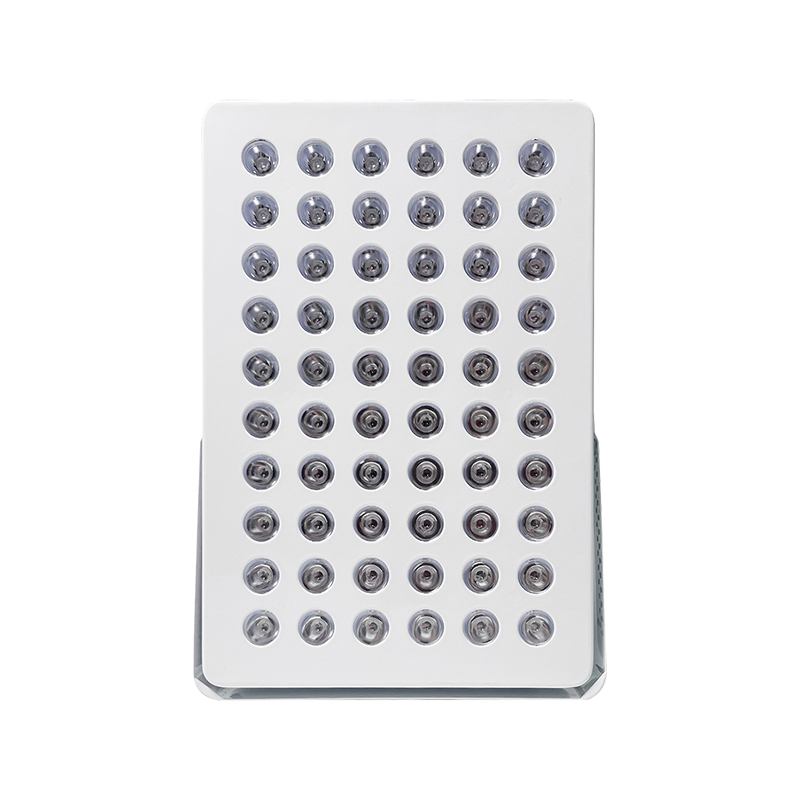
Larger therapy beds or panels provide more consistent exposure.
4. Device Engineering
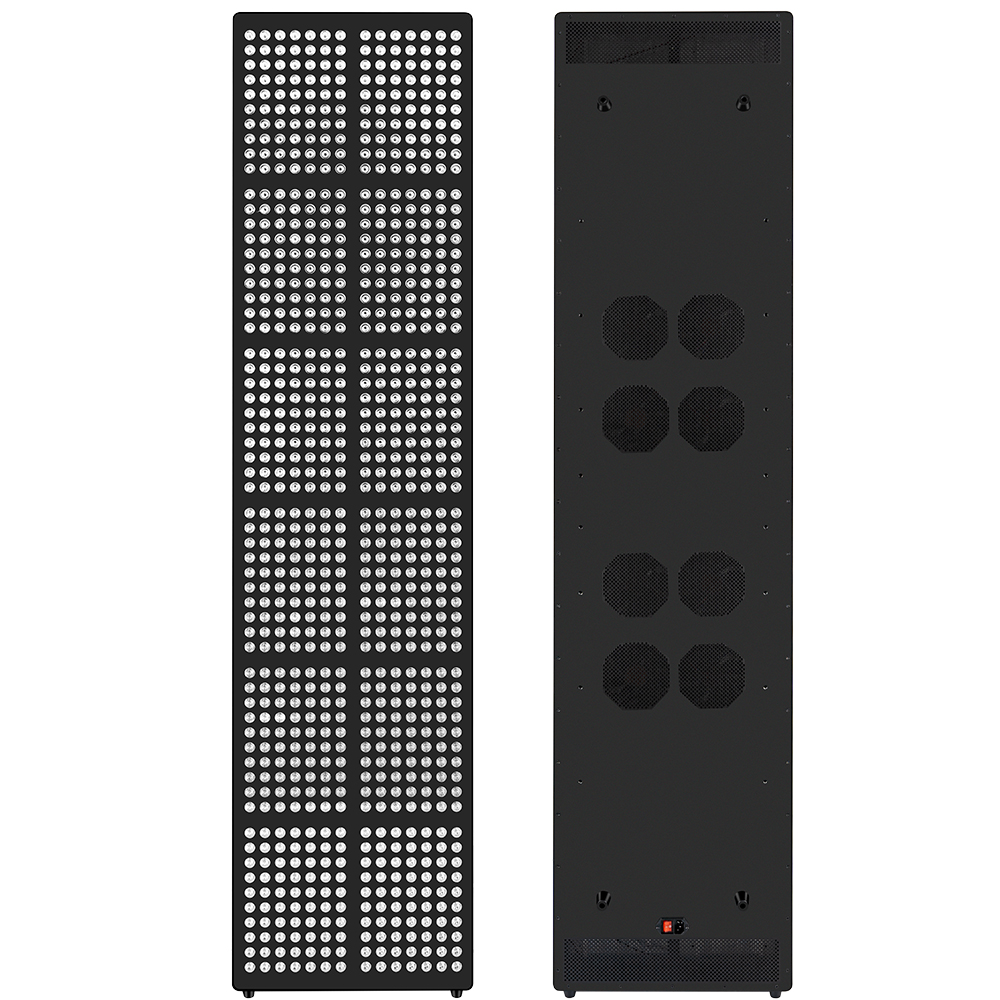
Córais fuaraithe, LED layout, and structural design all influence performance.
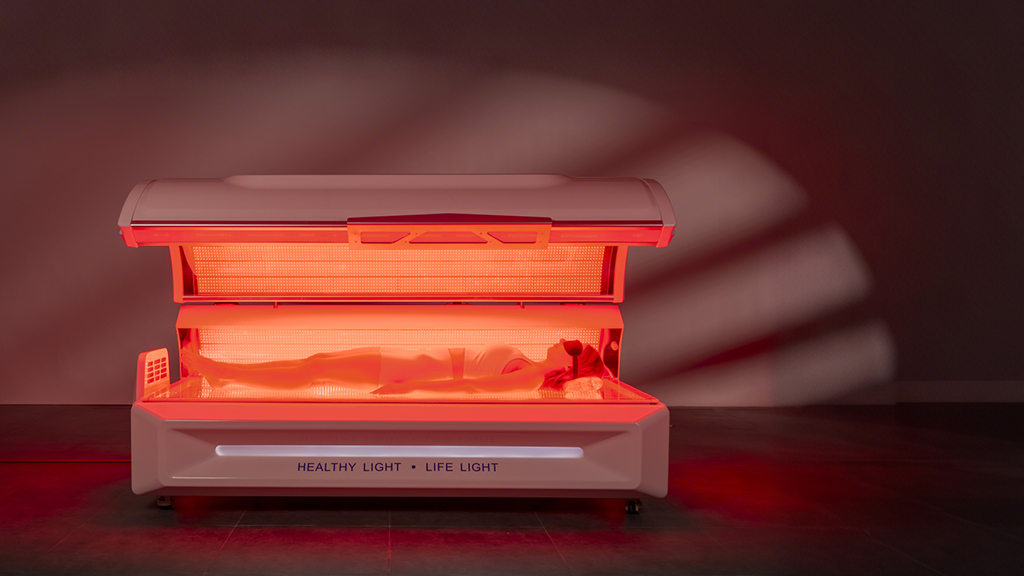
Applications of Red Light Therapy Beds
Red light therapy beds are widely used in:
- Skin appearance improvement routines
- Muscle recovery support
- Teiripe folláine agus scíthe
- Sports recovery centers
- Beauty and spa clinics
Their popularity continues to grow due to their non-invasive nature and versatility.
Smaointe Deiridh: Is Red Light Therapy 1280nm Necessary?
Cé go teiripe solas dearg 1280nm is an interesting topic in search trends, it is not a standard or widely used wavelength in modern LED therapy systems.
Most effective and scientifically supported devices operate within the 630nm–850nm range, which offers reliable and repeatable biological interaction.
For users and businesses, focusing on proven wavelengths is far more important than exploring extreme infrared values without strong clinical validation.
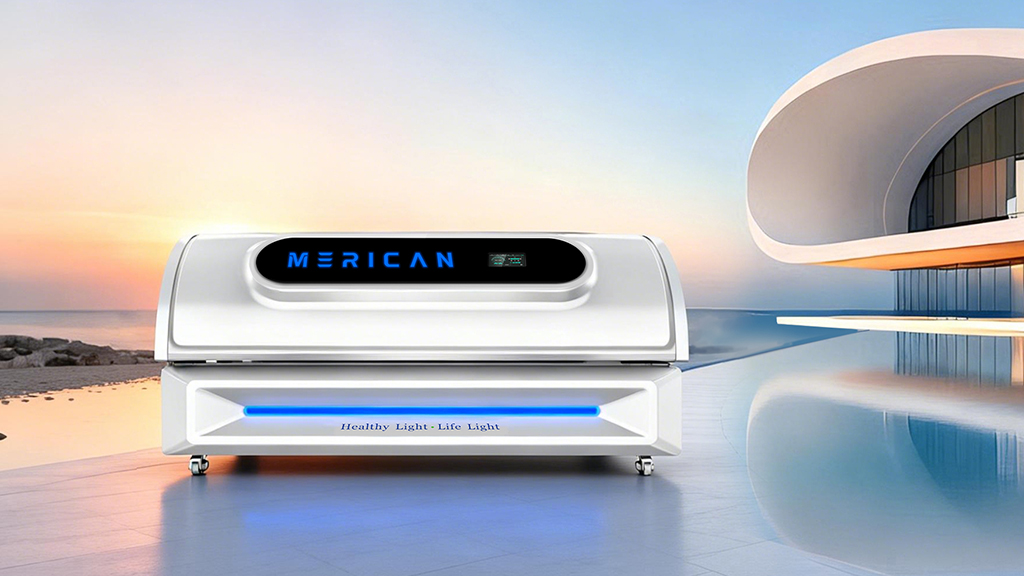
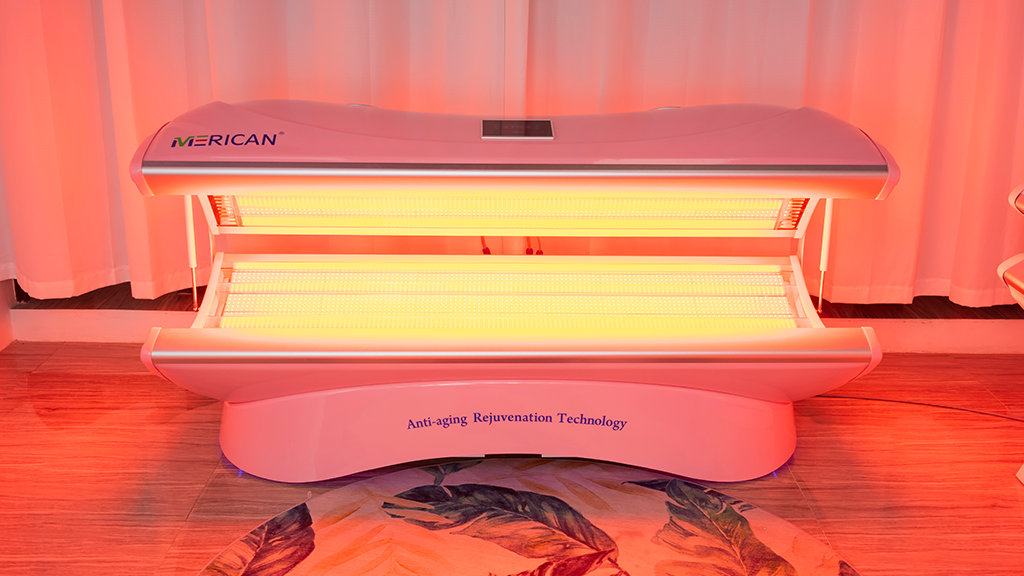
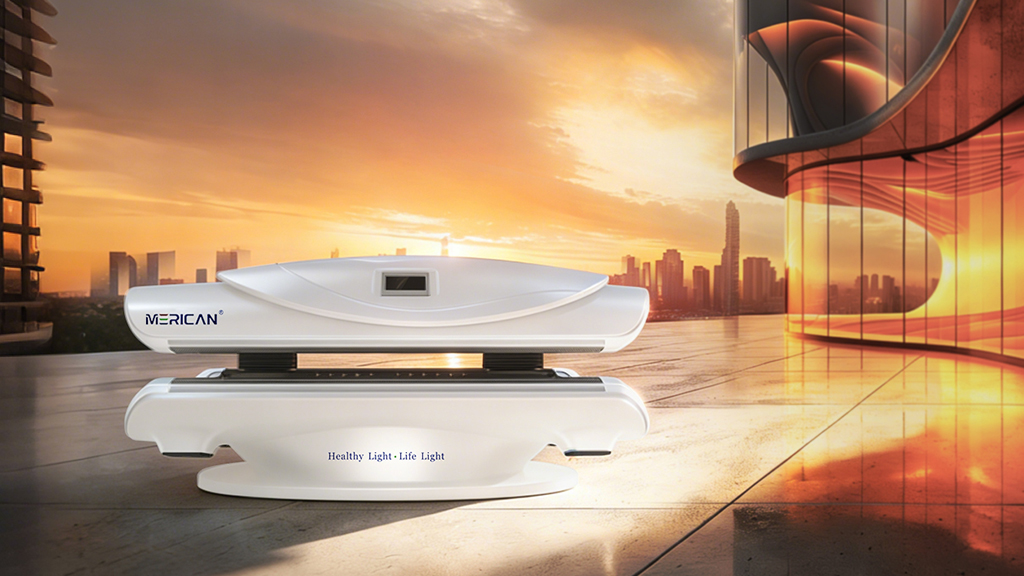
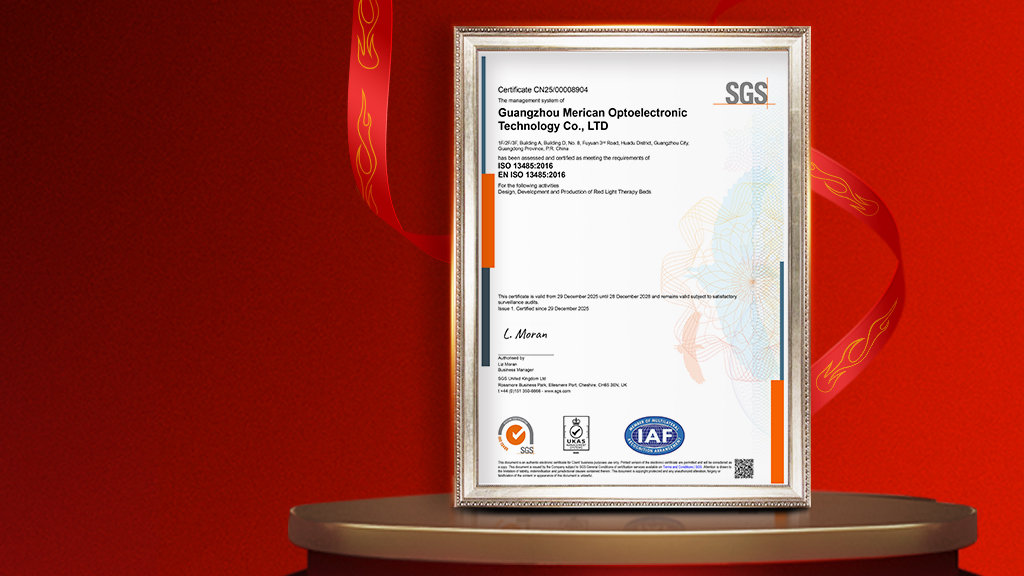
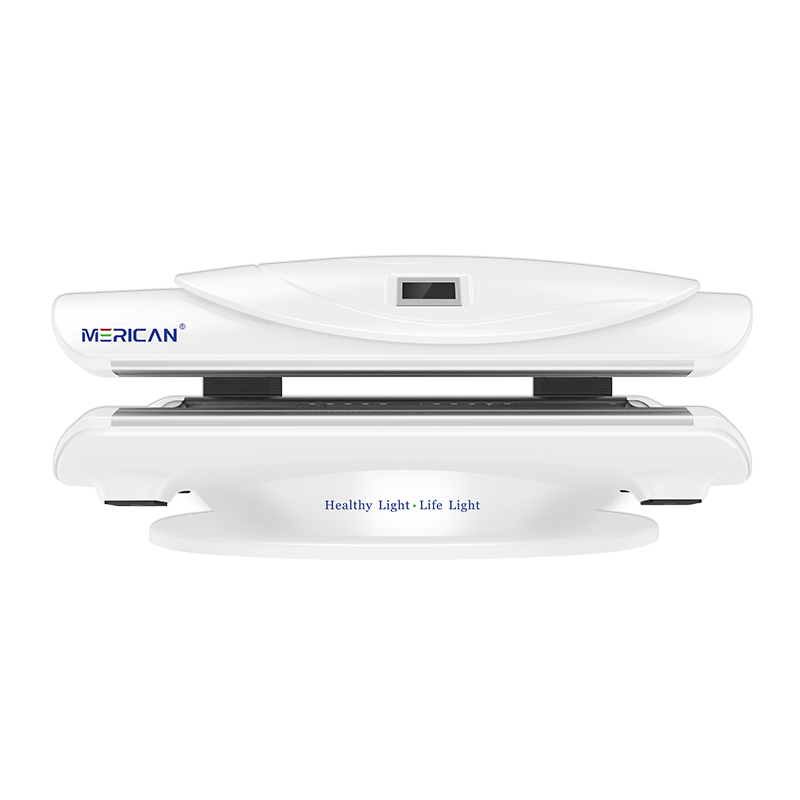
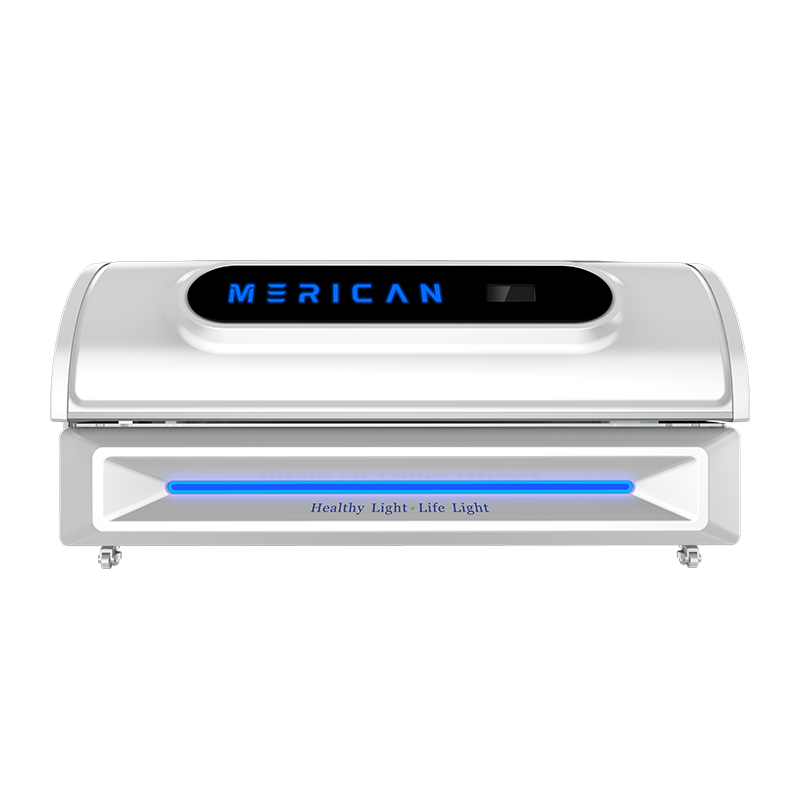
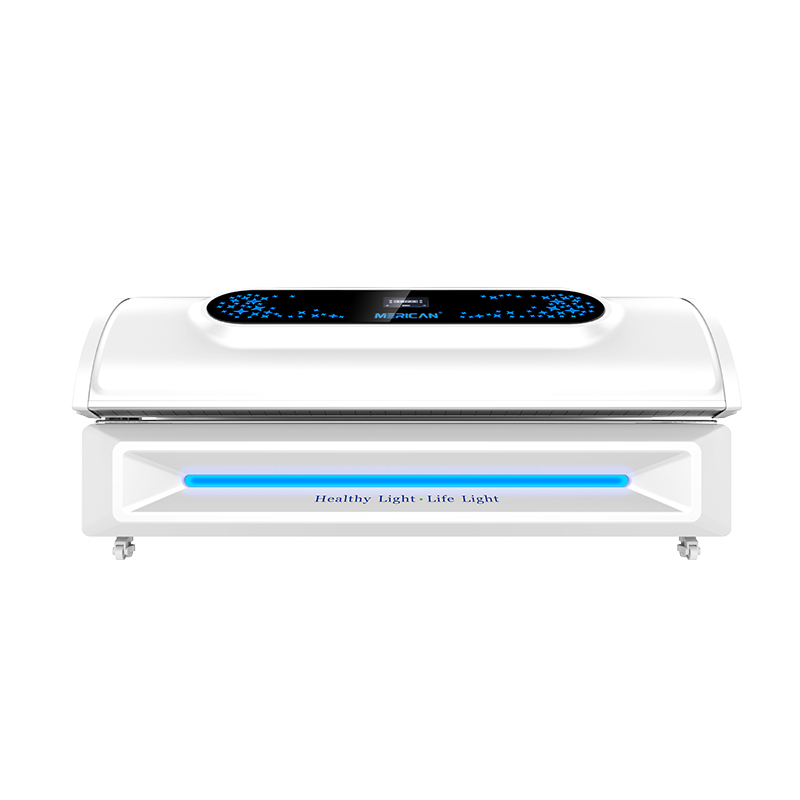
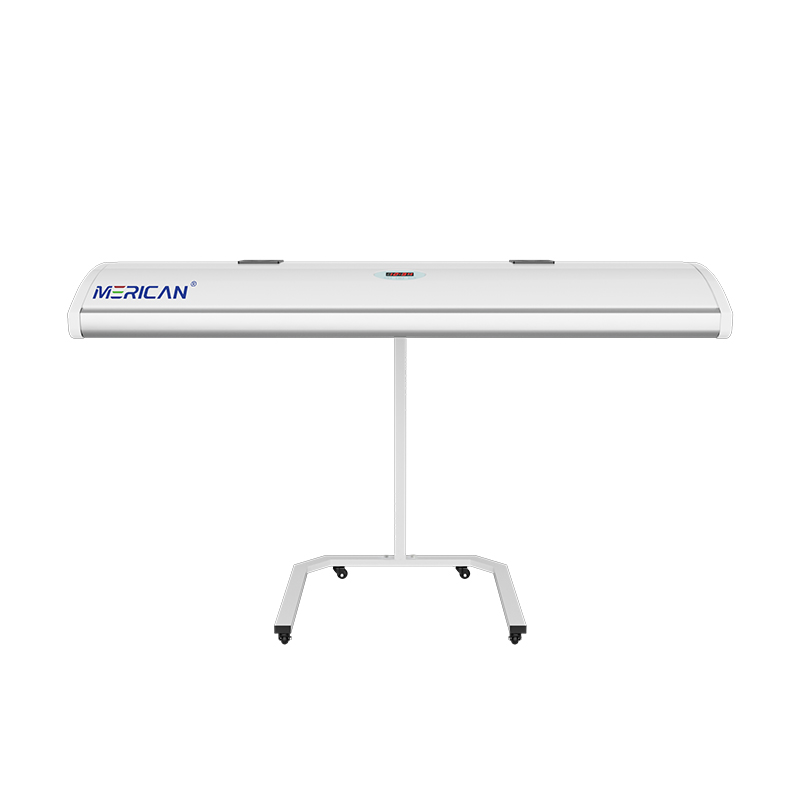
Discover Merican Red Light Therapy Bed M4N with OEM/ODM Solutions
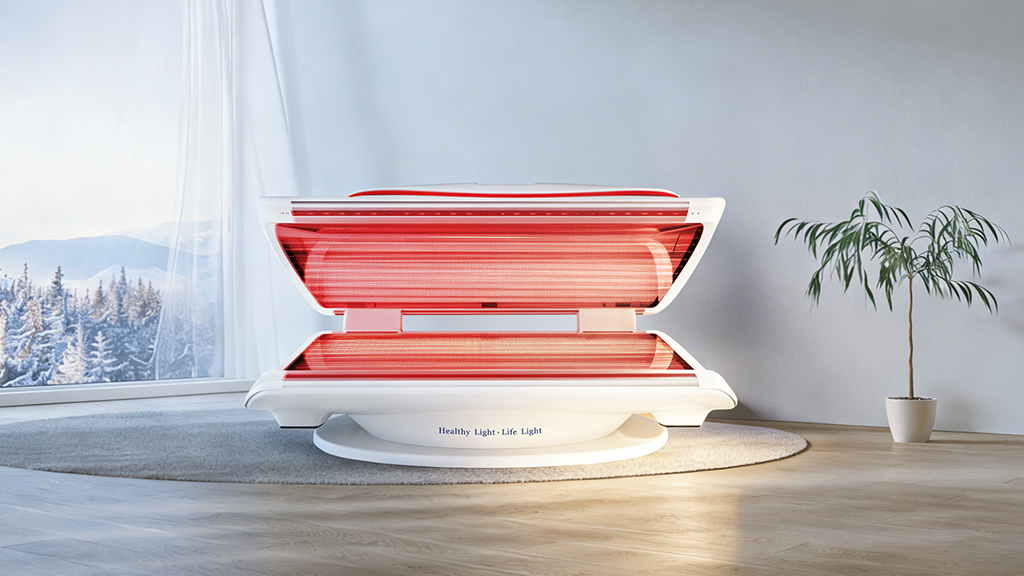
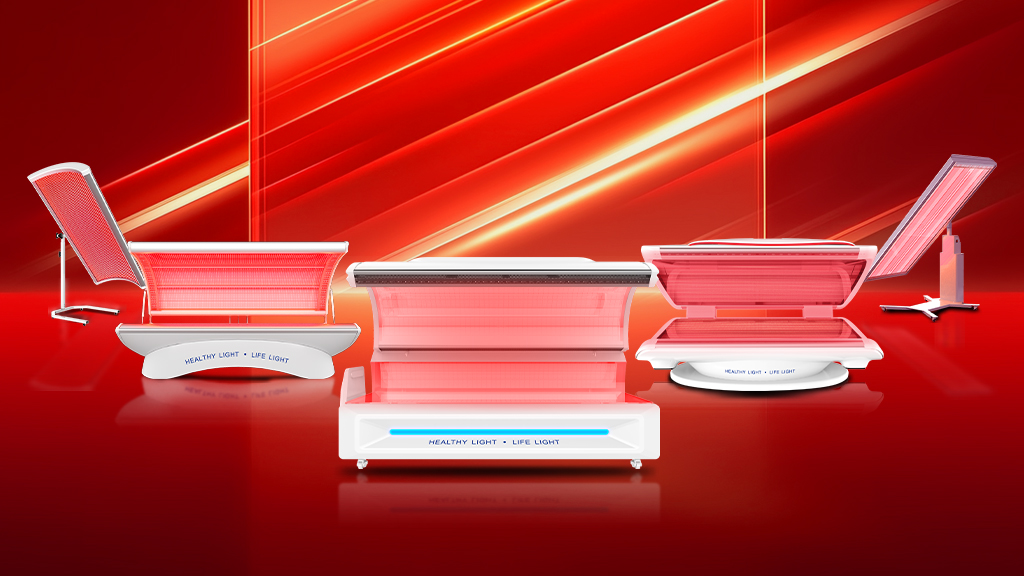
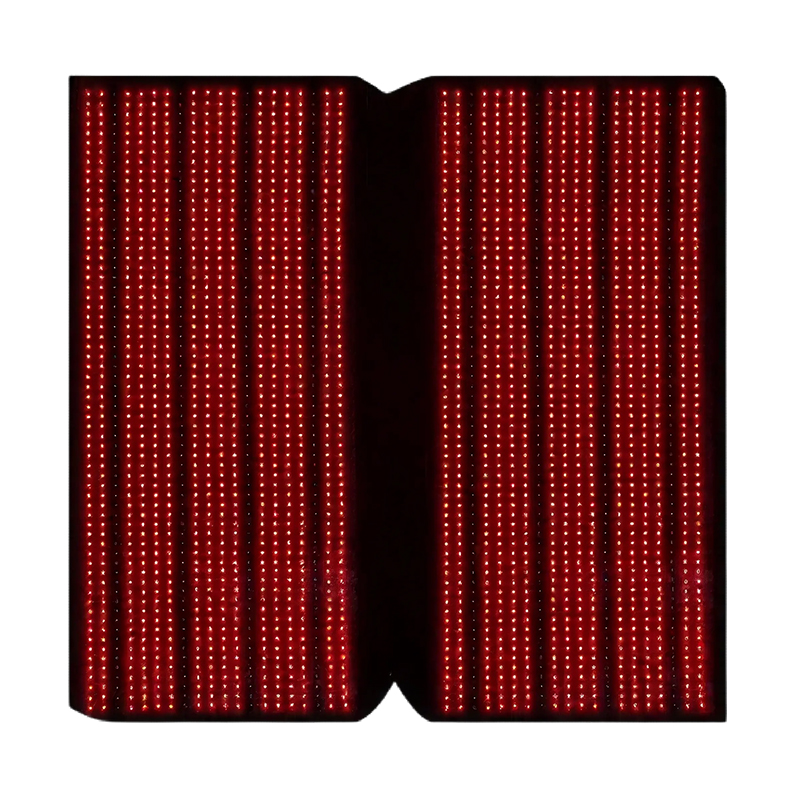
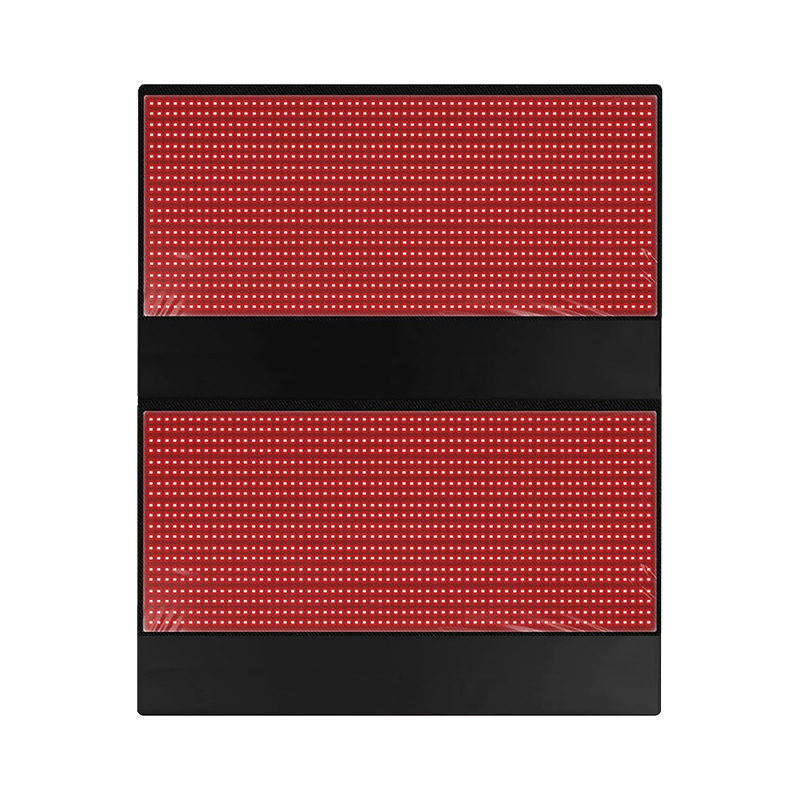
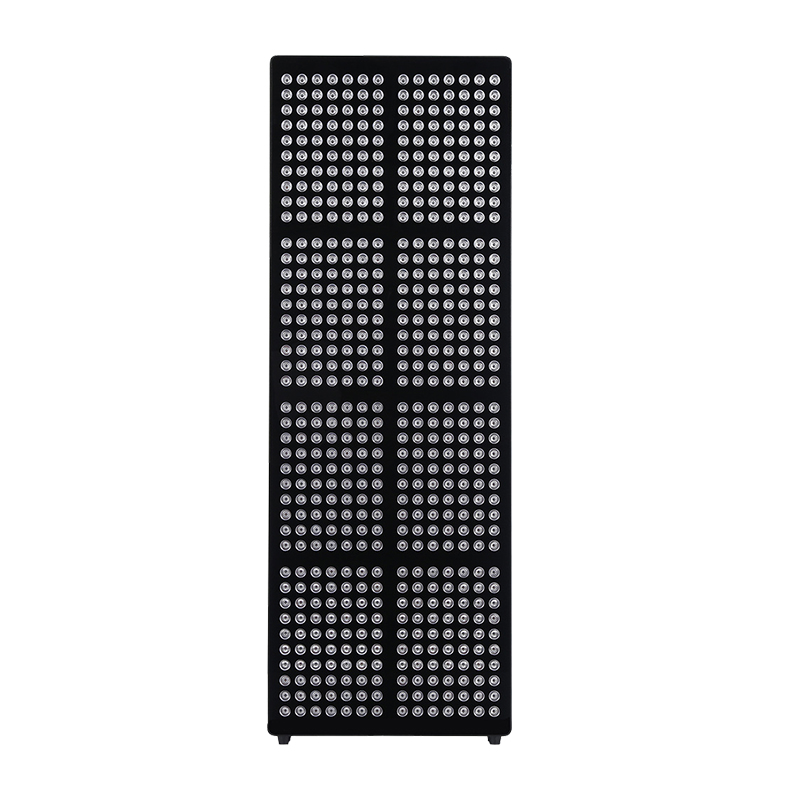
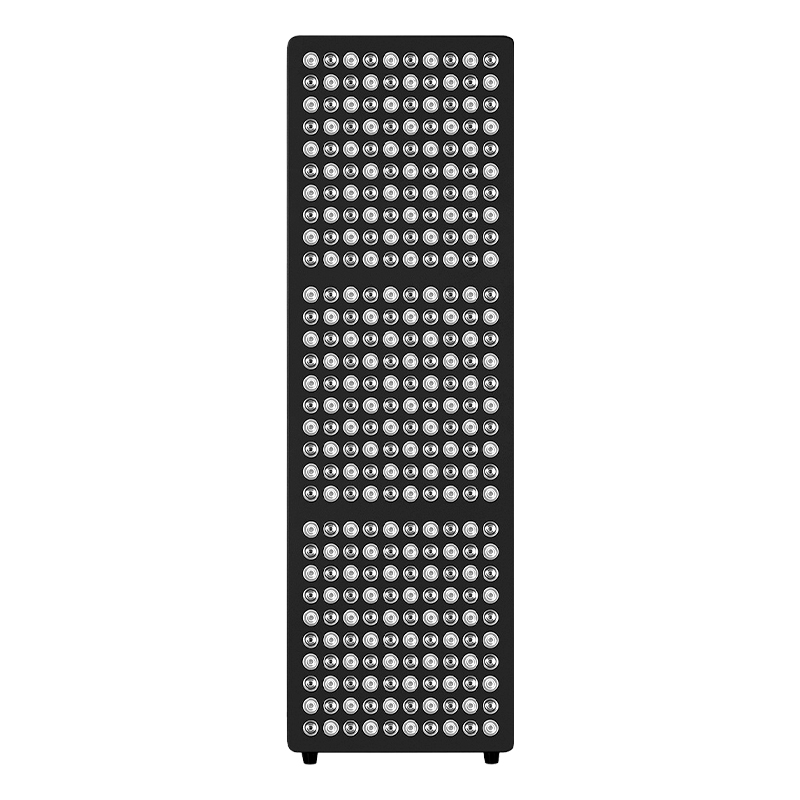
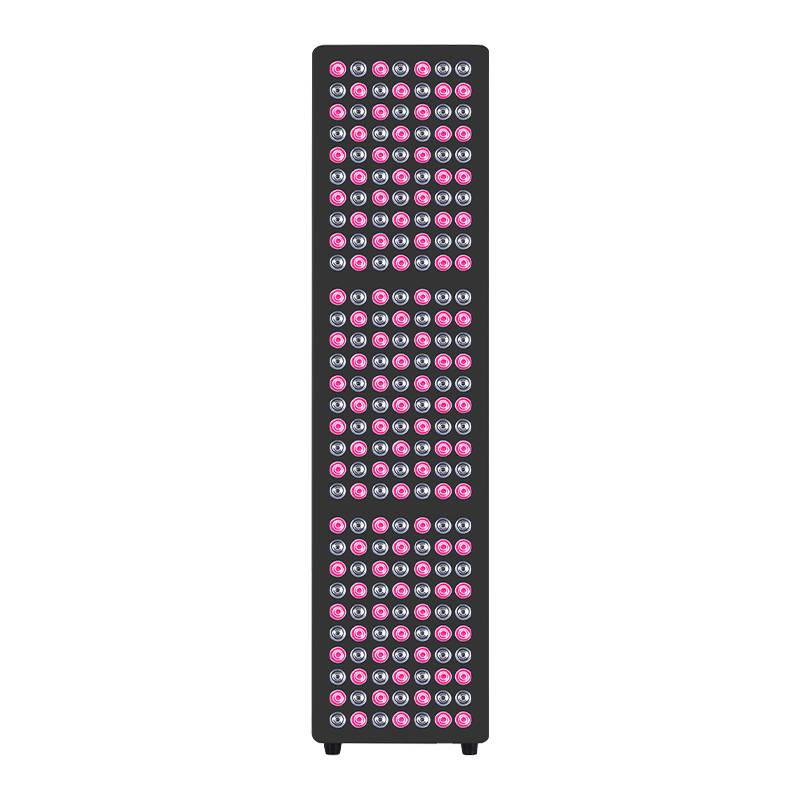
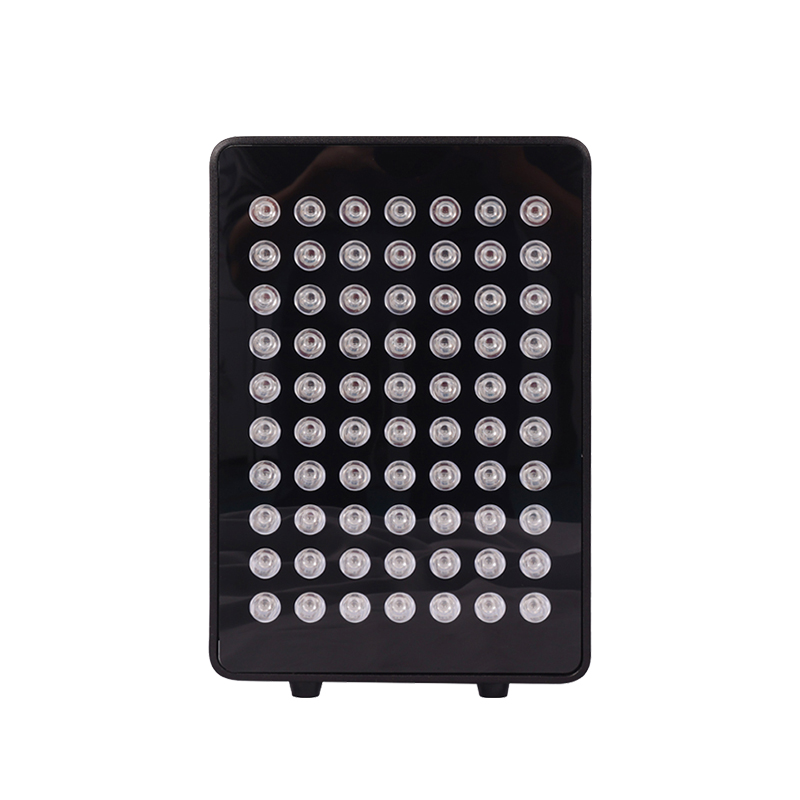
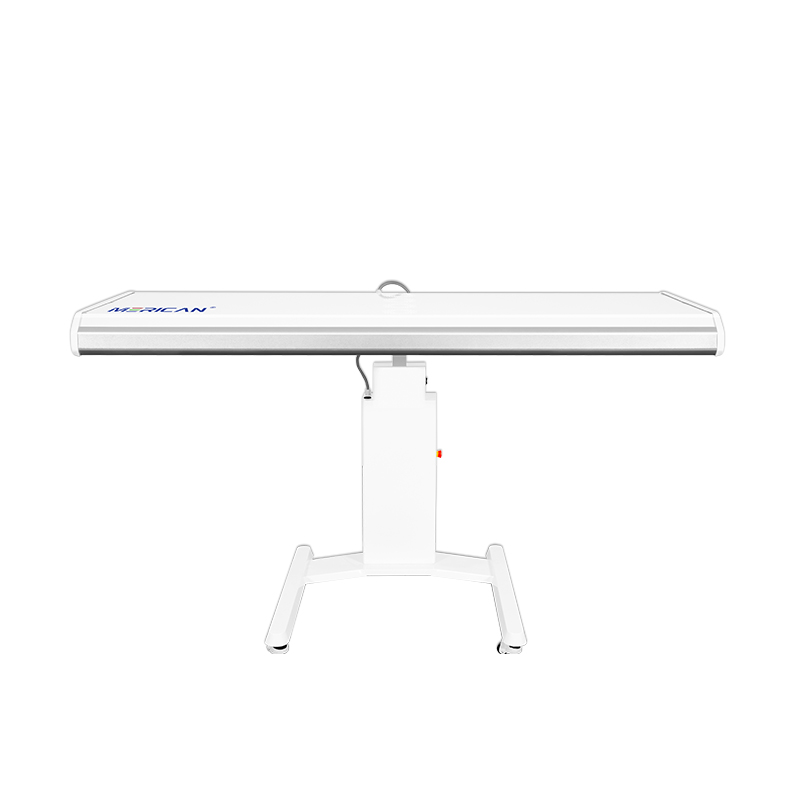
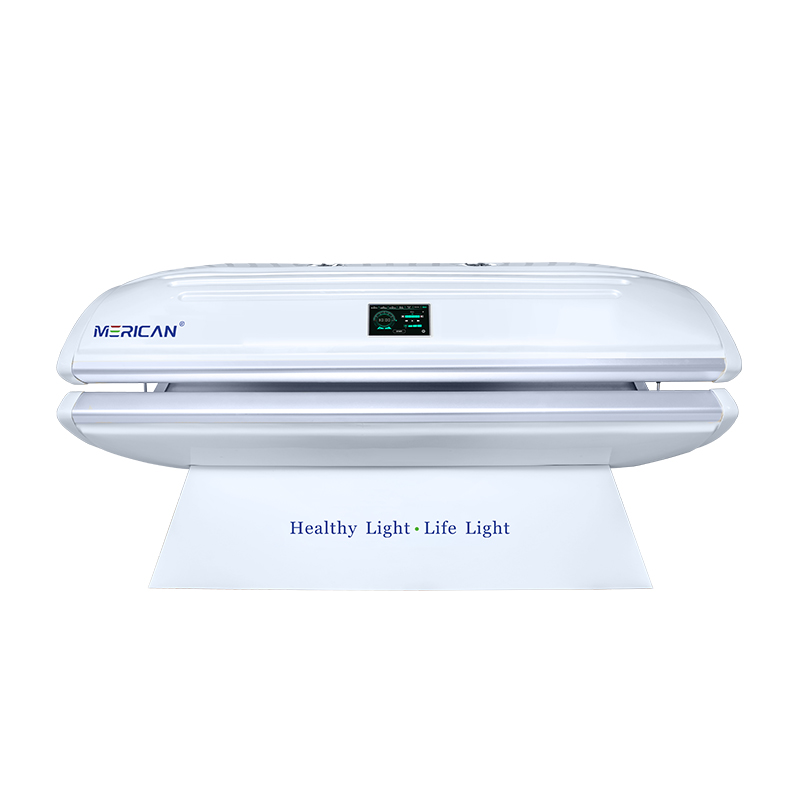
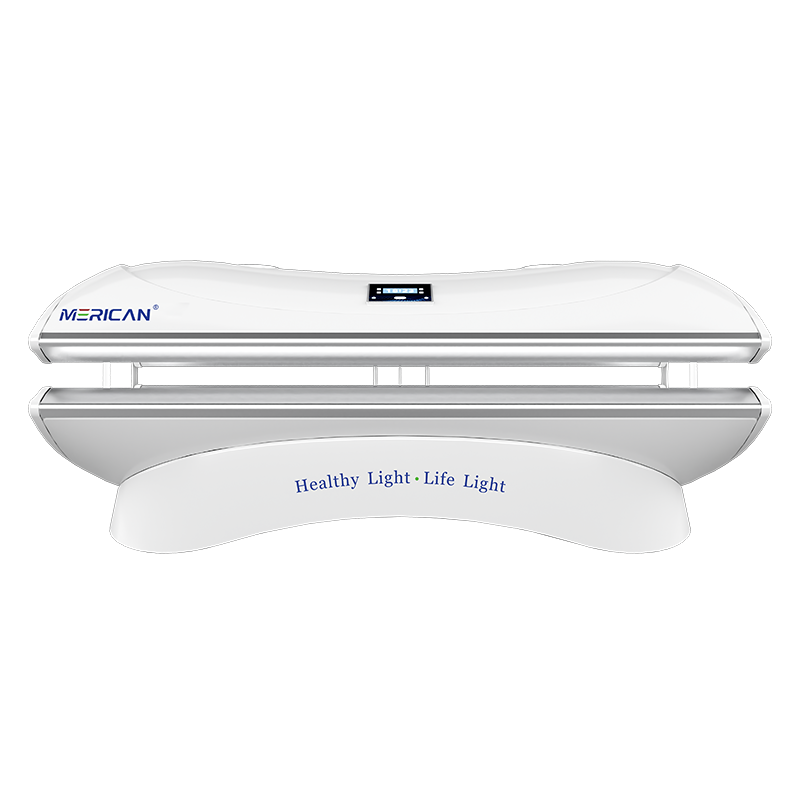
Is monaróir gairmiúil é Merican a dhéanann sainfheidhmiú ar threalamh teiripe solais chun cinn, lena n-áirítear an ardfheidhmíocht Red light therapy bed M4N. The M4N is designed with optimized red and near-infrared wavelengths to support professional wellness, cúram craicinn, agus feidhmchláir athshlánaithe.
Tá an Merican Red light therapy bed M4N features stable output, efficient full-body light coverage, and durable commercial-grade engineering, rud a fhágann go bhfuil sé oiriúnach d'ionaid folláine, clinicí áilleachta, agus timpeallachtaí teiripe gairmiúla.
Merican also provides full Seirbhísí saincheaptha OEM agus ODM, lena n-áirítear dearadh táirgí, modhnú struchtúrach, réitigh brandála, and tailored manufacturing to meet different market demands.
Ina theannta sin, Tacaíonn Merican le domhanda deiseanna comhair gníomhairí agus dáileoir, ag tairiscint tacaíocht theicniúil láidir, manufacturing capability, and long-term partnership potential for international business growth.