Managing Rosacea can be challenging, especially when many treatments risk irritating already sensitive skin. Red light therapy has emerged as a promising non-invasive option—but how effective is it really for rosacea?
Why Red Light Therapy Is Gaining Attention
Unlike treatments that target blood vessels aggressively, red light therapy focuses on cellular repair and inflammation control. This makes it particularly suitable for conditions like rosacea, where the skin barrier is compromised.
Key Benefits of Red Light Therapy for Rosacea
1. Reduces Inflammation
Chronic inflammation is a core component of rosacea. Red light therapy helps calm inflammatory pathways, reducing redness and discomfort over time.
2. Strengthens the Skin Barrier
A weakened skin barrier allows irritants to penetrate more easily. Red light therapy supports barrier repair, making the skin more resilient.
3. Improves Microcirculation
Better circulation helps deliver oxygen and nutrients to skin cells, promoting healing and reducing stagnation that can worsen redness.
4. Speeds Up Skin Recovery
After flare-ups or irritation, red light therapy can accelerate the healing process.
What Results Can You Expect?
With consistent use, many users report:
- Reduced baseline redness
- Fewer flare-ups
- Improved skin texture
- Less sensitivity over time
However, results are typically:
- Gradual (visible changes in 3–6 weeks)
- Subtle rather than dramatic
- Dependent on consistency
What Red Light Therapy Cannot Do
It’s important to understand the limitations:
- It does not eliminate visible blood vessels instantly
- It does not cure rosacea
- It may not replace medical treatments in severe cases
Combining Red Light Therapy with Other Treatments
For best results, red light therapy should be part of a broader skincare strategy:
1. Gentle Skincare Routine
Use fragrance-free, soothing products to avoid irritation.
2. Trigger Management
Identify and avoid personal triggers such as heat or spicy foods.
3. Sun Protection
Daily sunscreen is essential to prevent worsening redness.
4. Medical Treatments
Topical or prescription treatments may still be necessary for moderate to severe rosacea.
At-Home vs Professional Devices
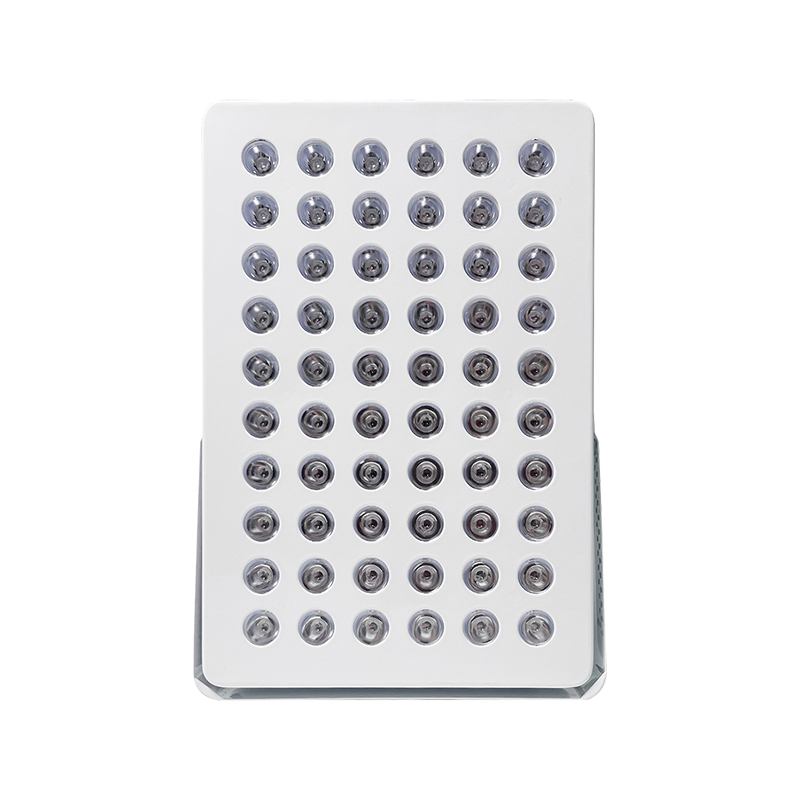
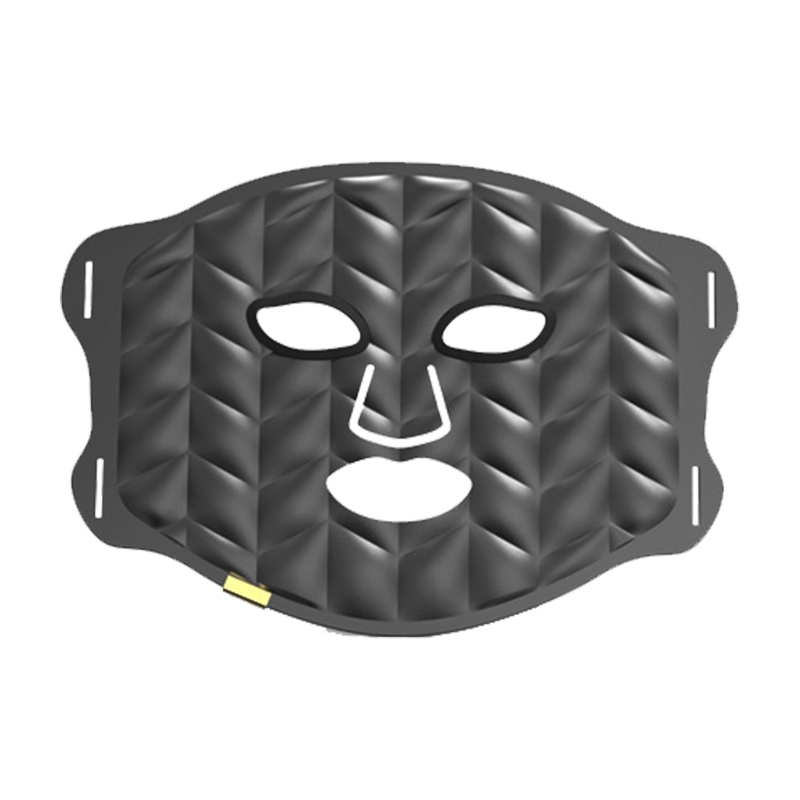
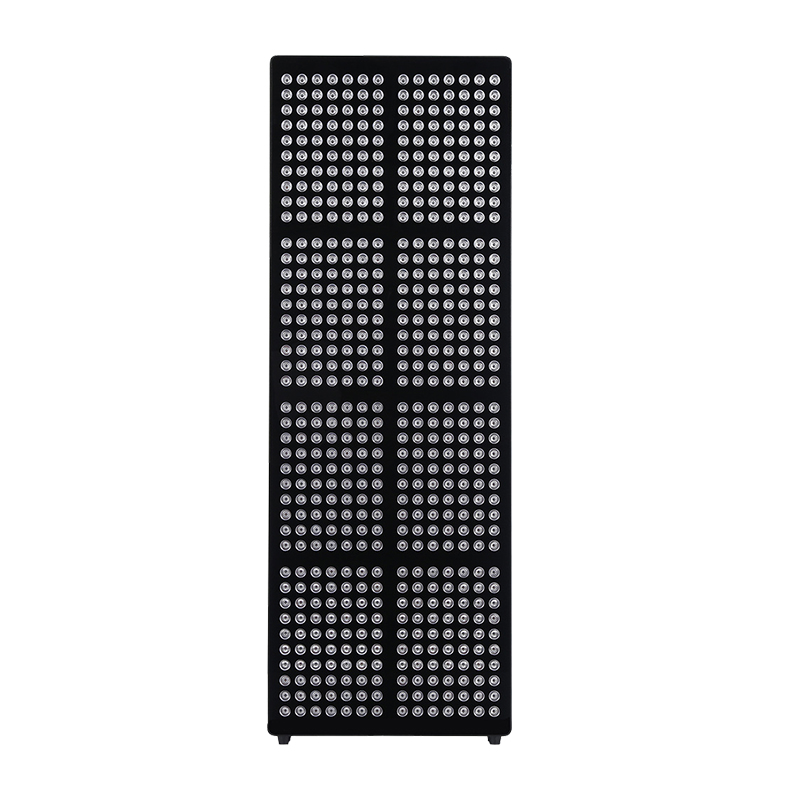
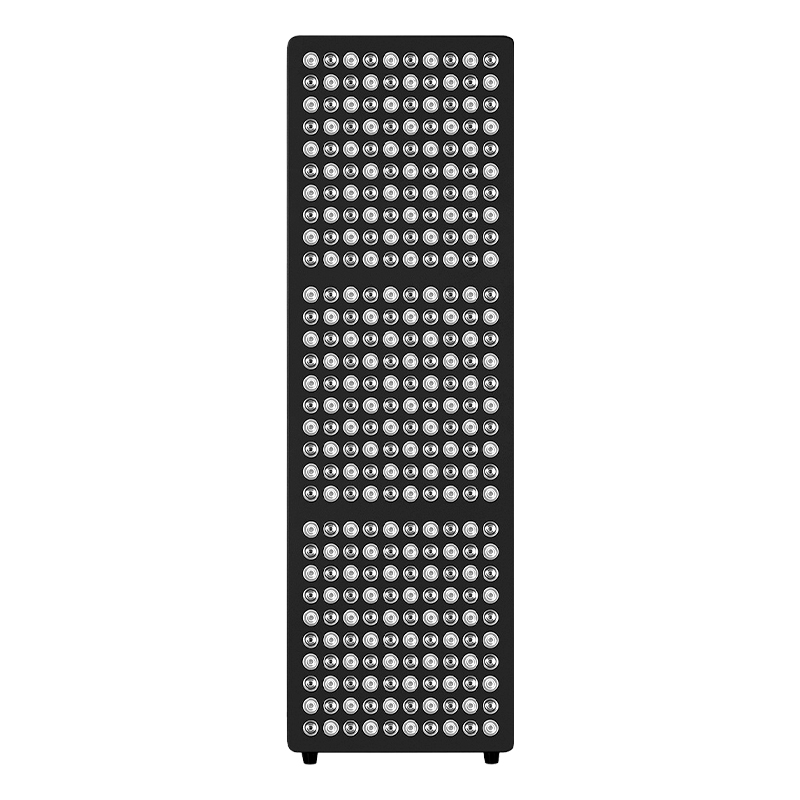
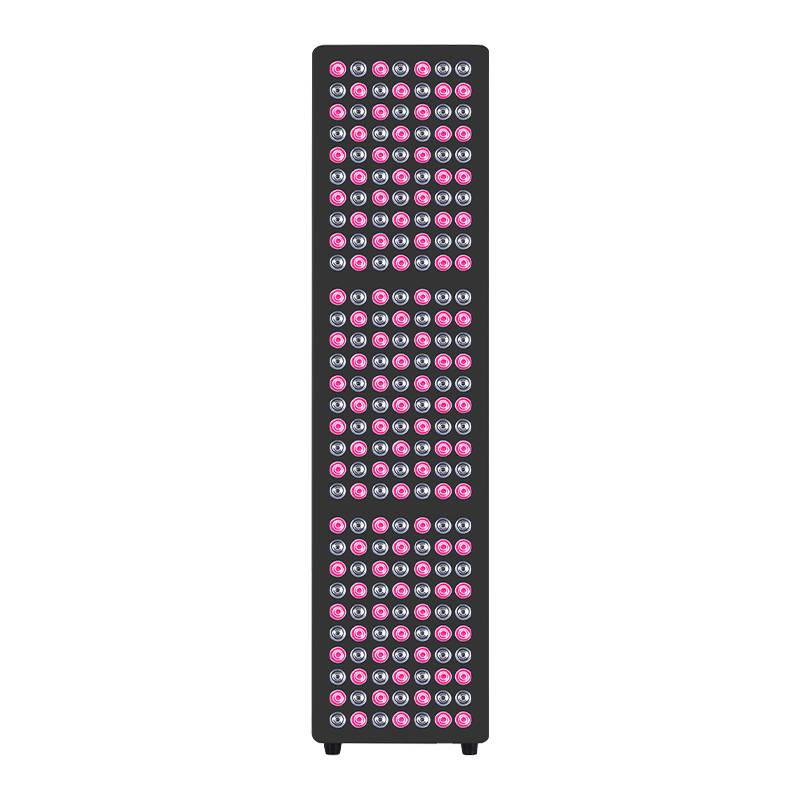
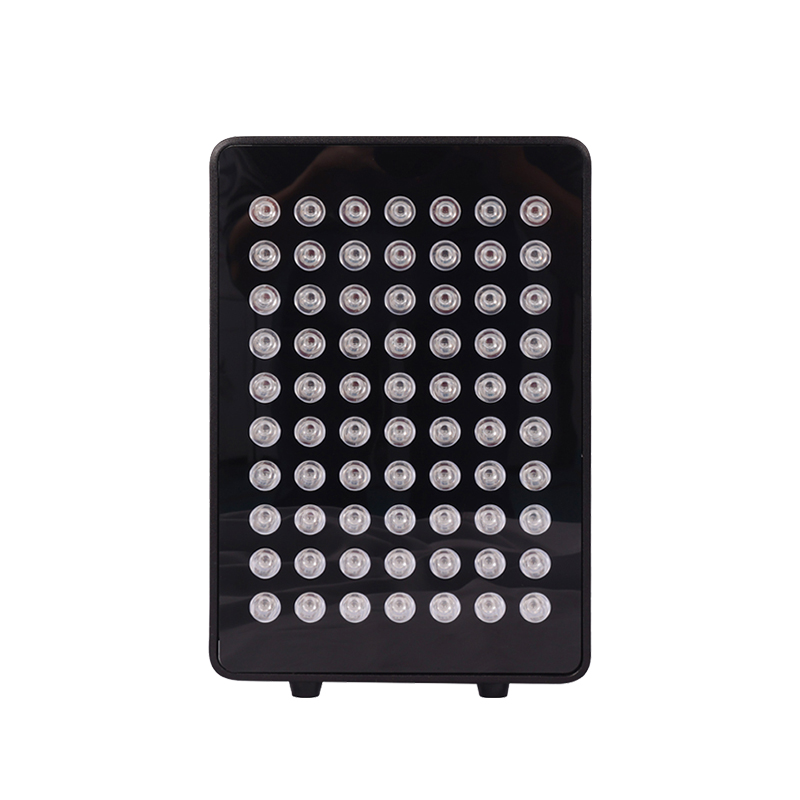
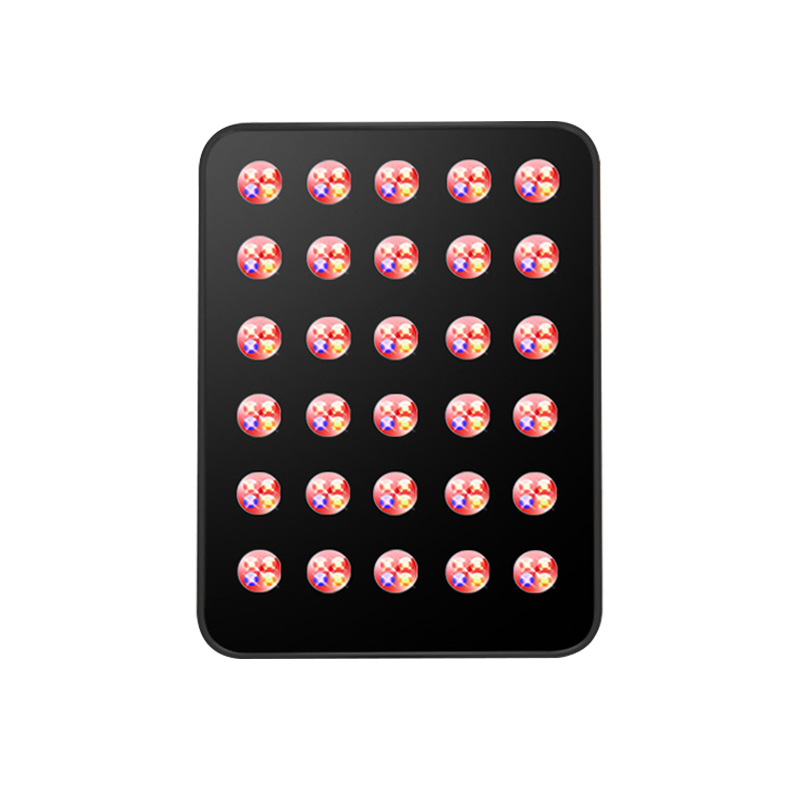
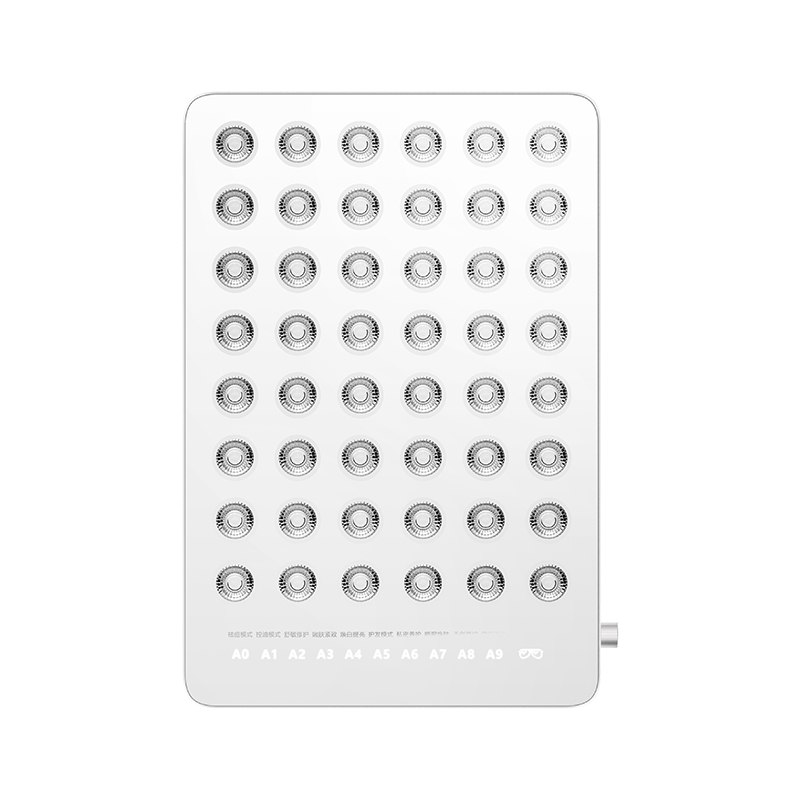
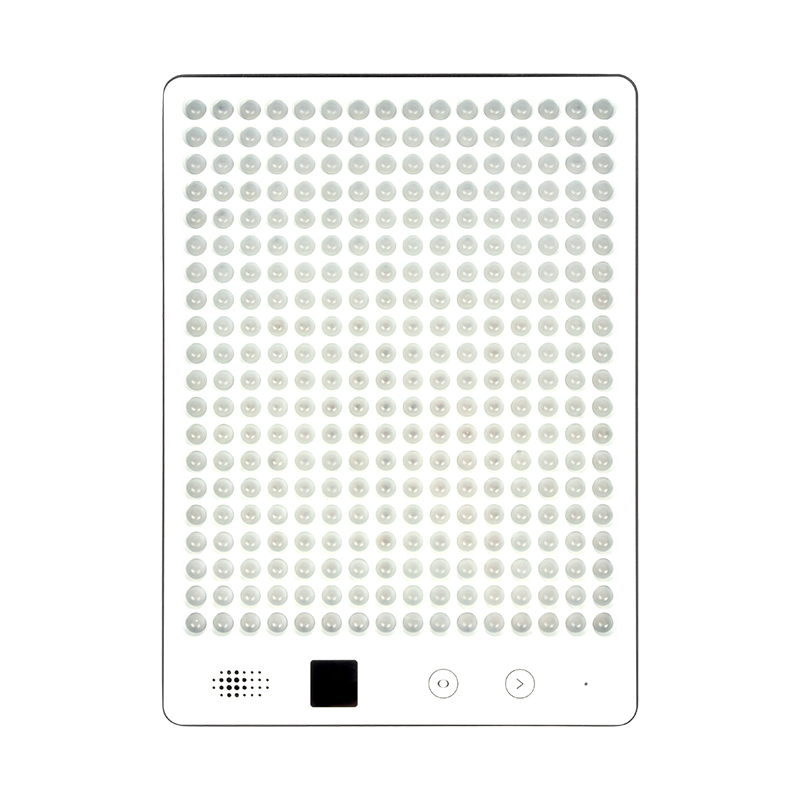
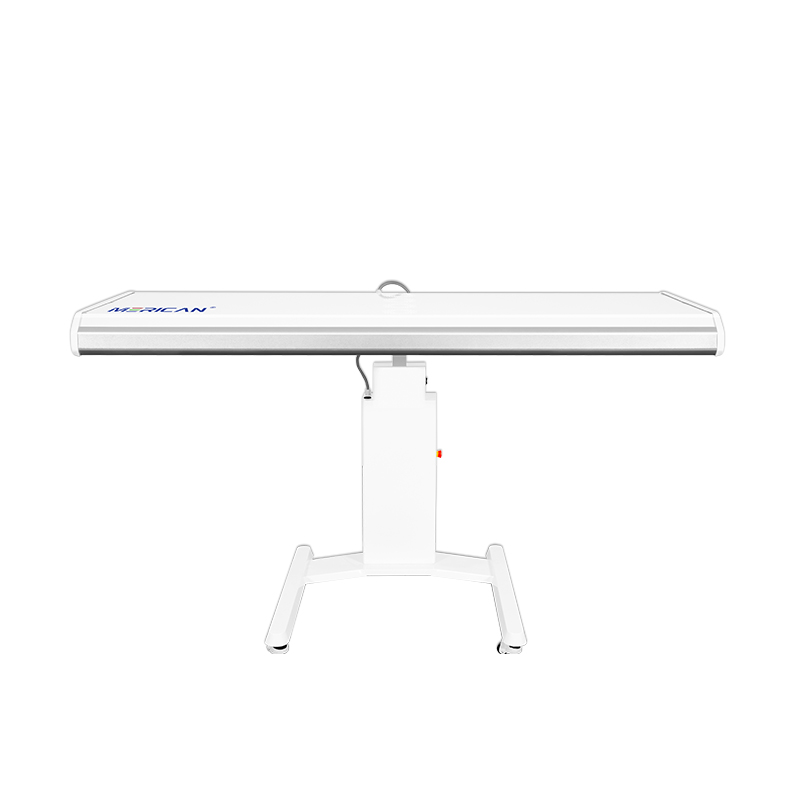
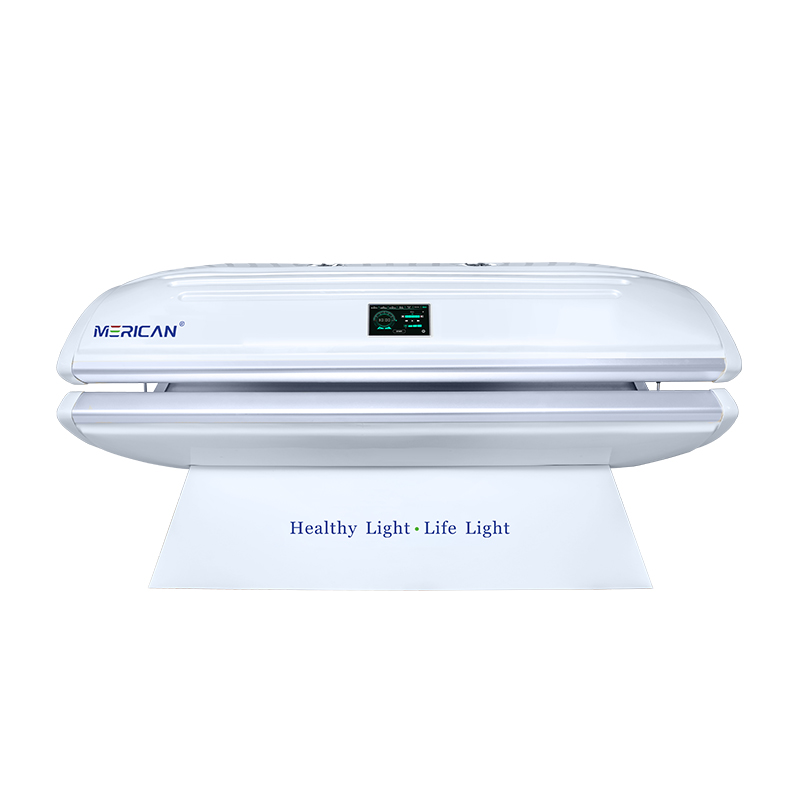
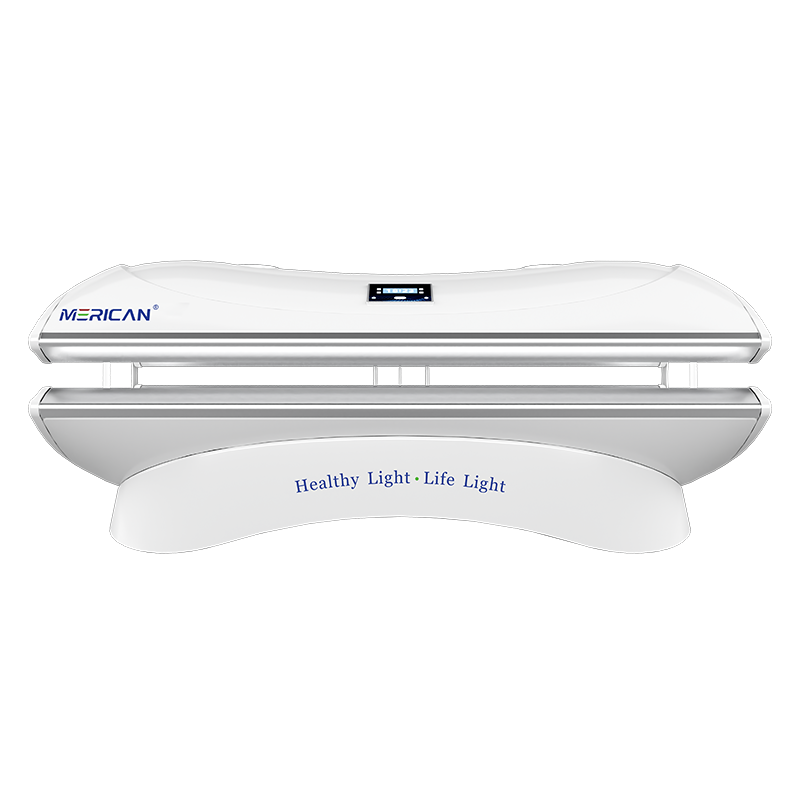
At-home devices are generally safe for regular use and ideal for maintenance. Professional treatments may deliver stronger results but should be carefully managed to avoid heat-induced flare-ups.
Final Thoughts
Red light therapy can be a valuable addition to a rosacea management routine. While it won’t cure the condition, it can significantly improve skin comfort, reduce inflammation, and support long-term skin health when used consistently.