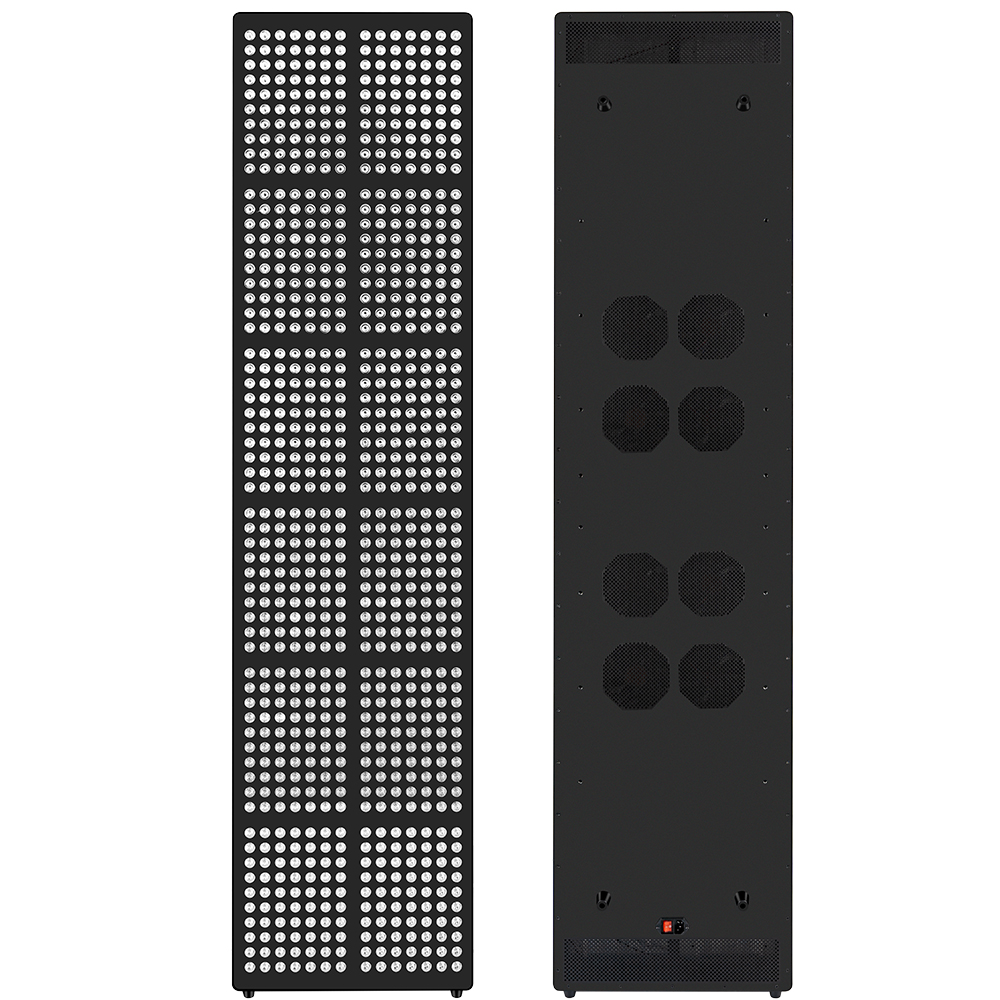
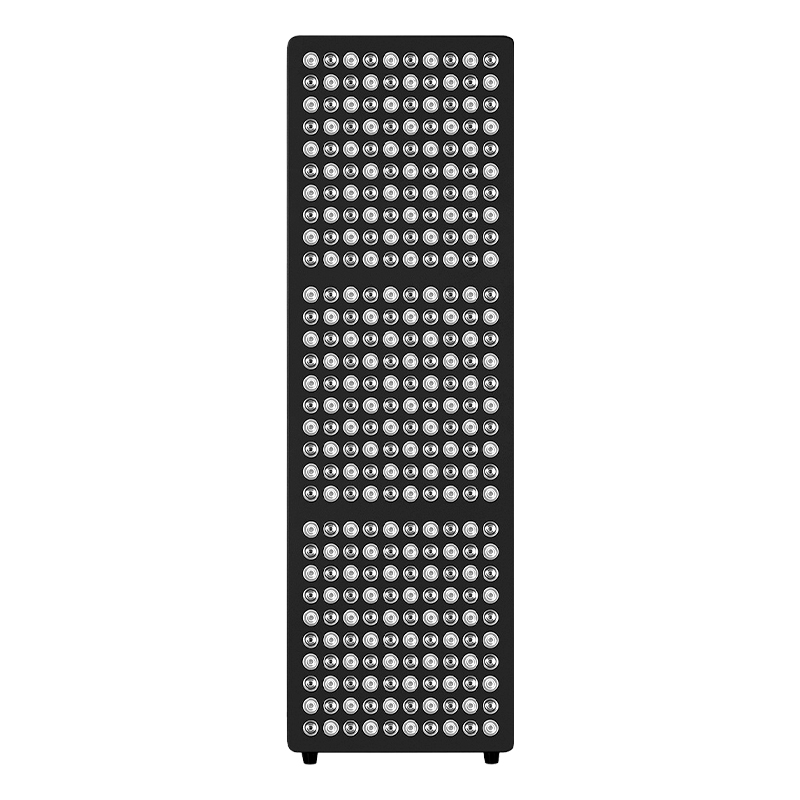
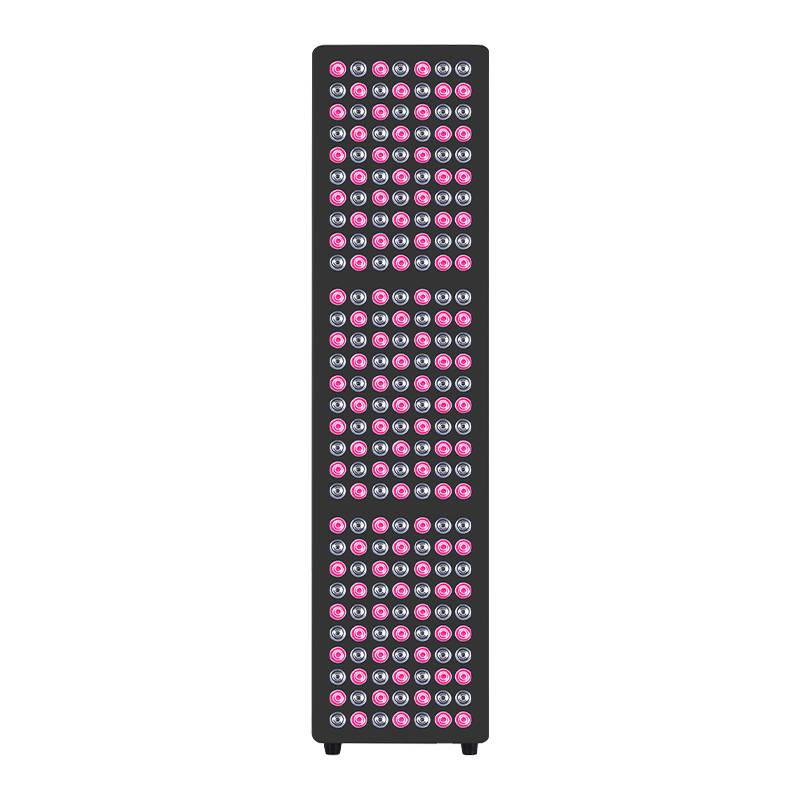
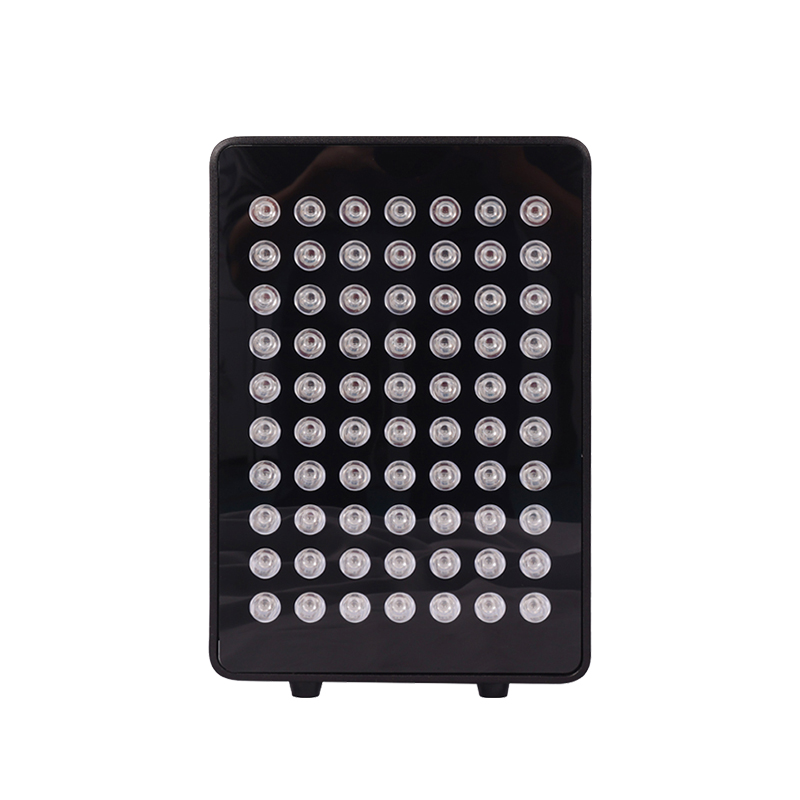
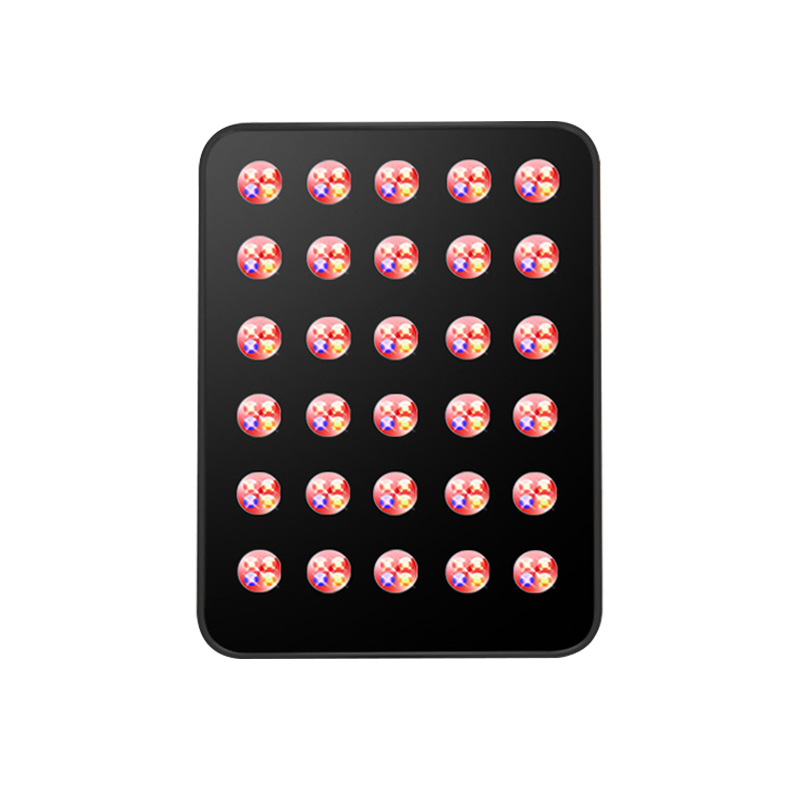
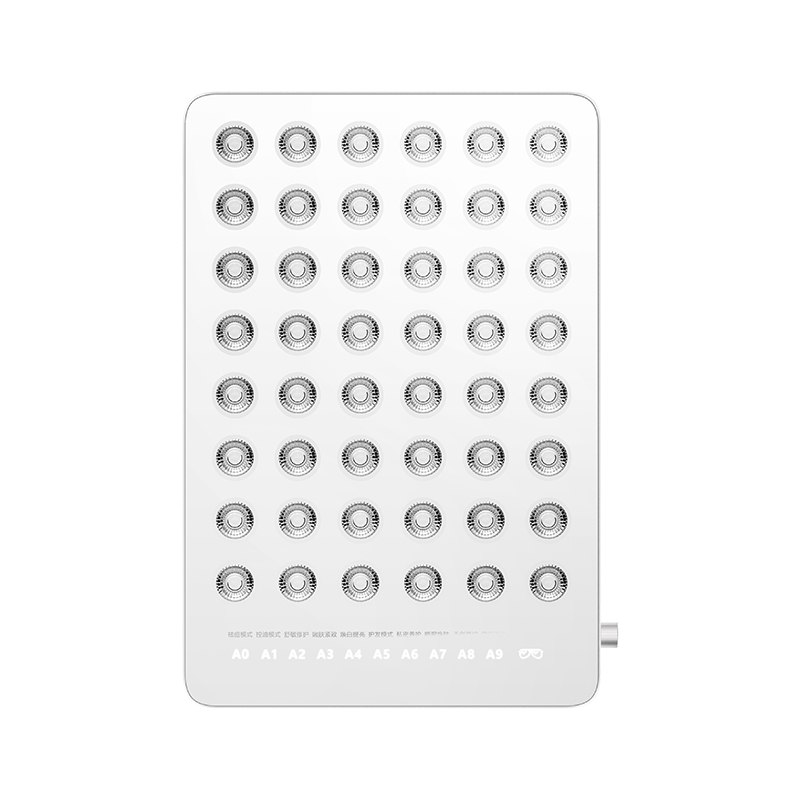
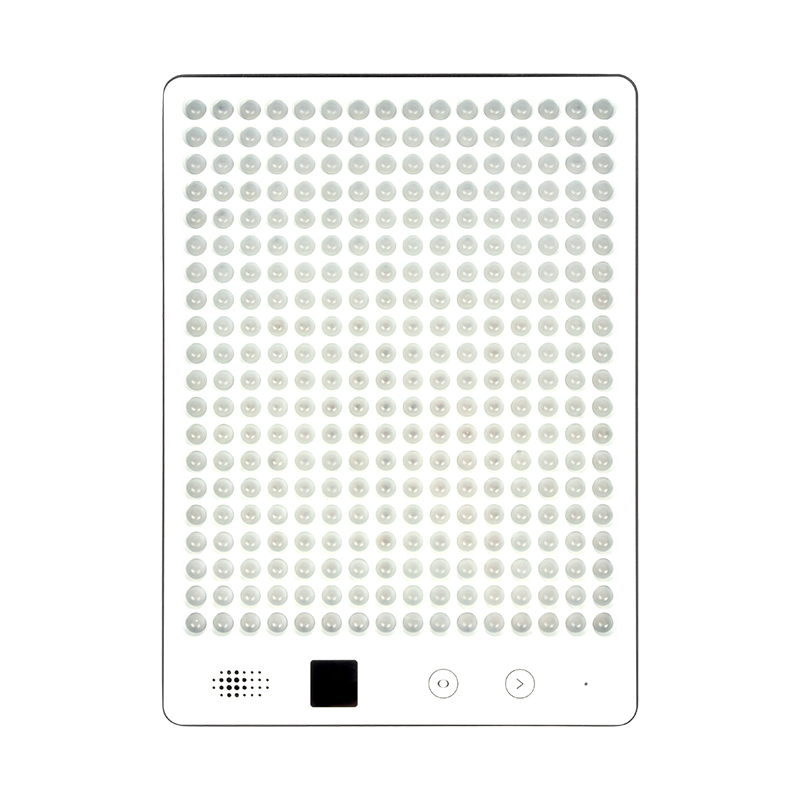
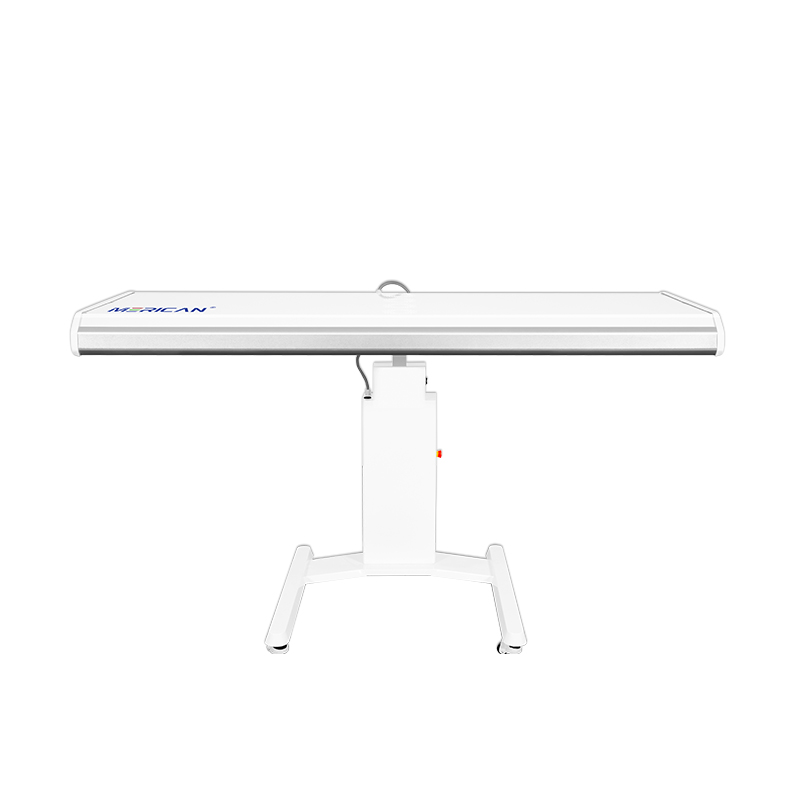
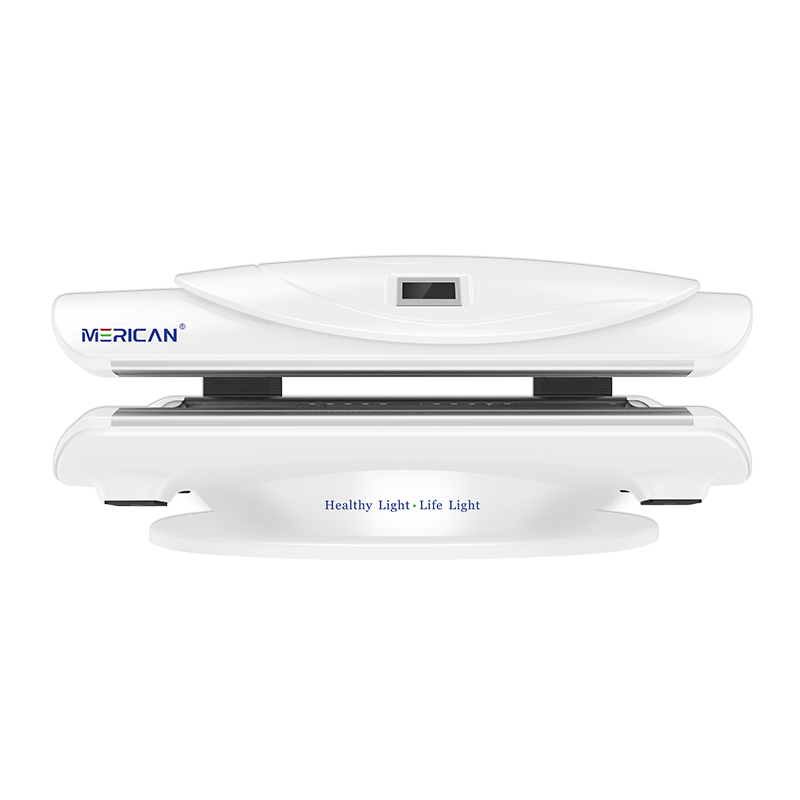
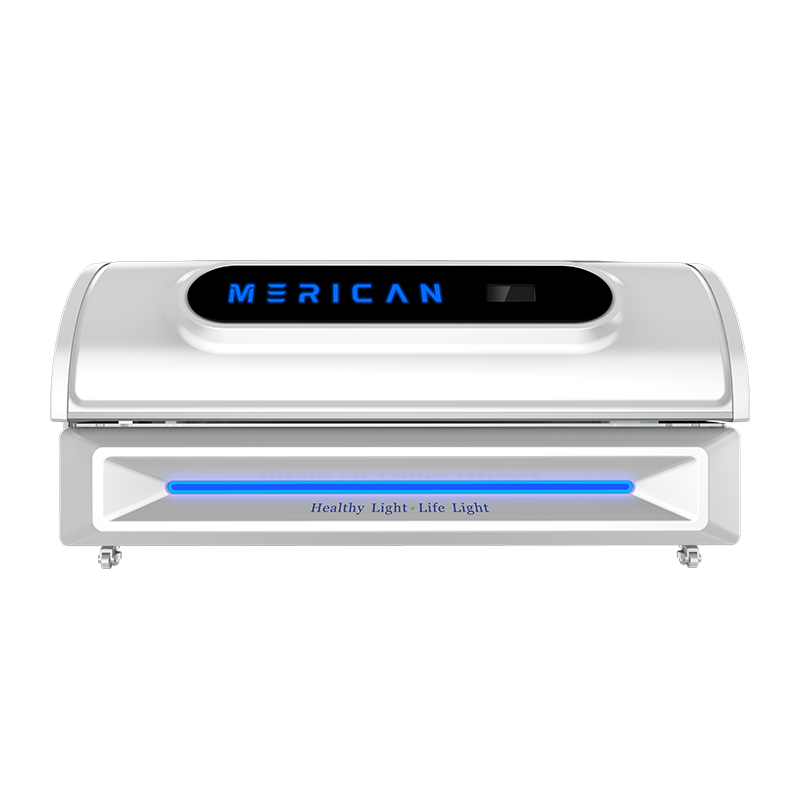
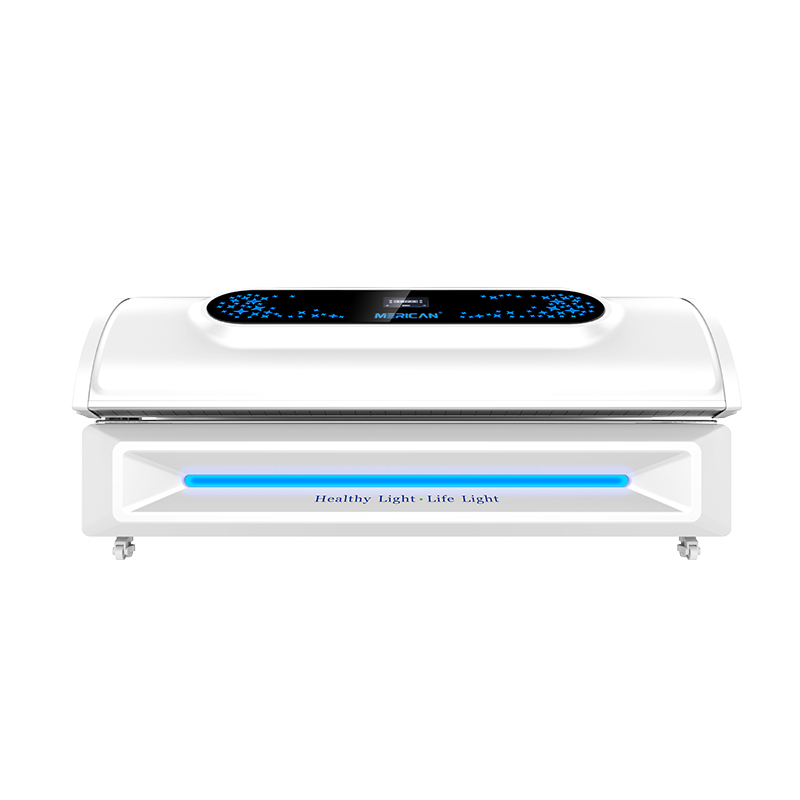
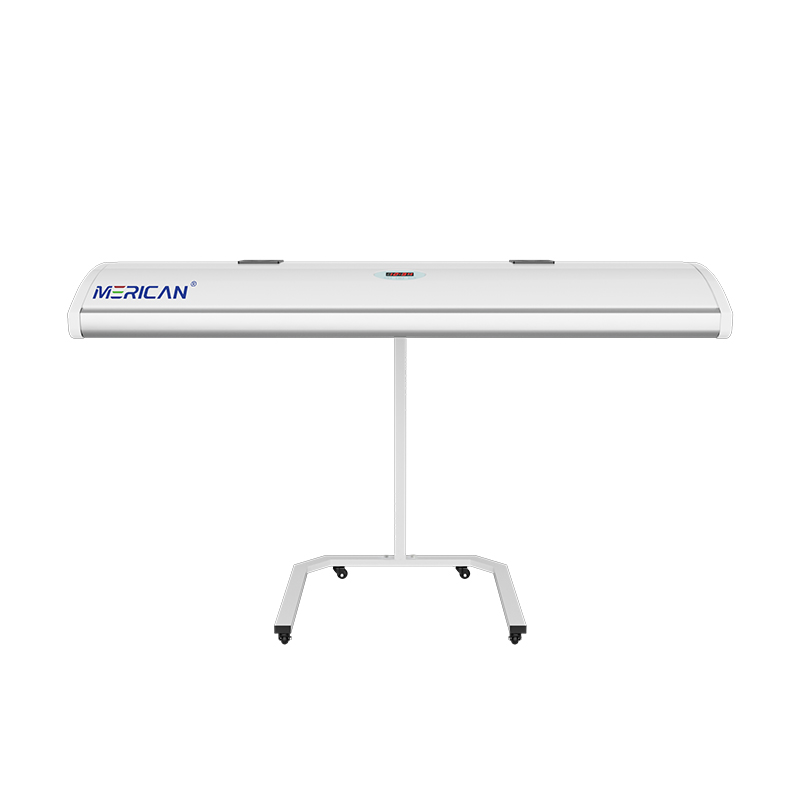
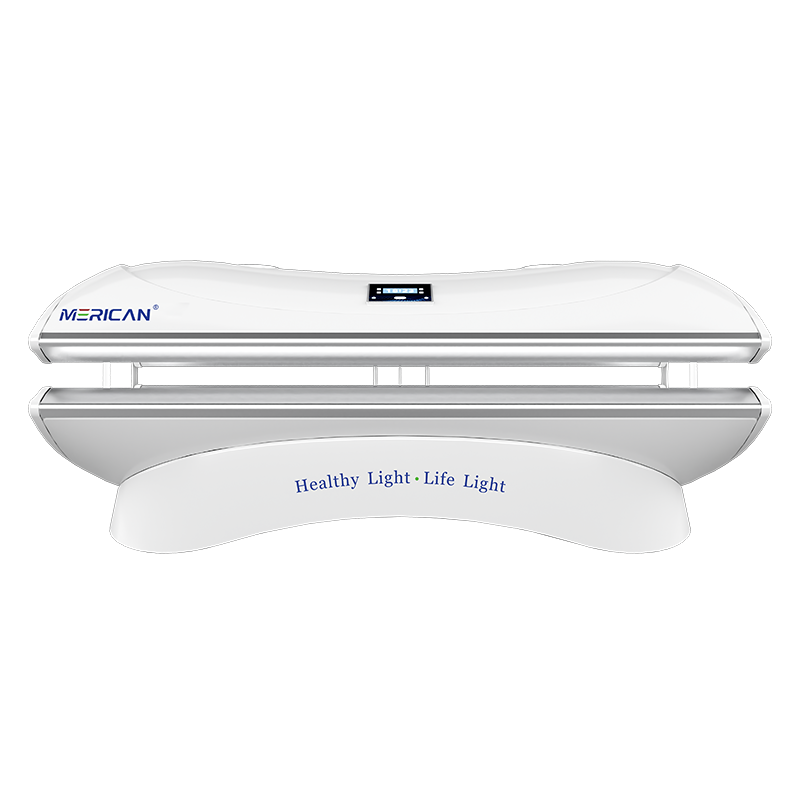
Les thérapies basées sur la lumière deviennent de plus en plus populaires pour soulager la douleur, rajeunissement de la peau, et récupération. Parmi eux, deux options couramment comparées sont la thérapie au laser froid et la thérapie par la lumière rouge. Bien qu'ils soient souvent utilisés de manière interchangeable, ce ne sont pas exactement les mêmes.
Donc, quelle est la différence entre la thérapie au laser froid et la thérapie par la lumière rouge, et laquelle répond le mieux à vos besoins?
Qu'est-ce que la thérapie au laser froid?
Thérapie au laser froid, également connu sous le nom de thérapie laser de bas niveau (LLT), utilise une lumière laser focalisée à des longueurs d'onde spécifiques pour stimuler la réparation des tissus et réduire l'inflammation.
Contrairement aux lasers chirurgicaux, il ne génère pas de chaleur qui endommage les tissus, c'est pourquoi on l'appelle laser « froid ». Il est souvent utilisé en milieu clinique pour:
- Gestion de la douleur
- Récupération des blessures
- Conditions articulaires et musculaires
- Traitements de physiothérapie
Qu'est-ce que la thérapie rouge?
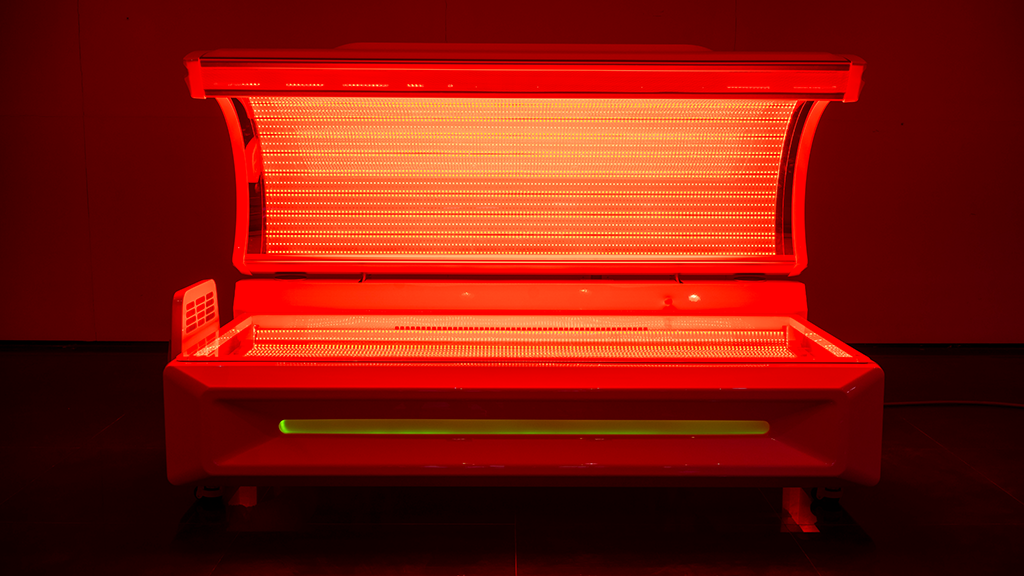
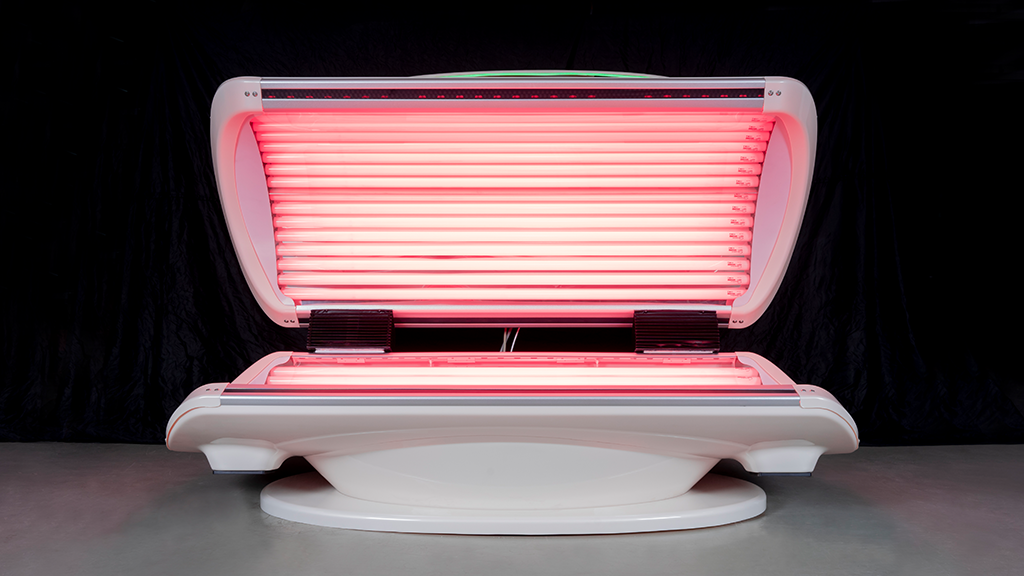
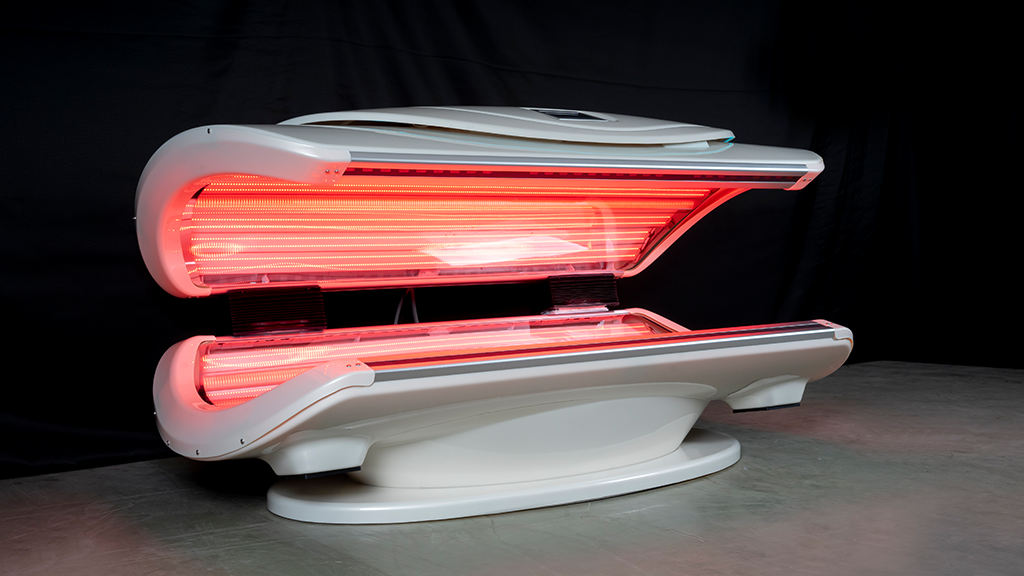
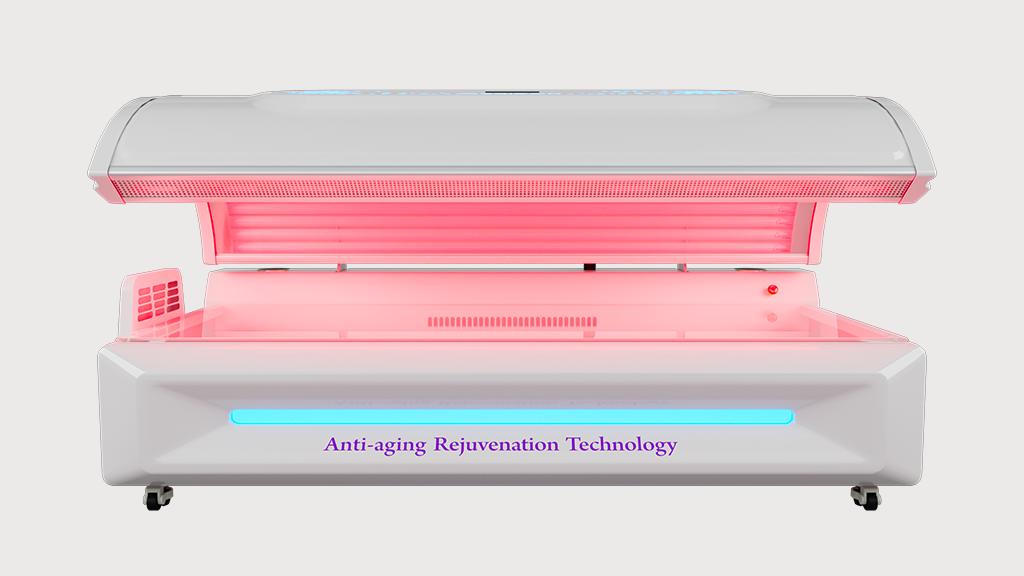
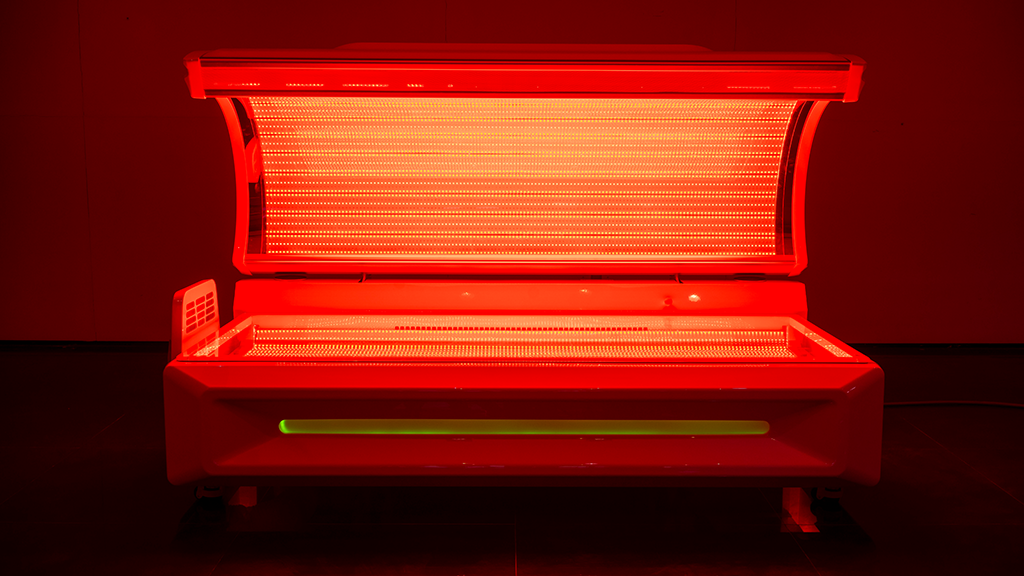
La thérapie par la lumière rouge utilise une lumière LED ou laser dans le spectre rouge et proche infrarouge (généralement 630 à 850 nm). Il est couramment utilisé pour:
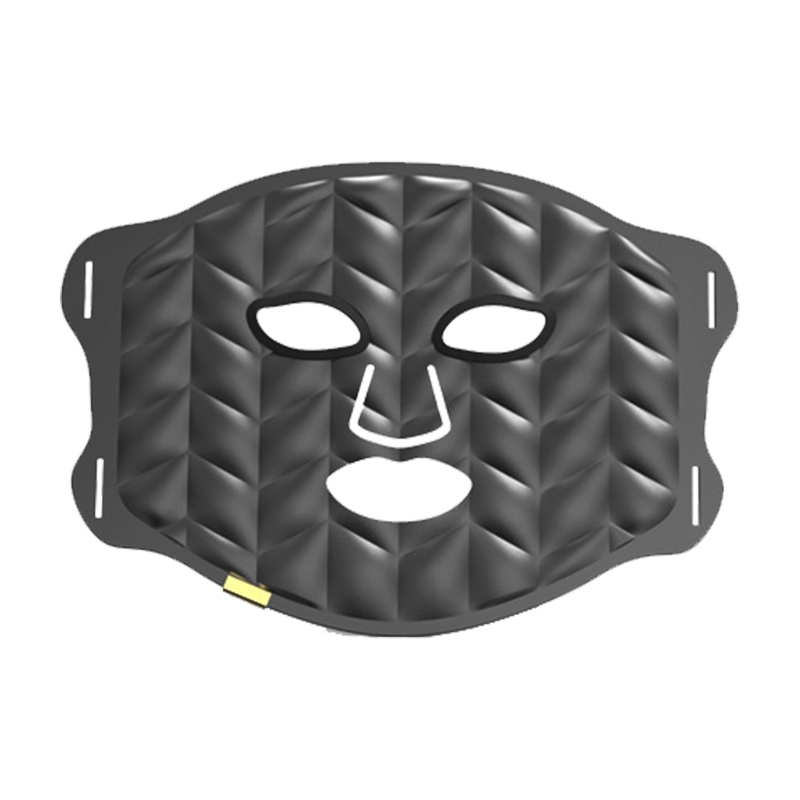
- Rajeunissement de la peau
- Soins anti-âge
- Récupération musculaire
- Bien-être général
Comparé à la thérapie au laser froid, il est plus largement disponible pour un usage domestique.
Différences clés entre la thérapie au laser froid et la thérapie par la lumière rouge
1. Source de lumière et livraison
- Thérapie au laser froid: Des usages cohérents, faisceaux laser focalisés
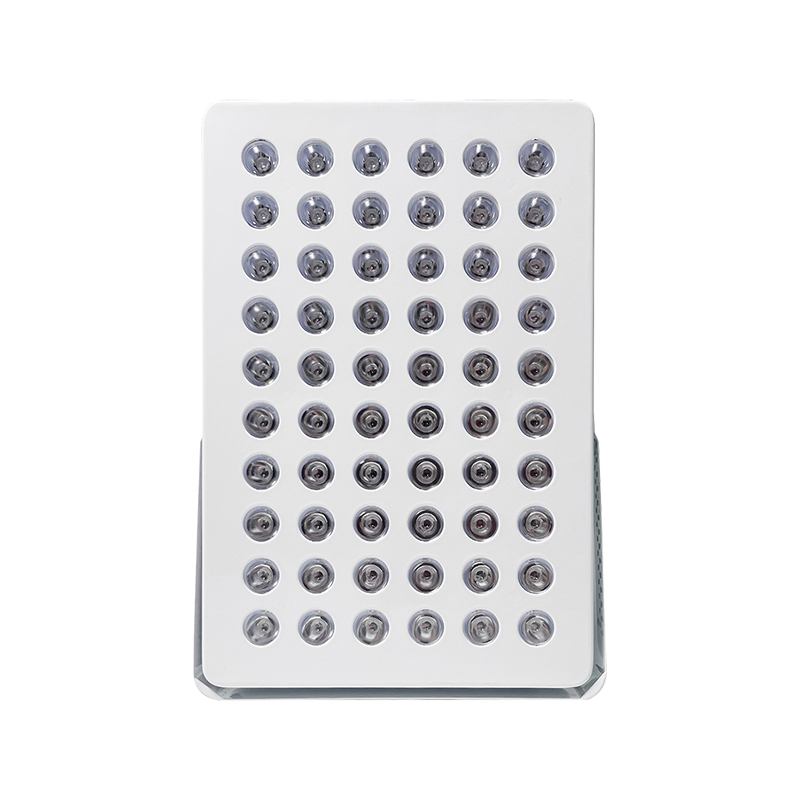
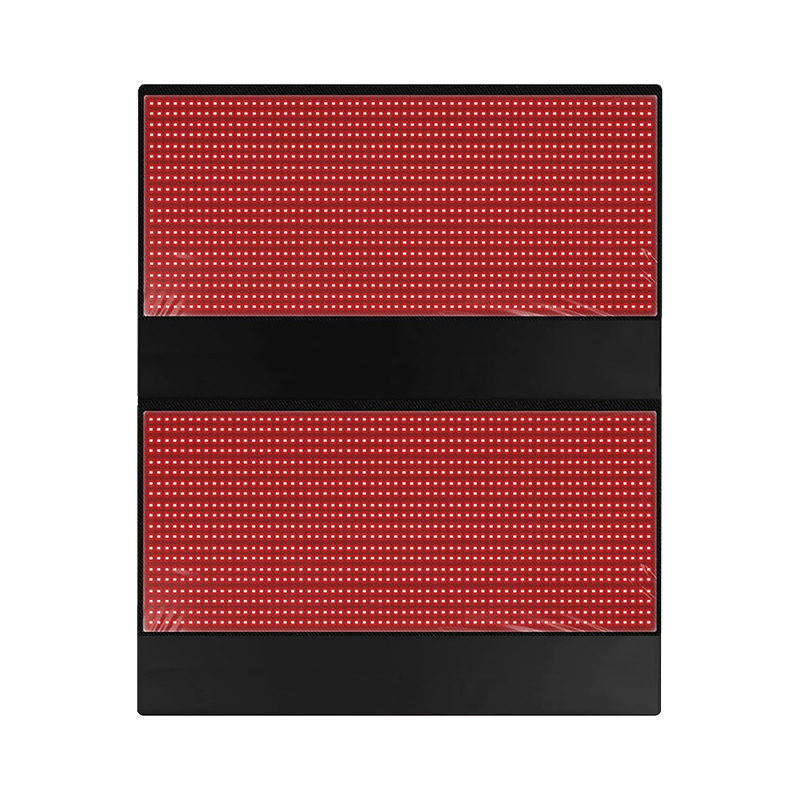
- Thérapie par la lumière rouge: Utilise généralement des LED ou des sources lumineuses plus larges
La lumière laser est plus concentrée, tandis que la lumière LED est plus diffuse.
2. Précision du traitement
- La thérapie au laser froid est très ciblé, idéal pour des blessures spécifiques ou des points douloureux
- La thérapie par la lumière rouge est meilleure pour des surfaces plus grandes, comme le visage ou tout le corps
3. Intensité et pénétration
- Les appareils laser froids peuvent fournir une énergie plus élevée dans une zone précise
- La thérapie par la lumière rouge fournit plus doux, couverture plus large
Les deux peuvent pénétrer dans la peau, mais leur profondeur et leur concentration diffèrent.
4. Cas d'utilisation courants
Thérapie au laser froid:
- Douleur chronique
- Blessures sportives
- Inflammation articulaire
Thérapie par la lumière rouge:
- Soins de la peau et anti-âge
- Croissance des cheveux
- Récupération musculaire
- Bien-être général
5. Accessibilité
- La thérapie au laser froid est souvent pratiquée cliniques ou centres de physiothérapie
- La thérapie par la lumière rouge est largement disponible pour appareils à usage domestique
Lequel fonctionne le mieux?
La réponse dépend de votre objectif:
- Pour soulagement ciblé de la douleur ou traitement des blessures, la thérapie au laser froid peut être plus efficace
- Pour amélioration de la peau ou bien-être de tout le corps, la thérapie par la lumière rouge est souvent plus pratique
Dans de nombreux cas, les deux thérapies s'appuient sur des mécanismes biologiques similaires (stimulation de l'énergie cellulaire et réduction de l'inflammation), elles sont donc plus similaires que différentes.
Pouvez-vous les utiliser ensemble?
Oui, dans certains plans de traitement, la thérapie au laser froid et la thérapie à la lumière rouge peuvent être combinées:
- Laser froid pour traitement ciblé
- Thérapie par la lumière rouge pour récupération et maintenance plus larges
Cette combinaison peut fournir à la fois précision et couverture.
Considérations de sécurité
Les deux thérapies sont généralement sûres lorsqu’elles sont utilisées correctement, mais:
- Évitez l’exposition directe des yeux
- Suivez les directives relatives aux appareils
- Consulter un professionnel pour des problèmes médicaux
Réflexions finales
La thérapie au laser froid et la thérapie à la lumière rouge sont étroitement liées mais servent des objectifs légèrement différents.. One offre précision et ciblage clinique, tandis que l'autre offre une commodité et une application plus large.
Le choix de la bonne option dépend de vos objectifs spécifiques, qu'il s'agisse de soulager la douleur., santé de la peau, ou récupération globale.