1. La thérapie par la lumière rouge peut-elle aider à traiter la dermatite?
Oui. La thérapie par la lumière rouge réduit l'inflammation, calme la peau irritée, et favorise la guérison, ce qui le rend bénéfique pour de nombreuses formes de dermatite.
2. La thérapie par la lumière rouge arrête-t-elle les démangeaisons?
Il peut aider à réduire les démangeaisons en diminuant l’inflammation et en restaurant la barrière cutanée., ce qui réduit souvent l'irritation.
3. Combien de temps faut-il pour voir les résultats?
Most users notice improvement within 2–4 semaines, depending on severity and consistency.
4. Is it safe to use red light therapy on sensitive skin?
Oui. La thérapie par la lumière rouge est douce, non-invasif, and suitable for sensitive or reactive skin.
5. Can red light therapy replace dermatitis medication?
Non. It is best used as a thérapie de soutien. Always follow your dermatologist’s guidance.
6. Does red light therapy help eczema?
Oui. Many eczema patients experience reduced flare-ups and improved skin hydration with routine red light therapy.
7. How often should I use red light therapy for dermatitis?
3–5 sessions per week are commonly recommended for optimal results.
8. Can red light therapy reduce redness?
Absolument. It helps calm inflammation and improves microcirculation, reducing visible redness over time.
9. Is there any risk of worsening dermatitis?
Red light therapy rarely worsens dermatitis because it does not heat the skin or cause irritation.
10. What kind of device works best for dermatitis?
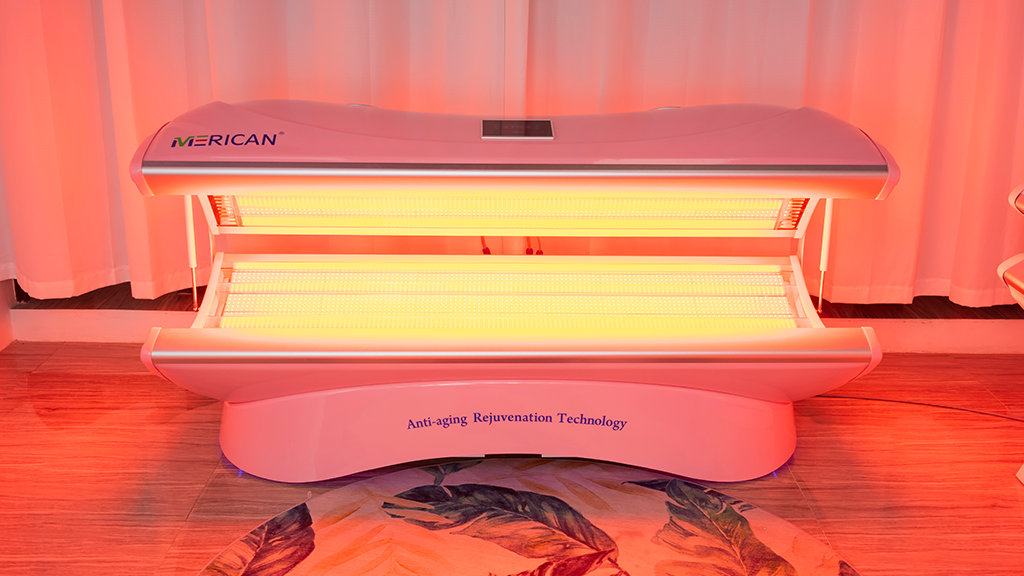
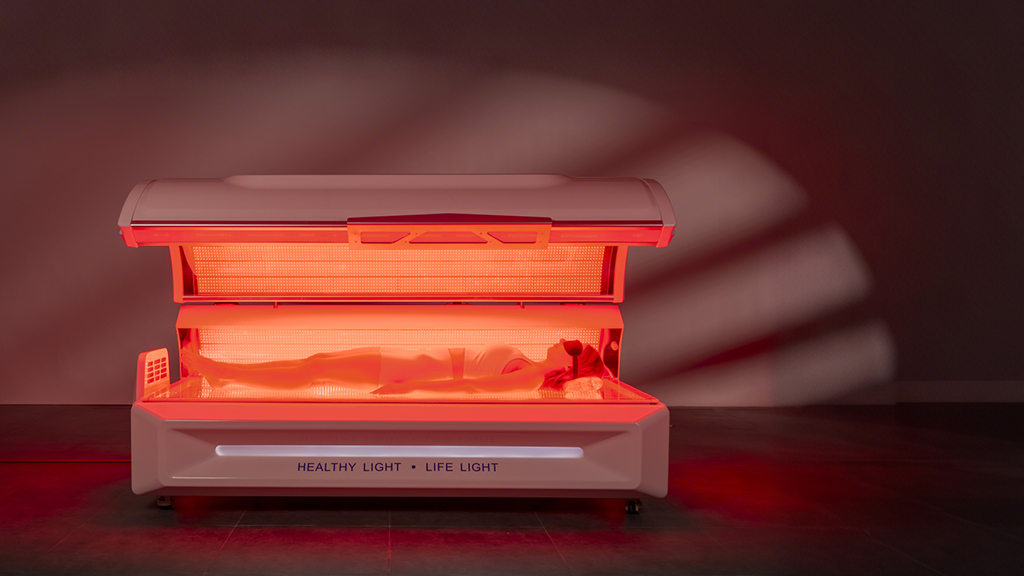
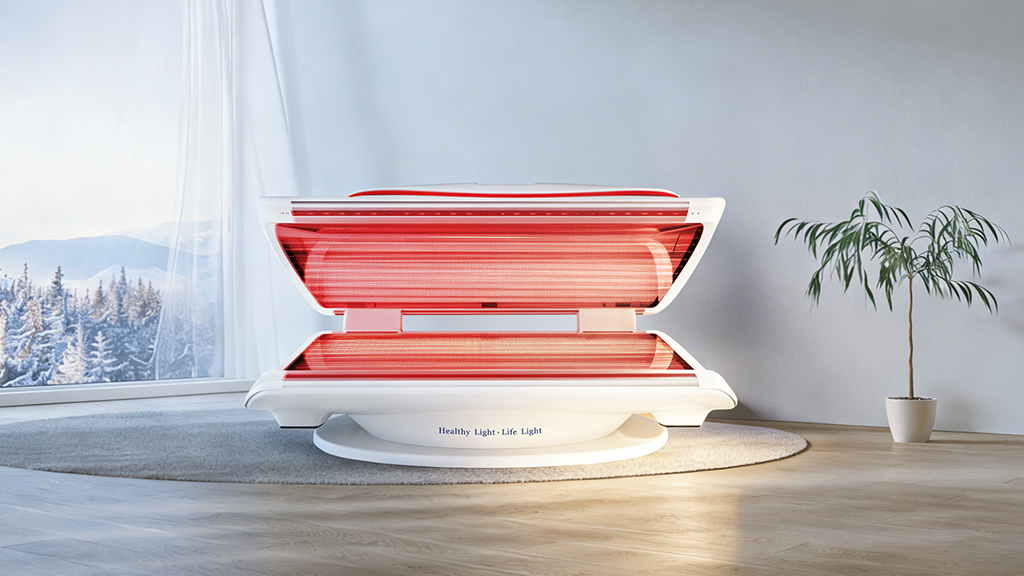
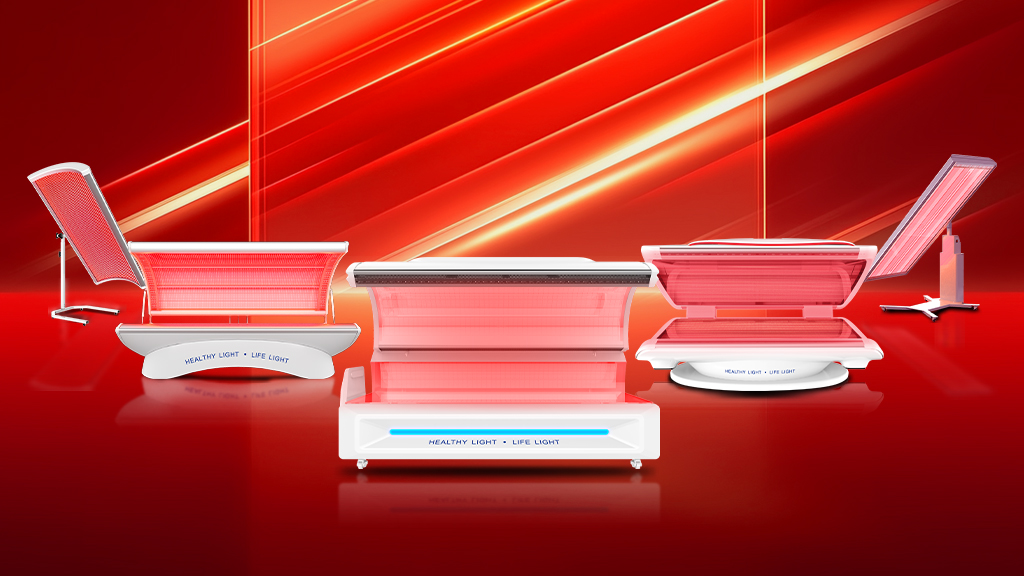
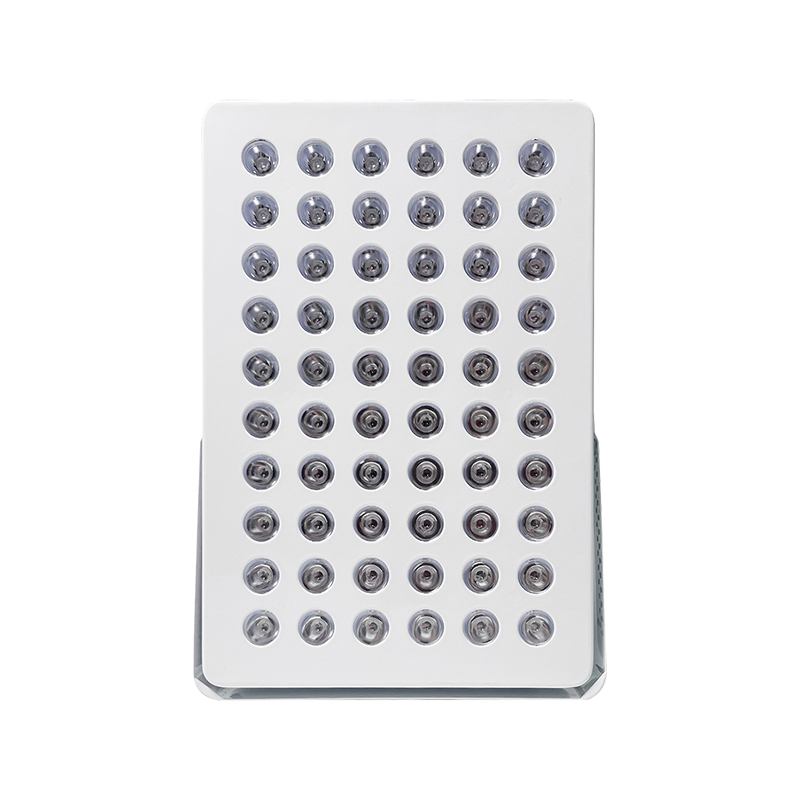
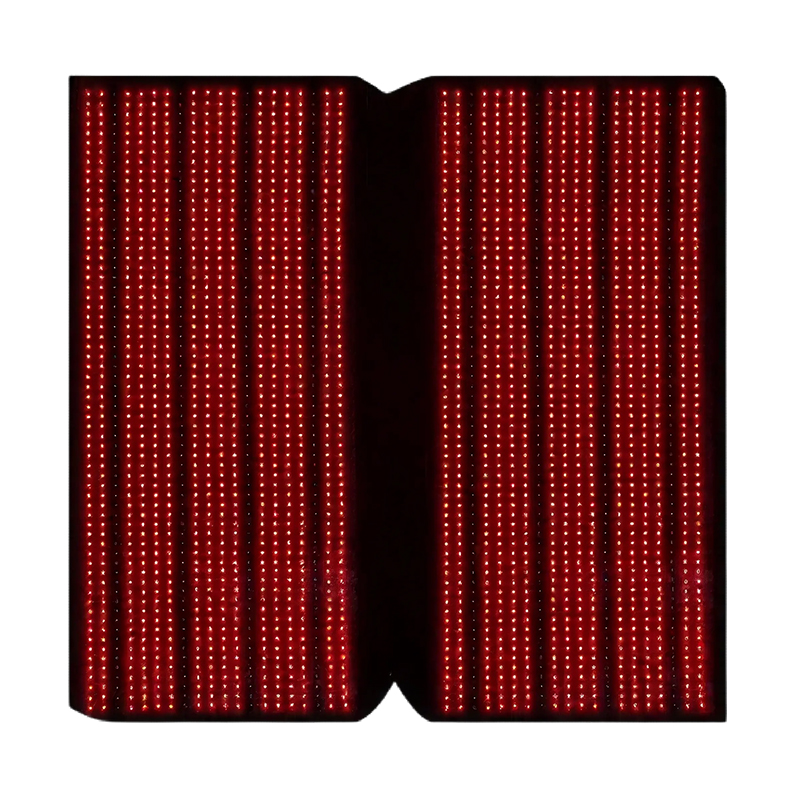
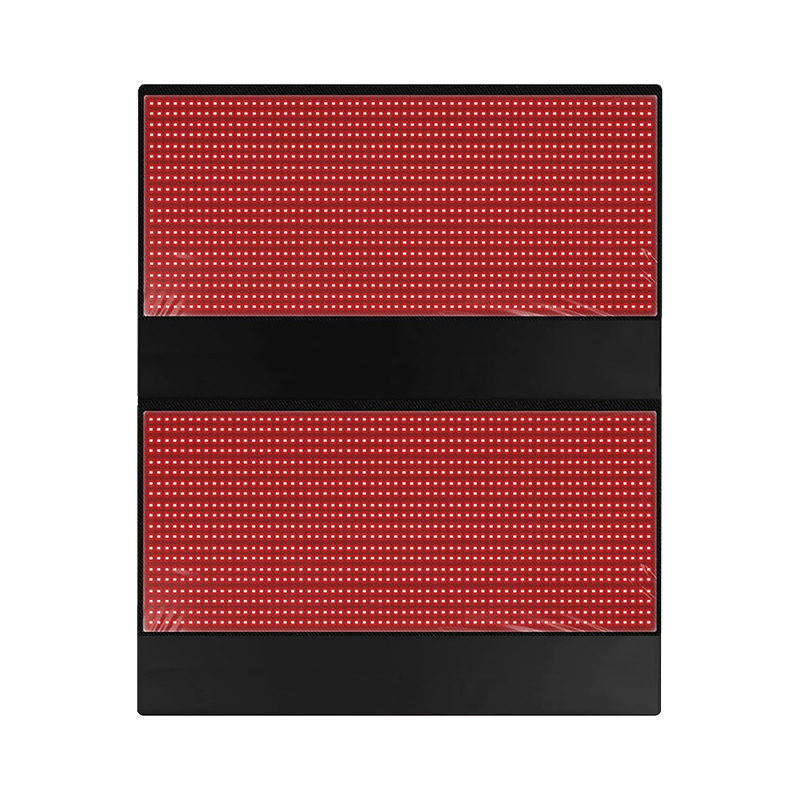
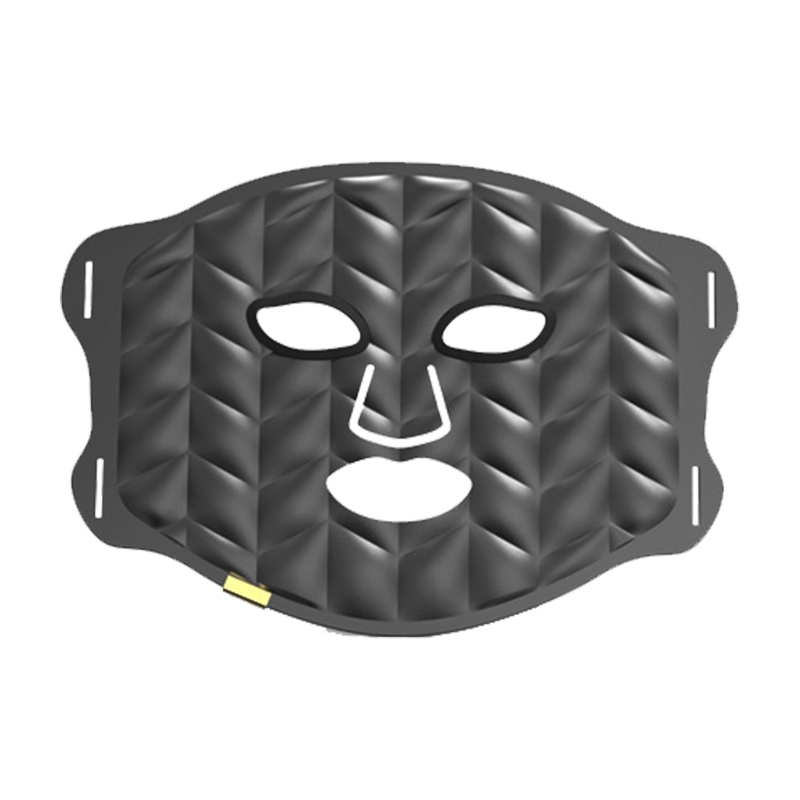
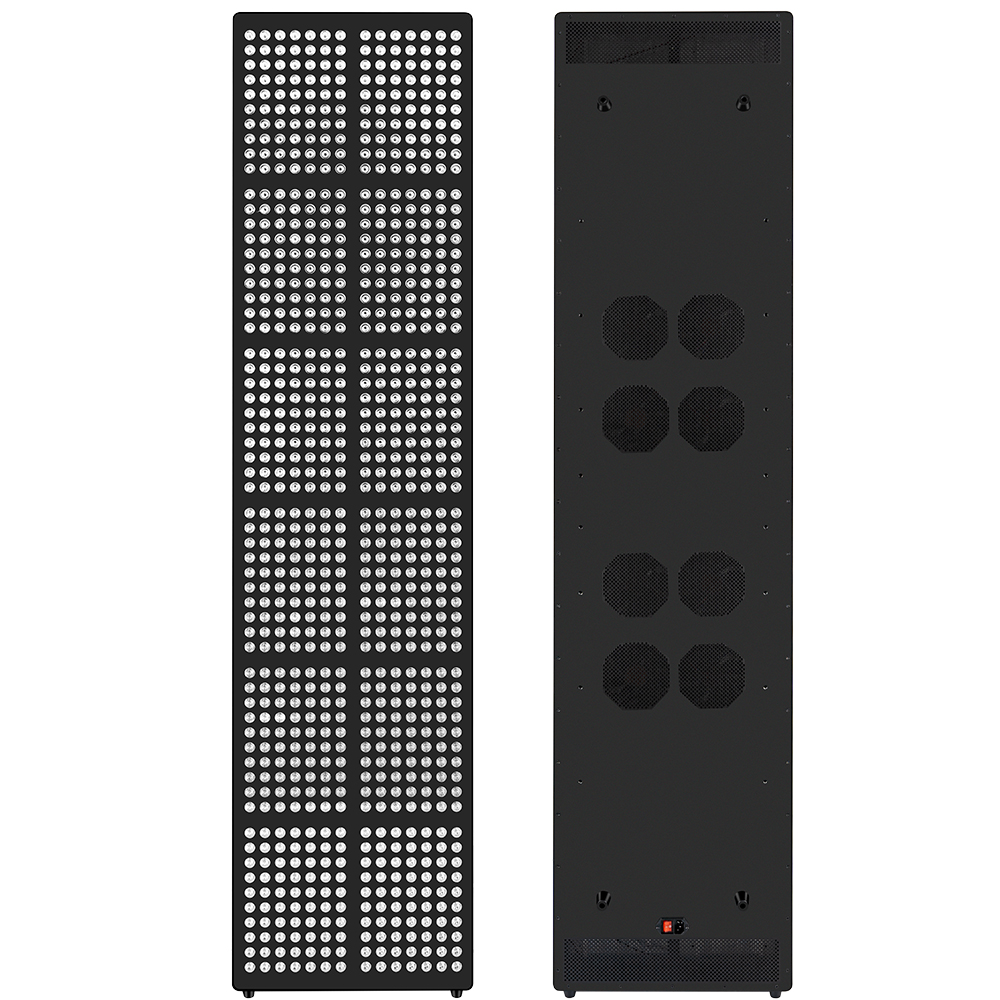
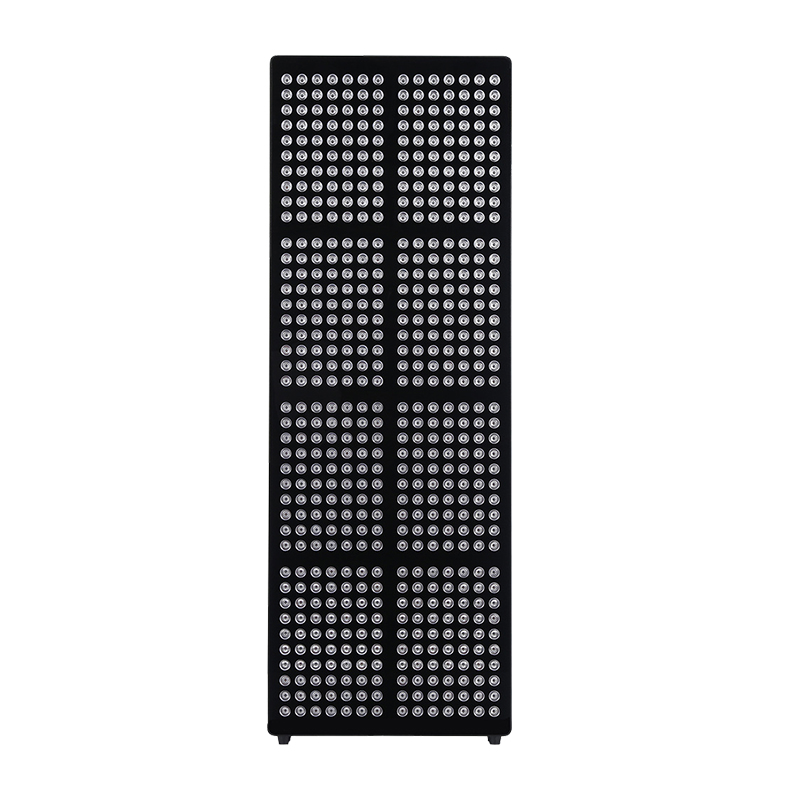
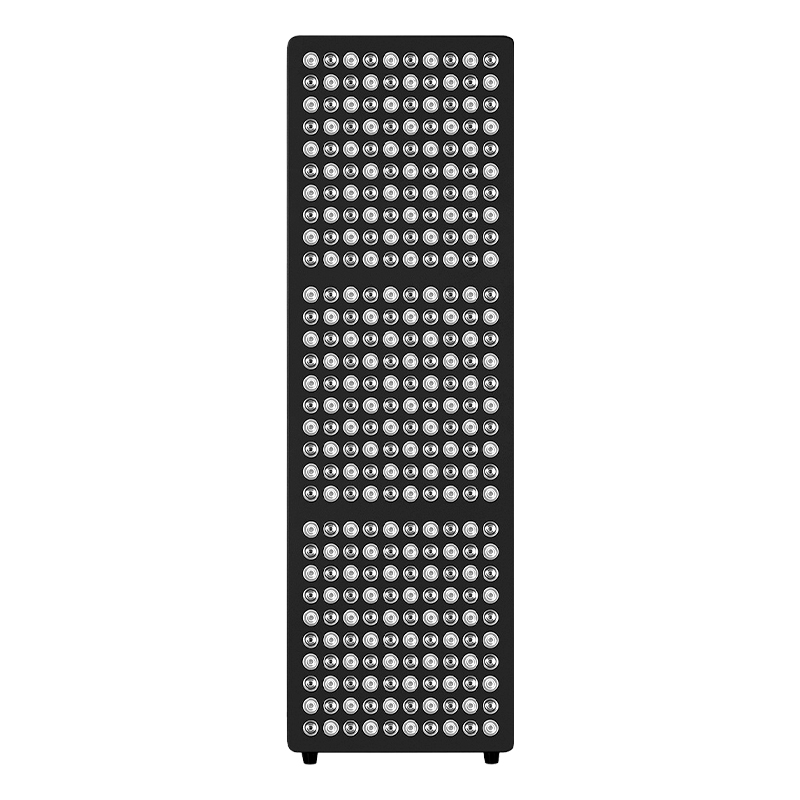
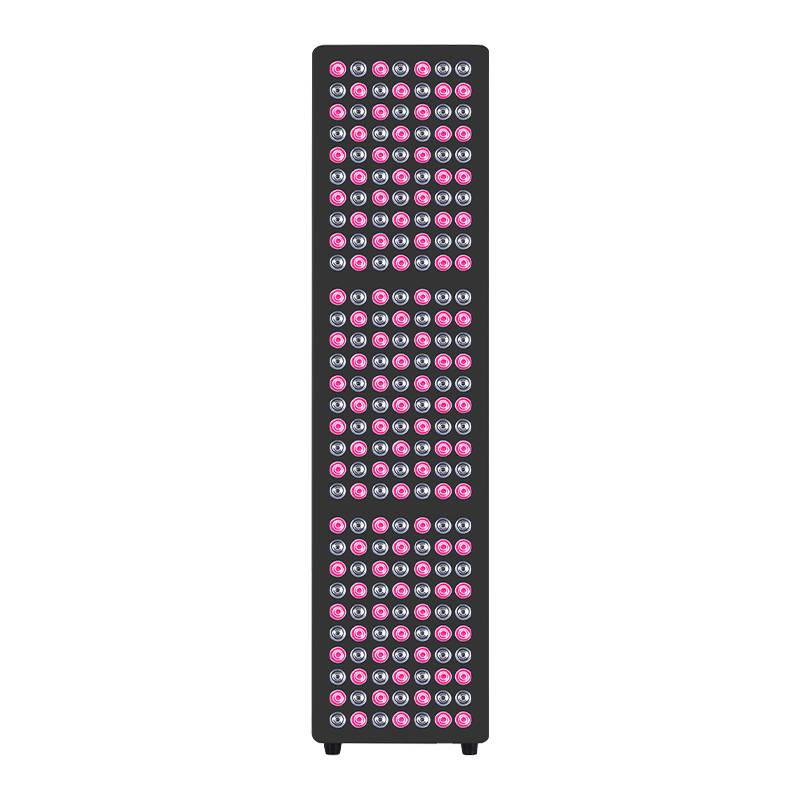
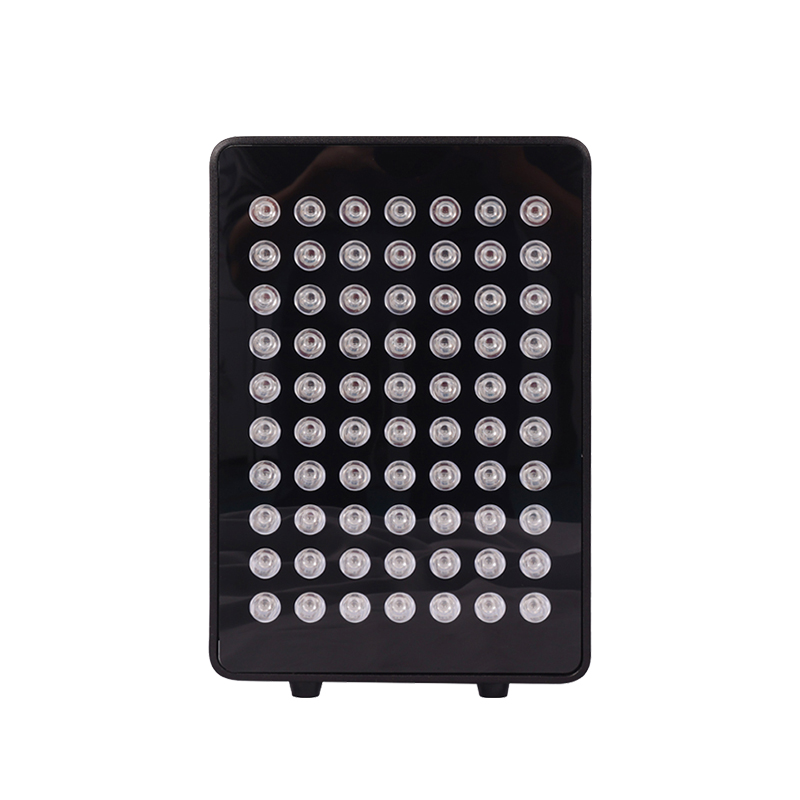
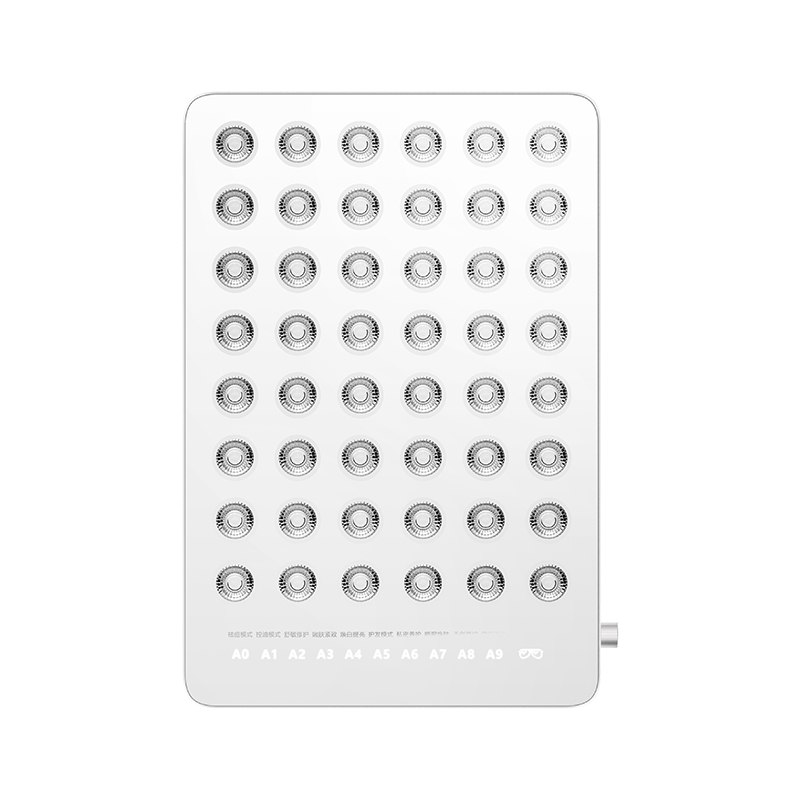
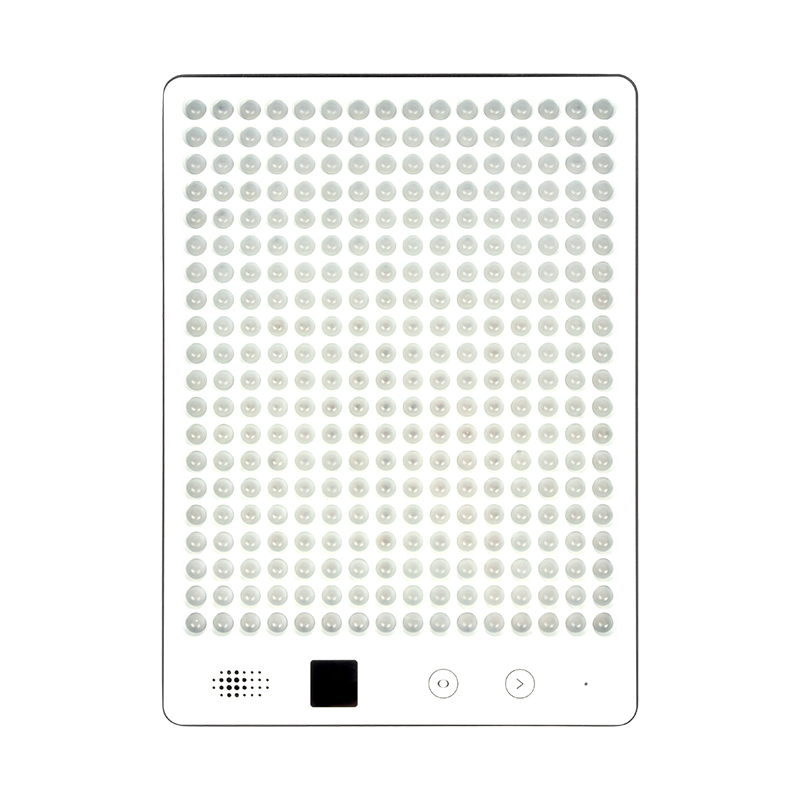
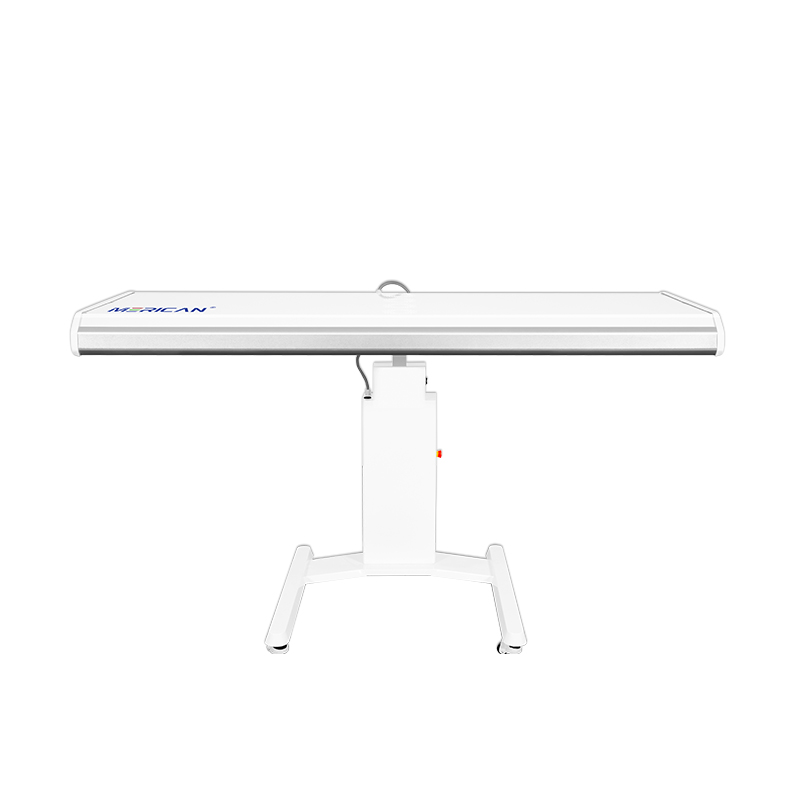
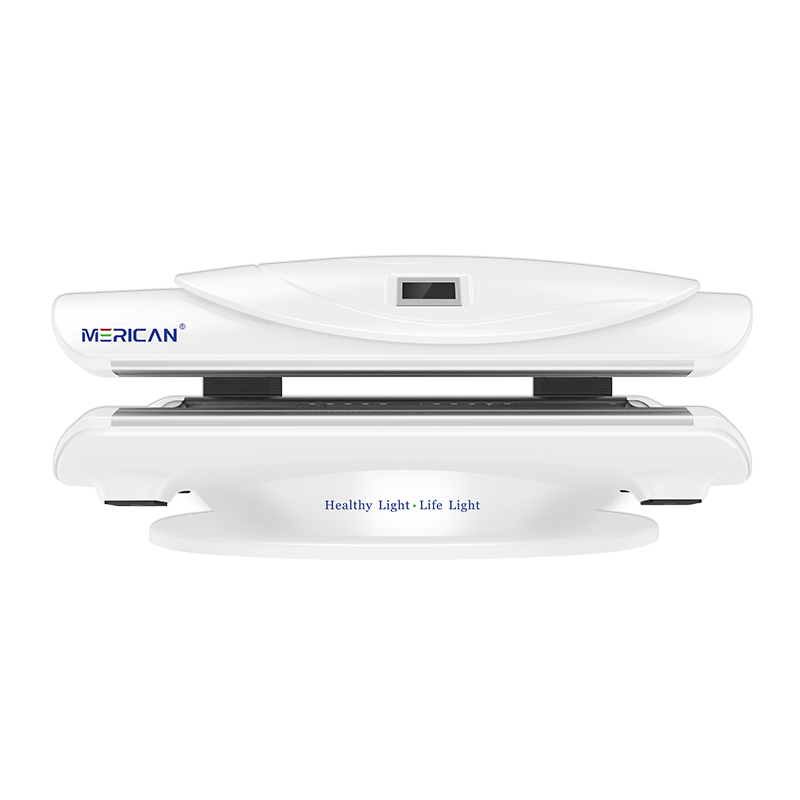
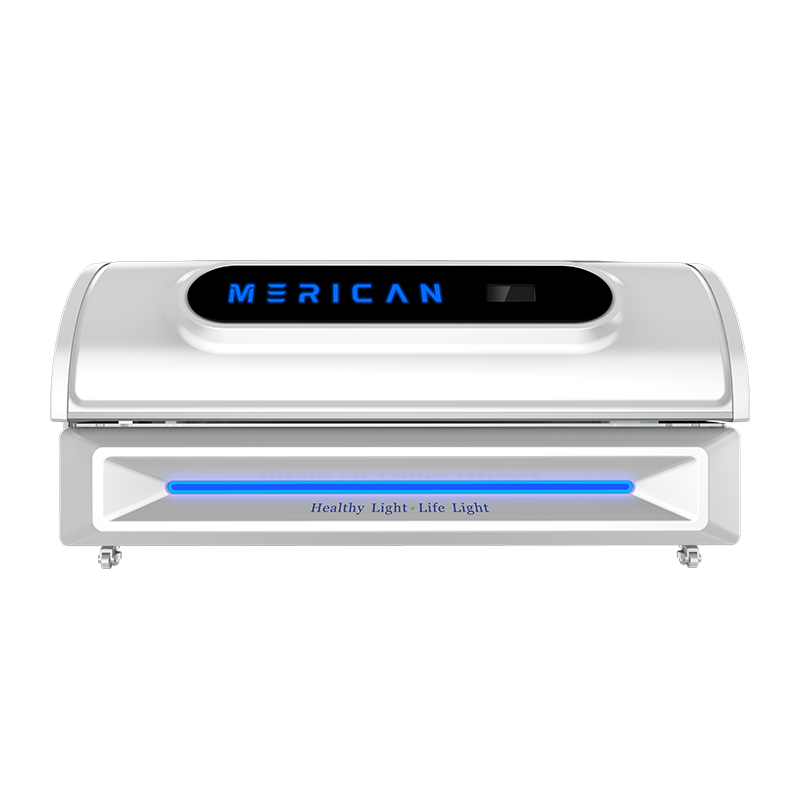
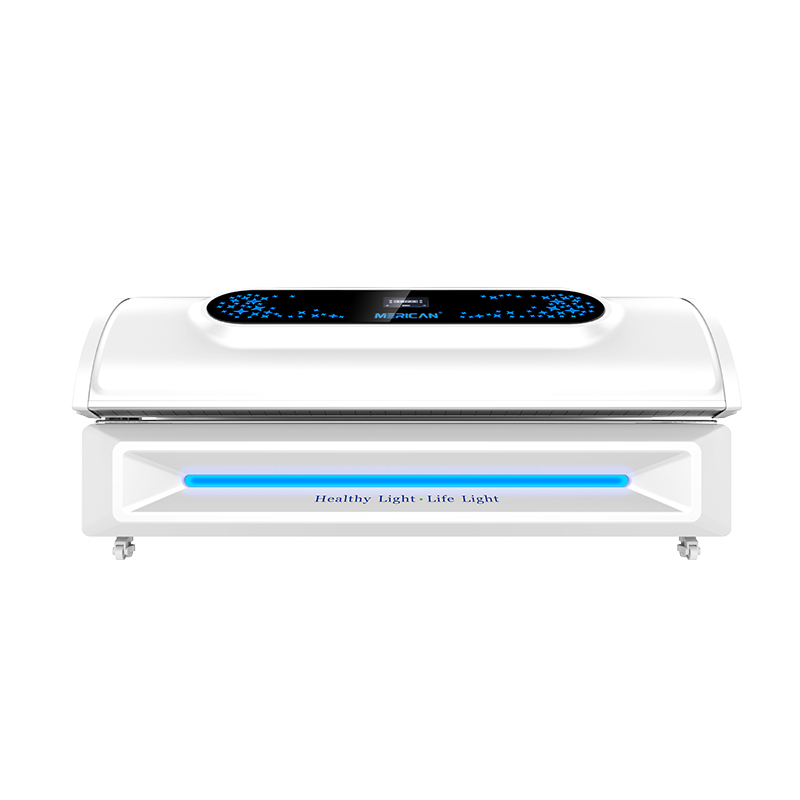
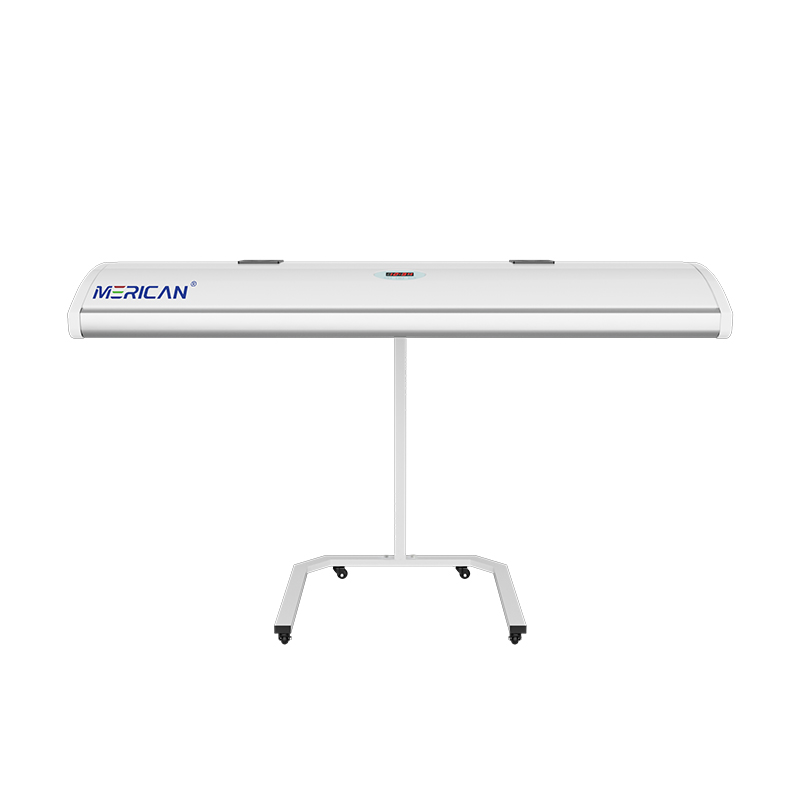
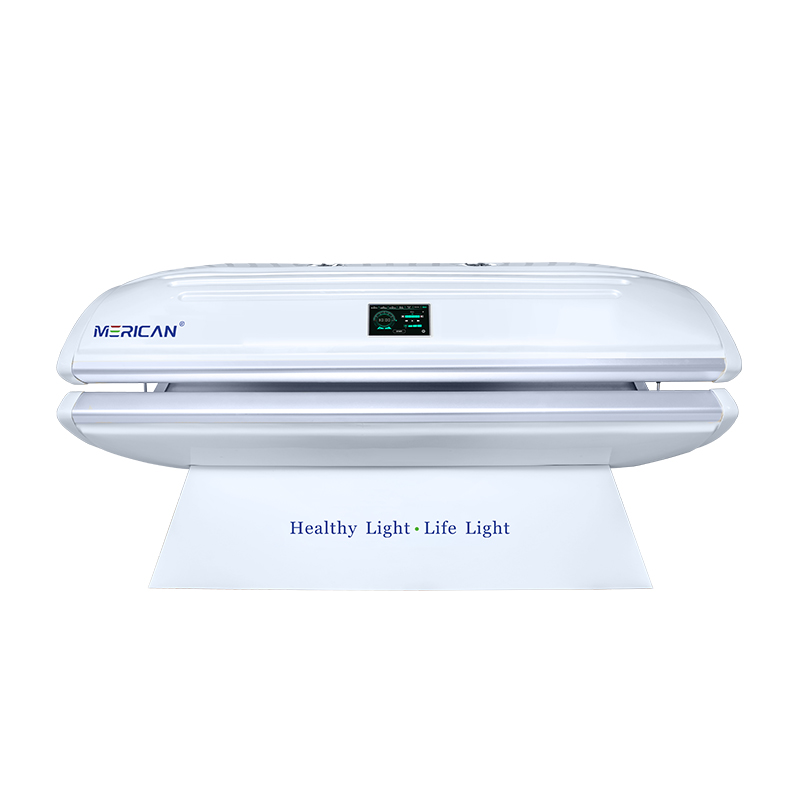
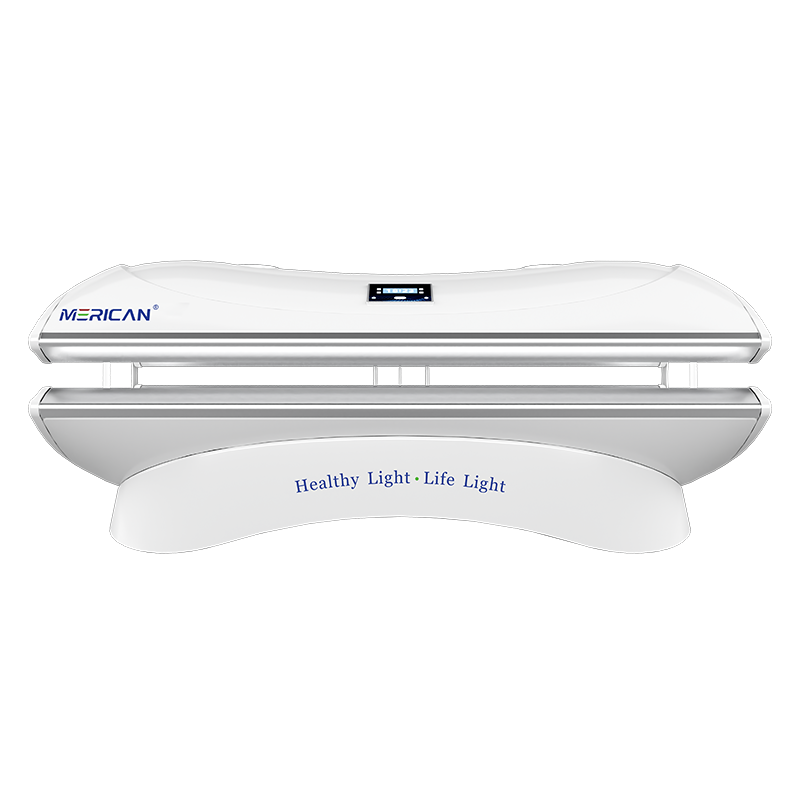
Devices with 630– Lumière rouge à 660 nm et 850 nm lumière proche infrarouge—such as MERICAN’s clinical-grade systems—deliver the best results for reducing inflammation and supporting skin healing.