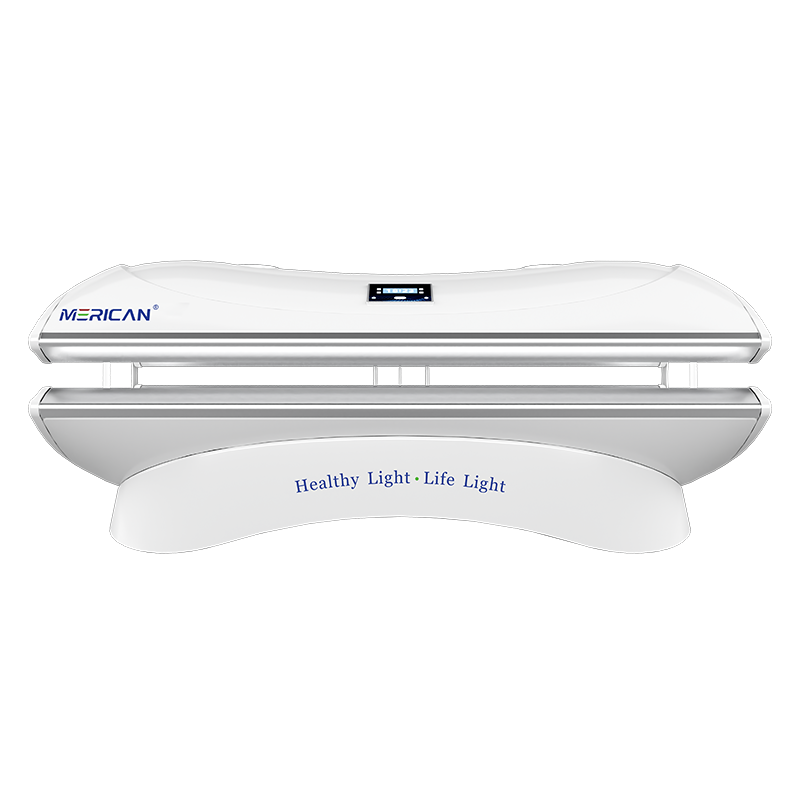
Q1: La thérapie par la lumière rouge peut-elle guérir l'ostéoporose?
Non. La thérapie par la lumière rouge ne peut pas guérir l'ostéoporose, mais cela peut aider à gérer les symptômes et à favoriser la guérison osseuse.
Q2: La thérapie par la lumière rouge augmente-t-elle la densité osseuse?
Des études préliminaires suggèrent que le RLT pourrait stimuler l'activité des ostéoblastes (cellules de construction osseuse), mais davantage de recherches humaines sont nécessaires.
Q3: La thérapie par la lumière rouge est-elle sans danger pour les patients atteints d'ostéoporose?
Oui, RLT est généralement considéré comme sûr, but patients with medical conditions should consult a doctor first.
Q4: Can red light therapy reduce fracture risk?
Indirectement, Oui. By reducing pain and improving mobility, RLT may help lower the risk of falls that cause fractures.
Q5: How often should osteoporosis patients use red light therapy?
Most protocols suggest 10–20 minutes, 3–5 fois par semaine, en fonction de l'appareil.
Q6: Can RLT replace calcium and vitamin D supplements?
Non. RLT may complement treatment, but proper nutrition and supplements remain essential for bone health.
Q7: Does red light therapy help with osteoporosis pain?
Oui. Many studies show RLT reduces joint pain, rigidité, et inflammation.
Q8: Can elderly people safely use red light therapy?
Oui, when used as directed. It’s a non-invasive, low-risk option for seniors with bone and joint issues.
Q9: What devices are best for osteoporosis support?
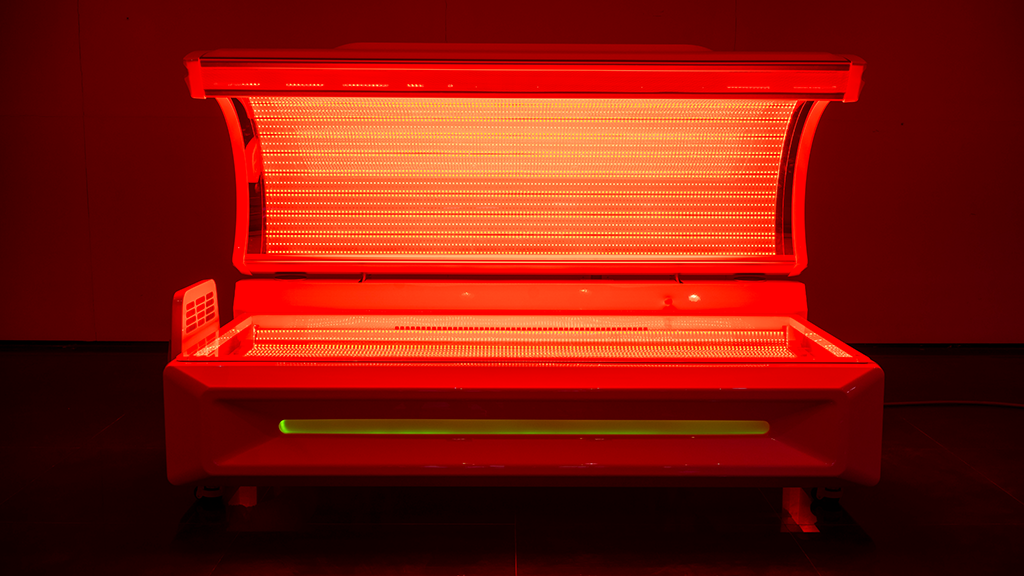
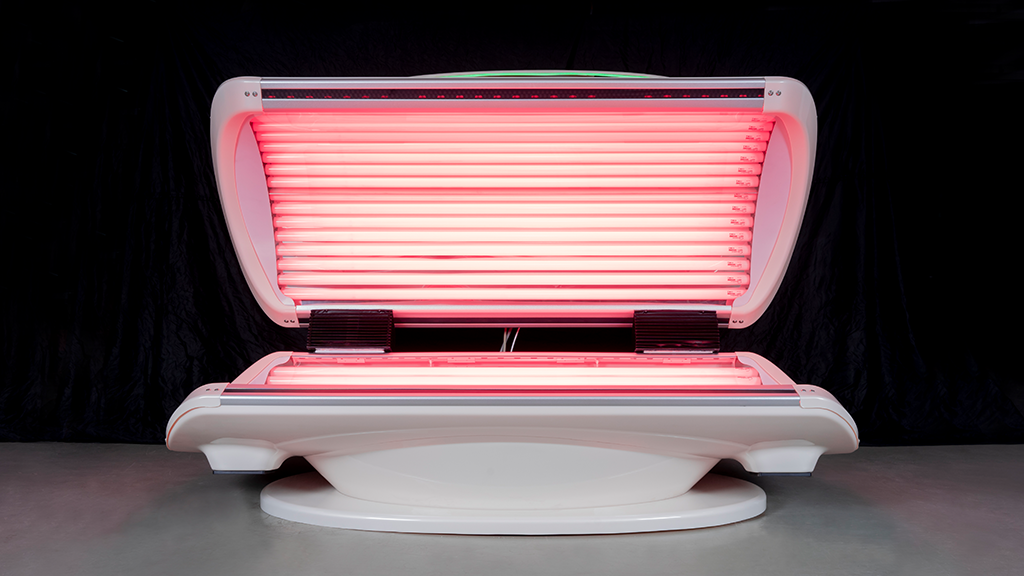
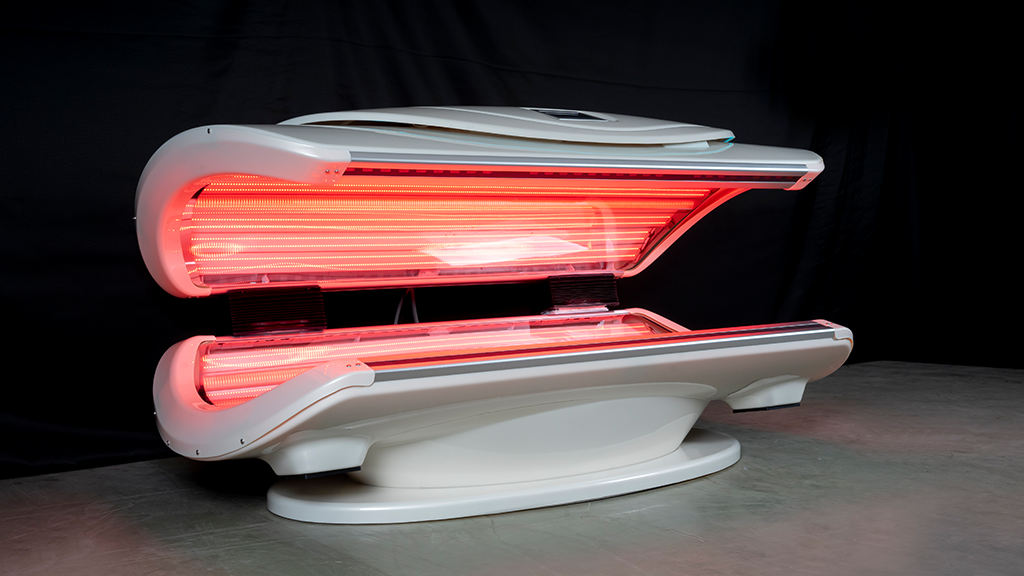
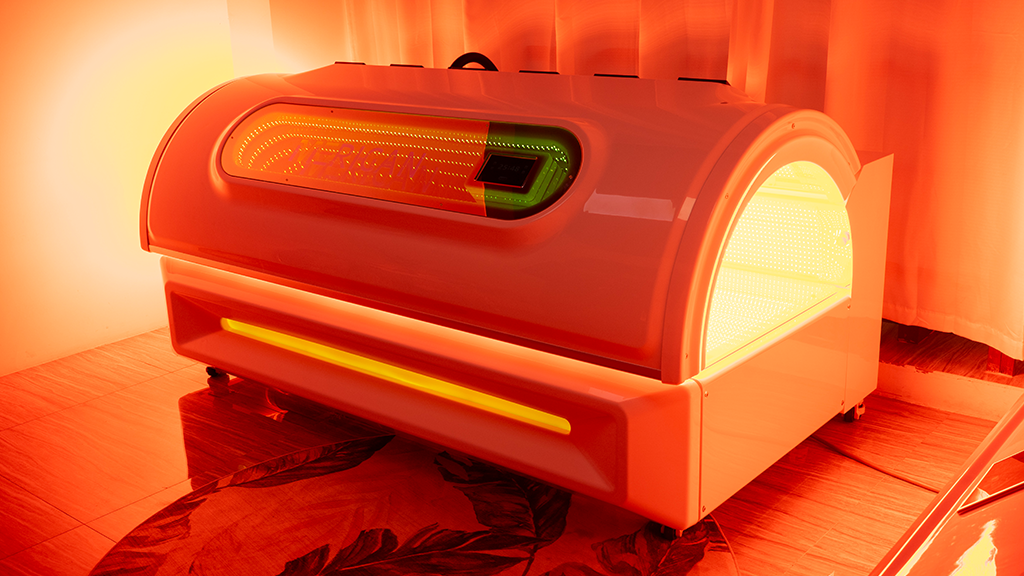
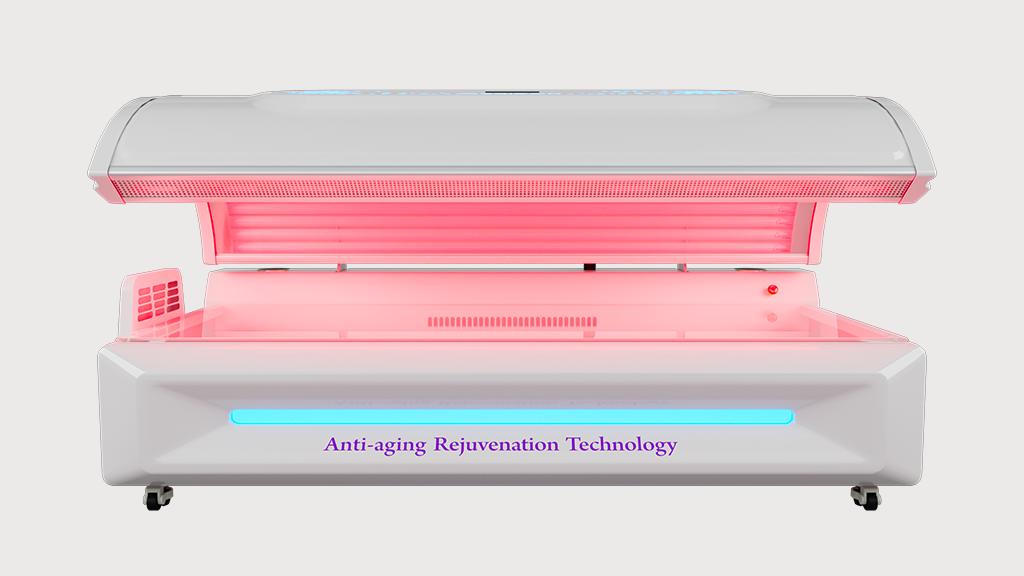
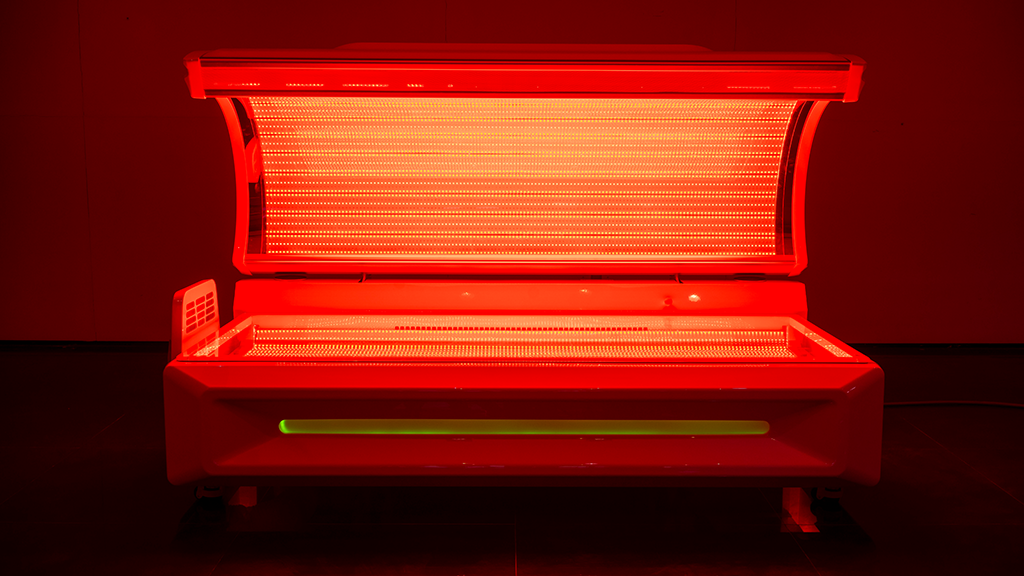
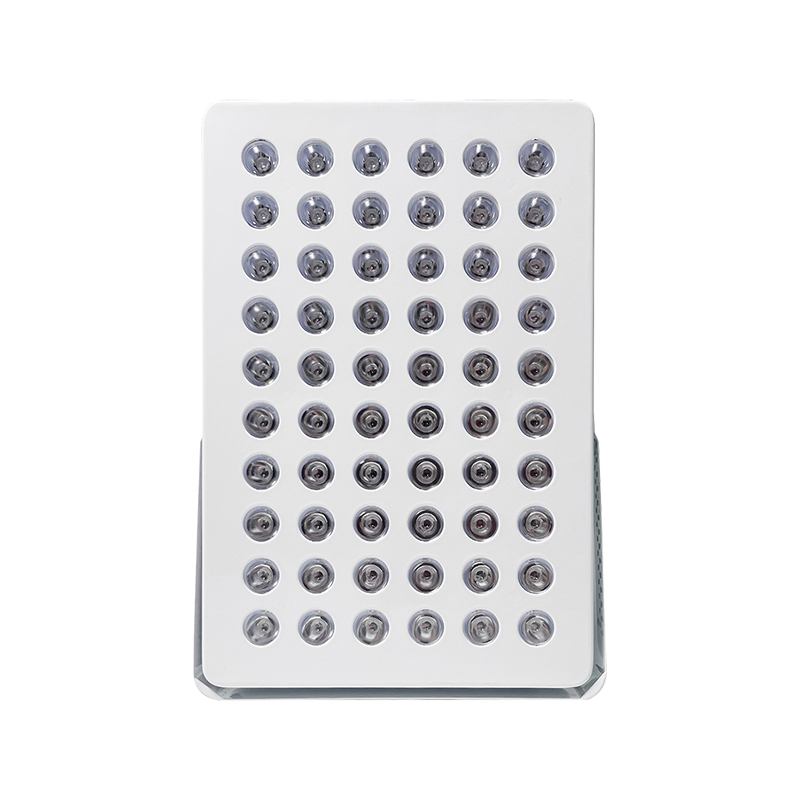
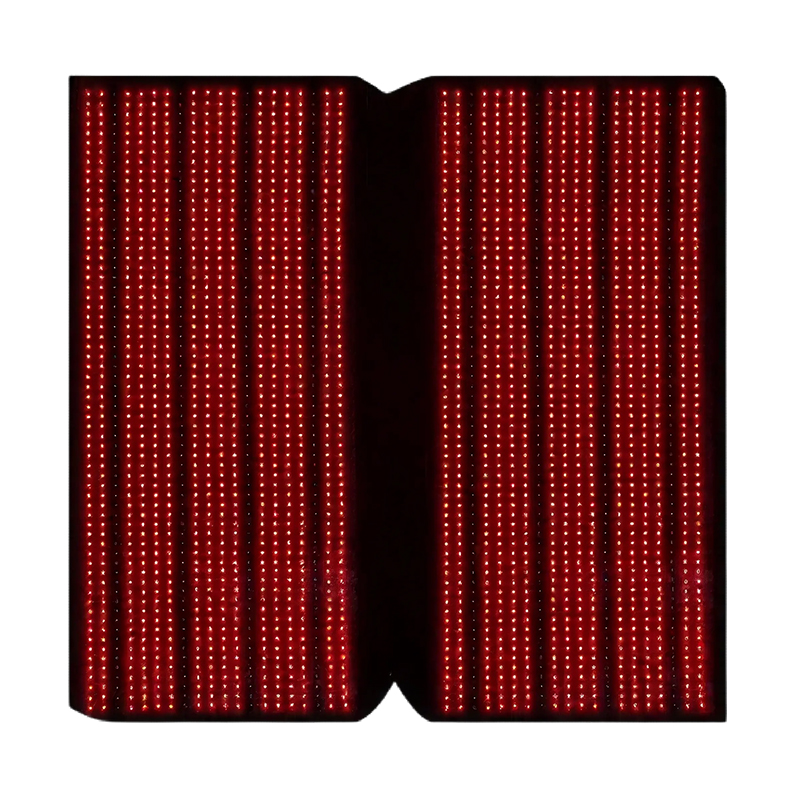
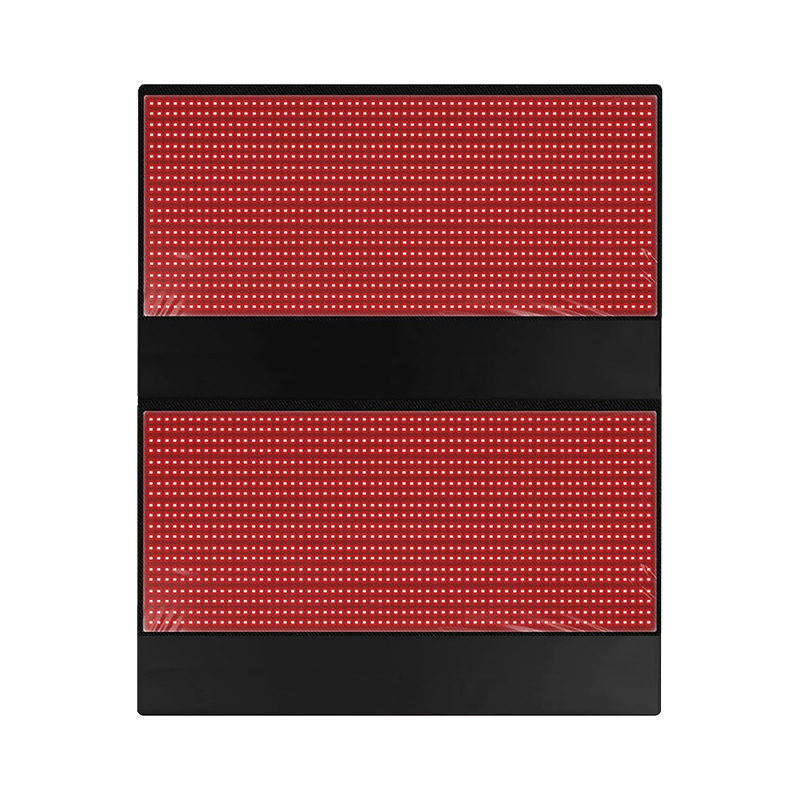
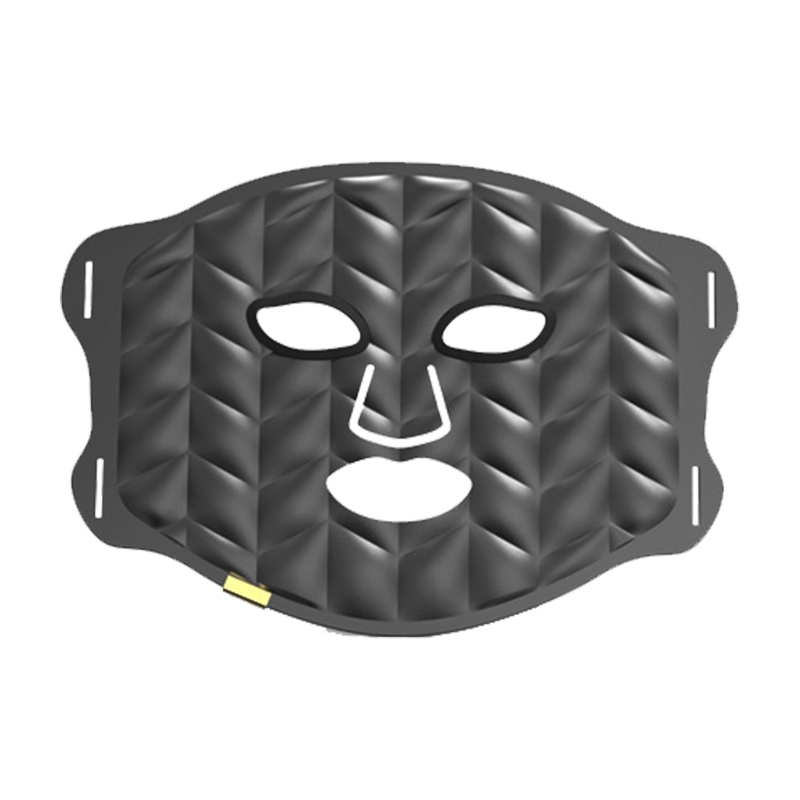
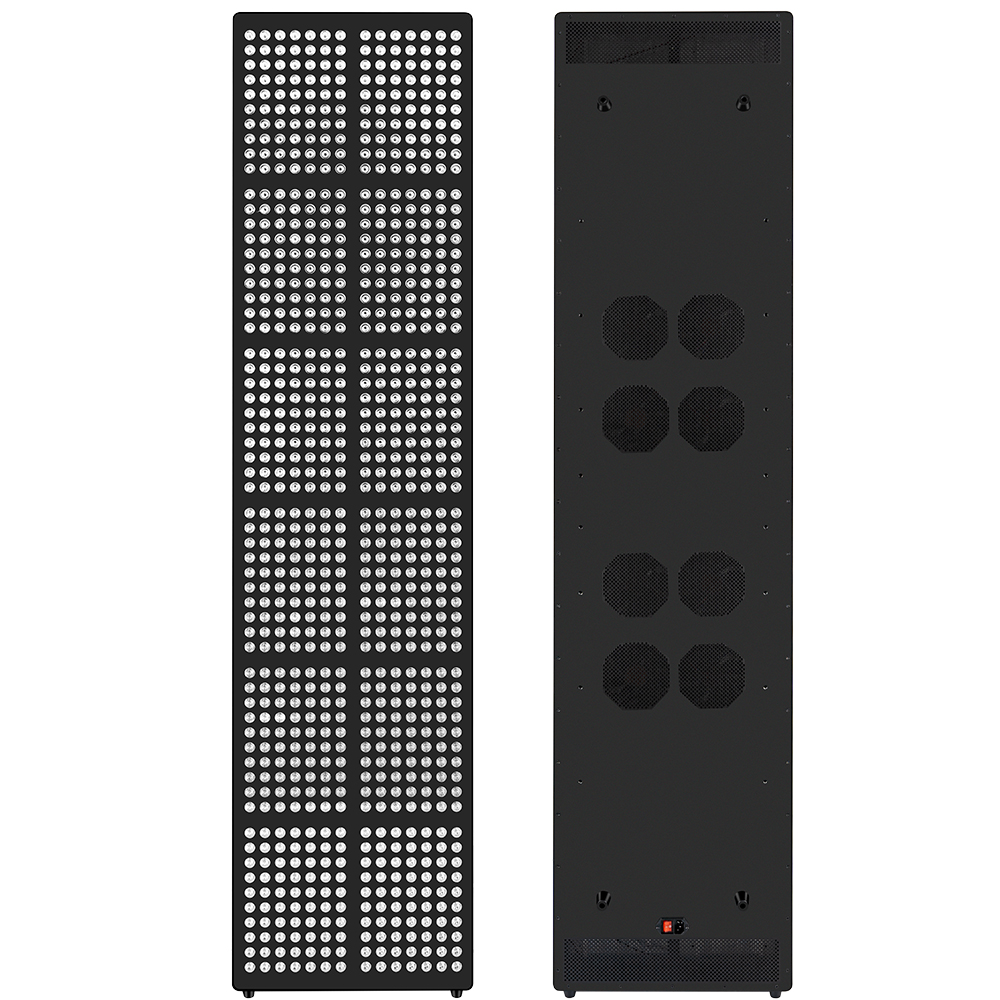
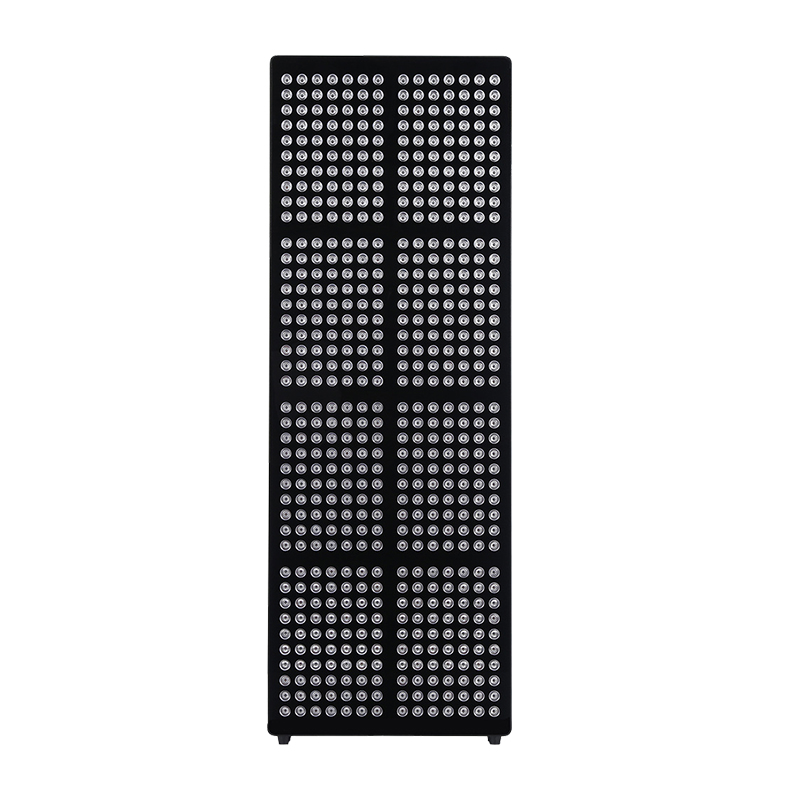
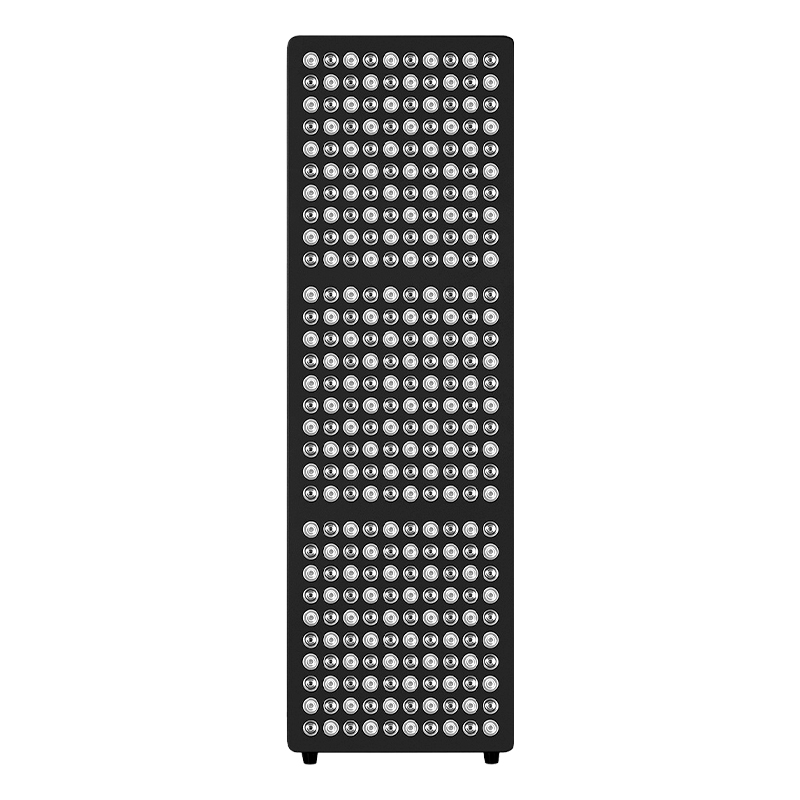
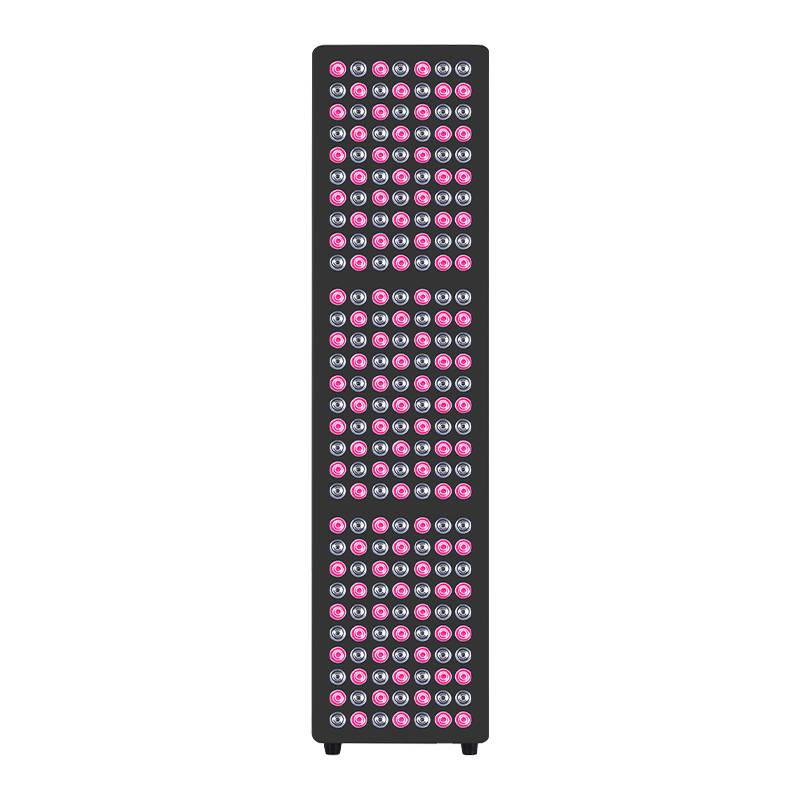
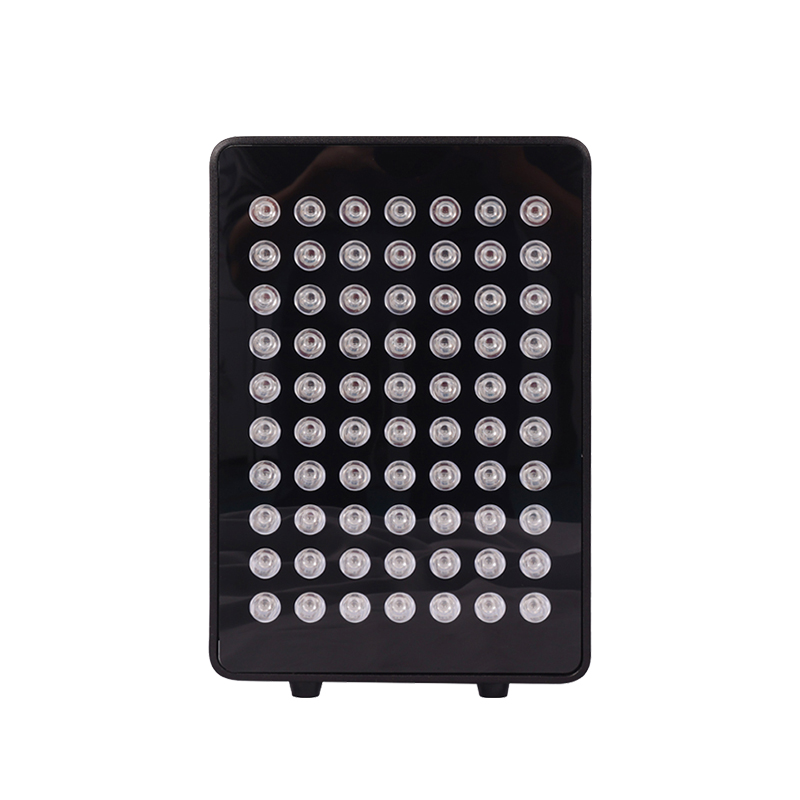
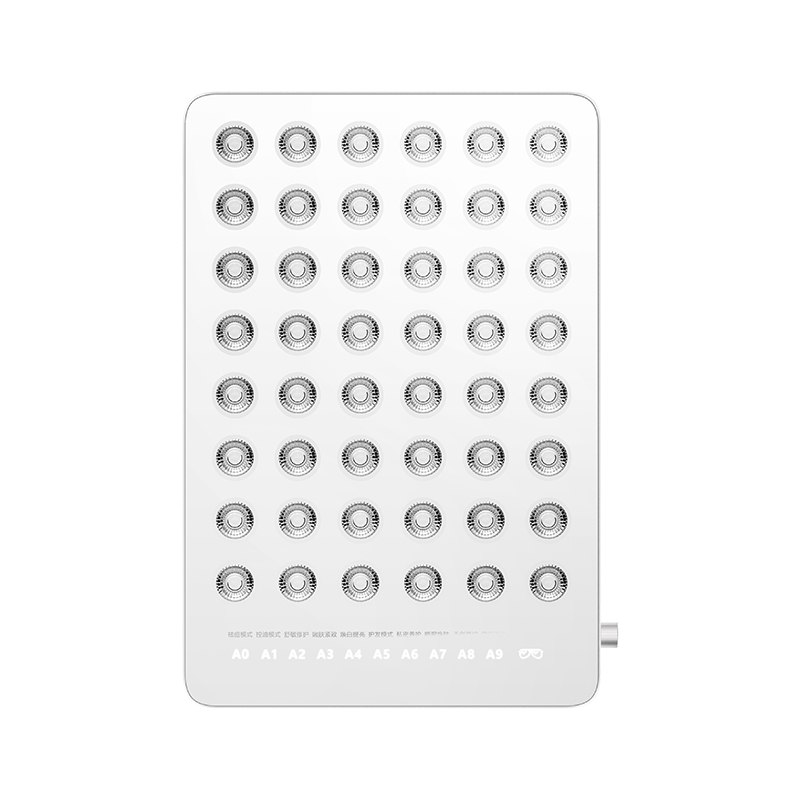
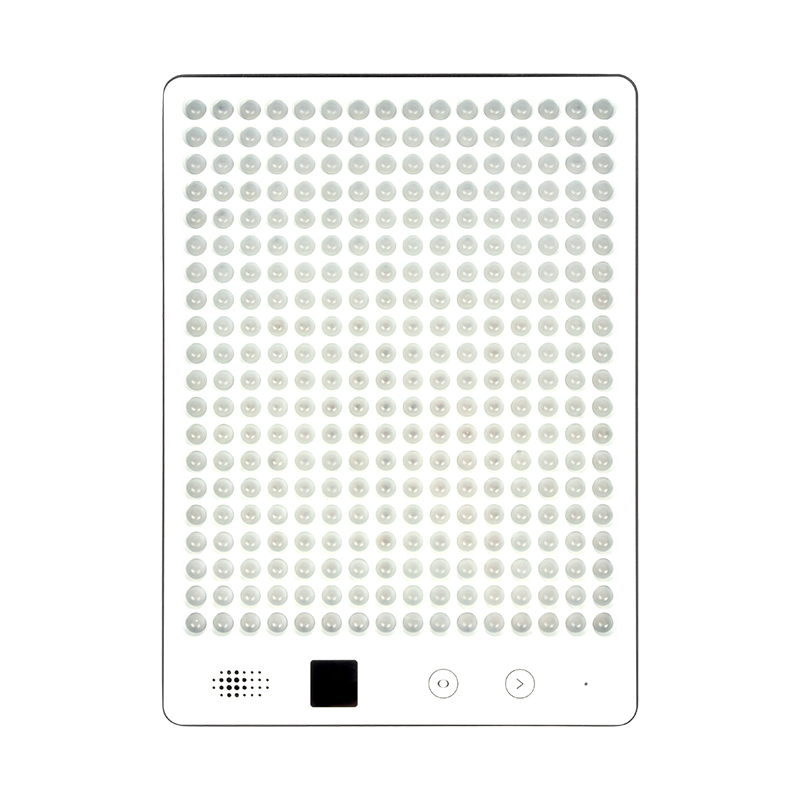
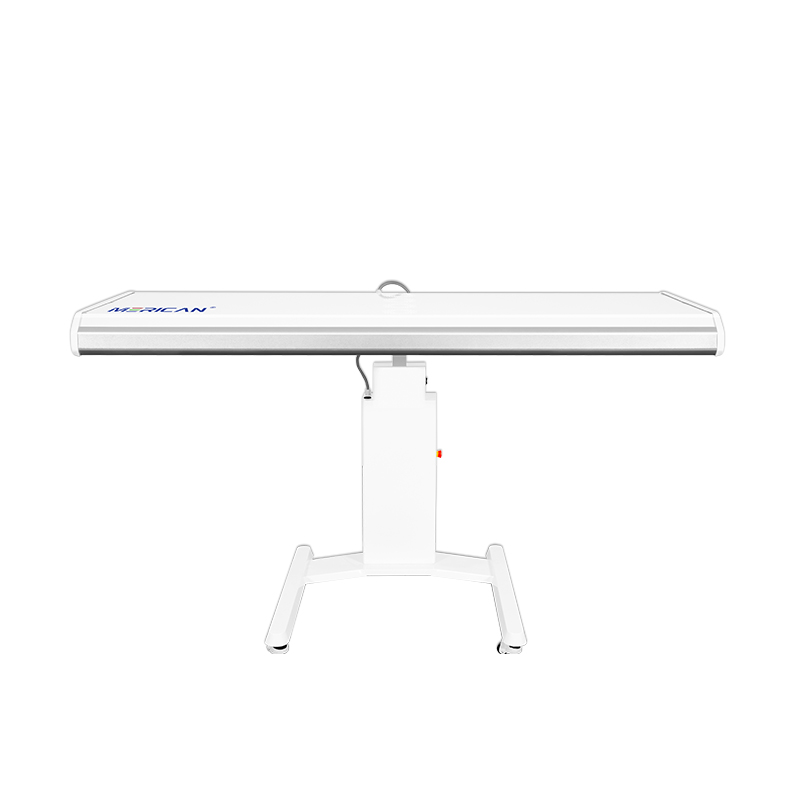
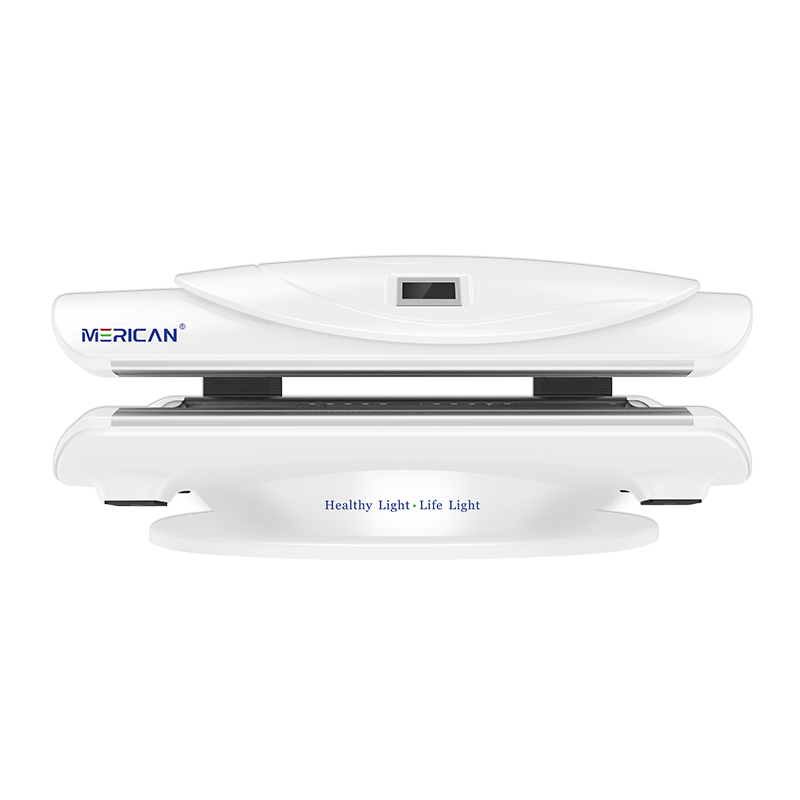
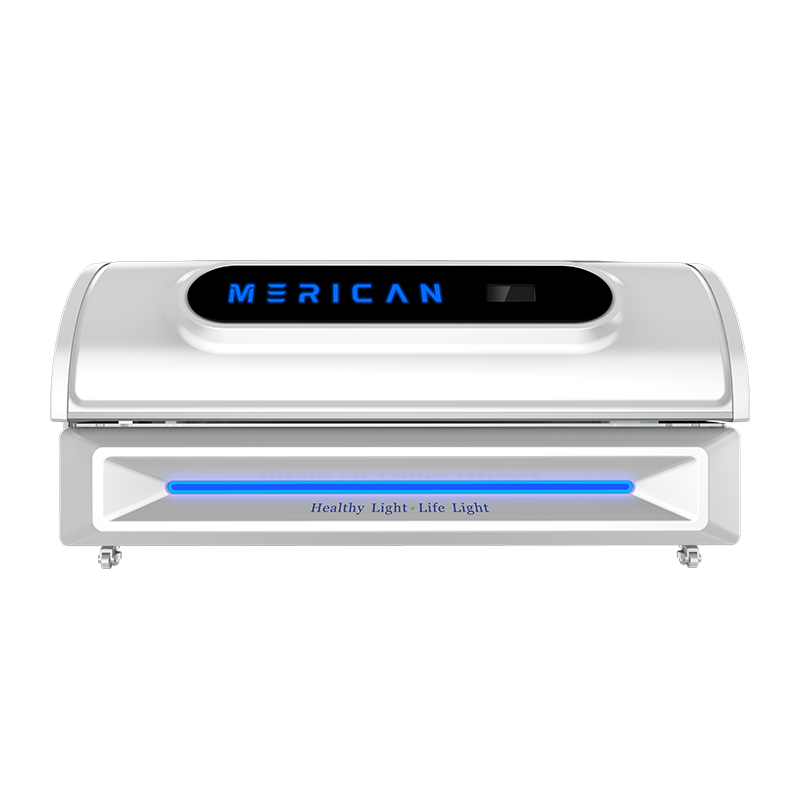
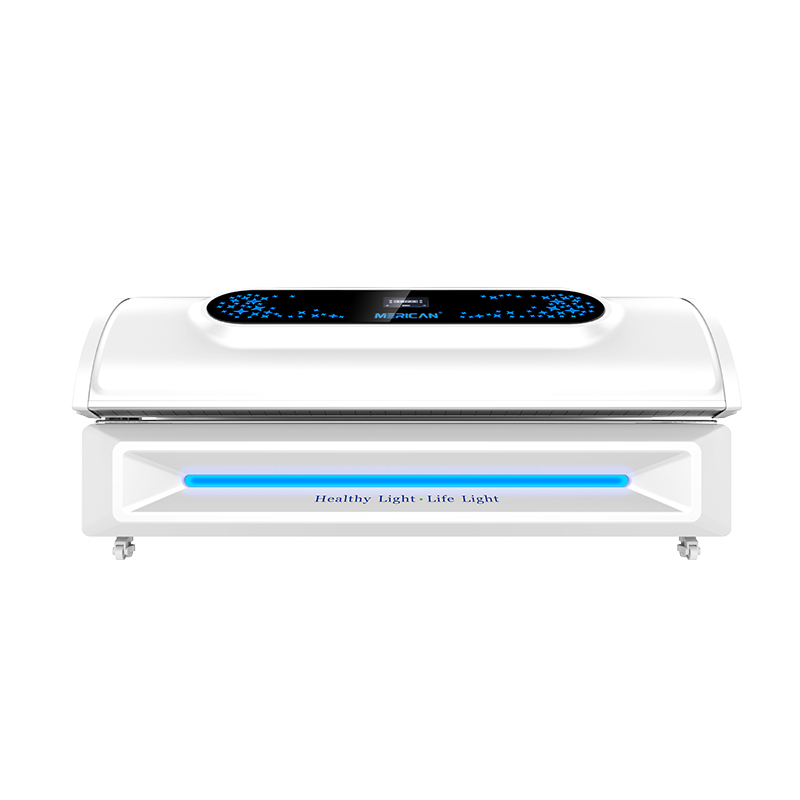
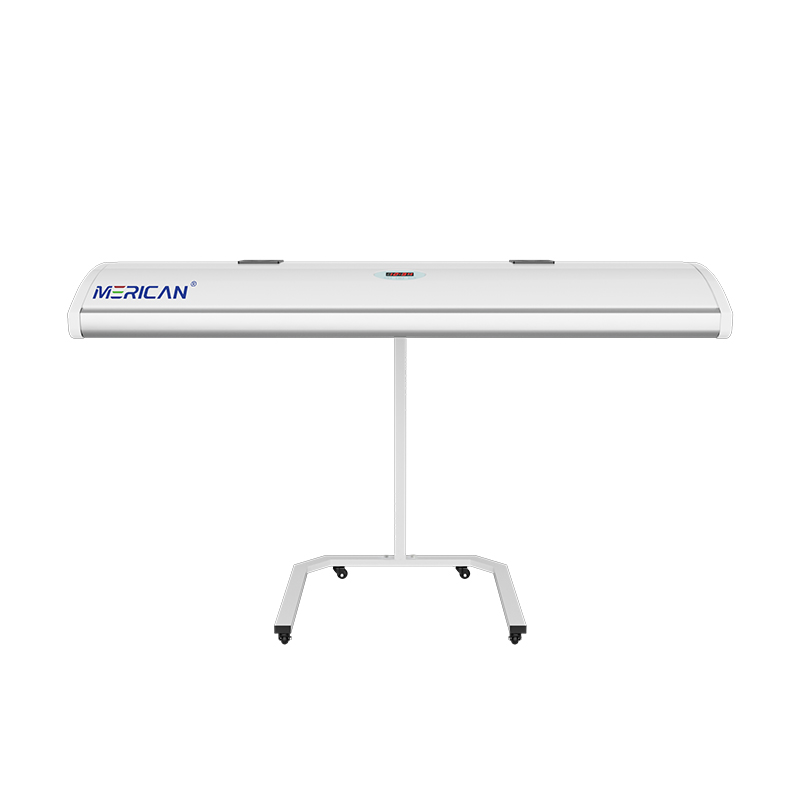
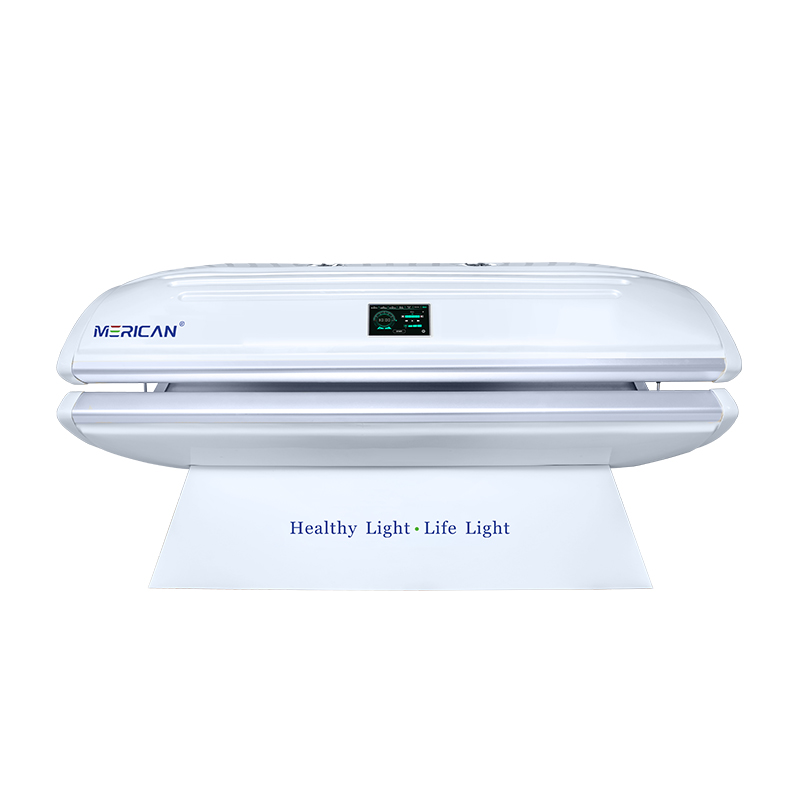
Larger panels or full-body beds may provide better coverage for bone and joint health compared to small handheld devices.
Q10: Should RLT be combined with exercise for osteoporosis?
Oui. Weight-bearing exercise, good nutrition, and RLT together may provide the best support for bone and muscle health.