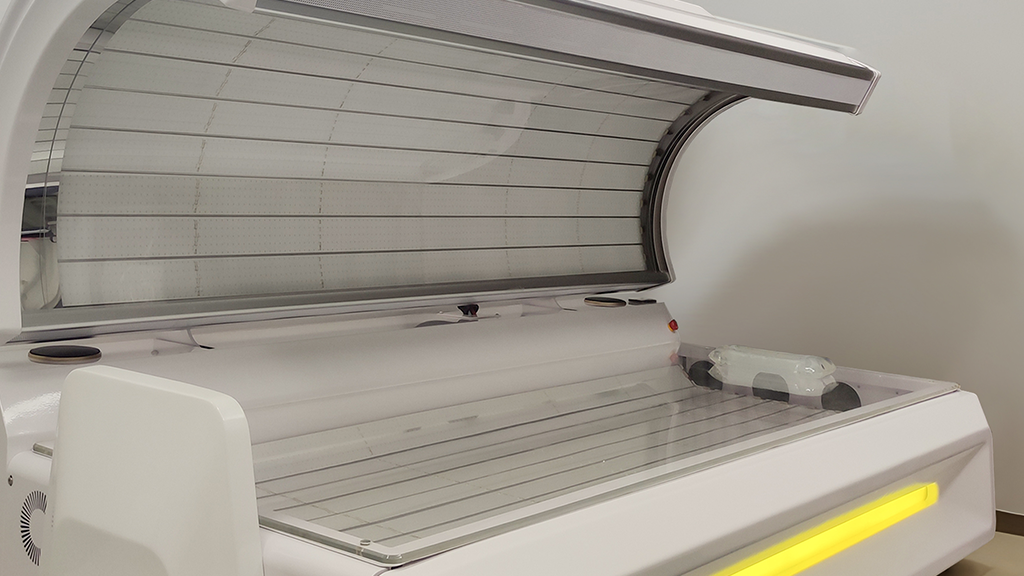
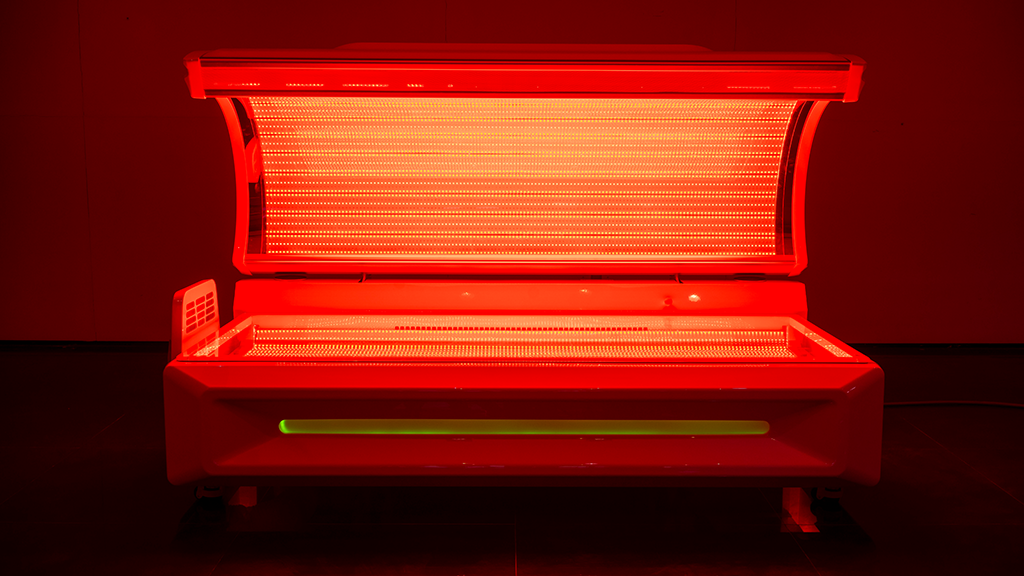
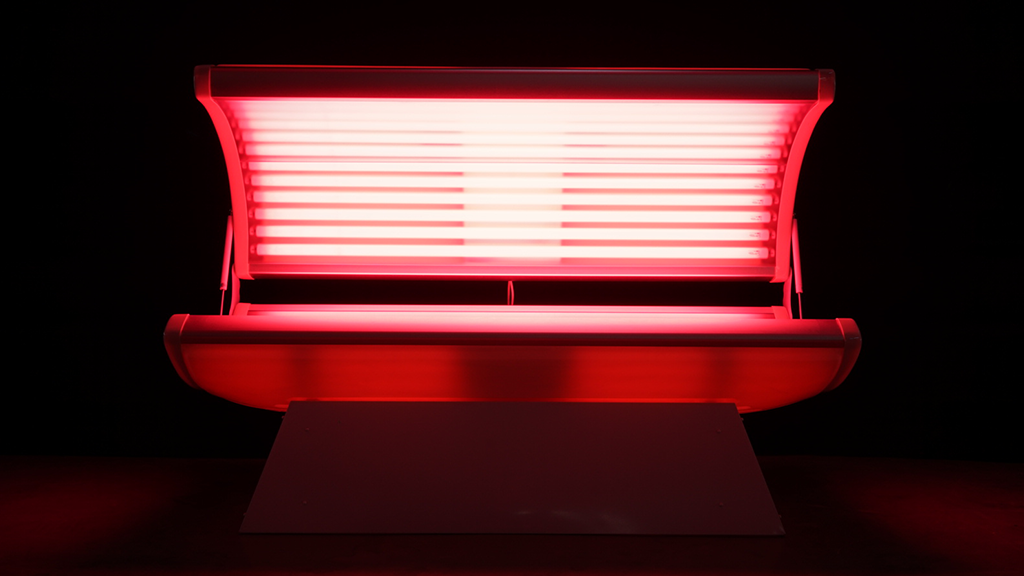
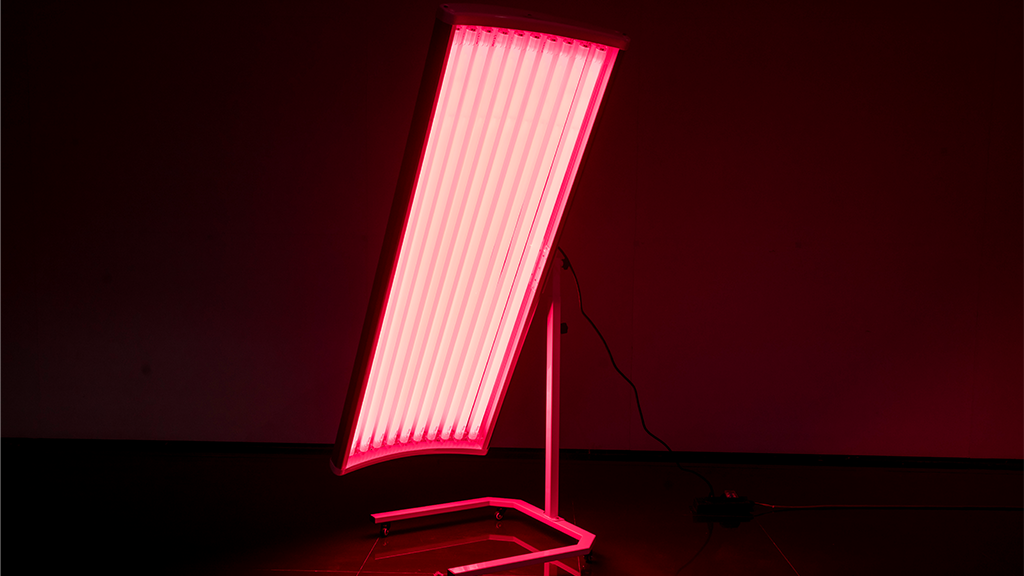
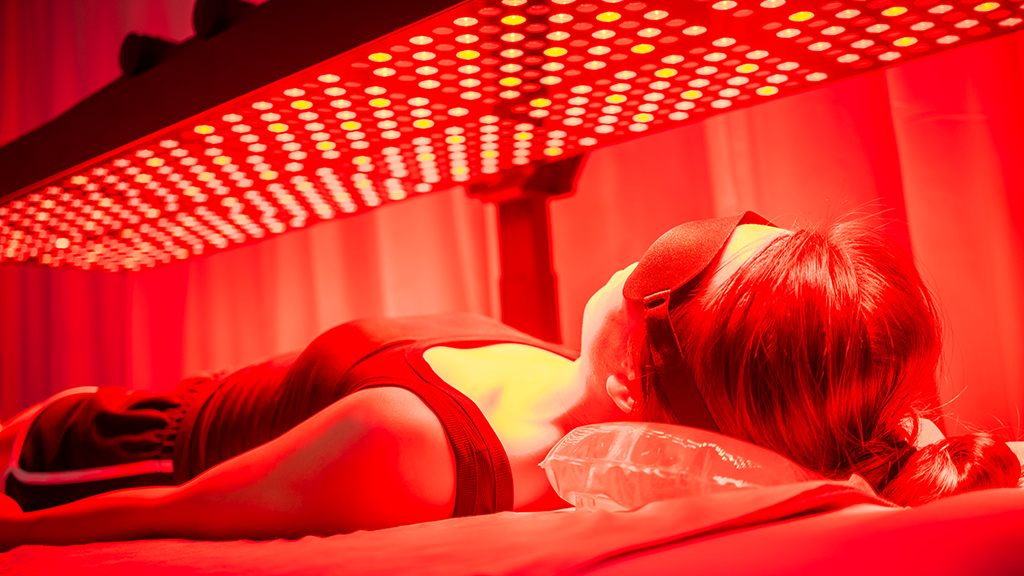
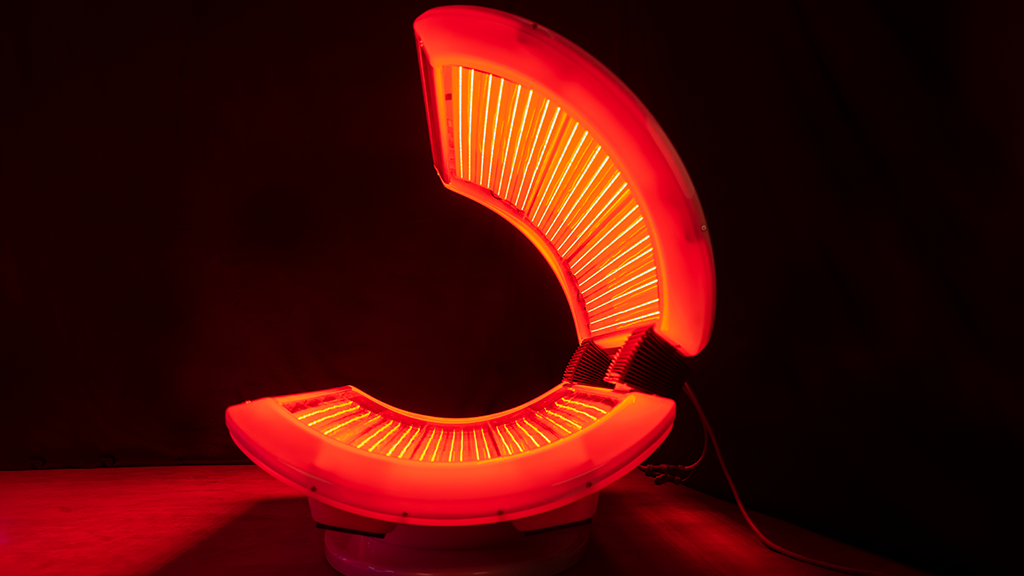
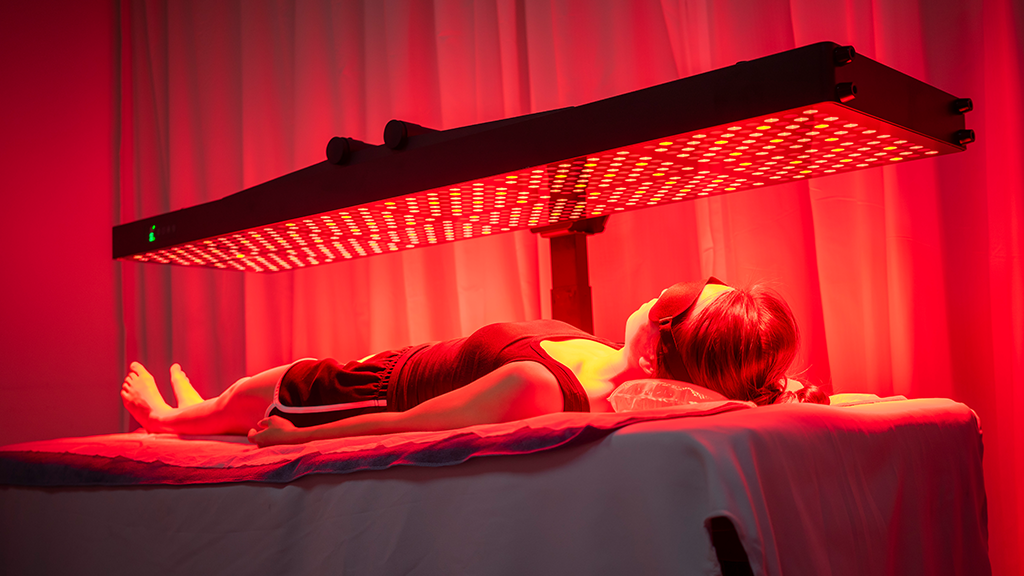
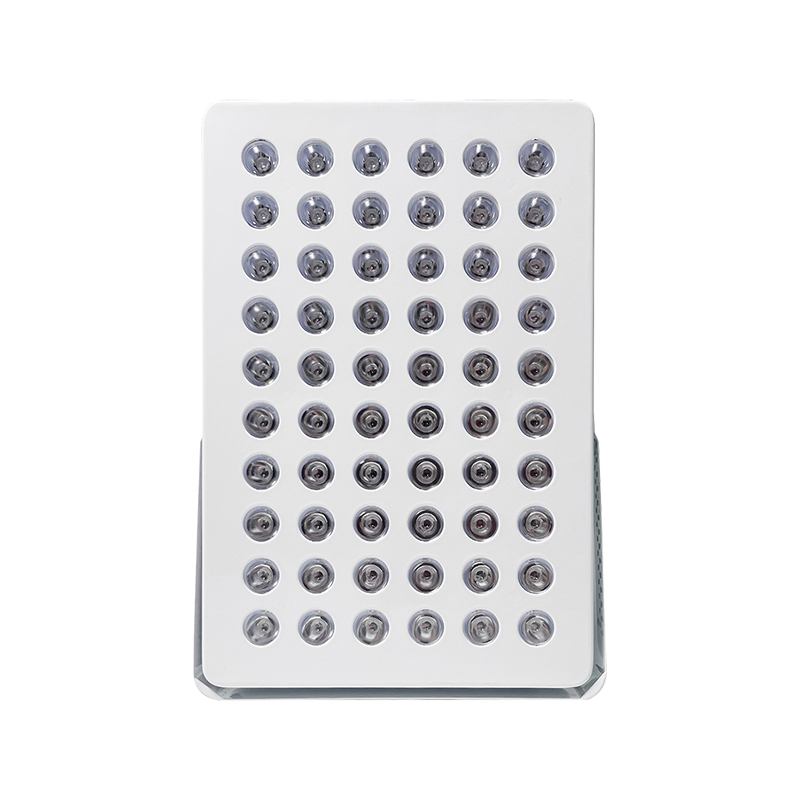
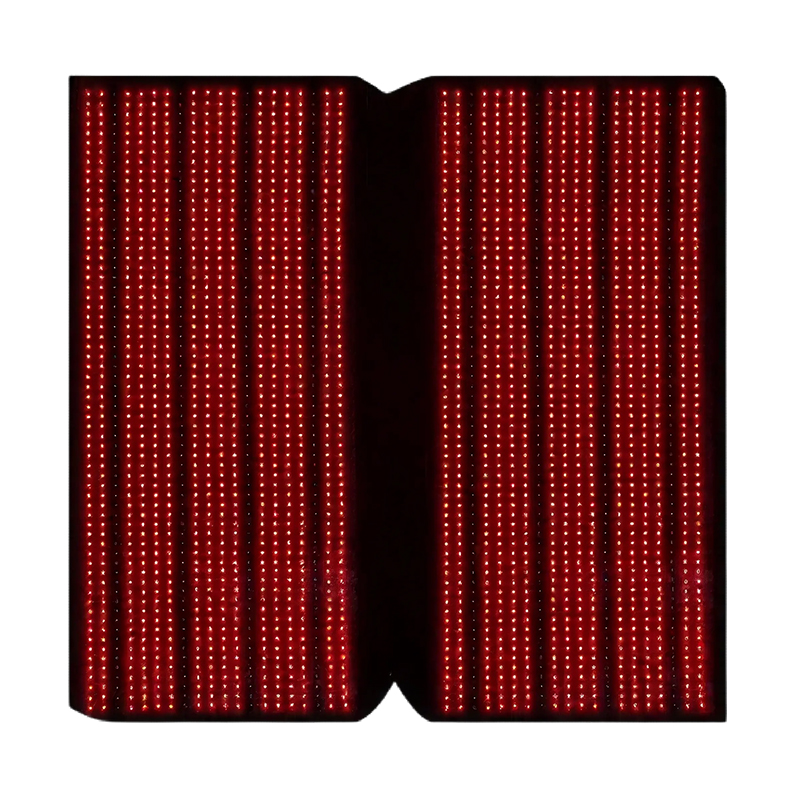
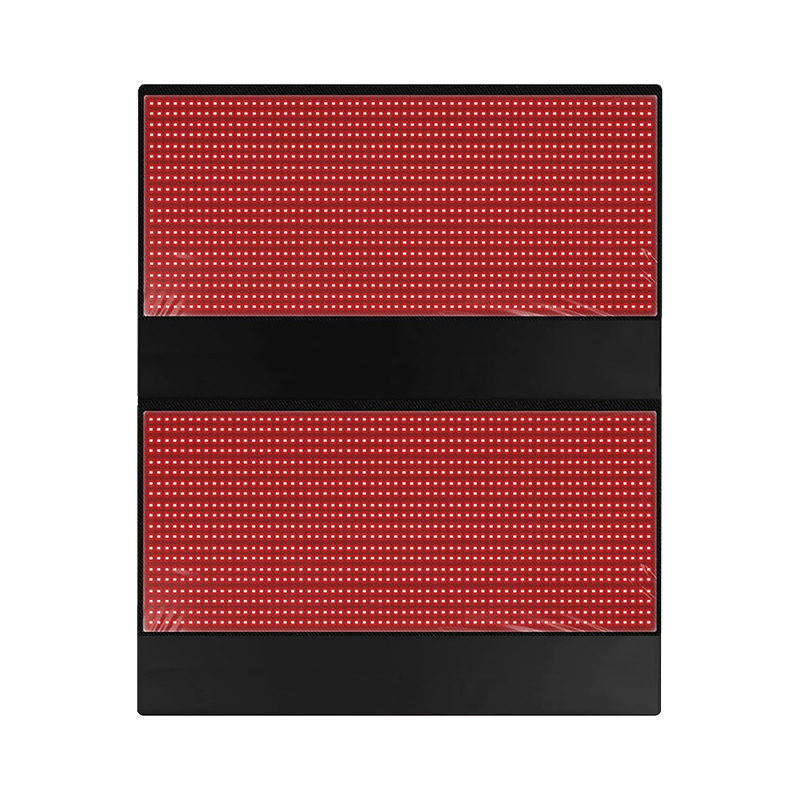
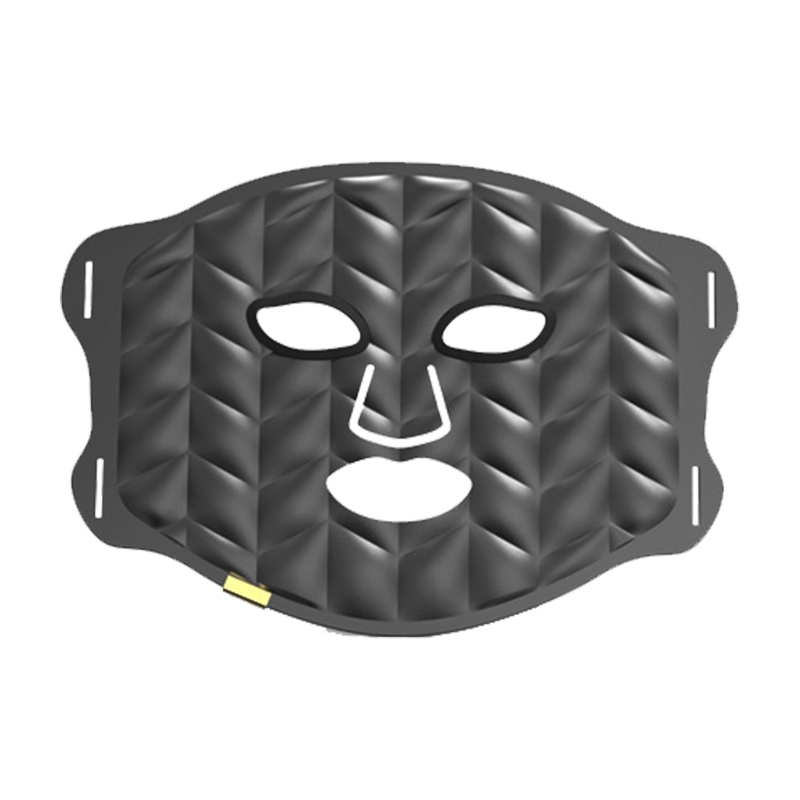
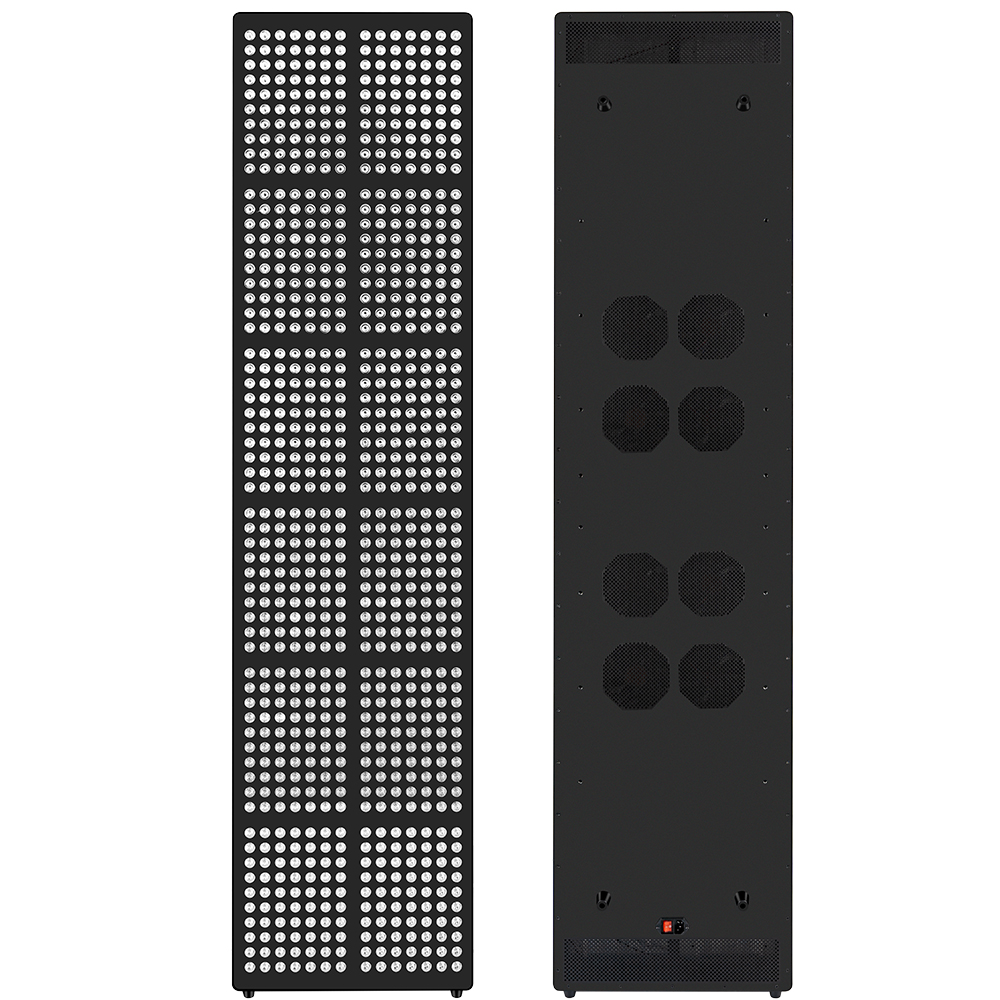
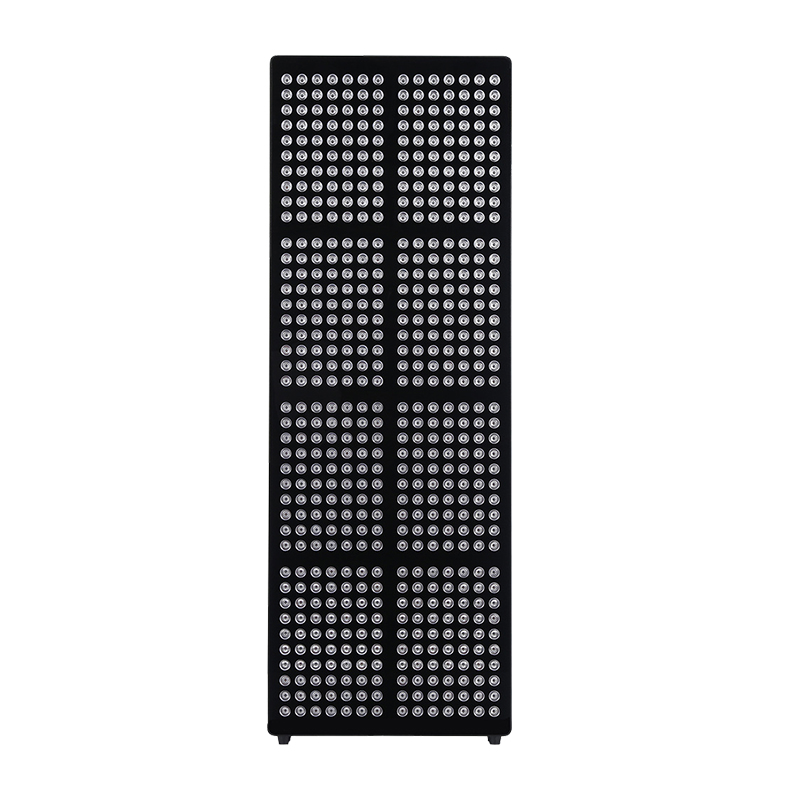
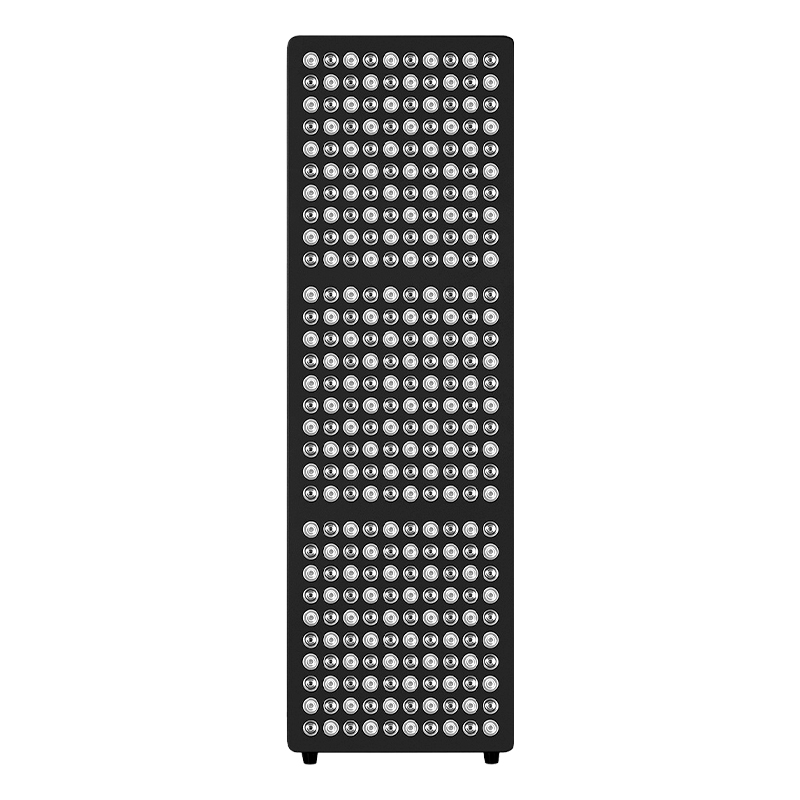
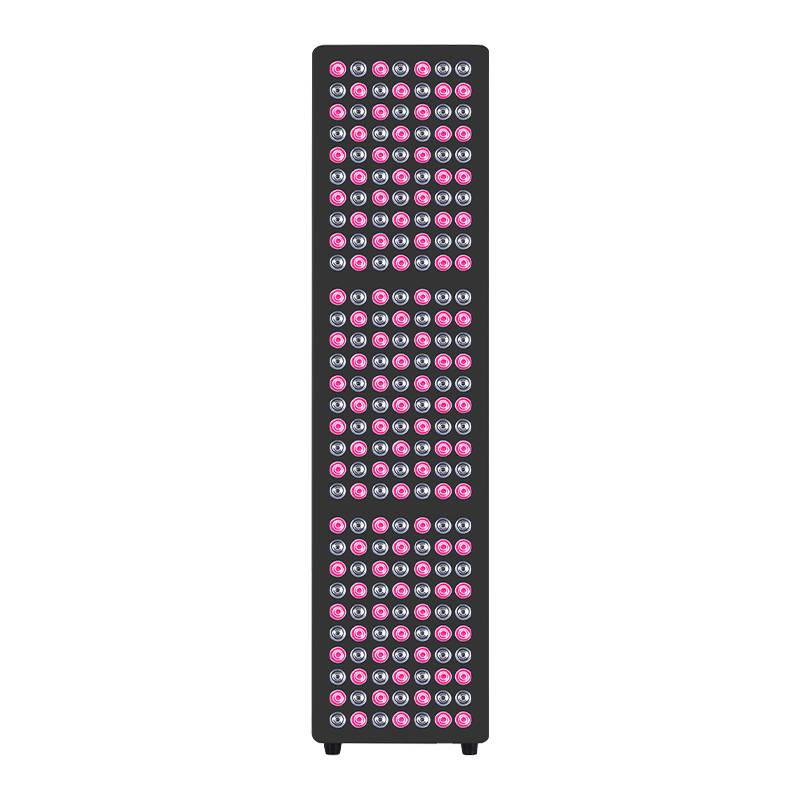
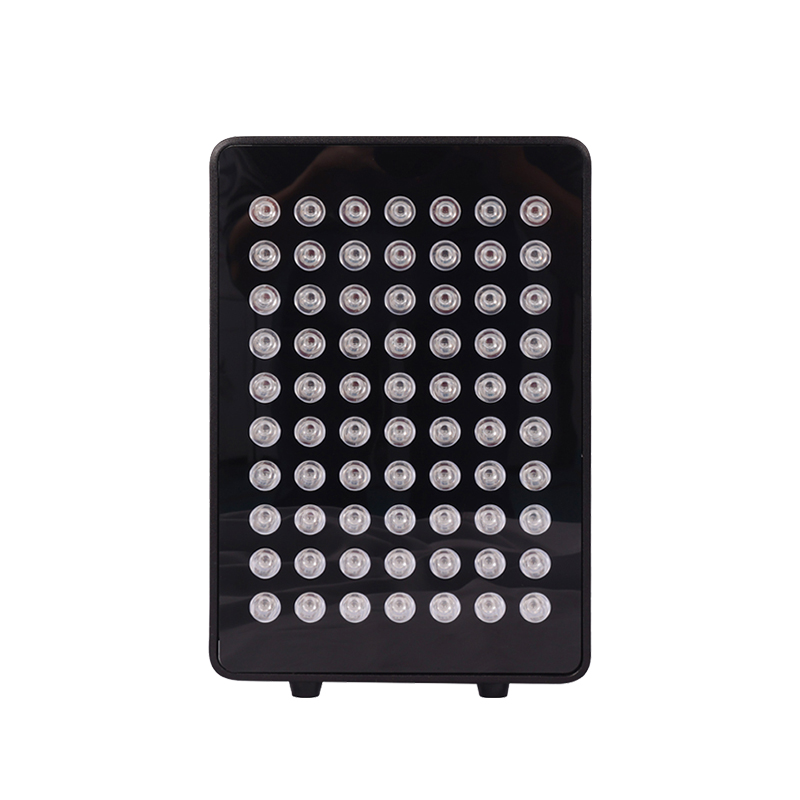
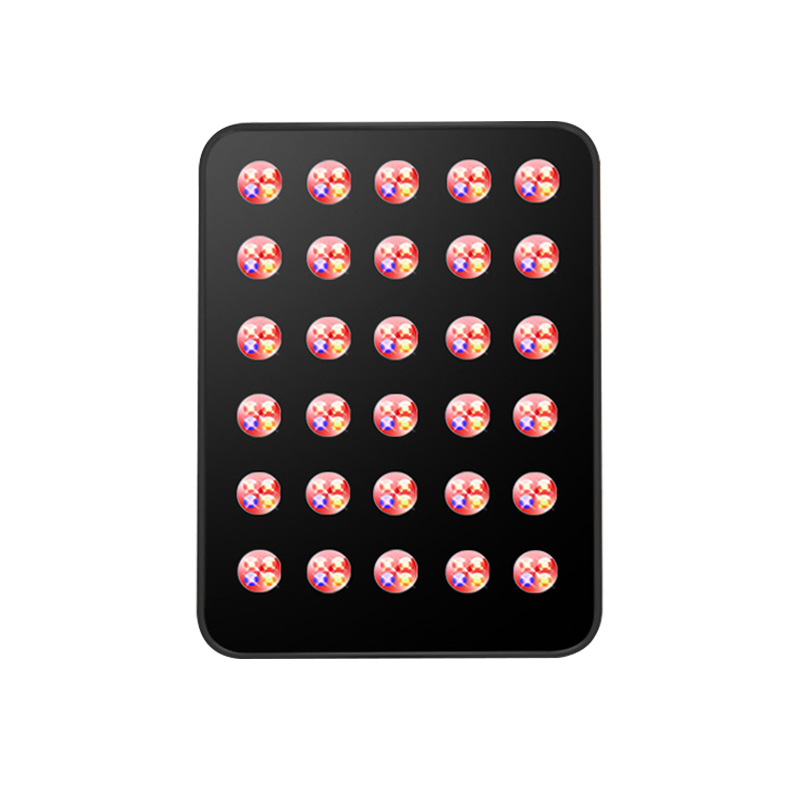
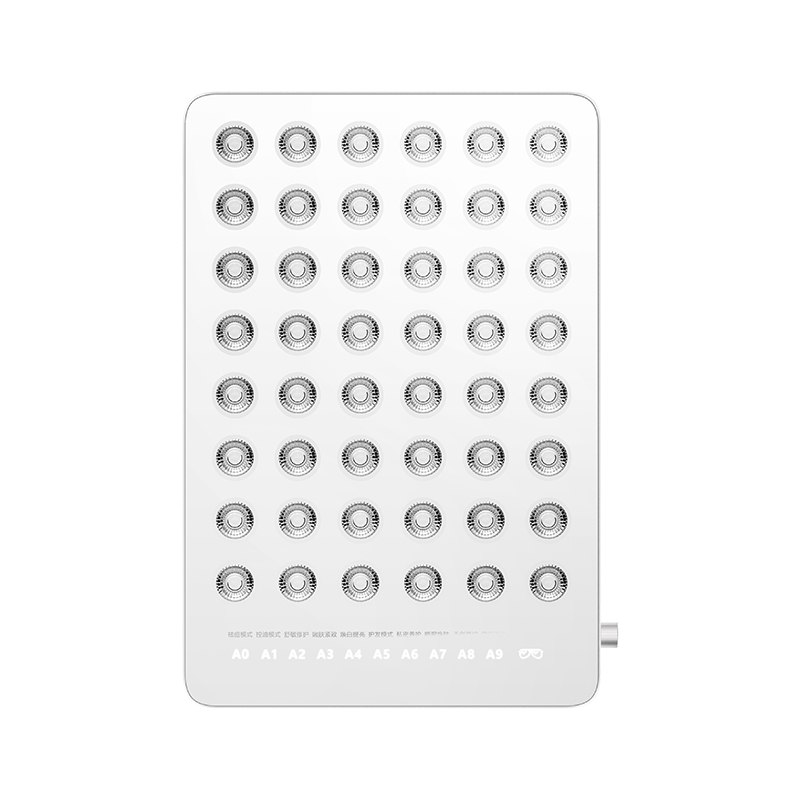
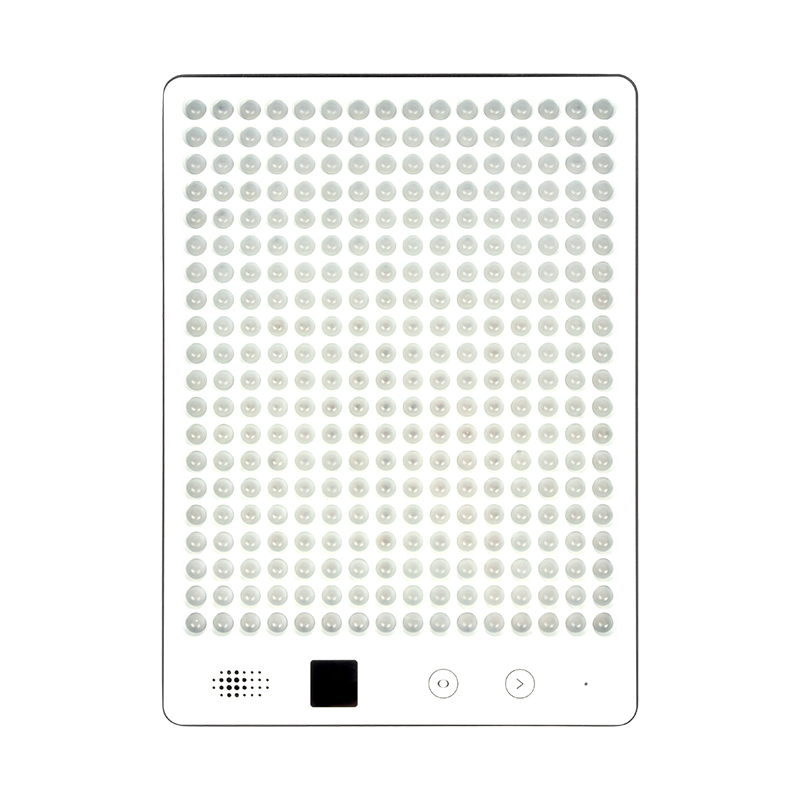
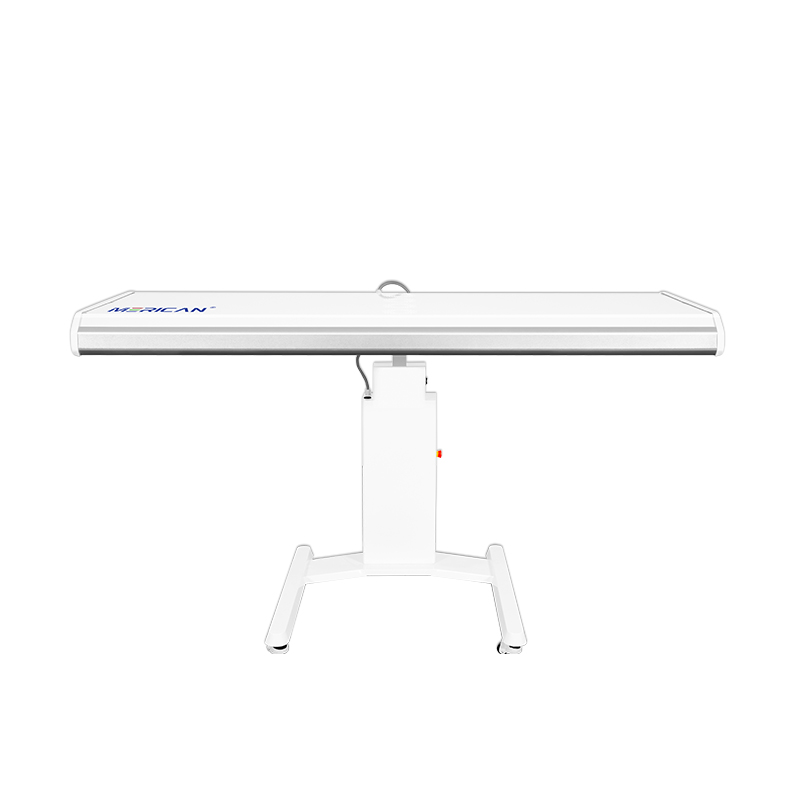
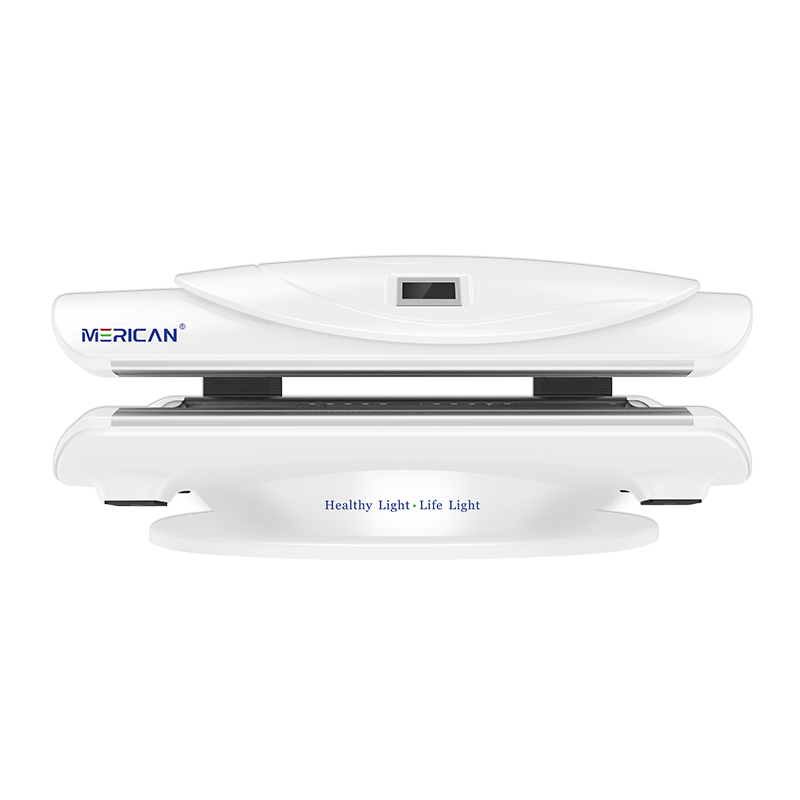
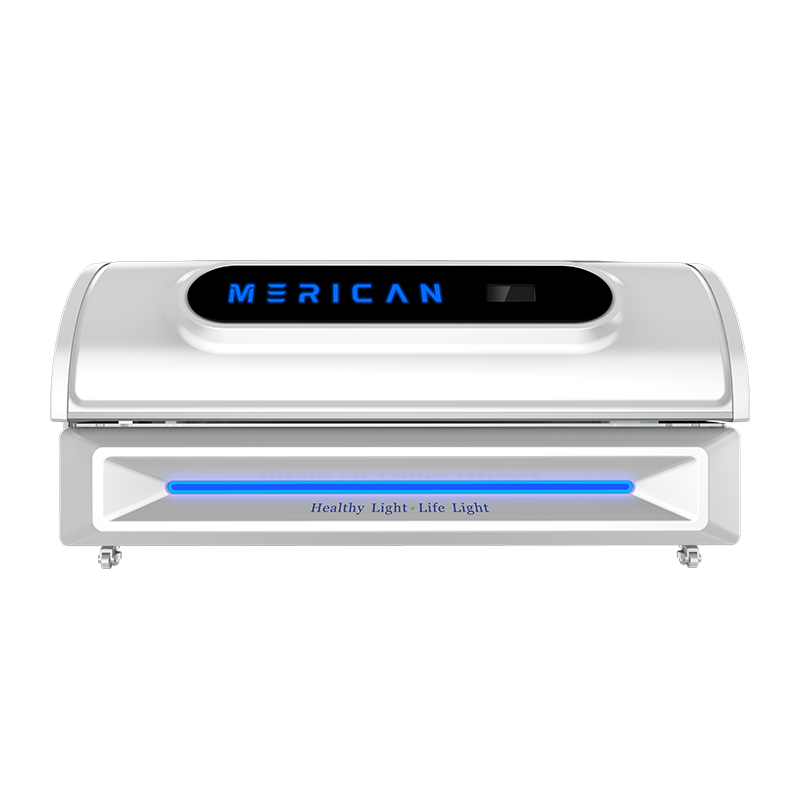
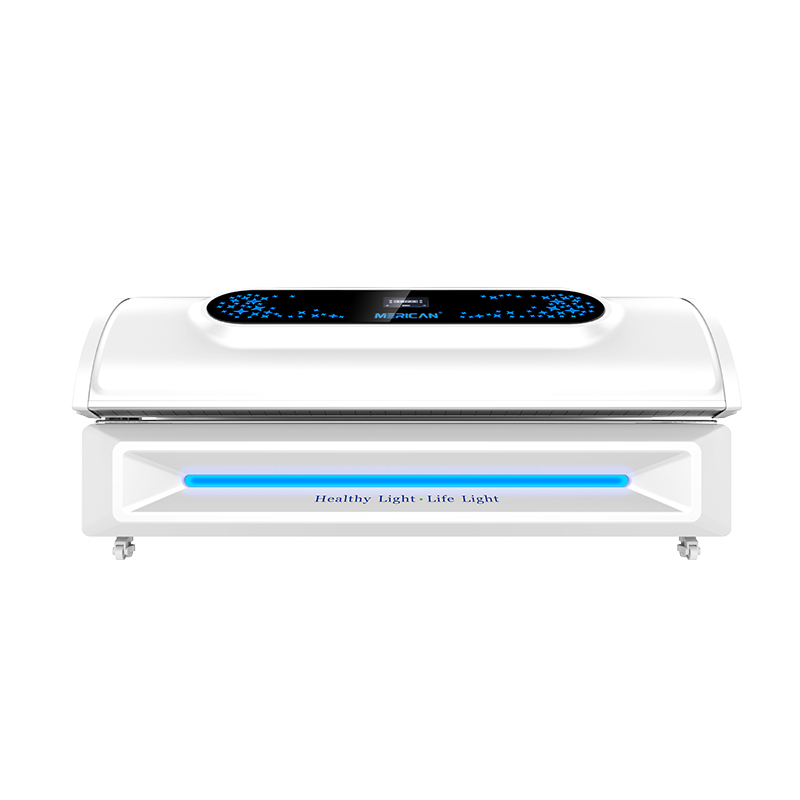
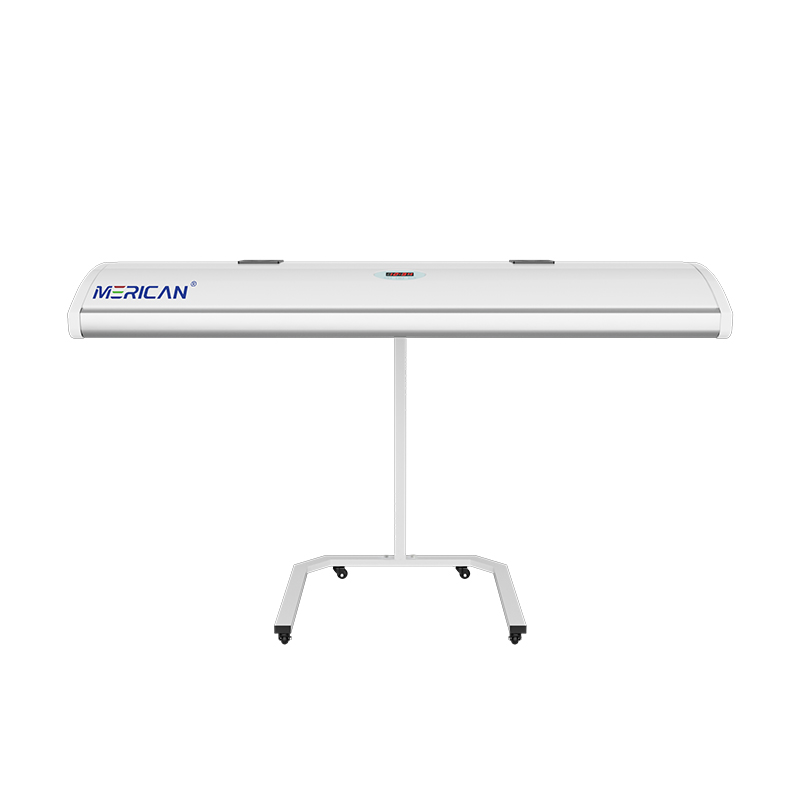
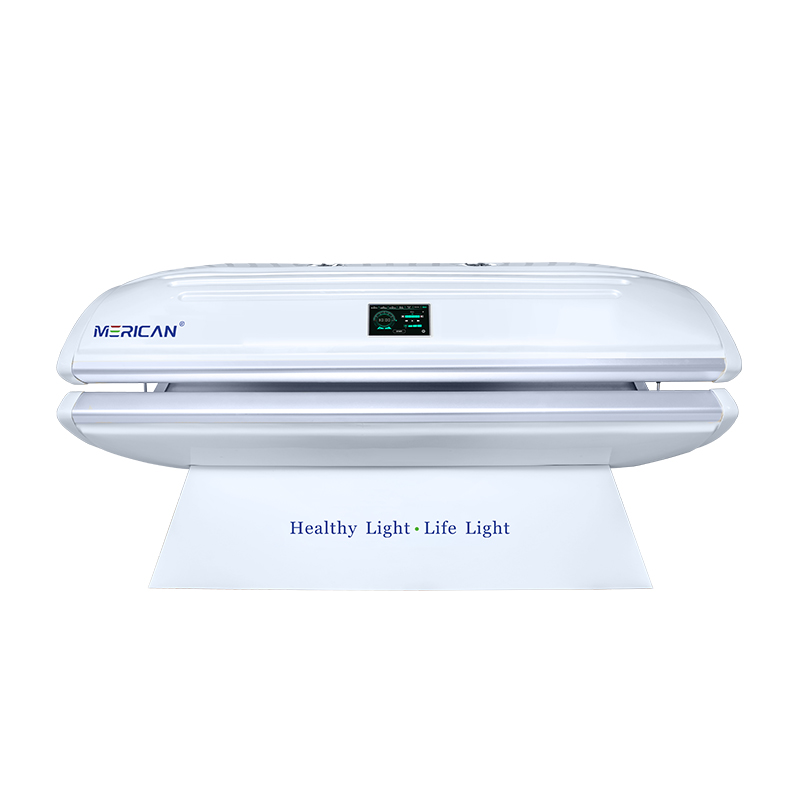
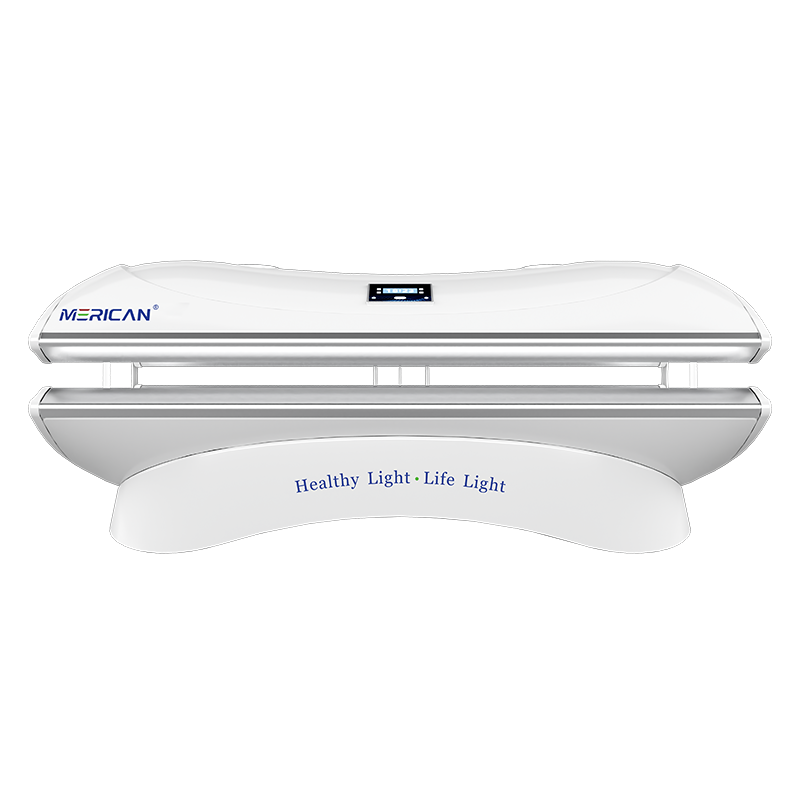
La santé mentale est influencée par une interaction complexe des fonctions cérébrales, qualité du sommeil, niveaux de stress, et le bien-être physique général. Au cours des dernières années, thérapie par la lumière rouge (RLT)— également connue sous le nom de photobiomodulation — a été explorée comme approche non invasive susceptible de favoriser le bien-être mental..
Il est important de préciser que la thérapie par la lumière rouge est pas un traitement médical pour les troubles de santé mentale, mais une technologie de bien-être émergente soutenue par des recherches à un stade précoce.
Comment fonctionne la thérapie rouge
La thérapie par la lumière rouge utilise des longueurs d'onde rouges et proches infrarouges, généralement entre 630–880 nm, qui peut pénétrer dans les tissus et influencer l’activité cellulaire. Des études suggèrent que ces longueurs d'onde pourraient:
- Soutenir l’énergie mitochondriale (ATP) production
- Améliorer la circulation sanguine et l’apport d’oxygène
- Réduire l’inflammation et le stress oxydatif
Parce que les cellules cérébrales ont des besoins énergétiques élevés, ces effets peuvent indirectement soutenir la fonction mentale et la résilience.
Avantages potentiels liés à la santé mentale
La recherche et les observations cliniques ont exploré la thérapie par la lumière rouge en relation avec:
- Régulation du stress et relaxation
- Équilibre de l'humeur et stabilité émotionnelle
- Clarté cognitive et concentration
- Qualité du sommeil, qui est étroitement liée à la santé mentale
Un sommeil amélioré et une réduction du stress physique peuvent influencer positivement le bien-être mental général.
Que dit la recherche?
Des études préliminaires sur la photobiomodulation ont étudié son rôle dans le bien-être neurologique et psychologique. Même si les résultats sont encourageants, les experts soulignent:
- Les preuves évoluent encore
- Des essais cliniques à plus grande échelle sont nécessaires
- La thérapie par la lumière rouge doit être considérée comme complémentaire, pas de soins primaires
Considérations de sécurité
La thérapie par la lumière rouge est généralement considérée comme sûre:
- Aucune exposition aux UV
- Non-invasif et indolore
- Convient pour une utilisation régulière du bien-être
Les personnes souffrant de problèmes de santé mentale devraient consulter des professionnels de la santé avant de commencer toute nouvelle routine de bien-être..
Résumé
La thérapie par la lumière rouge montre son potentiel en tant qu'outil de soutien au bien-être mental en s'attaquant à des facteurs sous-jacents tels que le métabolisme énergétique, inflammation, et dormir. Son rôle est mieux compris dans le cadre d’une approche holistique de la santé mentale.