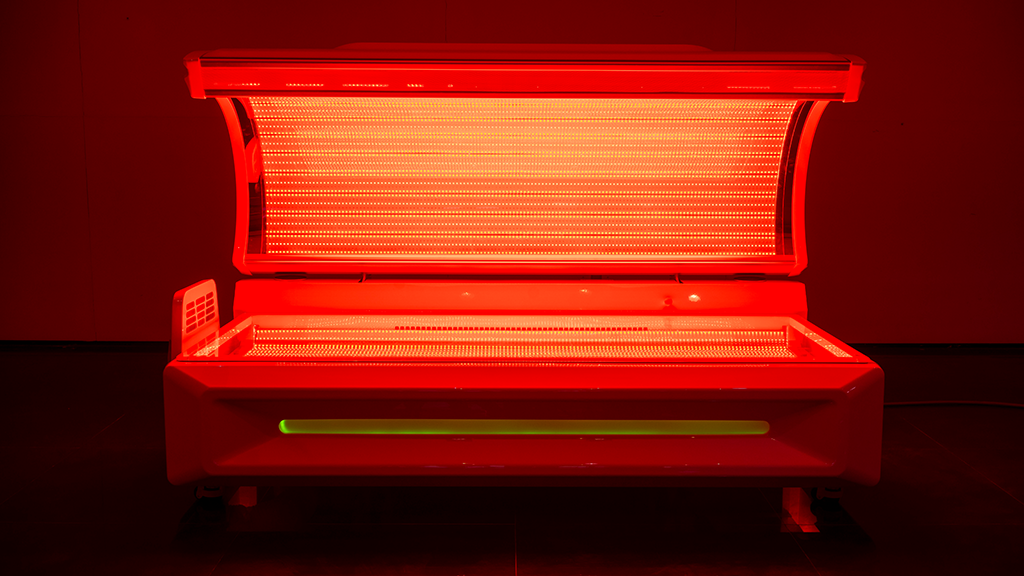
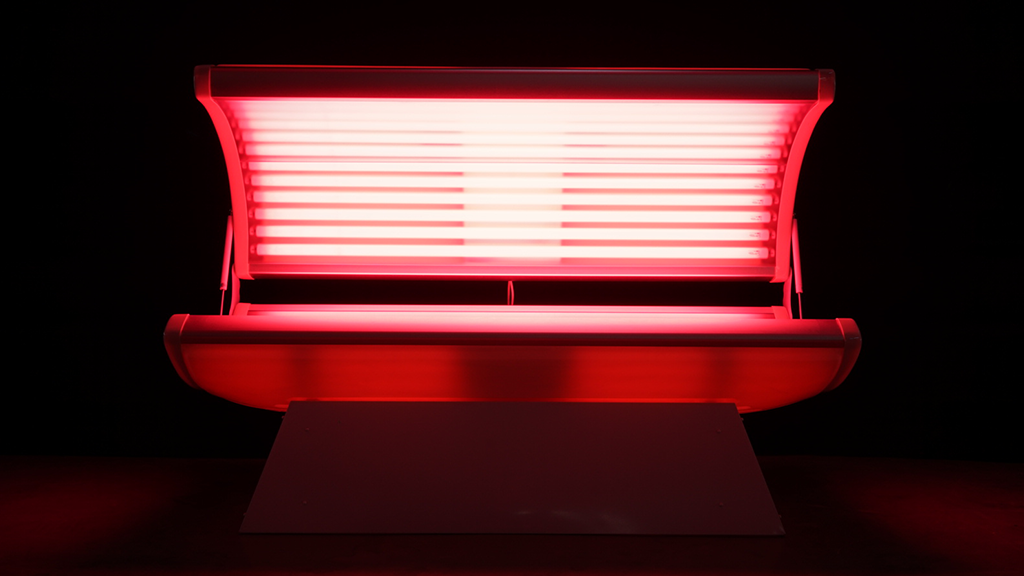
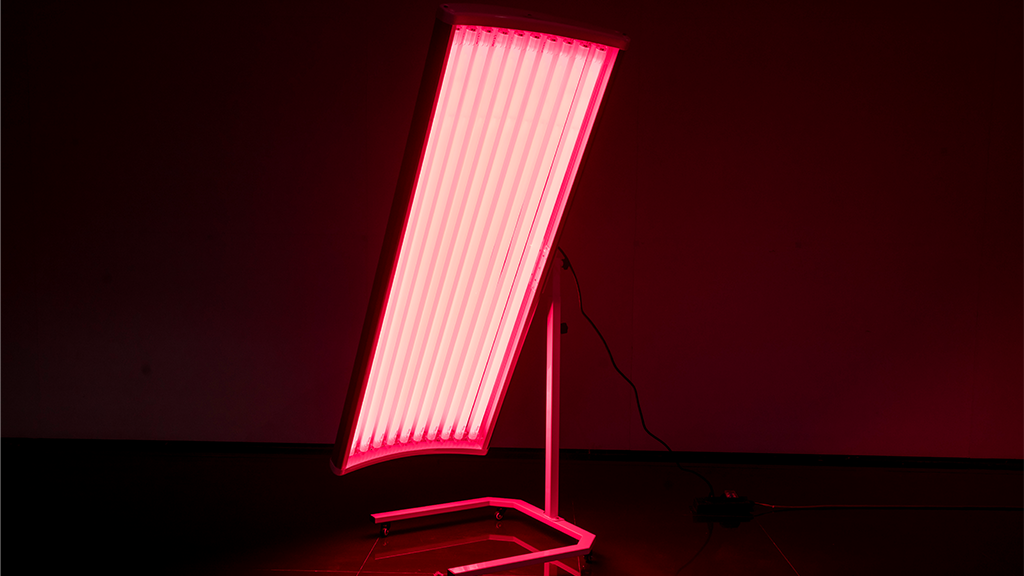
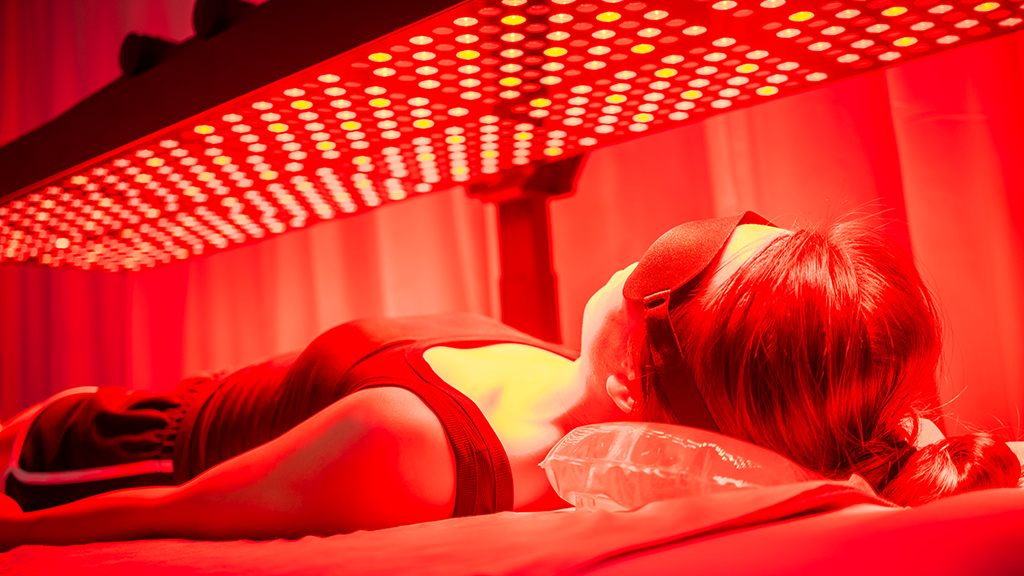
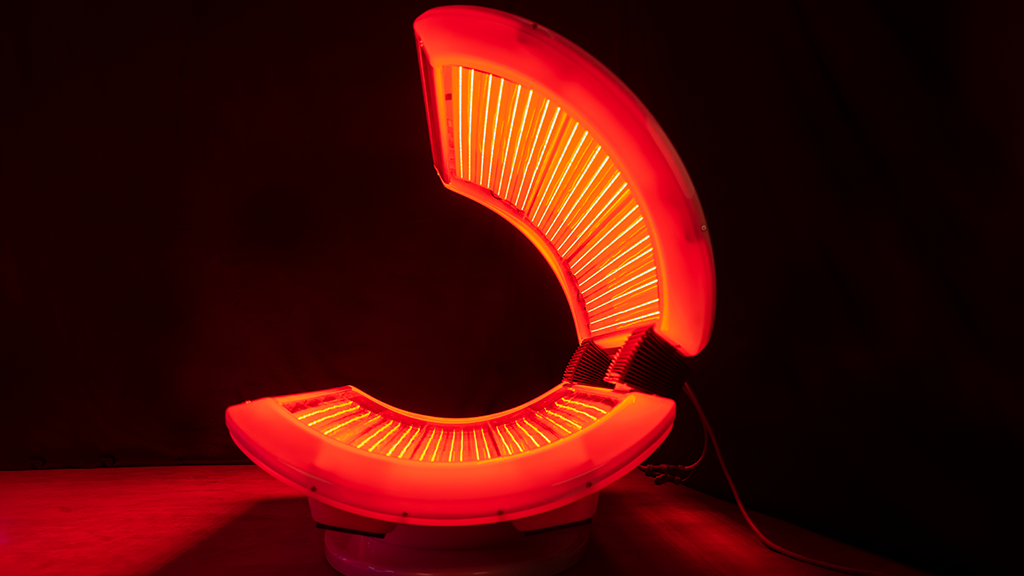
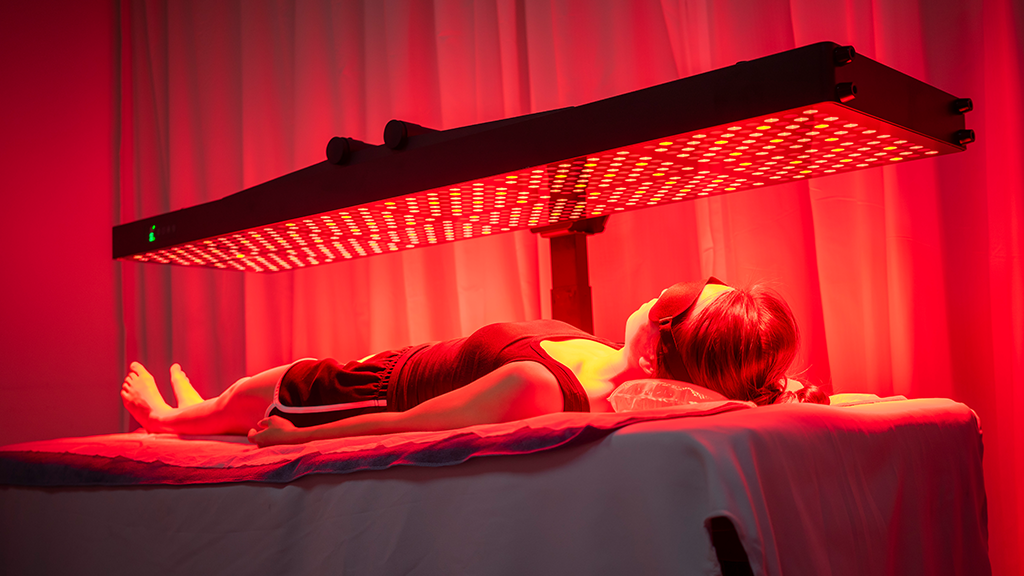
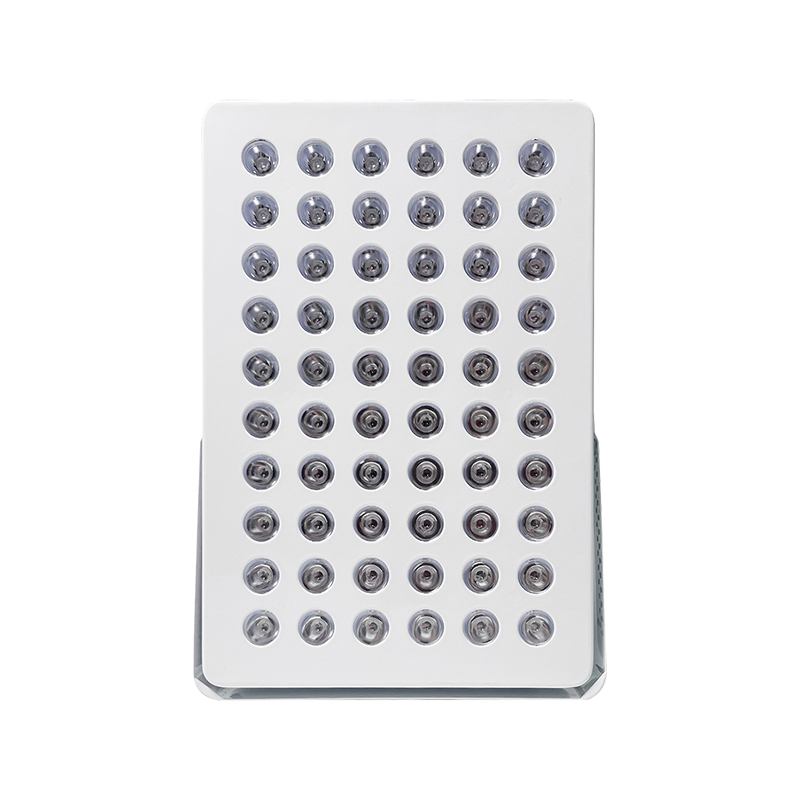
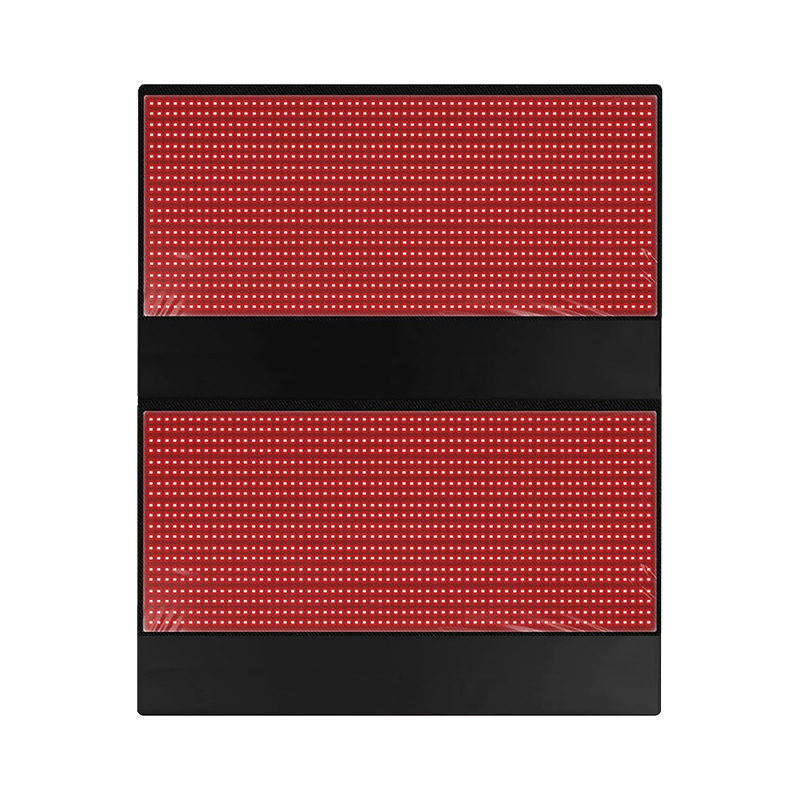
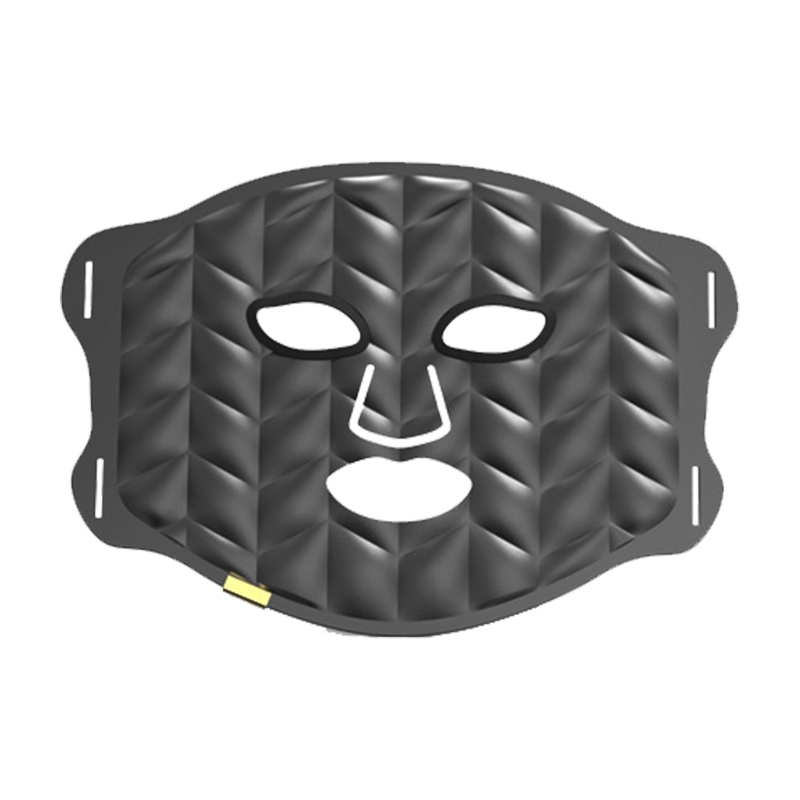
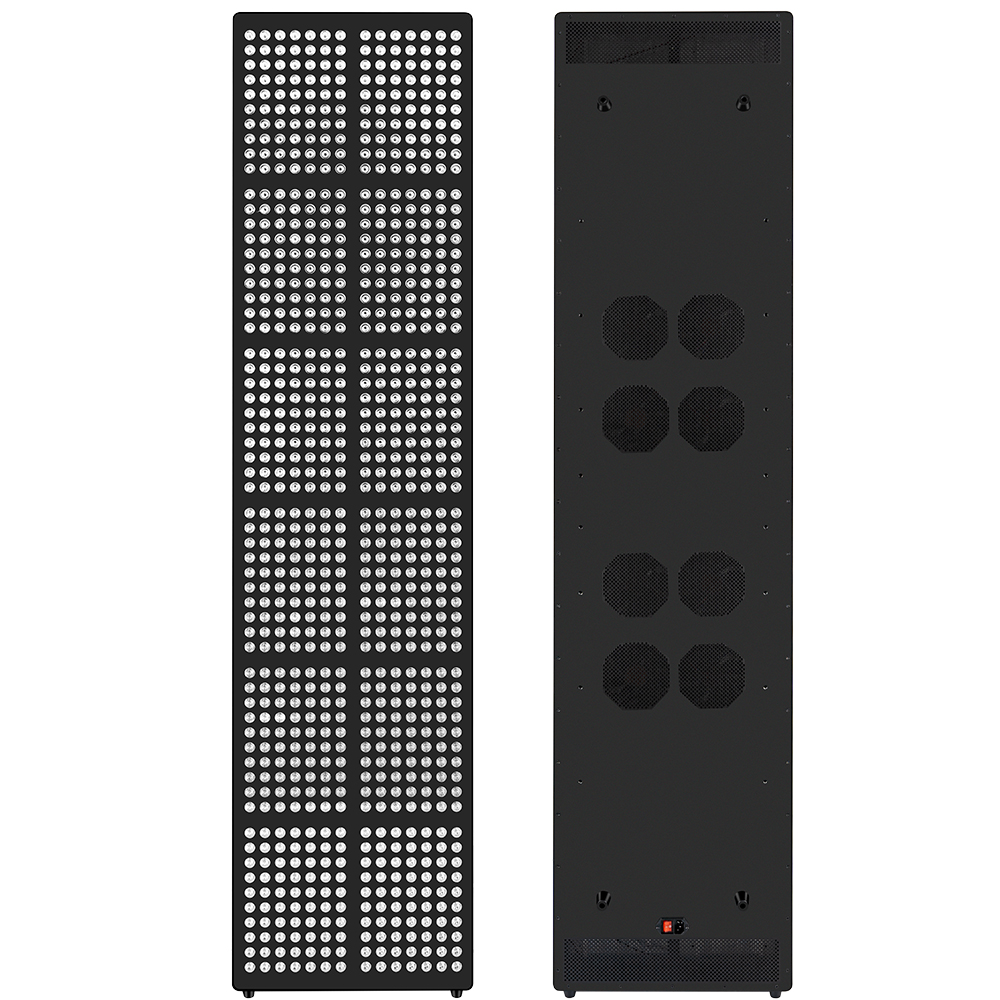
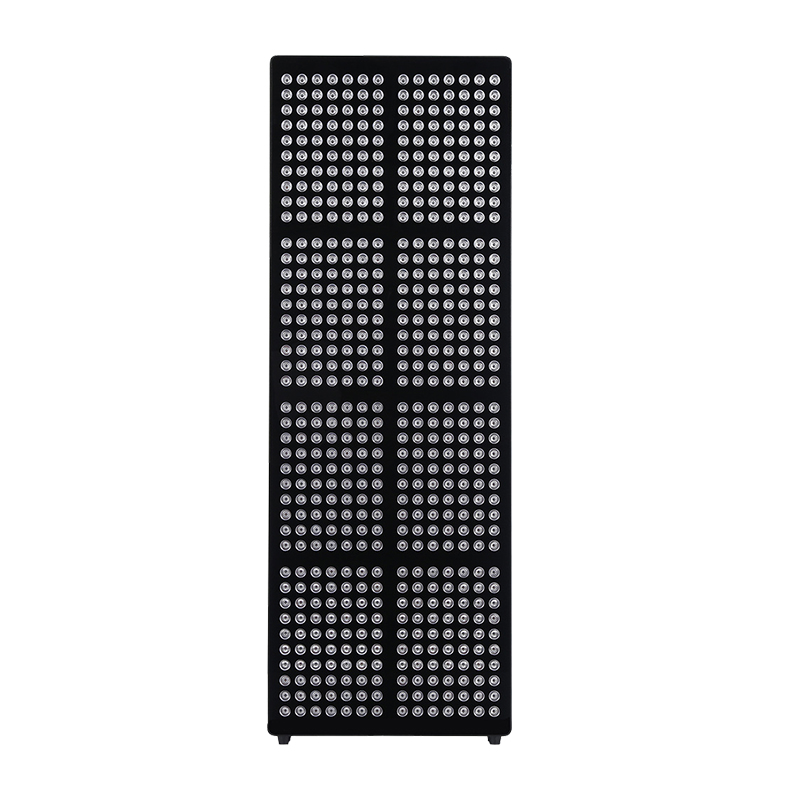
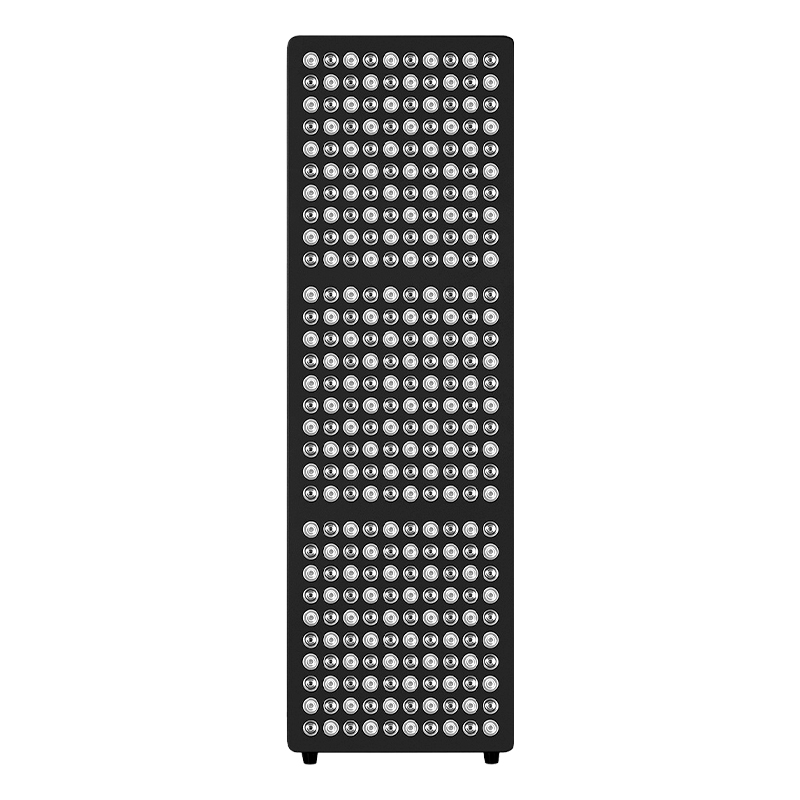
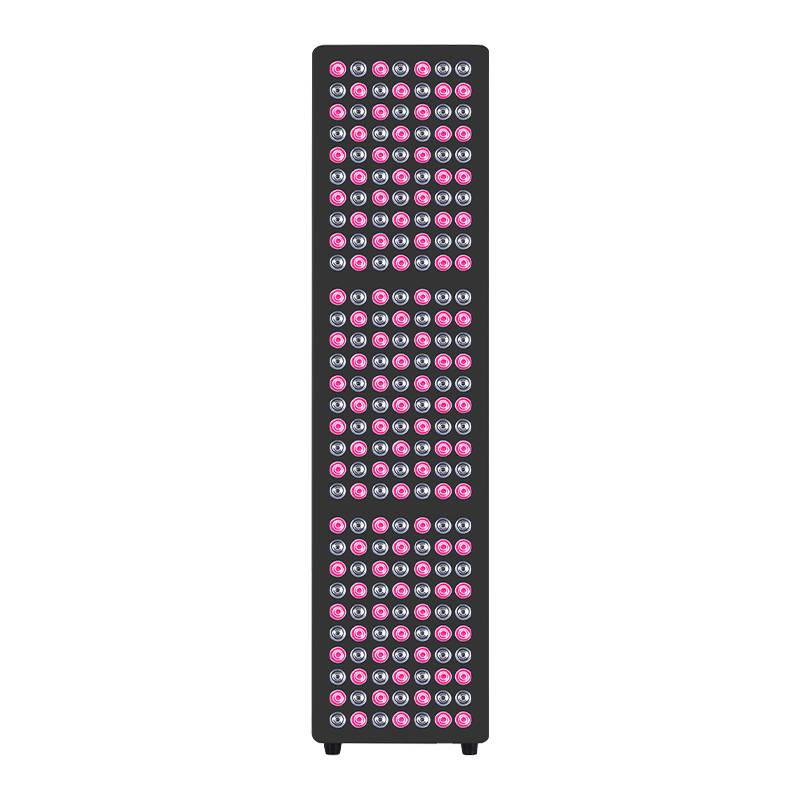
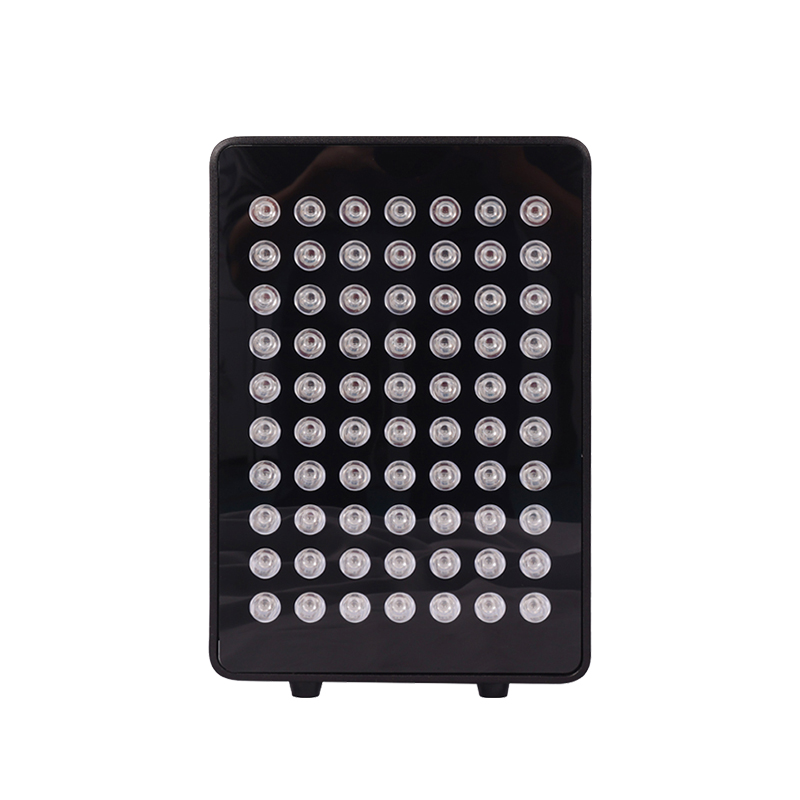
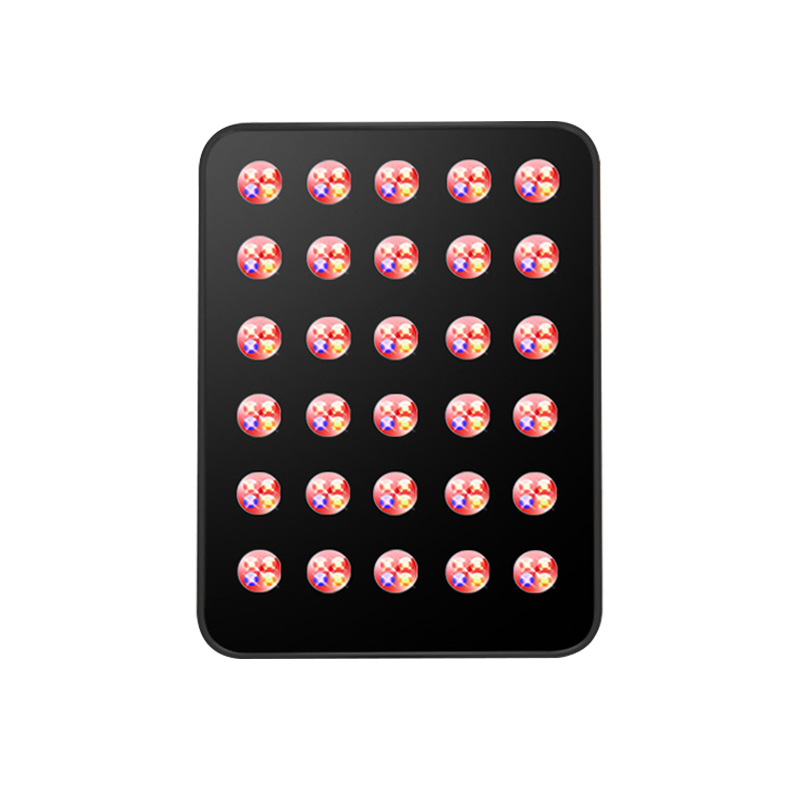
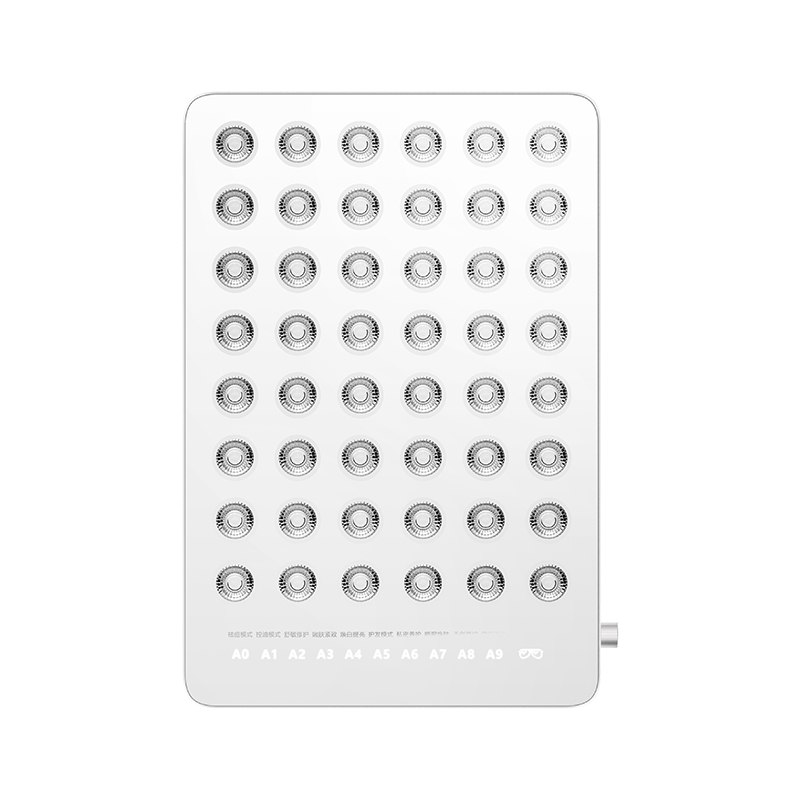
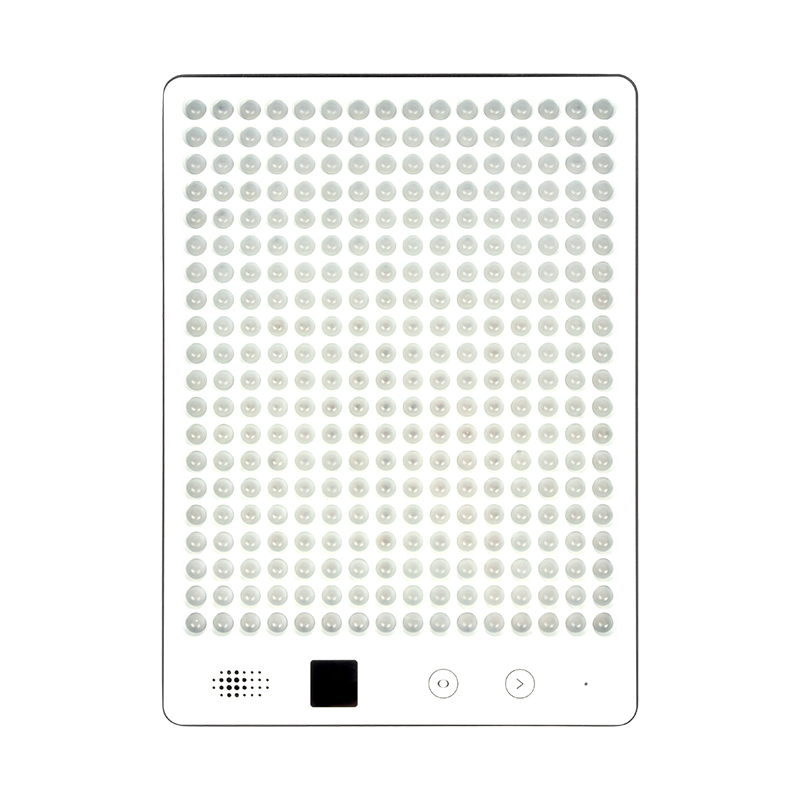
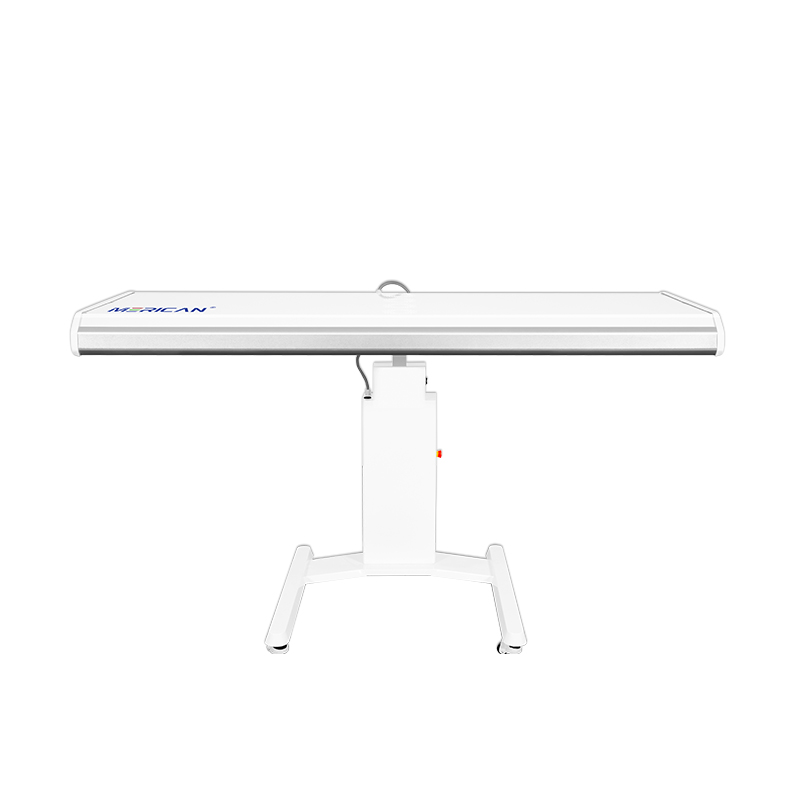
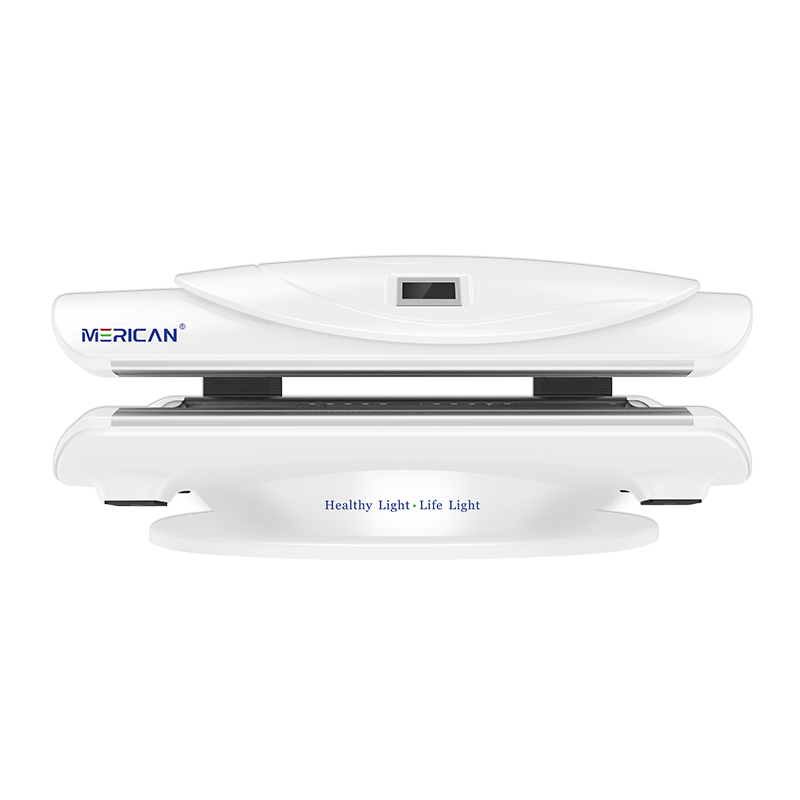
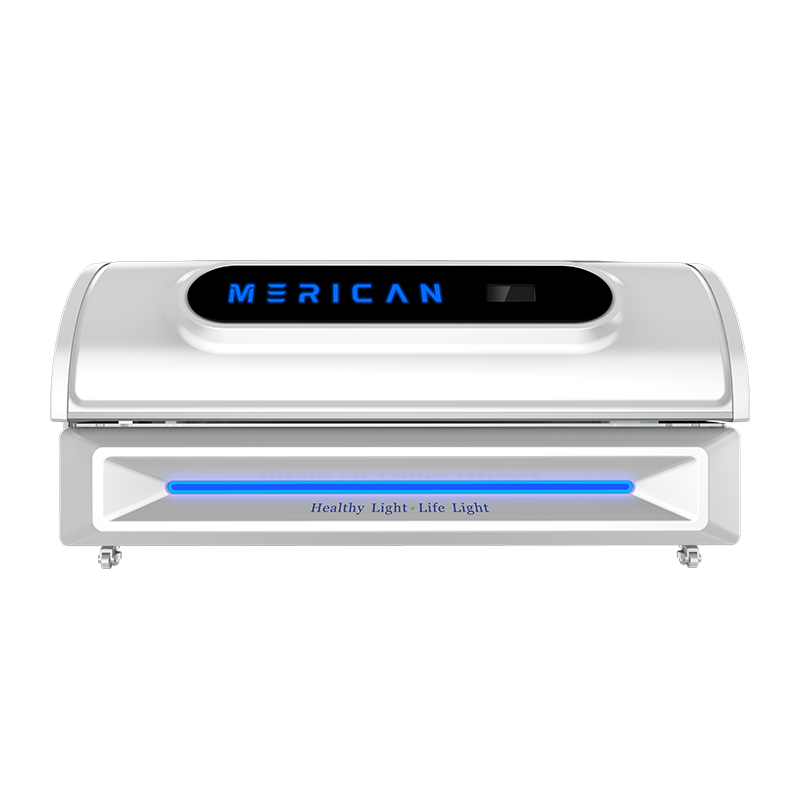
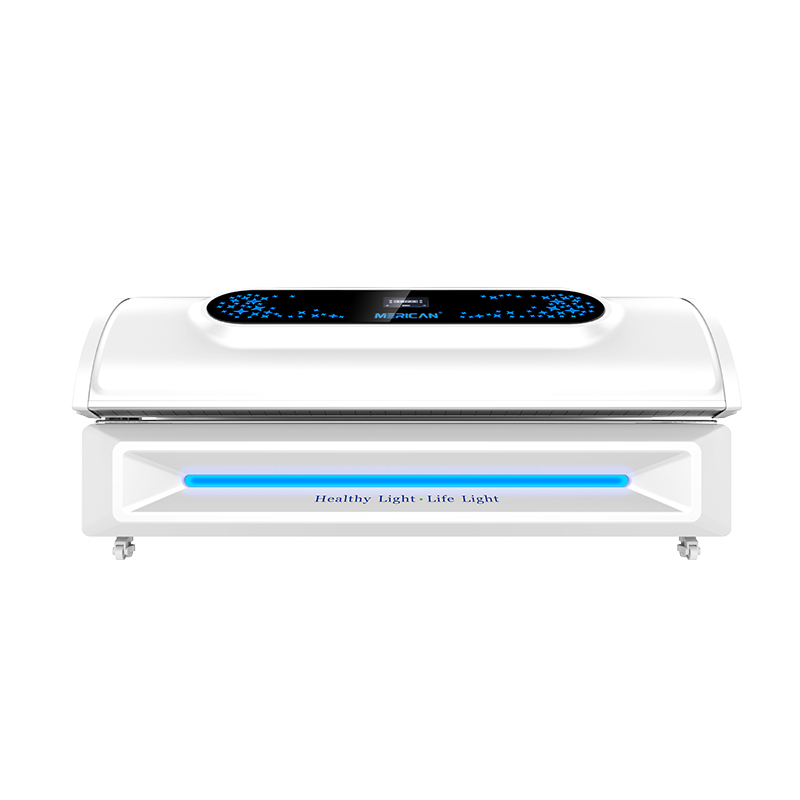
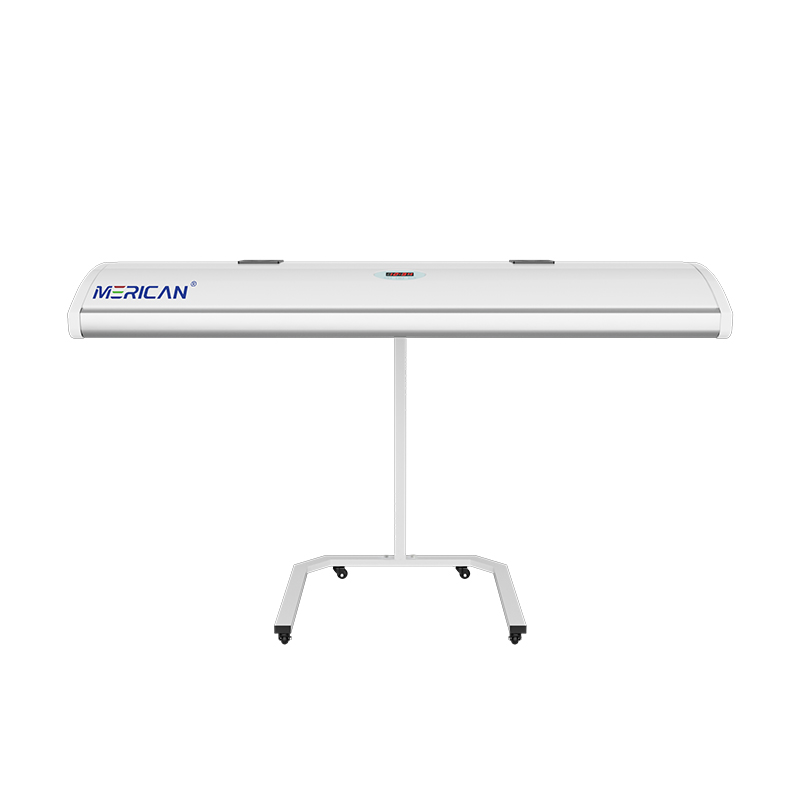
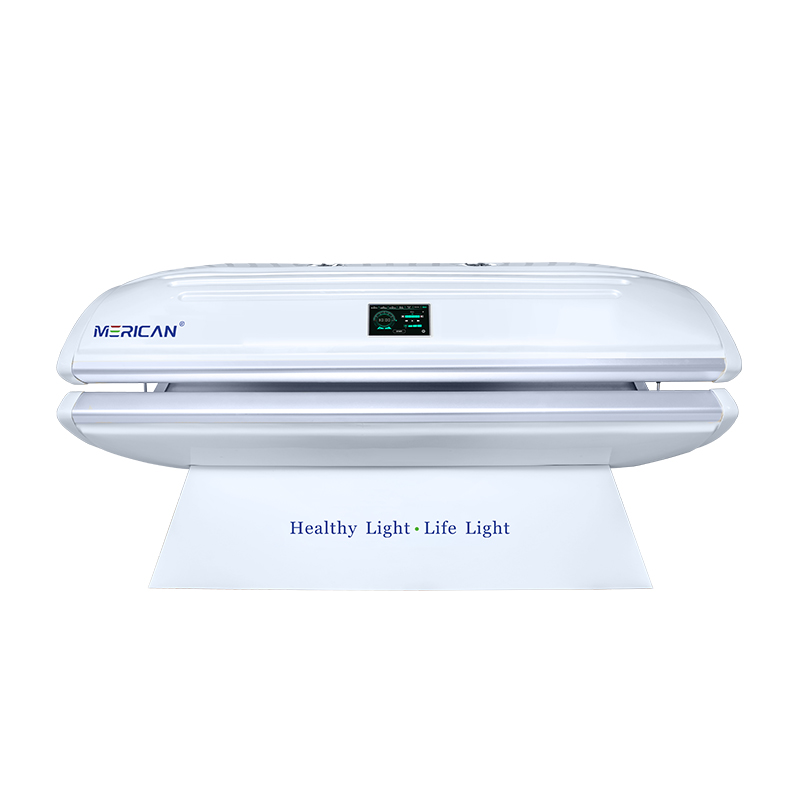
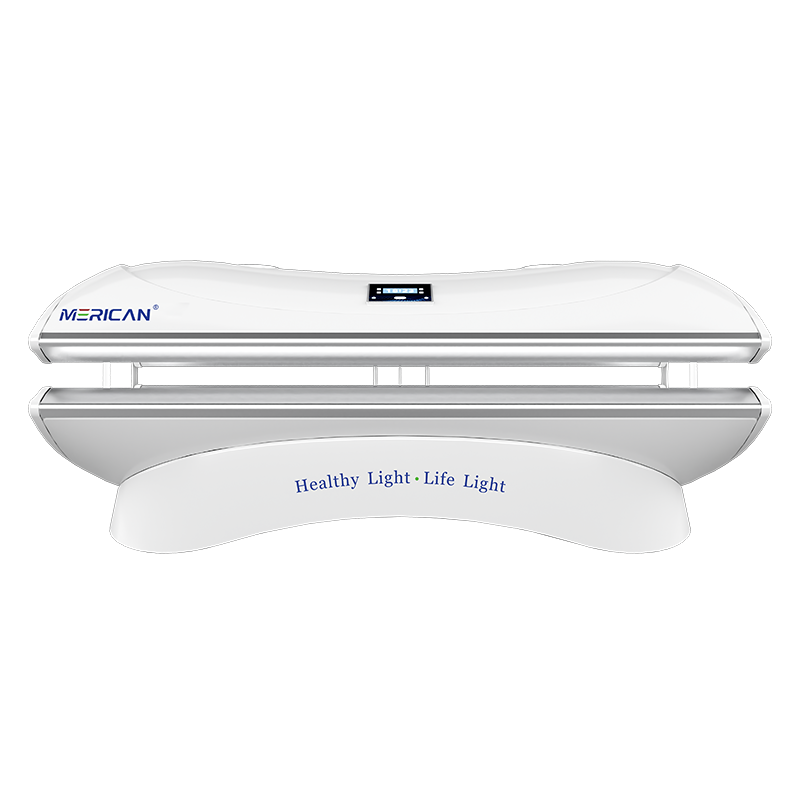
Vivre avec la rosacée signifie gérer constamment les déclencheurs, poussées, et sensibilité cutanée. Beaucoup de gens explorent maintenant technologies non invasives, comme la thérapie par la lumière rouge, dans le cadre d'un programme doux, routine de soins de la peau à long terme.
Pourquoi les personnes sujettes à la rosacée envisagent la thérapie par la lumière rouge
La thérapie par la lumière rouge plaît aux peaux sensibles car elle:
- Ne contient aucun rayonnement UV
- Ne repose pas sur des produits chimiques topiques
- Est non ablatif et non chauffant
- Peut être utilisé à la maison ou en clinique
Lorsqu'il est utilisé correctement, il complète les stratégies traditionnelles de gestion de la rosacée.
Comment utiliser la thérapie par la lumière rouge en toute sécurité pour la rosacée
Meilleures pratiques
- Utilisez uniquement la lumière rouge (évitez la lumière bleue ou à haute énergie)
- Gardez les séances courtes: 5–10 minutes
- Limiter l'utilisation à 2–3 fois par semaine
- Maintenir une distance appropriée par rapport à l'appareil
Zones appropriées
- Joues
- Nez
- Menton et mâchoire
(Évitez l’exposition directe des yeux)
À quels résultats pouvez-vous vous attendre?
Avec une utilisation cohérente et douce, certains utilisateurs signalent:
- Réduction progressive des rougeurs
- Moins de poussées
- Texture de peau améliorée
- Meilleure tolérance aux produits de soin
Results vary depending on rosacea subtype and severity.
Red Light Therapy vs Other Rosacea Treatments
| Traitement | Considérations |
|---|---|
| Topical medication | May cause irritation |
| Oral antibiotics | Not ideal long-term |
| Laser/IPL | More aggressive |
| Thérapie par la lumière rouge | Doux, favorable |
Qui peut en bénéficier le plus?
- Individuals with mild to moderate rosacea
- People seeking drug-free skin support
- Dermatology clinics and medical spas
- Wellness centers offering sensitive-skin programs
Réflexions finales
La luminothérapie rouge est not a replacement for medical treatment, mais cela peut servir de valuable supportive tool for calming rosacea-prone skin. With proper use and realistic expectations, it can become part of a balanced, long-term rosacea care plan.