Why Light Color Matters in Light Therapy
Not all light therapies work the same. The color of light determines how deeply it penetrates the body and what biological response it triggers.
Understanding the difference between blue and red light therapy can help you avoid ineffective or unsafe treatments.

Thérapie par la lumière bleue: Best for Acne Control
Avantages:
- Reduces acne bacteria
- Helps control breakouts
- Targets oily skin
Limites:
- Limited penetration
- Not effective for wrinkles or pain
- May cause dryness with overuse
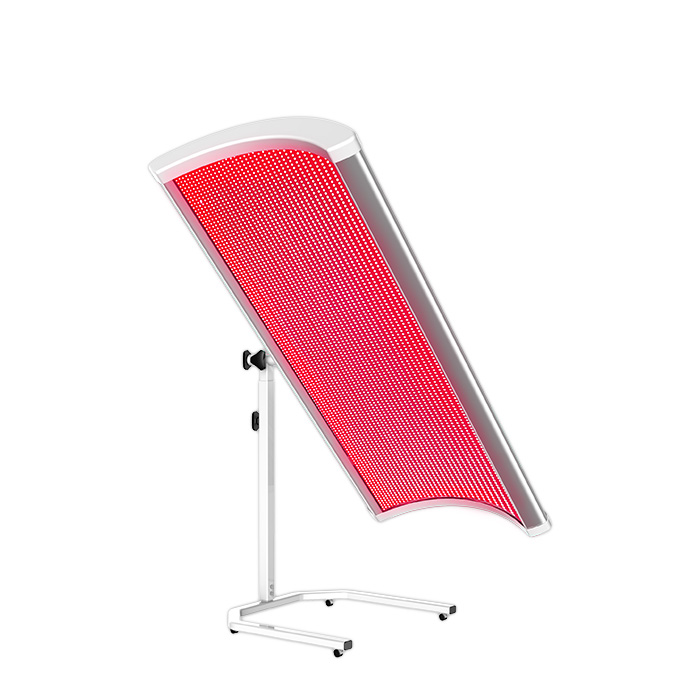
Thérapie par la lumière rouge: Best for Repair and Anti-Aging
Avantages:
- Stimule le collagène et l'élastine
- Reduces wrinkles and fine lines
- Soulage les douleurs musculaires et articulaires
- Accélère la récupération après l'entraînement
Limites:
- Not antibacterial
- Results require consistency

Blue vs Red Light Therapy: Side-by-Side Comparison
| But | Better Option |
|---|---|
| Traitement de l'acné | Lumière bleue |
| Réduction des rides | Feu rouge |
| Récupération musculaire | Feu rouge |
| Bacterial control | Lumière bleue |
| Long-term wellness | Feu rouge |
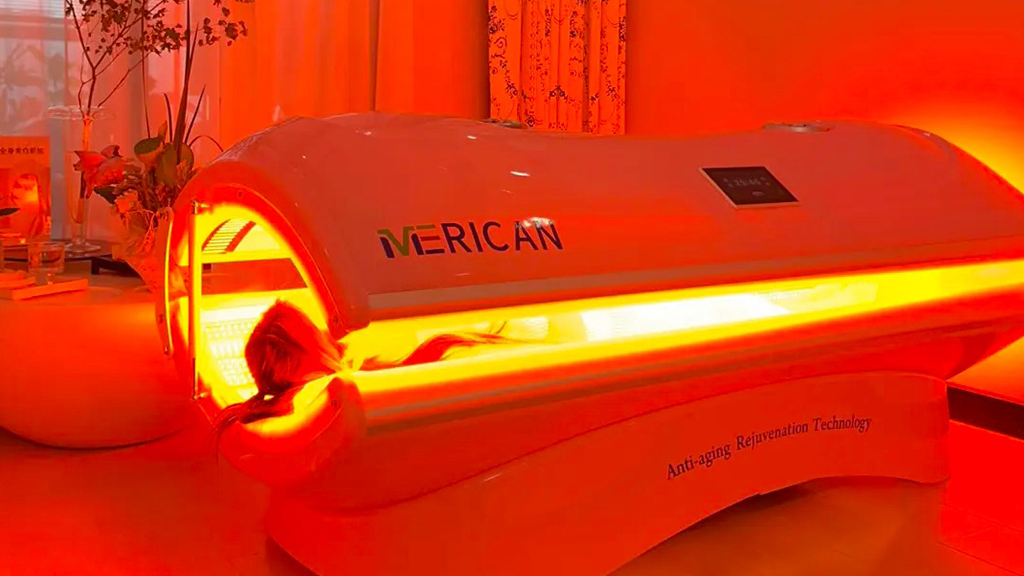
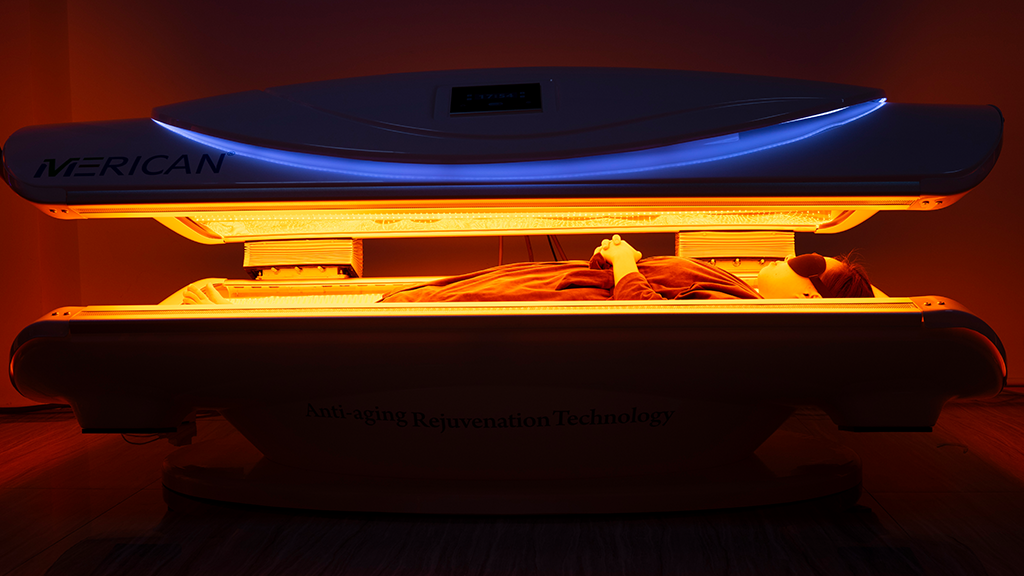
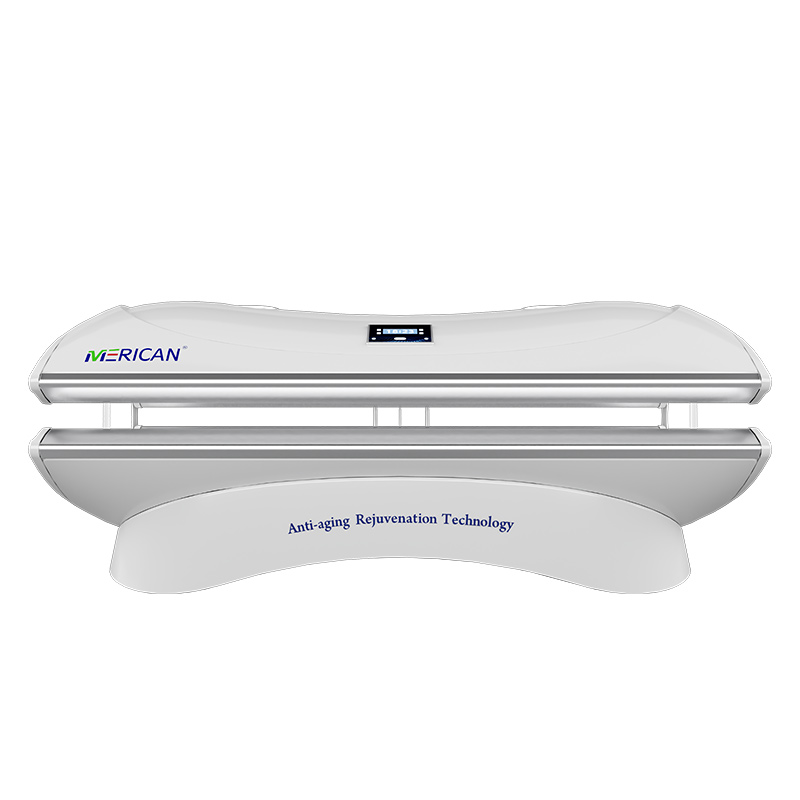
At-Home vs Professional Devices
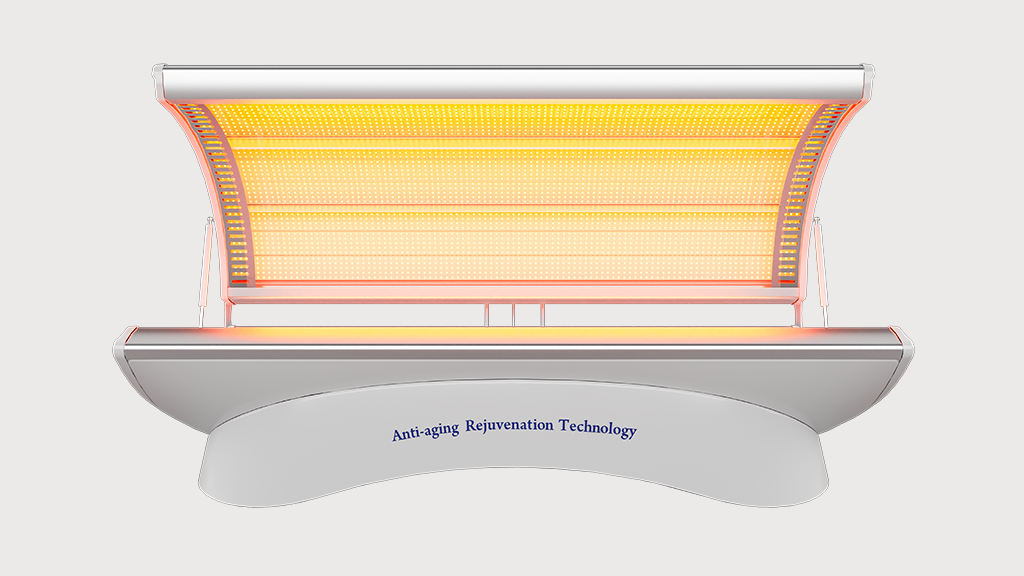
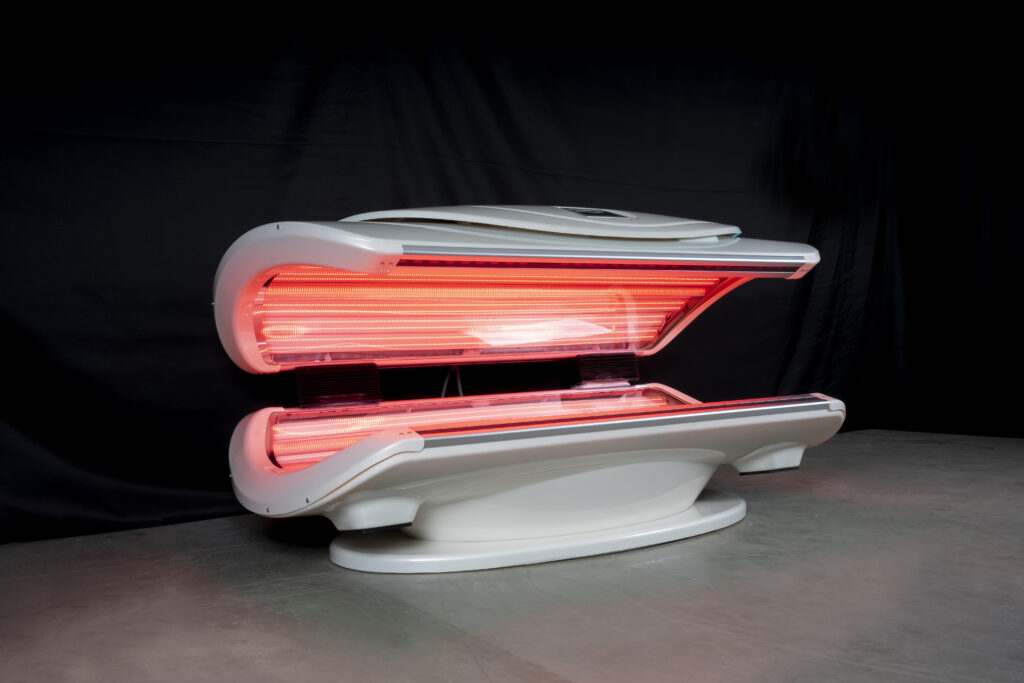
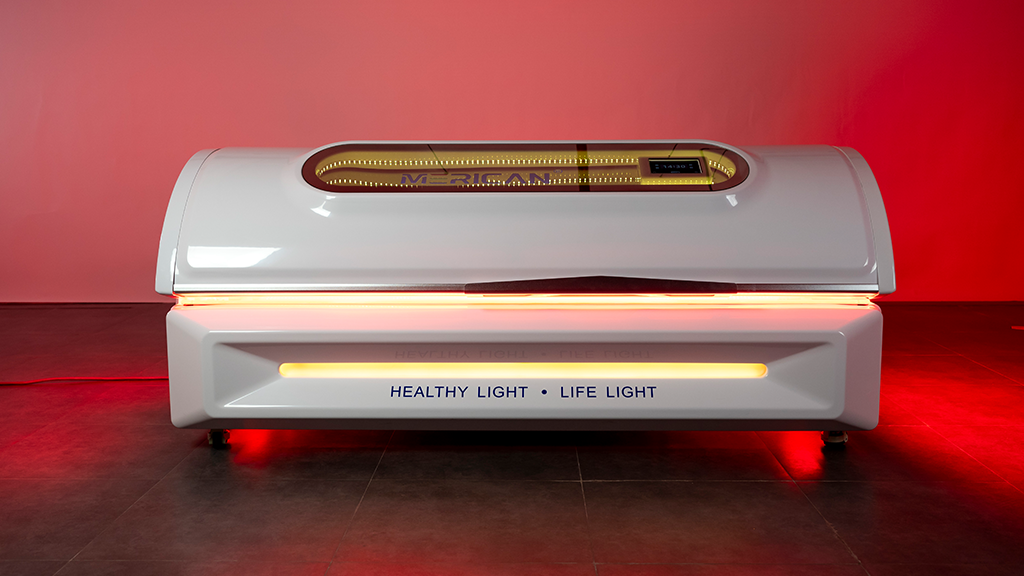
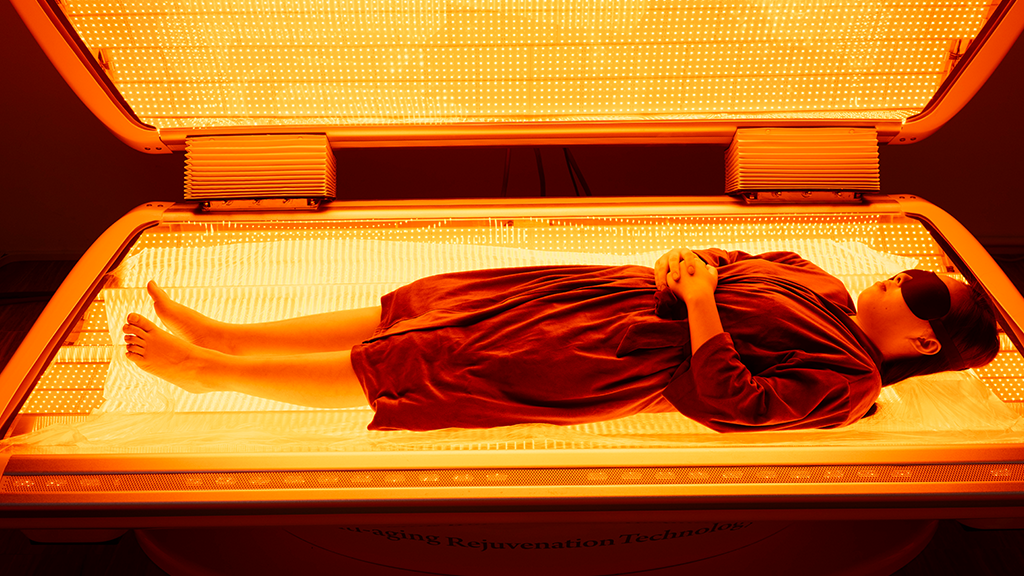
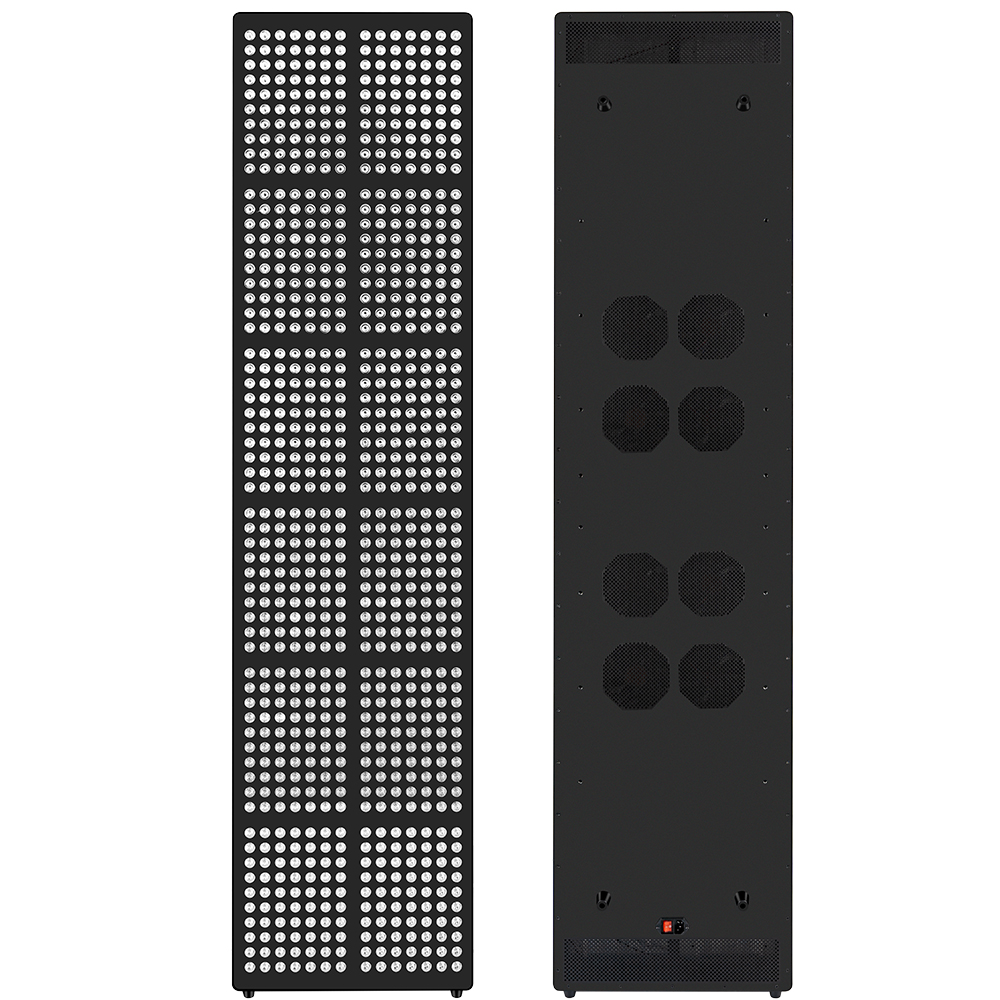
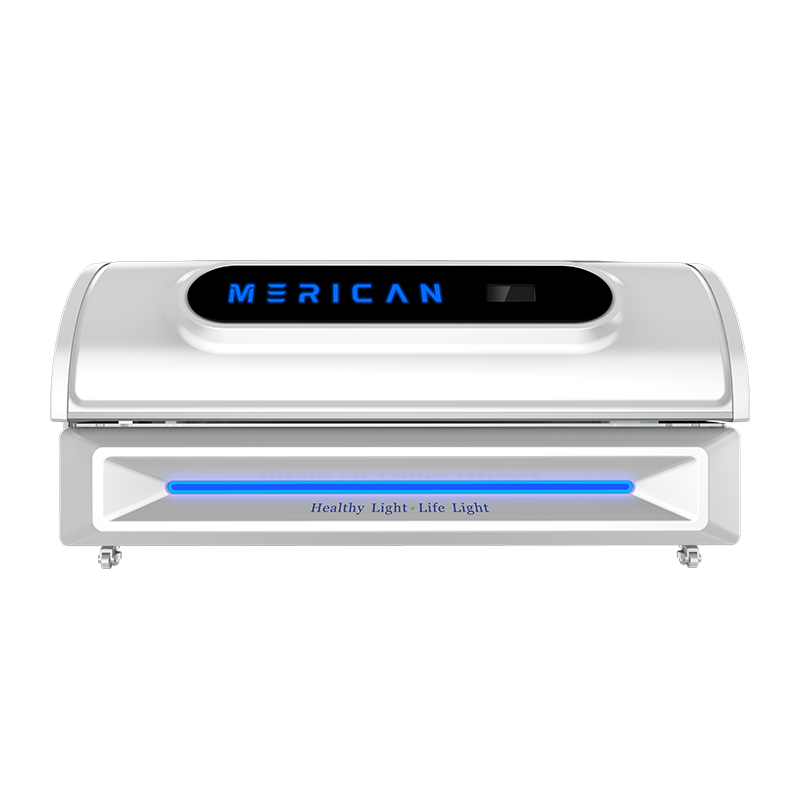
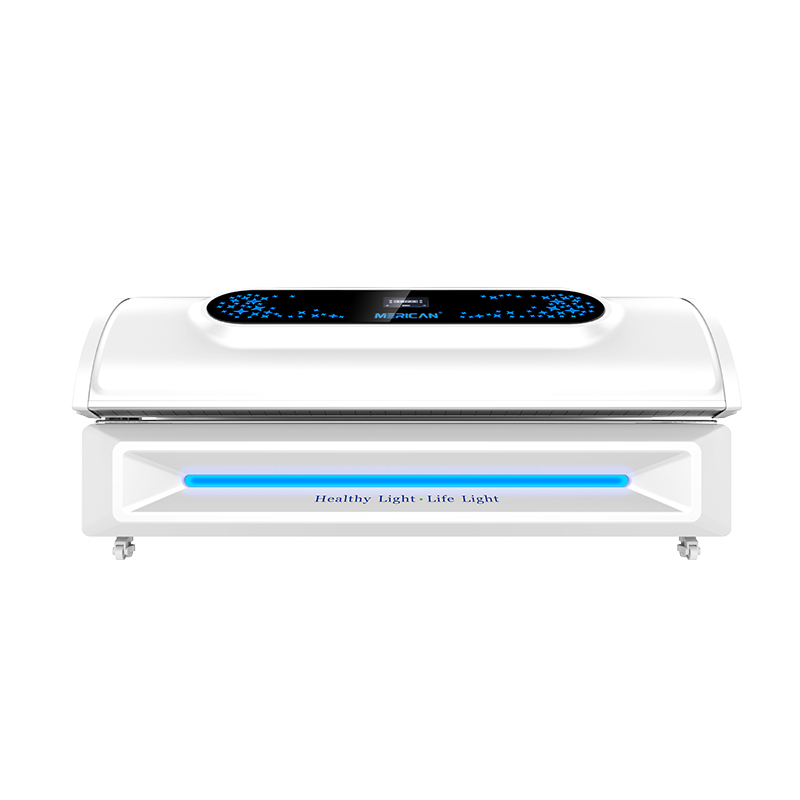
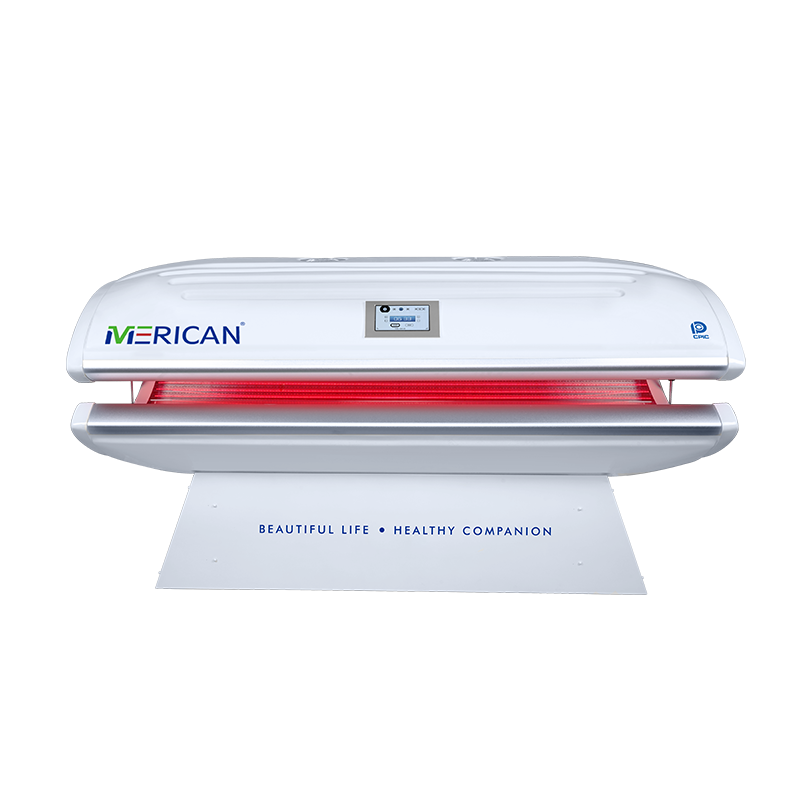
Professional light therapy systems provide:
- More accurate wavelengths
- Higher output consistency
- Better treatment coverage
This is especially important for red light therapy effectiveness.
Can You Combine Blue and Red Light Therapy?
Oui. Many users start with blue light for acne control, followed by red light to reduce inflammation and support healing.
Combination therapy is common in advanced skincare clinics.
Verdict final
Donc, what’s the difference between blue and red light therapy?
Blue light focuses on killing bacteria at the skin’s surface, while red light works deeper to repair, rajeunir, et réduire l'inflammation.
Choosing the right therapy depends on your specific skin and wellness goals.
FAQ
Q1: Can red light therapy help acne like blue light?
It helps inflammation, not bacteria.
Q2: Which therapy is better for sensitive skin?
Red light therapy is generally gentler.