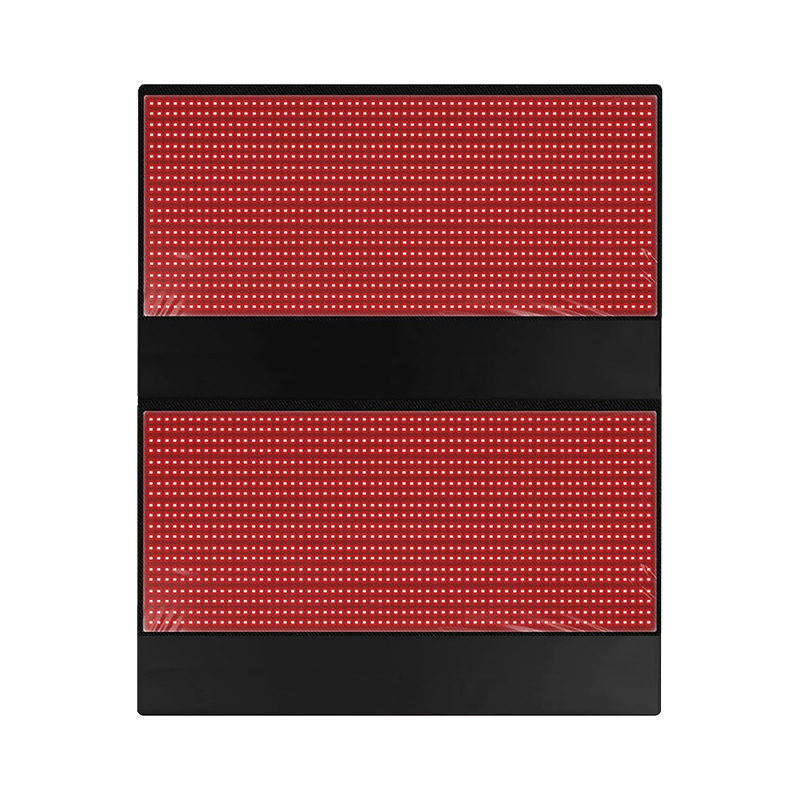
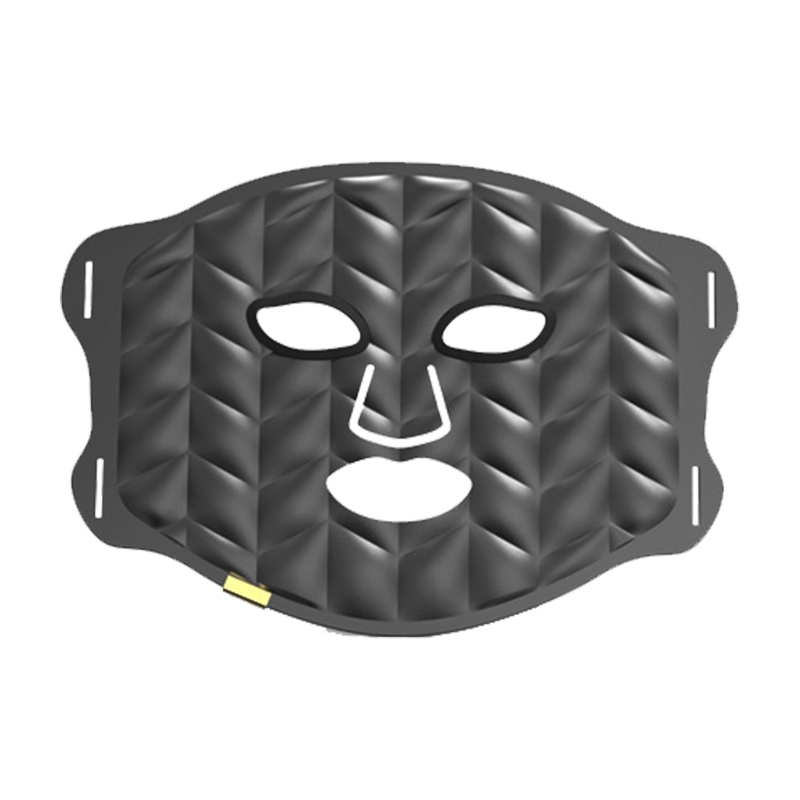
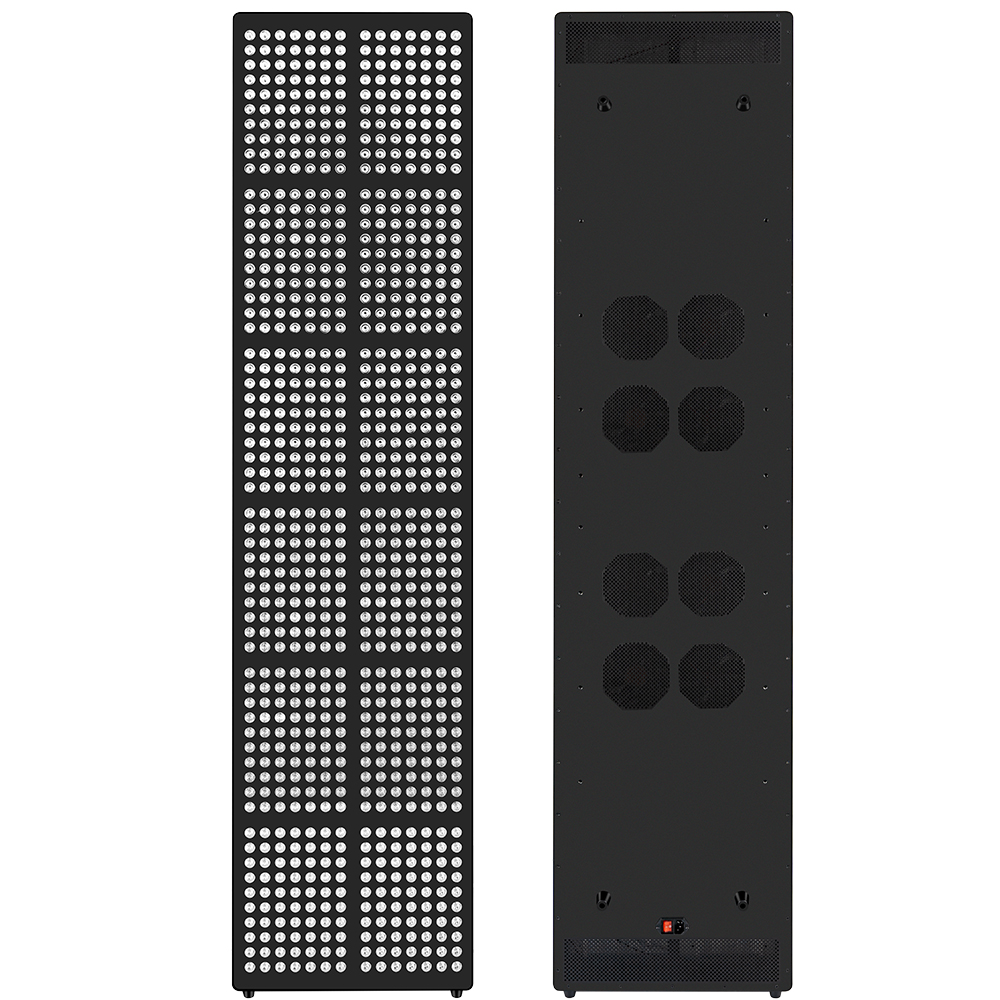
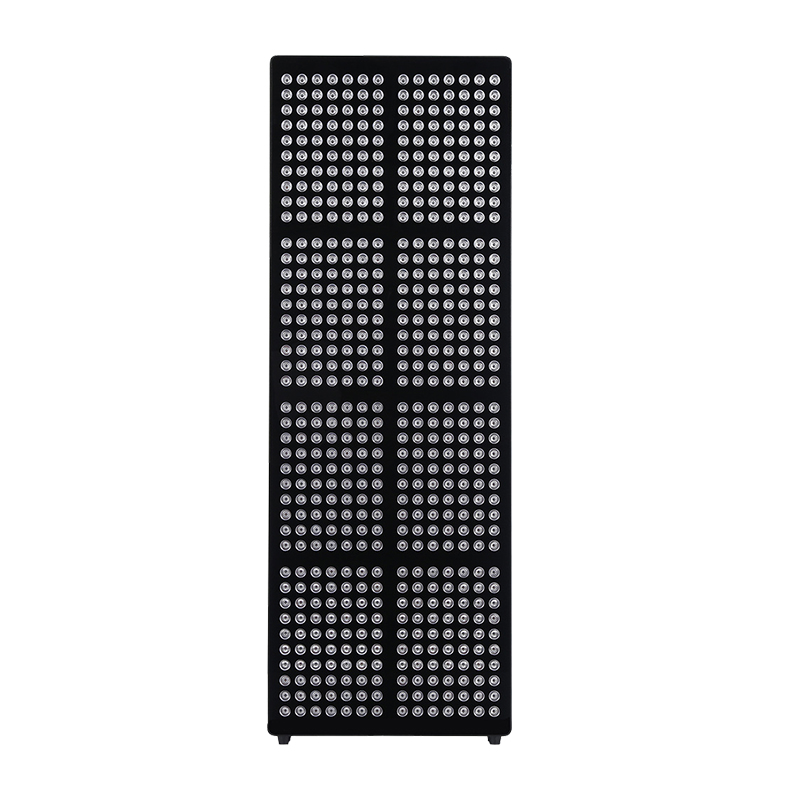
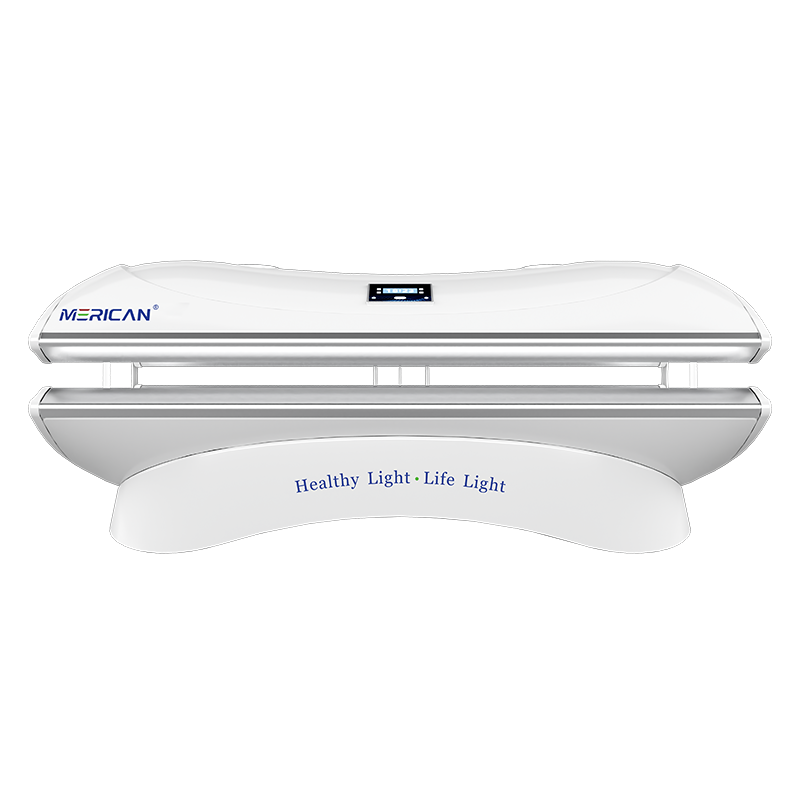
Thérapie par la lumière rouge (RLT), également connue sous le nom de photobiomodulation, utilise specific wavelengths of visible red and near-infrared (Nir) lumière to support cellular function and tissue repair. Contrairement à la lumière UV, which can damage skin cells, red light therapy works at non-ionizing wavelengths that are widely studied for their biological effects.
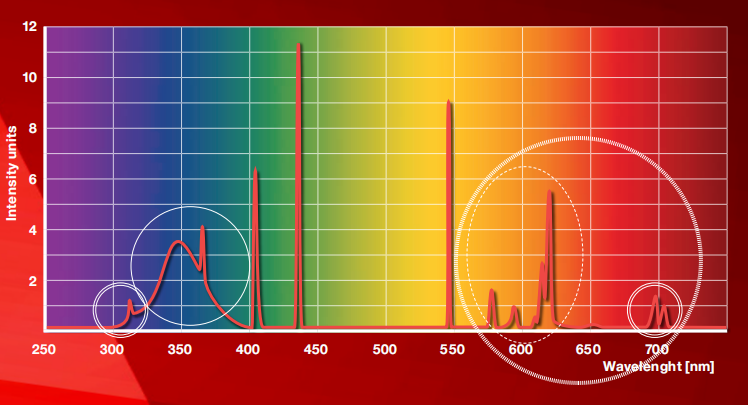
1. The Core Light Types Used in Red Light Therapy
Red light therapy primarily relies on two types of light:
- Lumière rouge (Visible Spectrum): 620–660 nm
This wavelength range penetrates the skin’s surface layers and is commonly associated with:- Rajeunissement de la peau
- Stimulation du collagène
- Reduction of fine lines and wrinkles
- Lumière proche infrarouge (Invisible Spectrum): 810–880 nm
Near-infrared light penetrates deeper into muscles, articulations, and connective tissues, le rendre adapté à:- Récupération musculaire
- Soulagement des douleurs articulaires
- Improved circulation and inflammation modulation
These wavelengths are carefully selected because they align with the absorption peaks of mitochondrial chromophores, particularly cytochrome c oxidase.
2. How Red and Near-Infrared Light Work at the Cellular Level
When red or near-infrared light reaches the cells, it helps stimulate mitochondrial activity. This process may:
- Increase ATP (énergie cellulaire) production
- Improve oxygen utilization
- Support natural tissue repair processes
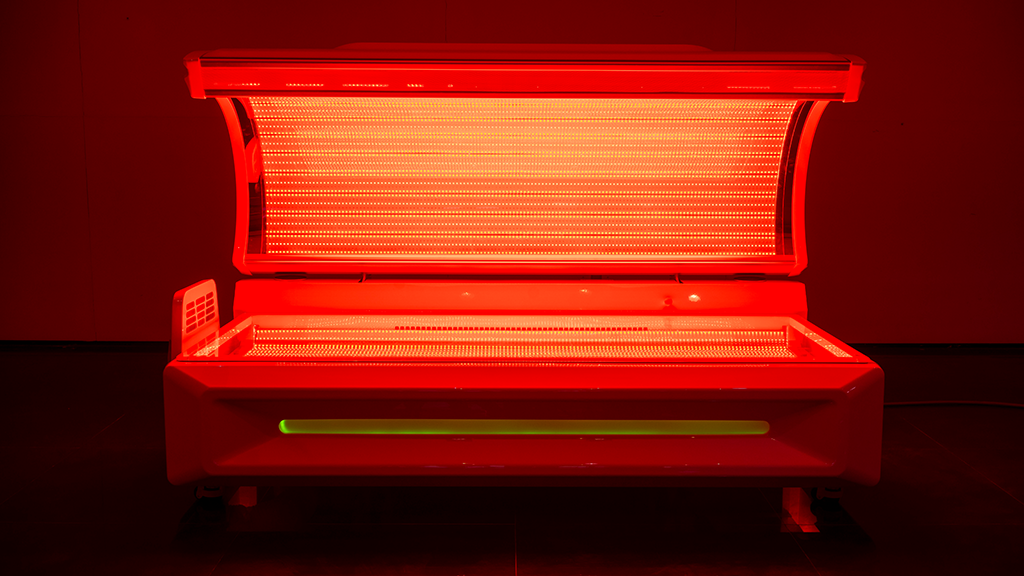
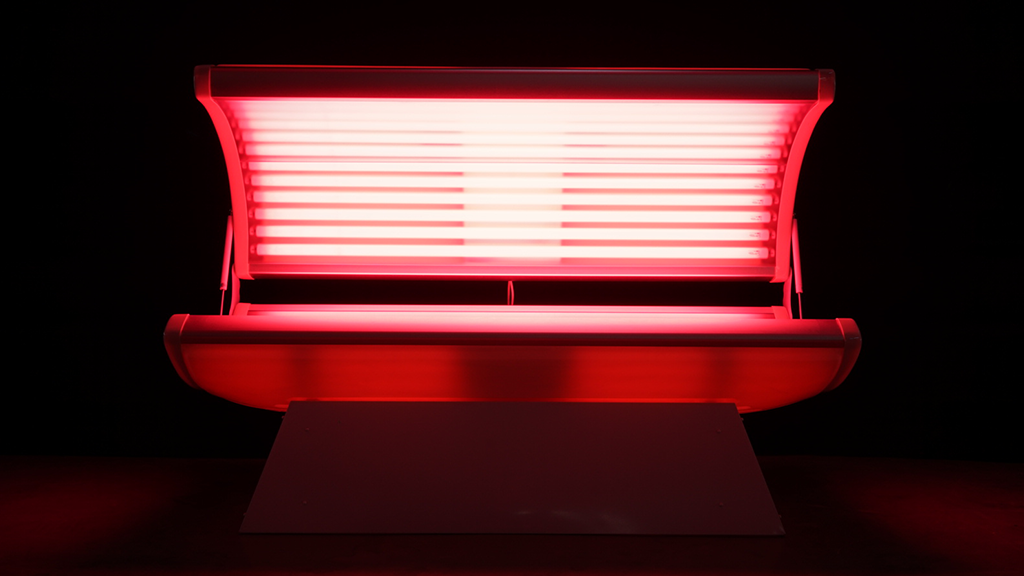
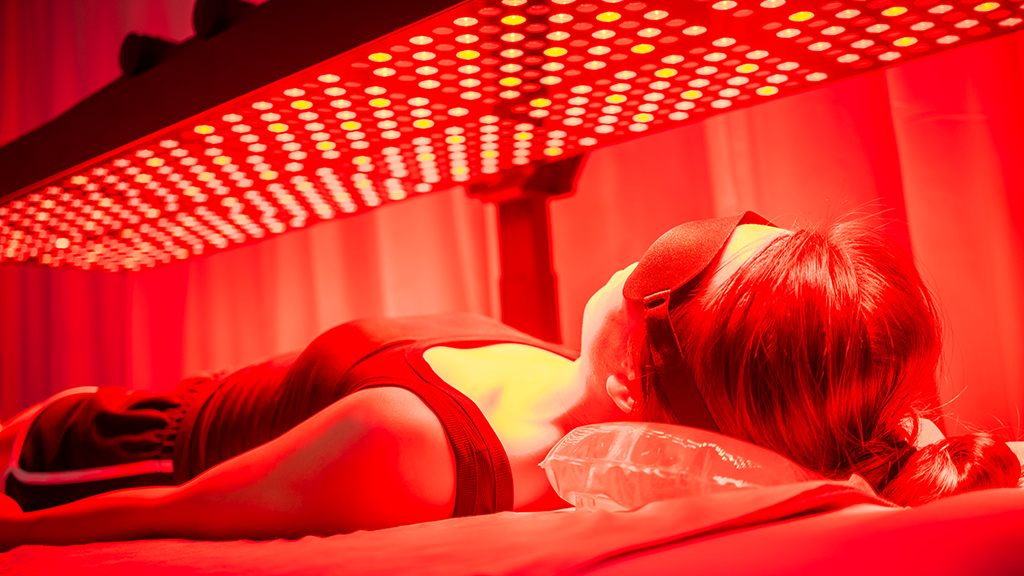
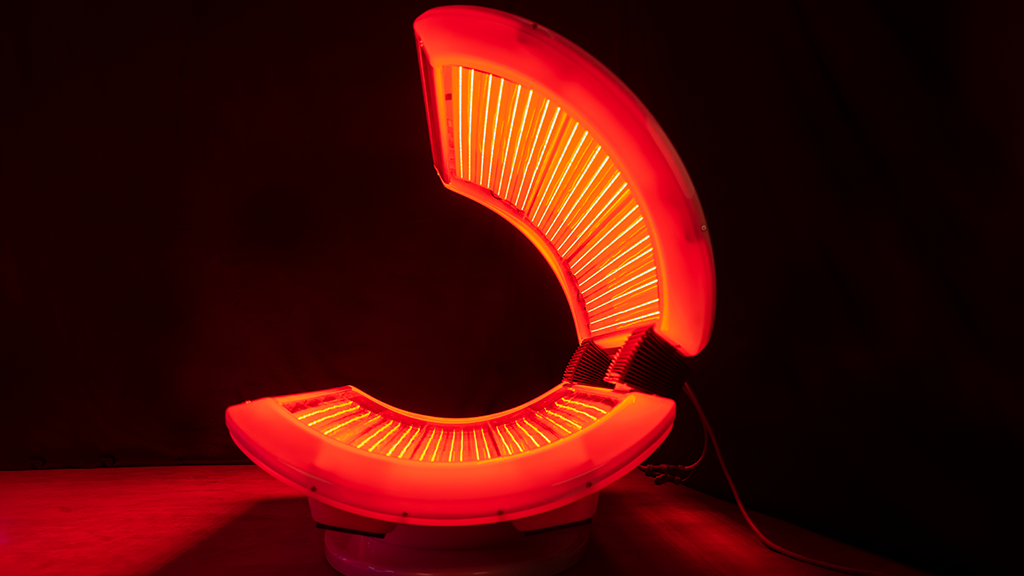
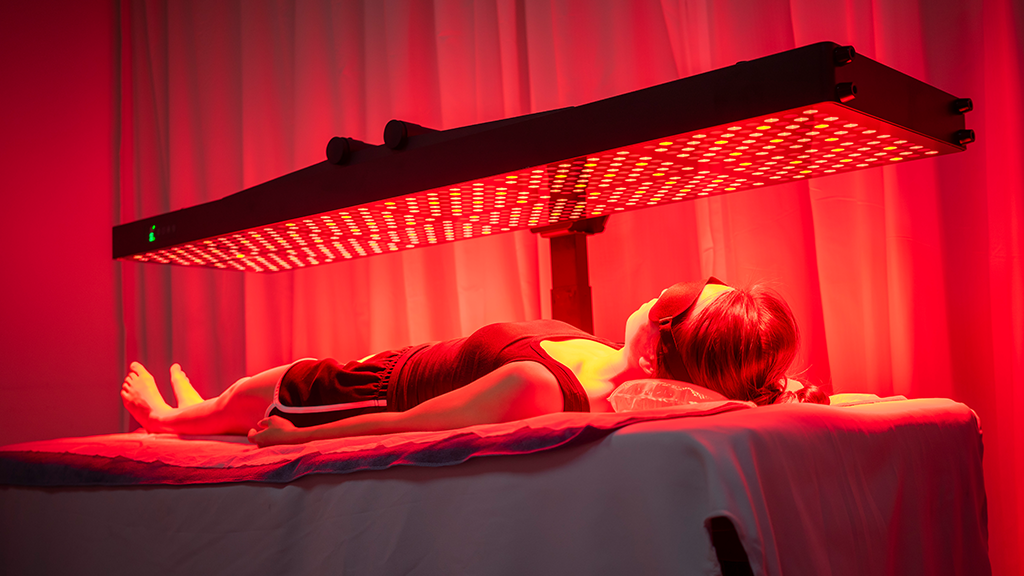
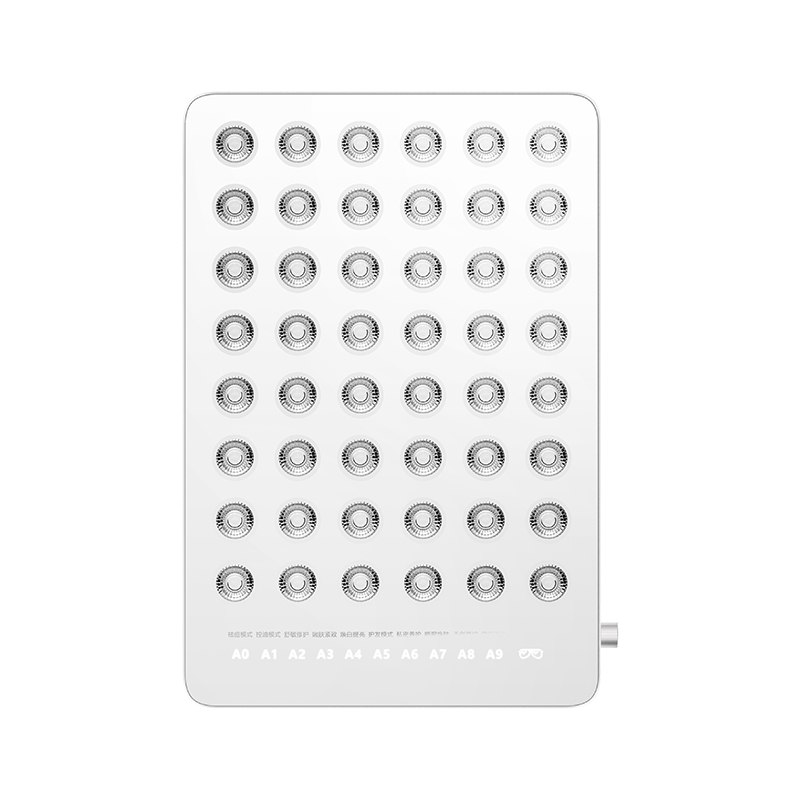
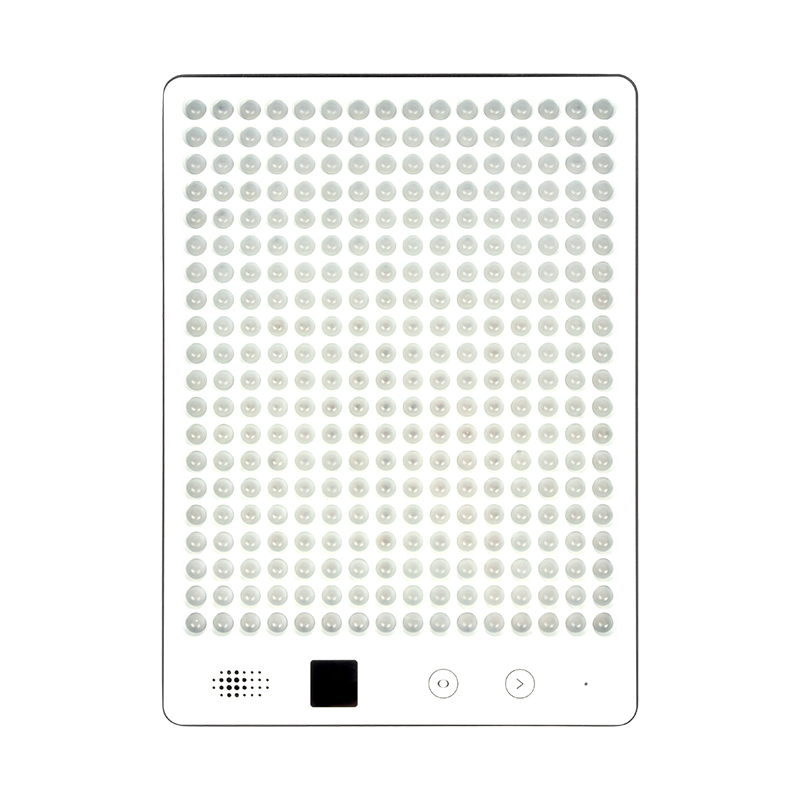
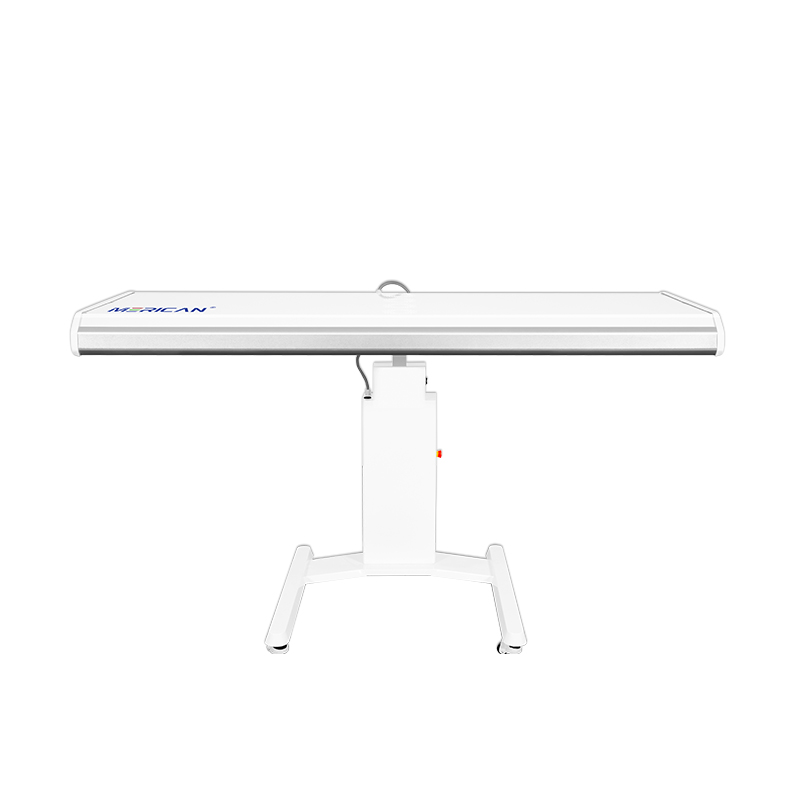
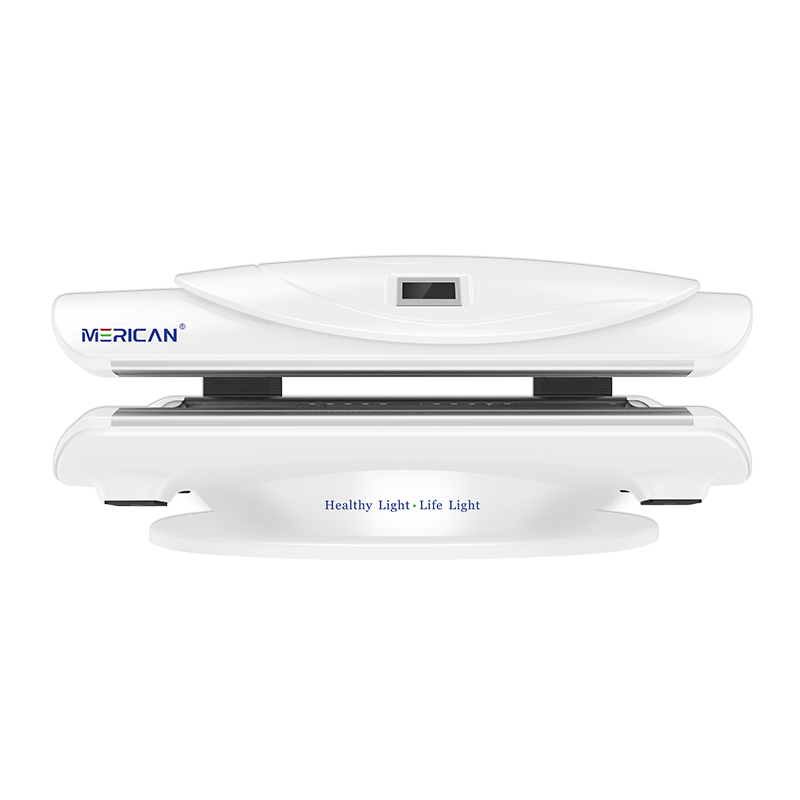
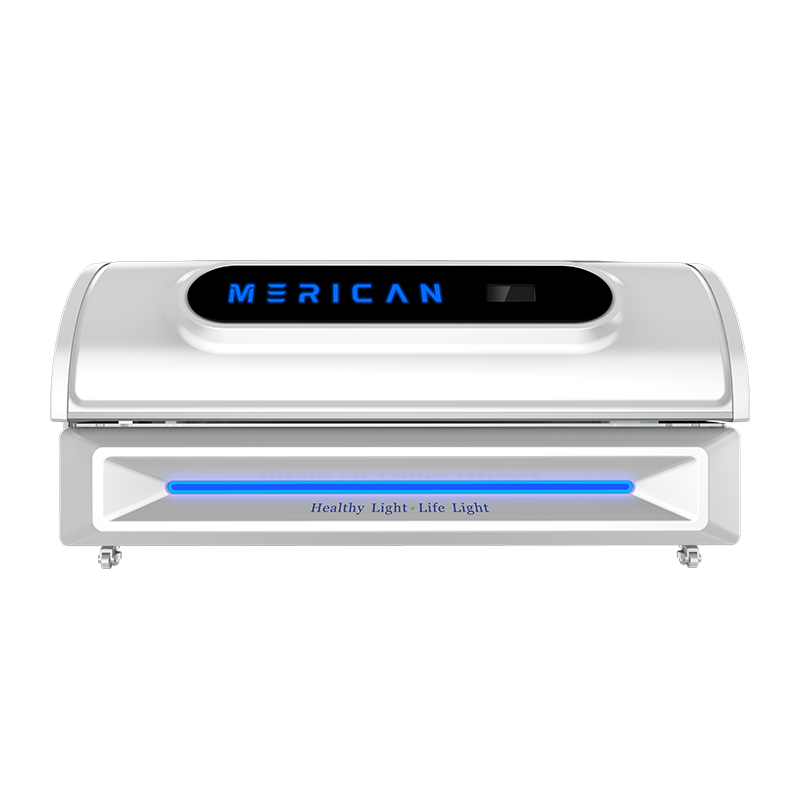
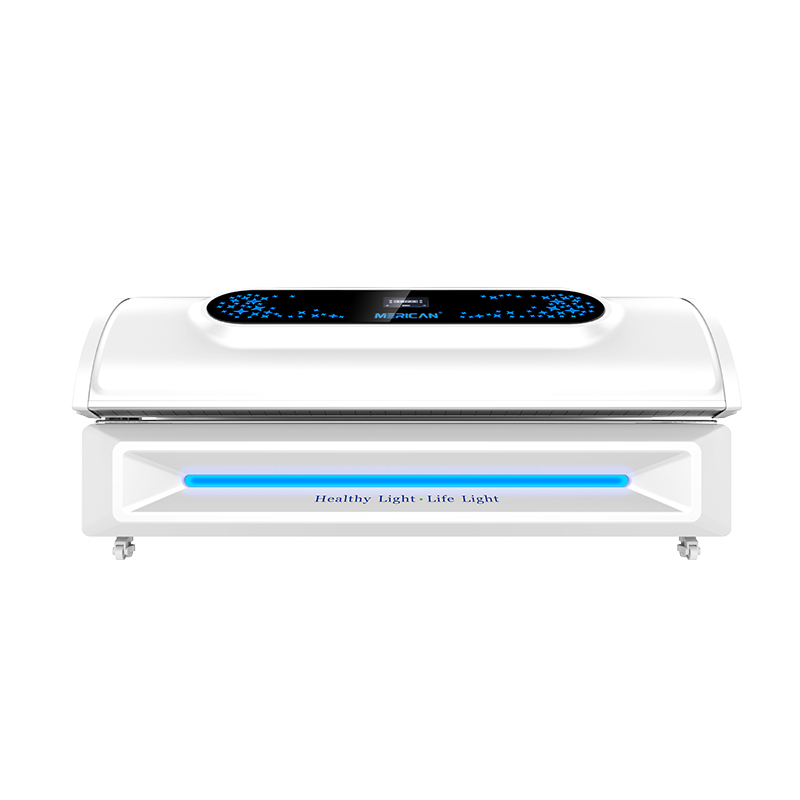
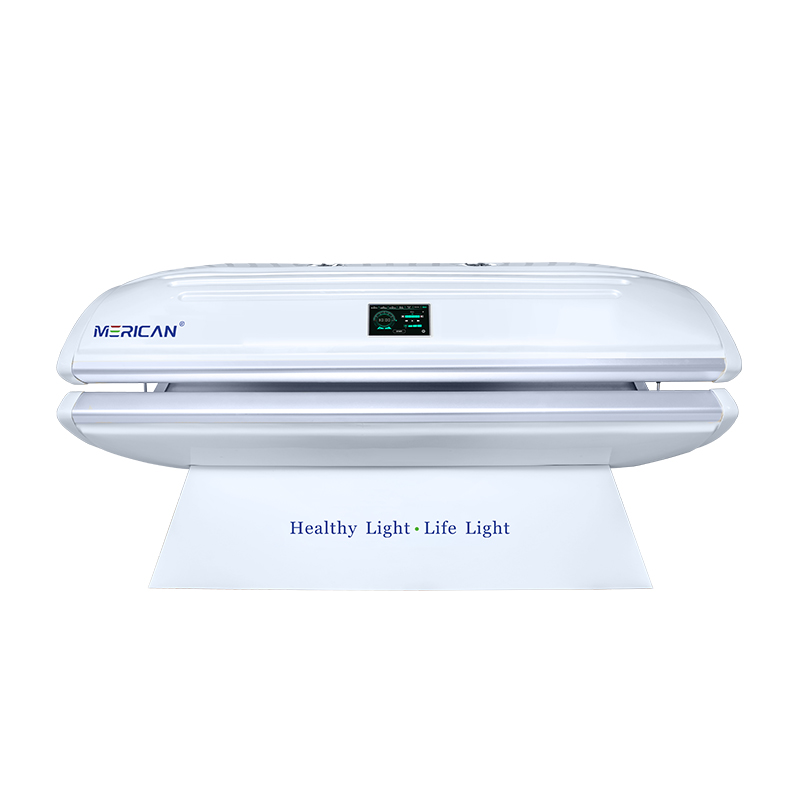
This mechanism explains why red light therapy is used in both medical and wellness settings, including physical therapy clinics, dermatology practices, and professional red light therapy beds.
3. Thérapie par la lumière rouge vs. Other Types of Light
| Type léger | Longueur d'onde | Biological Effect |
|---|---|---|
| Lumière UV | 100–400 nm | Can damage DNA and skin |
| Lumière bleue | 400–500 nm | Affects circadian rhythm, acne bacteria |
| Lumière rouge | 620–660 nm | Peau & support cellulaire |
| Lumière proche infrarouge | 810–880 nm | Deep tissue recovery |
Unlike UV tanning beds, red light therapy does not rely on radiation that darkens the skin or causes photodamage.
4. Why Wavelength Accuracy Matters
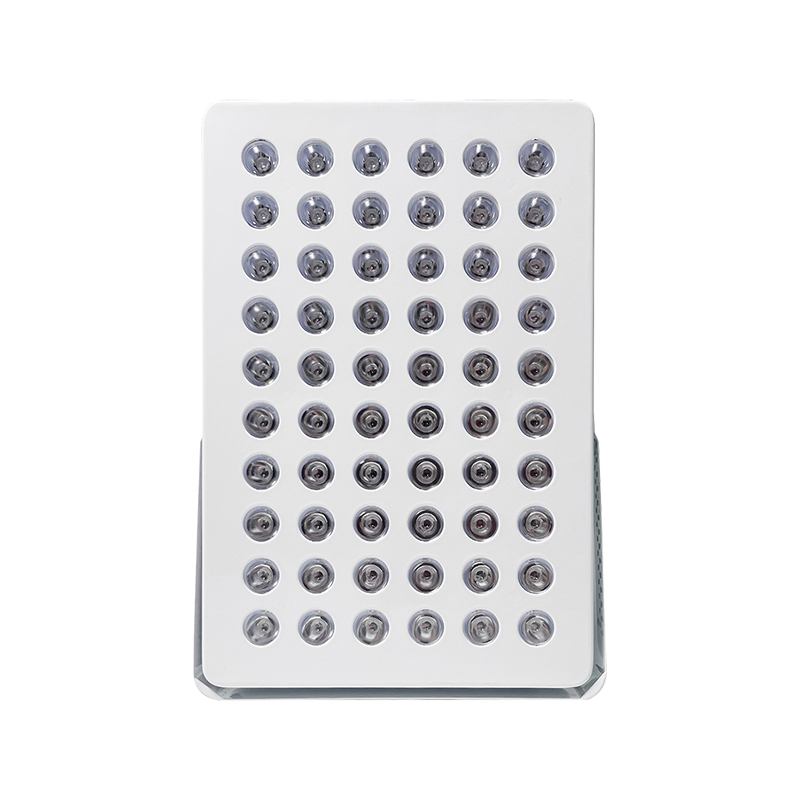
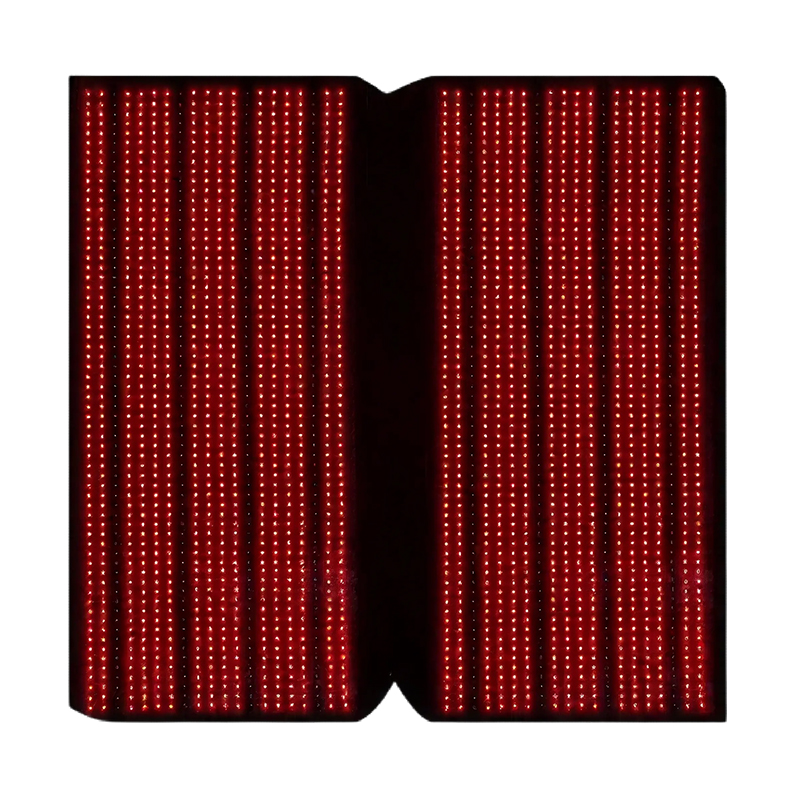
Clinical-grade red light therapy devices use precisely controlled wavelengths and irradiance levels. Professional full-body red light therapy beds often deliver more consistent energy coverage than small home devices, especially for whole-body wellness or recovery programs.
Conclusion
Utilisations de la thérapie par la lumière rouge visible red and near-infrared light, carefully chosen for their ability to interact with cellular energy systems. Its non-UV, non-thermal nature is what makes it widely regarded as a safe and effective light-based therapy when used correctly.