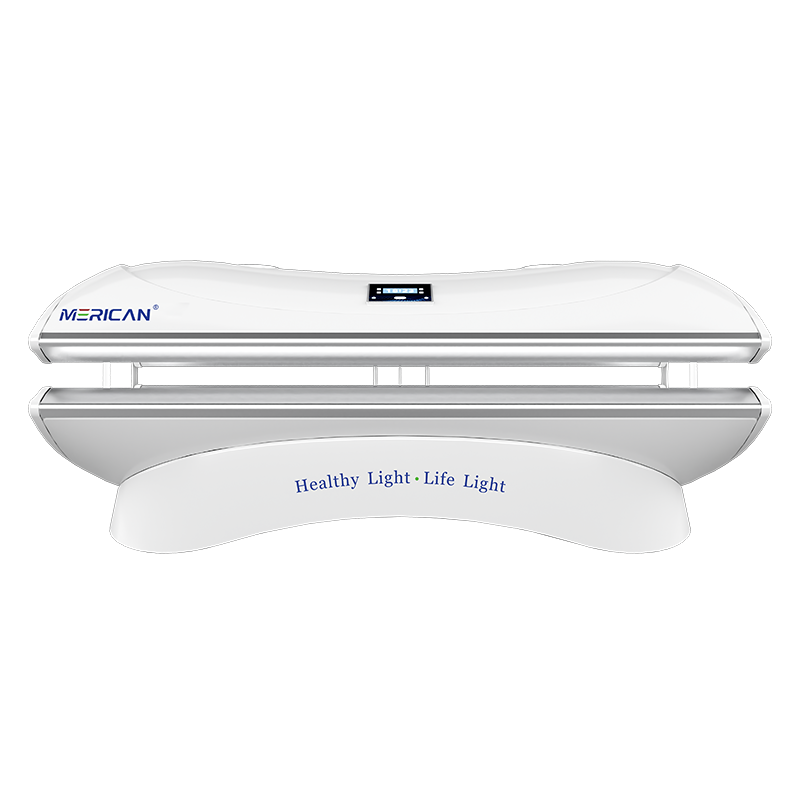
Prurito intenso di eczema, secchezza, arrossamento, e la barriera cutanea danneggiata affligge innumerevoli pazienti. Oltre unguenti e creme idratanti, terapia con luce rossa, una terapia fisica non invasiva, sta diventando un nuovo focus nella cura scientifica della pelle per i suoi meccanismi di riparazione unici.
Come funziona la luce rossa sull'eczema?
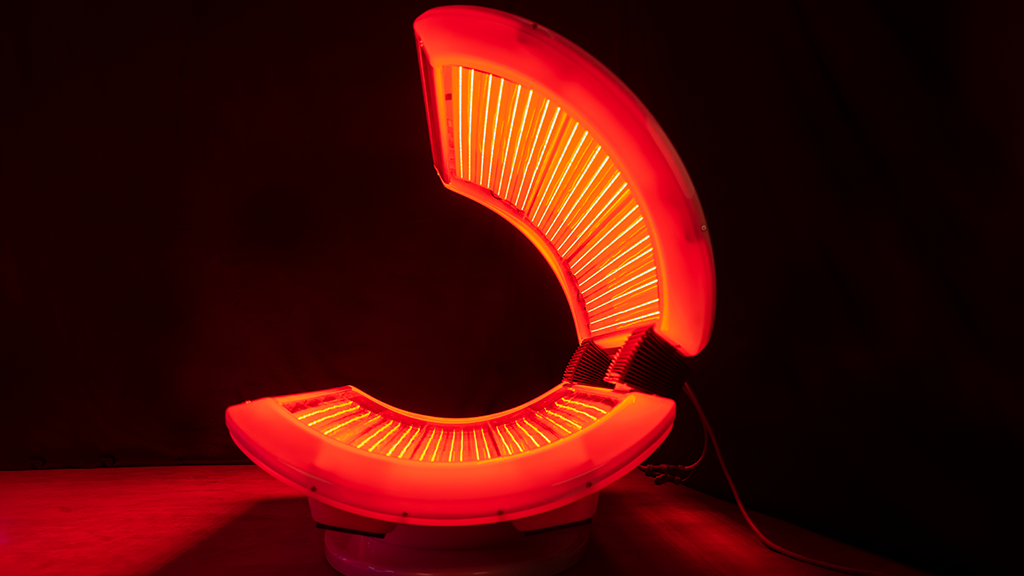
La terapia con luce rossa utilizza lunghezze d'onda specifiche della luce rossa (630-660nm) e luce a infrarossi vicino (810-850nm) per illuminare la pelle. Questi delicati fotoni penetrano nell'epidermide e vengono assorbiti dai mitocondri, IL “fabbriche di energia” di cellule. Ciò offre molteplici vantaggi alla radice del problema:
Potenti effetti antinfiammatori: La luce rossa inibisce significativamente il rilascio di fattori infiammatori chiave, calmando la risposta immunitaria volatile dall'interno e riducendo direttamente il rossore, rigonfiamento, e papule infiammate associate all'eczema.
Promuovere la riparazione della barriera: Ricarica le cellule della pelle (come fibroblasti e cheratinociti), accelerando la proliferazione e la differenziazione cellulare, aiutando a ricostruire la barriera cutanea danneggiata, bloccare l'umidità, e proteggere dalle sostanze irritanti esterne.
Allevia il prurito: Riducendo l'infiammazione e favorendo la guarigione dei tessuti, la luce rossa può ridurre efficacemente il prurito, contrastando il circolo vizioso del prurito, graffiare, e peggioramento del prurito causato dai graffi.
Accelera la guarigione delle ferite: Per la pelle a tendenza eczema danneggiata dai graffi, la luce rossa può favorire la produzione di collagene e la crescita del tessuto di granulazione, accelerando la guarigione delle ferite e riducendo il rischio di infezione.
Come utilizzare la terapia con luce rossa per l'eczema?
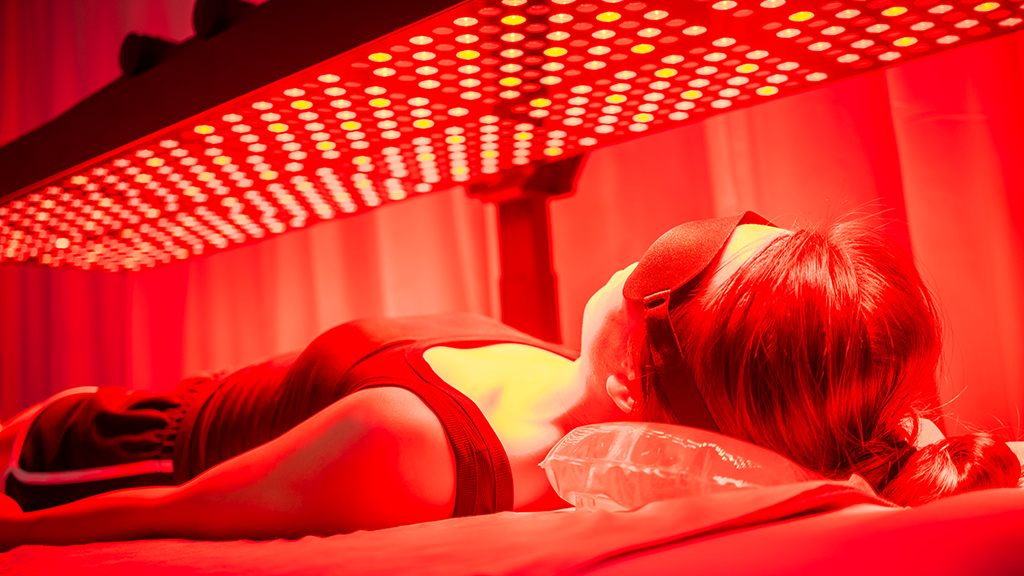
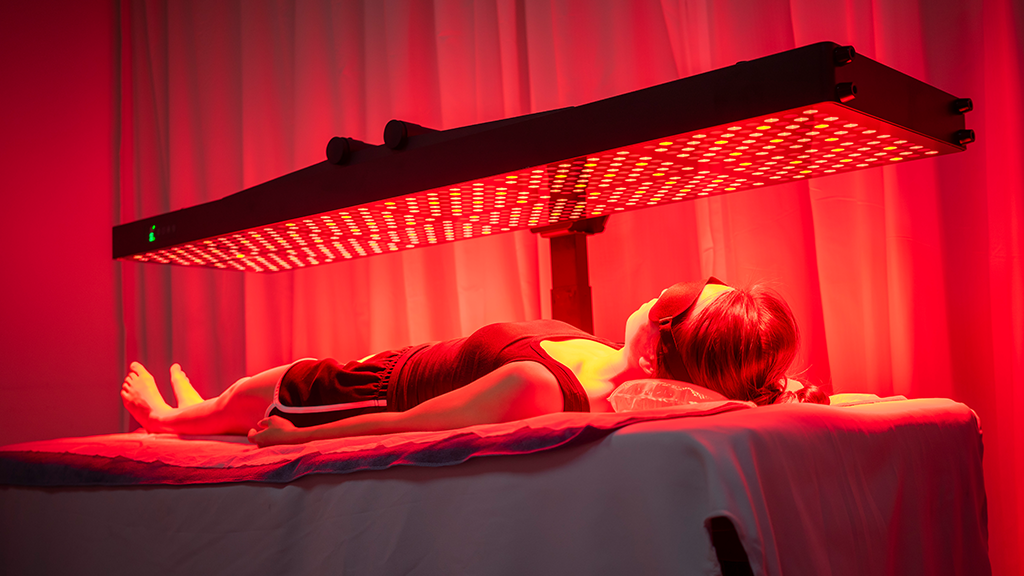
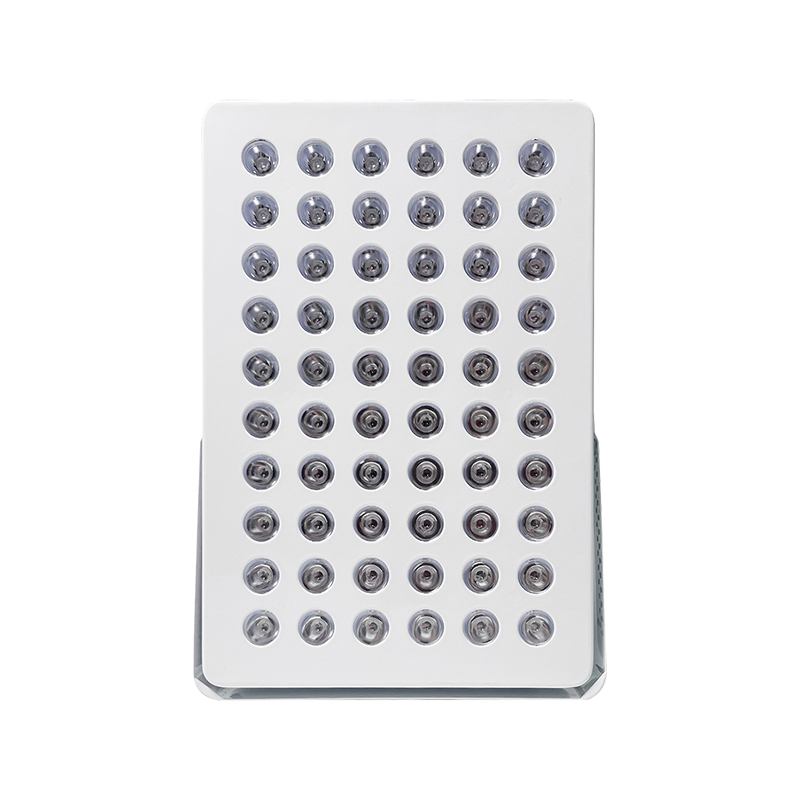
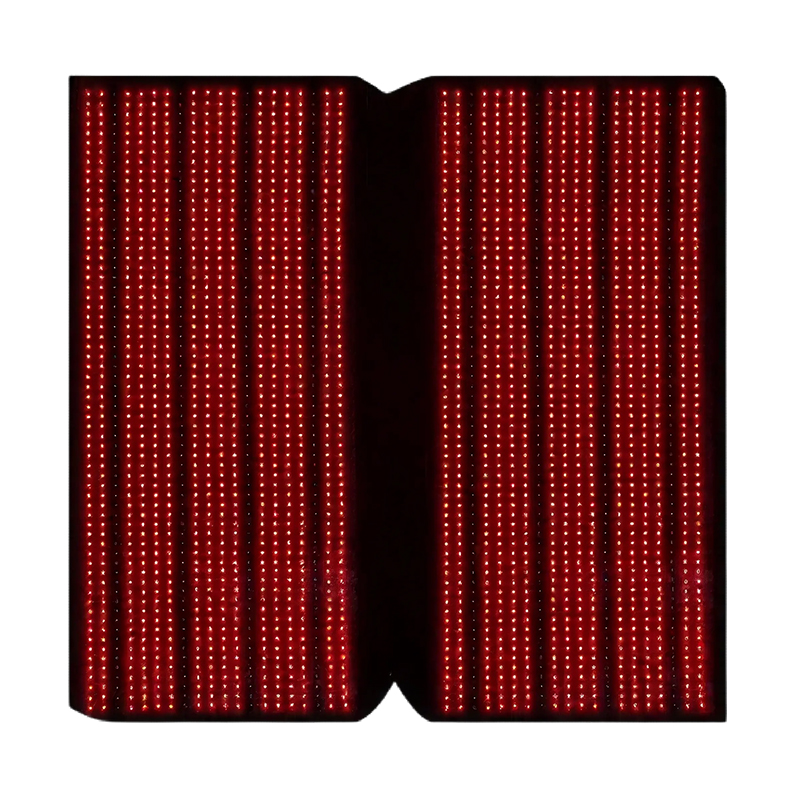
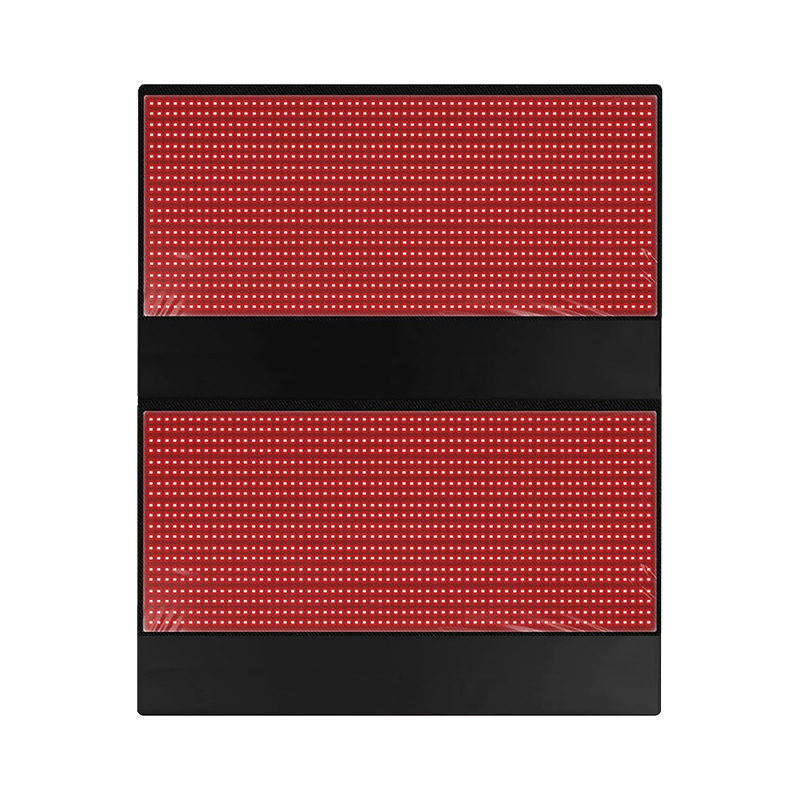
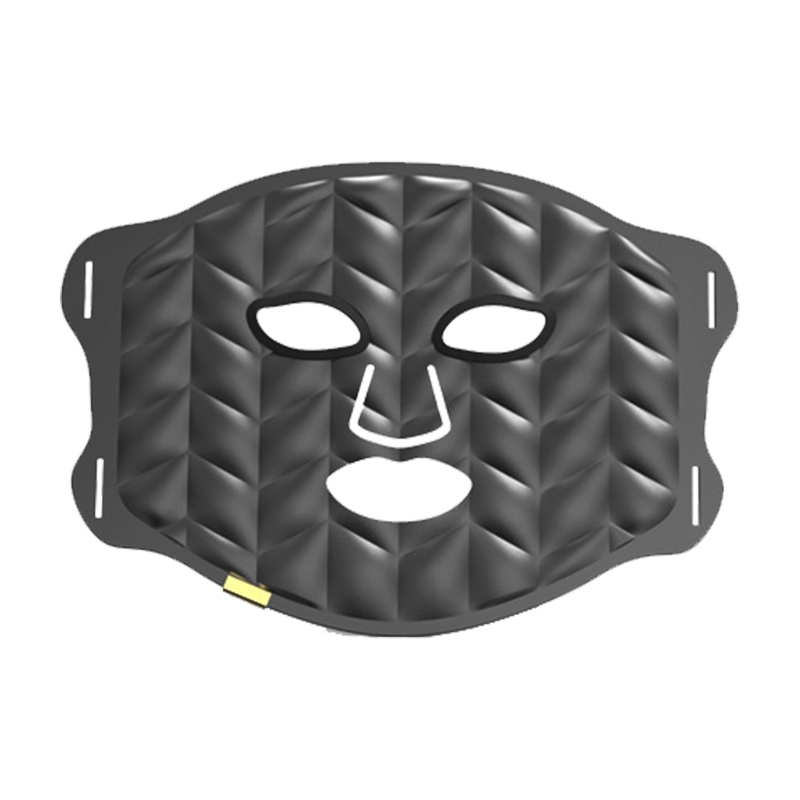
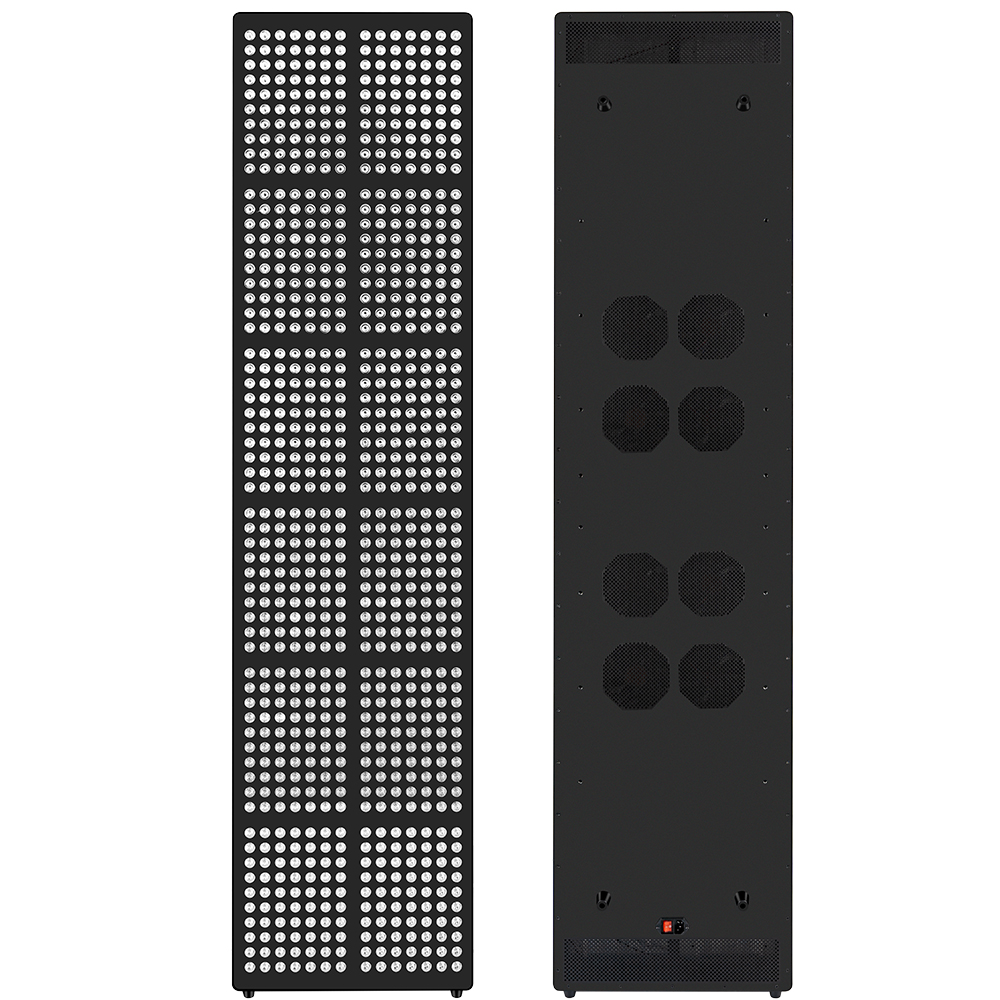
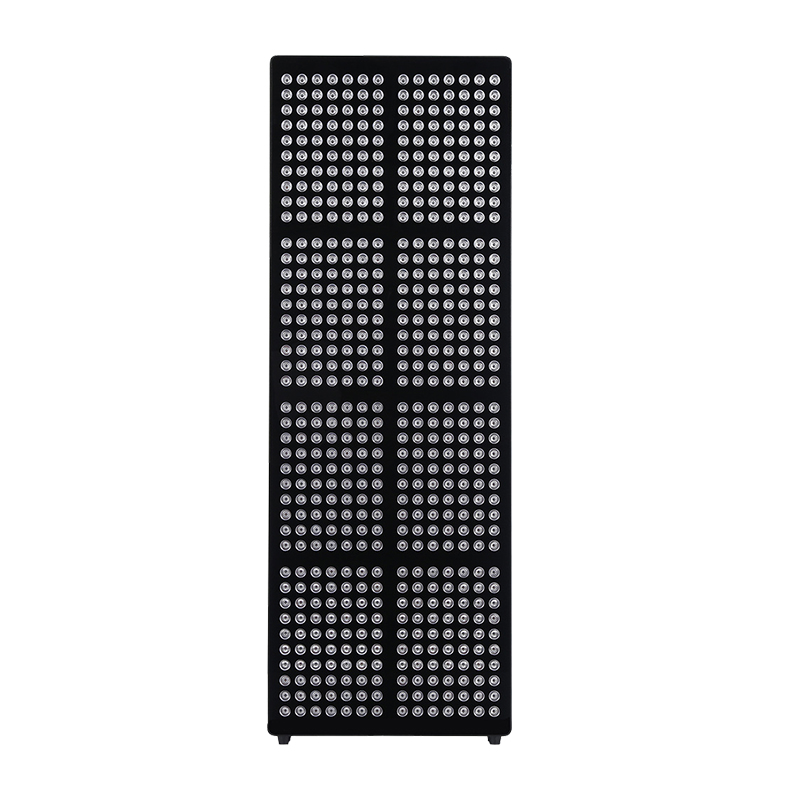
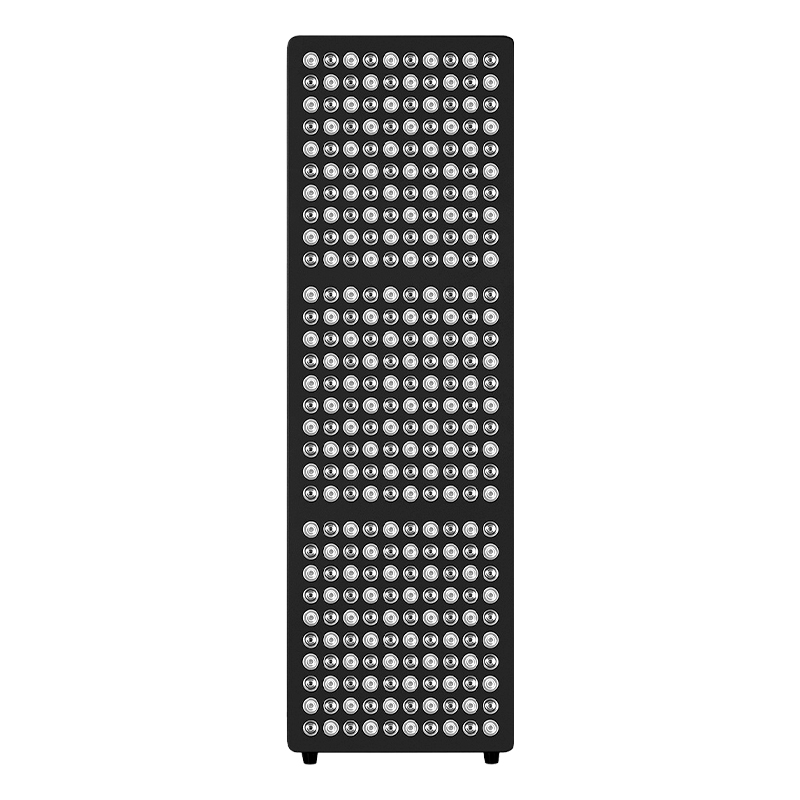
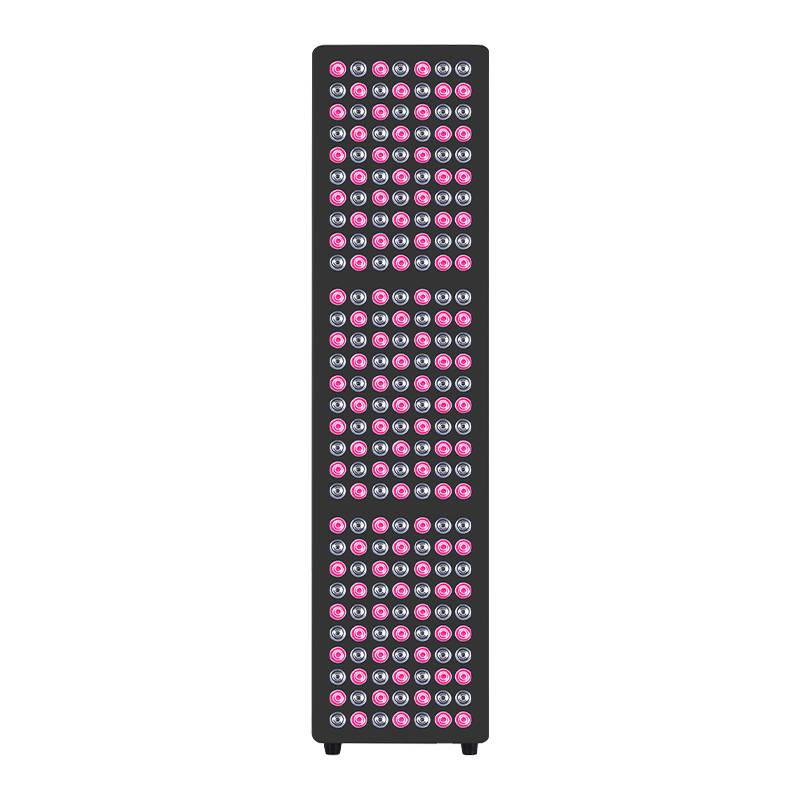
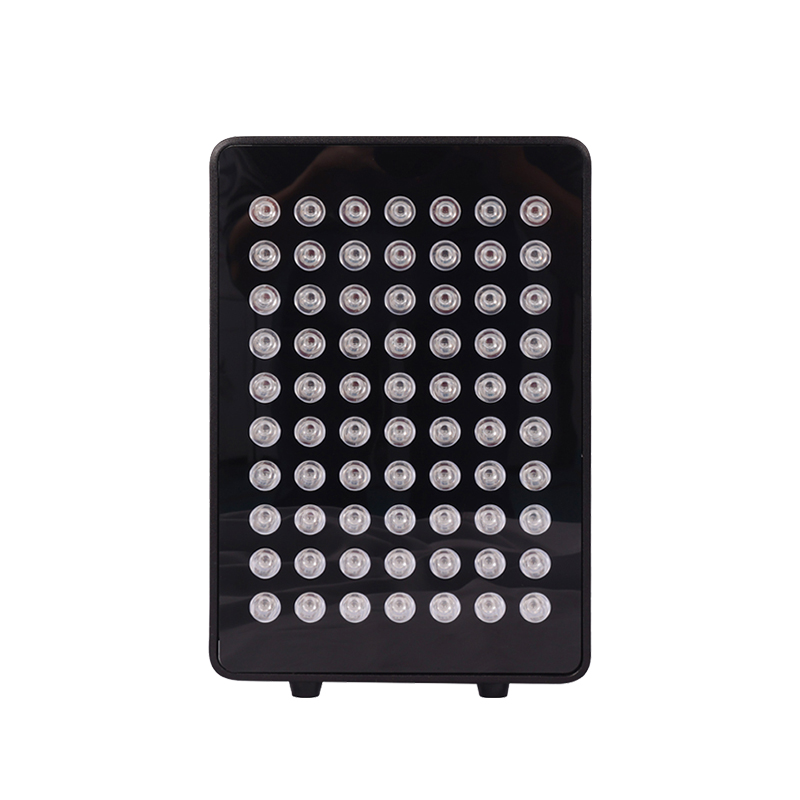
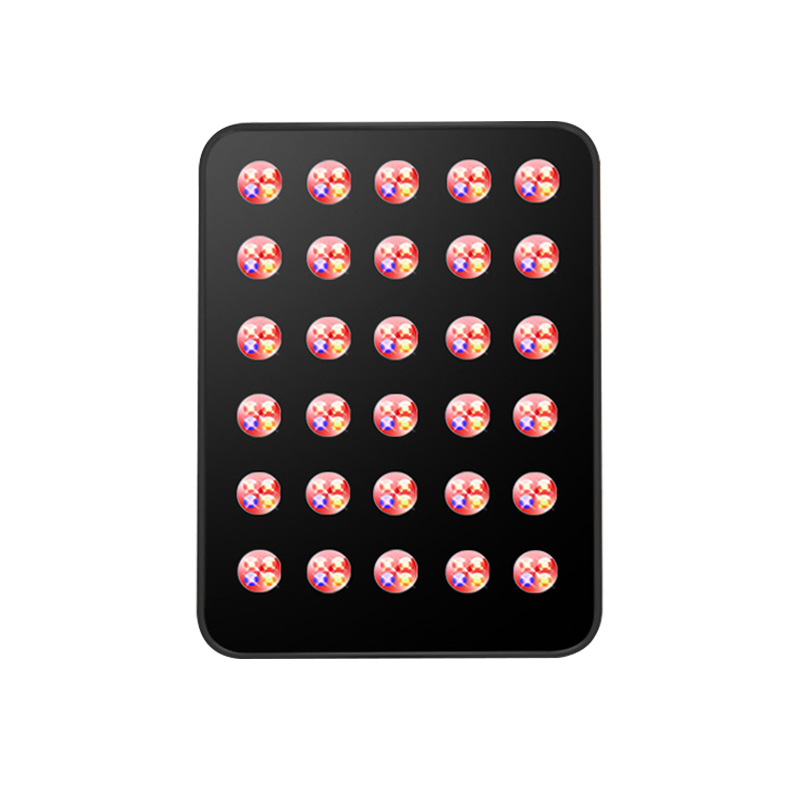
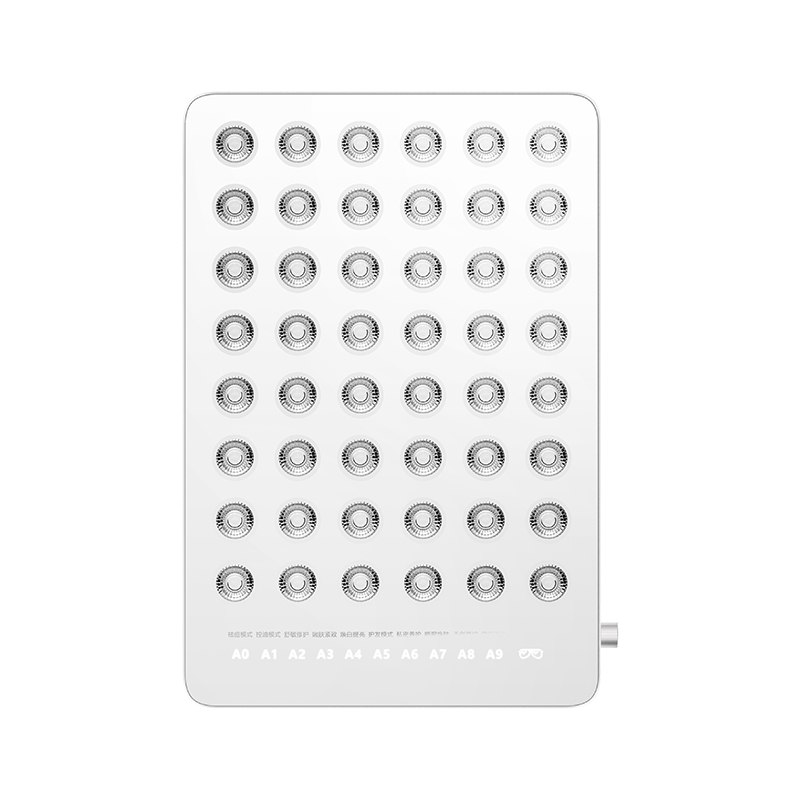
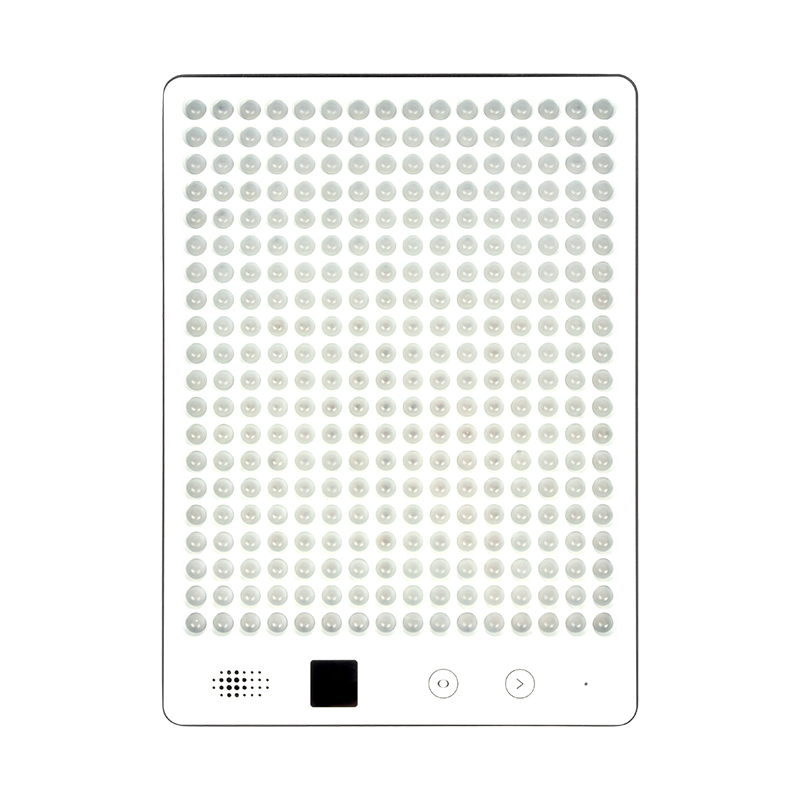
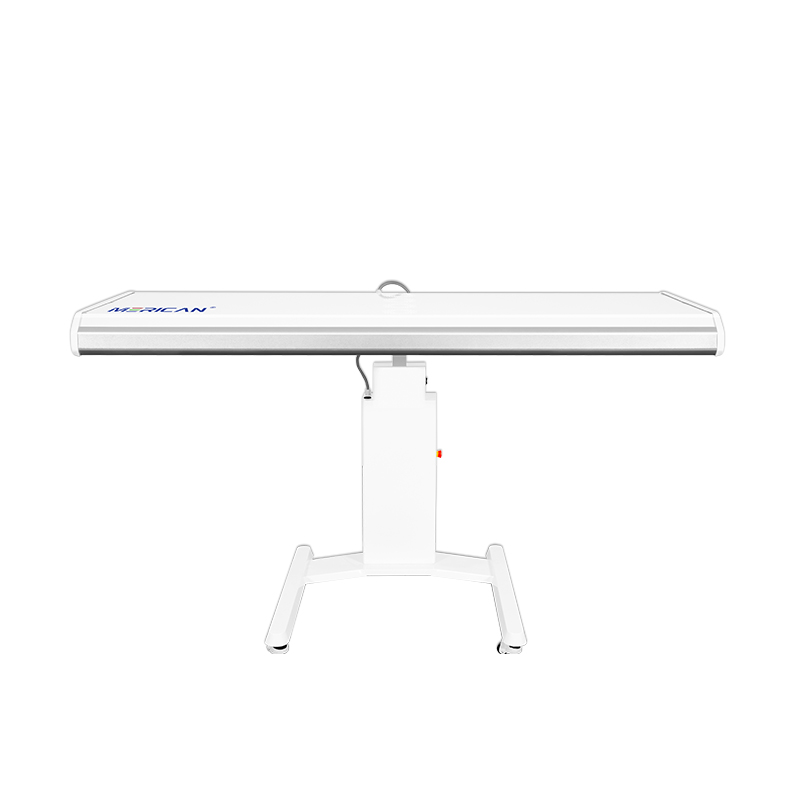
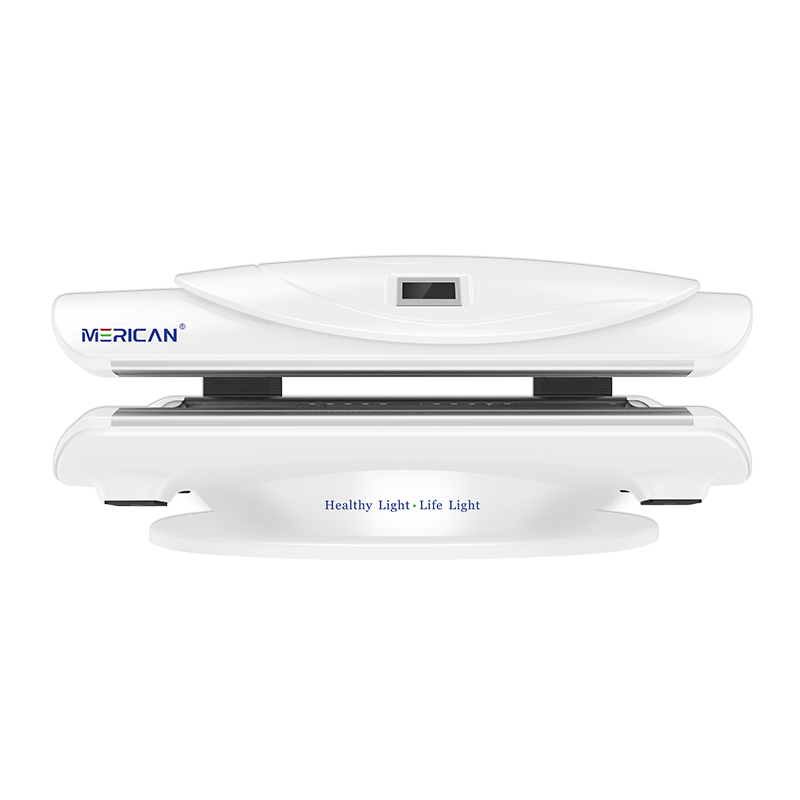
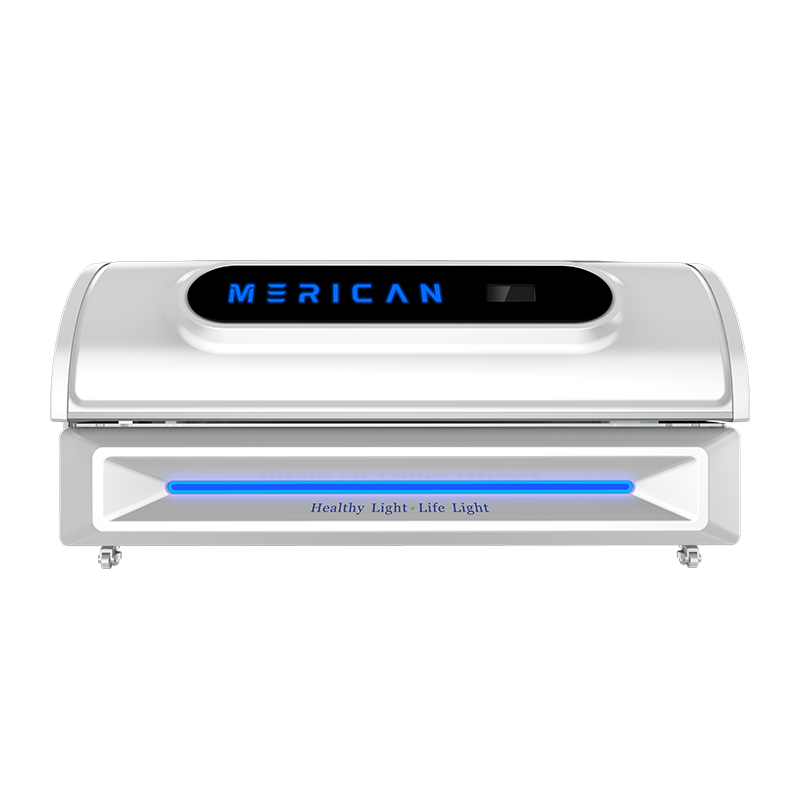
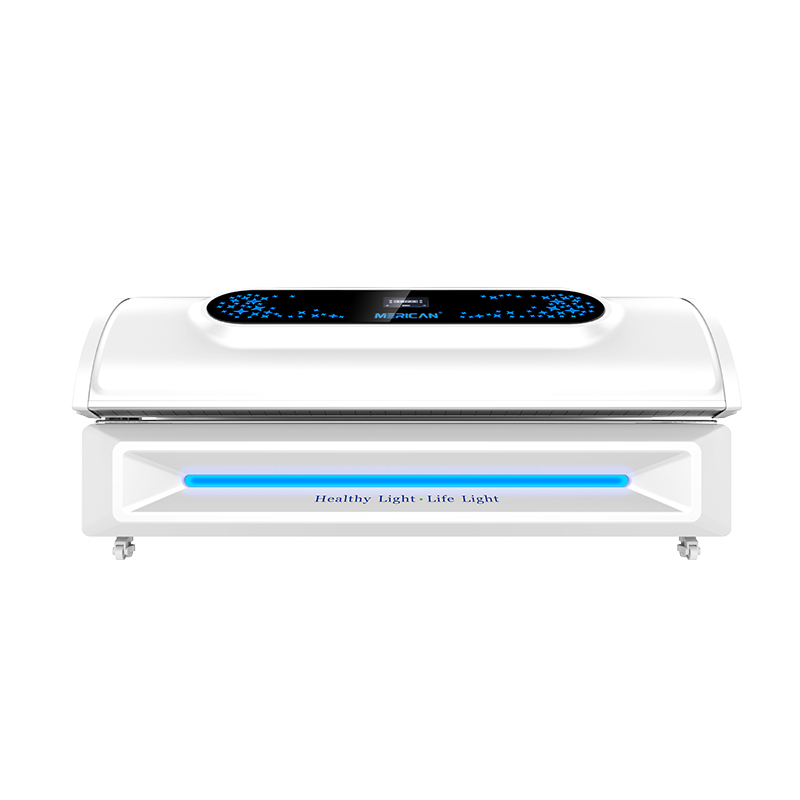
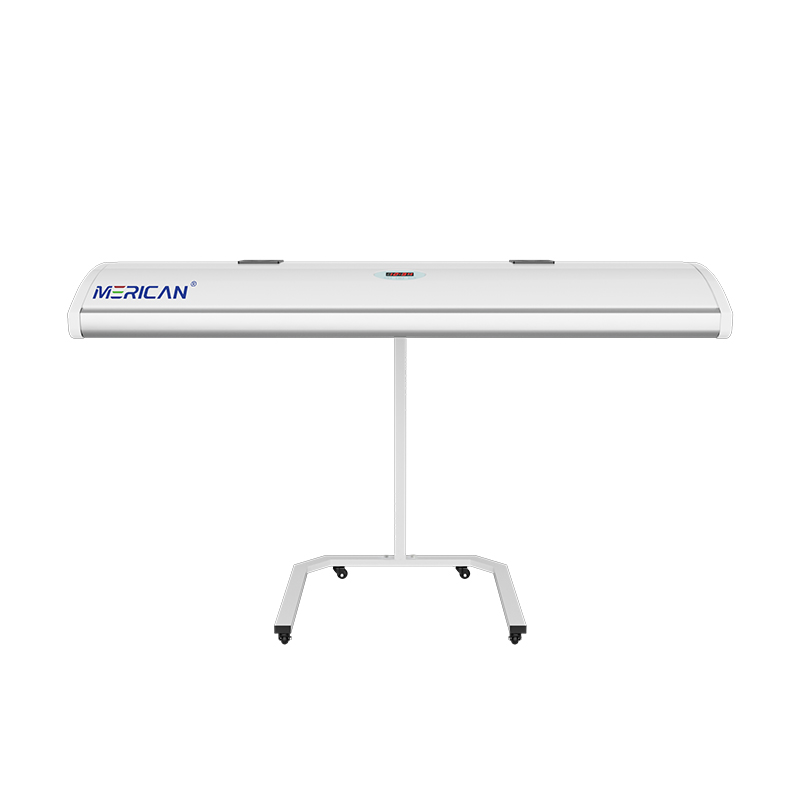
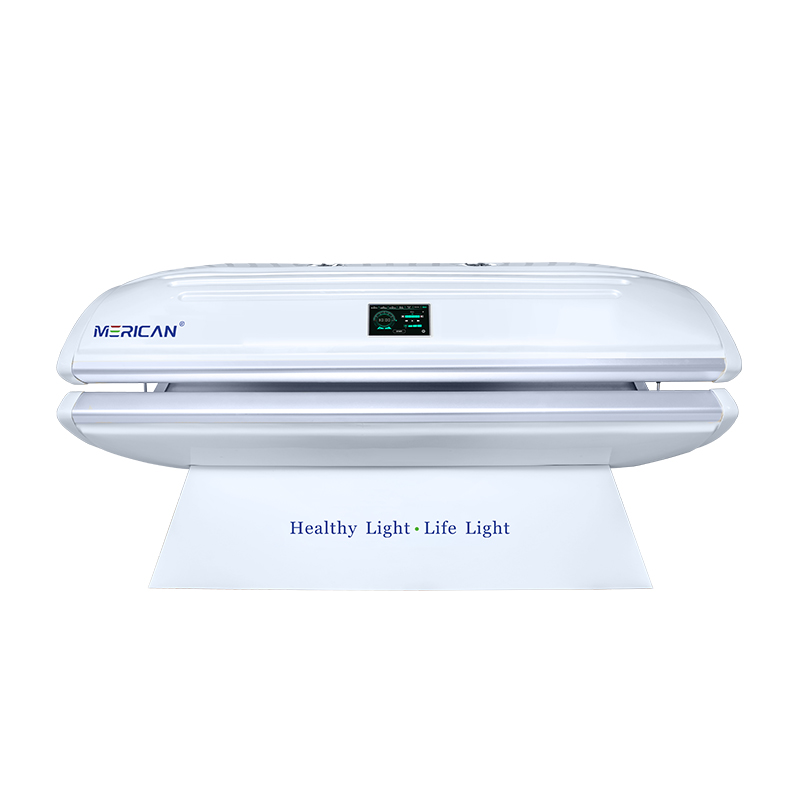
Si consiglia l'utilizzo di una maschera LED professionale o di un dispositivo portatile. Dopo aver pulito e asciugato la pelle, applicare la luce per 10-20 minuti alla volta, 3-5 volte alla settimana. La chiave è “coerenza e regolarità.” Gli utenti in genere riscontrano una riduzione del prurito e un miglioramento delle condizioni della pelle dopo diverse settimane di utilizzo costante.
Nota importante: La terapia con luce rossa è un eccellente metodo di gestione aggiuntivo, non un “farmaco miracoloso” in sostituzione dei trattamenti tradizionali. Consultare sempre il proprio dermatologo prima dell'uso, soprattutto durante le riacutizzazioni acute, e dovrebbe essere utilizzato insieme al normale piano di trattamento.
Conclusione
Per coloro che cercano approcci più naturali e fondamentali per la gestione dell'eczema, la terapia con luce rossa è senza dubbio una scoperta scientifica promettente. Funziona a livello cellulare, fornendo nuove possibilità per riparare la pelle danneggiata e ritrovare comfort e sicurezza.