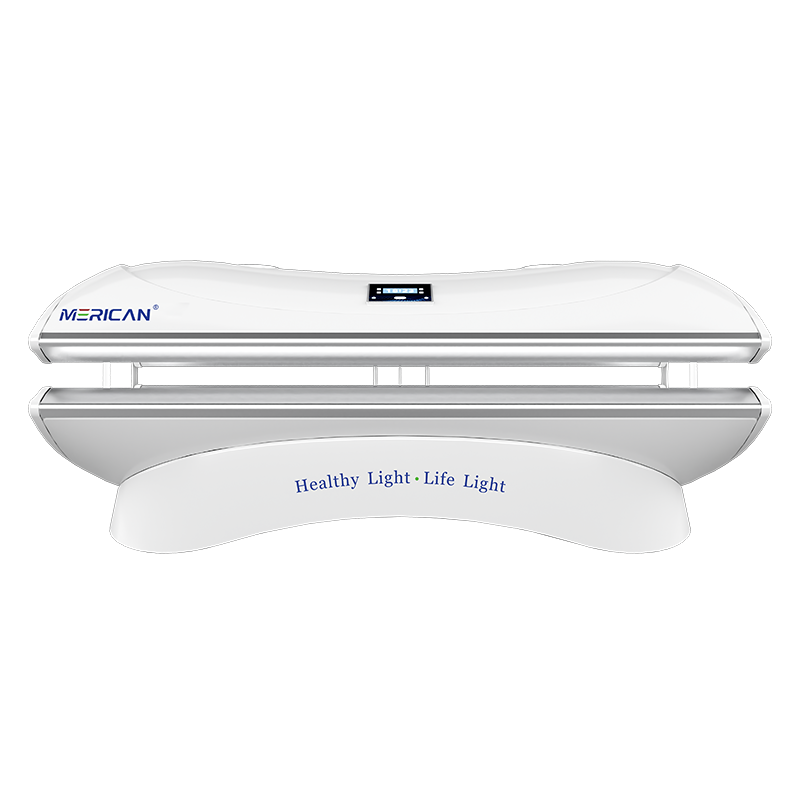
Terapia con la luce rossa, noto anche come fotobiomodulazione, è un trattamento non invasivo che utilizza specifiche lunghezze d'onda del rosso e del vicino infrarosso to support the body’s natural cellular processes. Negli ultimi dieci anni, it has gained attention in wellness, riabilitazione, and aesthetic care.
1. Cos'è la terapia della luce rossa?
Red light therapy involves exposing the body to low-level red and near-infrared light, in genere nel 630–660 nm E 810–880 nm wavelength ranges. A differenza della luce UV, these wavelengths do not damage the skin or DNA.
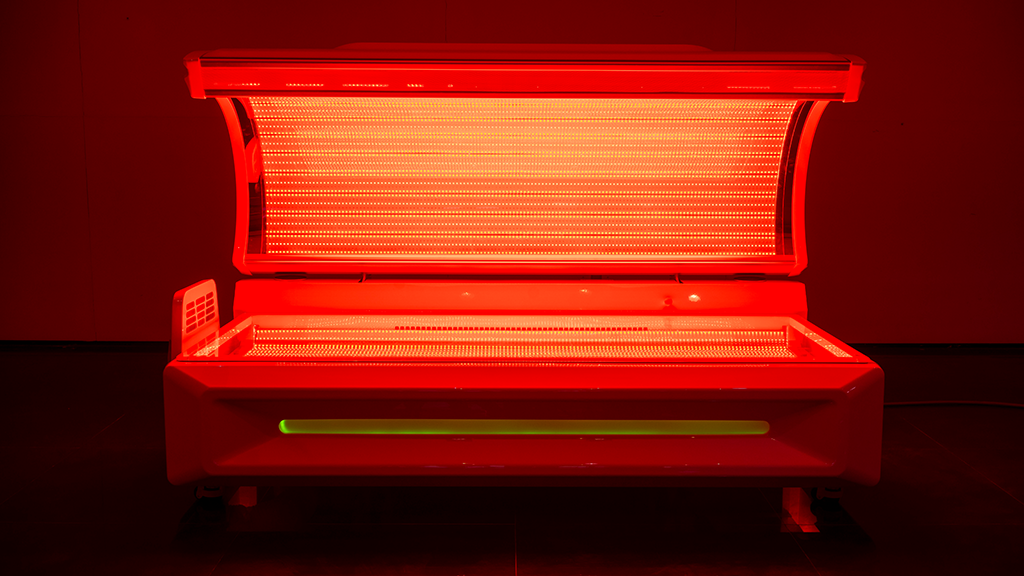
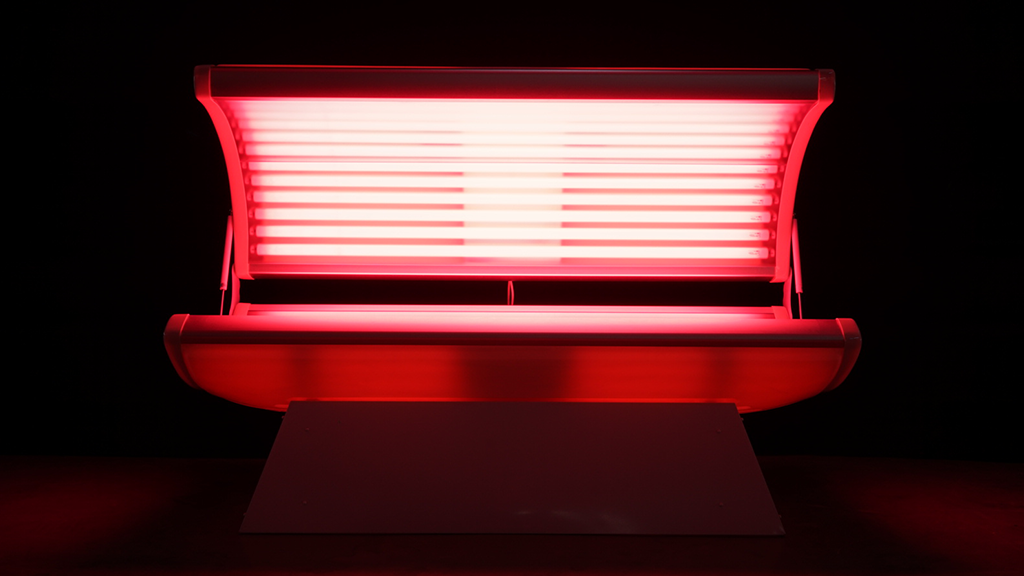
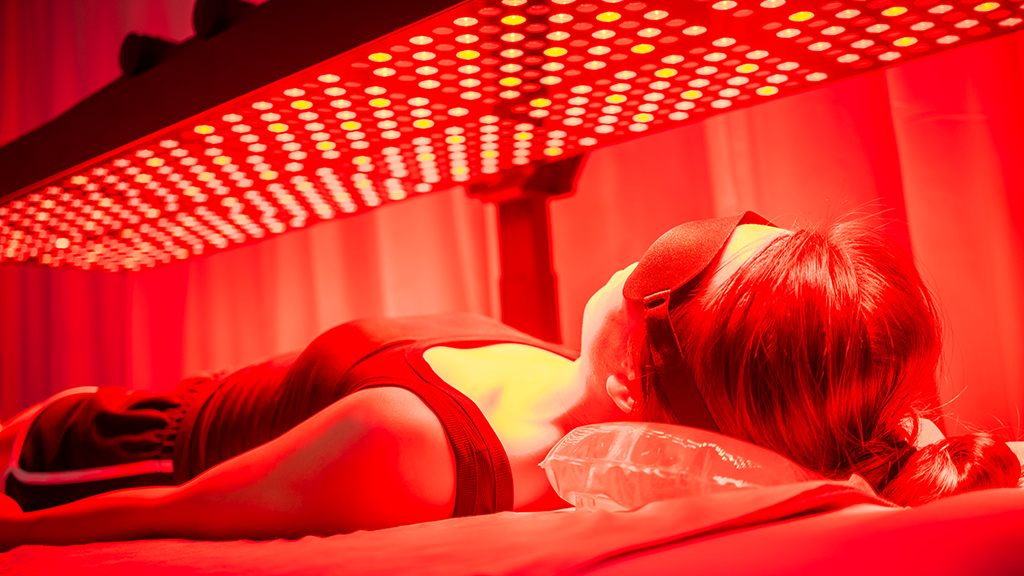
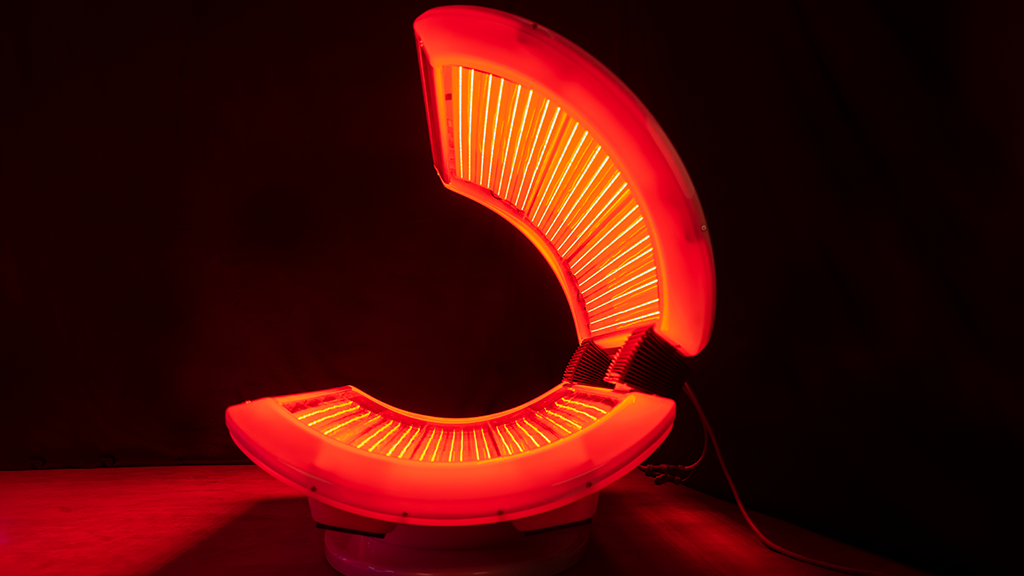
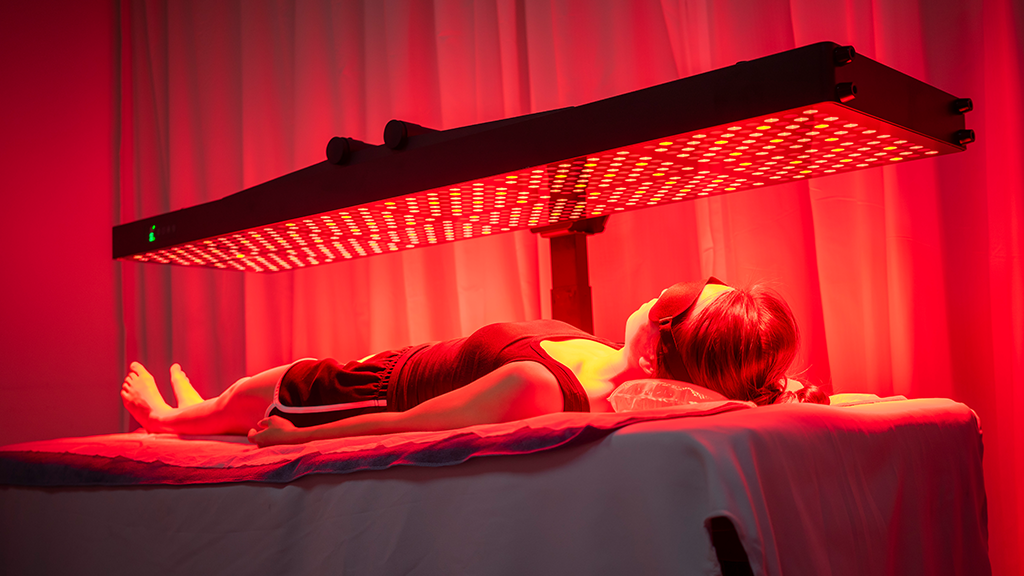
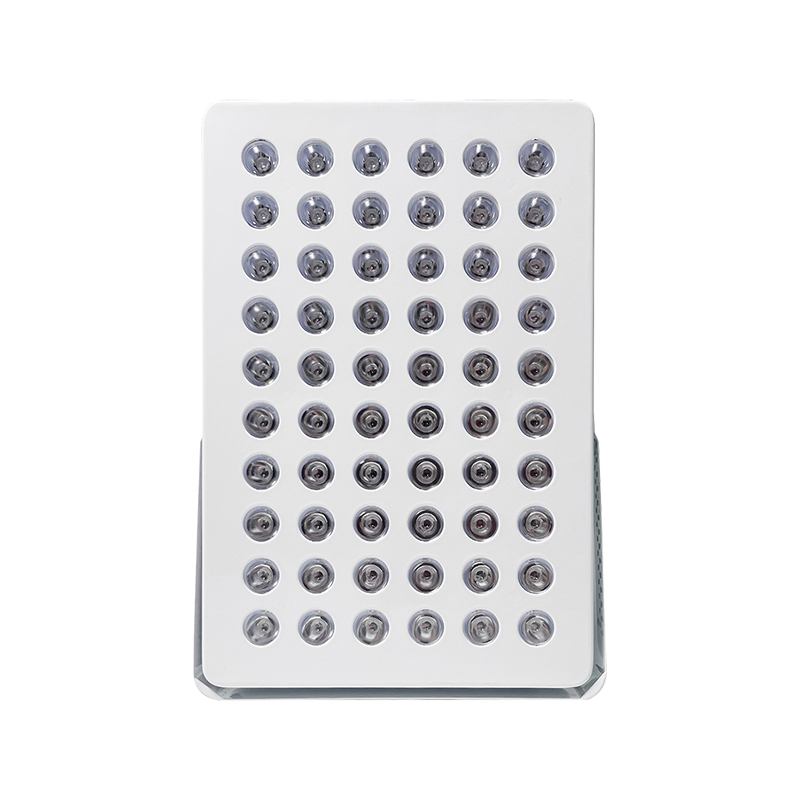
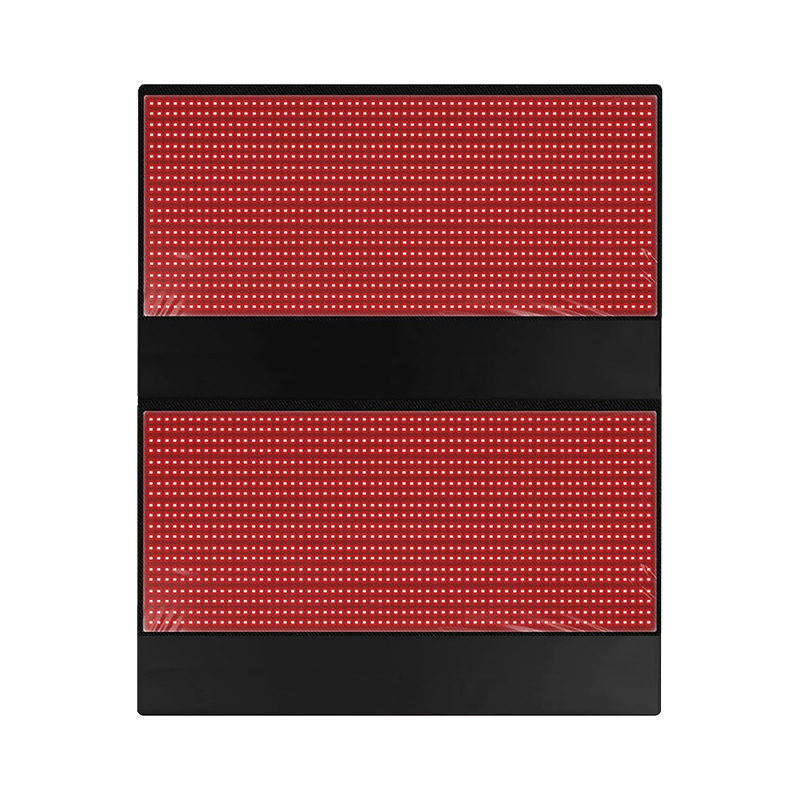
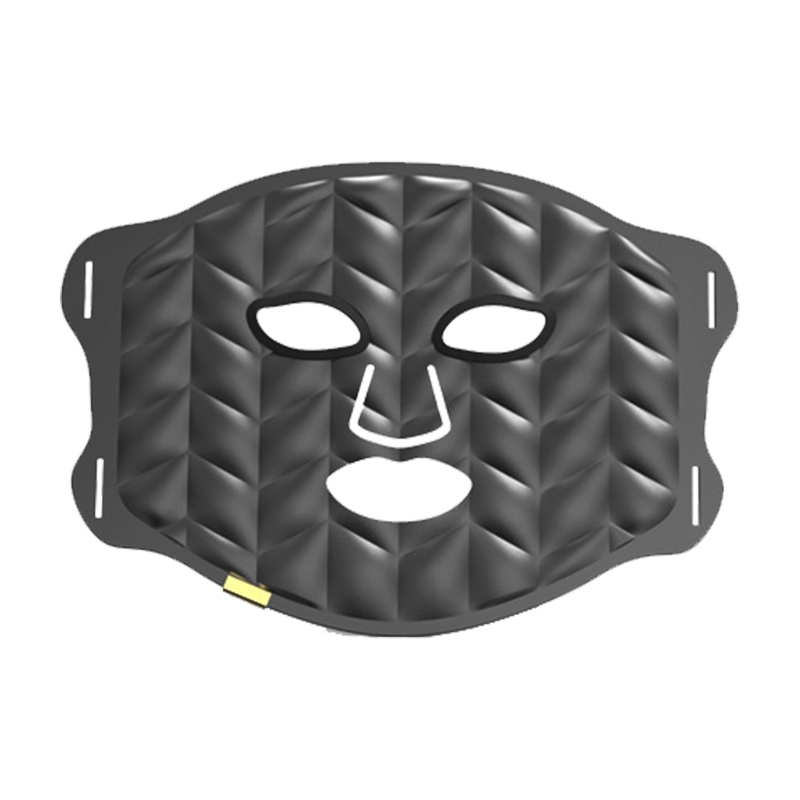
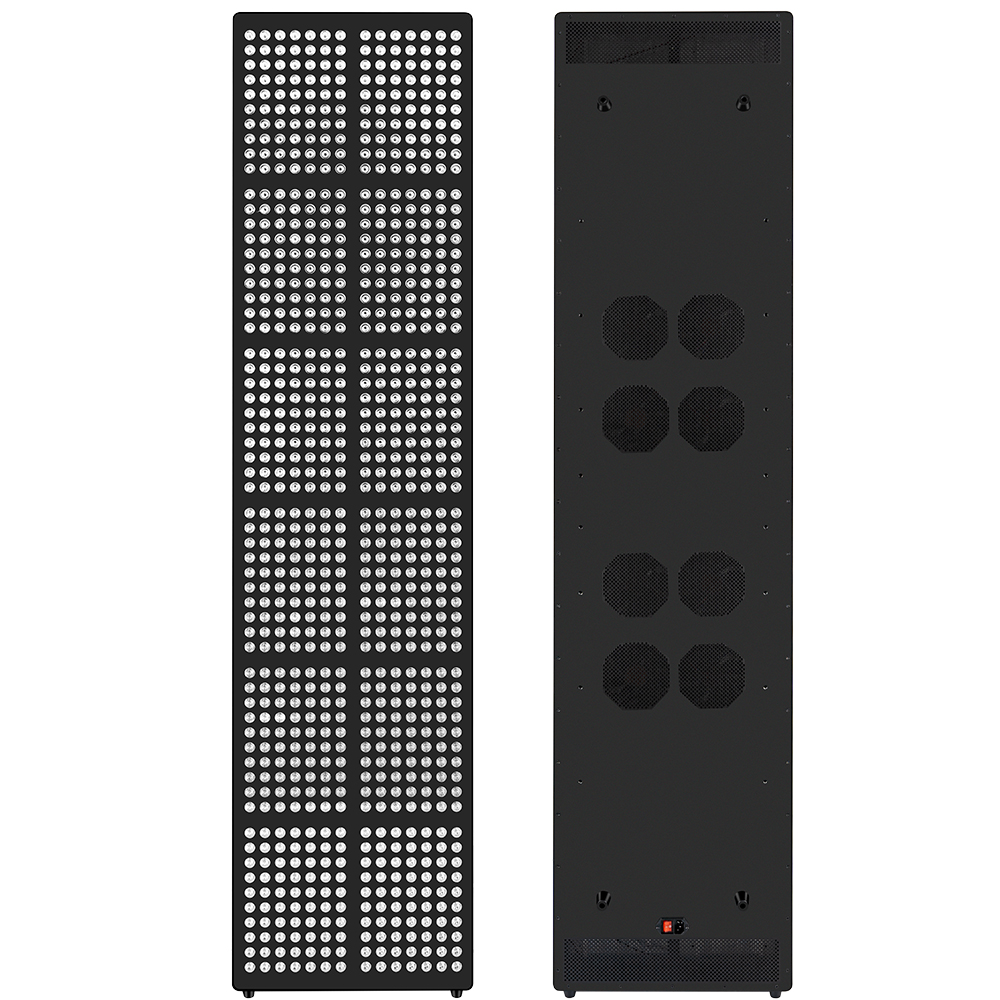
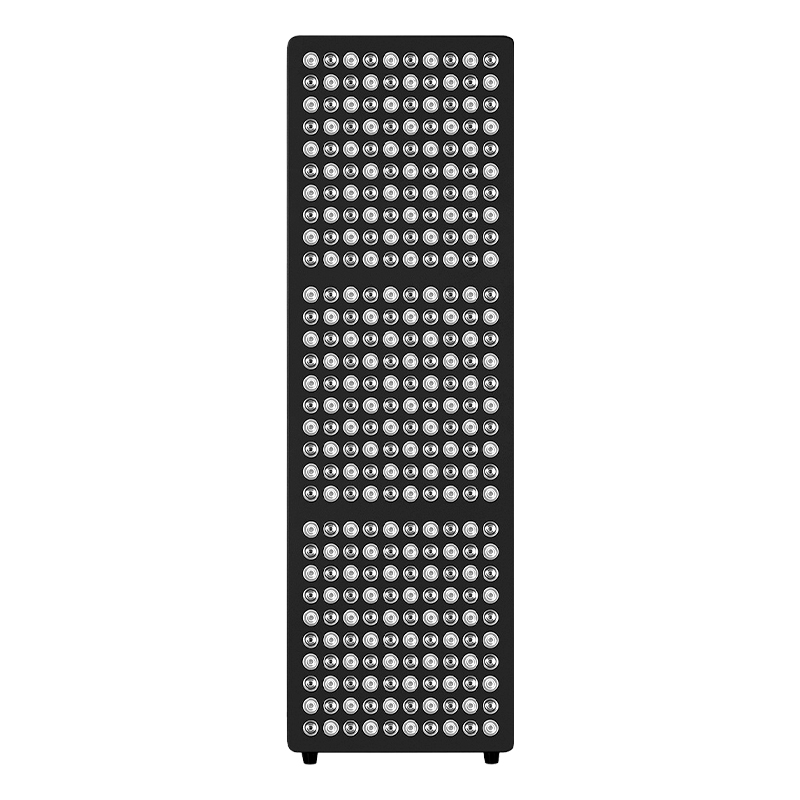
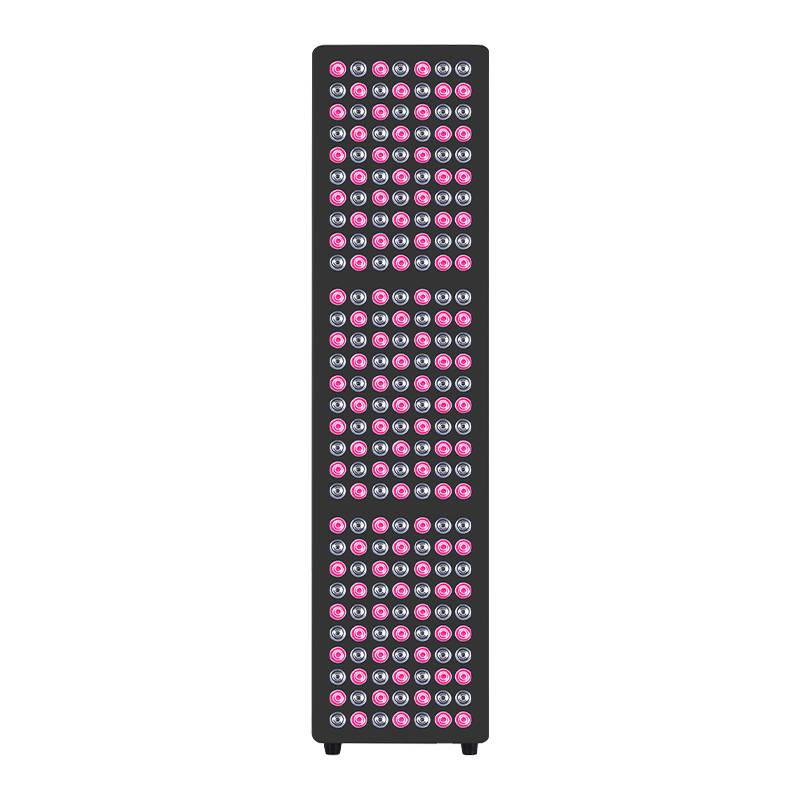
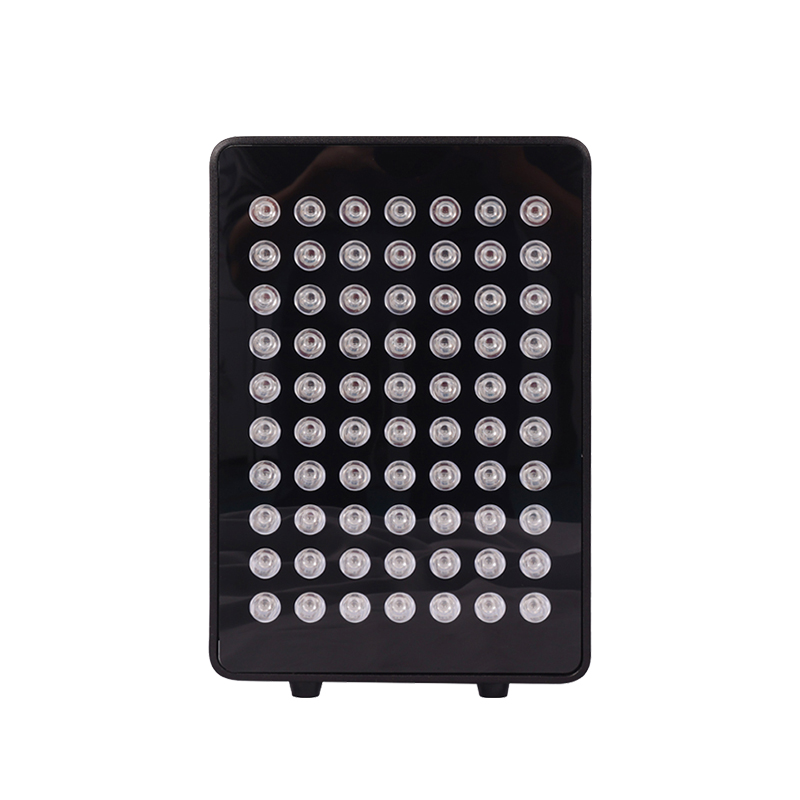
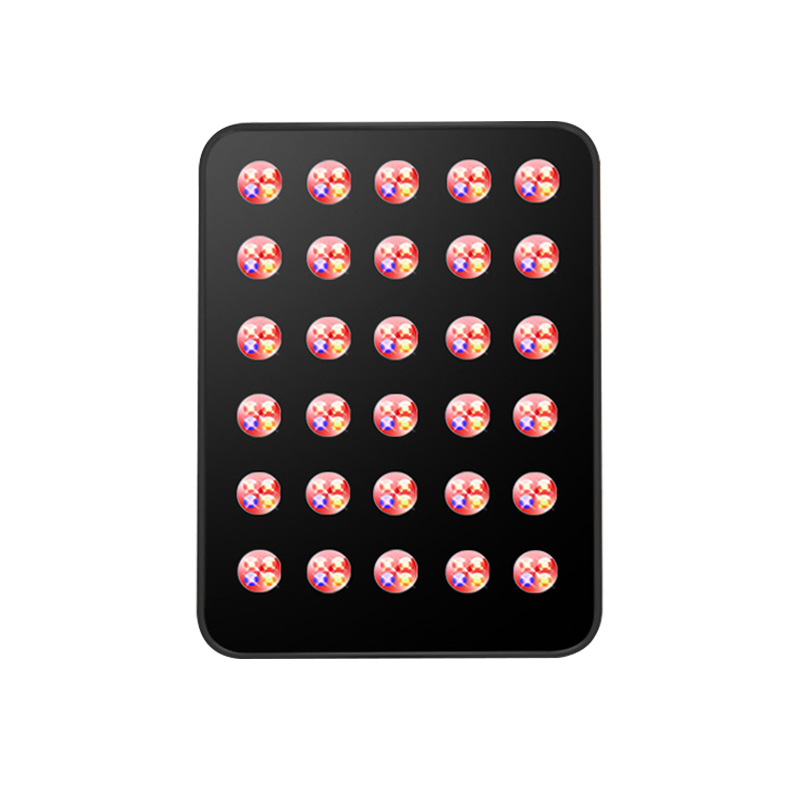
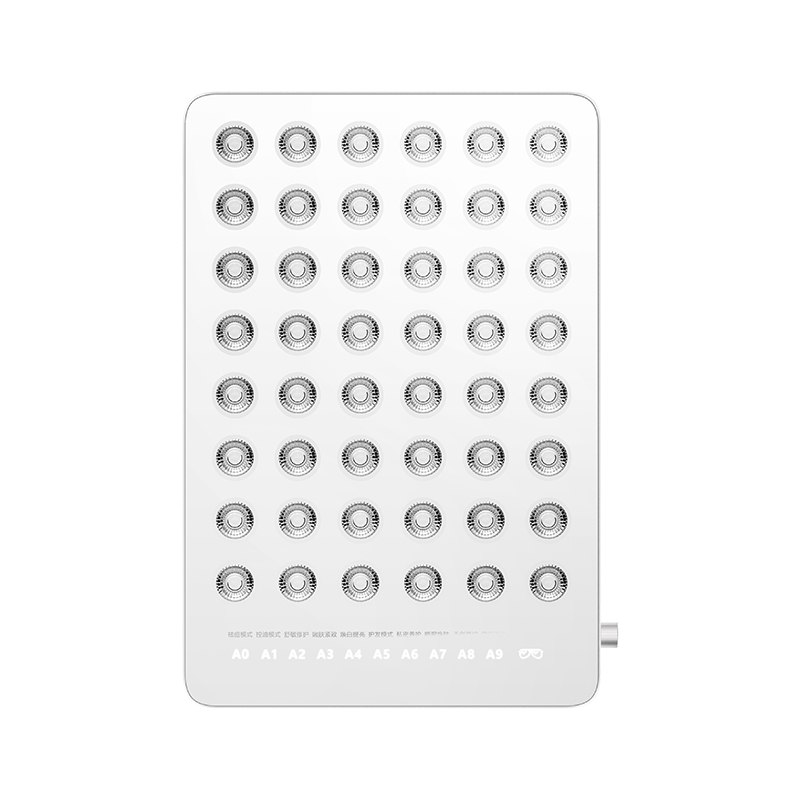
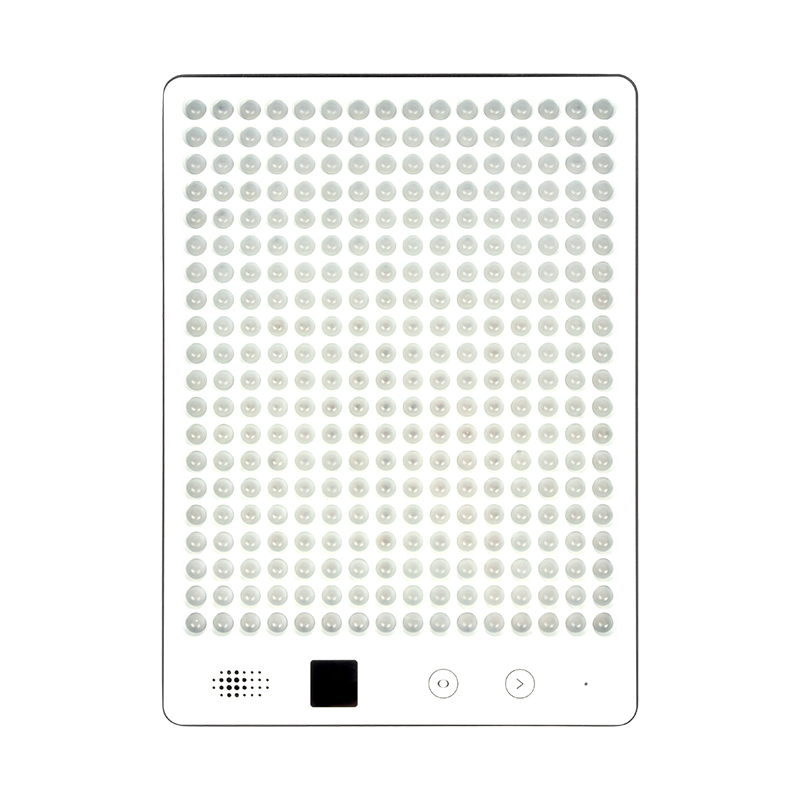
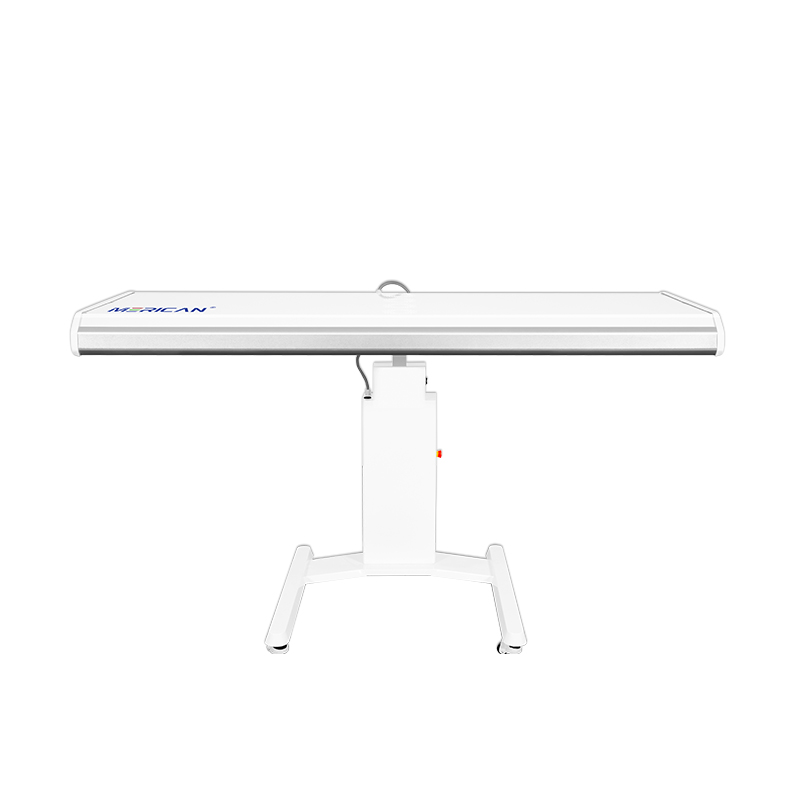
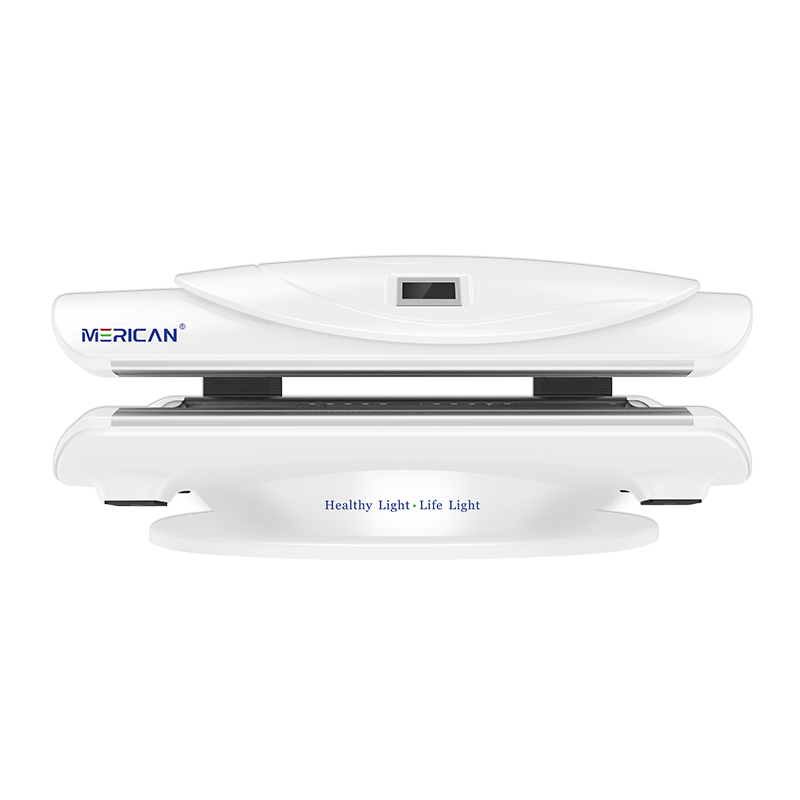
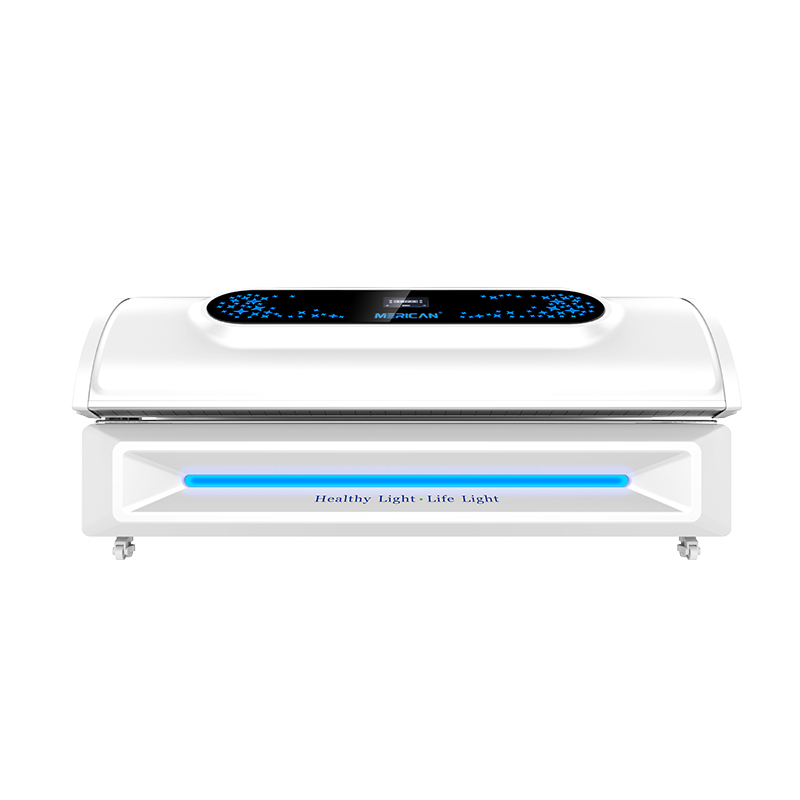
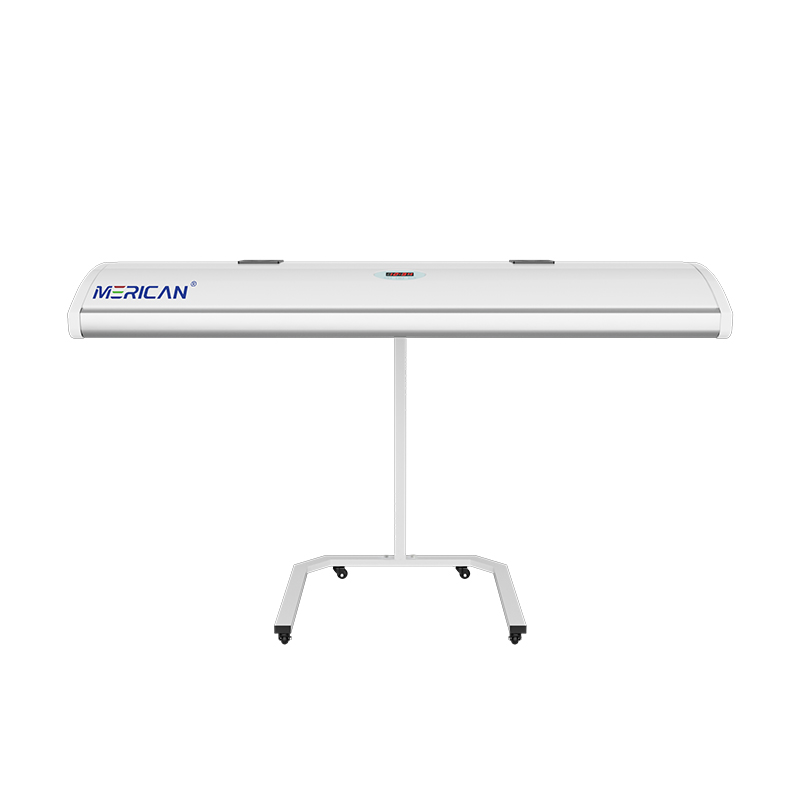
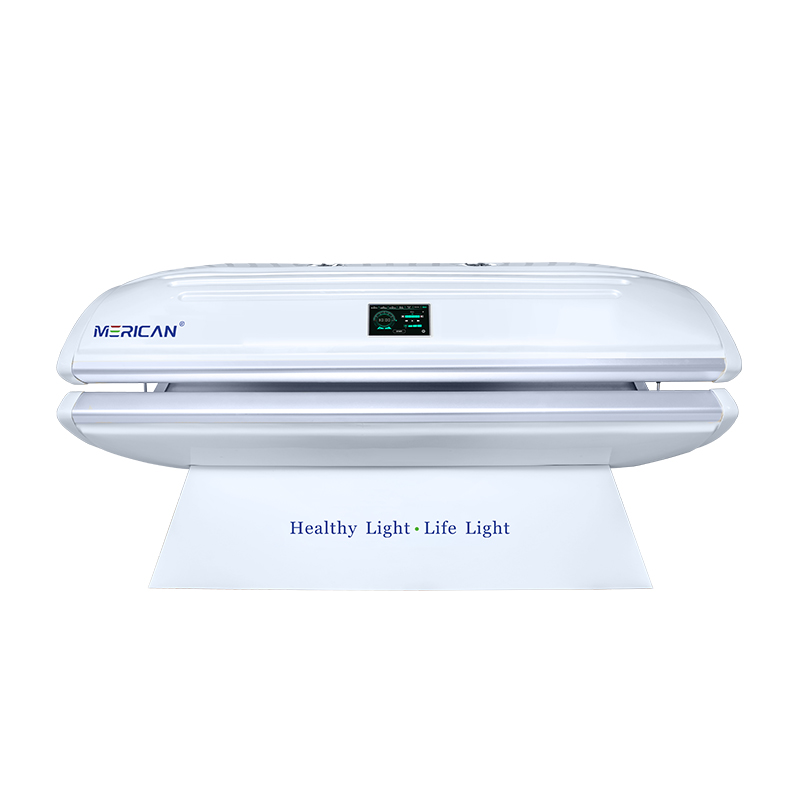
The therapy is delivered using LED panels, dispositivi portatili, o letti per terapia con luce rossa per tutto il corpo.
2. Come funziona la terapia con luce rossa
When red and near-infrared light reaches the skin, it is absorbed by mitochondria—the energy centers of cells. Questa interazione può:
- Supporta l'ATP (energia cellulare) produzione
- Improve oxygen utilization
- Help regulate inflammation responses
These effects explain why red light therapy is explored for skin health, recupero muscolare, and general wellness support.
3. Commonly Discussed Benefits
Research and clinical use often associate red light therapy with:
- Improved skin appearance
- Temporary relief of muscle and joint discomfort
- Enhanced post-exercise recovery
- Support for circulation and tissue repair
Results vary depending on wavelength, intensità, treatment time, and consistency.
4. La terapia con luce rossa è sicura??
Usi della terapia con luce rossa non ionizzante, non-thermal light when properly designed. Most professional and home systems include:
- Controlled exposure times
- Regulated output levels
- Safety testing for repeated use
As with any wellness technology, following manufacturer guidelines is essential.
5. Who Uses Red Light Therapy?
Red light therapy is commonly used by:
- Wellness and fitness enthusiasts
- Physical therapy and recovery clinics
- Dermatology and aesthetic practices
- Spas and professional wellness centers
Conclusione
Red light therapy is a science-backed, non-invasive approach that supports the body’s natural functions. Understanding how it works is the first step to using it effectively and responsibly.