Man mano che la terapia con luce rossa diventa più popolare, it’s important to understand what it realistically offers and where its limitations lie.
1. What Red Light Therapy Is Commonly Used For
In wellness and clinical environments, la terapia con luce rossa è spesso utilizzata come strumento di supporto per:
- Skin tone and texture improvement
- Muscle recovery and relaxation
- Joint and soft tissue comfort
- Stress management and sleep-friendly routines
These uses focus on supportive care, non cure istantanee.
2. What Red Light Therapy Is Not
La terapia con la luce rossa lo è non:
- A replacement for medical treatment
- A cure for chronic disease
- A one-time solution with permanent results
Responsible providers avoid making medical claims beyond established research.
3. Why Results Vary Between Individuals
Outcomes depend on multiple factors:
- Precisione della lunghezza d'onda
- Irradiance and exposure time
- Frequenza del trattamento
- Individual health and lifestyle factors
Consistency often matters more than intensity.
4. Dispositivi domestici vs. Sistemi professionali
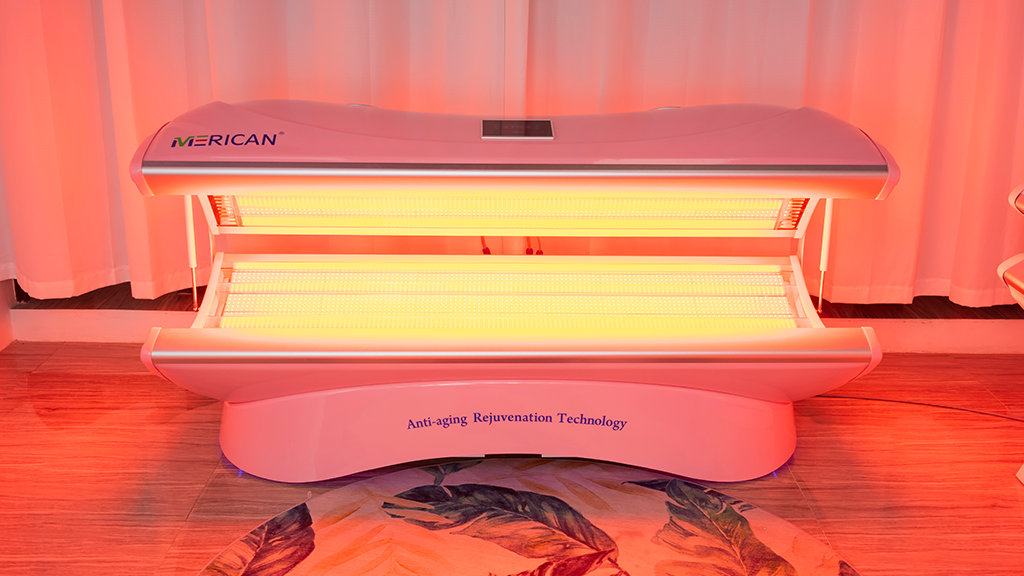
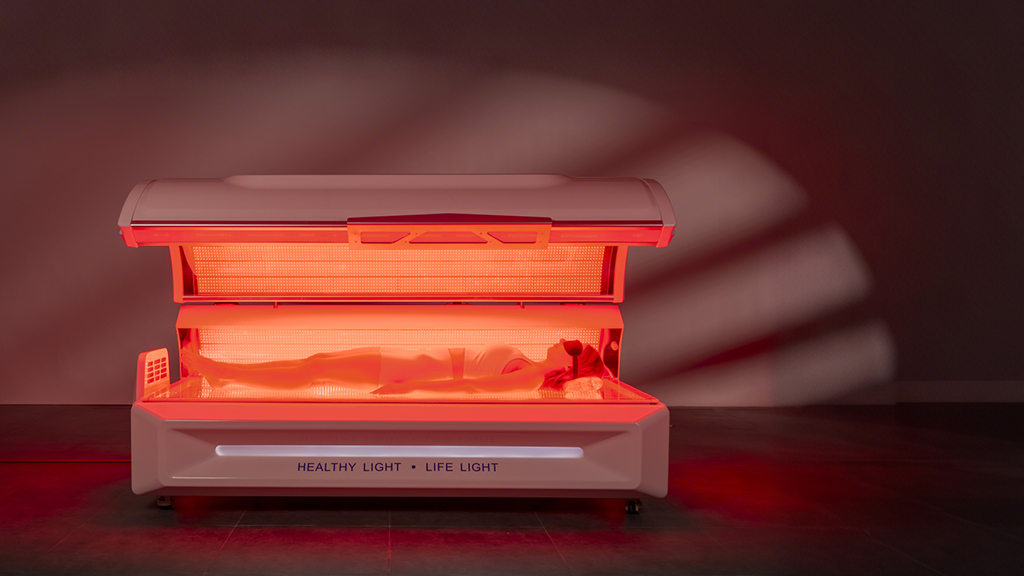
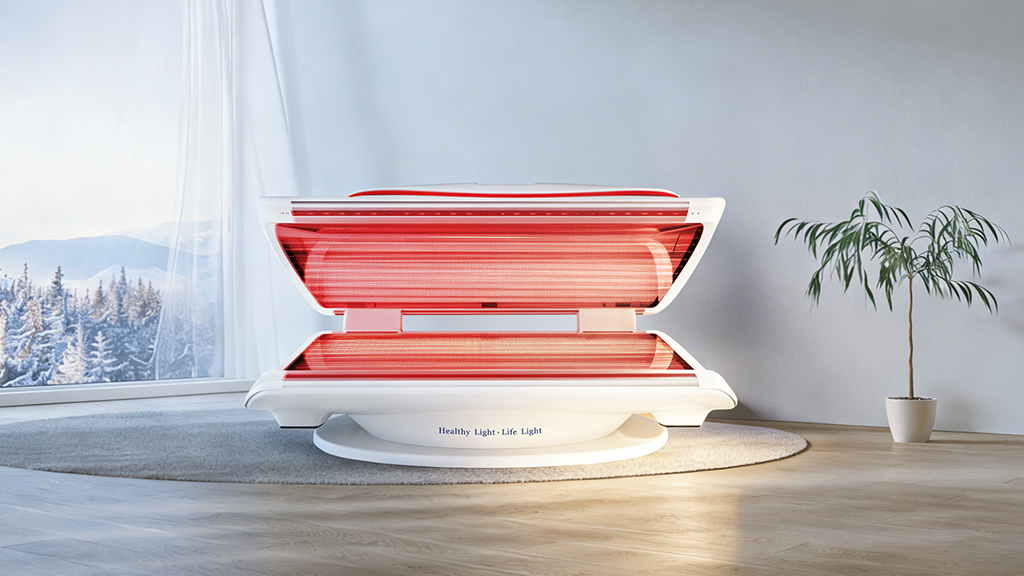
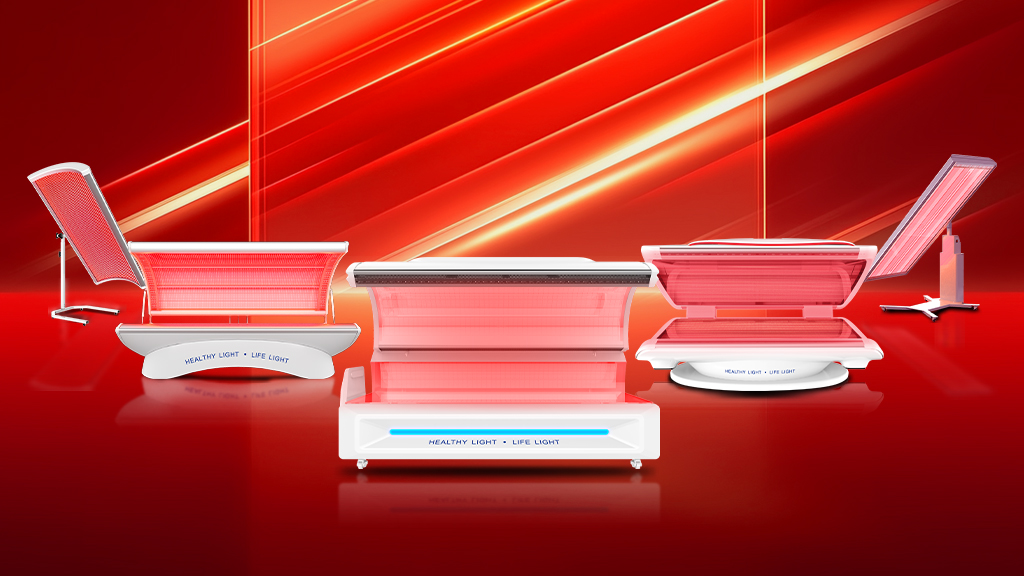
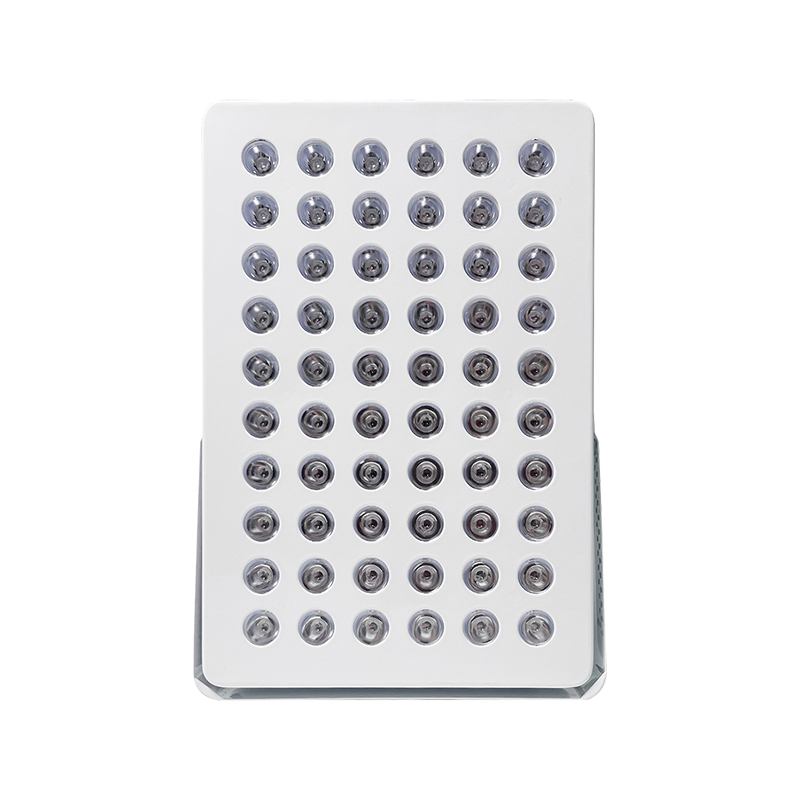
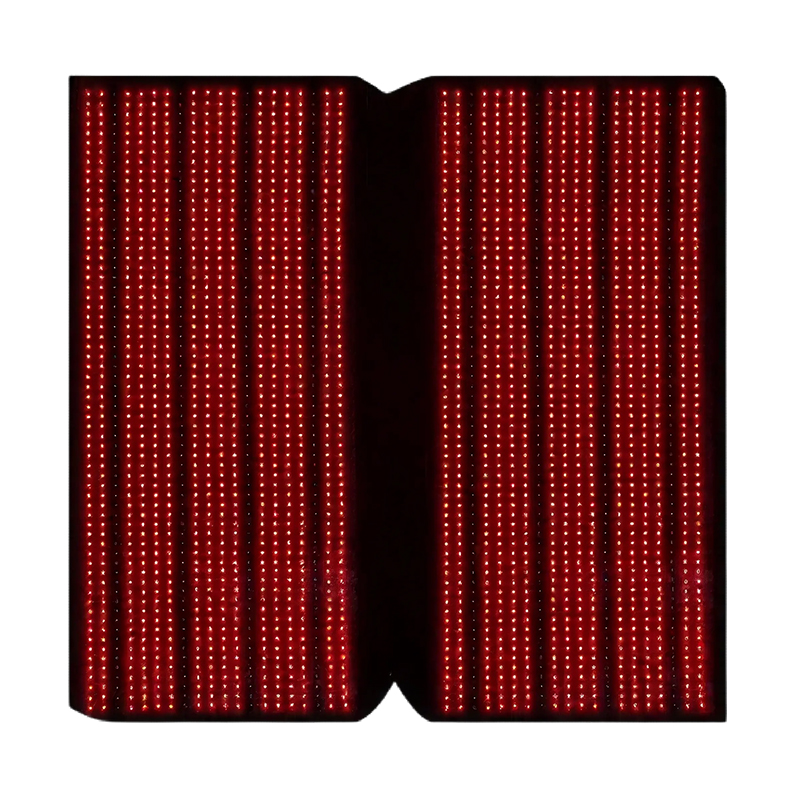
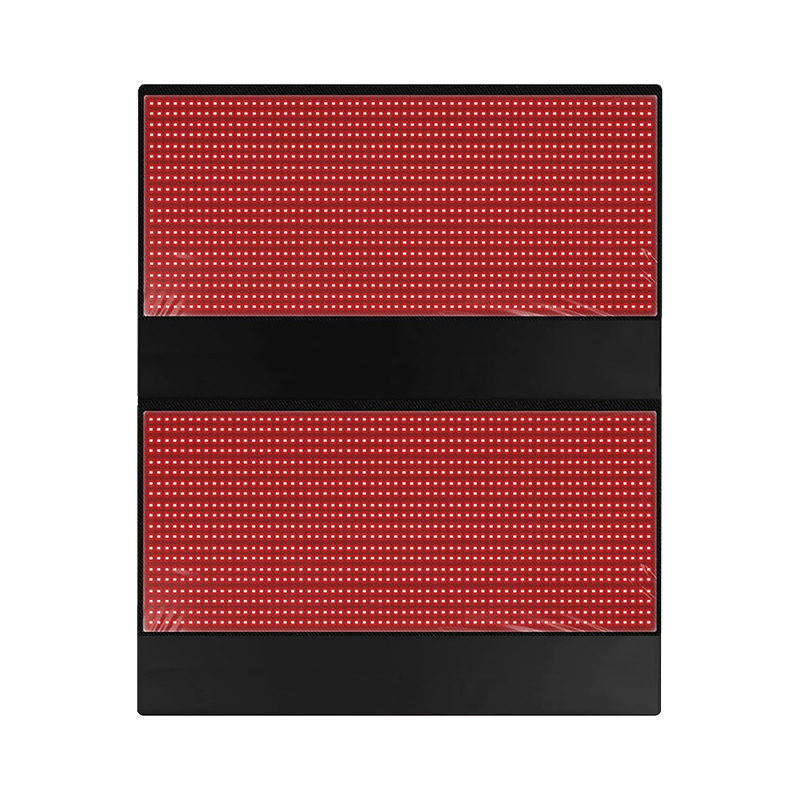
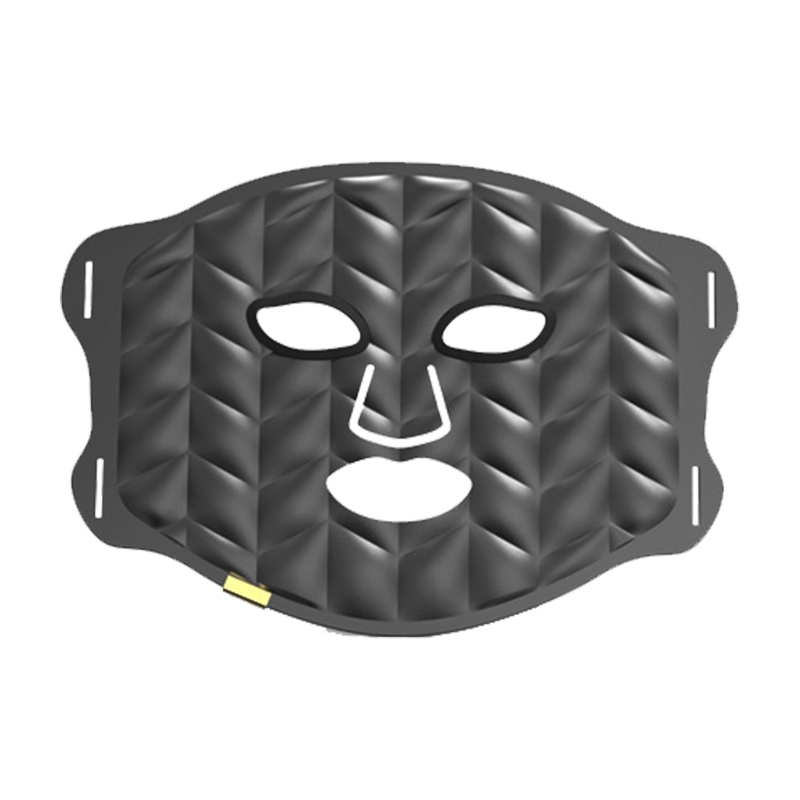
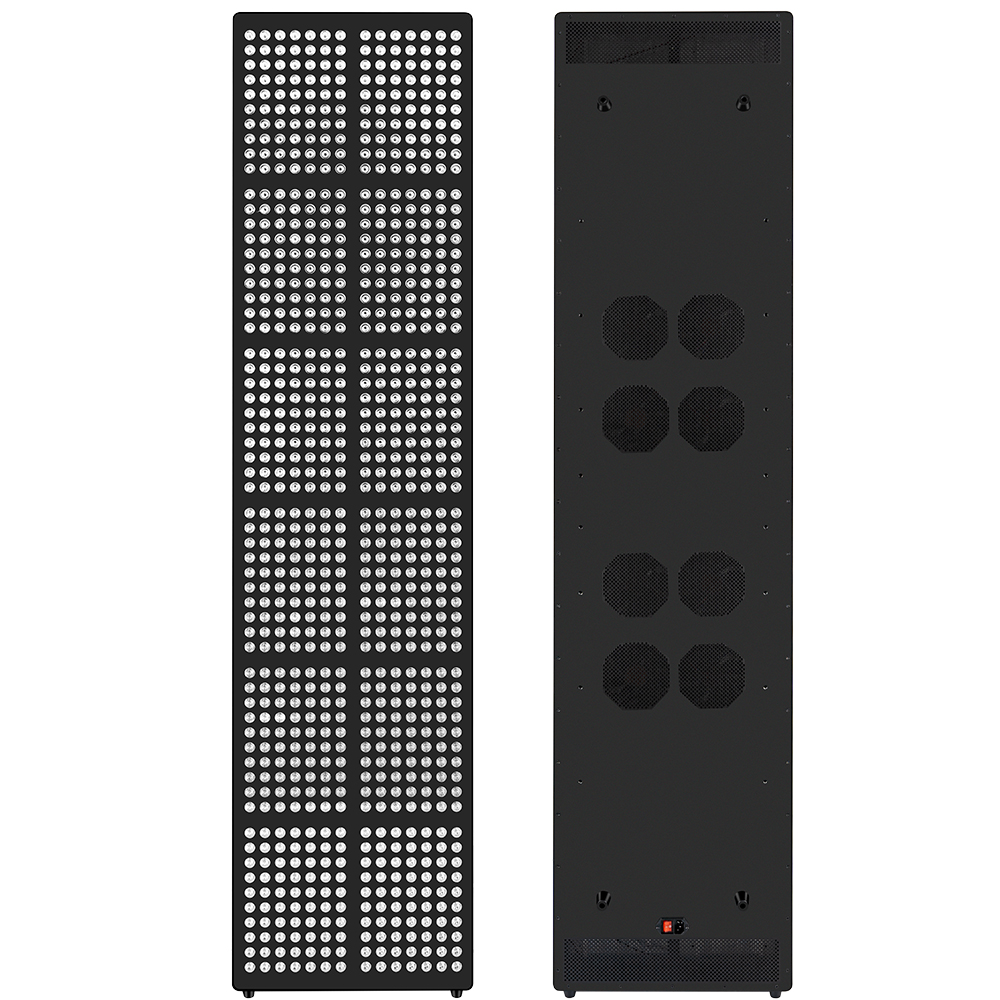
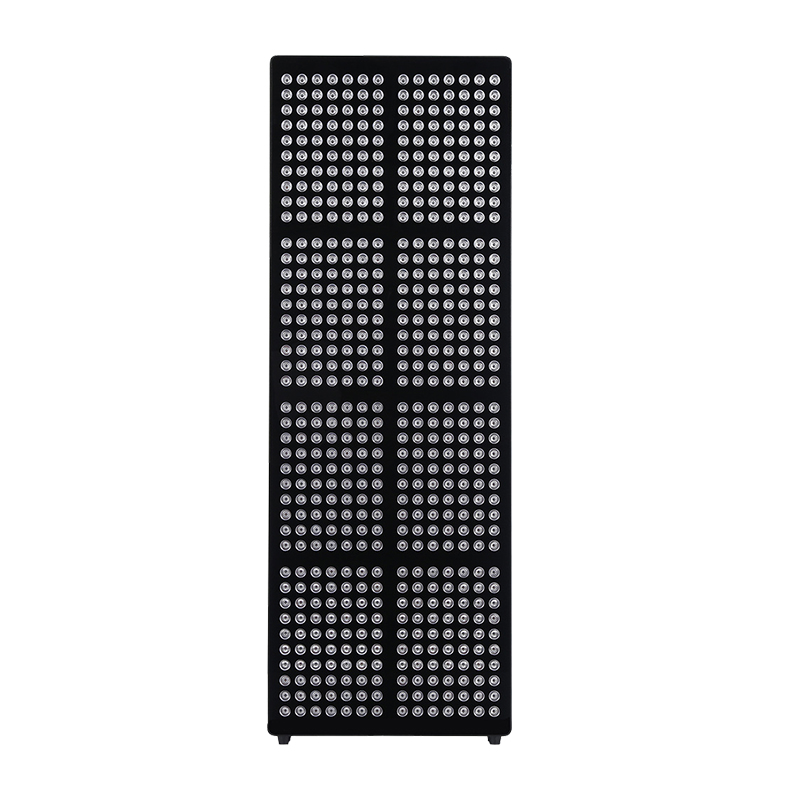
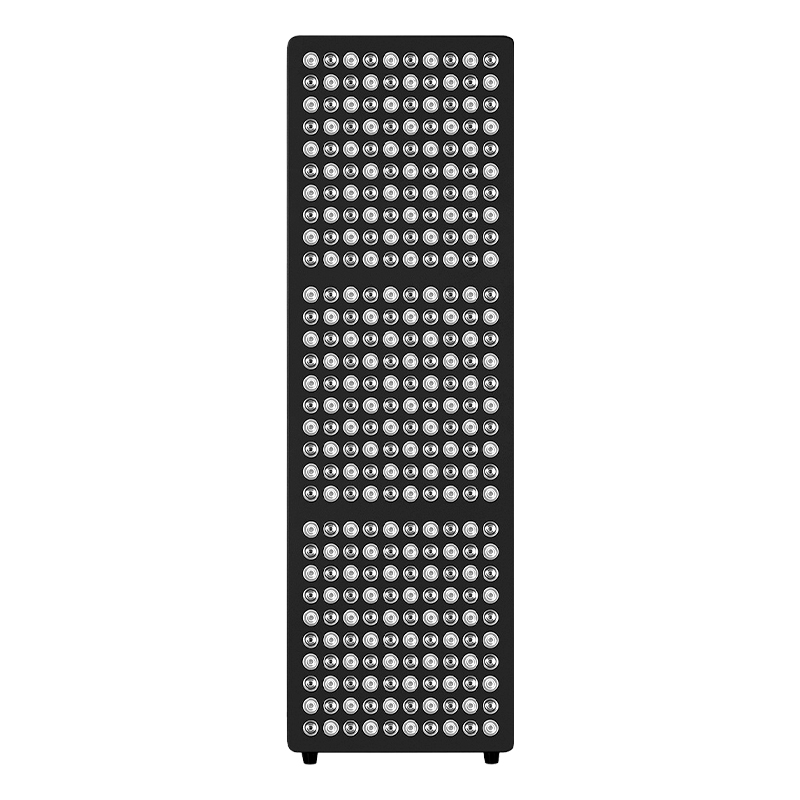
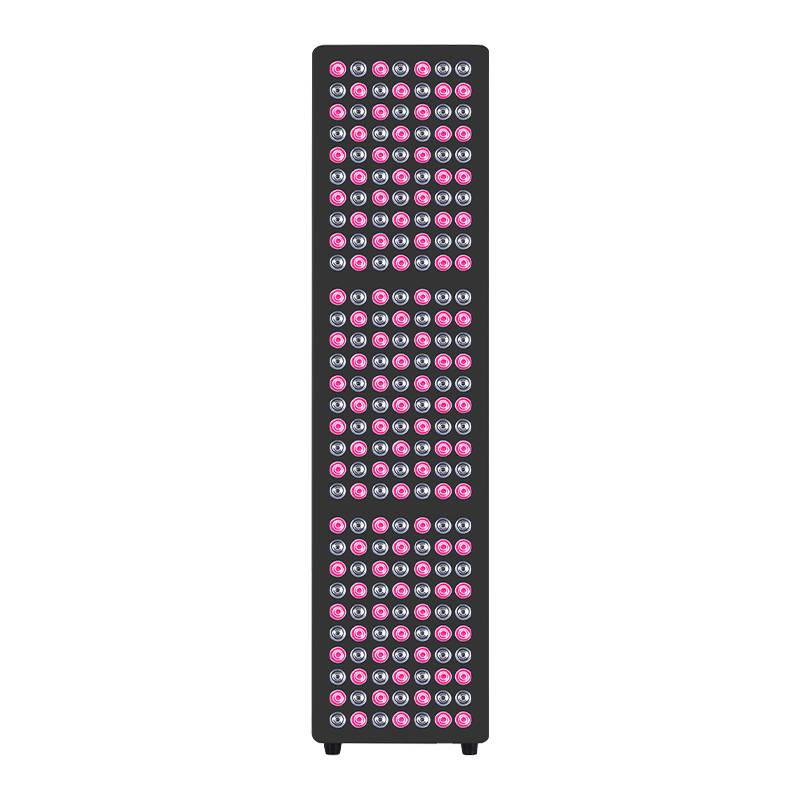
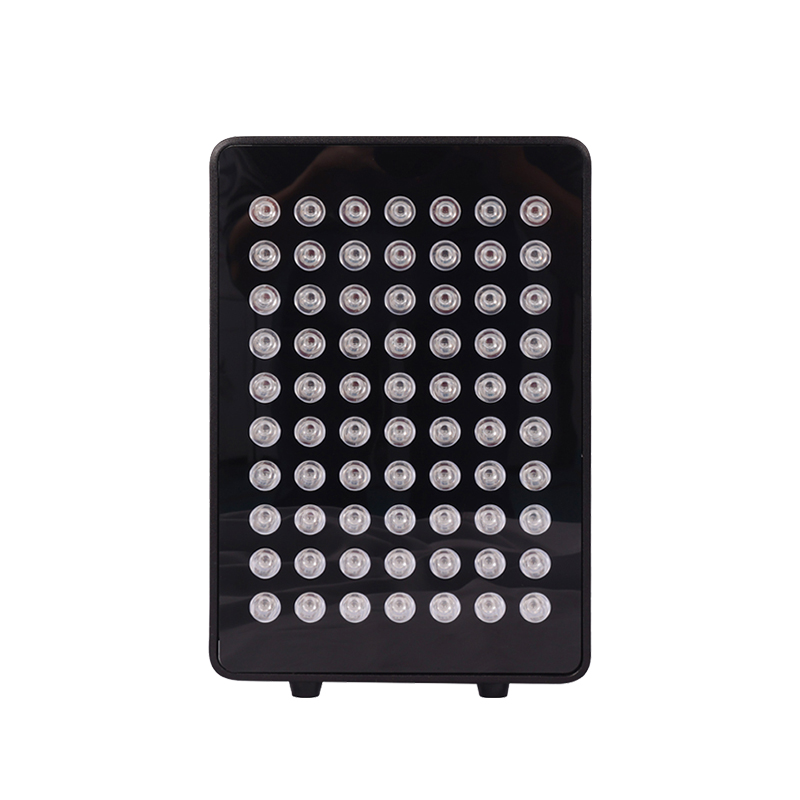
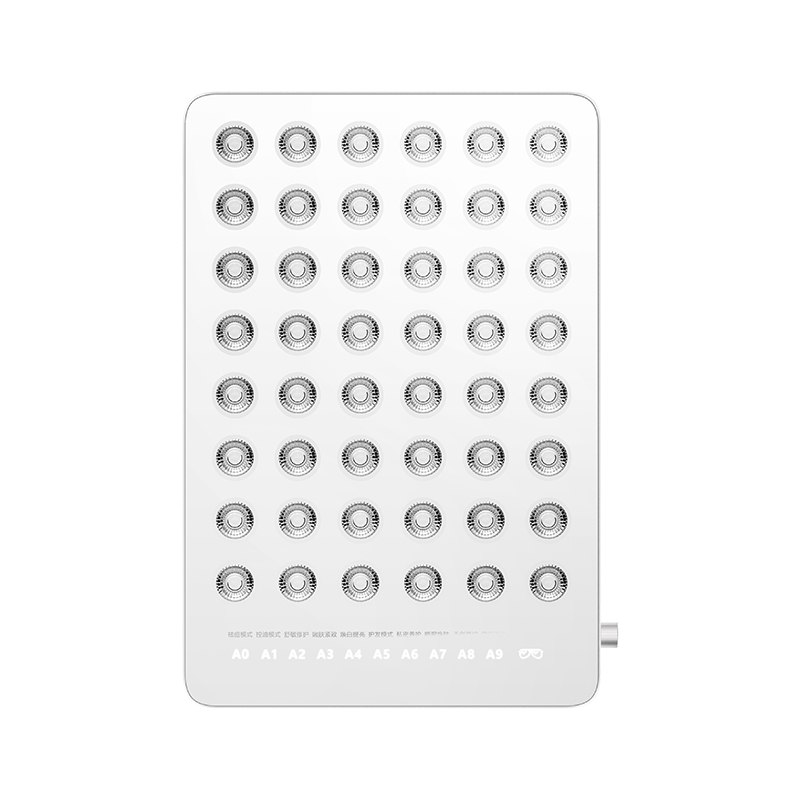
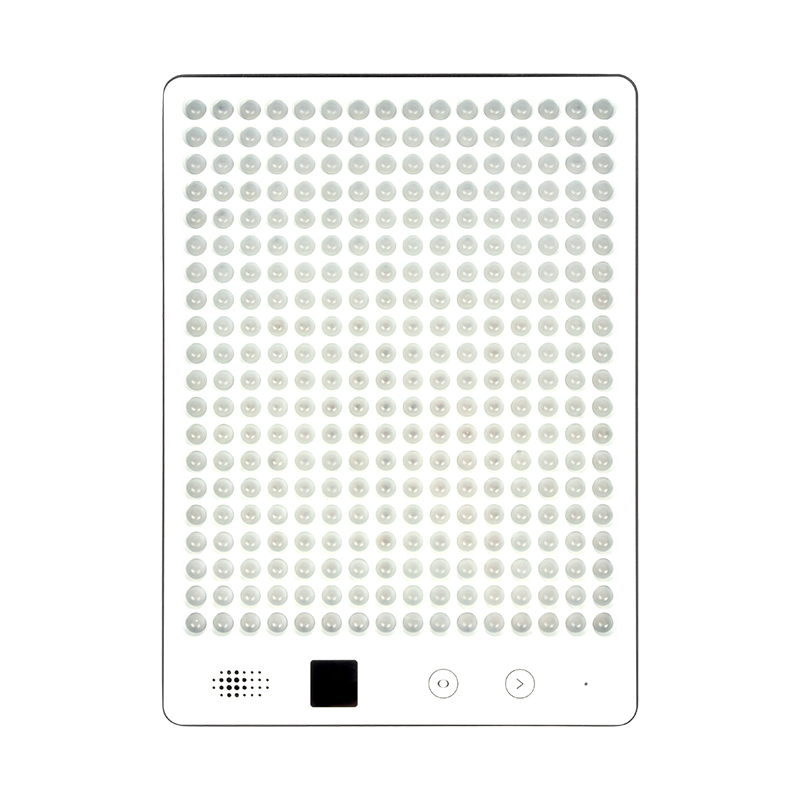
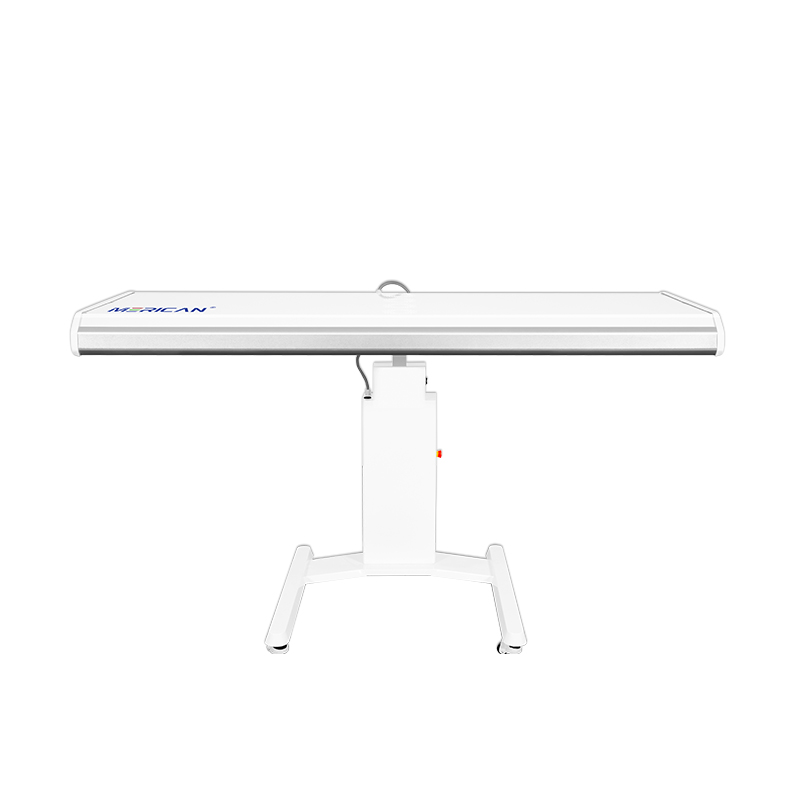
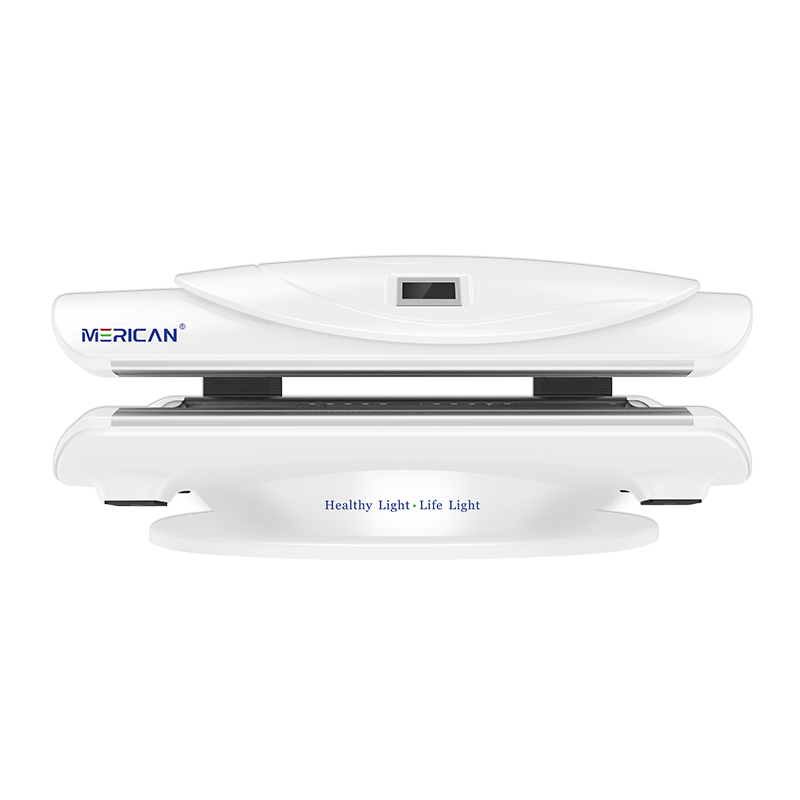
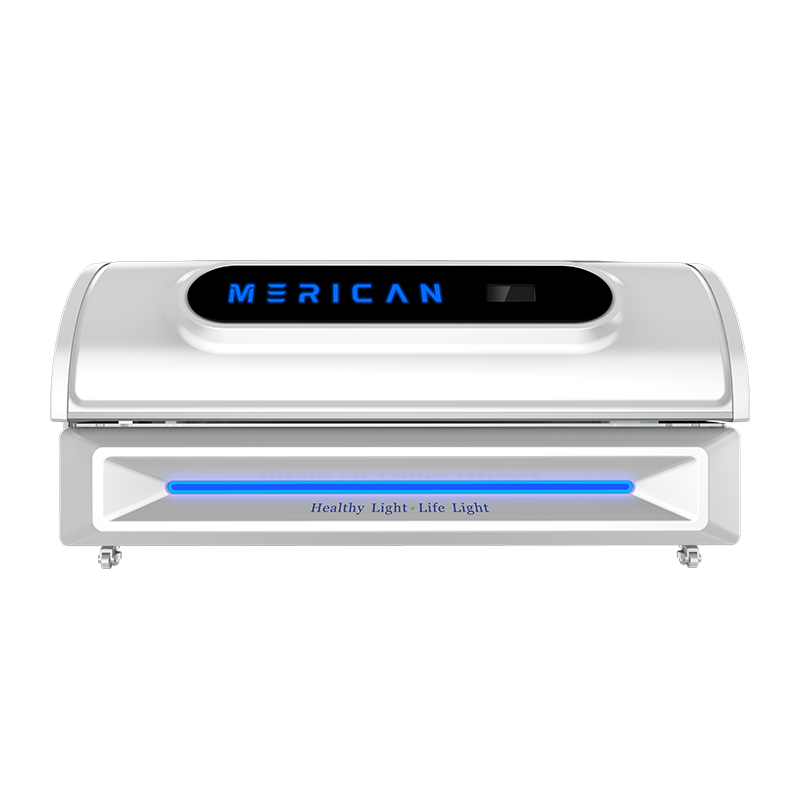
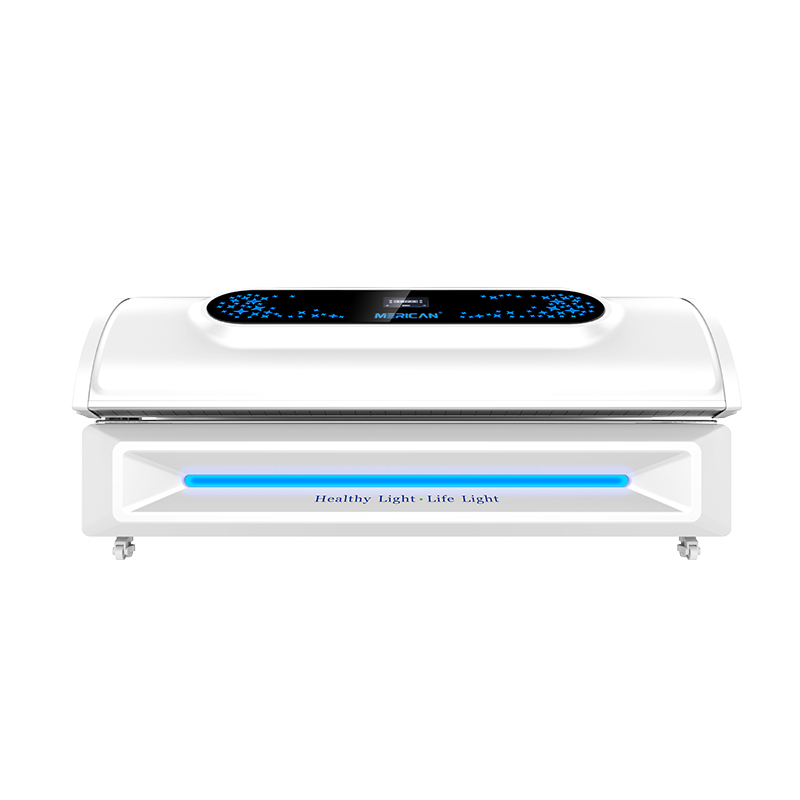
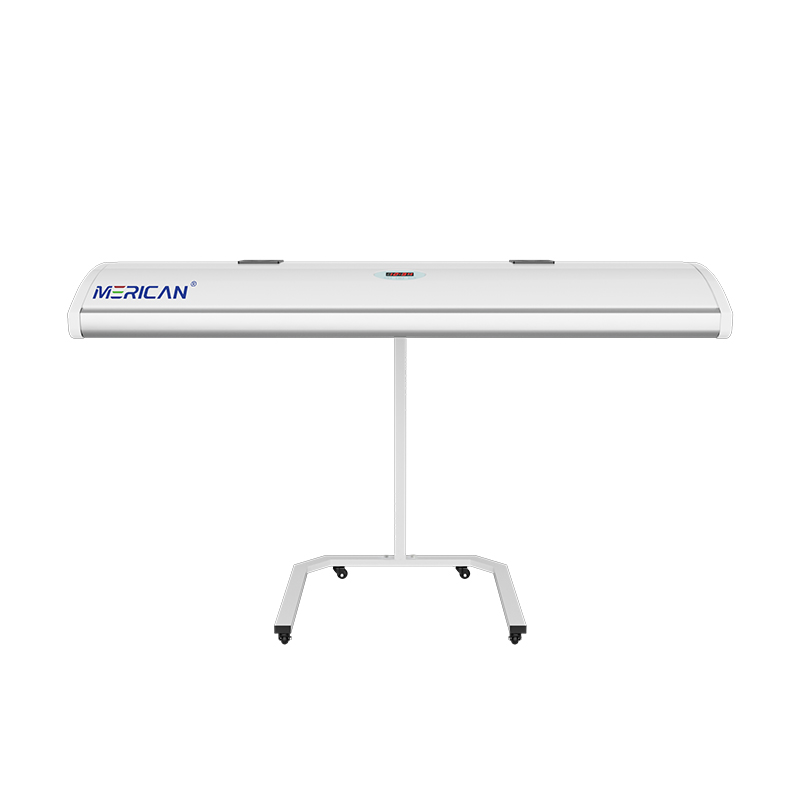
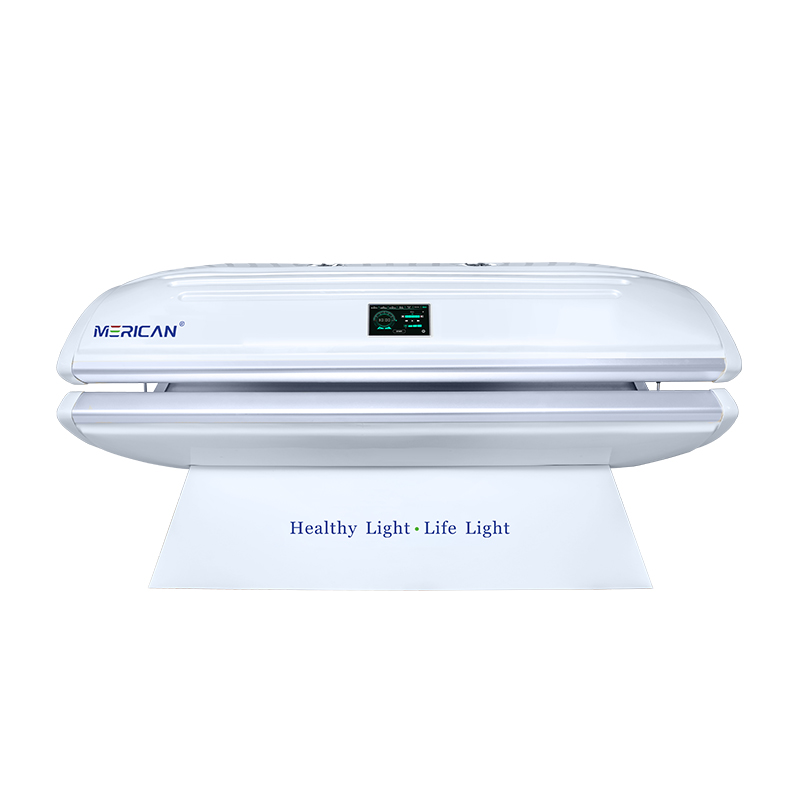
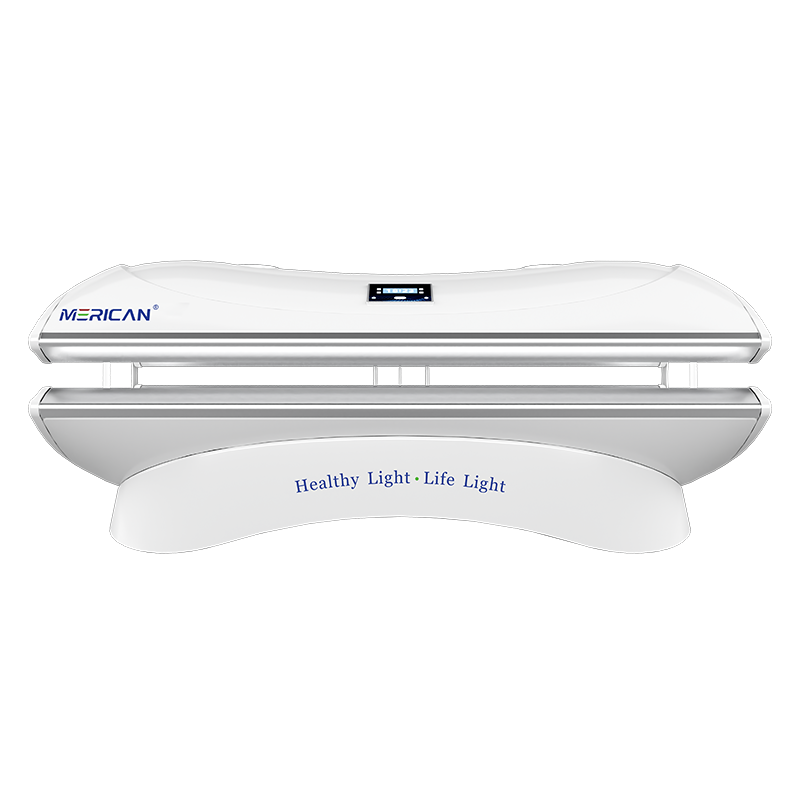
I dispositivi domestici offrono praticità e convenienza. Professional red light therapy beds and panels provide:
- More uniform coverage
- Tempi di sessione più brevi
- Higher consistency for whole-body use
Both can be effective when used appropriately.
5. Setting Realistic Expectations
La maggior parte degli utenti sperimenta graduale, cumulative benefits col tempo. Red light therapy works best as part of a broader wellness or recovery routine.
Conclusione
Red light therapy is a valuable, science-supported wellness technology when used correctly. Understanding both its potential benefits and limitations helps users make informed decisions and achieve more consistent results.