Poiché la terapia con luce rossa diventa sempre più utilizzata per la cura della pelle, recupero, e benessere, molte persone chiedono se sia sicuro da usare terapia con luce rossa durante l'assunzione di antibiotici. La risposta dipende da tipo di antibiotico e sensibilità individuale, piuttosto che la terapia con la luce rossa stessa.
1. La terapia con luce rossa interagisce con gli antibiotici?
La terapia con la luce rossa funziona fotobiomodulazione, utilizzando la luce rossa non ionizzante e il vicino infrarosso per supportare l’energia cellulare e la funzione dei tessuti.
Lo fa non altera il metabolismo dei farmaci nel fegato o nei reni e lo fa non interagiscono chimicamente con antibiotici.
Tuttavia, alcuni antibiotici possono aumentare fotosensibilità, che possono influenzare il modo in cui la pelle risponde all’esposizione alla luce.
2. Cos’è la fotosensibilità e perché è importante?
Alcuni antibiotici rendono la pelle più sensibile alla luce, una condizione nota come fotosensibilità indotta da farmaci. Ciò può aumentare il rischio di:
- Arrossamento della pelle
- Sensazioni di irritazione o bruciore
- Eruzione cutanea dopo l'esposizione alla luce
Le classi di antibiotici comuni associate alla fotosensibilità includono:
- Tetracicline (per esempio., Doxiciclina)
- Fluorochinoloni (per esempio., ciprofloxacina)
- Sulfamidici
Mentre la fotosensibilità è più comunemente collegata a Luce UV, si consiglia comunque cautela con qualsiasi terapia basata sulla luce.
3. La terapia con luce rossa è più sicura della luce UV quando si assumono antibiotici??
SÌ, generalmente. Usi della terapia con luce rossa lunghezze d'onda non UV, che hanno molte meno probabilità di innescare reazioni fotosensibili rispetto alla luce solare o ai lettini abbronzanti.
Detto questo, aumento della sensibilità della pelle può ancora verificarsi in alcuni individui.
4. Consigli pratici per la sicurezza se stai assumendo antibiotici
Se stai usando antibiotici e stai considerando la terapia con la luce rossa:
- Inizia con sessioni più brevi
- Monitorare attentamente la risposta cutanea
- Evitare l'esposizione ad alta intensità o prolungata
- Non trattare aree con eruzioni cutanee attive o irritazioni
Se compaiono fastidio o arrossamenti insoliti, interrompere l'uso e consultare un operatore sanitario.
5. Quando evitare temporaneamente la terapia con luce rossa
Potrebbe essere meglio ritardare la terapia con la luce rossa se tu:
- Stanno sperimentando forti reazioni di fotosensibilità
- Presenta pelle infiammata o infetta nel sito di trattamento
- Non sei sicuro che il tuo farmaco aumenti la sensibilità alla luce
In questi casi si consiglia una guida professionale.
6. Dispositivi domestici vs. Sistemi professionali
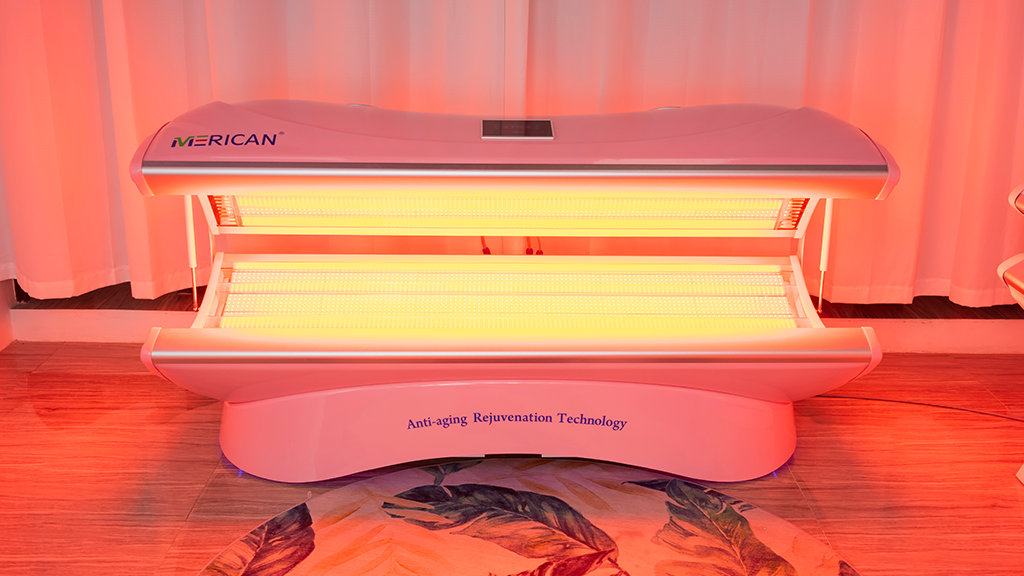
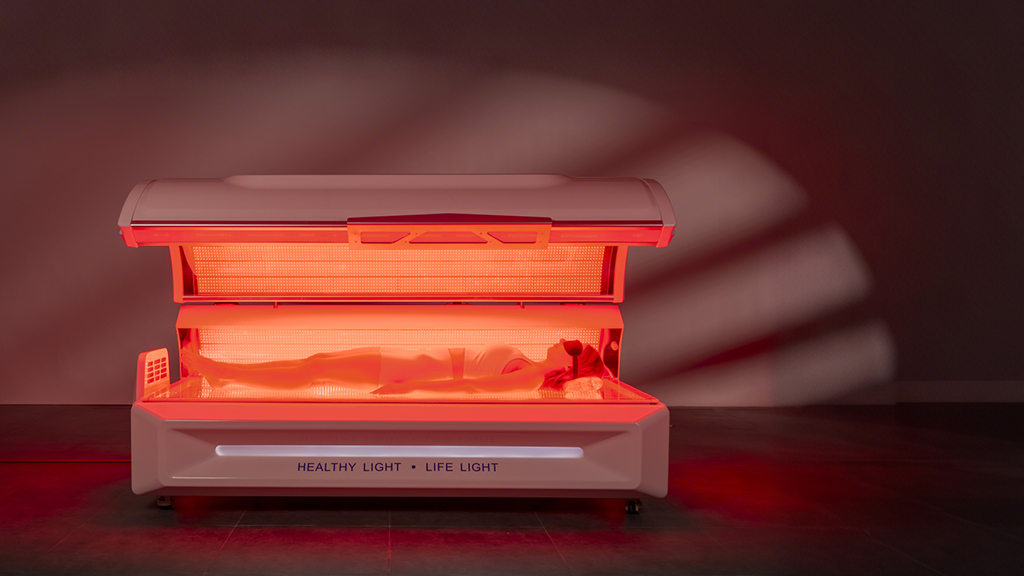
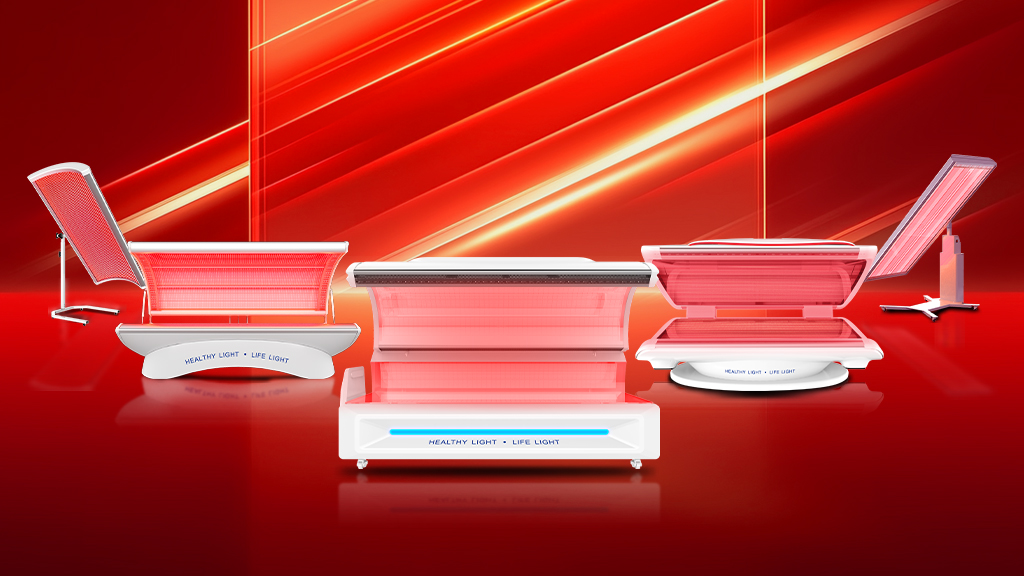
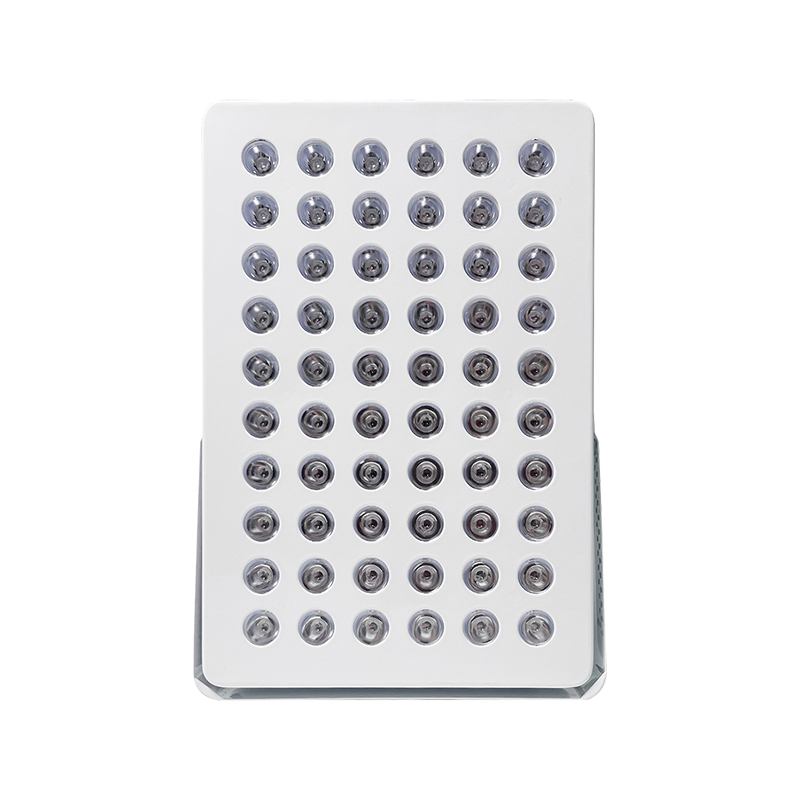
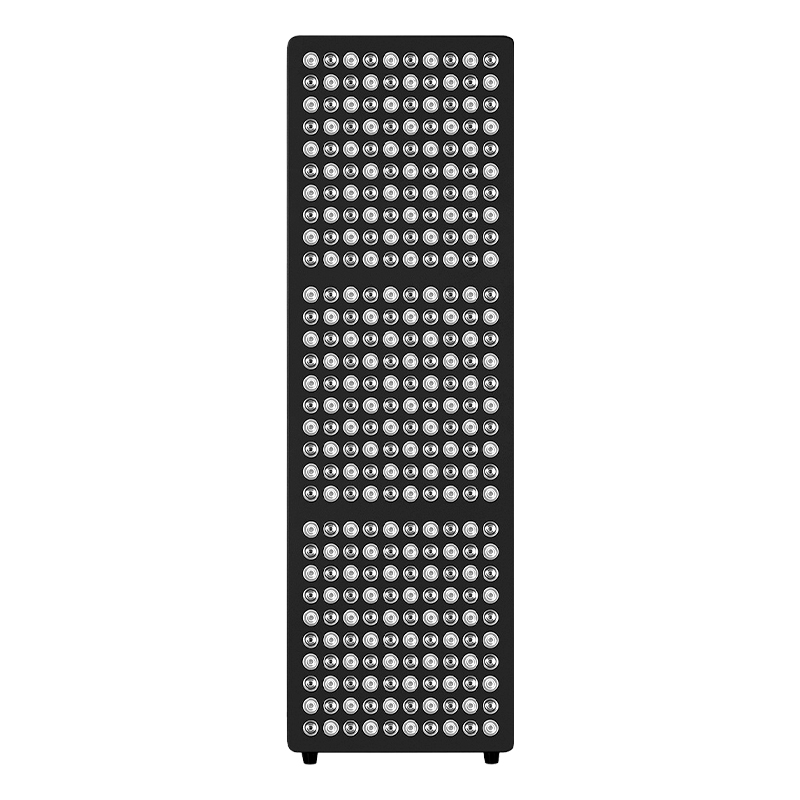
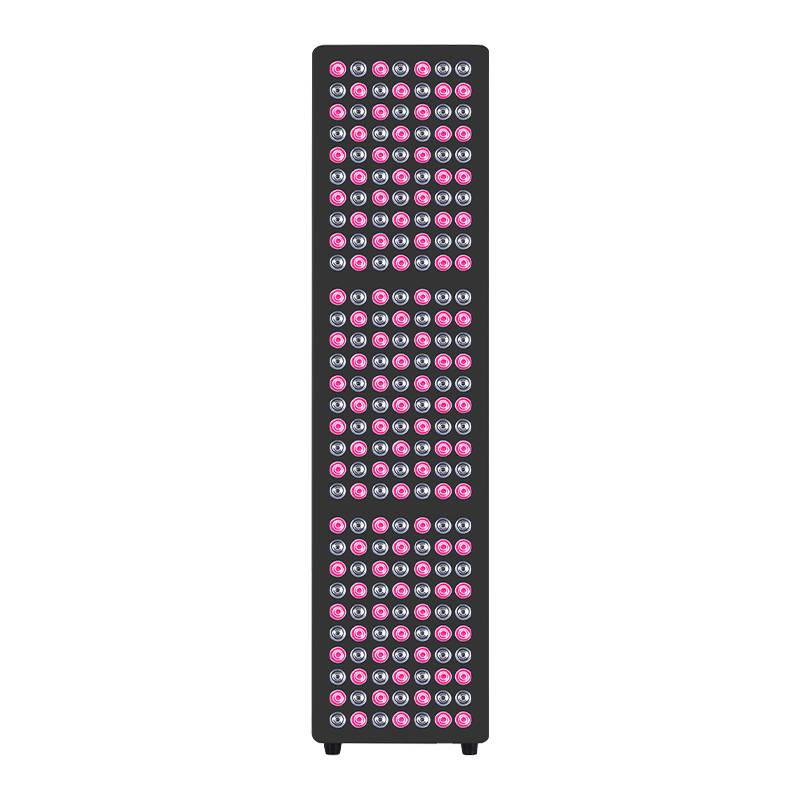
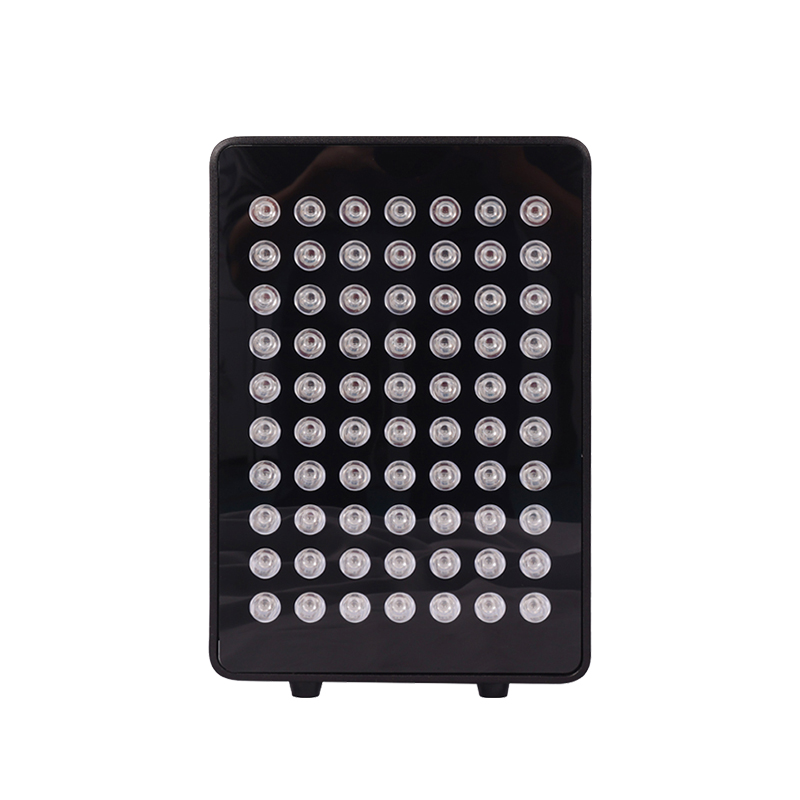
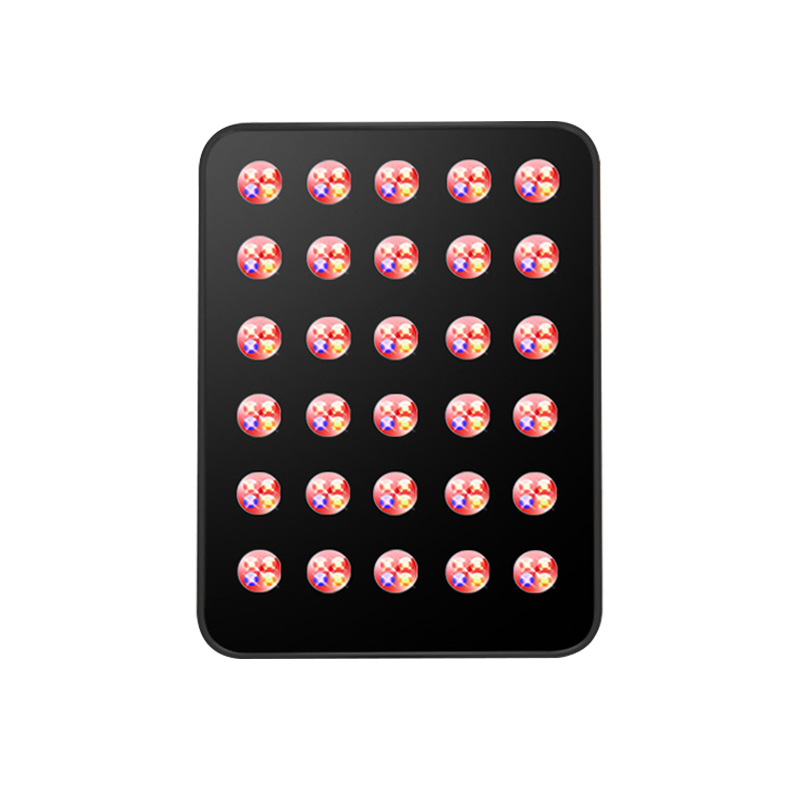
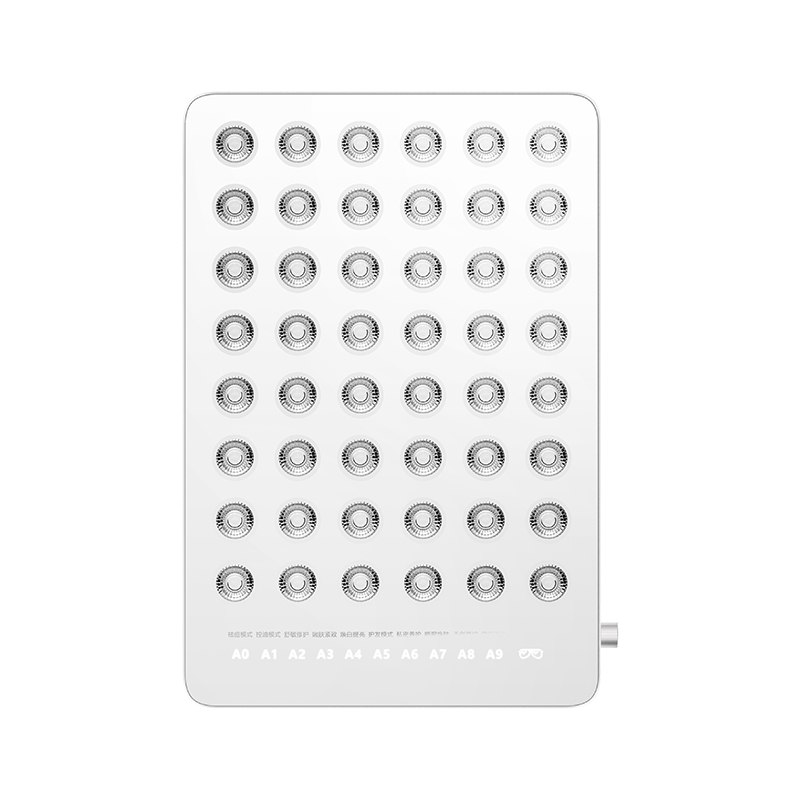
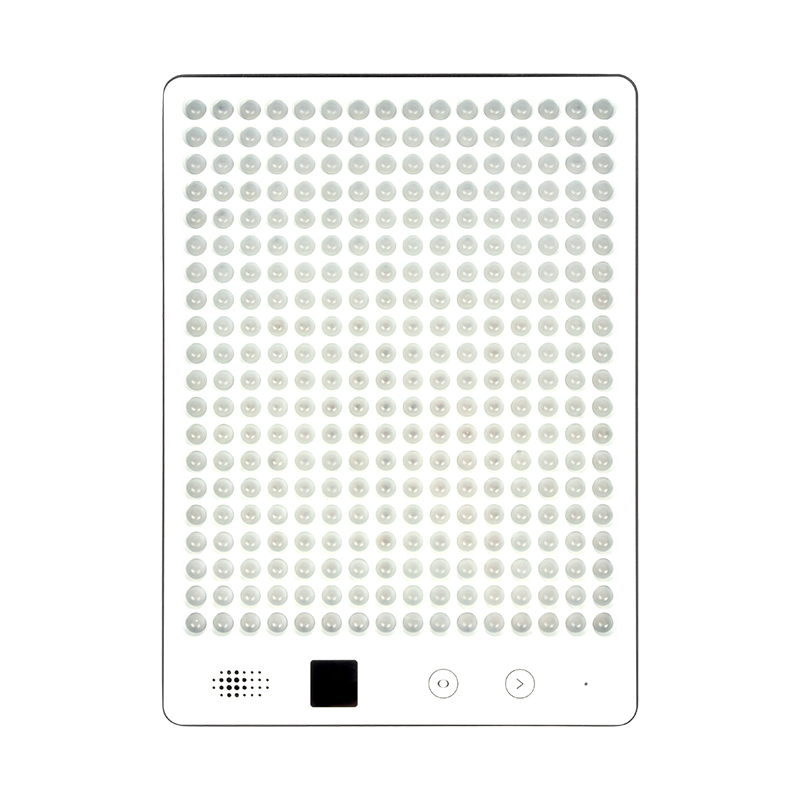
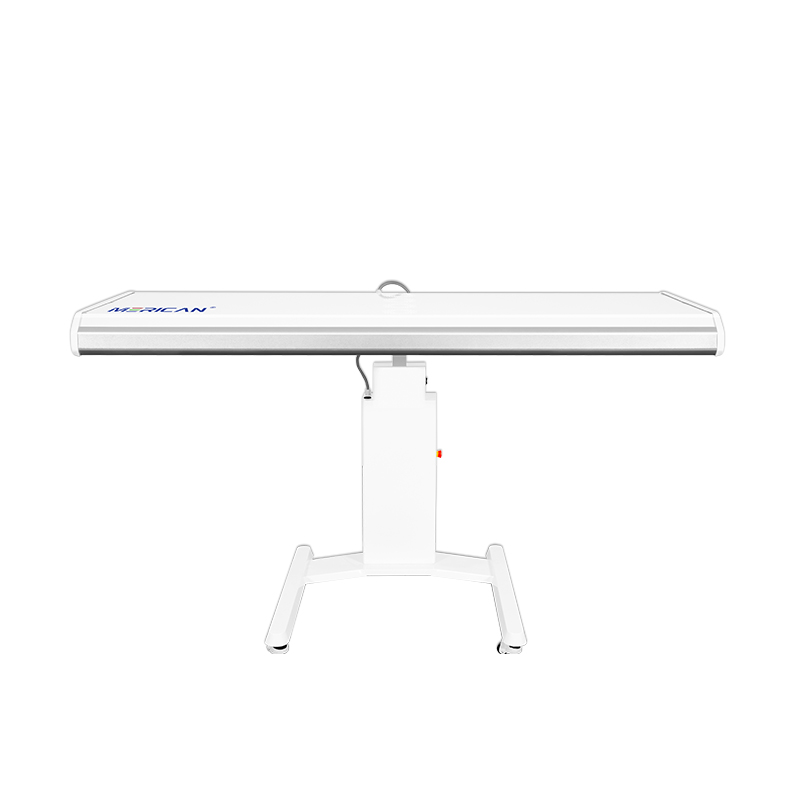
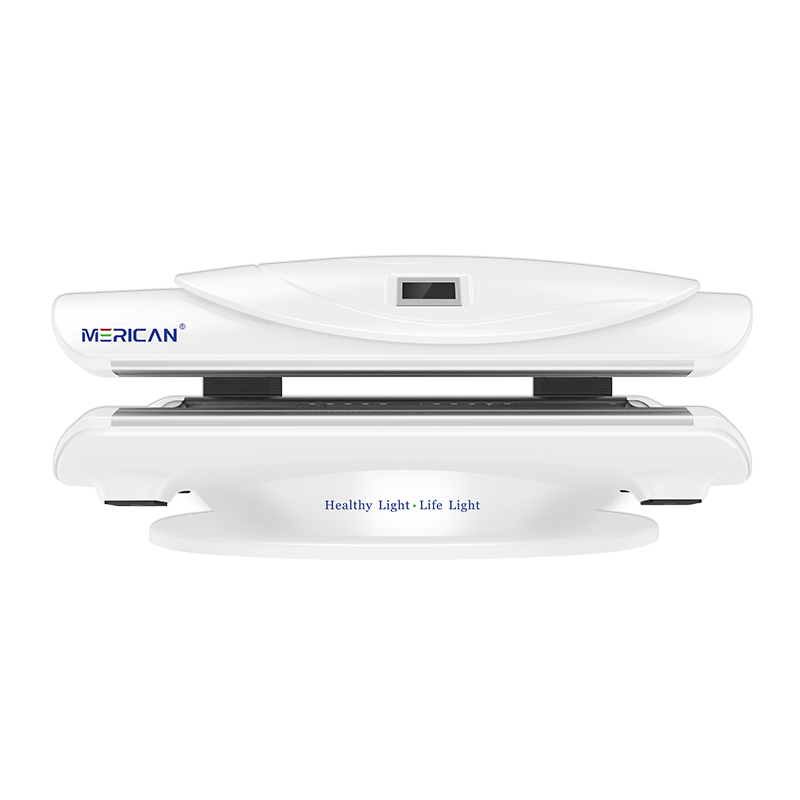
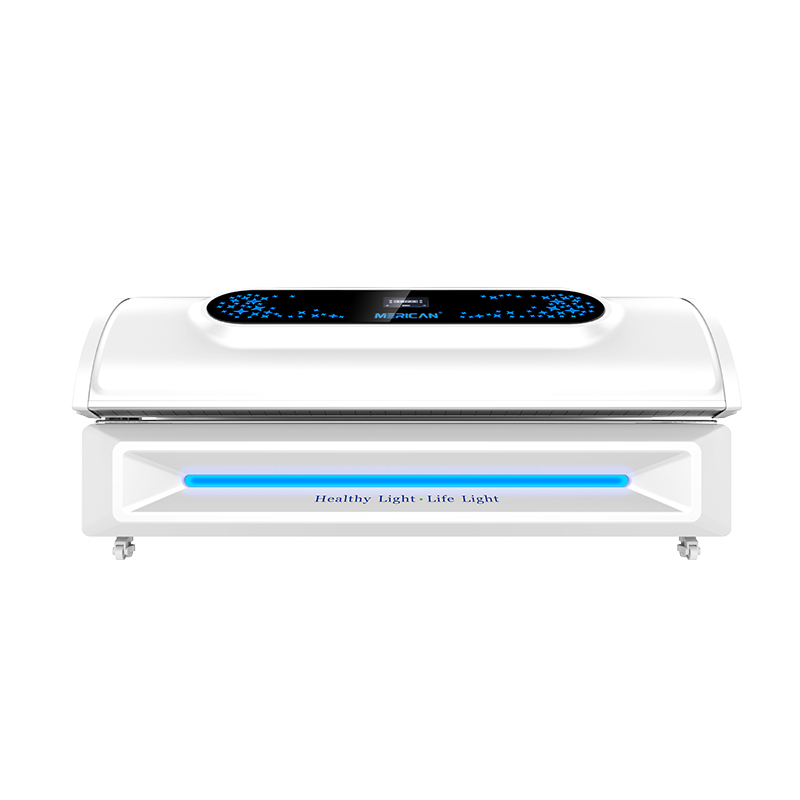
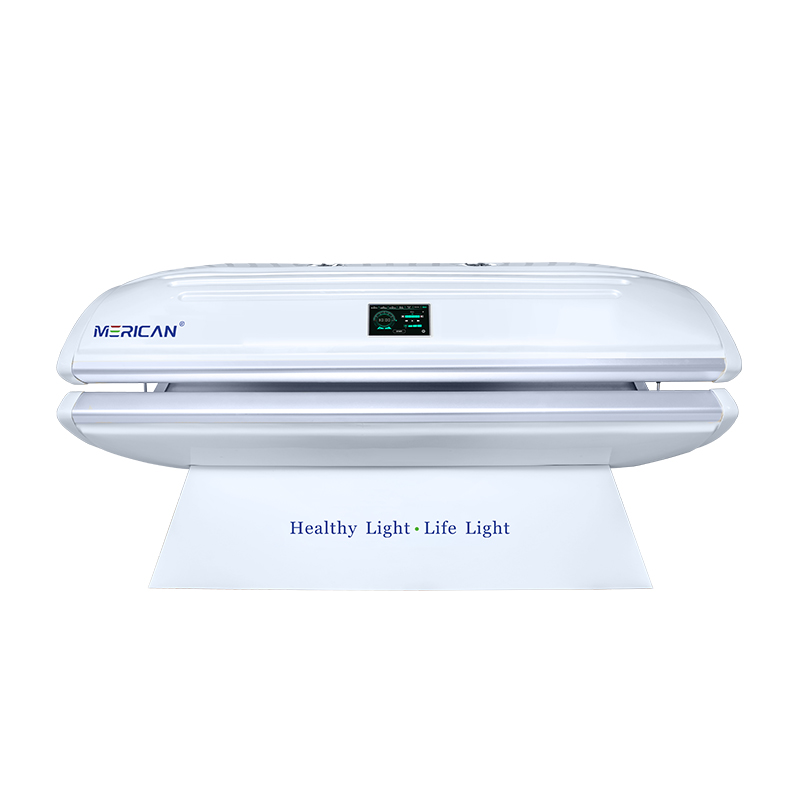
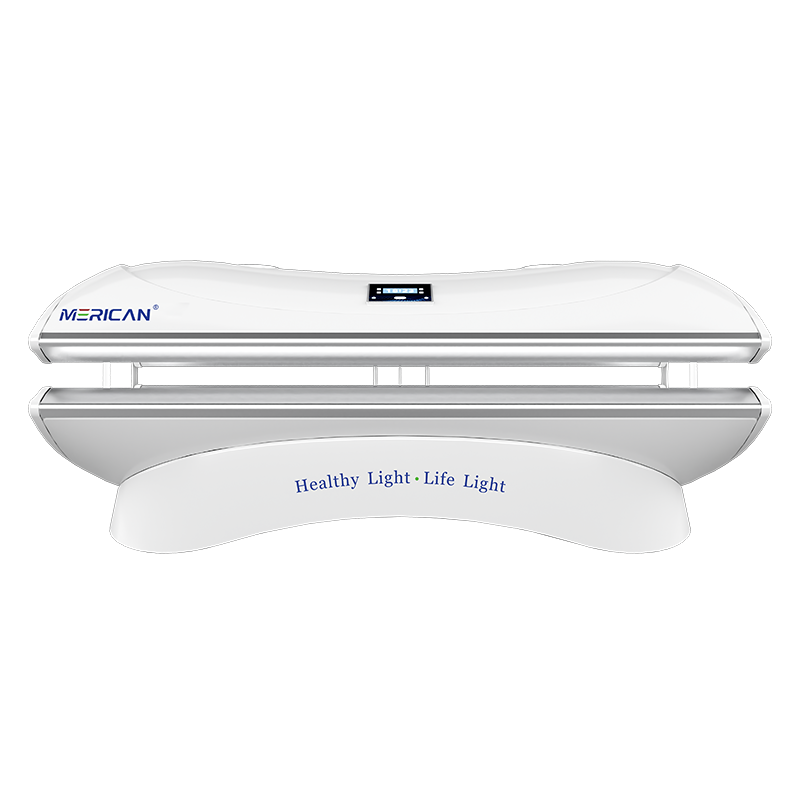
I dispositivi domestici in genere forniscono un output inferiore e consentono un uso più conservativo. I sistemi professionali di terapia con luce rossa spesso includono:
- Tempi di esposizione controllati
- Distribuzione uniforme della luce
- Funzionalità di sicurezza integrate
Indipendentemente dal tipo di dispositivo, il consiglio medico dovrebbe avere la priorità durante il trattamento antibiotico attivo.
Conclusione
La terapia con luce rossa non interagisce direttamente con gli antibiotici, ma alcuni antibiotici possono aumentare la sensibilità della pelle alla luce. Mentre la terapia con luce rossa è generalmente più sicura dell’esposizione ai raggi UV, gli utenti che assumono antibiotici fotosensibilizzanti dovrebbero procedere con cautela e dare priorità al comfort e alla sicurezza della pelle.