Introduzione:
Polmonite, un’infezione respiratoria che colpisce i polmoni, può essere una condizione grave e pericolosa per la vita, soprattutto nelle popolazioni vulnerabili come gli anziani e quelli con un sistema immunitario compromesso. Mentre i trattamenti tradizionali come antibiotici e farmaci antivirali sono essenziali, terapie emergenti come la terapia con luce rossa stanno guadagnando attenzione per il loro potenziale di sostegno al recupero. Ma la terapia con la luce rossa è utile per la polmonite?? Approfondiamo la scienza dietro questo approccio innovativo.
Corpo:
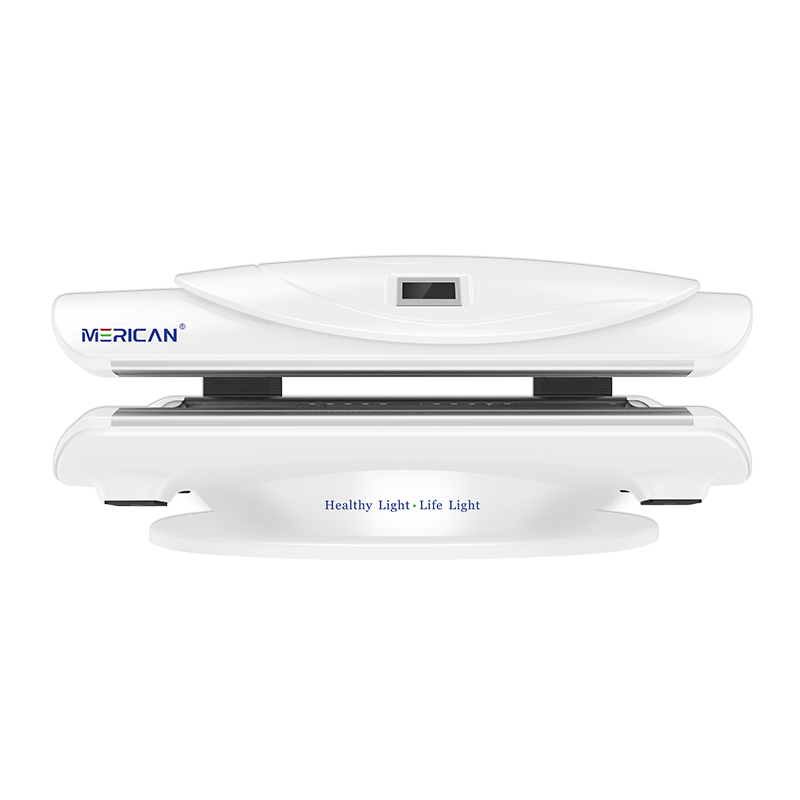
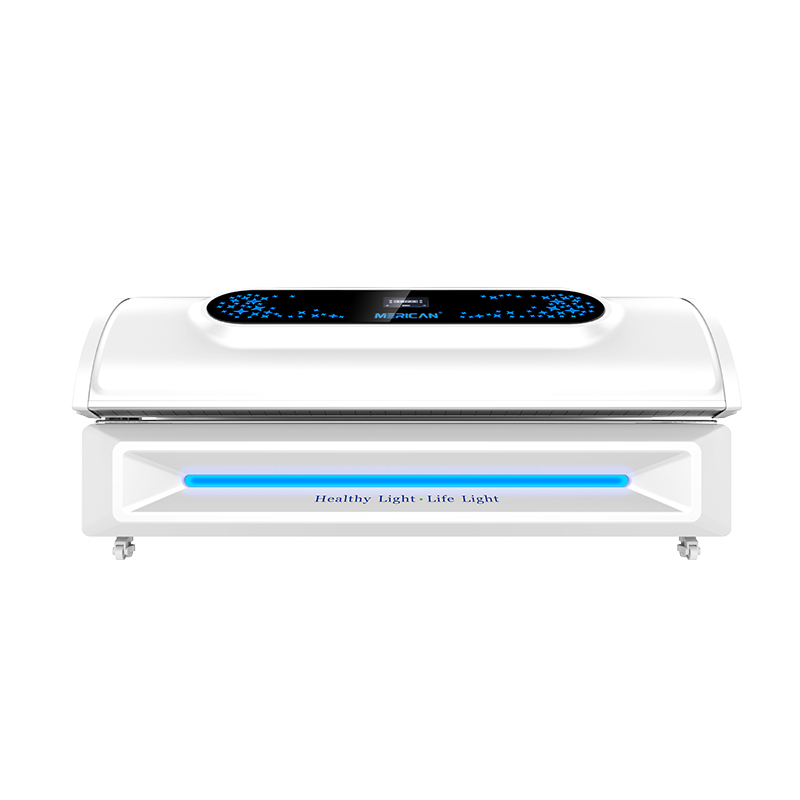
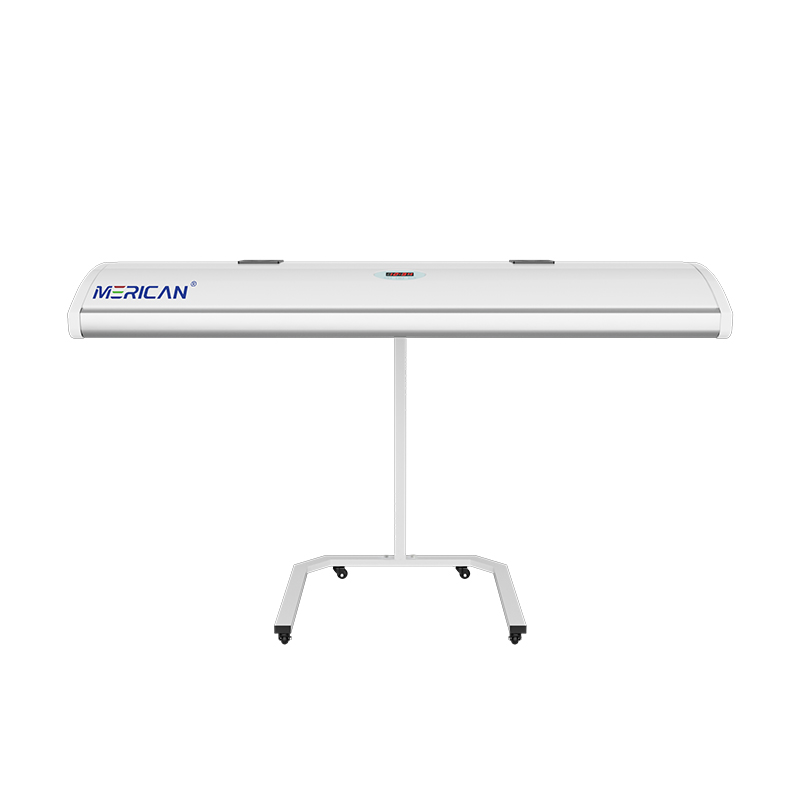
Terapia con la luce rossa, noto anche come terapia laser di basso livello (LLLT) o fotobiomodulazione, utilizza specifiche lunghezze d'onda della luce rossa e del vicino infrarosso per penetrare nella pelle e stimolare l'attività cellulare. Questo trattamento non invasivo ha dimostrato di migliorare la circolazione, ridurre l'infiammazione, e promuovere la riparazione dei tessuti, tutti fattori cruciali nella lotta alla polmonite.
- Circolazione migliorata: Il miglioramento del flusso sanguigno garantisce che l’ossigeno e i nutrienti vengano consegnati in modo efficiente ai polmoni, aiutando nel processo di guarigione.
- Infiammazione ridotta: La polmonite spesso innesca una risposta infiammatoria che può danneggiare il tessuto polmonare. La terapia con luce rossa aiuta a modulare questa risposta, minimizzando il danno tissutale.
- Funzione immunitaria potenziata: Stimolando la produzione di ATP (la valuta energetica del corpo), la terapia con la luce rossa può migliorare la capacità del sistema immunitario di combattere le infezioni.
Conclusione:
Mentre la terapia con la luce rossa non dovrebbe sostituire i trattamenti convenzionali per la polmonite, può servire come una preziosa terapia complementare. La sua capacità di ridurre l'infiammazione, migliorare la circolazione, e il supporto della funzione immunitaria lo rendono un’opzione promettente per coloro che cercano ulteriore sollievo dai sintomi della polmonite. Consultare sempre un operatore sanitario prima di incorporare nuove terapie nel piano di trattamento.