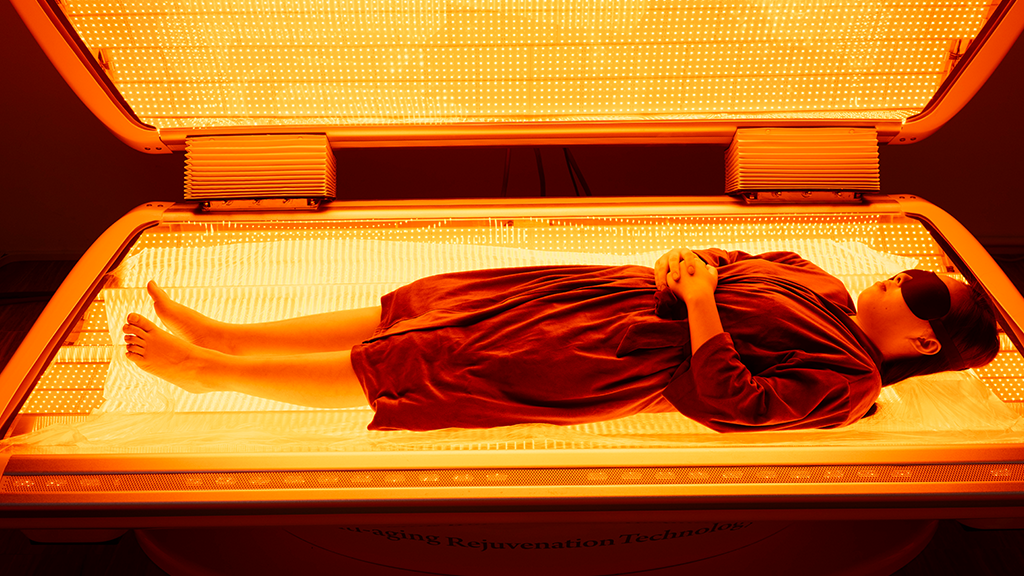
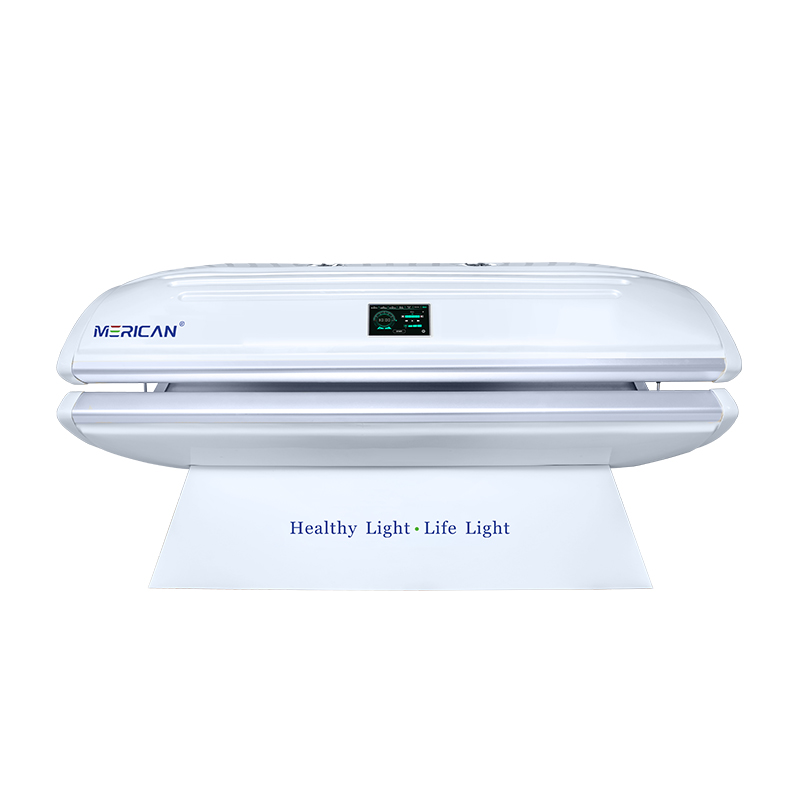
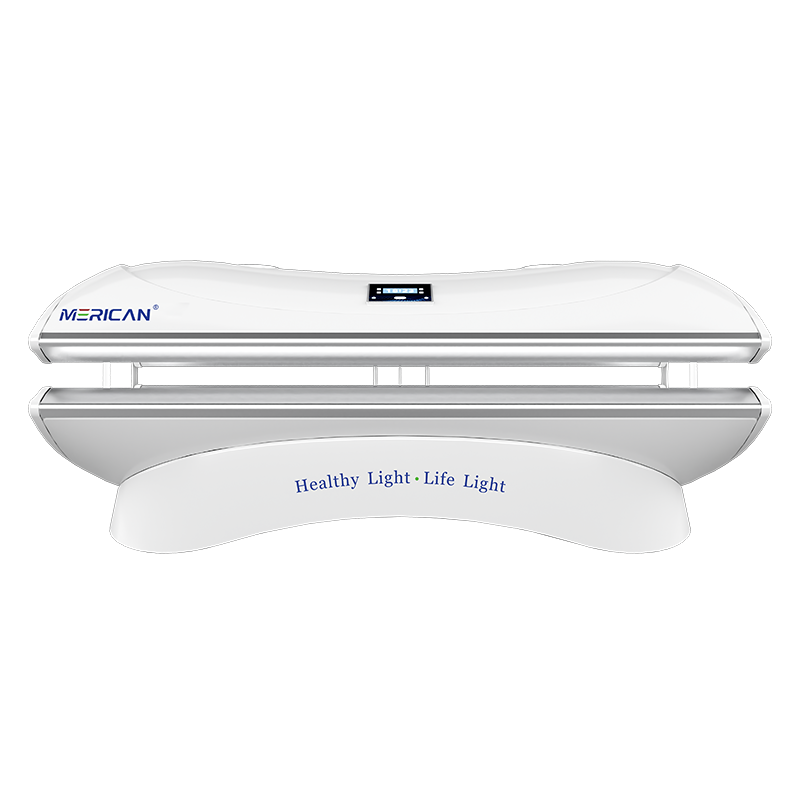
Un'immersione profonda nei meccanismi scientifici sottostanti.
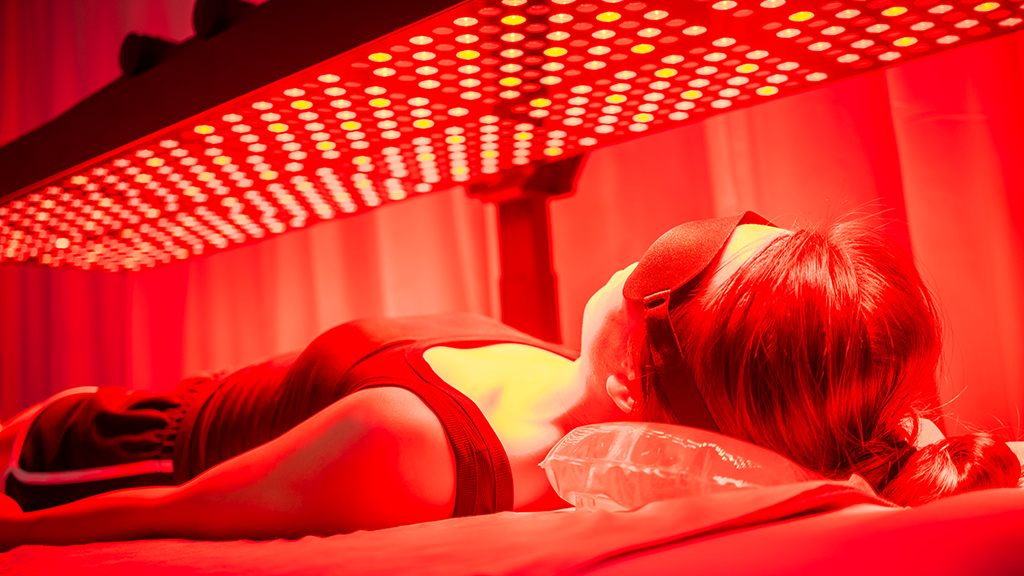
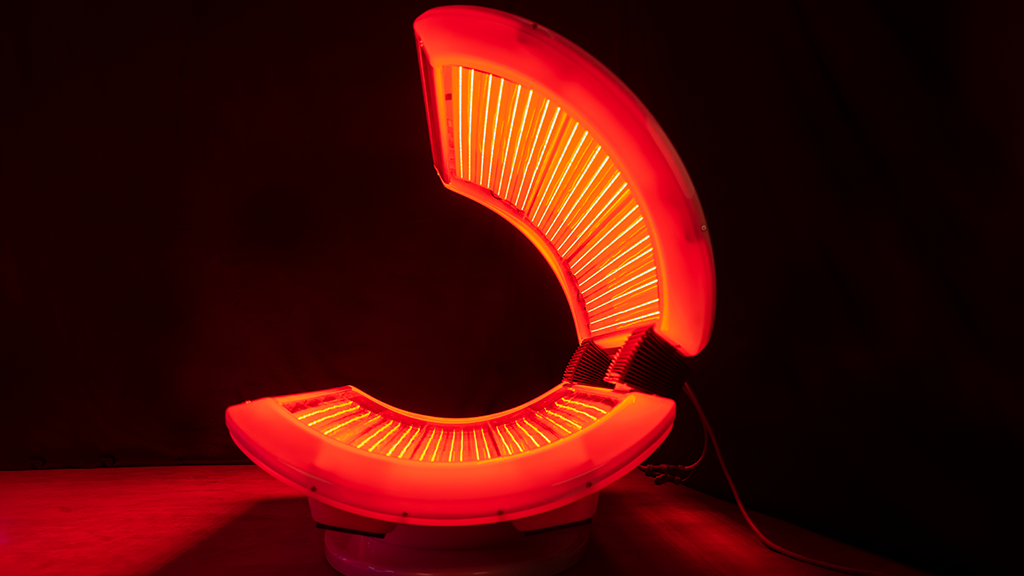
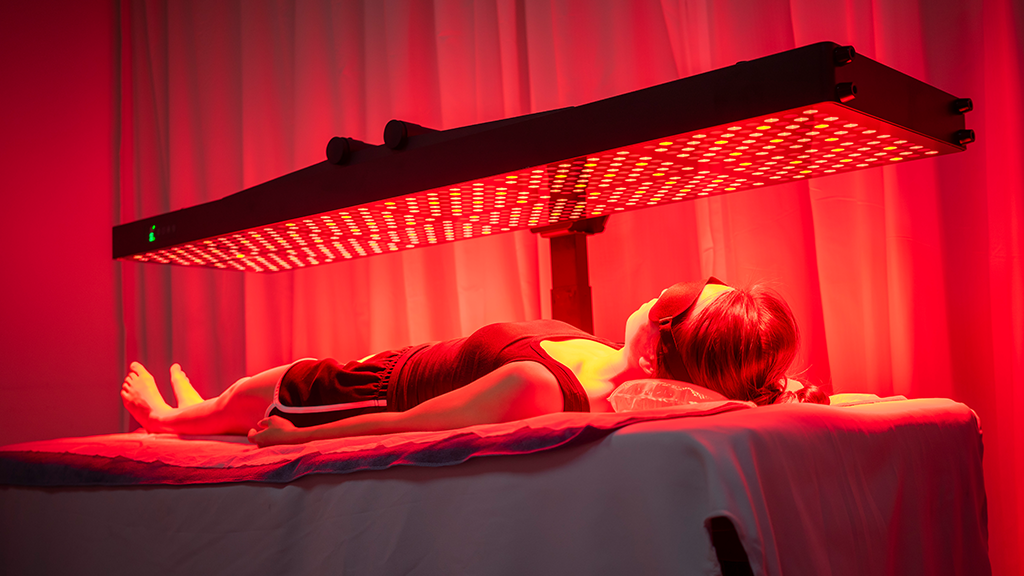
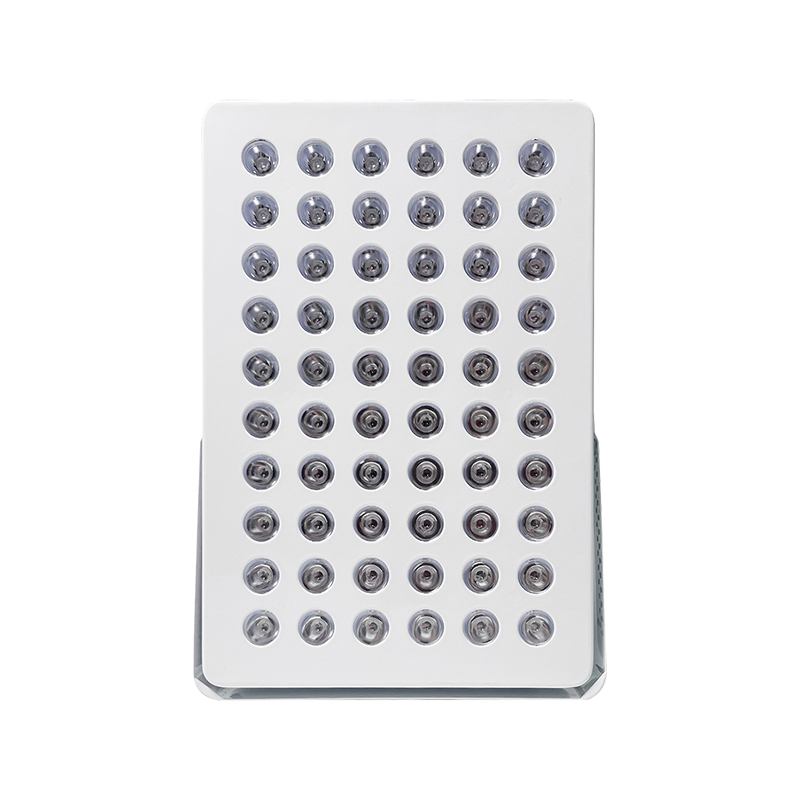
La guarigione delle ferite è un processo biologico complesso, e la terapia con luce rossa e blu sta emergendo come un promettente trattamento aggiuntivo. Non è una luce normale, ma utilizza piuttosto luce a bassa energia di lunghezze d'onda specifiche per modulare in modo non invasivo il tessuto umano.
Il suo meccanismo scientifico principale risiede nell’assorbimento mitocondriale. Quando i mitocondri (fabbriche di energia) nelle cellule assorbono questi fotoni, la loro efficienza aumenta, producendo più adenosina trifosfato (ATP). L’abbondante ATP fornisce energia sufficiente per riparare le cellule (come fibroblasti e cellule epiteliali), migliorando la loro capacità di proliferare, migrare, e sintetizzare il collagene.
Inoltre, questa terapia può:
Ridurre l'infiammazione: Regolano le citochine per prevenire risposte infiammatorie eccessive.
Promuovere l'angiogenesi: Migliora l'afflusso di sangue e l'apporto di ossigeno all'area della ferita.
Ridurre lo stress ossidativo: Aiuta ad eliminare i radicali liberi dannosi e a proteggere le cellule sane.
Gli studi hanno dimostrato effetti positivi su ferite acute e croniche come le ulcere del piede diabetico, piaghe da decubito, incisioni chirurgiche, ustioni minori, e abrasioni. Ovviamente, viene solitamente utilizzato come terapia aggiuntiva allo sbrigliamento standard, cura, e supporto nutrizionale, piuttosto che l'unico trattamento.