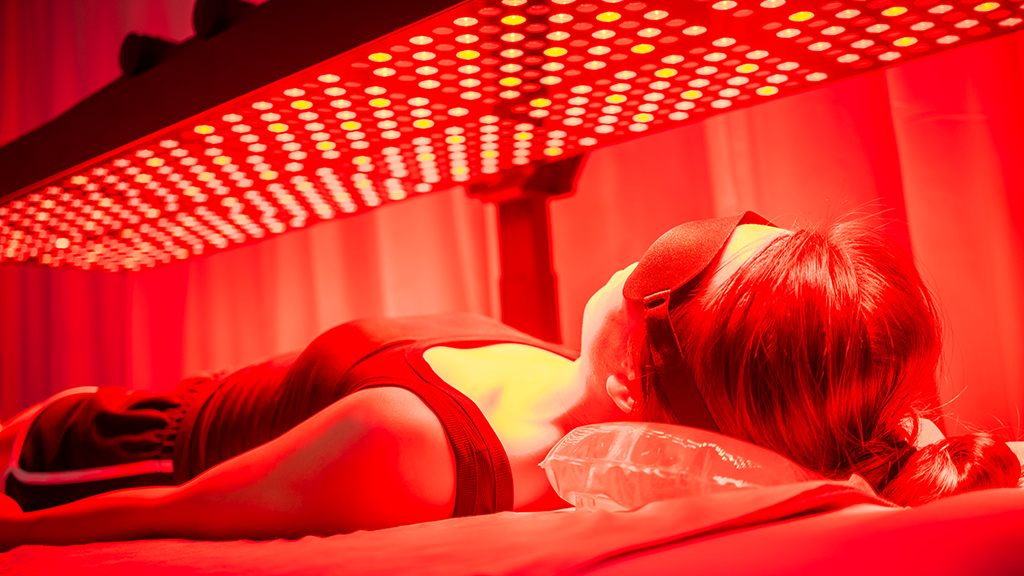
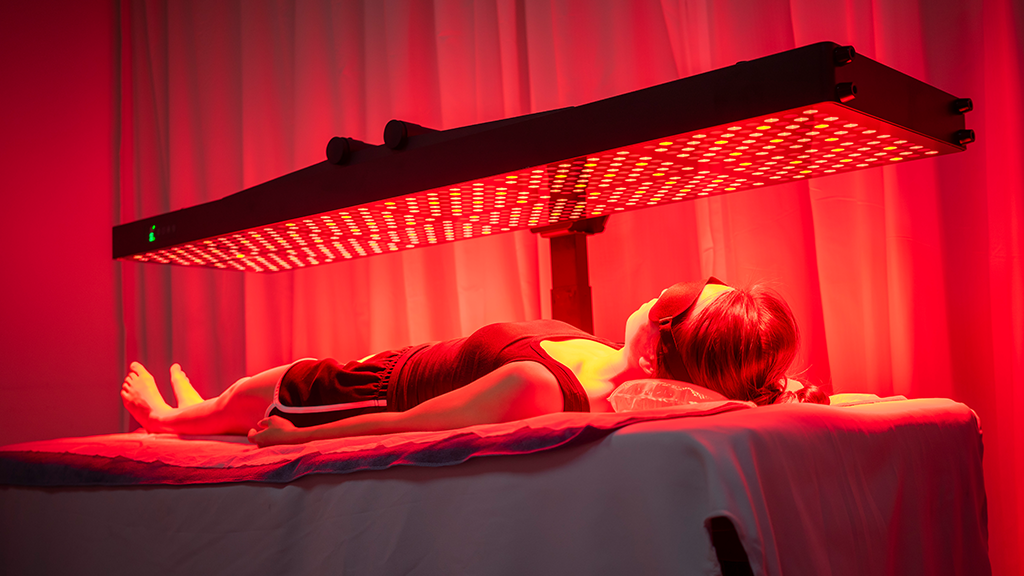
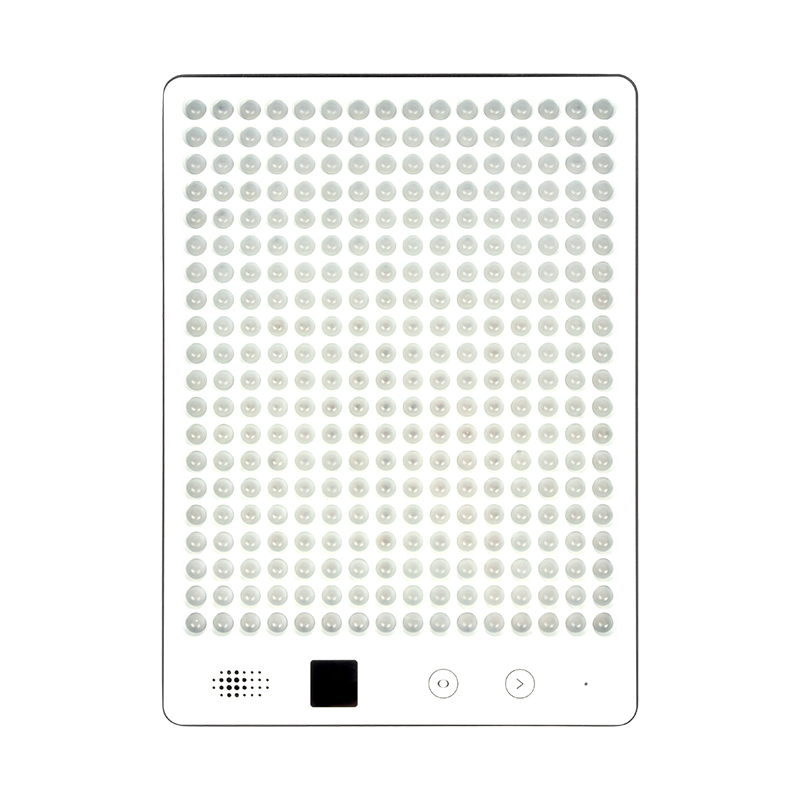
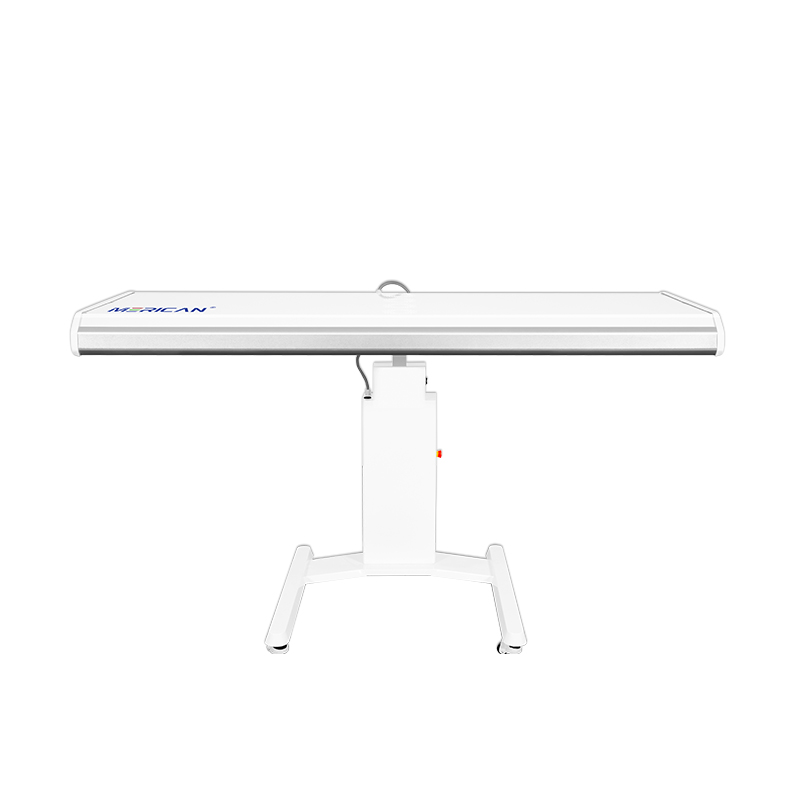
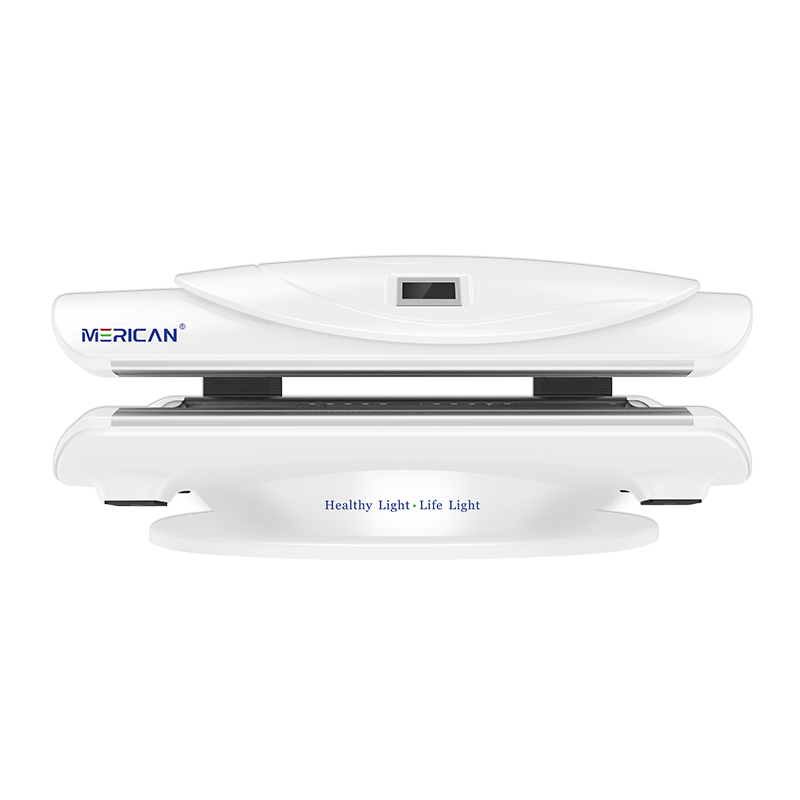
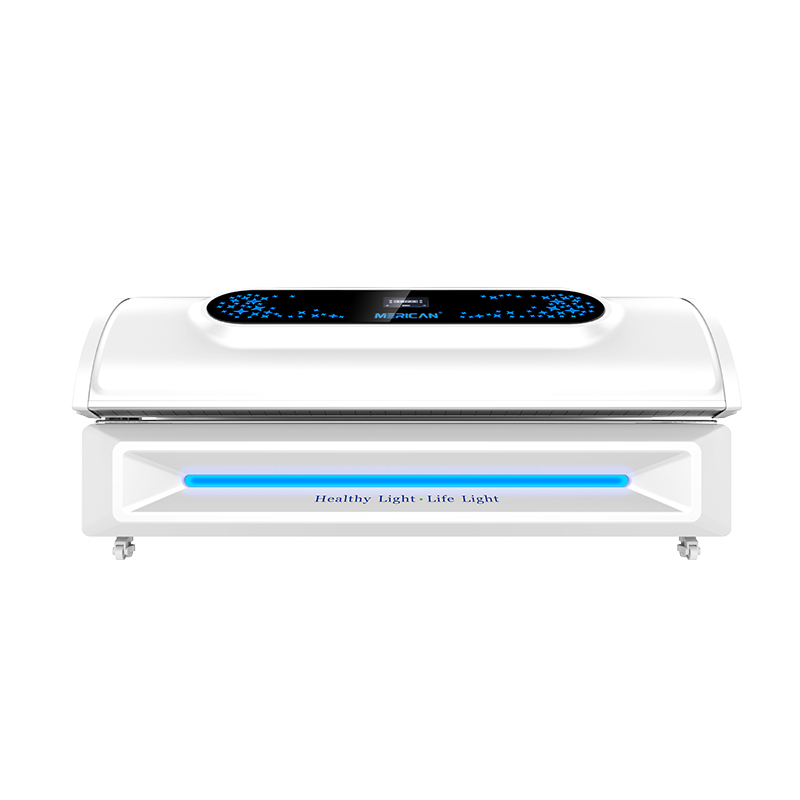
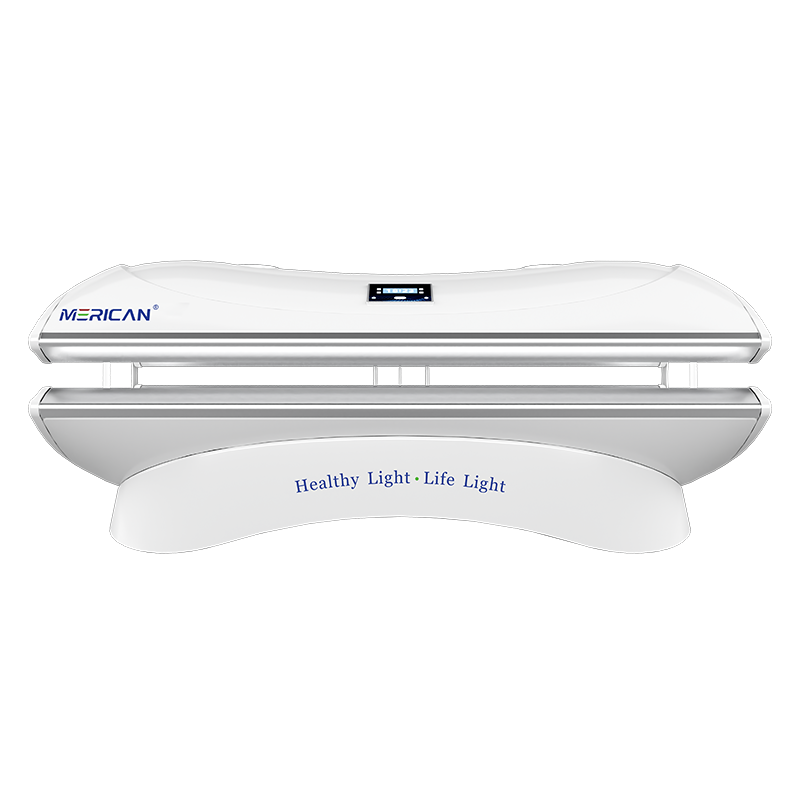
Mental health is influenced by a complex interaction of brain function, sleep quality, stress levels, and overall physical well-being. Negli ultimi anni, terapia con luce rossa (RLT)—also known as photobiomodulation—has been explored as a non-invasive approach that may support mental wellness.
It is important to clarify that red light therapy is not a medical treatment for mental health disorders, but an emerging wellness technology supported by early-stage research.
Come funziona la terapia con luce rossa
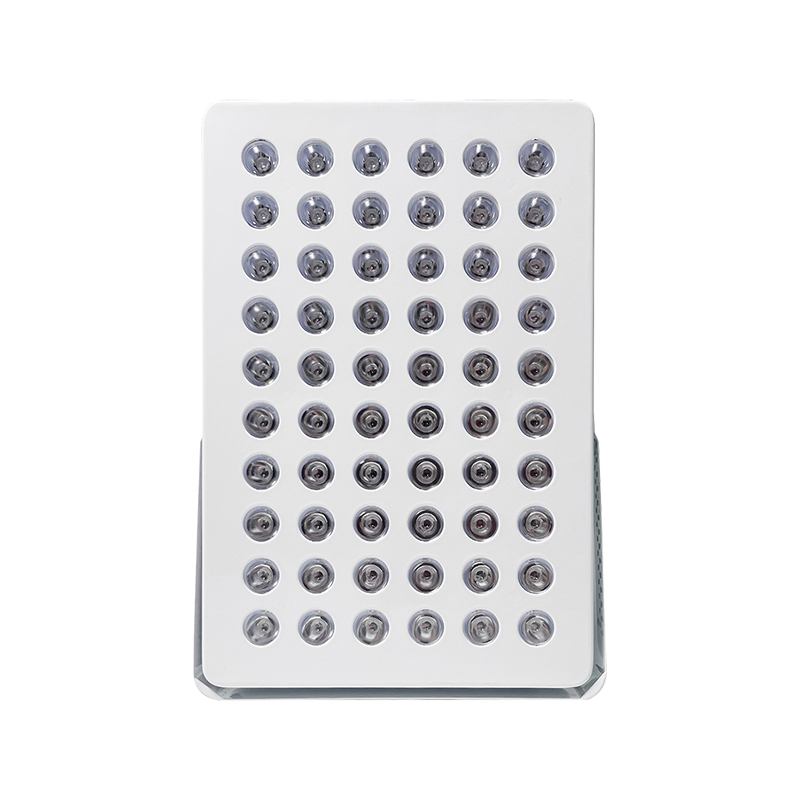
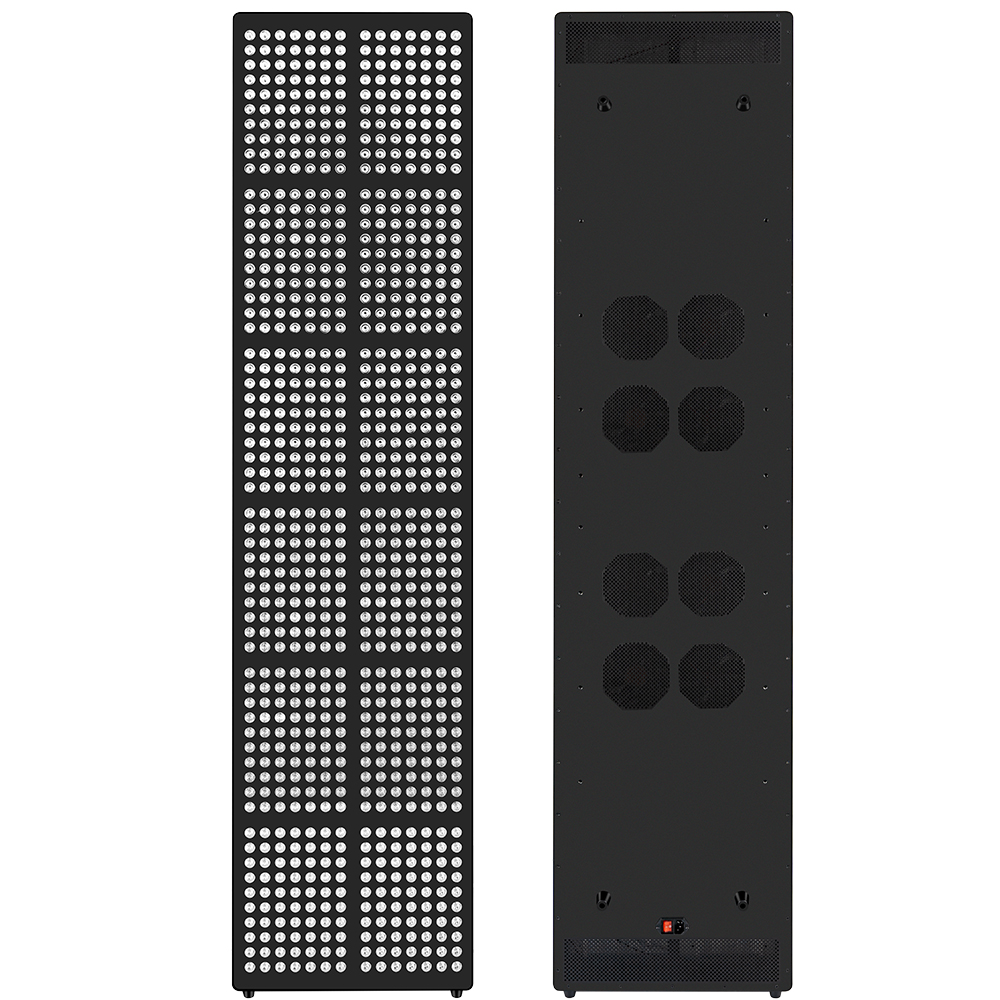
Red light therapy uses red and near-infrared wavelengths, tipicamente tra 630–880 nm, which can penetrate tissue and influence cellular activity. Studies suggest these wavelengths may:
- Support mitochondrial energy (ATP) produzione
- Improve blood flow and oxygen delivery
- Ridurre l’infiammazione e lo stress ossidativo
Because brain cells have high energy demands, these effects may indirectly support mental function and resilience.
Potential Mental Health–Related Benefits
Research and clinical observations have explored red light therapy in relation to:
- Stress regulation and relaxation
- Mood balance and emotional stability
- Cognitive clarity and focus
- Qualità del sonno, which is closely linked to mental health
Improved sleep and reduced physical stress may positively influence overall mental well-being.
Cosa dice la ricerca?
Preliminary studies on photobiomodulation have investigated its role in neurological and psychological wellness. While results are encouraging, experts emphasize:
- Evidence is still evolving
- More large-scale clinical trials are needed
- Red light therapy should be viewed as complementary, not primary care
Considerazioni sulla sicurezza
La terapia con luce rossa è generalmente considerata sicura:
- Nessuna esposizione ai raggi UV
- Non-invasive and painless
- Suitable for regular wellness use
Individuals with mental health conditions should consult healthcare professionals before starting any new wellness routine.
Riepilogo
Red light therapy shows potential as a supportive tool for mental wellness by addressing underlying factors such as energy metabolism, infiammazione, and sleep. Its role is best understood within a holistic approach to mental health.