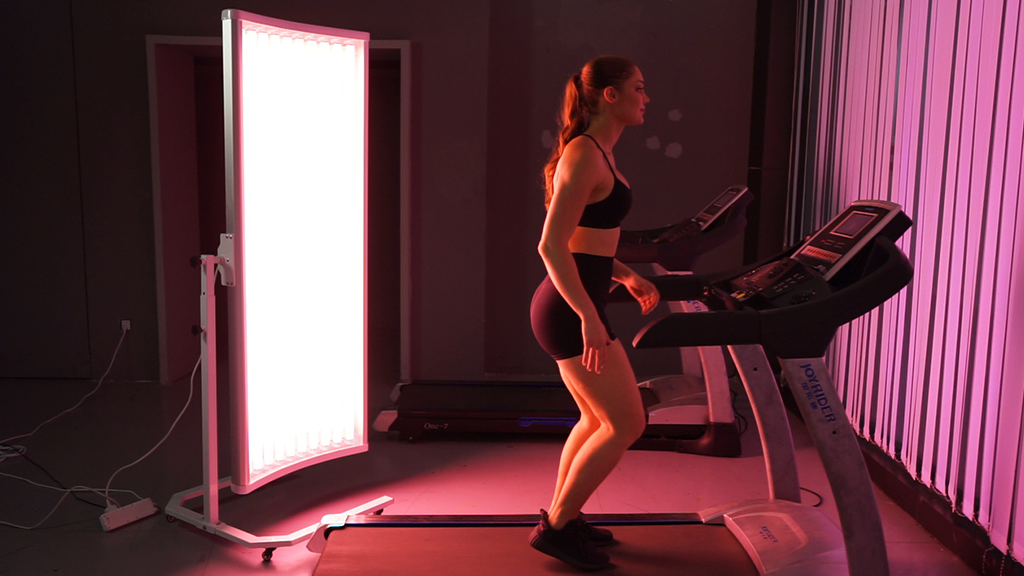
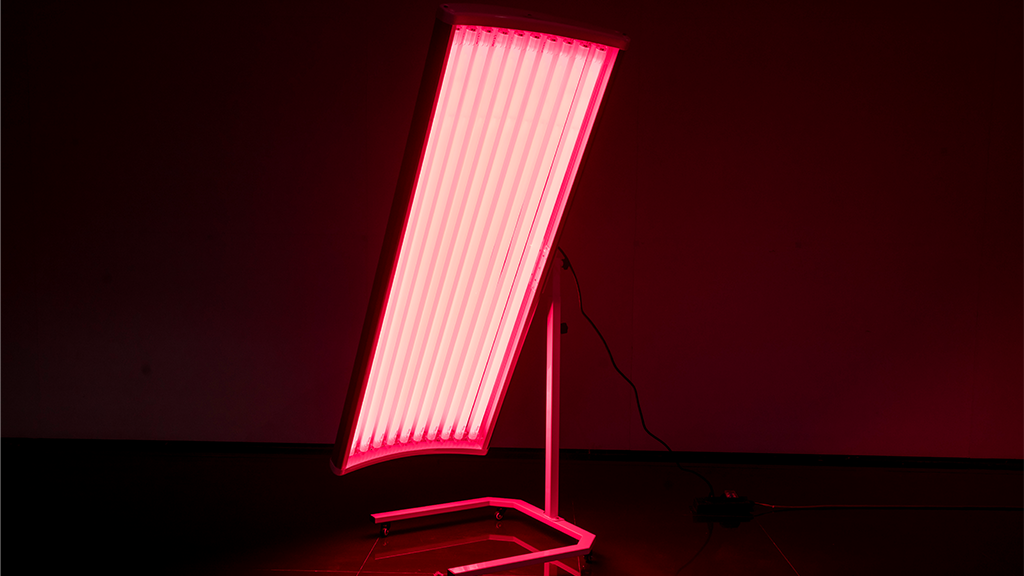
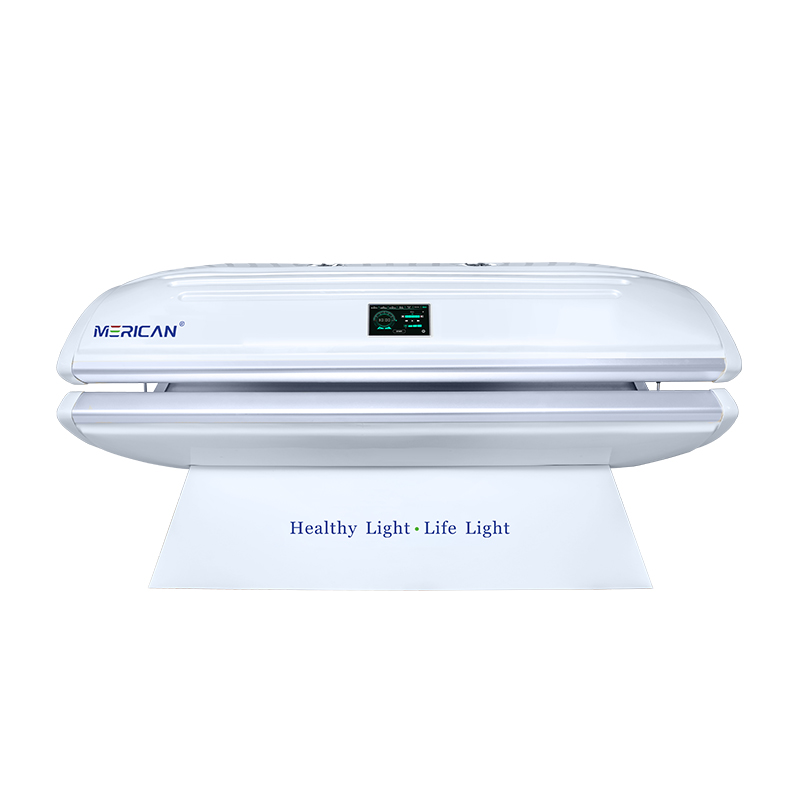
Dagli atleti d'élite ai frequentatori di palestra del fine settimana, il recupero muscolare è la chiave per una prestazione costante. Metodi di recupero tradizionali: stretching, bagni di ghiaccio, e il massaggio, vengono ora integrati da terapia con luce rossa.
Perché la terapia con luce rossa è popolare nel recupero sportivo
Gli atleti scelgono la terapia con la luce rossa perché:
- Funziona a livello cellulare
- Non richiede tempi di inattività
- Può essere utilizzato prima o dopo gli allenamenti
- Si adatta facilmente alle routine di allenamento
A differenza della terapia del ghiaccio, la terapia con luce rossa non limita il flusso sanguigno, rendendolo adatto ad un uso frequente.
Come utilizzare la terapia con luce rossa per il recupero muscolare
Tempi migliori per l'uso
- Subito dopo gli allenamenti
- Nei giorni di riposo
- Durante la riabilitazione dall'infortunio
Aree target
- Gambe (quad, tendini del ginocchio, vitelli)
- Schiena e spalle
- Braccia e muscoli centrali
Protocollo tipico
- 10–15 minuti per sessione
- 3–5 sessioni a settimana
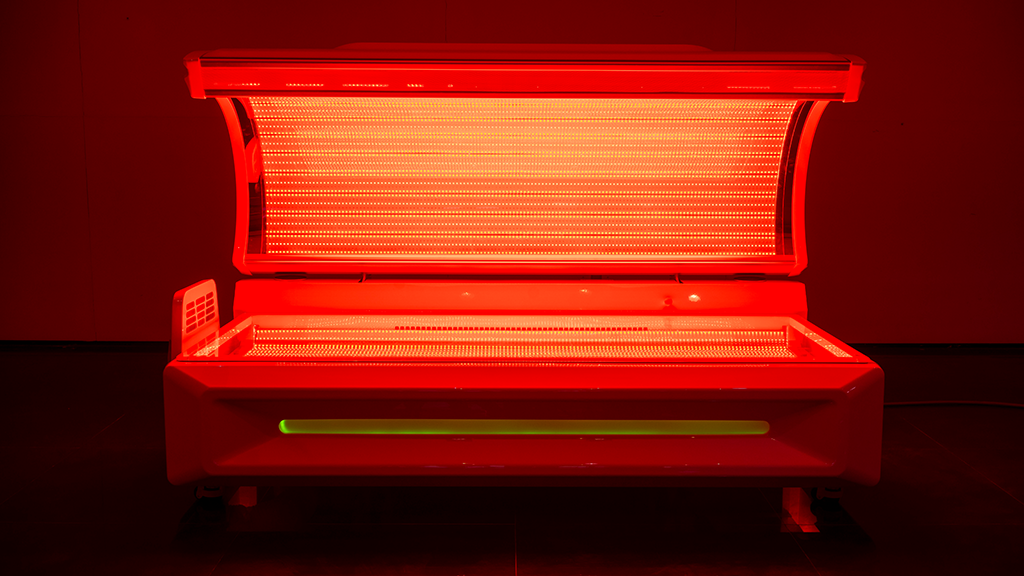
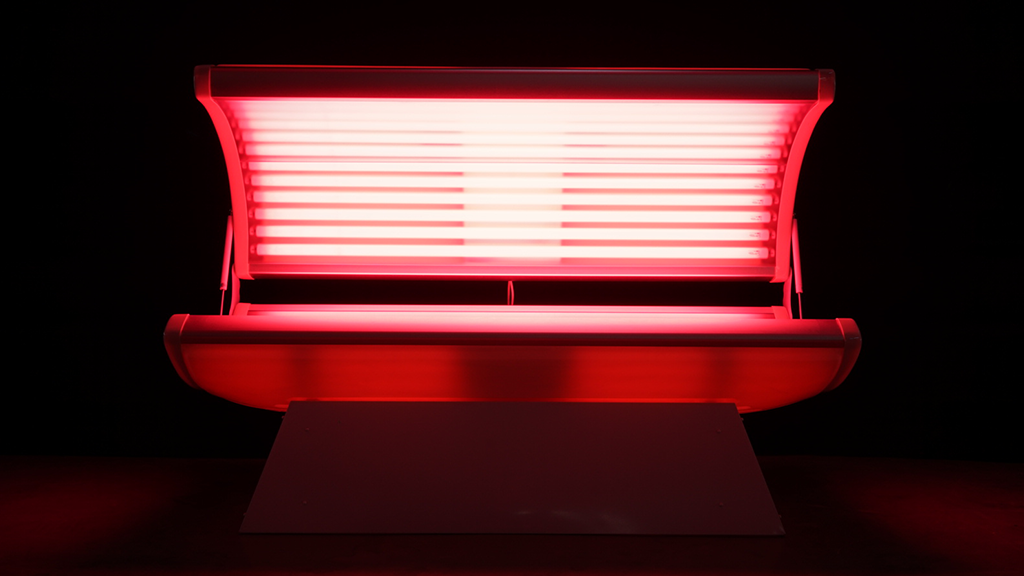
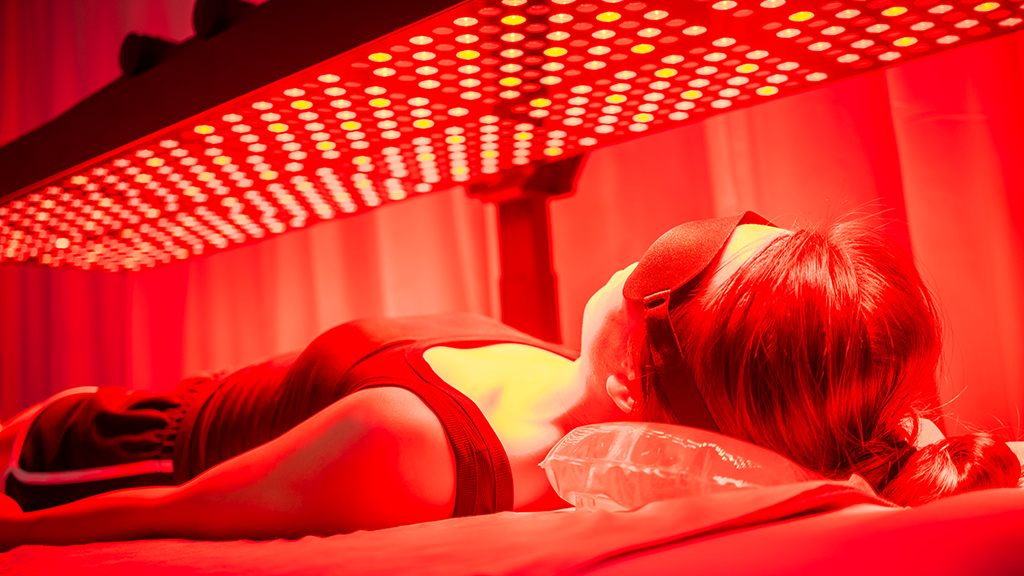
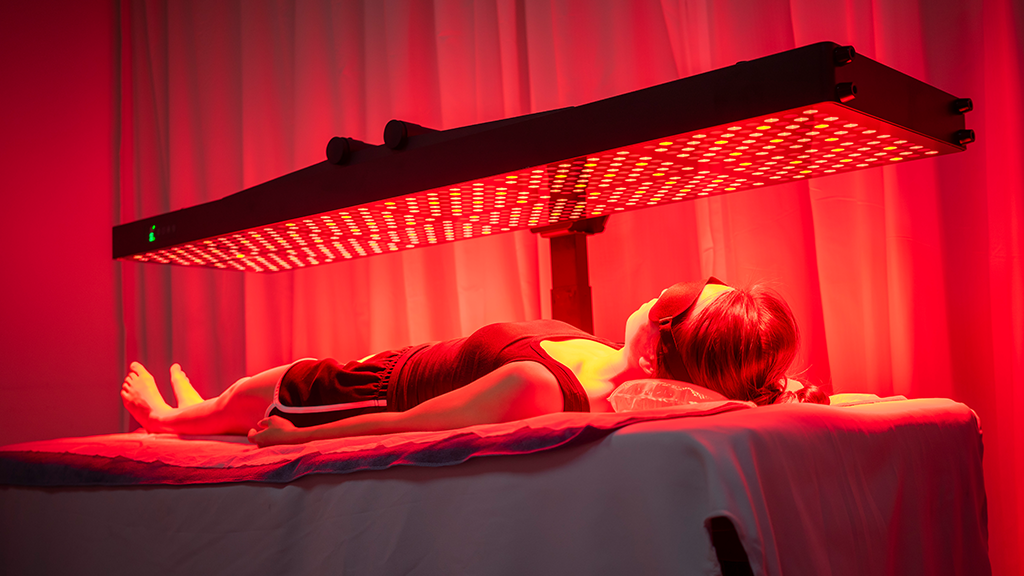
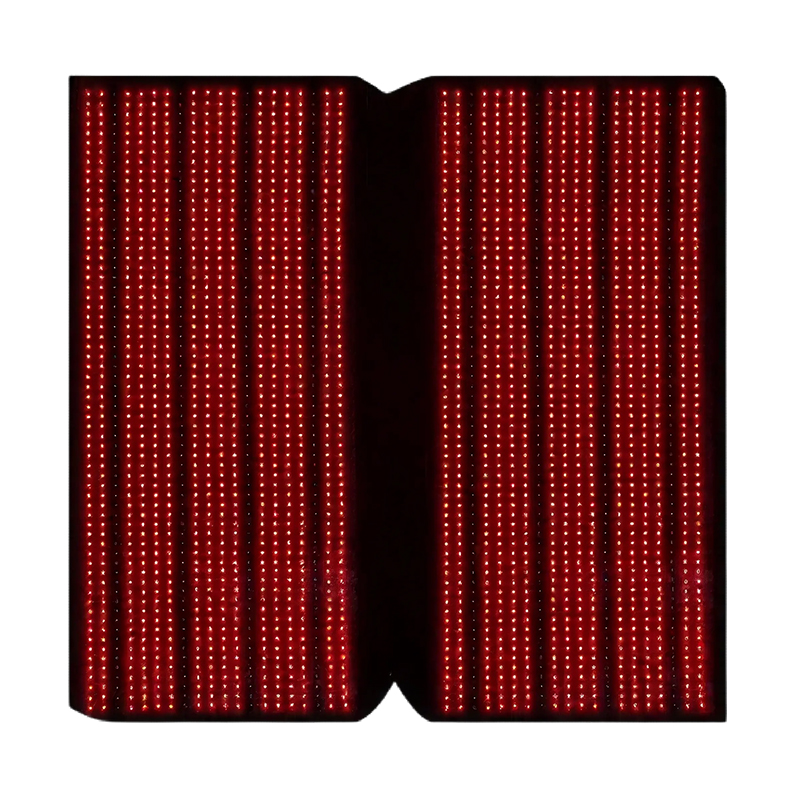
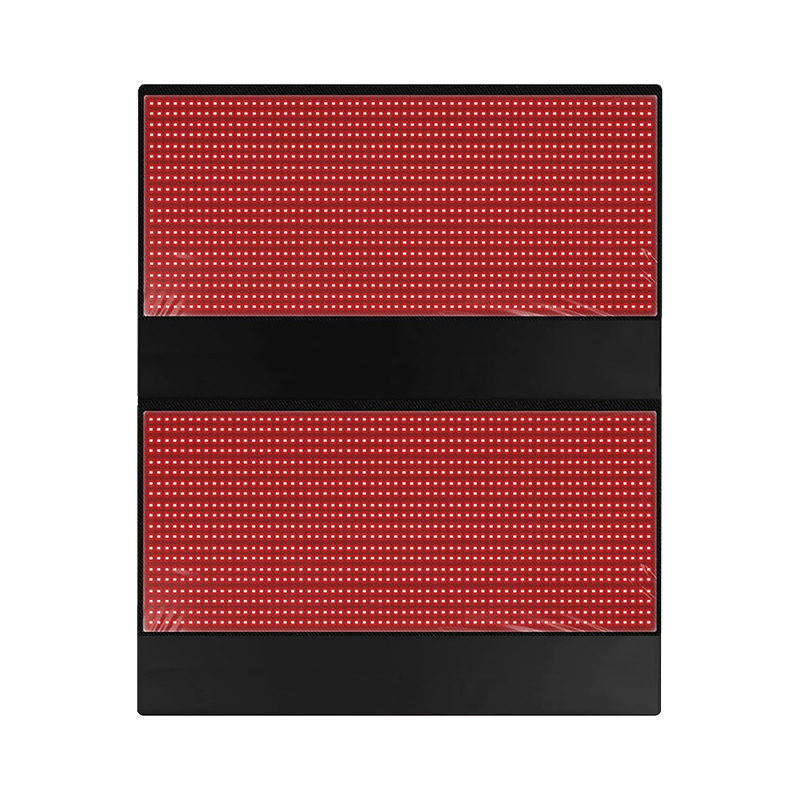
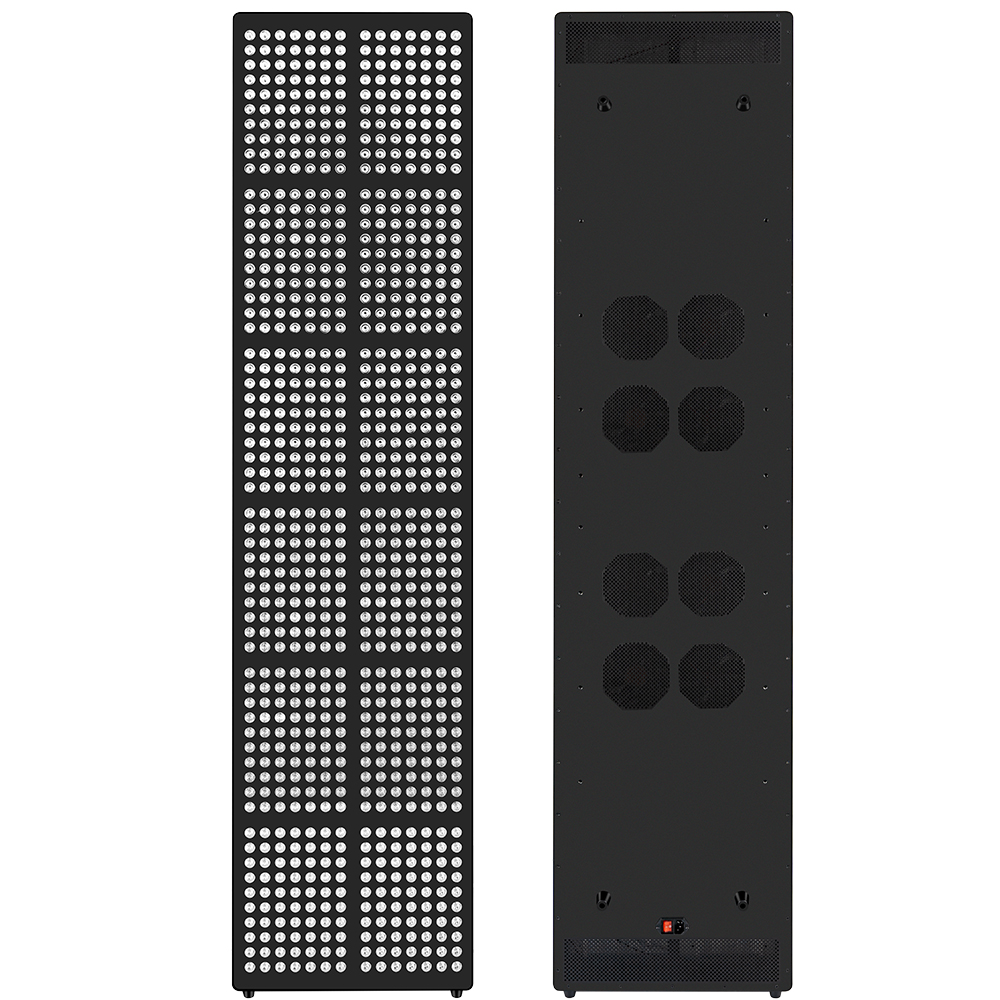
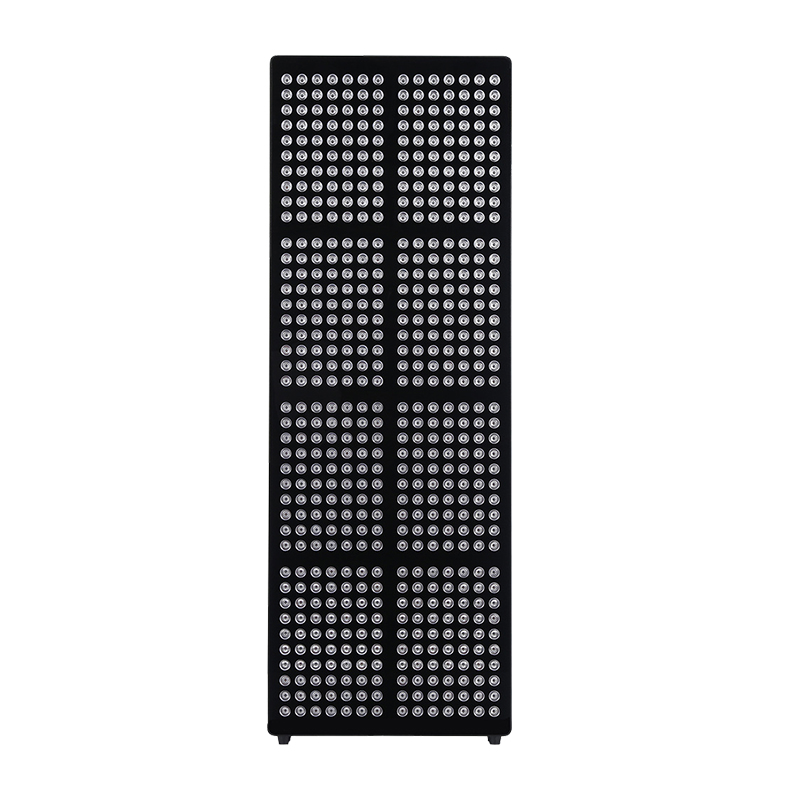
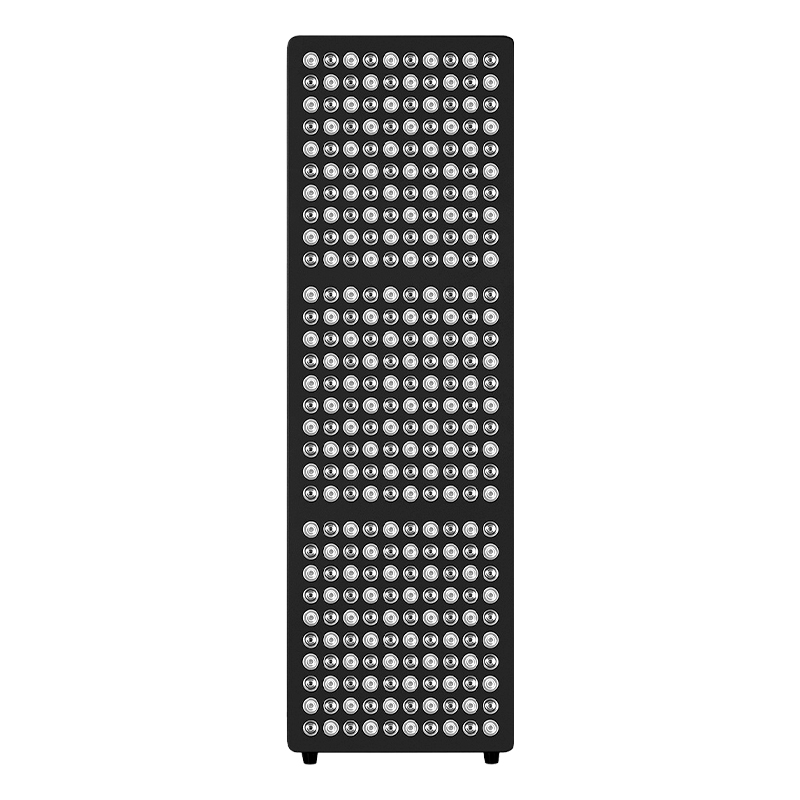
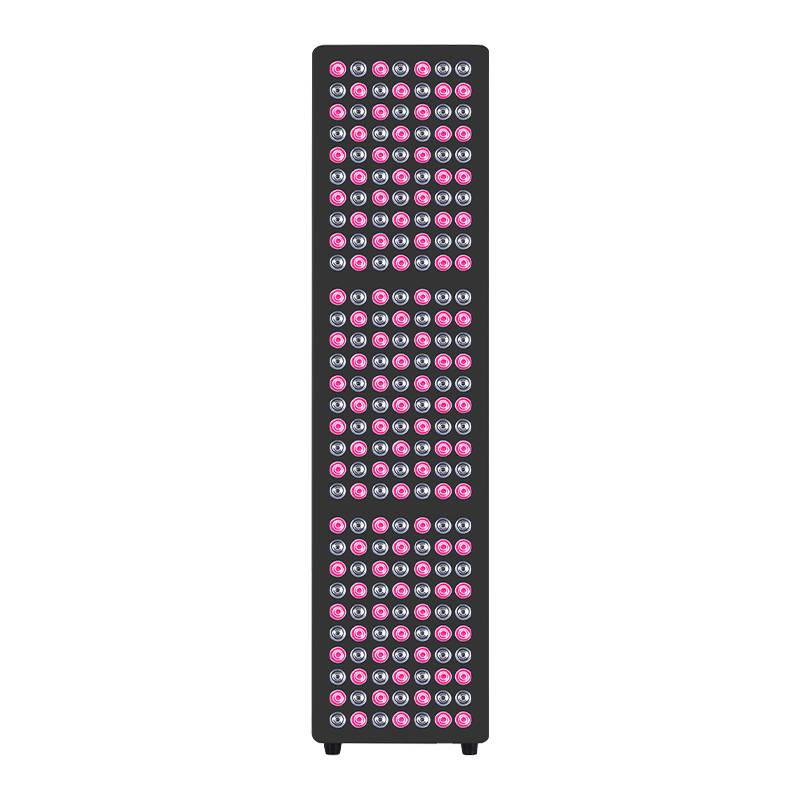
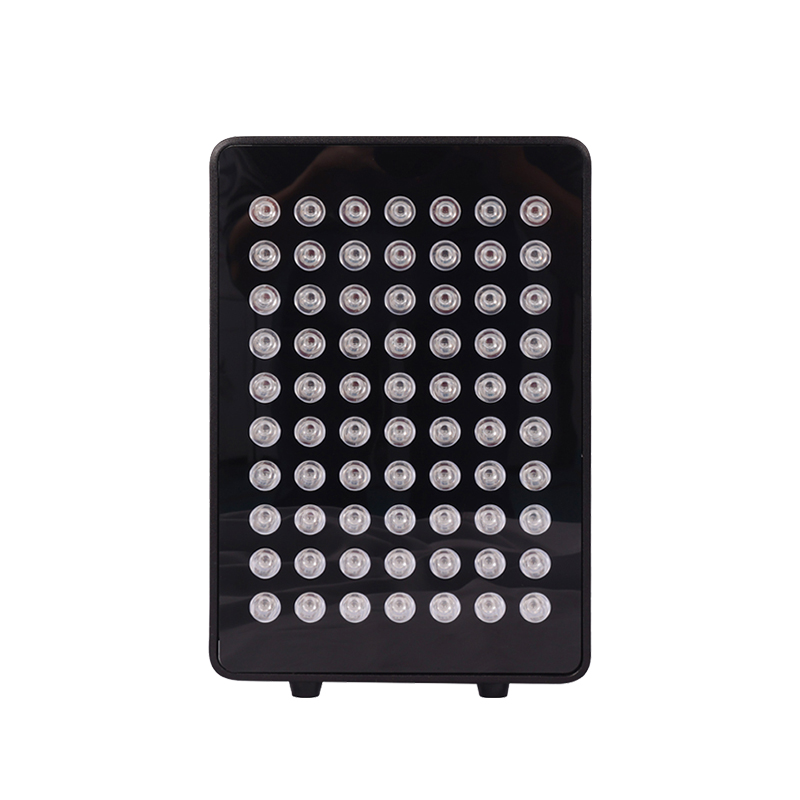
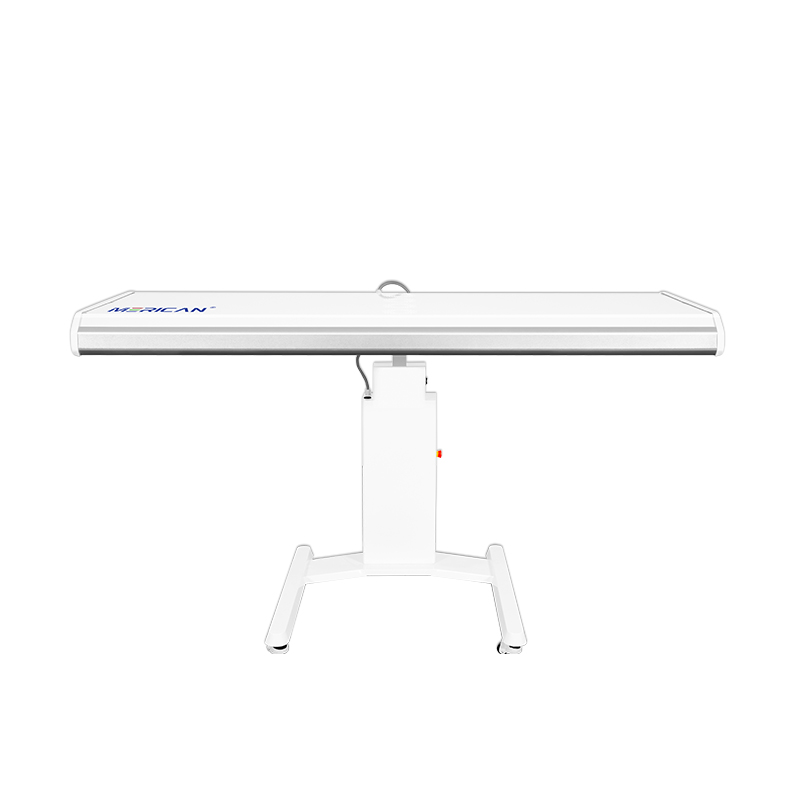
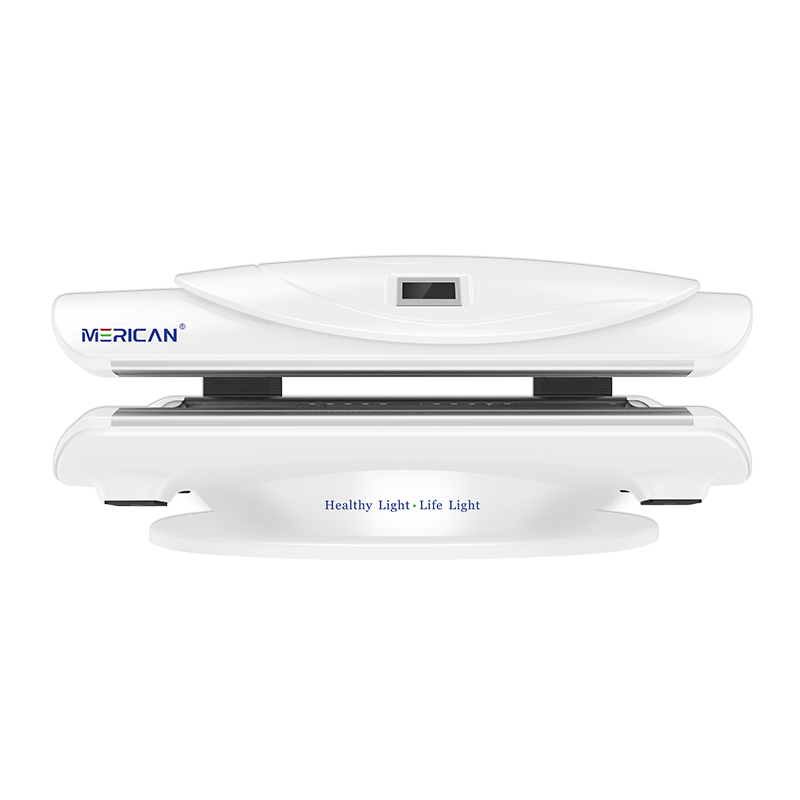
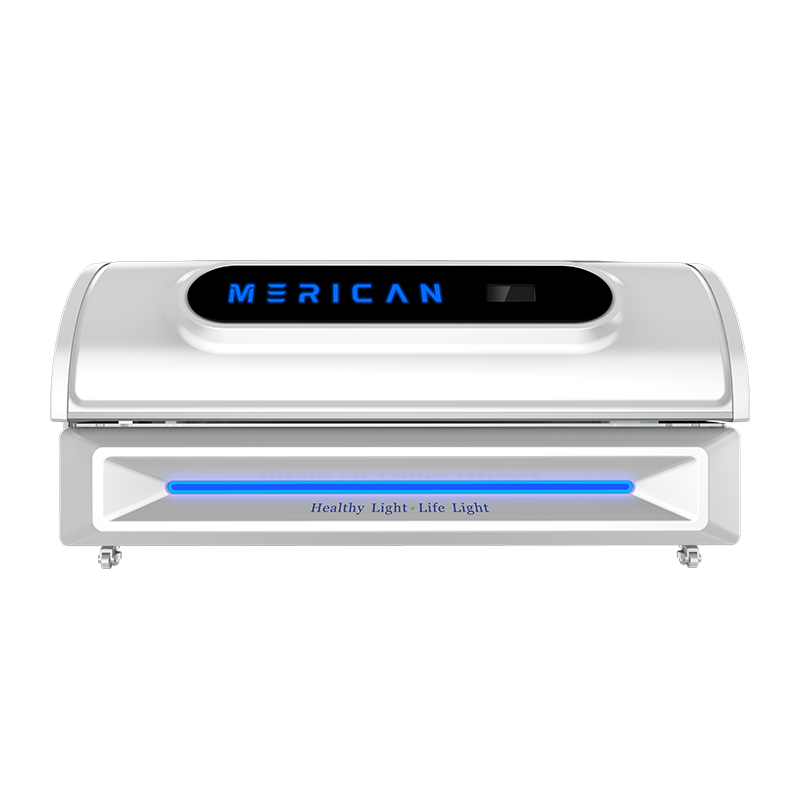
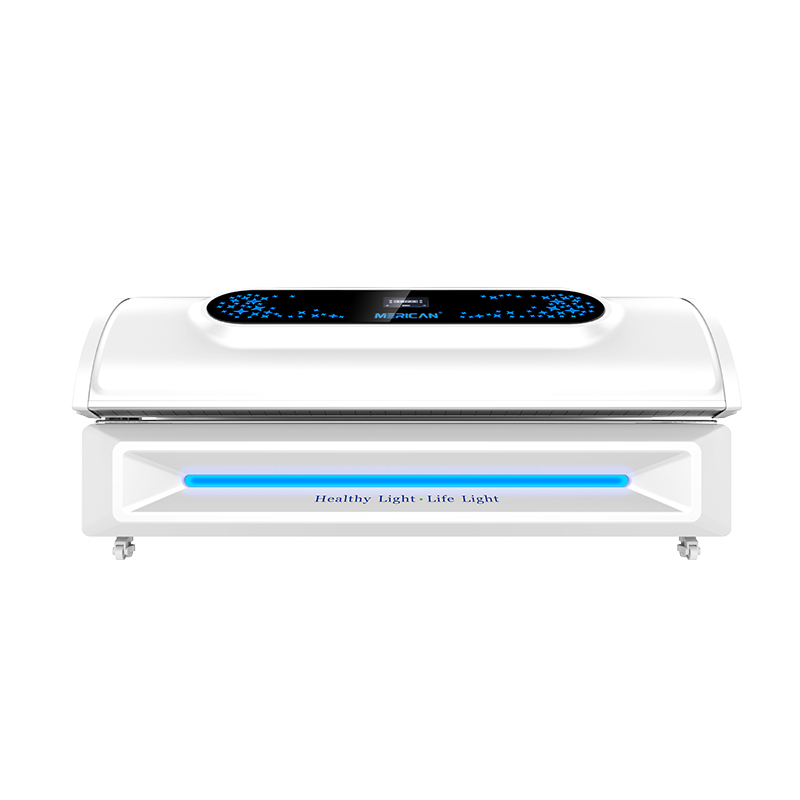
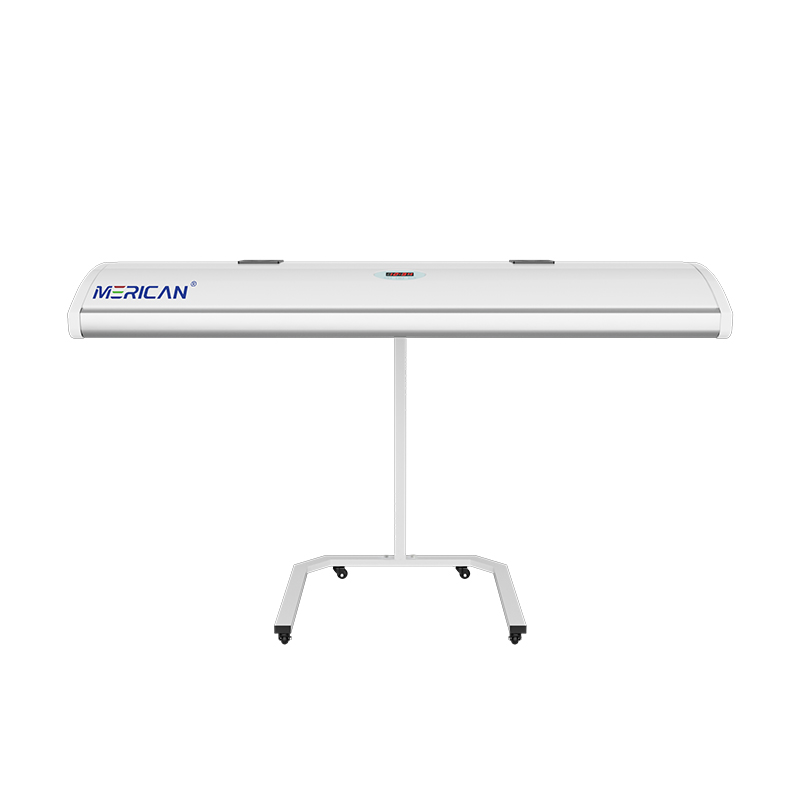
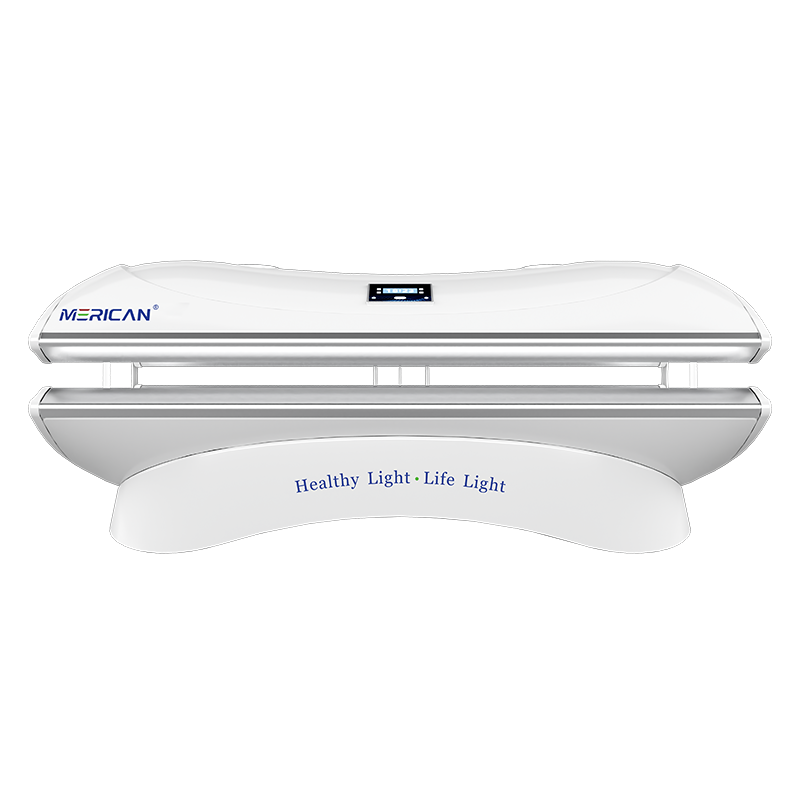
- Letti per terapia con luce rossa per tutto il corpo per un'esposizione uniforme e comodità
Vantaggi per le palestre, Cliniche, e Centri Sportivi
La terapia con la luce rossa è sempre più adottata da:
- Centri fitness e palestre
- Ambulatori di fisioterapia
- Impianti per spettacoli sportivi
- Studi di benessere e recupero
Migliora l'offerta di servizi offrendo al contempo vantaggi misurabili in termini di recupero ai clienti.
Terapia con luce rossa rispetto ai metodi di recupero tradizionali
| Metodo di recupero | Limitazioni chiave |
|---|---|
| Bagni di ghiaccio | Malessere, frequenza limitata |
| Massaggio | Richiede tempo, costo |
| Antidolorifico | Effetti collaterali |
| Terapia con la luce rossa | Non invasivo, ripetibile, senza farmaci |
Chi può trarne maggior beneficio?
- Atleti con programmi di allenamento intensivi
- Appassionati di fitness che soffrono di dolori muscolari
- Individui che si stanno riprendendo da uno sforzo muscolare o da un uso eccessivo
- Le aziende del benessere espandono le soluzioni di recupero
Pensieri finali
La terapia con la luce rossa non sostituisce un allenamento o un’alimentazione adeguati, ma è un potente strumento complementare per il recupero muscolare. Con un uso costante, può aiutare gli utenti a recuperare più velocemente, allenarsi più duramente, e ridurre il rischio di lesioni.