mate ngenge mau tonu (CFS), ka kiia hoki ko te myalgic encephalomyelitis, he mate uaua kei reira te manawanui e pa ana ki te ngenge nui e roa ana mo te ono marama. He maha nga wa, e kore e taea te tino whakamaarama i nga tohu e tetahi mate hauora. I tenei wa ka pa te CFS ki te 2.5 miriona nga tangata i te US. I tenei wa he maha nga ariā mo te take o te CFS, kua puta mai i nga mate viral ki te ahotea hinengaro. I hiahia matou ki te tirotiro mena he hononga kei waenga i te rongoa marama me te rongoa i nga turoro CFS huri noa i te ao.
He maha ake i te kore, Ko nga tangata e pa ana ki te CFS ka whiwhi hua noa i runga i nga whakamatautau taiwhanga paerewa ina toro atu ratou ki nga tohunga rongoa mo nga whakautu ki o raatau ngenge tonu.. Ko te hua tenei ko nga taakuta e whakahee ana i nga tohu mo tetahi mate hinengaro kei raro ake i te whakaae ko te CFS., i te mea karekau he whakamatautau motuhake hei whakau. E rua nga whakapae mo te take o te CFS:
Ko te whakapae e tino whakaponohia ana ko nga tohu ka puta mai i nga ahuatanga o te hinengaro, a he mea noa te paopaotanga o te hunga mate CFS.. Ko te ngenge tinana na te kore o te kaha, engari ko te ngenge o te hinengaro e tohuhia ana e te kore o te hihiko me te mataara - ahakoa ka whakamahia e te roro tetahi waahanga nui o te kaha o te pūtau e okioki ana ki te mahi.. Ki te he noa te pākia o te hunga mate, ko te ngenge me etahi atu tohu na te paunga o te kaha i te taumahatanga o te hinengaro me te tinana, māharahara, me te pouri.
The other hypothesis states that sufferers of CSF have irregularly functioning metabolisms, where insufficient energy is being produced for normal body functioning. If there is insufficient energy available, caused by problematic gut fermentation or pancreatic issues, energy production will be impaired, and fatigue may result. The conditions can be tested for and can be linked to explain the CFS symptoms.
Symptoms of chronic fatigue syndrome:
- Difficulty focusing and concentrating
- Poor memory retention
- Dizziness that worsens when lying down or sitting to standing
- Sleep that doesn’t improve fatigue
- Joint or muscle pain
- Enlarged lymph nodes in the neck or armpits
- Nga mahunga
How RLT Works: A Brief Overview of the Science
Red light therapy works at the cellular level to enhance energy production and reduce inflammation. Here’s a closer look at the science behind it.
*Whakanuia Pūkoro Pūkoro
Red light penetrates the skin, which the mitochondria absorb. This process enhances the mitochondria’s ability to produce adenosine triphosphate (ATP), te moni pūngao o te pūtau, resulting in increased energy levels. More cellular energy means more fuel for the body to function, leading to reduced feelings of fatigue.
*Pānga Anti-Inflammatory
RLT also reduces inflammation by increasing blood flow and promoting the release of nitric oxide. Inflammation is a common cause of chronic fatigue, so reducing it can lead to improved overall well-being and energy levels. I tua atu, RLT can stimulate the production of collagen and elastin, which are essential for maintaining healthy skin.
*Using Red Light Therapy for Chronic Fatigue Relief
If you’re interested in using RLT to relieve your chronic fatigue symptoms, here are some practical tips:
Consult with a healthcare professional to ensure it’s safe for you.
When purchasing an RLT device, make sure it emits red and near-infrared wavelengths within the therapeutic range (630–850nm).
You can use RLT devices while sitting or lying down. Choose the position that’s most comfortable for you.
Consistency is key when using RLT for chronic fatigue relief. Aim for daily sessions of at least 10–20 minutes.
By following these practical guidelines, you can reduce the amount of fatigue you’re experiencing and get back to living life.
Benefits of RLT for Chronic Fatigue
There are numerous advantages to using red light therapy for chronic fatigue. Here are a few of the ways it can help.
- Improved Energy Levels
I roto i nga take maha, individuals undergoing RLT reported significant improvements in their energy levels. The increase in ATP production combats fatigue and boosts overall energy.
2. Whakapai ake i te Whakaora uaua
For those suffering from muscle pain and fatigue, RLT can be a game-changer. Participating in RLT accelerates muscle recovery by reducing inflammation and promoting faster healing of damaged tissues.
3. Pai ake te Kounga Moe
Quality sleep is essential for managing chronic fatigue. RLT can regulate sleep patterns by influencing the production of melatonin, te hormone te kawenga mo te moe.
Find The Right Red Light Device For CFS
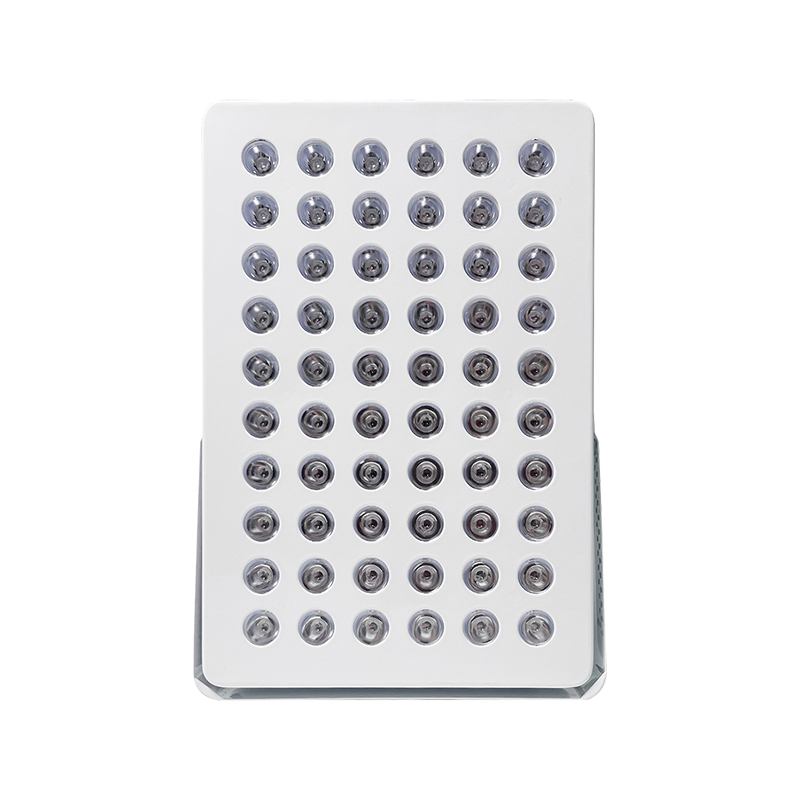
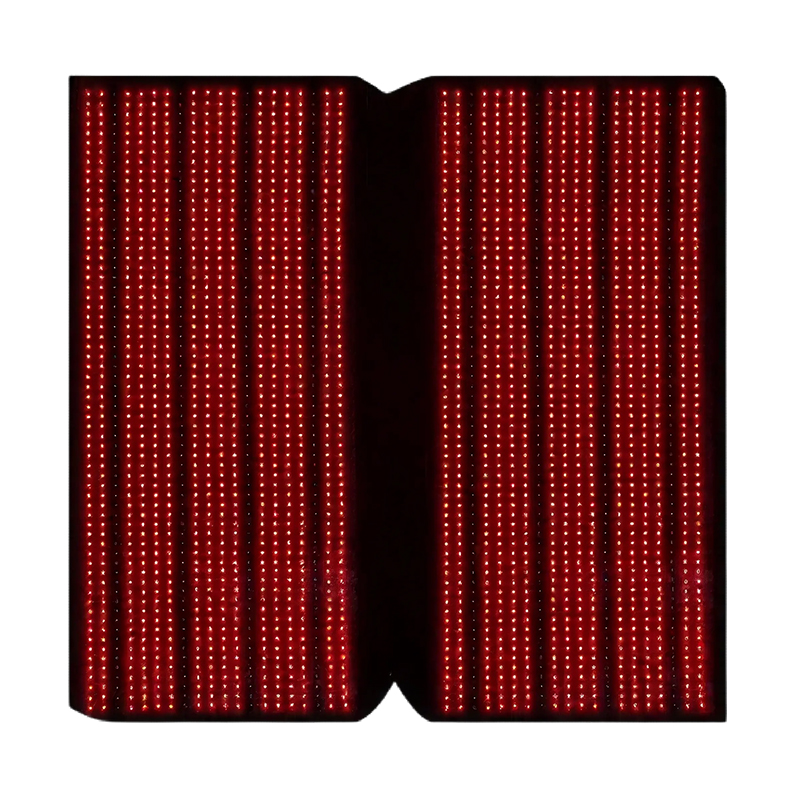
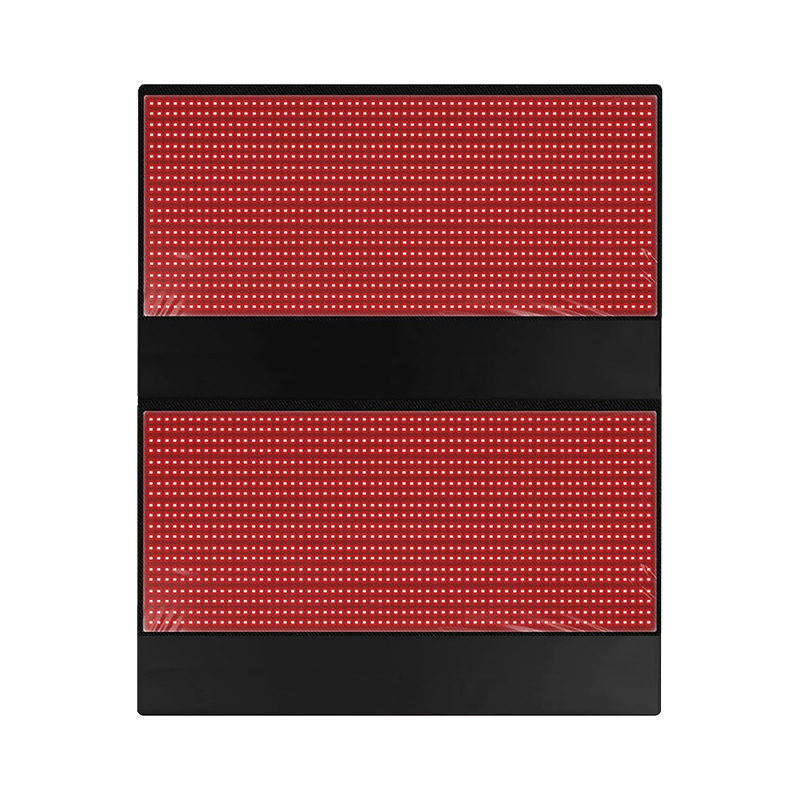
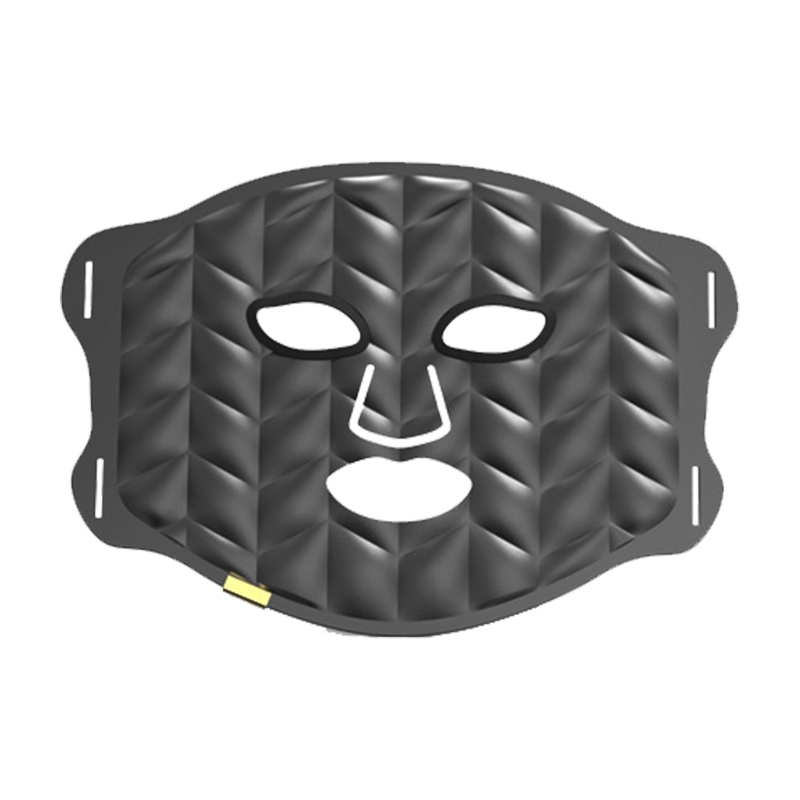
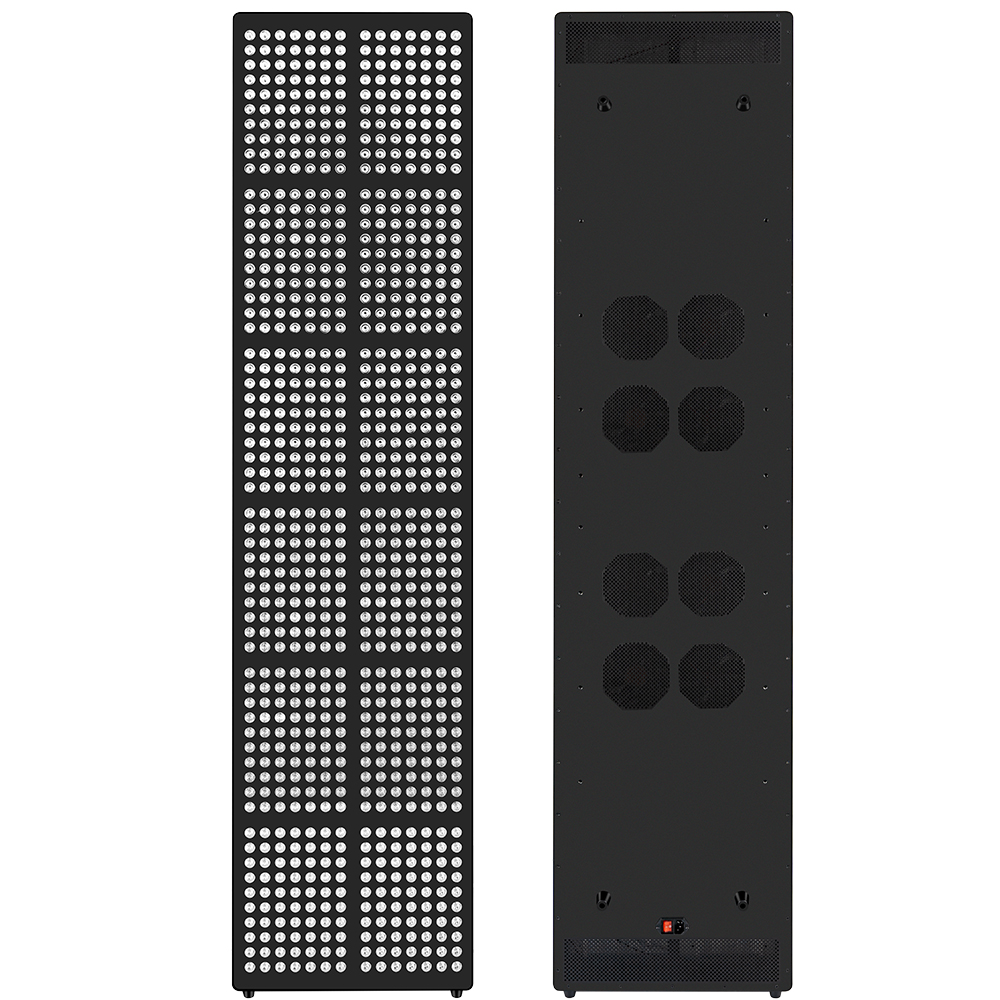
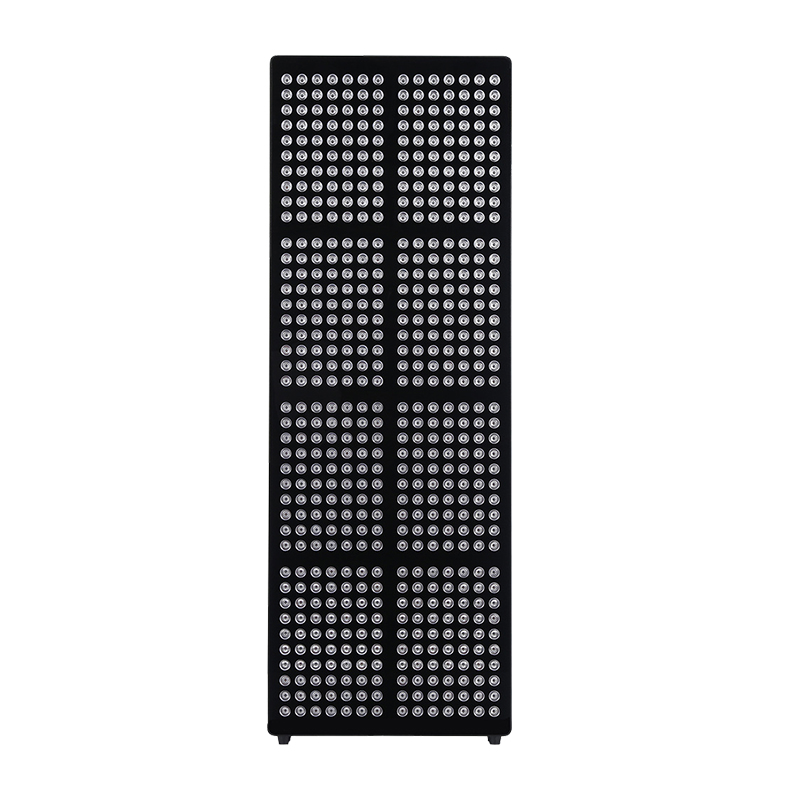
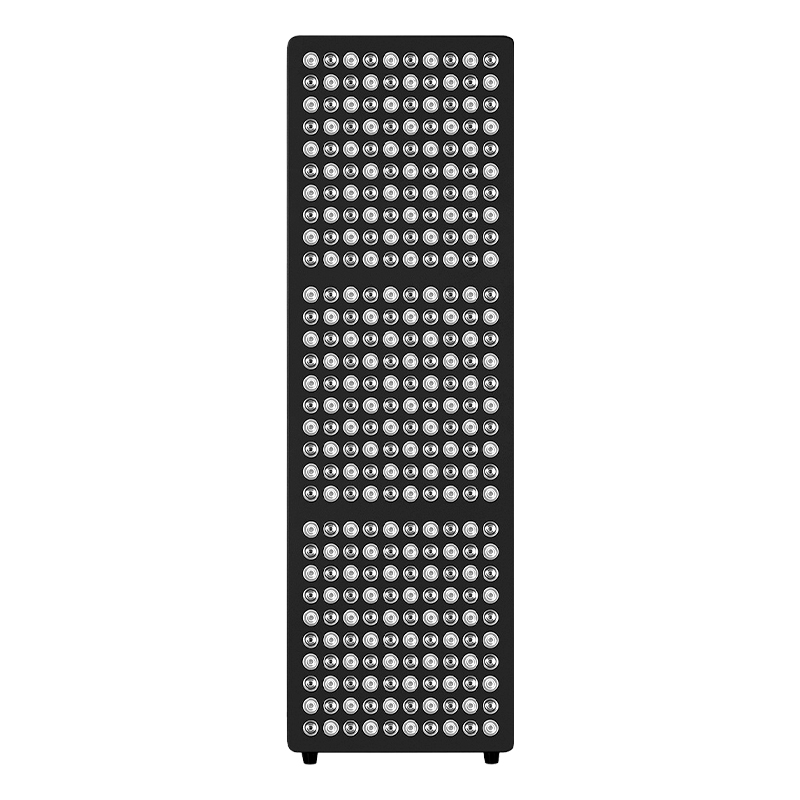
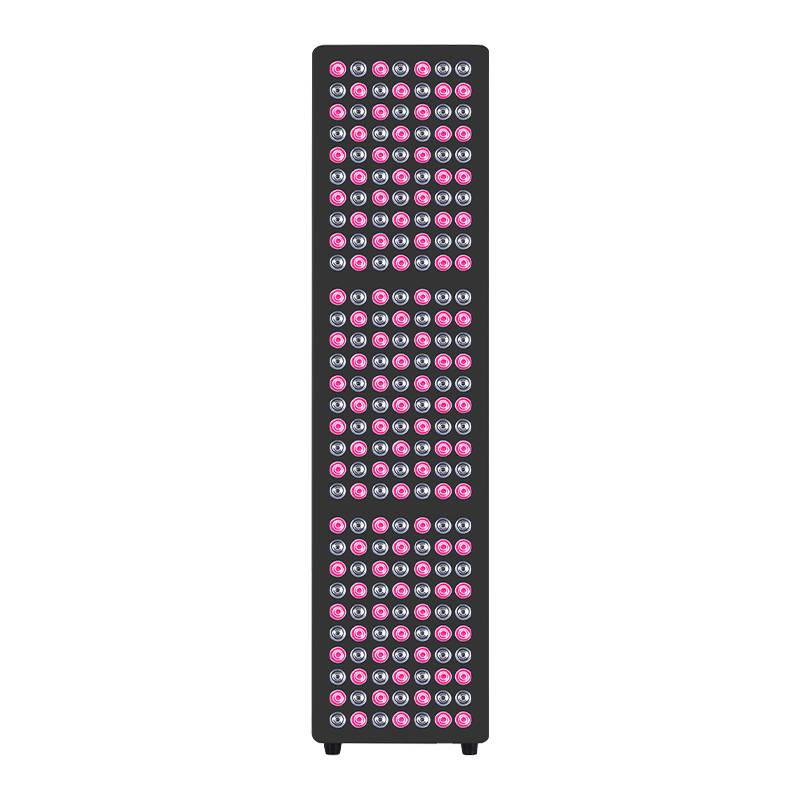
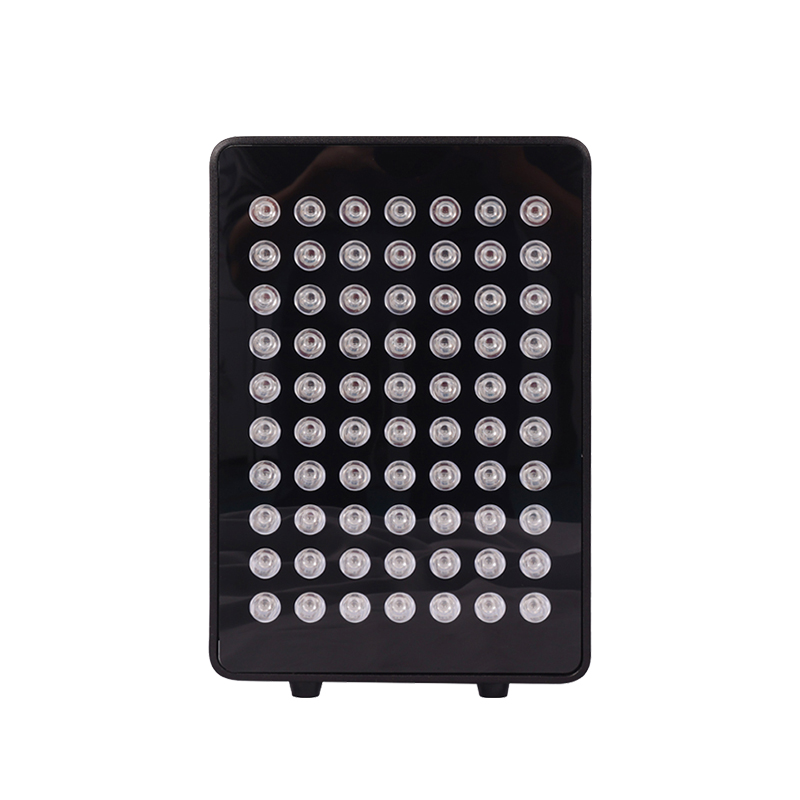
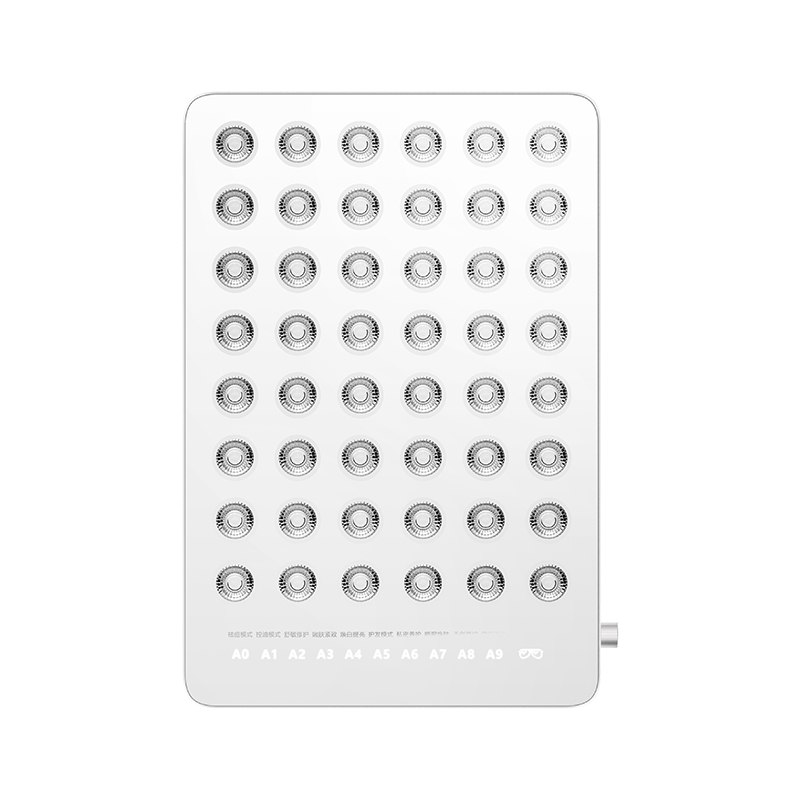
If you have CFS and are interested in red light therapy, opt for the best devices on the market. There are three main types of red light units: a red light, a near-infrared light, and those with both. All of these have proven effective for managing fatigue associated with chronic fatigue syndrome.
When you choose a red light device, Merican should be your first choice. Our devices emit the recommended intensities of 810 nm, 830 nm, 850 nm, ranei 940 nm, which are necessary to achieve the desired results (i.e., increased energy levels) without any risks or side effects. With Meircan products, you don’t have to worry about safety because our products have been reviewed and approved by the FDA, CE, ROHS, and PSE.
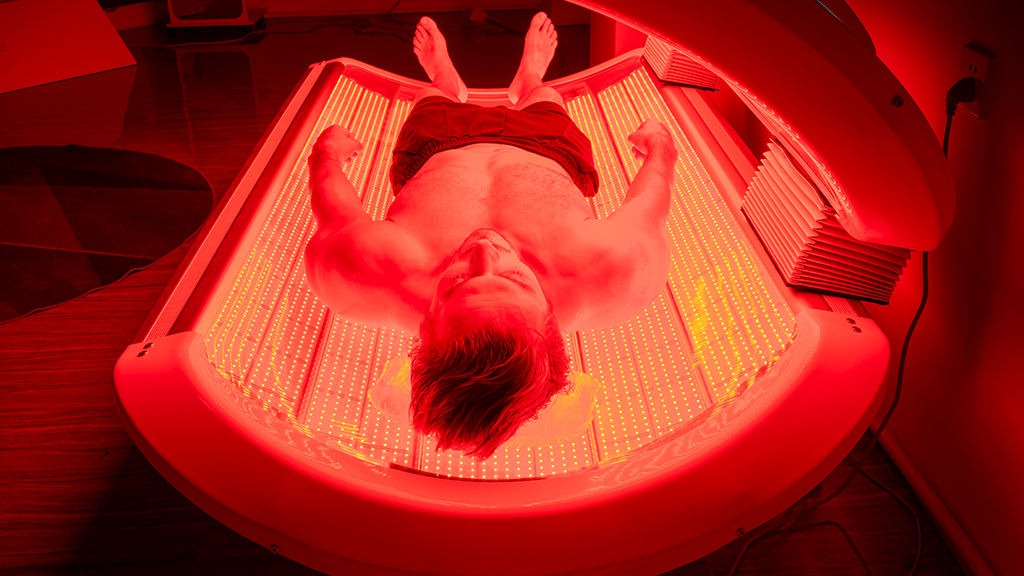
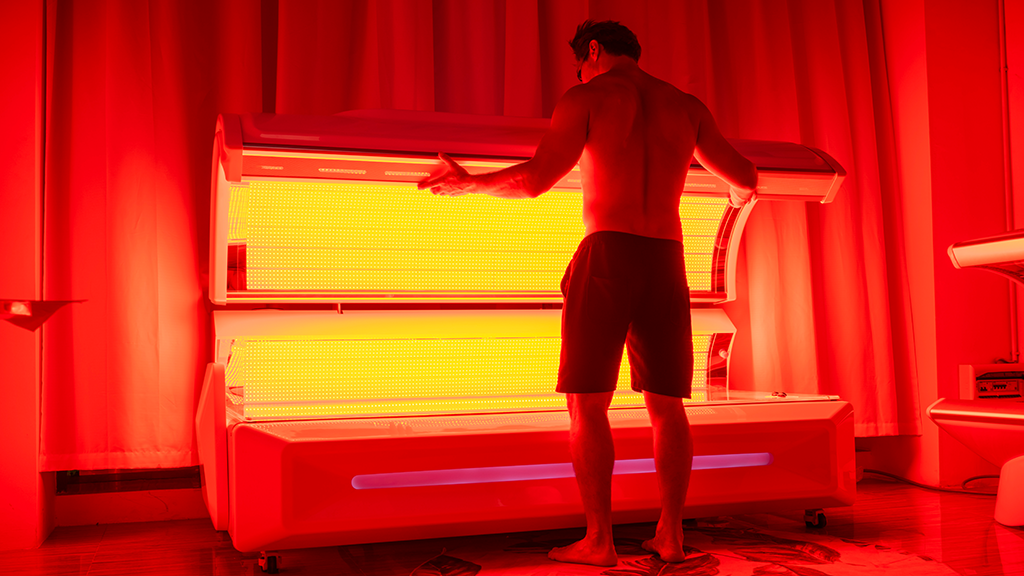
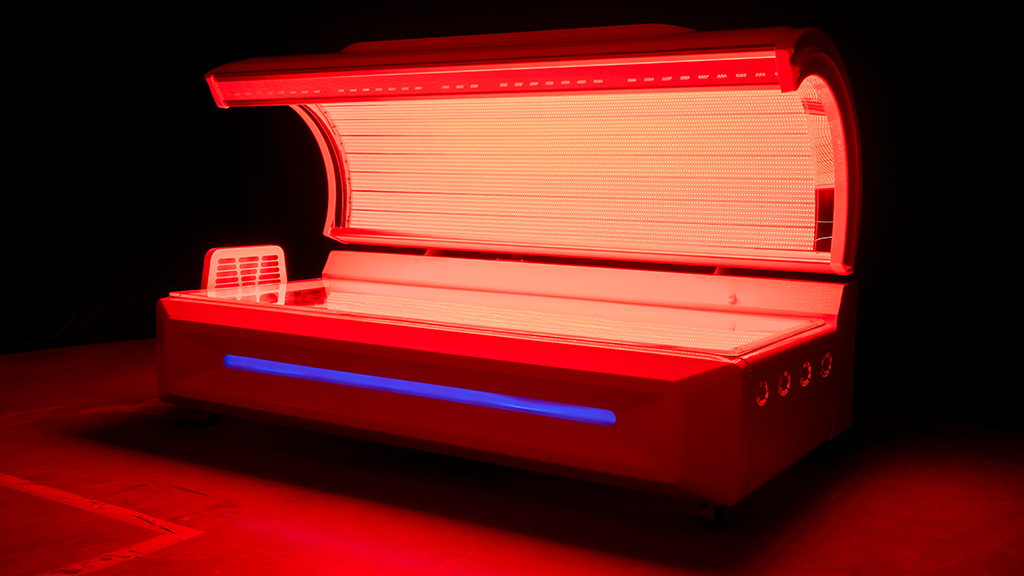
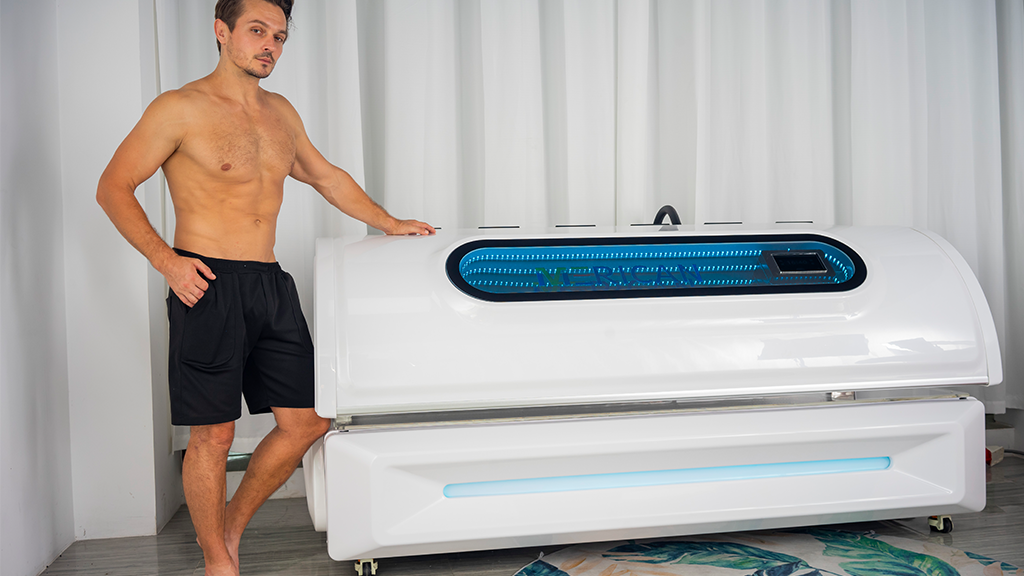
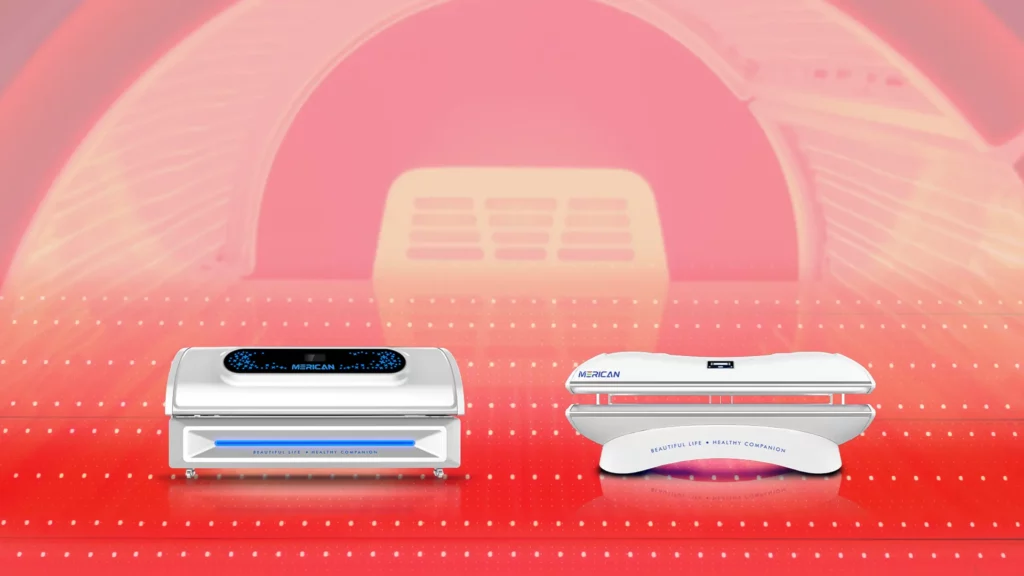
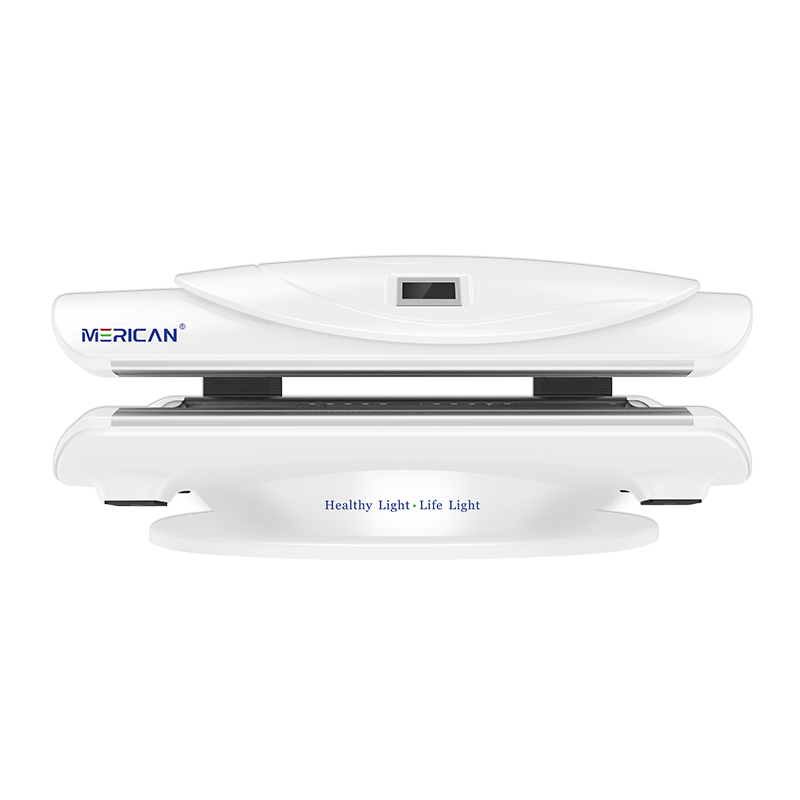
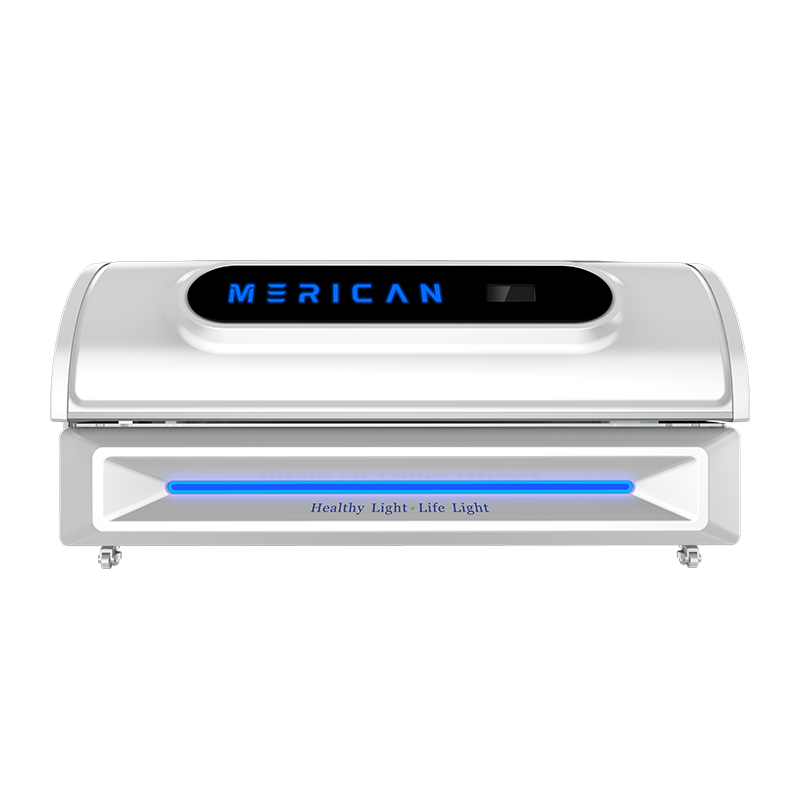
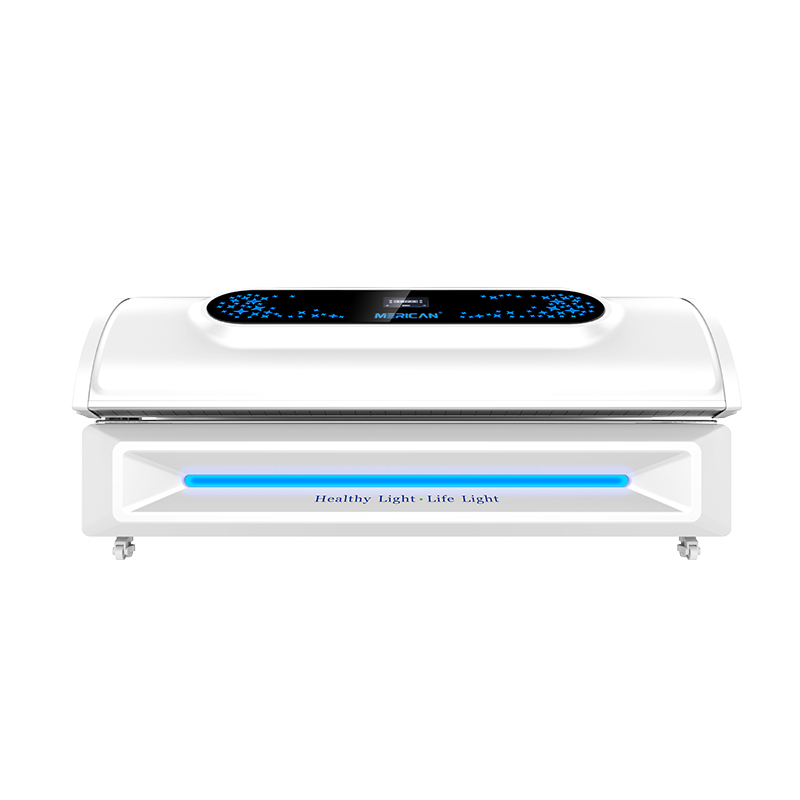
Merikana Moenga Whakamarama Marama LED M5N: Adopting horizontal full cabin design, te whakamahi i te hoahoa ergonomic hei whakataurite i te ahua o te takoto papatahi i runga i te moenga, te tuku i nga kaihoko ki te parekareka ki nga ratonga hauora me te ataahua i roto i te waahi waatea me te waatea.
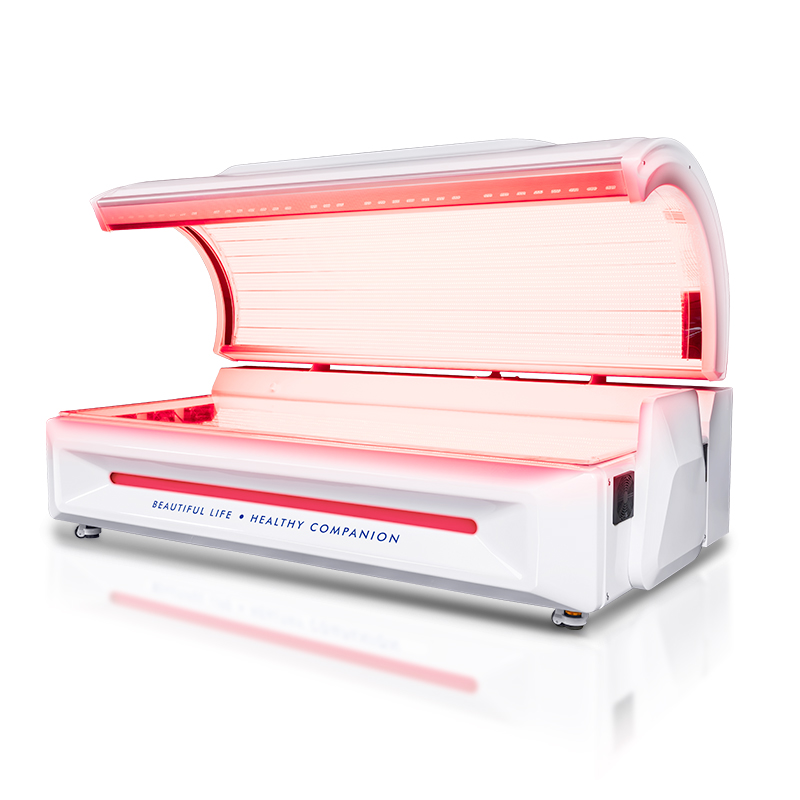
Te rongoa rama whero has been proven to boost the immune system in the following ways:
*Activating stem cell production – which can be utilized to fight dangerous cells
*Improving thyroid health – thyroid disorders massively impact white blood cell functioning
*Decreasing inflammation – which can result in autoimmune diseases
*Increasing melatonin production when used during the evening – promotes better sleep
*Stimulating the lymphatic system – crucial for the removal of toxins from the body.
Mena kei te pirangi koe ki a maatau hua, tēnā koa whakapā mai!