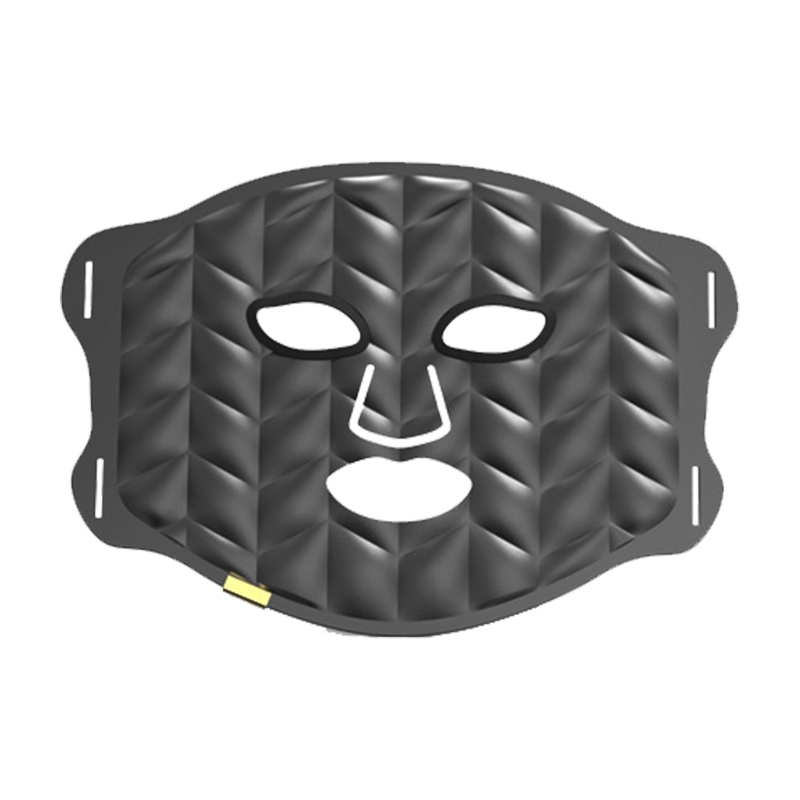
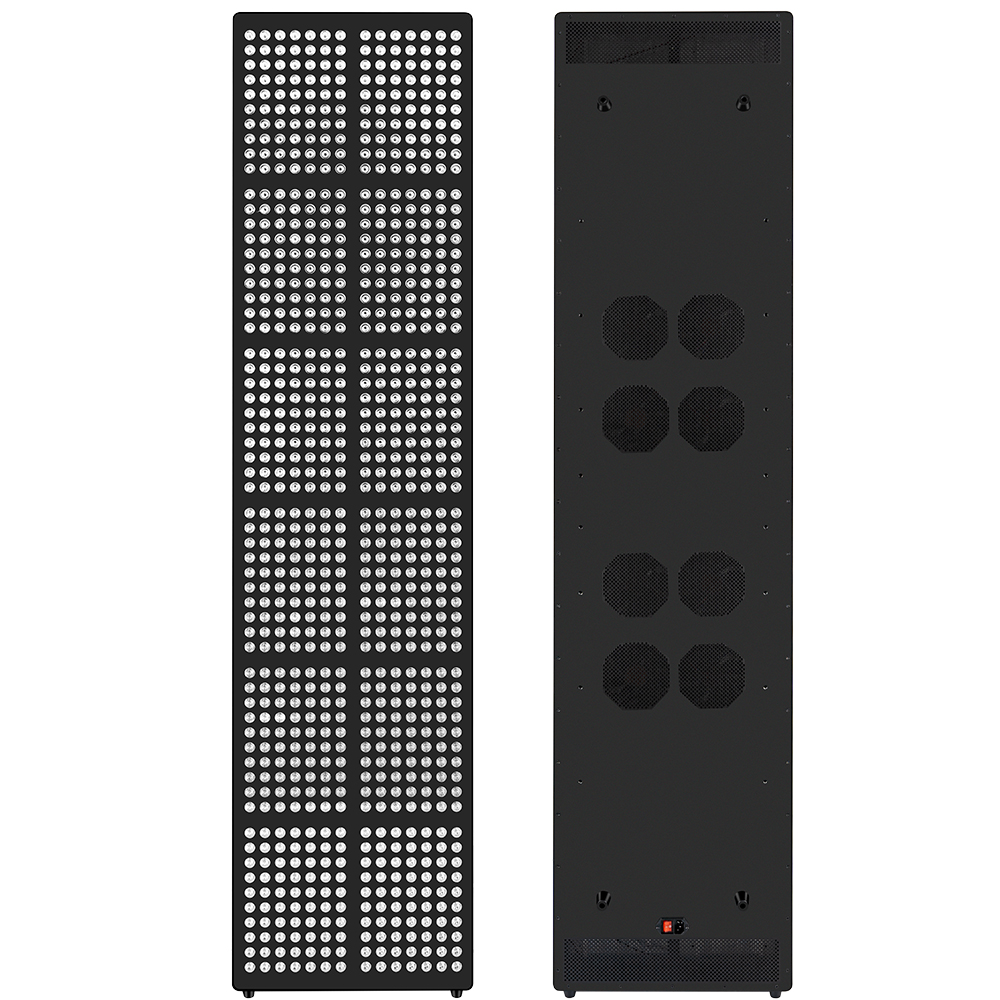
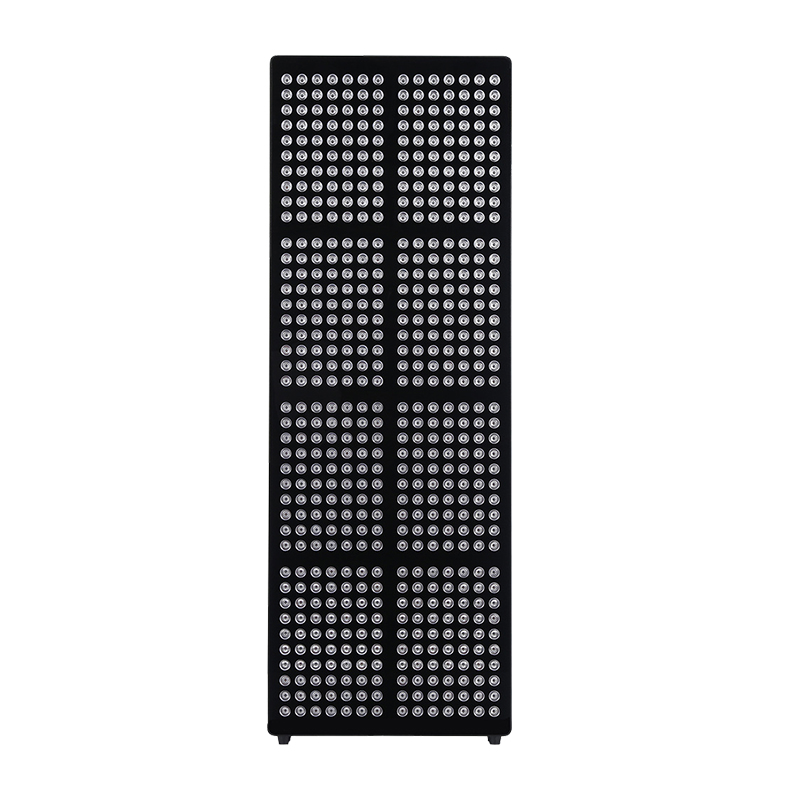
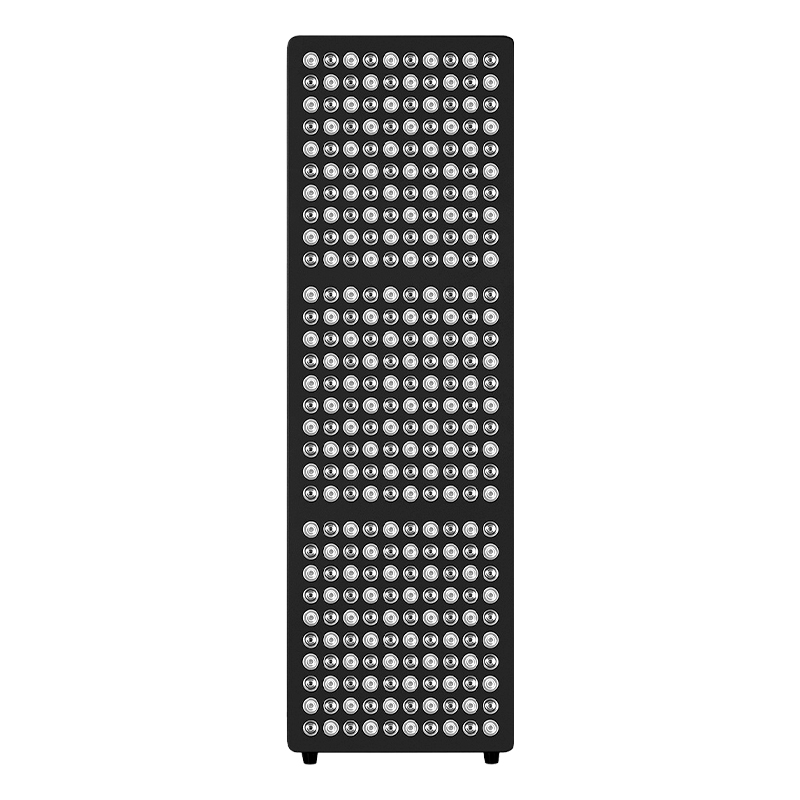
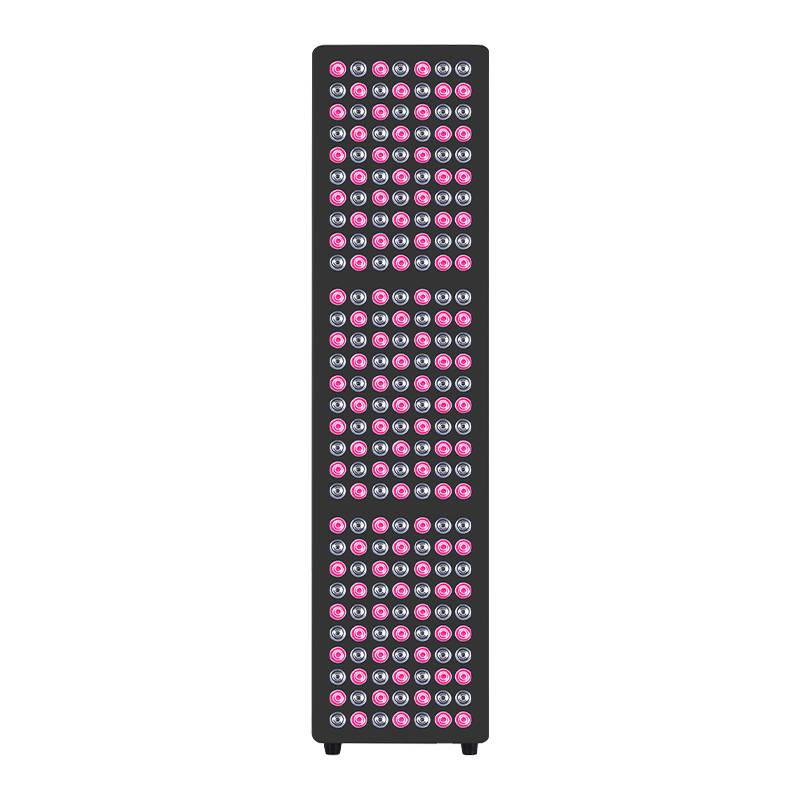
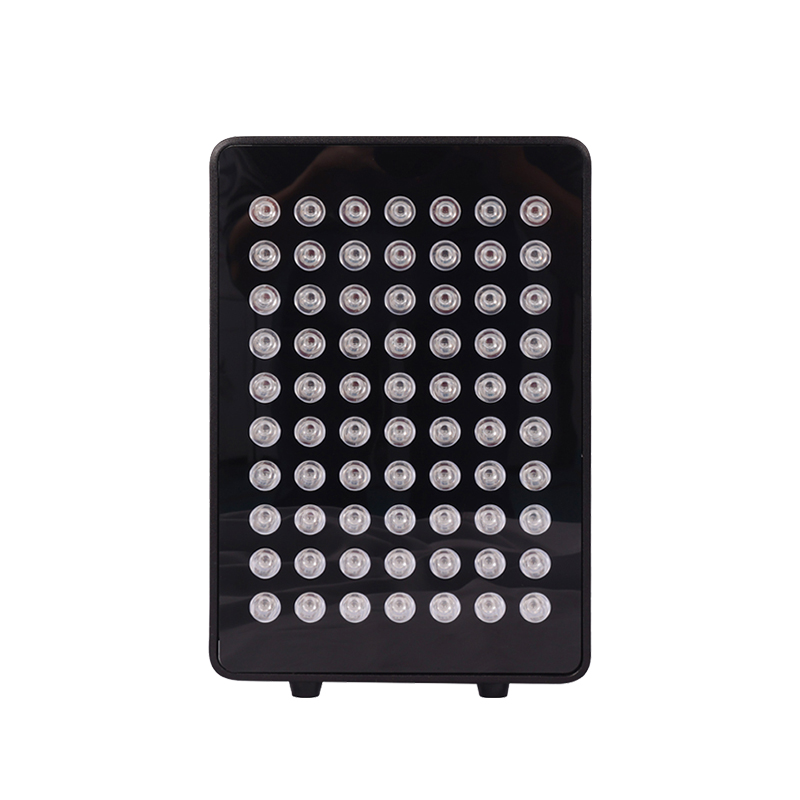
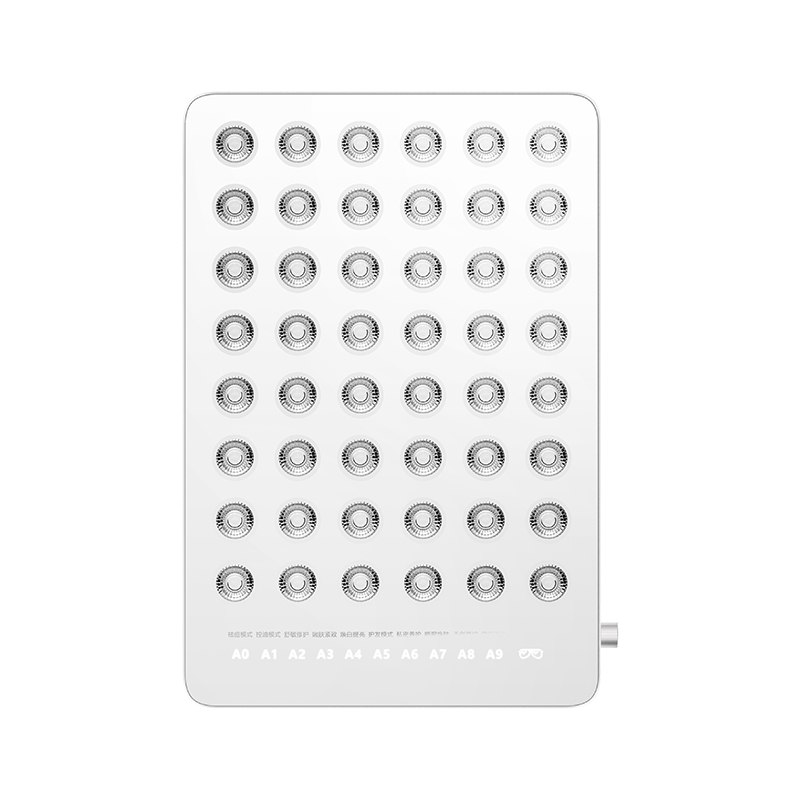
Lichttherapie, ook wel fototherapie genoemd, heeft de afgelopen jaren aan populariteit gewonnen vanwege het potentieel om een verscheidenheid aan aandoeningen te verlichten, inclusief pijn en depressie. Het gebruik van verschillende kleuren licht in therapie is gebaseerd op het idee dat verschillende golflengten van licht specifieke therapeutische effecten kunnen hebben op lichaam en geest.. Here’s a brief overview of the effects of three common colors of light used in light therapy:
- Roodlichttherapie: Rood licht, which has a longer wavelength, is known for its ability to penetrate deeper into the skin and tissue. It is often used to treat a range of conditions, including chronic pain, spierpijn, and skin issues such as acne and wrinkles. Red light therapy is thought to stimulate the production of collagen and other proteins in the skin, which can help to improve skin texture and reduce the appearance of fine lines and wrinkles. Aanvullend, red light has been shown to increase blood flow to the affected area, which can help to reduce inflammation and pain.
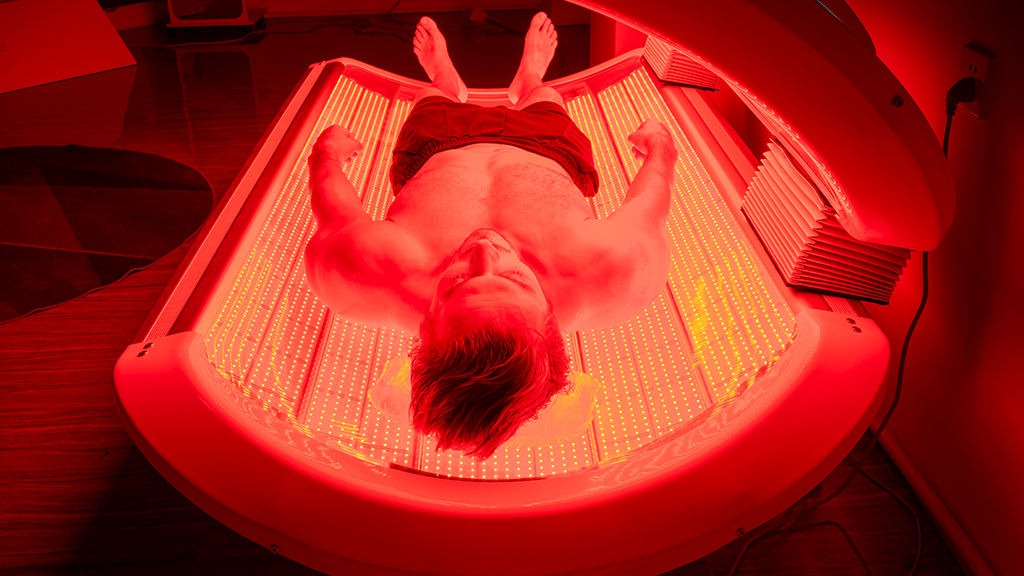
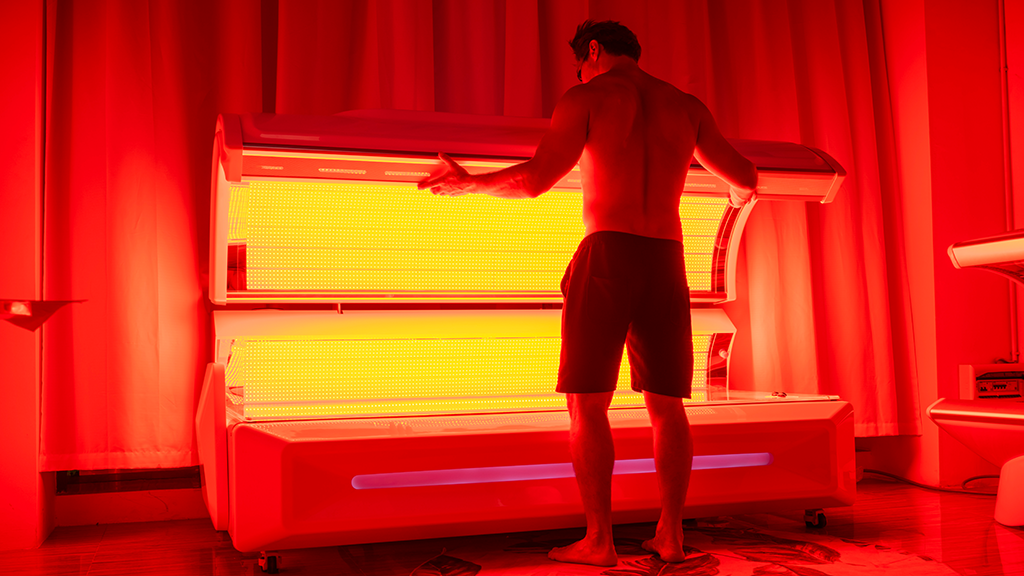
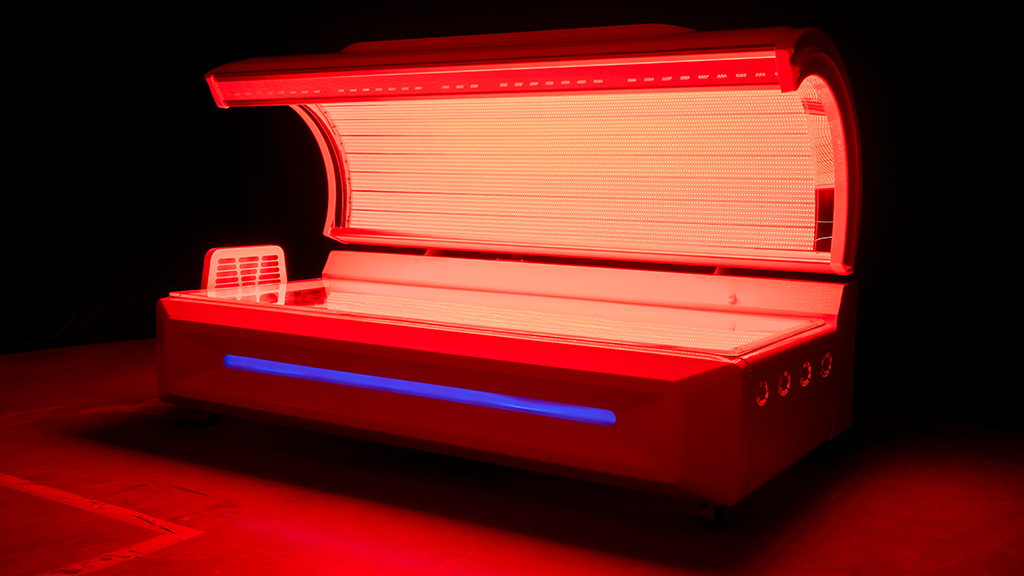
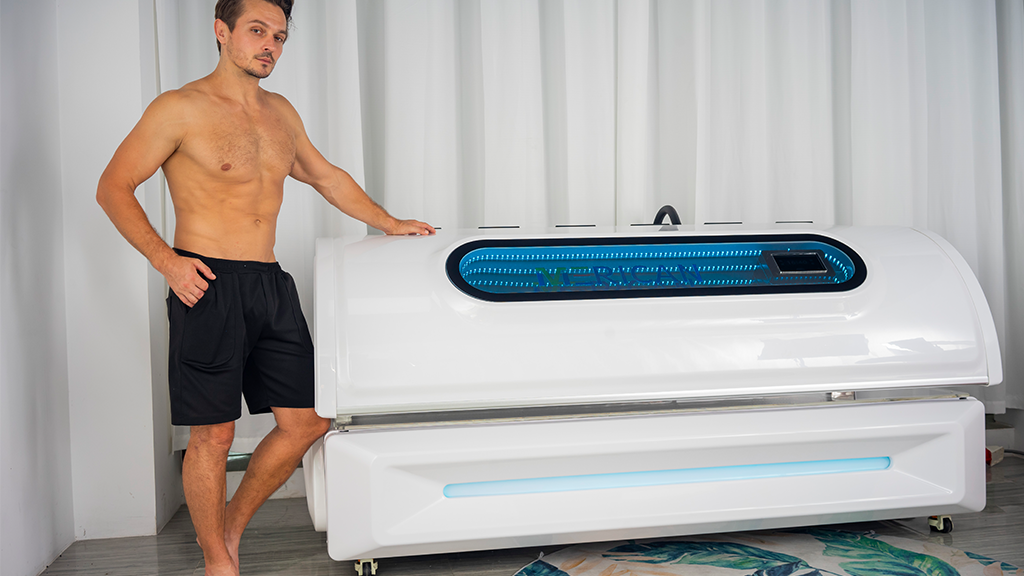
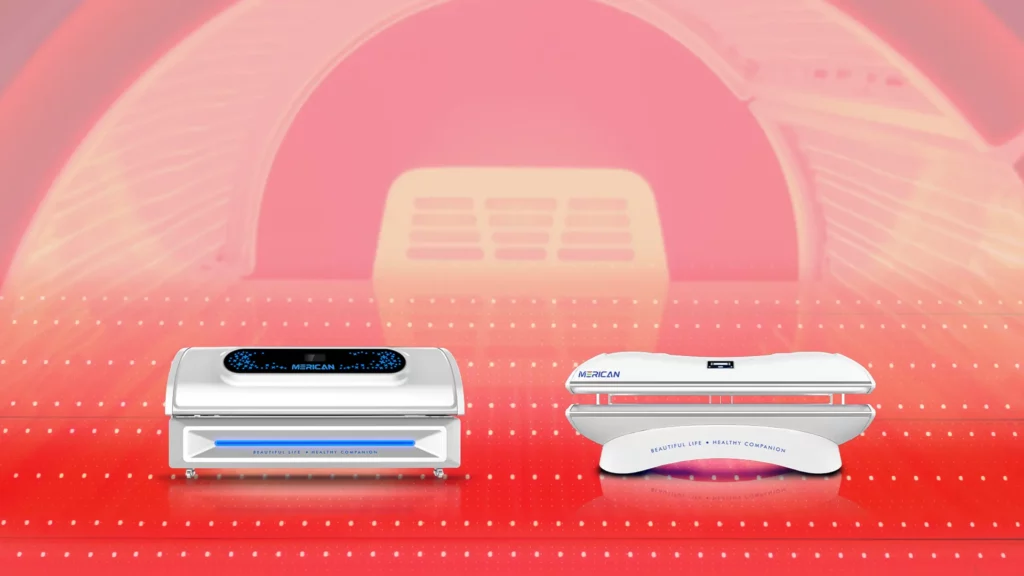
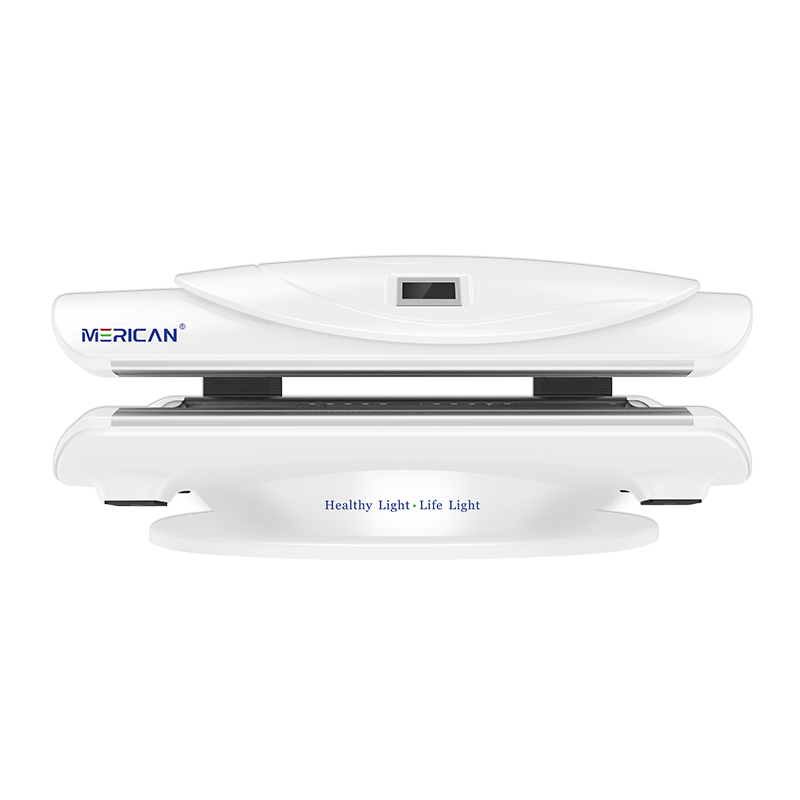
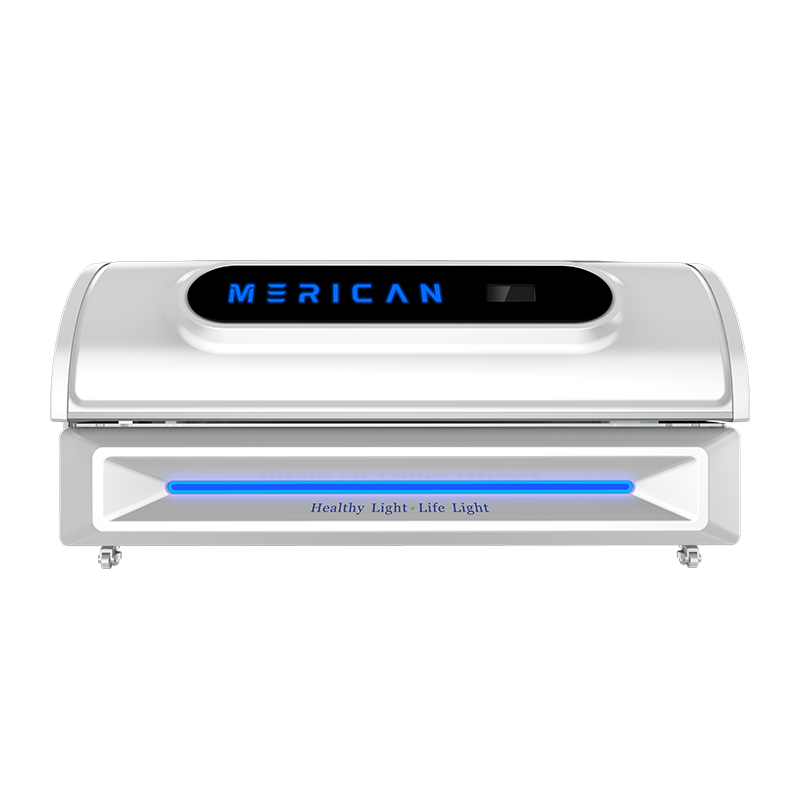
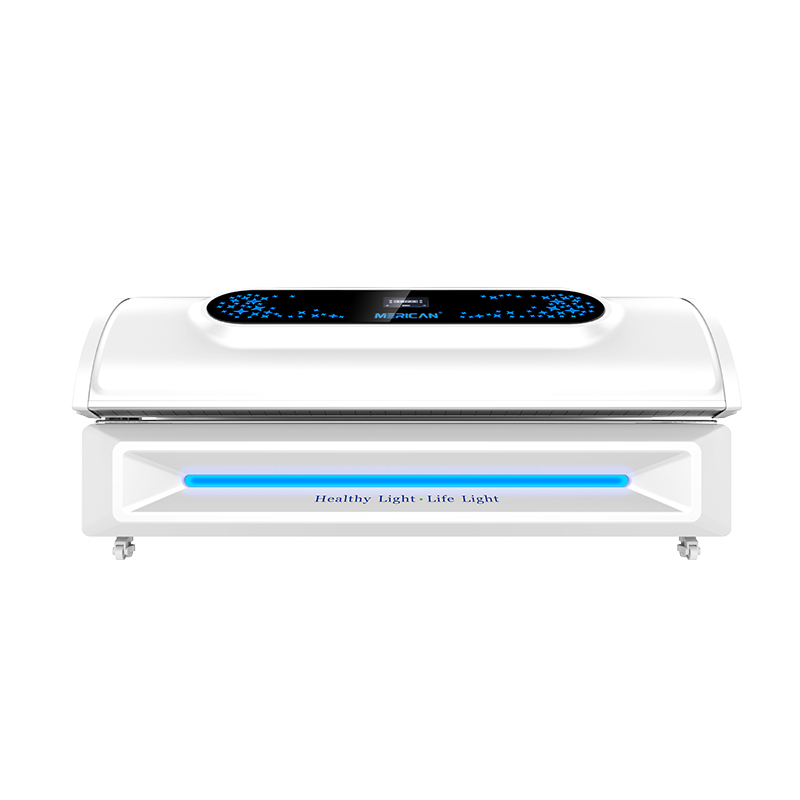
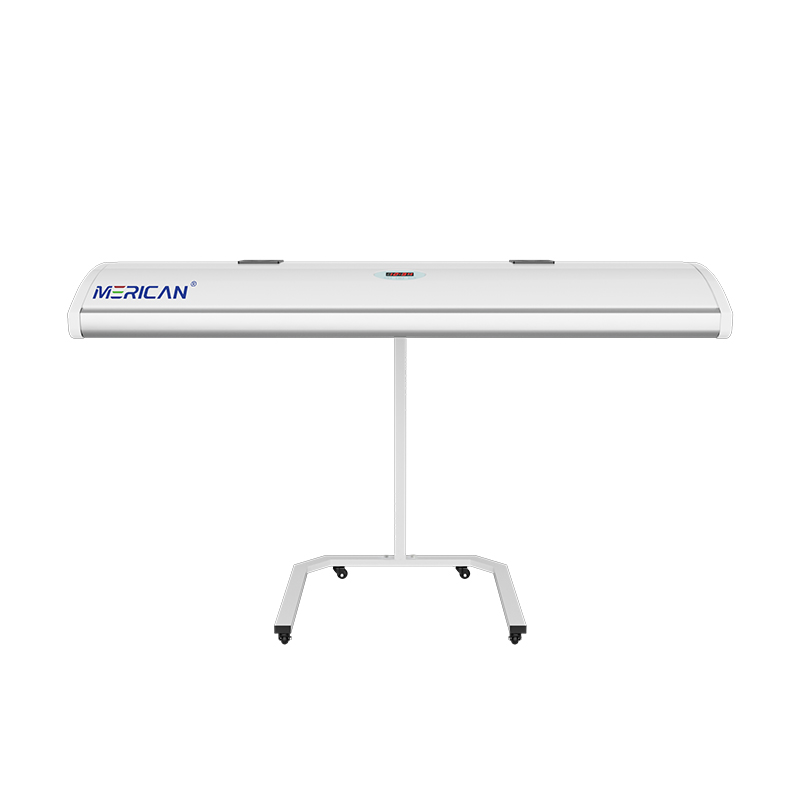
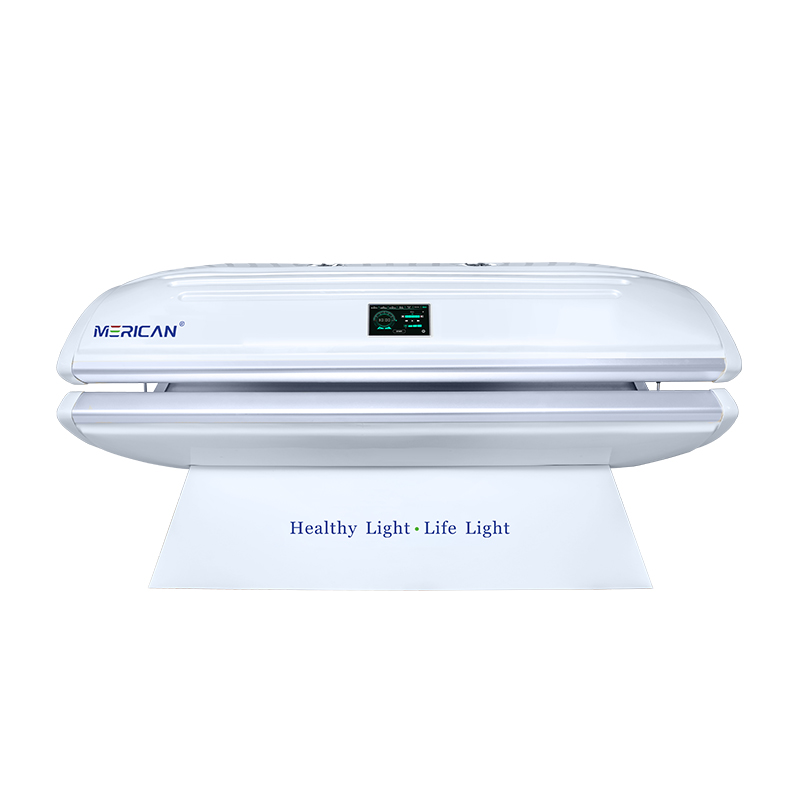
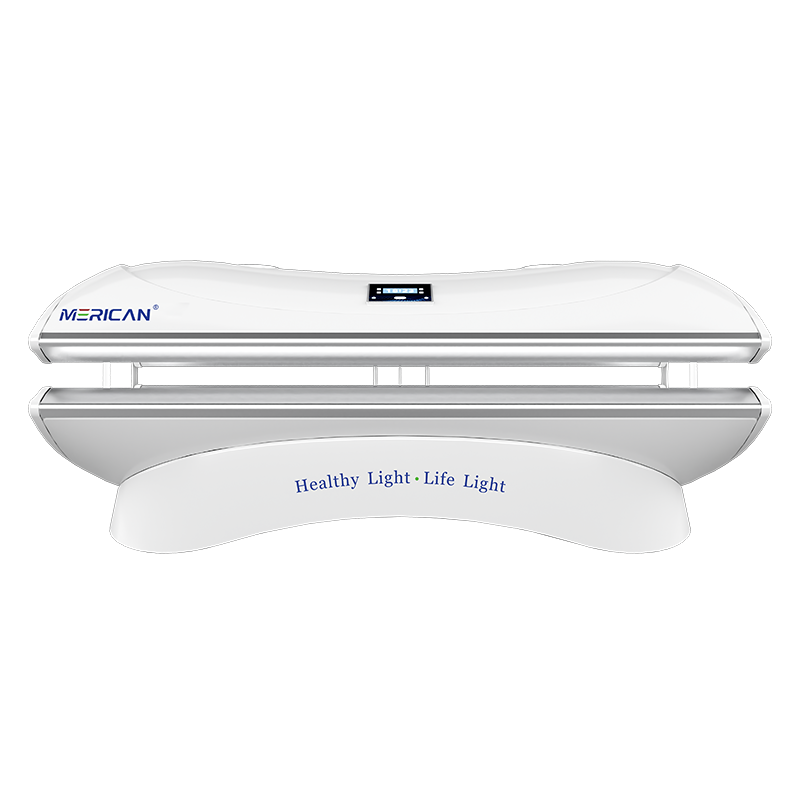
LED-lichttherapiebed M5N: Adopting a horizontal full cabin design, met behulp van een ergonomisch ontwerp om het gevoel van plat op bed liggen te simuleren, waardoor klanten kunnen genieten van gezondheids- en schoonheidsdiensten in een ontspannende en comfortabele ruimte.
Belangrijkste kenmerken:
Lichtbron: LED
Lichte kleur: Rood + Infrarood
Golflengte: 633nm/660nm/850nm/940nm
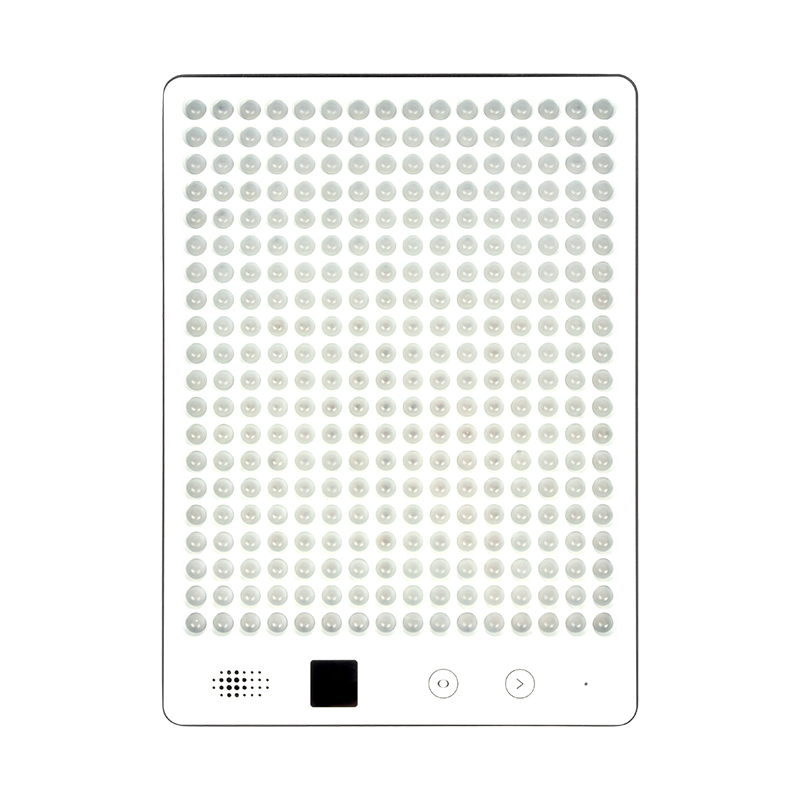
LED AANTAL: 14400LED's
Stroom: 1760W
Spanning: 110V – 380V
2. Blauwlichttherapie: Blauw licht, which has a shorter wavelength, is commonly used to treat skin conditions such as acne and rosacea. Blue light can penetrate the skin and target the bacteria that cause acne, killing them and reducing inflammation. It can also be used to treat skin conditions caused by inflammation, such as rosacea. Echter, it’s important to note that exposure to blue light, especially from screens, has been linked to digital eye strain and disrupted sleep patterns, so it’s important to use blue light therapy under the guidance of a healthcare professional.
3. Green Light Therapy: Green light therapy is less commonly used than red and blue light therapy, but it has been shown to have some potential benefits. Greenlight is thought to have a calming effect on the nervous system, which can help to reduce stress and anxiety. It has also been studied for its potential to improve sleep quality and reduce fatigue. Aanvullend, green light therapy has been shown to stimulate the production of melatonin, a hormone that regulates sleep and wakefulness, which can be beneficial for people with sleep disorders.
It’s important to keep in mind that light therapy is not a one-size-fits-all solution, and the best type of light for you will depend on your specific condition and needs. Before starting any light therapy treatment, it’s important to consult with a healthcare professional to determine the most appropriate type of light and treatment plan for you.