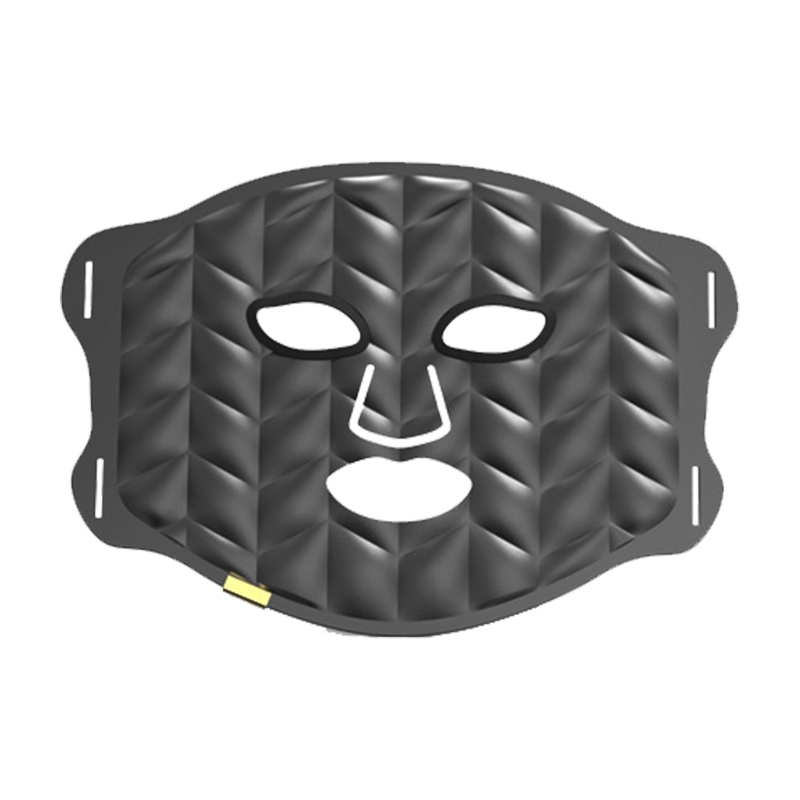
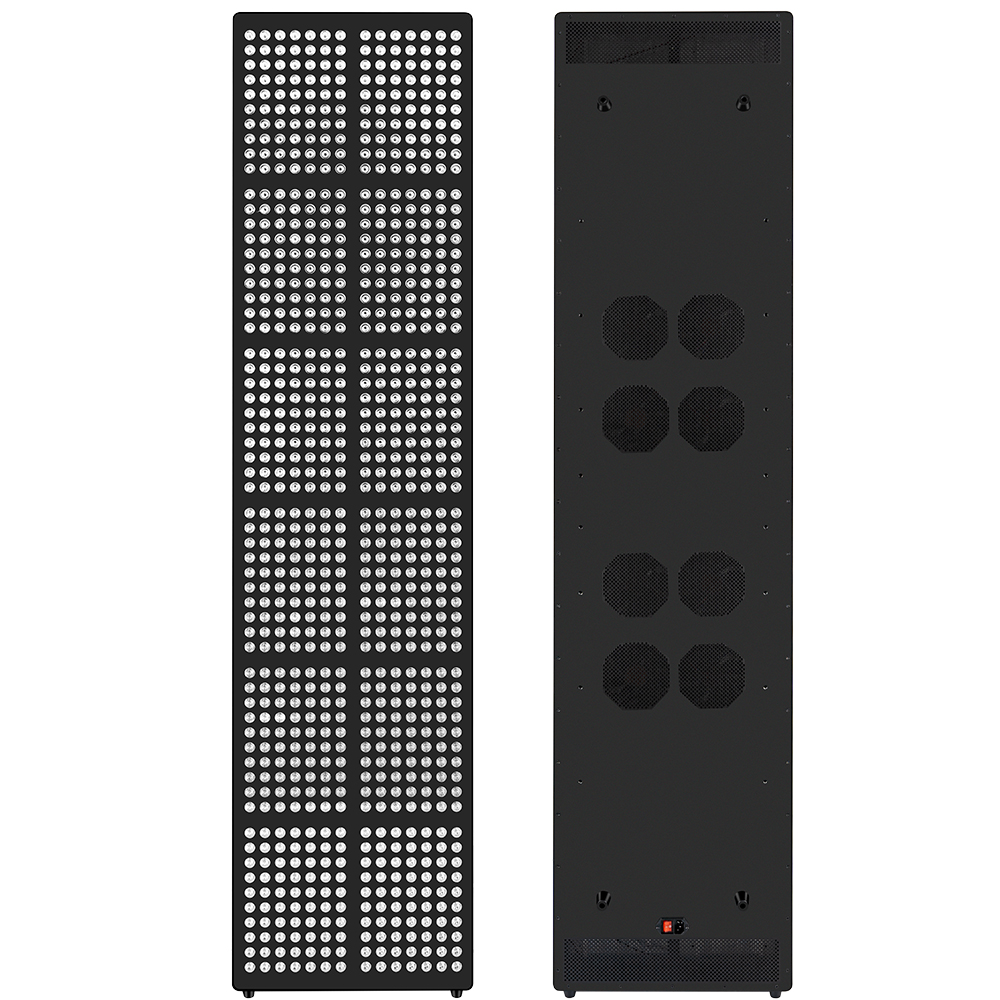
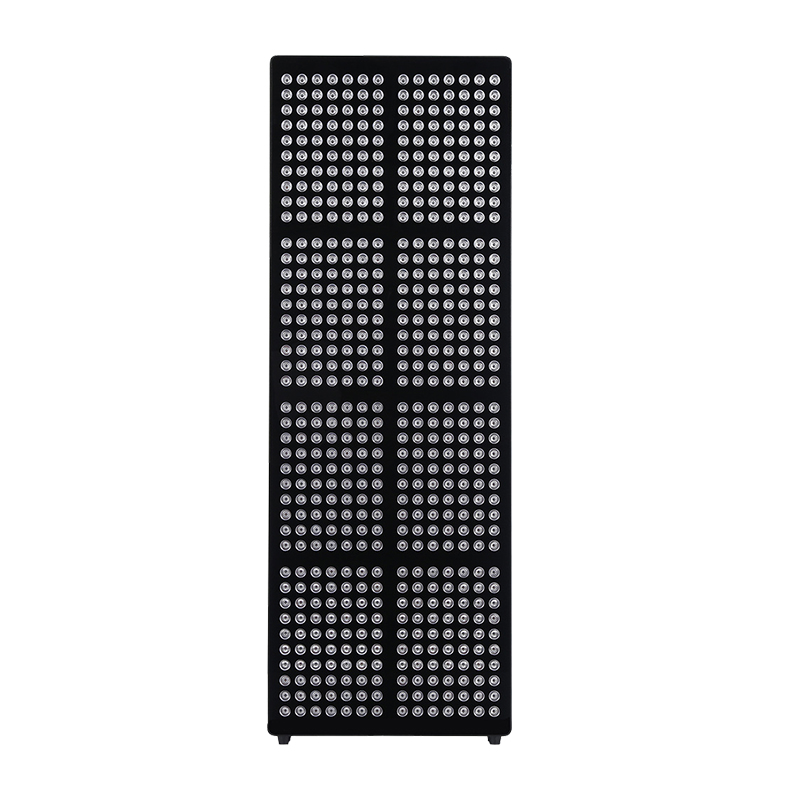
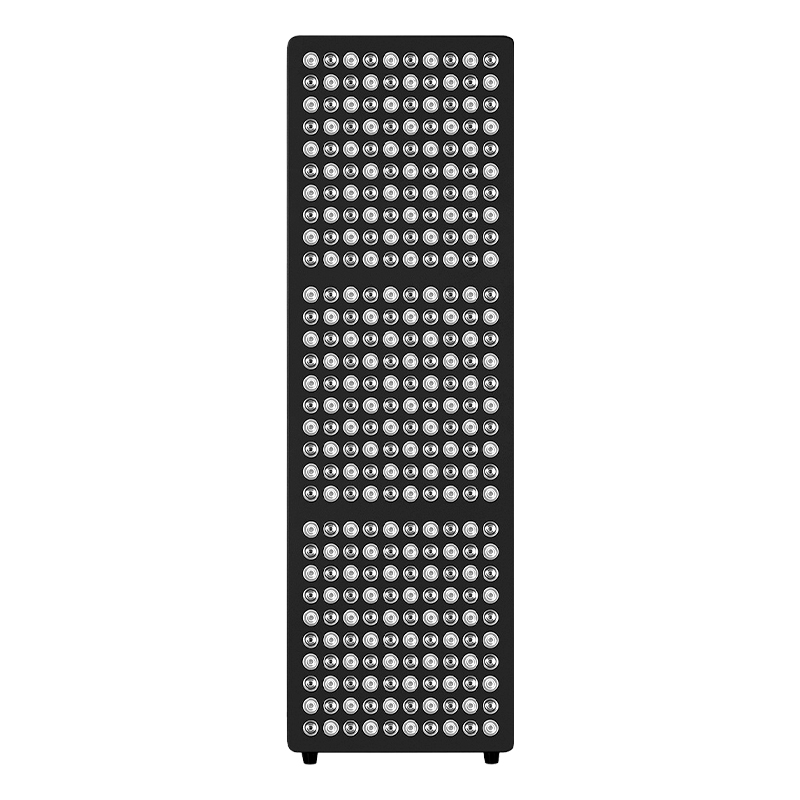
Te rongoa marama, e mohiotia ana ko te phototherapy, kua rongonuihia i nga tau tata nei mo tona kaha ki te whakaiti i nga momo ahuatanga, tae atu ki te mamae me te pouri. Ko te whakamahi i nga tae rereke o te marama i roto i te whakamaarama i runga i te whakaaro he rereke nga roangaru o te marama ka whai hua motuhake ki te tinana me te hinengaro.. Anei he tirohanga poto mo nga paanga o nga tae noa e toru o te marama e whakamahia ana i roto i te whakamaarama rama:
- Whakamarama Whero Whero: Maama whero, he roa ake te roangaru, e mohiotia ana mo tona kaha ki te kuhu hohonu ki roto i te kiri me te kiko. He maha nga wa ka whakamahia ki te rongoa i nga momo ahuatanga, tae atu ki te mamae mau tonu, mamae uaua, me nga take kiri penei i te hakihaki me nga kita. Ko te whakamaarama rama whero e whakaarohia ana hei whakaongaonga i te hanga o te collagen me etahi atu pūmua i roto i te kiri, ka taea te awhina ki te whakapai ake i te kakano kiri me te whakaiti i te ahua o nga raina pai me nga kita. I tua atu, kua whakaatuhia te rama whero ki te whakanui ake i te rere toto ki te waahi kua pa, ka taea te whakaiti i te mumura me te mamae.
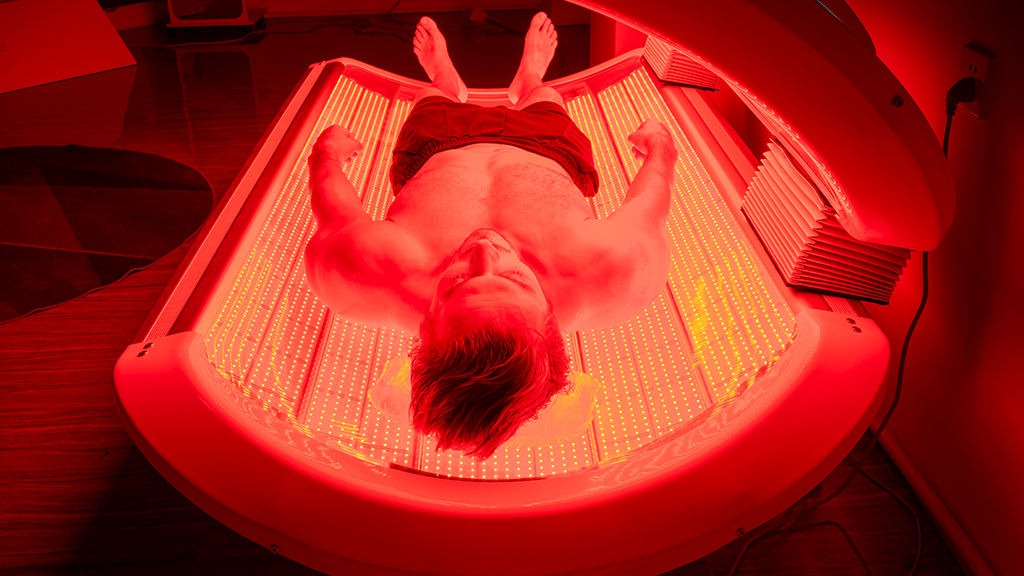
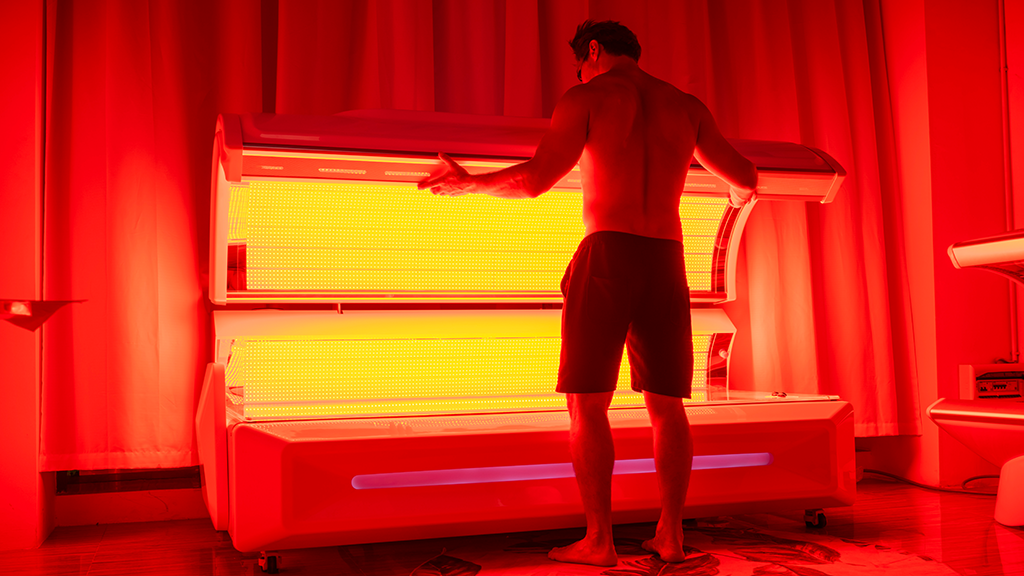
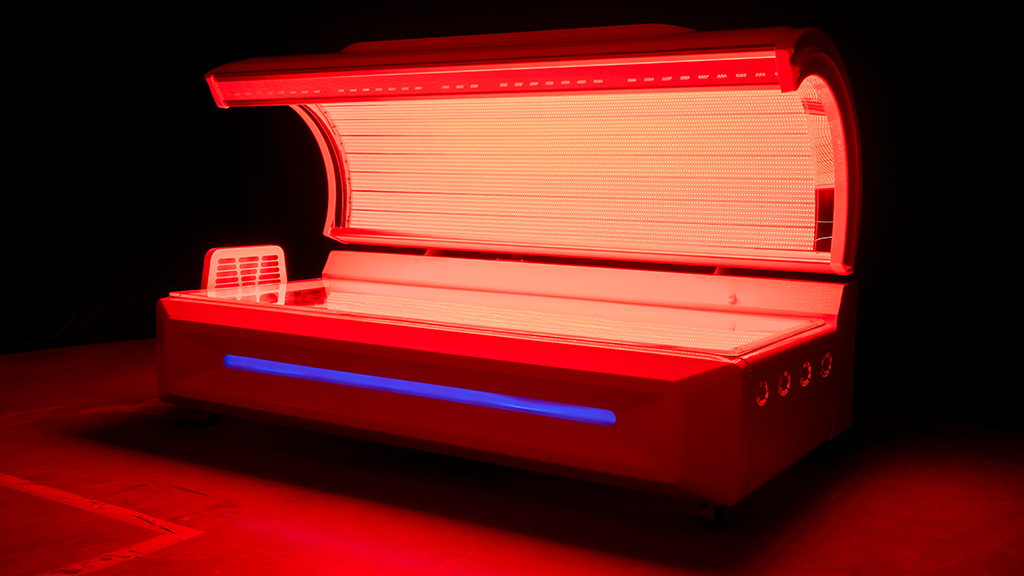
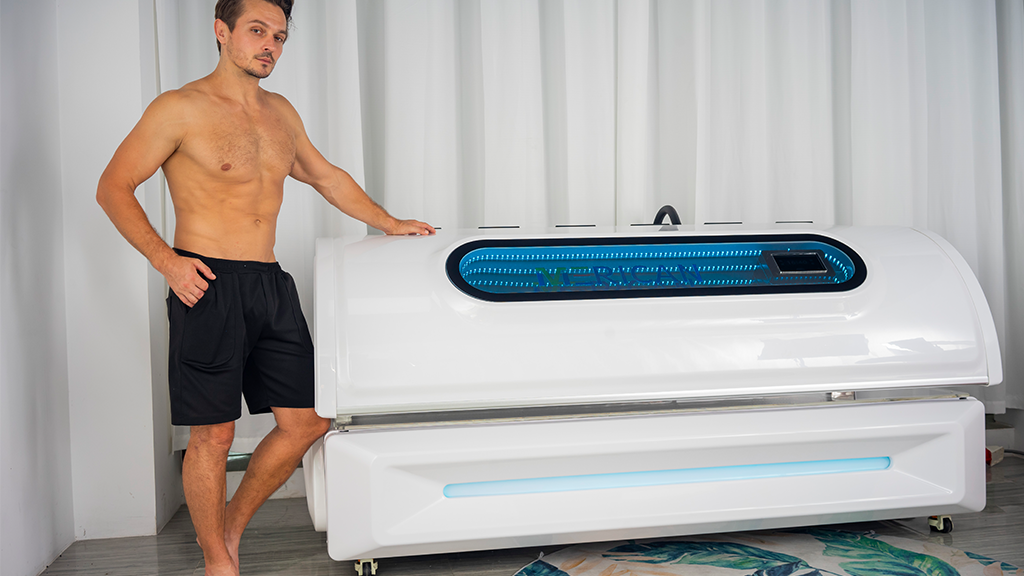
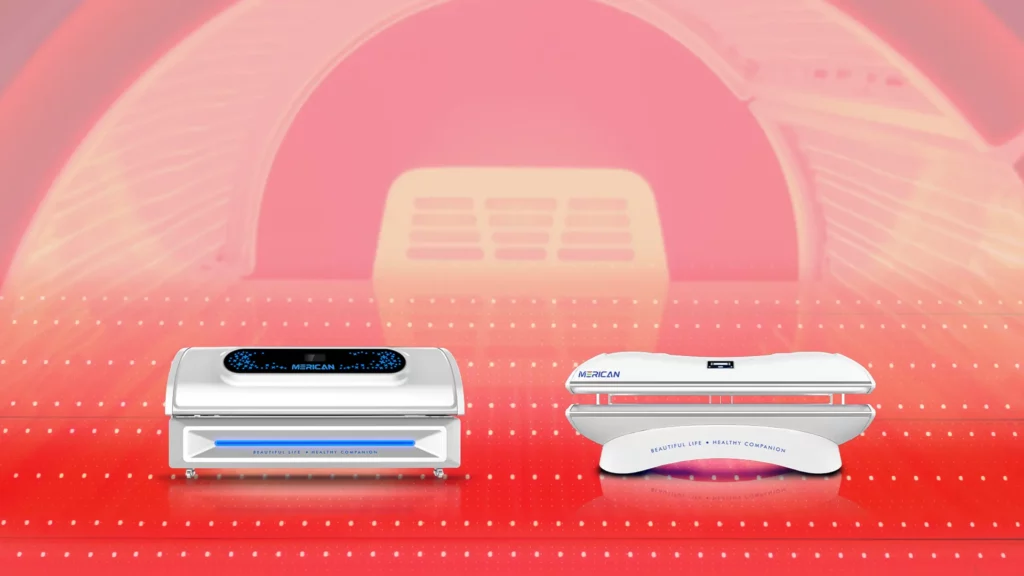
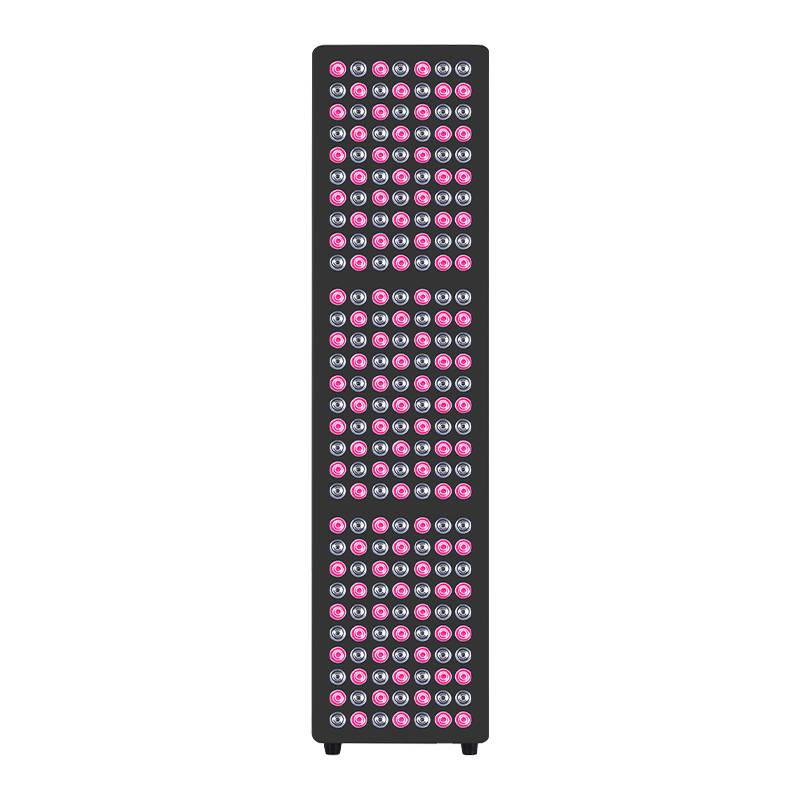
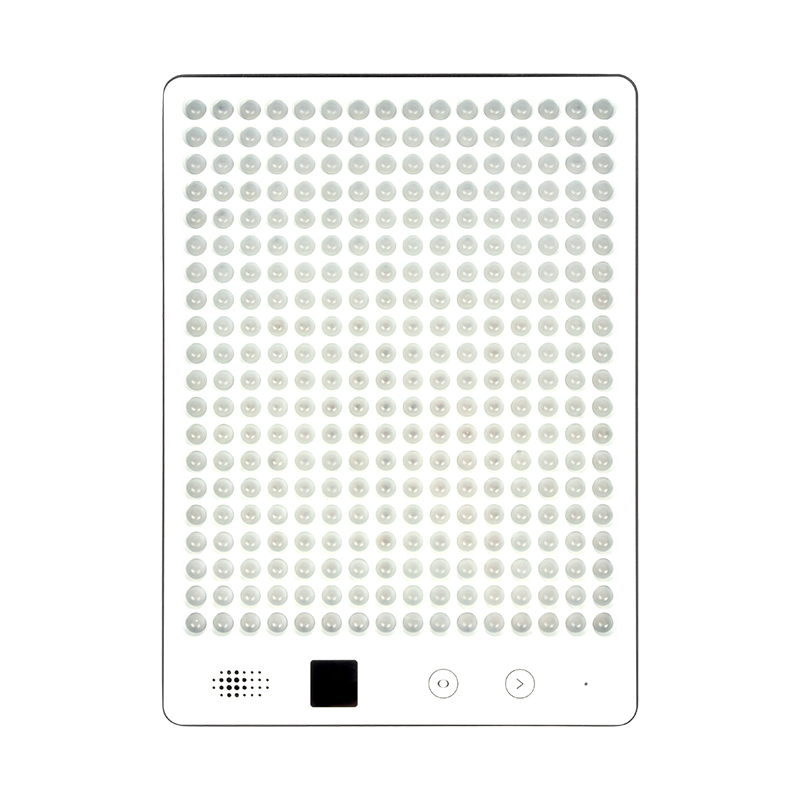
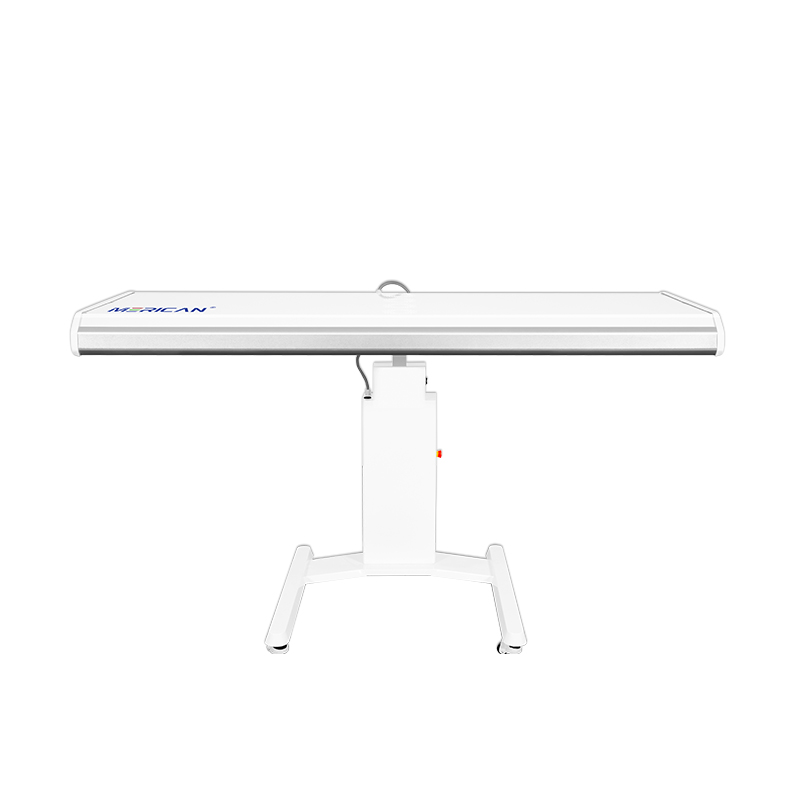
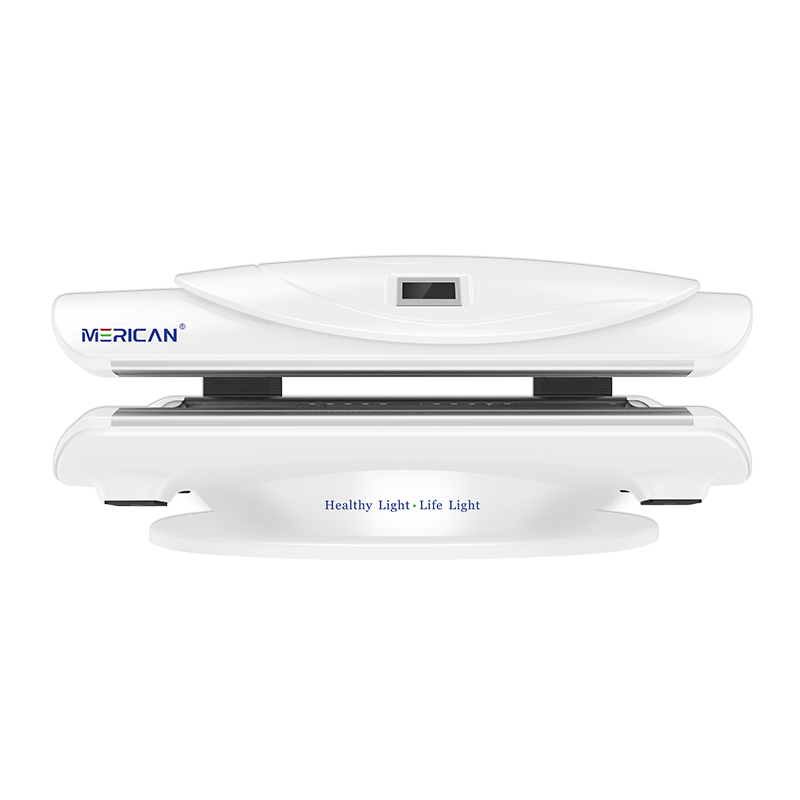
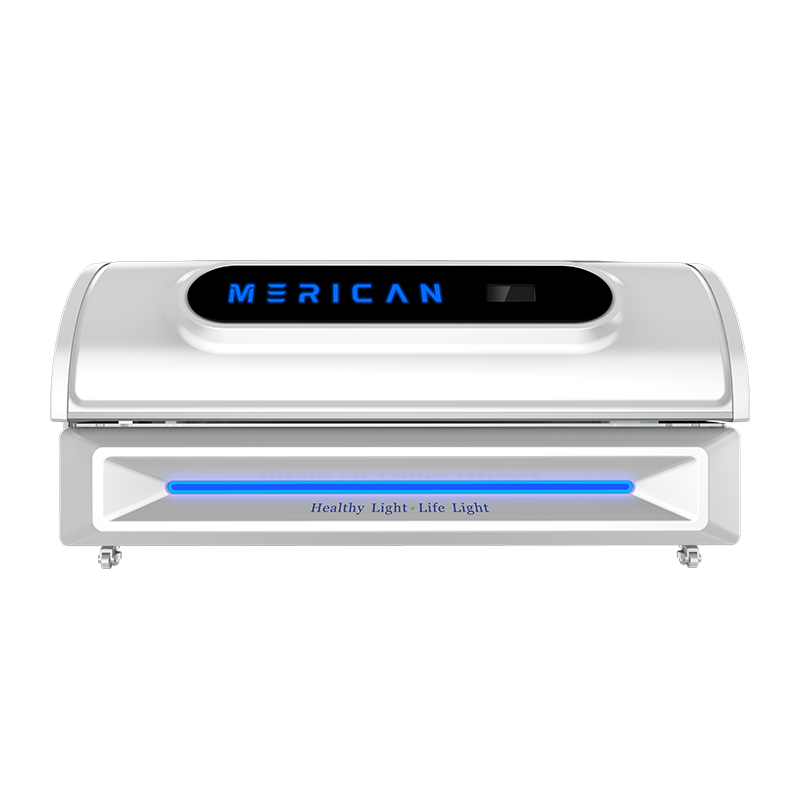
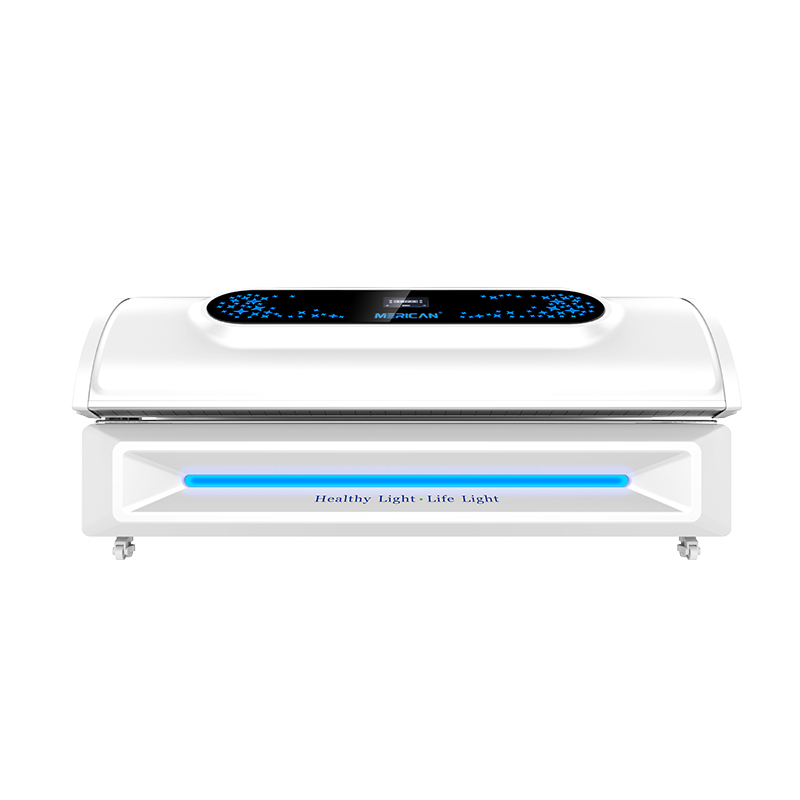
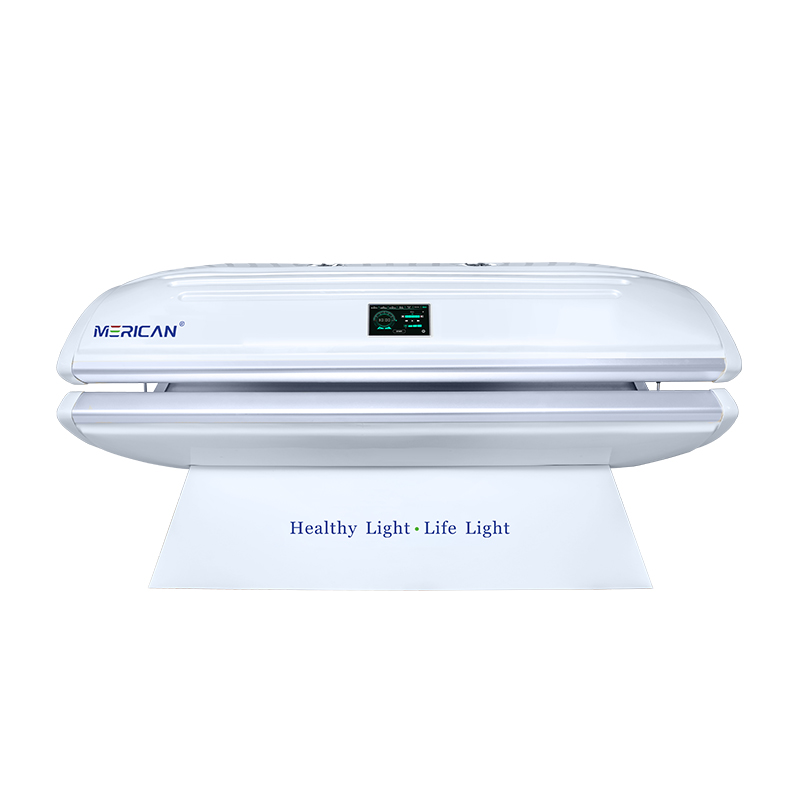
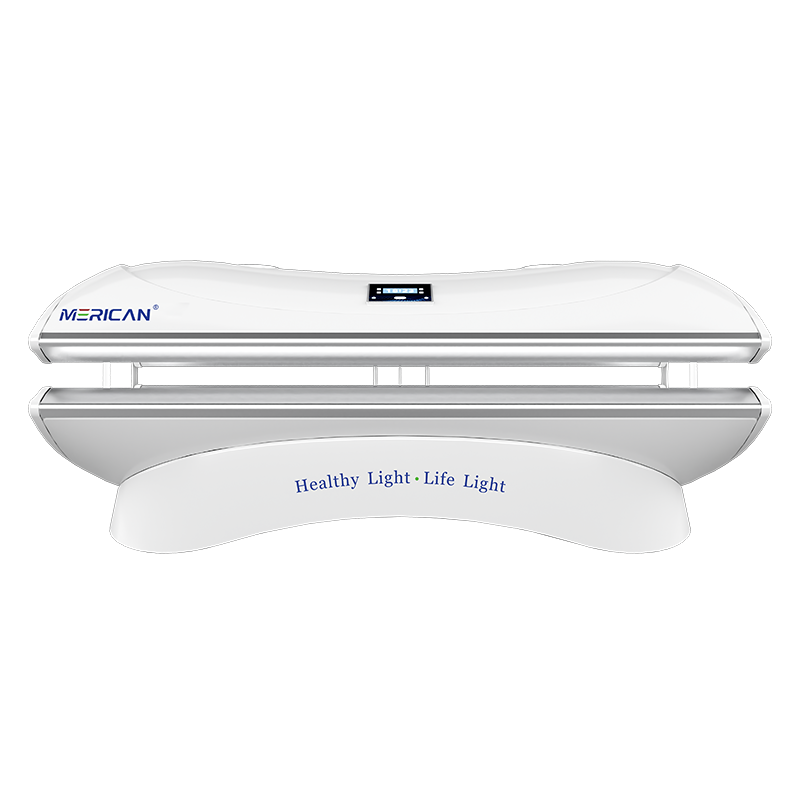
Moenga Whakamarama Marama LED M5N: Te whakamahi i tetahi hoahoa ruma noho whakapae, te whakamahi i te hoahoa ergonomic hei whakataurite i te ahua o te takoto papatahi i runga i te moenga, te tuku i nga kaihoko ki te parekareka ki nga ratonga hauora me te ataahua i roto i te waahi waatea me te waatea.
Nga waahanga matua:
Puna Maama: LED
Tae Maama: Whero + Infrared
Te roangaru: 633nm/660nm/850nm/940nm
LED QTY: 14400Nga LED
Mana: 1760W
Ngaohiko: 110V – 380V
2. Whakamarama Kahurangi: Marama kahurangi, he poto ake te roangaru, Ka whakamahia te nuinga ki te rongoa i nga ahuatanga kiri penei i te hakihaki me te rosacea. Blue light can penetrate the skin and target the bacteria that cause acne, killing them and reducing inflammation. It can also be used to treat skin conditions caused by inflammation, penei i te rosacea. Heoi ano, it’s important to note that exposure to blue light, especially from screens, has been linked to digital eye strain and disrupted sleep patterns, so it’s important to use blue light therapy under the guidance of a healthcare professional.
3. Green Light Therapy: Green light therapy is less commonly used than red and blue light therapy, but it has been shown to have some potential benefits. Greenlight is thought to have a calming effect on the nervous system, which can help to reduce stress and anxiety. It has also been studied for its potential to improve sleep quality and reduce fatigue. I tua atu, green light therapy has been shown to stimulate the production of melatonin, a hormone that regulates sleep and wakefulness, which can be beneficial for people with sleep disorders.
It’s important to keep in mind that light therapy is not a one-size-fits-all solution, and the best type of light for you will depend on your specific condition and needs. Before starting any light therapy treatment, it’s important to consult with a healthcare professional to determine the most appropriate type of light and treatment plan for you.