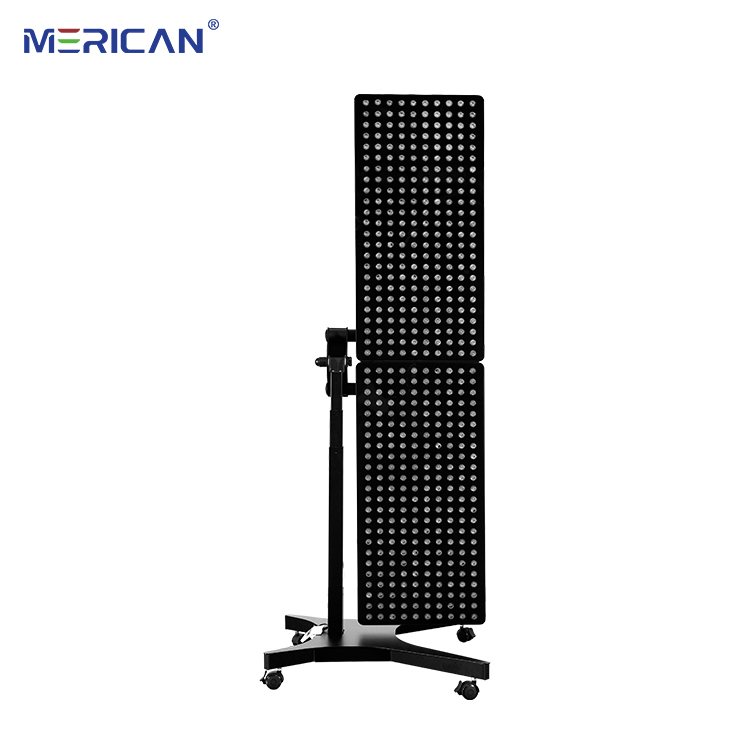
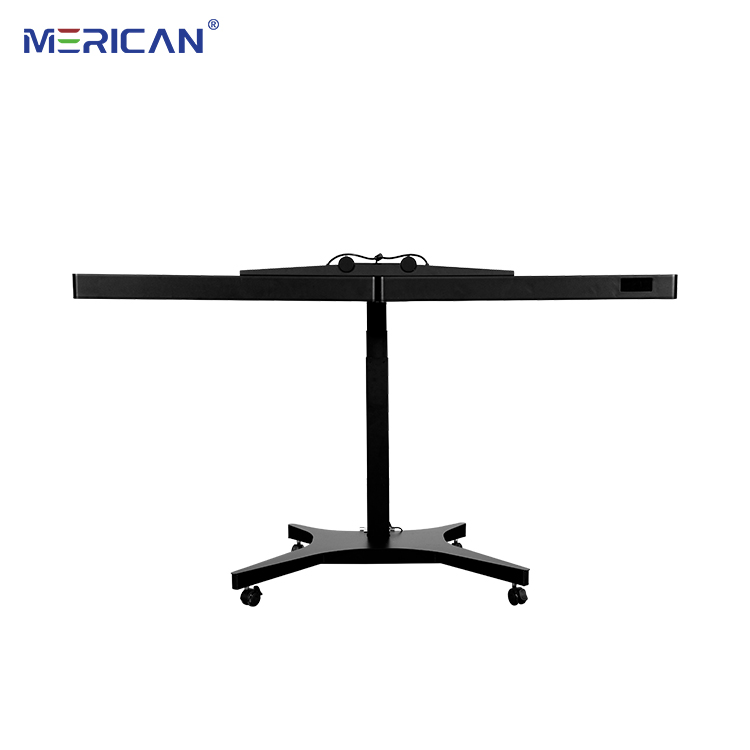
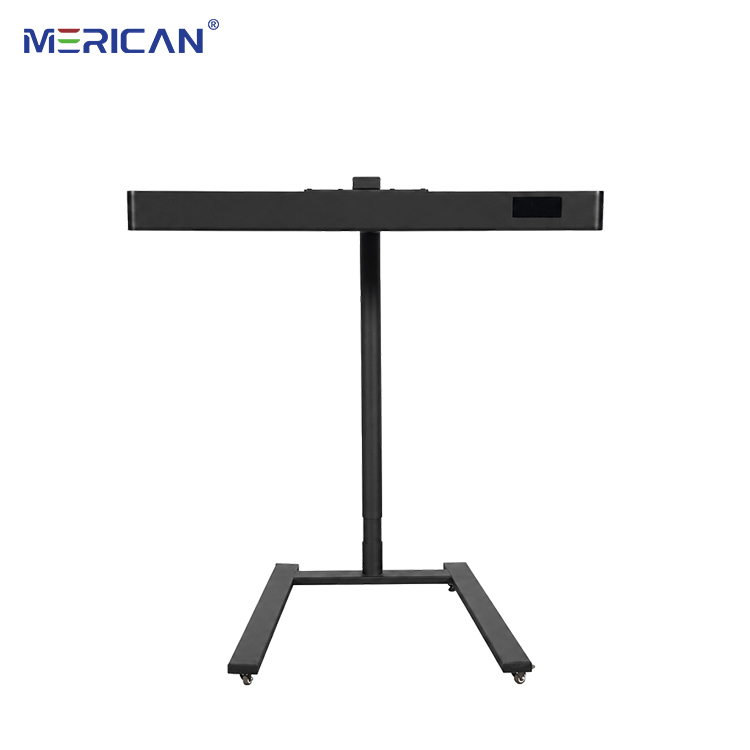
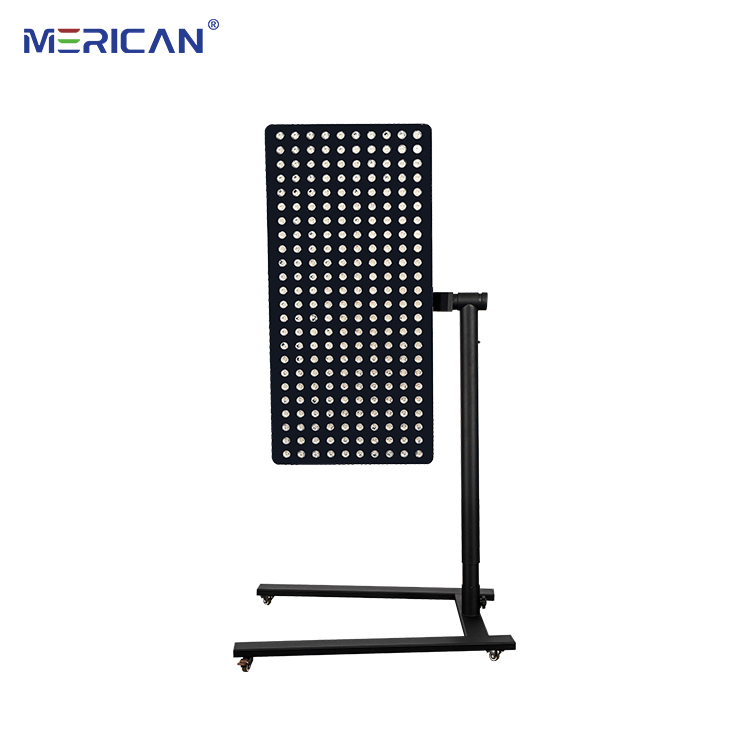
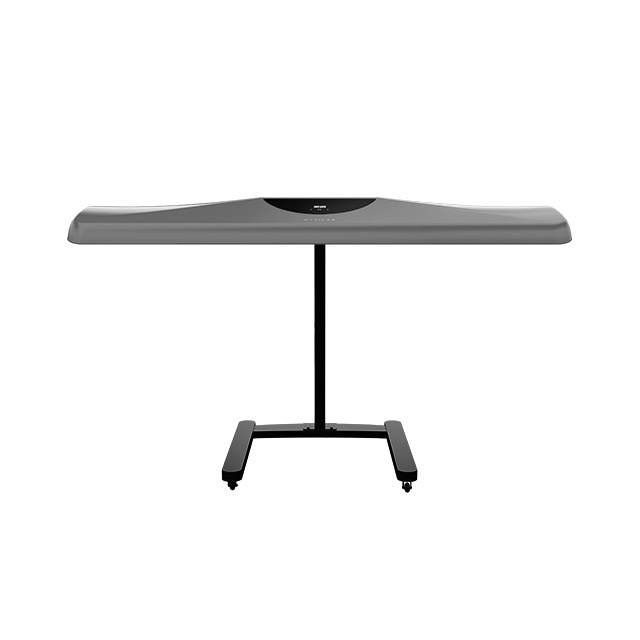
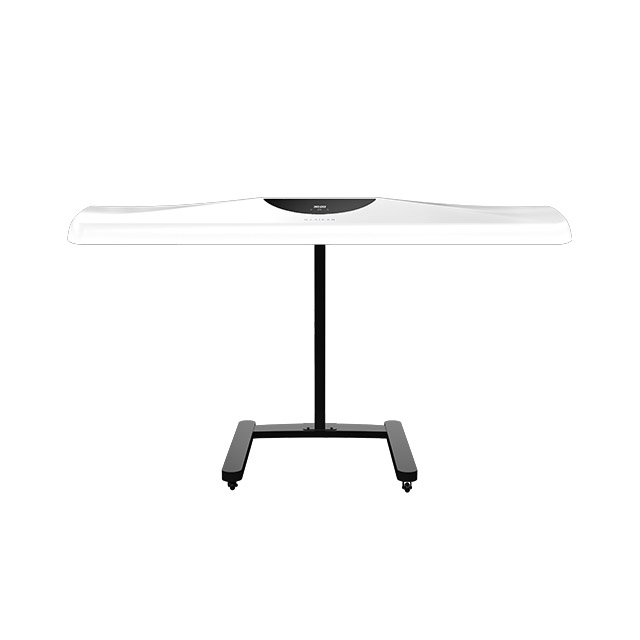
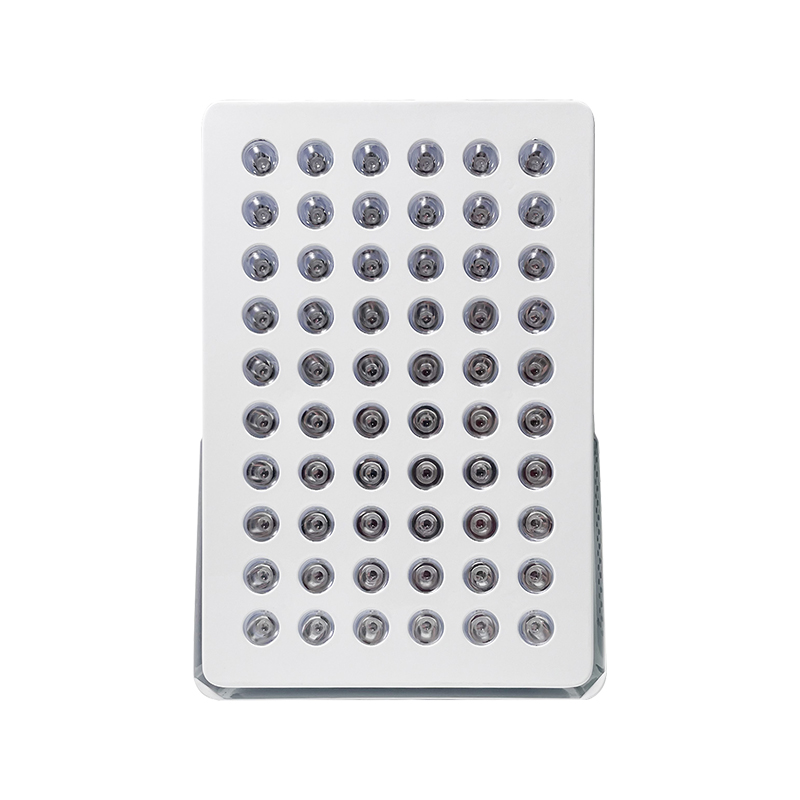
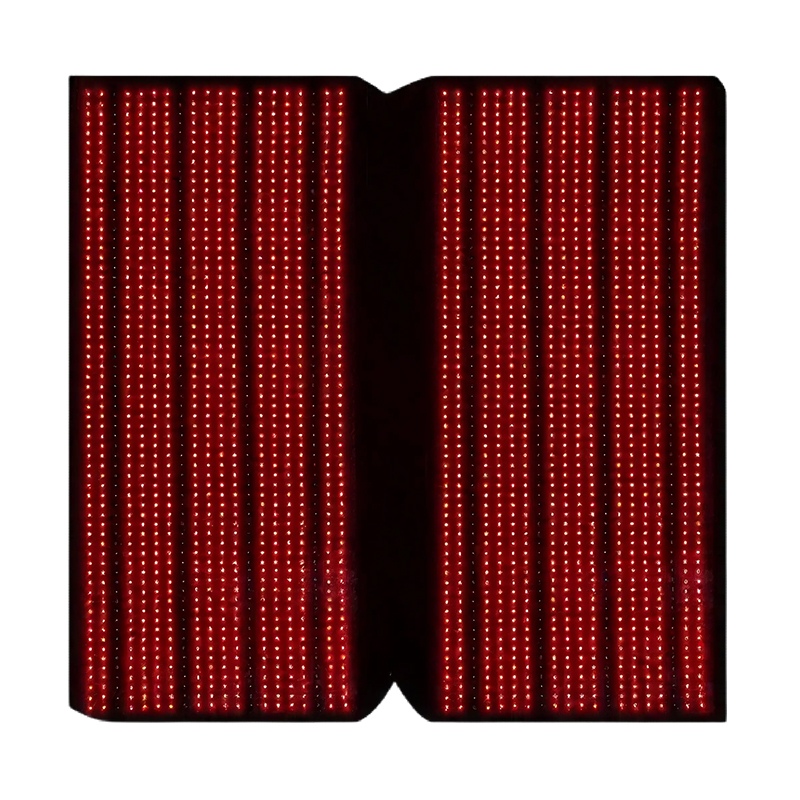
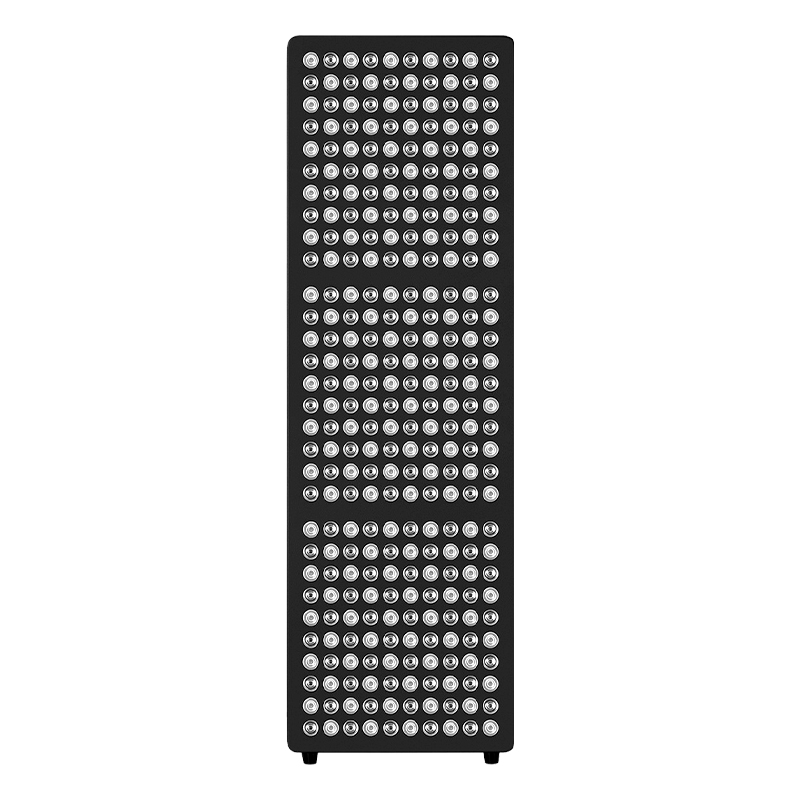
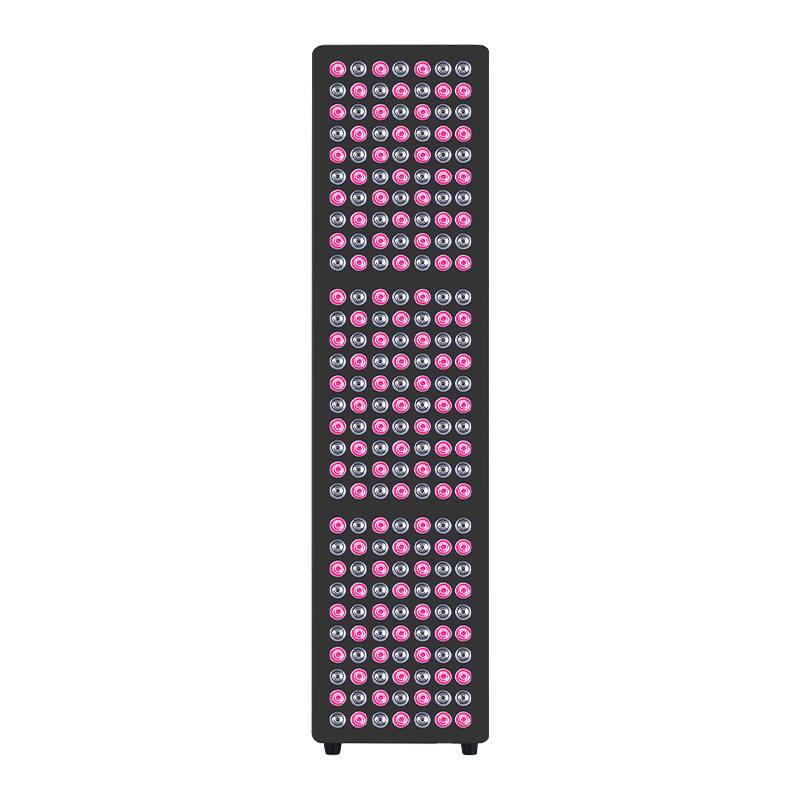
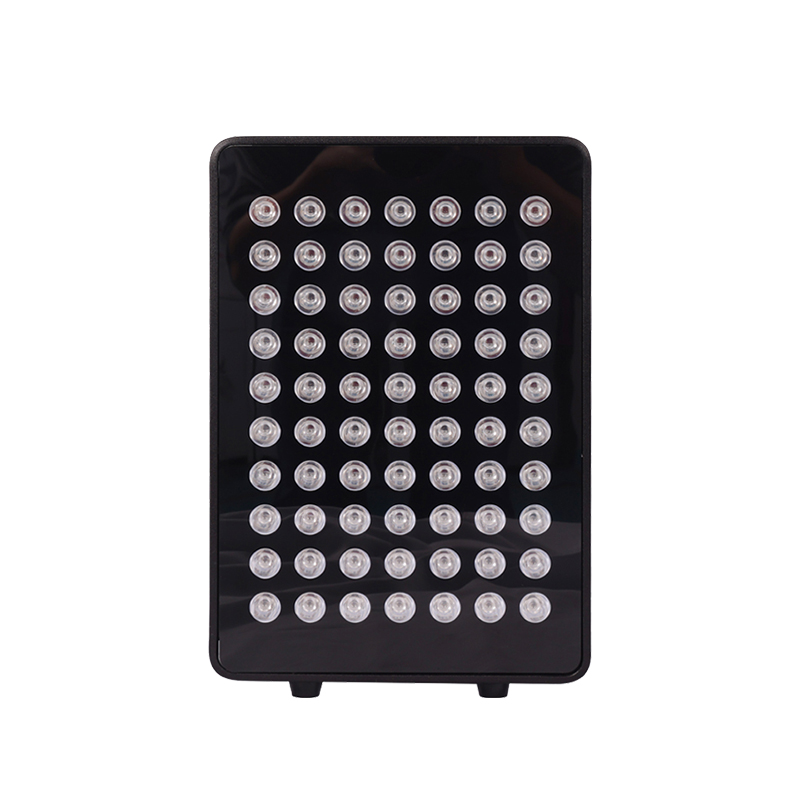
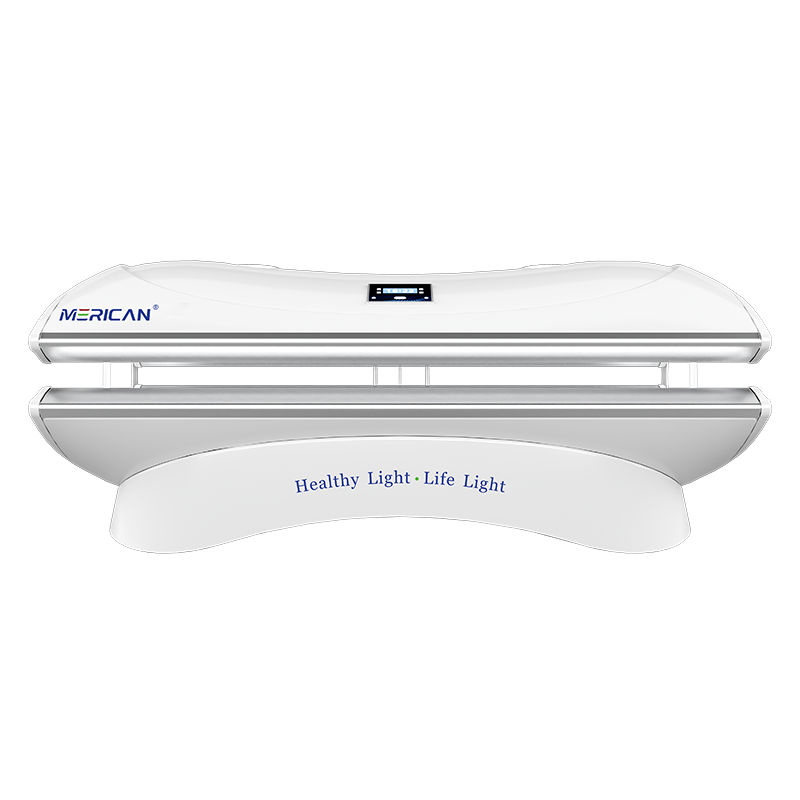
Closing your eyes is better than staring into the panels, and for some devices it is exactly what the manufacturer tells you to do. It is not automatically enough for every red light therapy bed. Eyelids are thin, and both red and near-infrared light can pass through them, which is why you can still see a red glow with your eyes shut. Whether that matters in practice depends on the device, the wavelength mix, the distance from the panels to your face, the length of the session, and what the instructions require. A bed that ships with eyewear and a written requirement to wear it is describing a different protocol from a lower-output system that says closing the eyes is sufficient. The safe approach is unglamorous: read the manual for your model, følg den, and do not substitute sunglasses, et håndkle, en sovemaske, or your hand for protection the manufacturer has specified. If a session leaves you with eye pain, persistent blurring, blinker, or unusual light sensitivity, stop and seek advice rather than assuming closed eyes made it safe.
What closing your eyes actually does
An eyelid is a physical barrier, and closing it does reduce the amount of light reaching the eye compared with an open eye facing the same source. It also prevents the most obvious risk, which is looking directly into a bright panel.
It is not a complete block. The lid is thin tissue, and longer wavelengths in particular can pass through it. That is why many users report a red or orange glow through closed lids during a session, and why the sensation is not evidence of a problem by itself.
The practical effect is a reduction rather than an elimination. For a low-output device at a distance, that reduction may be entirely adequate. For a high-output panel close to the face, it may not be what the manufacturer intends at all.
Understanding this prevents two opposite mistakes. One is assuming closed eyes do nothing, which leads people to skip a simple and useful precaution. The other is assuming closed eyes make any exposure acceptable, which leads people to ignore a device’s explicit eyewear requirement.
Why the answer depends on the device
There is no single standard for eye protection across red light therapy equipment. Manufacturers differ in output, panel placement, wavelength selection, and the level of protection they consider appropriate for their own product.
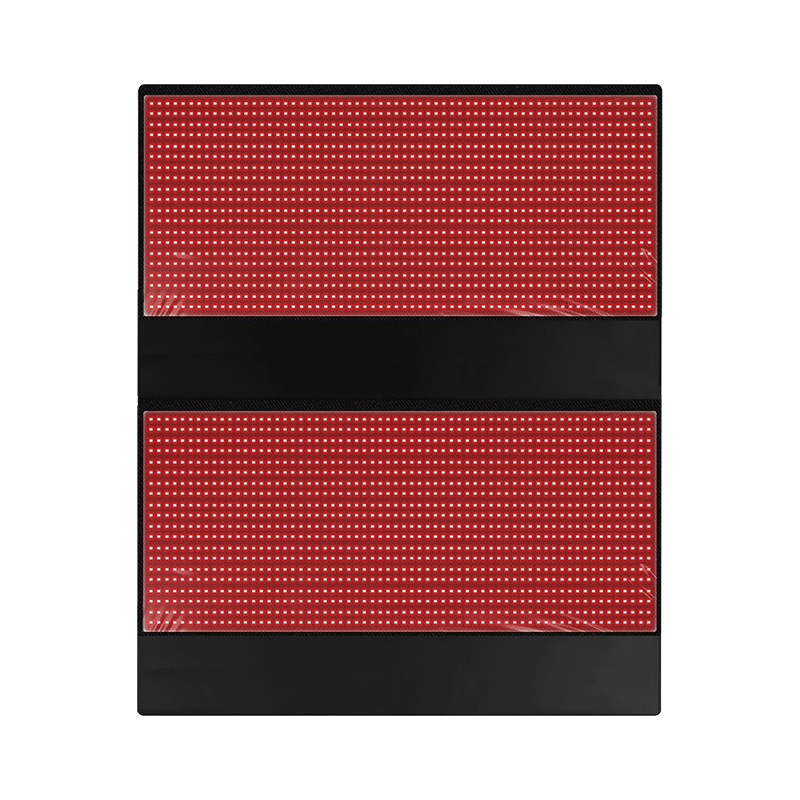
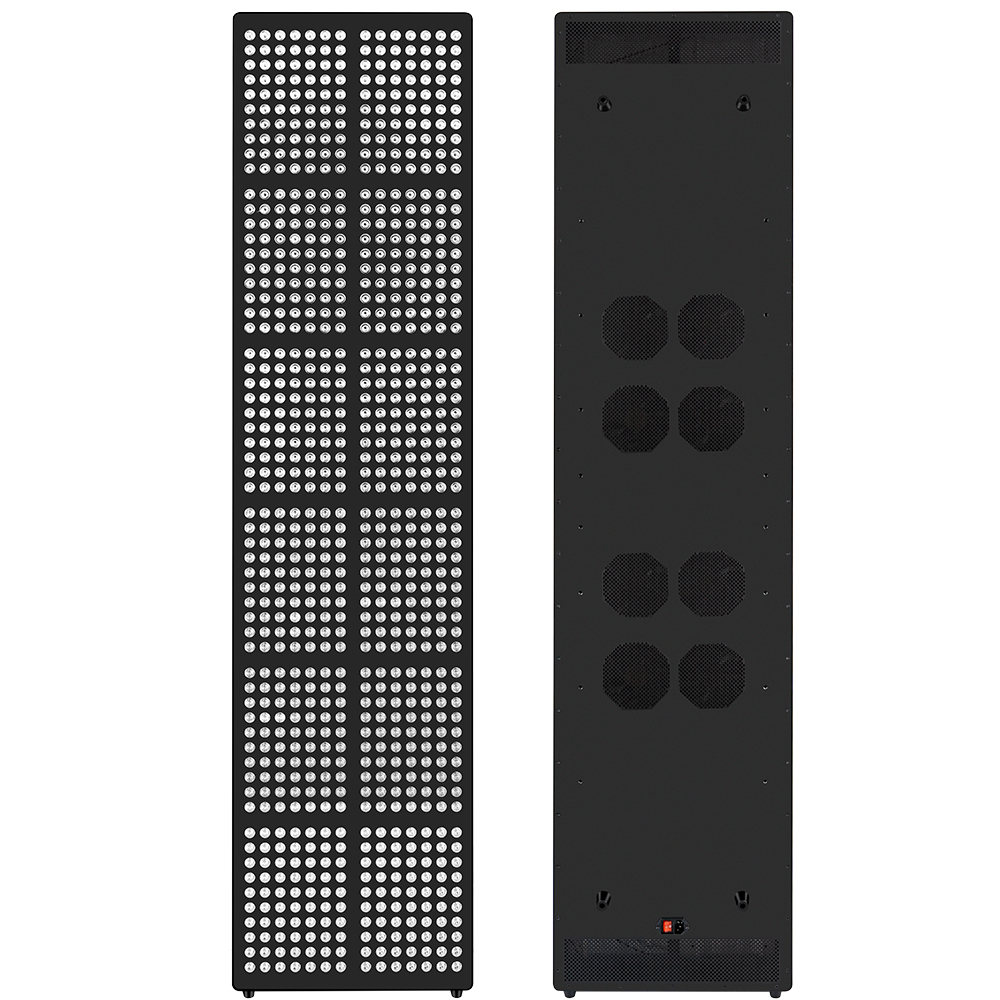
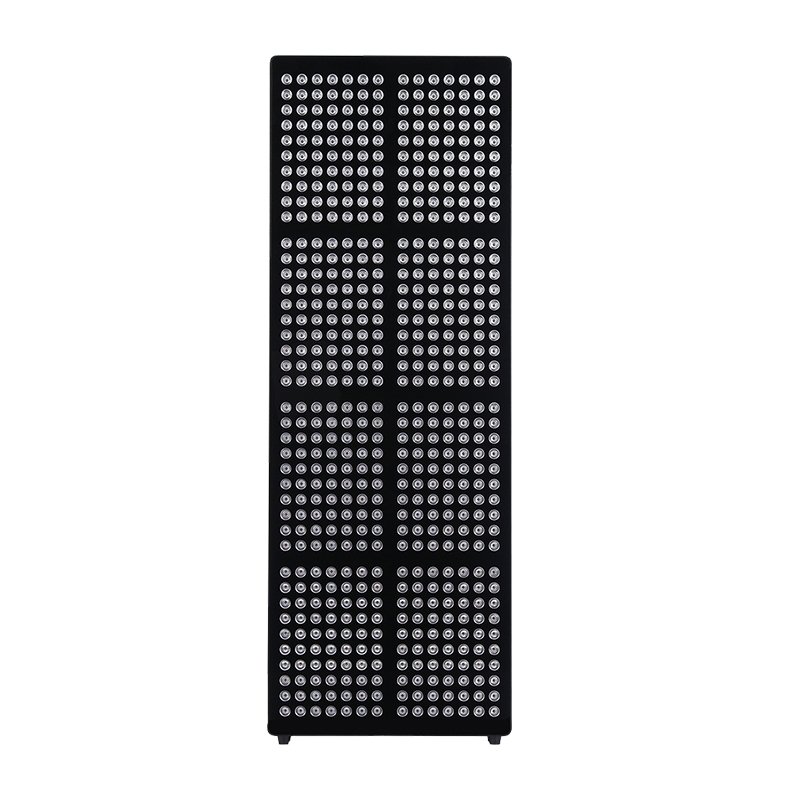
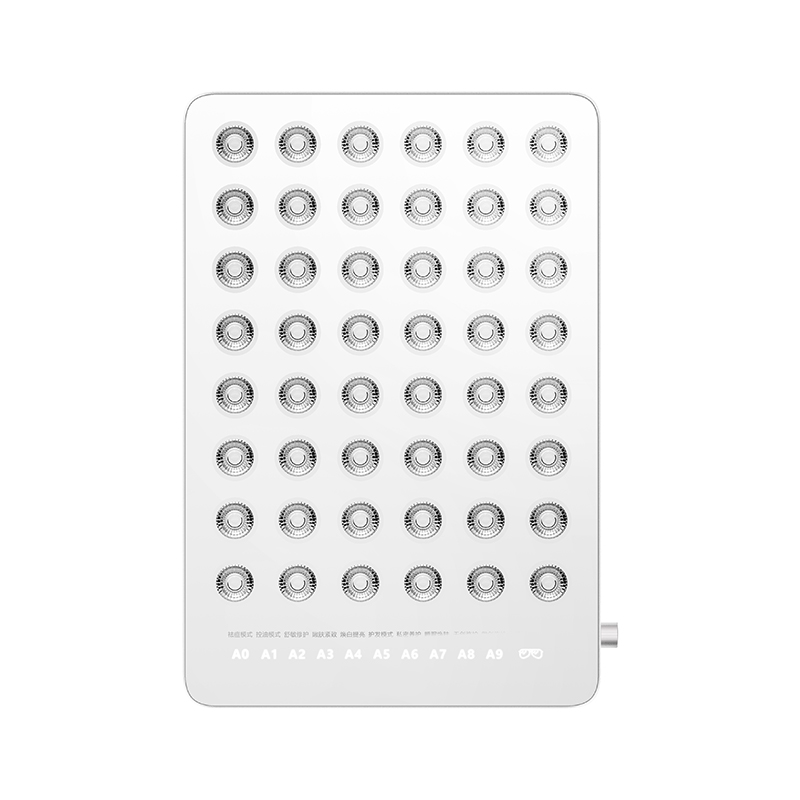
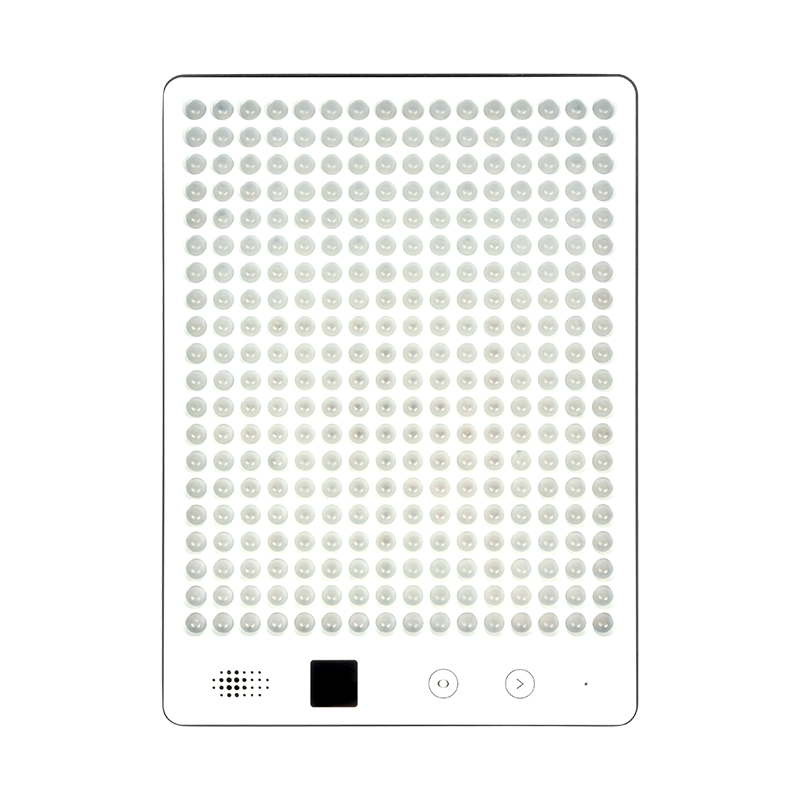
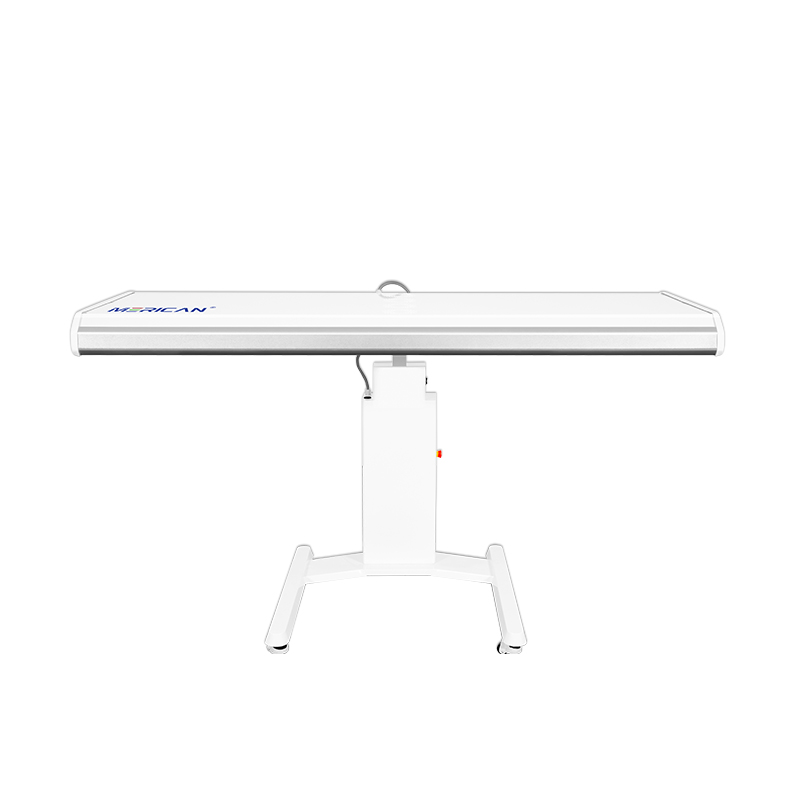
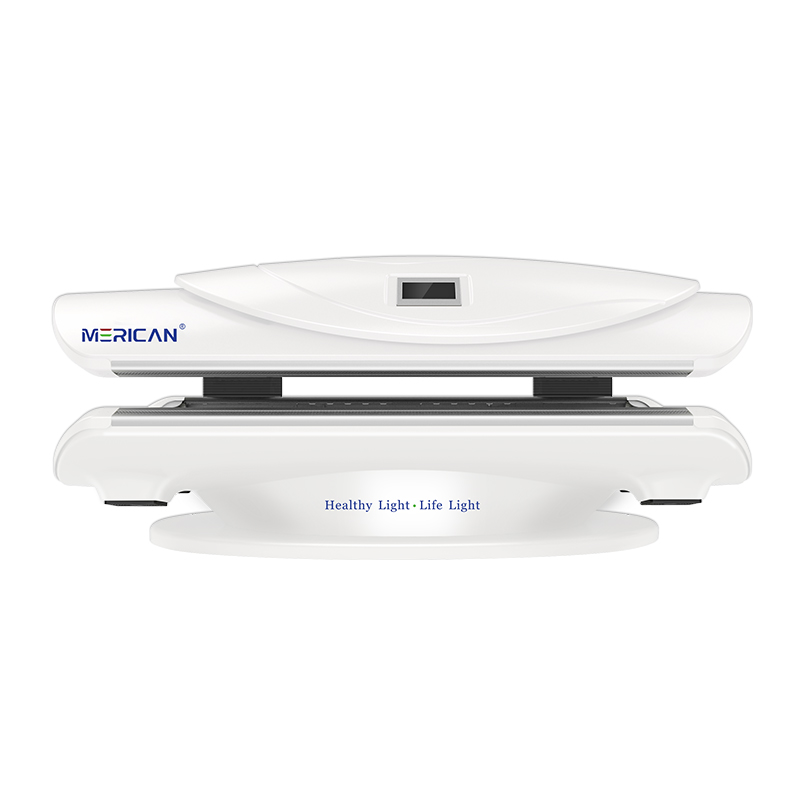
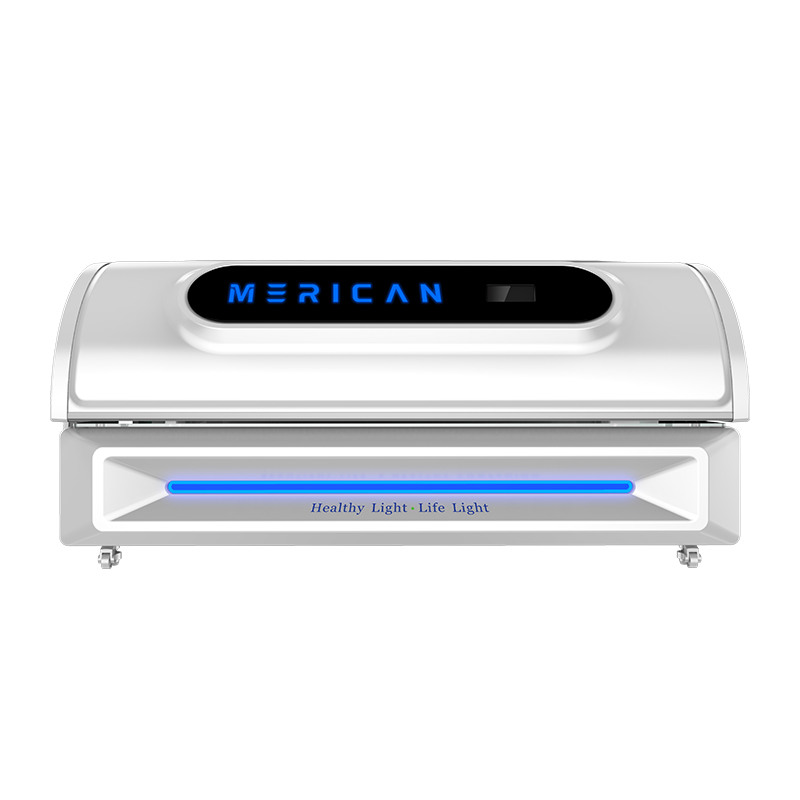
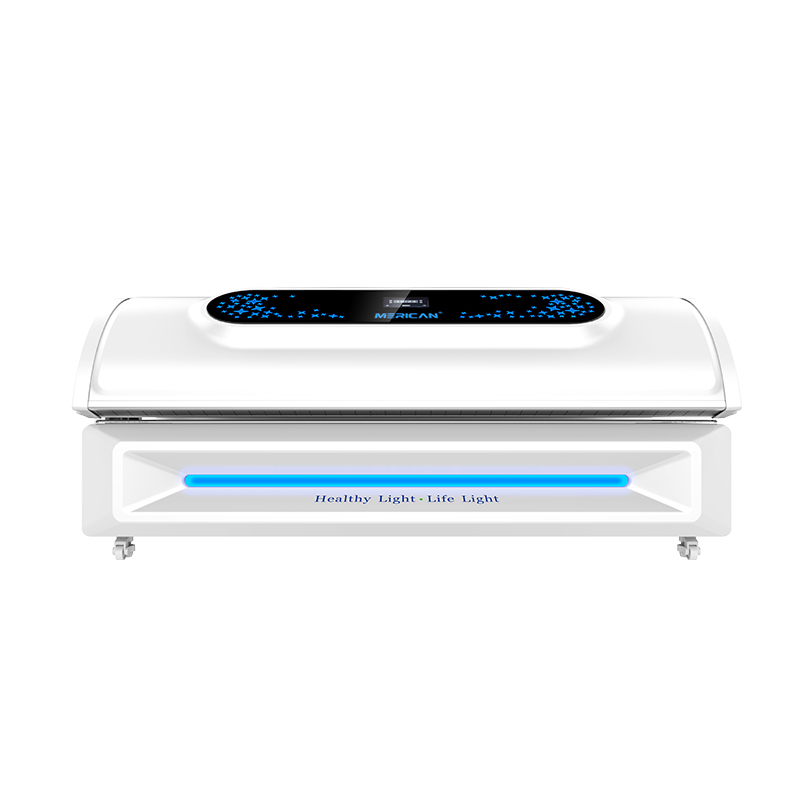
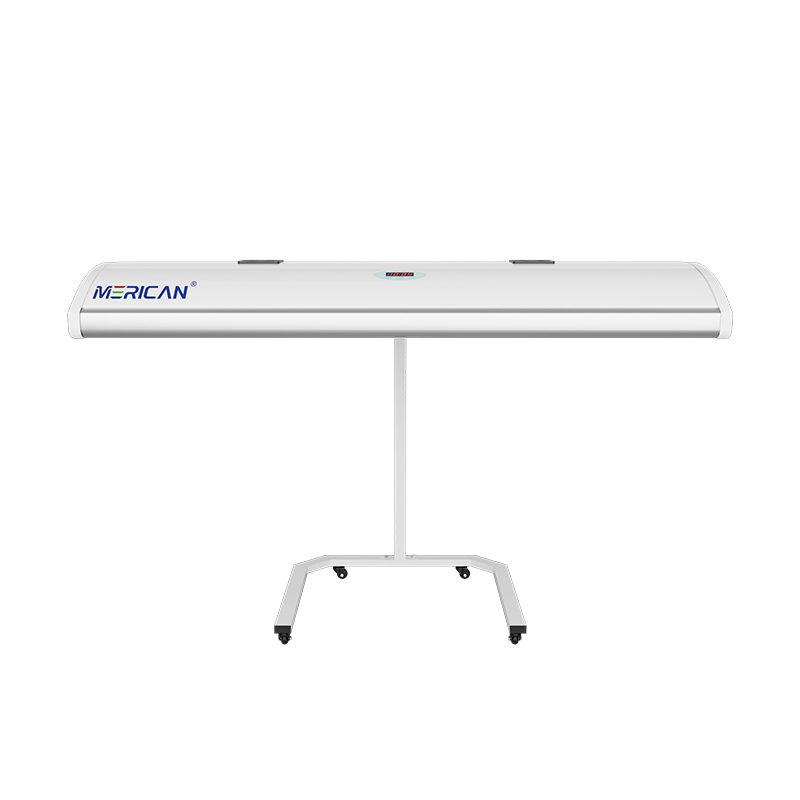
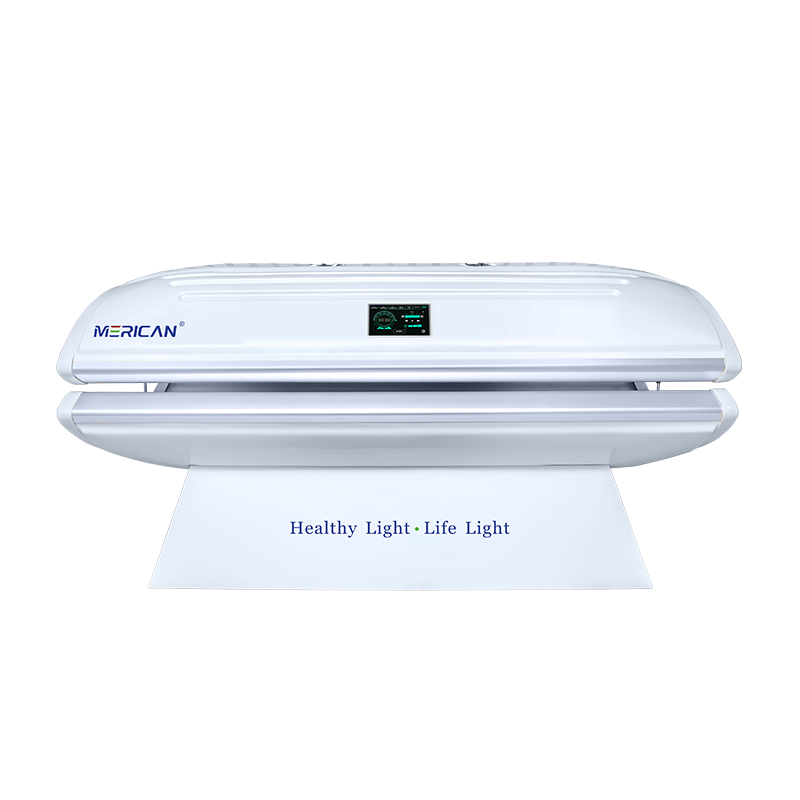
A full body bed with panels above the face, a face mask that sits against the skin around the eyes, a standing panel two metres away, and a handheld device used on the knee are four different exposure situations. A blanket statement about closed eyes does not cover all four.
Some manuals state plainly that users should close their eyes and turn away. Others supply goggles and state that they must be worn. A few describe both, with different instructions for different programs. The manual for your exact model is the only reliable source.
This is also why copying another user’s routine is unreliable. A protocol that works for someone with a lower-output canopy may not match the device you own, even if both are marketed as red light therapy beds.
What the instructions usually mean
When a manual says closing the eyes is sufficient, it usually assumes the user is not looking at the panels, is at the intended distance, and is following the stated session length. Those conditions are part of the instruction, not optional extras.
When a manual supplies eyewear, treat it as a requirement rather than a suggestion. Manufacturers include protection because they have assessed their own output and decided that closed eyes alone are not the intended safeguard for that product.
When a manual is silent, the cautious reading is to protect the eyes. Silence is not permission, and a device that cannot describe its own eye-protection expectations is a device with a documentation gap.
If the language is ambiguous, ask the supplier in writing. A short email that asks whether closed eyes are acceptable for the face-facing program, and what eyewear is compatible, produces a clearer answer than a paragraph of marketing text.
Why home use changes the calculation
In a clinic, someone else sets the program, checks the eyewear, and watches the session. Hjemme, those three tasks belong to the user, and they are easy to skip when the device is in a spare room and the session is part of an evening routine.
A red light therapy bed used at home also tends to be used more often. Frequency increases when there is no appointment to book, and repeated sessions without protection add up even when each individual session feels unremarkable.
Home users are also more likely to improvise. A towel over the eyes, a folded T-shirt, or a sleep mask feels protective, but none of these is documented for the device, and some may block airflow or press against the eyes.
The fix is procedural rather than technical. Keep the eyewear with the device, check it before each session, and treat it as part of the routine in the same way as the timer. A red light therapy bed without its eye protection nearby is a bed that will eventually be used without it.
Substitutes that are not protection
Ordinary sunglasses are designed for daylight and are not specified for close-range optical devices. Their fit, their filtering, and their intended use are all different from purpose-made protection.
A towel, a scarf, or a folded garment can press on the eyelids, fange varme, and shift during a session. It also gives no assurance about which wavelengths reach the eye, because the fabric was never tested for that purpose.
A sleep mask is closer to the right idea but still not a substitute unless the manufacturer says so. Masks vary in thickness, passe, and light transmission, and one that works for sleep may not block the output of a panel a few centimetres away.
A hand over the eyes is the least reliable option of all, because it cannot stay in place for a full session and it changes your head position. If the instructions require protection, use the protection that was designed for the device.
What to do during the session
Follow the required eye protection exactly. If the manual says close your eyes, close them and keep them closed rather than peeking at the panels. If it says wear eyewear, put it on before the program starts and check the fit.
Do not look toward the brightest part of the device, even briefly. A quick glance to check whether the panels are on is a common habit and an unnecessary one; the timer display or a status light tells you the same thing.
Keep your head in the prescribed position. Turning toward a panel to see better, or lifting your head to check a phone, changes the geometry and may bring the eyes closer to the source than the protocol intends.
Hvis brillene glir, stop the program before adjusting it. Reaching up mid-session with your eyes open is precisely the moment when an avoidable exposure happens.
Keep the session quiet as well. A conversation, a phone call, or a video on a screen invites you to open your eyes and turn your head, and both undo the protection you started with.
Signs that should end the session
Eye pain, a gritty sensation that persists, or a burning feeling during or after a session is a reason to stop. Mild temporary brightness is common; pain is not.
Persistent blurring, new floaters, flashes of light, en blindsone, or a marked increase in light sensitivity need prompt assessment rather than another session. These symptoms are not typical after-effects of a properly protected exposure.
A headache that sits behind the eyes can come from brightness, squinting, or neck position. It is worth noting, because the fix is often better protection and a different head position rather than a shorter timer.
Record what happened, including which protection was used, whether it stayed in place, and how long the symptom lasted. That record is what makes a conversation with a clinician or supplier productive.
Do not test the symptom by repeating the session with the same settings. If the response returns, that is a pattern, and a pattern is a reason to seek assessment rather than to try a slightly shorter timer.
Who should be stricter about eye protection
Anyone with an eye condition, a history of retinal disease, nylig øyeoperasjon, or a current eye infection should treat closed eyes as insufficient unless a clinician says otherwise for their specific situation.
People taking photosensitizing medication should raise the question before their first session, because the medication changes how the body responds to light in general rather than only to the skin.
Contact lens wearers should consider removing lenses before a session. Dryness and grittiness are common complaints, and a lens that dries during a warm session adds an avoidable source of irritation.
Anyone who has experienced migraine triggered by bright light should be cautious and should stop at the first sign of visual aura or a developing headache. A red light therapy bed is not the place to test tolerance.
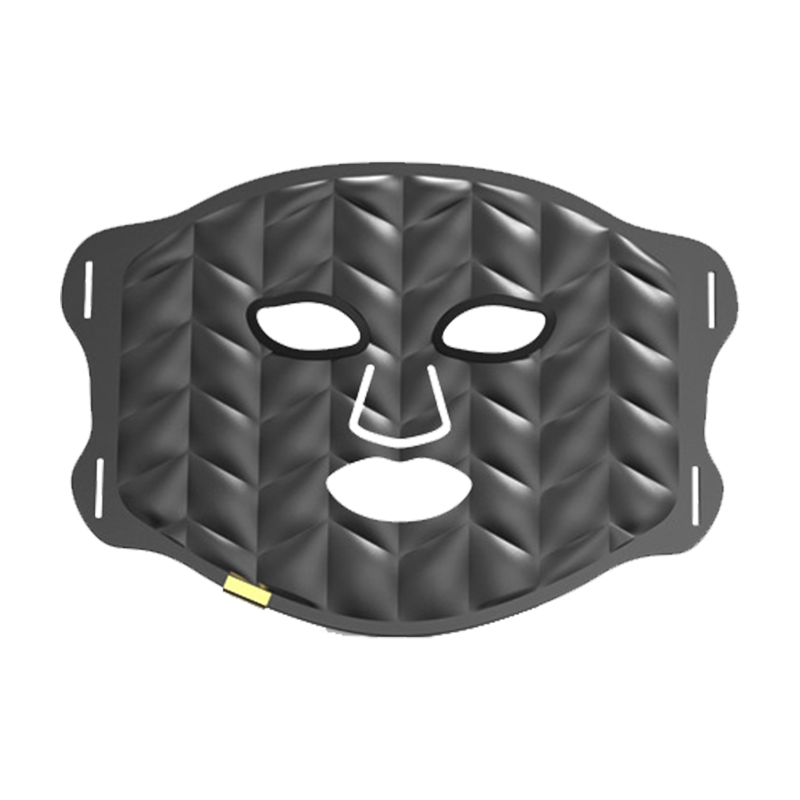
Anyone using a face mask or a device that rests against the orbital area should check the guidance for that format separately. Contact with the eyelids is a different situation from standing in front of a panel, and the instructions usually reflect that difference.
What to ask the supplier
Ask whether closed eyes are acceptable for the face-facing program on your exact model, and whether eyewear is required, supplied, or optional. Ask for the answer in writing so it can be kept with the manual.
Ask which eyewear is compatible, how often it should be replaced, and whether it can be used with contact lenses. Ask whether the protection differs between the red-only and combined programs.
Ask what the device does if the user’s face is closer than the recommended distance, and whether any program directs light toward the eyes by design. For a home red light therapy bed, ask how a second user should be fitted for protection.
If the supplier cannot answer those questions, treat that as a reason to be conservative. Eye protection is not the place to accept a vague assurance.
Ask too whether the guidance changes after a software update or a panel replacement, since a new program name may describe a different output. A written answer dated at the time of purchase is far easier to rely on a year later than a memory of a phone call.
Eye protection decision table
The table summarizes the practical choice for each instruction you might find. It does not replace the manual, and it assumes the user is at the documented distance for the documented duration, because eye exposure changes quickly when either of those drifts.
Where the instructions are ambiguous, the conservative reading protects the eyes and then asks the question. That costs one session of convenience and avoids the alternative, which is discovering the answer after a symptom appears.
| What the manual says | Hva du skal gjøre | What not to do |
|---|---|---|
| Close your eyes and do not face the panels | Hold øynene lukket, head in the prescribed position | Peek at the panels mid-session |
| Eyewear must be worn | Fit the supplied protection before starting | Rely on closed eyes instead |
| Eyewear optional for some programs | Use it for face-facing programs | Assume every program is the same |
| No eye instructions given | Protect the eyes and ask the supplier | Treat silence as permission |
| Lenses or mask accessory supplied | Use as directed, check fit and condition | Substitute sunglasses or a towel |
| Any eye pain or visual change | Stop and seek advice | Finish the timer first |
Praktisk regel: Closed eyes are a precaution, not a universal substitute. Follow the manual for your red light therapy bed, and if it supplies eyewear, wear it.
Siste takeaway
You can close your eyes during a session, and for some devices that is precisely what the instructions ask for. Whether it is enough depends on the model, programmet, the distance, and what the manufacturer has documented.
Where eyewear is supplied or required, wear it. Where the manual is silent, protect the eyes and ask. Do not substitute sunglasses, et håndkle, en sovemaske, or your hand unless the instructions specifically allow it.
Stopp for øyesmerter, persistent blurring, blinker, blinde flekker, or unusual light sensitivity, and seek advice rather than completing the session.
A red light therapy bed is easy to use safely when the eye protection is treated as part of the protocol rather than as an optional extra. Lukkede øyne, correctly fitted eyewear, and a head position that keeps the face away from the panels do most of the work, and none of them requires anything complicated.
Keep the manual with the device, note the protection used in your session record, and revisit the question if the equipment, programvare, or program changes. The answer that was right for last year may not describe the device you are using today.