Å opprettholde leddhelse handler ikke bare om å unngå smerte – det handler om å holde hele kroppen i bevegelse slik den skal, så lenge som mulig. Enten du er i tenårene eller på vei inn i sekstiårene, måten du behandler leddene dine på i dag vil direkte påvirke mobiliteten din i morgen.
Denne veiledningen er her for å hjelpe deg å forstå hvordan leddhelsen din utvikler seg over tid, og hva du kan gjøre i alle stadier av livet for å holde ting i gang.
Forstå leddhelse
Ledd er de strukturelle forbindelsene mellom bein som muliggjør bevegelse, absorbere støt, og opprettholde skjelettintegritet. Friske ledd støtter alt fra å gå og løpe til å løfte og strekke seg.
Vanlige leddtyper inkluderer:
- hengsel (knærne, albuer)
- ball-og-socket (hofter, skuldre)
- glidende ledd (håndledd, ankler)
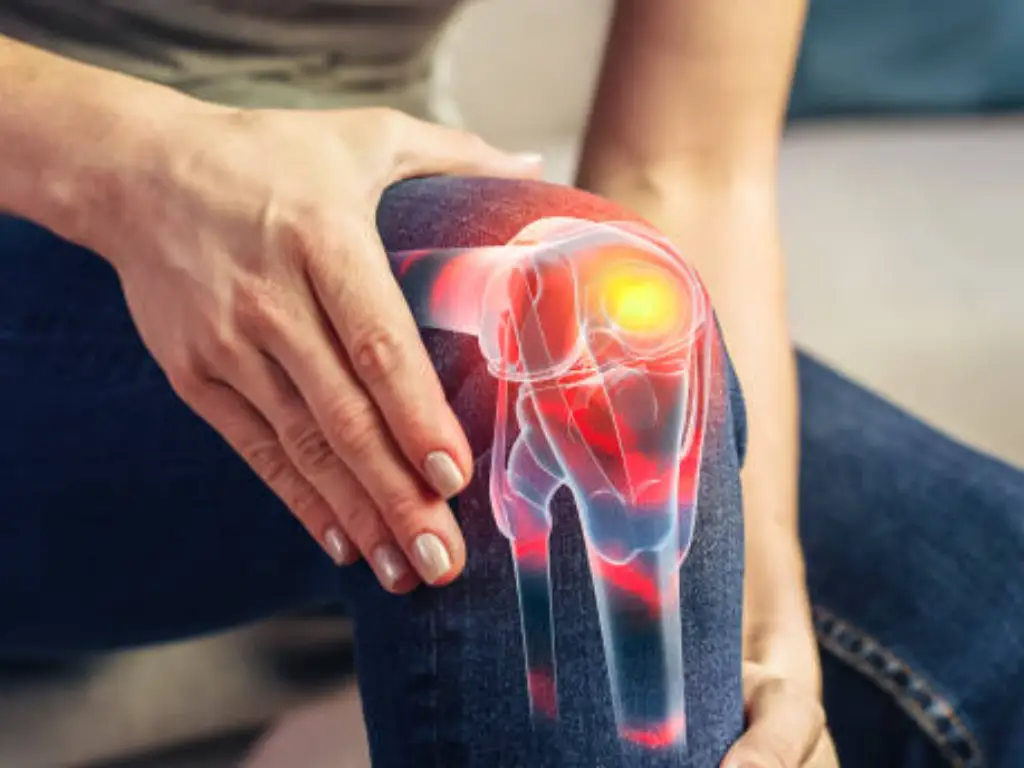
Å bevare leddhelsen er avgjørende ikke bare for mobilitet, men også for å forebygge kroniske smerter, funksjonelle begrensninger, og degenerative tilstander, slik som:
- Artrose: En degenerativ leddsykdom hvor brusk slites ned over tid, fører til stivhet og smerte.
- Revmatoid artritt: En autoimmun tilstand som forårsaker kronisk leddbetennelse, påvirker ofte hender og føtter.
- Bursitt: Betennelse i væskefylte sekker (bursae) som demper leddene, vanligvis på grunn av overforbruk.
- senebetennelse: Hevelse av sener fra gjentatt stress eller skade.
Ifølge Centers for Disease Control and Prevention (CDC), nesten 54 millioner voksne i USA. lider av en eller annen form for leddgikt, en ledende årsak til leddsmerter og funksjonshemming.
Viktigere, felles helseproblemer er ikke begrenset til eldre voksne. Children and young adults can experience joint issues due to sports injuries or congenital conditions, while middle-aged individuals may face early signs of joint degeneration.
How Joint Health Changes with Age
Let’s walk through how joints shift with each life stage and what you can do to stay ahead of the curve.
Children and Teens (0–20)
At this stage, joints are generally flexible and resilient. Imidlertid, growth spurts and high-impact sports can strain developing structures. Active kids are prone to overuse injuries, like Osgood-Schlatter disease. Teaching proper posture and encouraging stretching can make a real difference here.
Adults in Their 20s to 40s
Here’s where a lot of people begin asking, “Can you get arthritis in your 20s?” The answer is yes—and it’s often related to repetitive motion or old sports injuries. Add in a desk job, lack of mobility, and poor knee sitting position, and the perfect storm brews.
If you’ve ever felt knee pain with squats, it may be more than sore muscles. Poor alignment, muscle imbalances, and weak hip support can place excess pressure on the joints.
Middle Age and Beyond (50+)
This is when people start noticing stiffness, limited range of motion, or even audible clicks from their joints. While some degeneration is natural, a lot of age-related joint discomfort stems from inactivity, not aging alone.
| Age Group | Common Joint Characteristics | Typical Changes | Risk Factors | Recommended Actions |
| Teens & 20s | High mobility, strong cartilage | Idrettsskader, early overuse signs | High-impact activities, poor technique | Learn proper form; avoid knee sitting position; build joint-supporting muscles |
| 30s | Beginning of cartilage wear | Occasional knee pain with squats, stivhet | Sedentary lifestyle, vektøkning | Incorporate strength; flexibility routines; maintain healthy weight |
| 40s | Early signs of wear and tear more common | Reduced lubrication, joint tightness | Stress, repetitive motion, minor injuries | Stay active; stretch daily; include anti-inflammatory foods |
| 50s | Noticeable joint discomfort | Cartilage thinning, slower recovery | Hormonal changes, past injuries | Use joint-friendly exercises (svømming); monitor for early arthritis symptoms |
| 60s & above | Decreased flexibility and joint space narrowing | Artrose, redusert mobilitet | Age-related degeneration | consider physical therapy; avoid prolonged static postures |
Daily Strategies to Keep Your Joints Healthy for Every Age

Everyday habits shape your joint health more than you might think. Here’s how to build a daily routine that supports pain-free movement.
Joint-Friendly Exercises and Movement Habits
Joint-friendly exercise means choosing workouts that strengthen without overloading.
- Try water aerobics, yoga, or resistance bands.
- Avoid high-impact activities if you already experience discomfort.
- Don’t ignore pain—knee pain with squats shouldn’t be dismissed as “normal.”
Stretching improves flexibility and joint lubrication. Even five minutes a day of dynamic stretching can support long-term mobility.
Sitting Positions for Joint and Knee Health
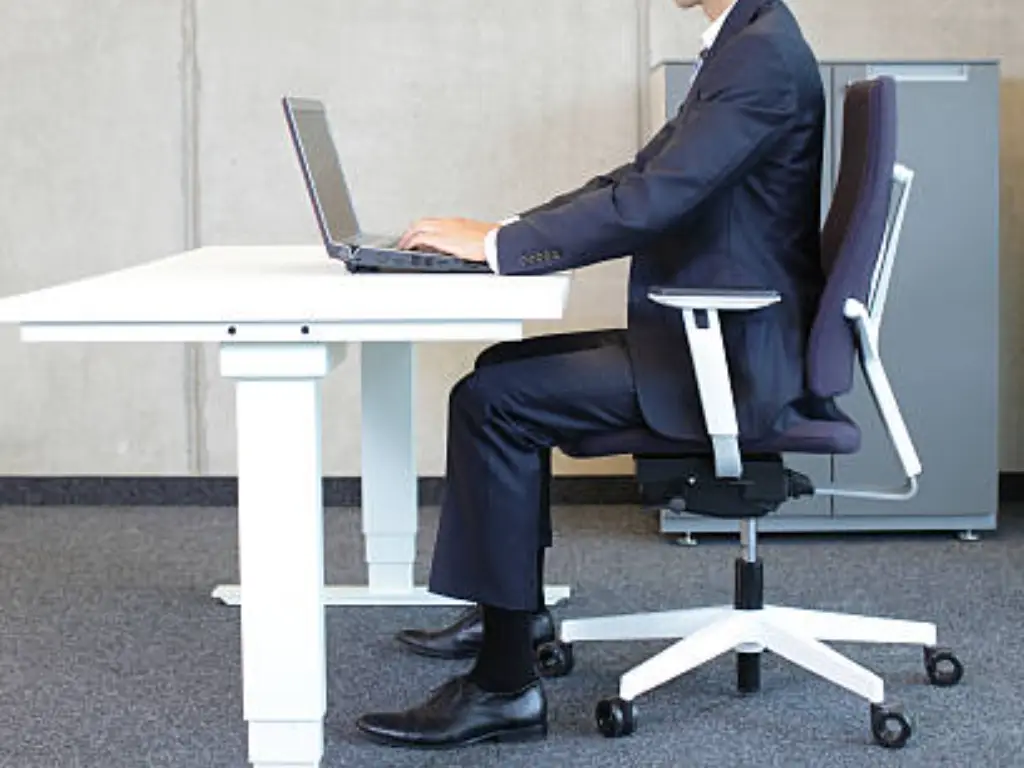
Poor posture doesn’t just affect your back—it messes with your knee sitting position, your hips, and even your ankles.
- Sit with your knees at a 90-degree angle and feet flat.
- Use a footrest if needed to support this position.
- Change position every 30–45 minutes to prevent joint stiffness.
Nutrition and Supplements That Help Protect Joints
What you eat directly impacts joint function. An anti-inflammatory diet supports cartilage and reduces oxidative stress.
- Omega-3 fatty acids (salmon, flaxseed)
- Vitamin D & kalsium (essential for bone-joint interface)
- Glucosamine and chondroitin (supplements with some evidence for relief)
Hydration matters too. Synovial fluid, which lubricates your joints, is mostly water. Staying hydrated literally keeps things running smoothly.
Lifestyle Factors
- Sove: Your body repairs tissue—including joint cartilage—while you sleep.
- Vekt: Excess body weight increases compressive forces on the joints—especially the knees and hips.
- Stress: Chronic tension causes muscle stiffness and poor movement patterns.
Apply Preventive Joint Care
Use proper techniques when lifting, opt for joint-supportive footwear, and consider using braces during high-stress activities. Cold or warm compresses can aid in reducing discomfort after physical exertion.
Effective Treatments and Therapies for Joint Health
Catching problems early can save you from years of discomfort. The key is knowing which symptoms to watch for and when it’s time to do something about them.
Symptoms Warrant Attention
- Persistent stiffness, spesielt om morgenen
- Clicking or popping sounds that are new and frequent
- Swelling or warmth around a joint
- Loss of range of motion
- Pain during or after specific activities—like knee pain with squats
Treatments and Therapies for Joint Health
Preserving long-term joint health often requires a combination of medical interventions and targeted lifestyle therapies.
| Treatment Type | Suitable For | Fordeler | Advarsler / Notater |
| Fysioterapi | Mild to moderate dysfunction | Strengthens support muscles, improves range | Must be consistent and guided by professionals |
| NSAIDs | Inflammatory pain | Fast symptom relief | Not for long-term use without supervision |
| Hyaluronic acid injection | Knee osteoarthritis | Improves joint lubrication | May require multiple sessions |
| Corticosteroid injection | Severe inflammation flare-up | Reduces swelling quickly | Can weaken cartilage if overused |
| Joint replacement surgery | End-stage arthritis | Restores mobility | Requires rehab; suitable for specific cases |
Can Red Light Therapy Help with Joint Pain?
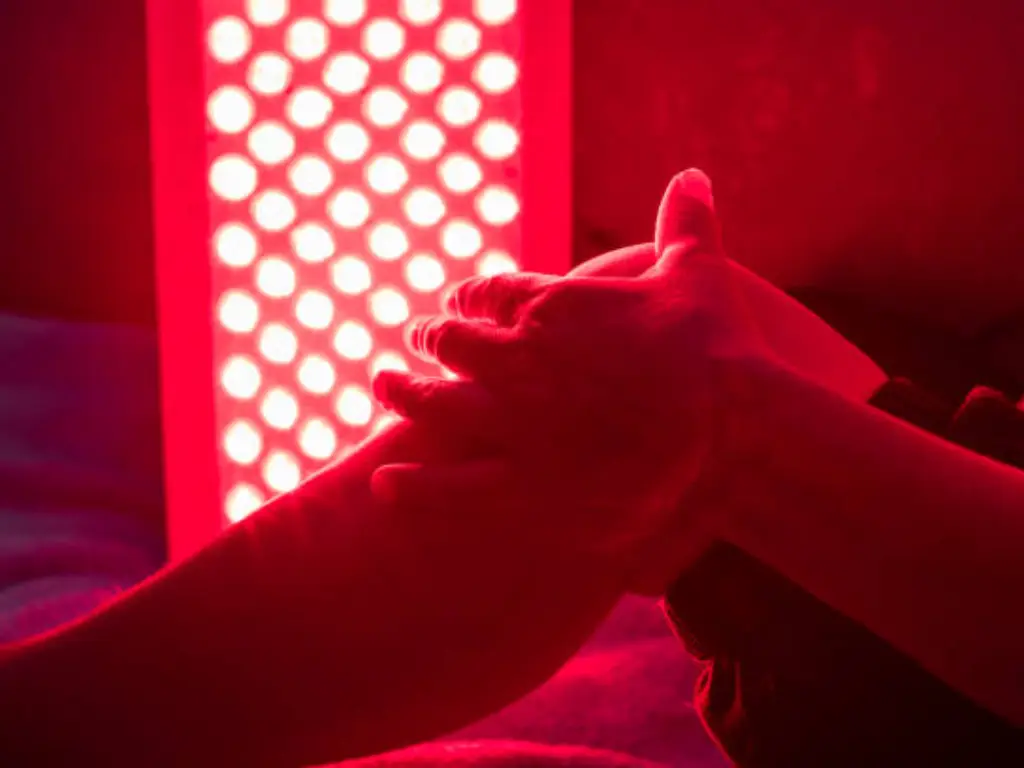
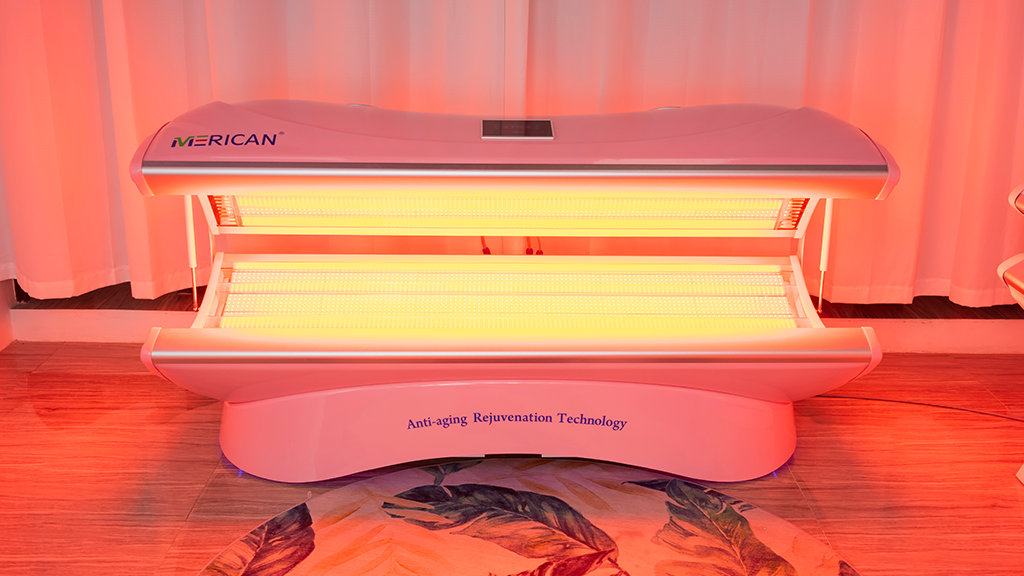
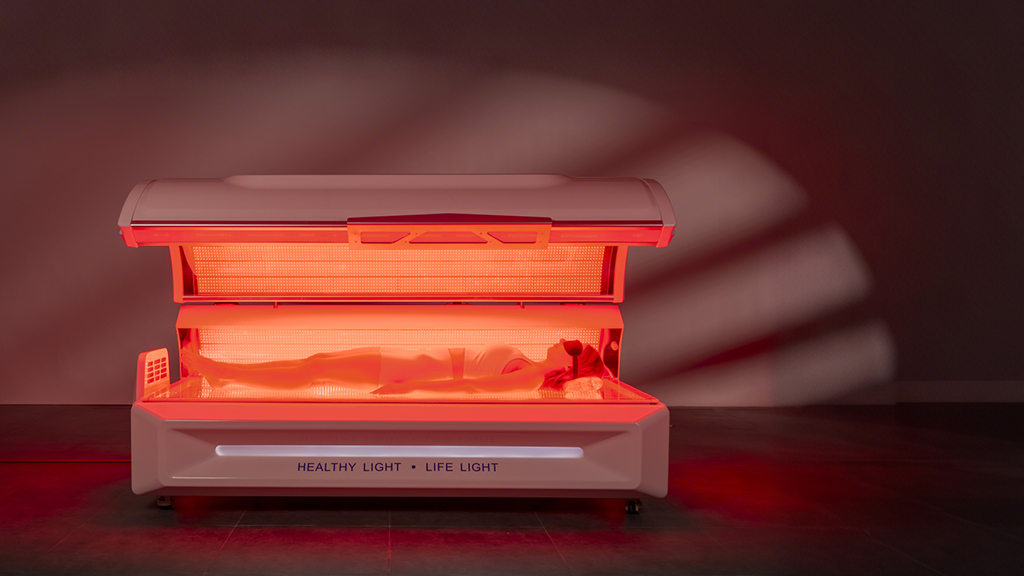
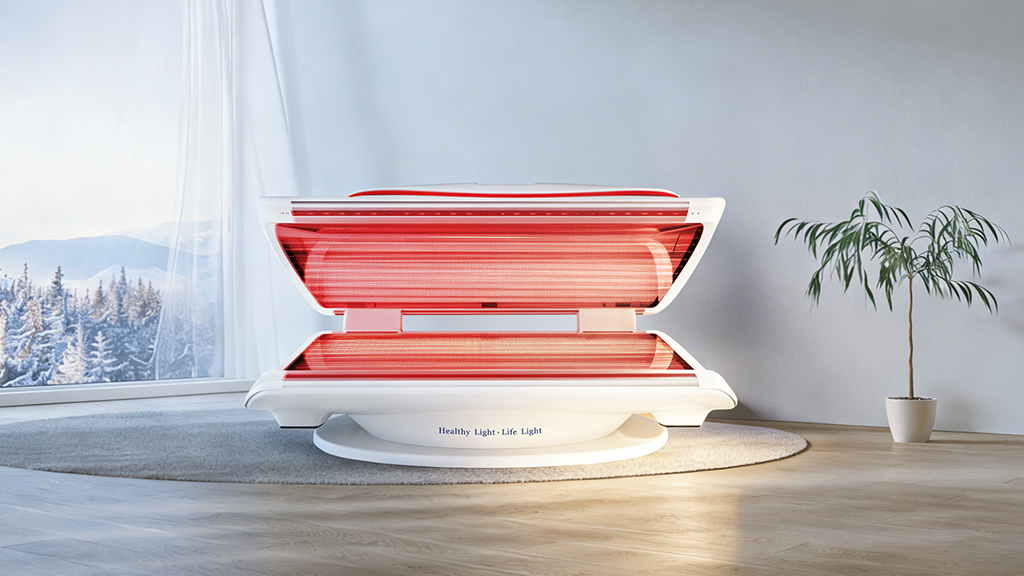
Integrating red light therapy (RLT) into your joint-health routine offers a science-backed, non-invasive option that can be used at home or in a clinical setting. Here’s a deeper look:
Hvordan det fungerer
Red light therapy emits red and near-infrared light (630–850 nm) to stimulate cell activity in joint tissues, promoting repair and reducing pain.
- Enhances mitochondrial ATP production in cartilage and surrounding cells
- Reduces inflammation by lowering pro‑inflammatory cytokines
- Increases blood flow and collagen synthesis aiding cartilage maintenance
- Speeds micro‑tissue repair in tendons and ligaments around joints
Benefits for Joint Health
- Artrose & revmatoid artritt: Clinical evidence demonstrates significant pain and stiffness reduction.
- Post-exercise joint soreness: RLT has been found effective in accelerating recovery by decreasing inflammatory markers.
- Soft‑tissue injuries: Senebetennelse, bursitt, and small strains improve with regular use.
- Preventive maintenance: Regular sessions can reduce oxidative stress in joints, slowing degeneration.
A clinical study found that red and infrared light therapy reduced knee osteoarthritis pain by over 50%, with noticeable functional improvements.
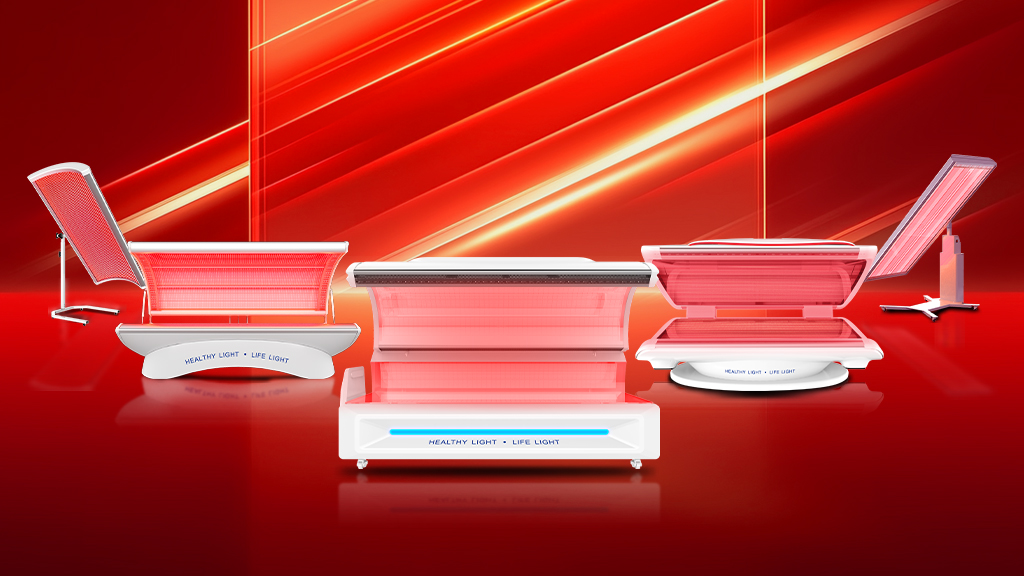
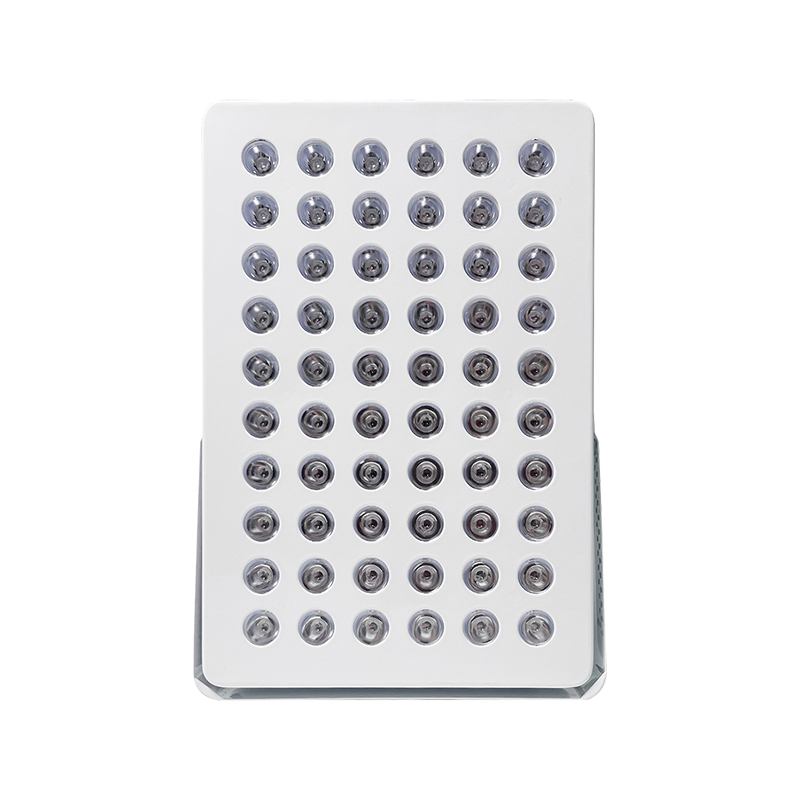
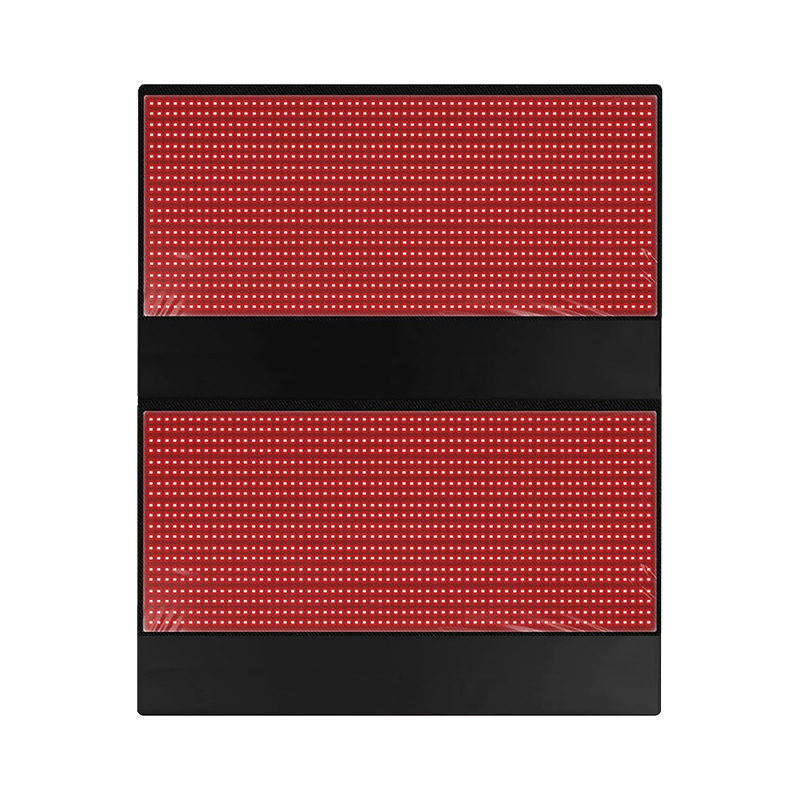
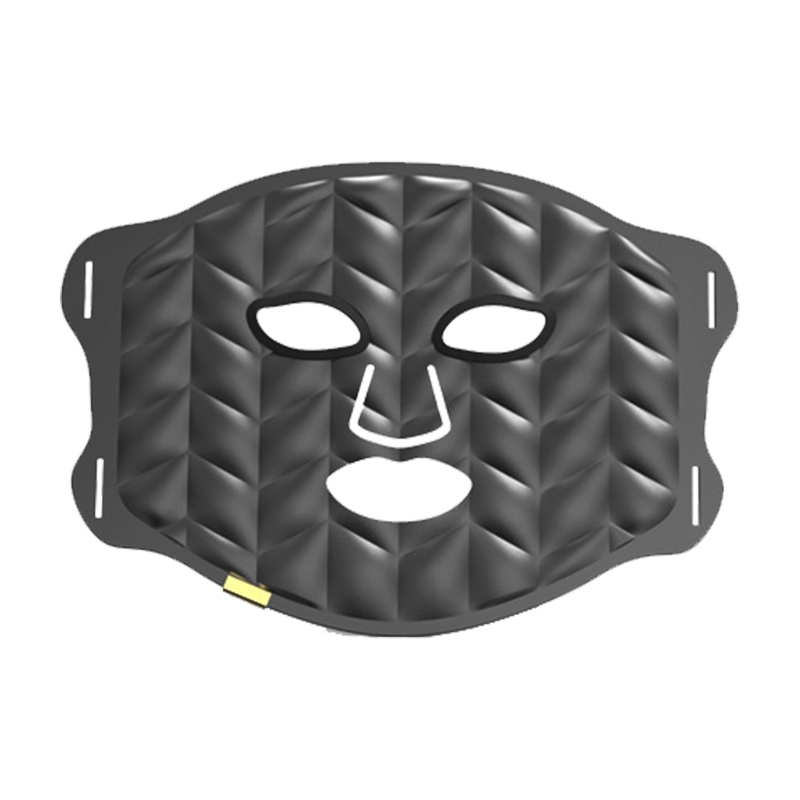
Recommended Merican RLT Devices
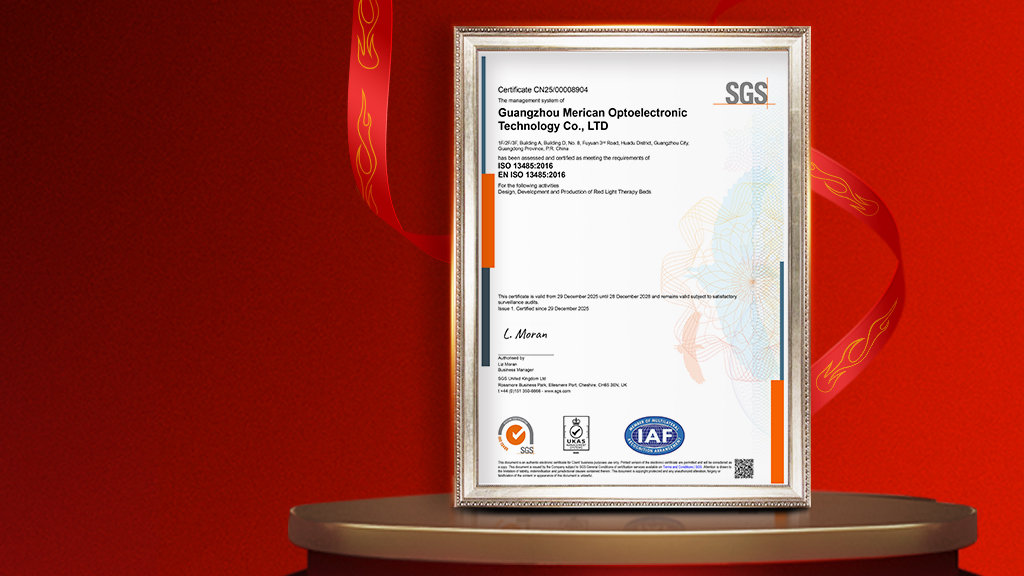
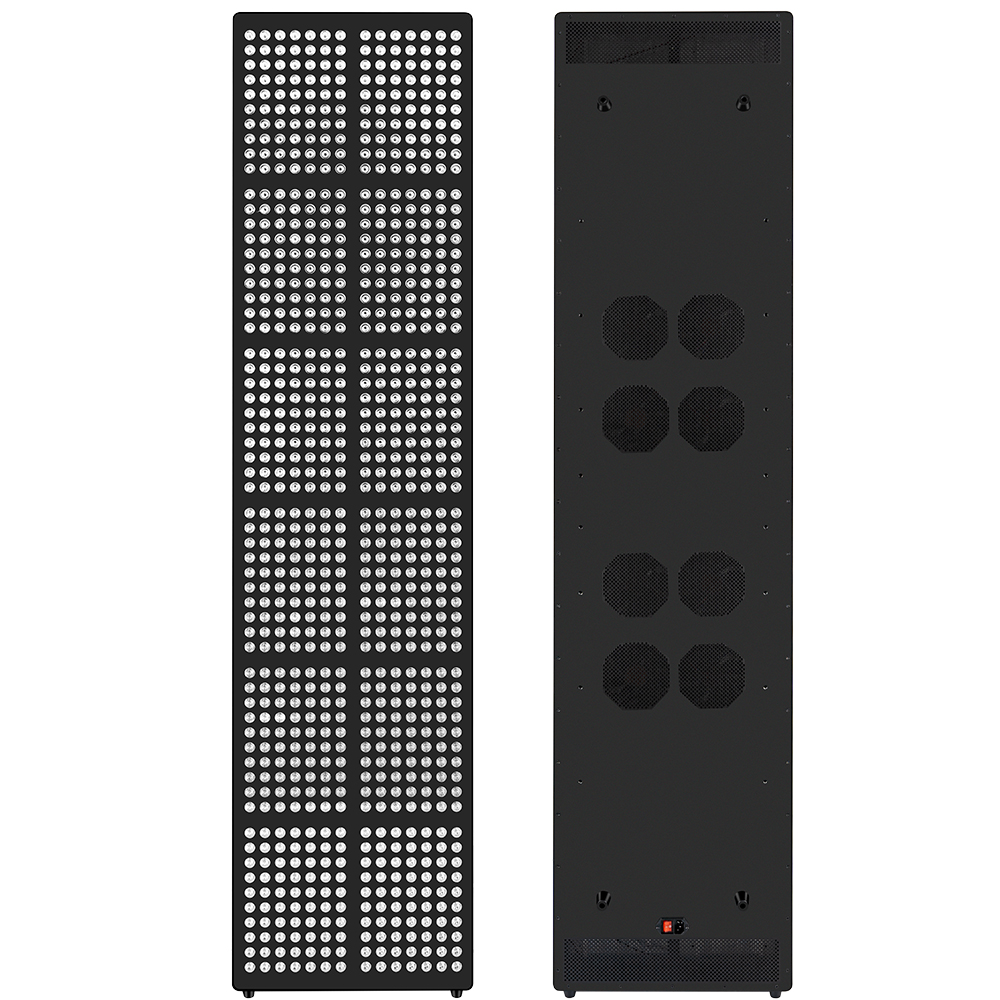
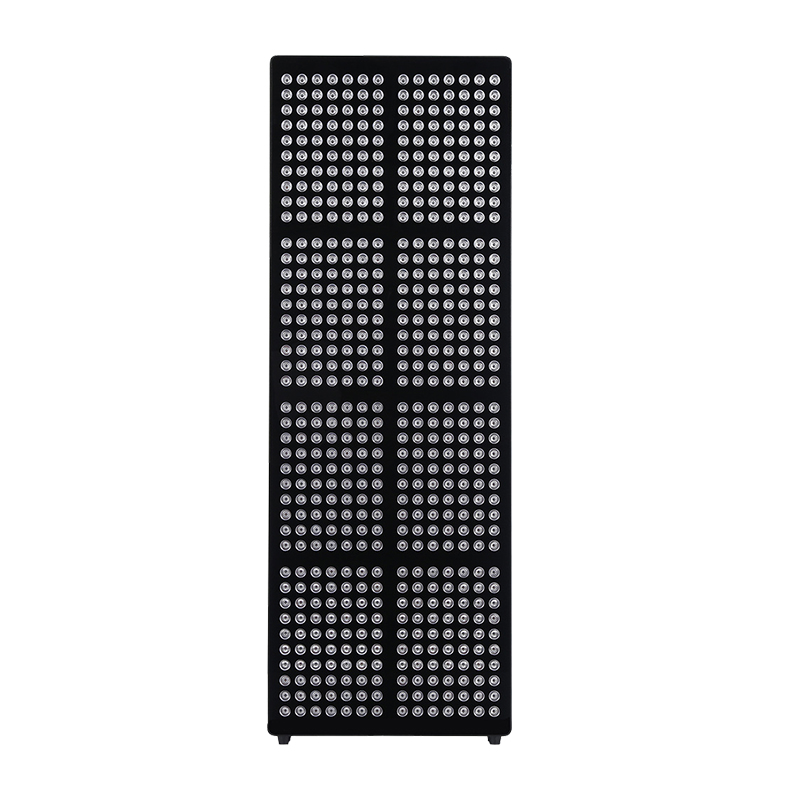
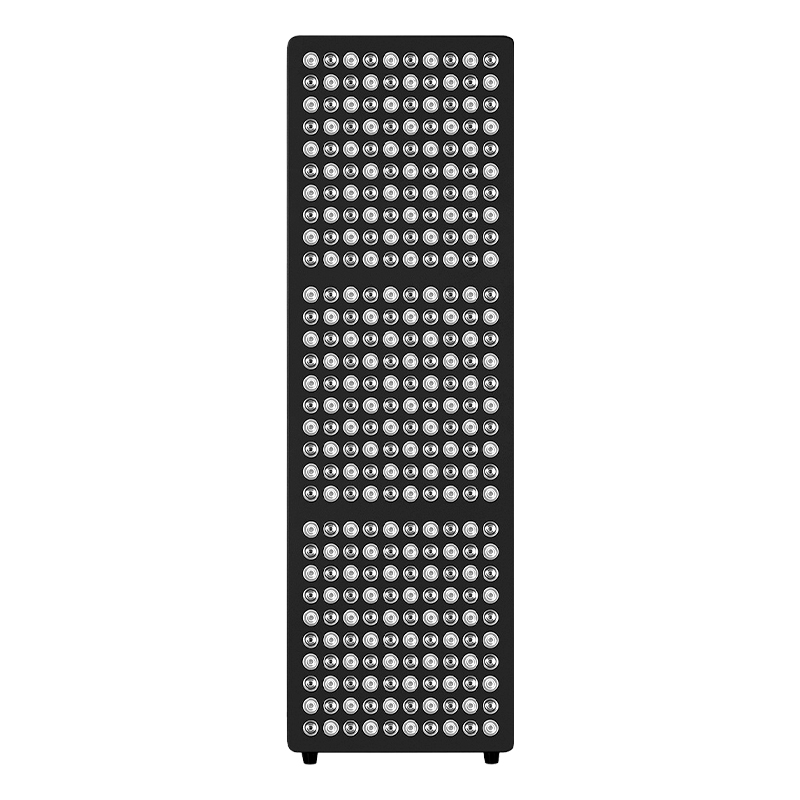
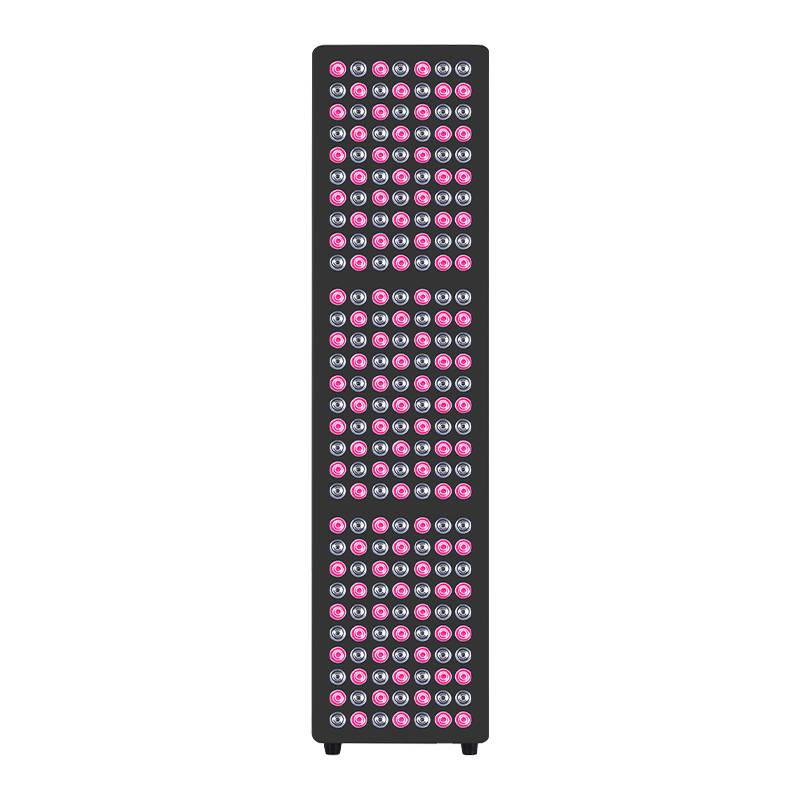
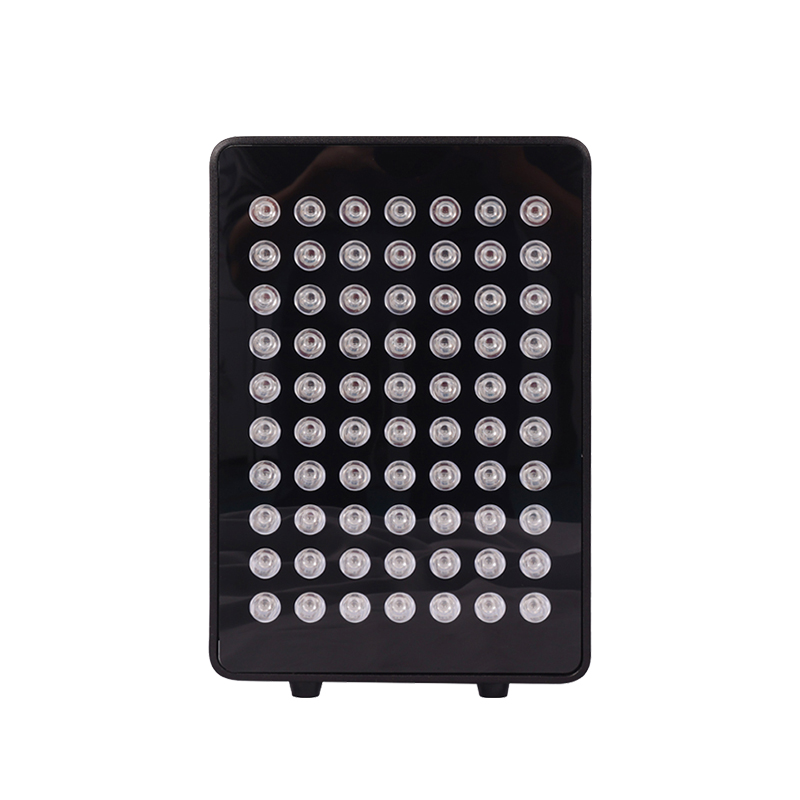
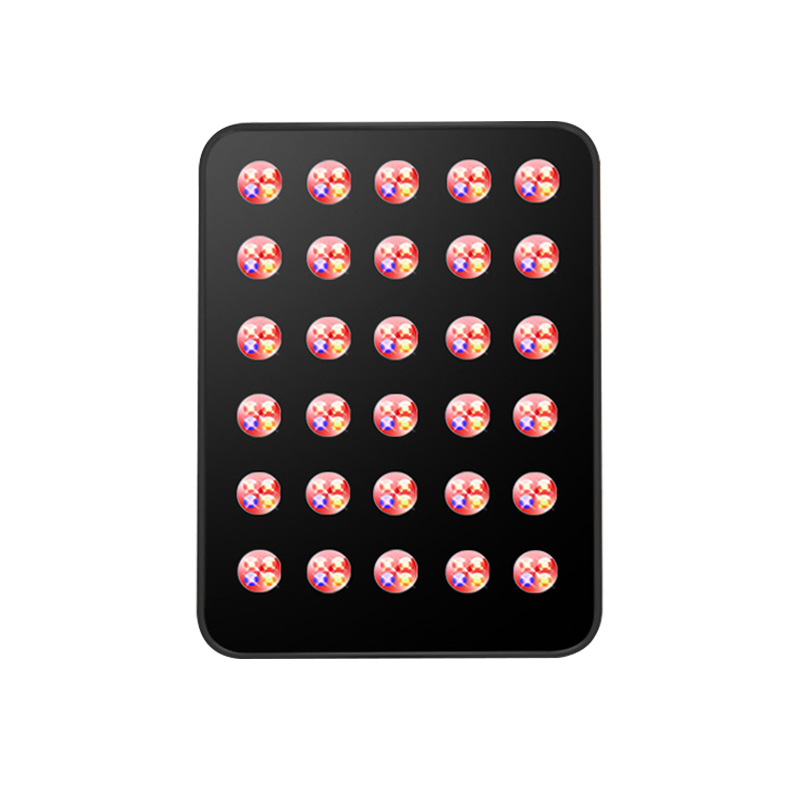
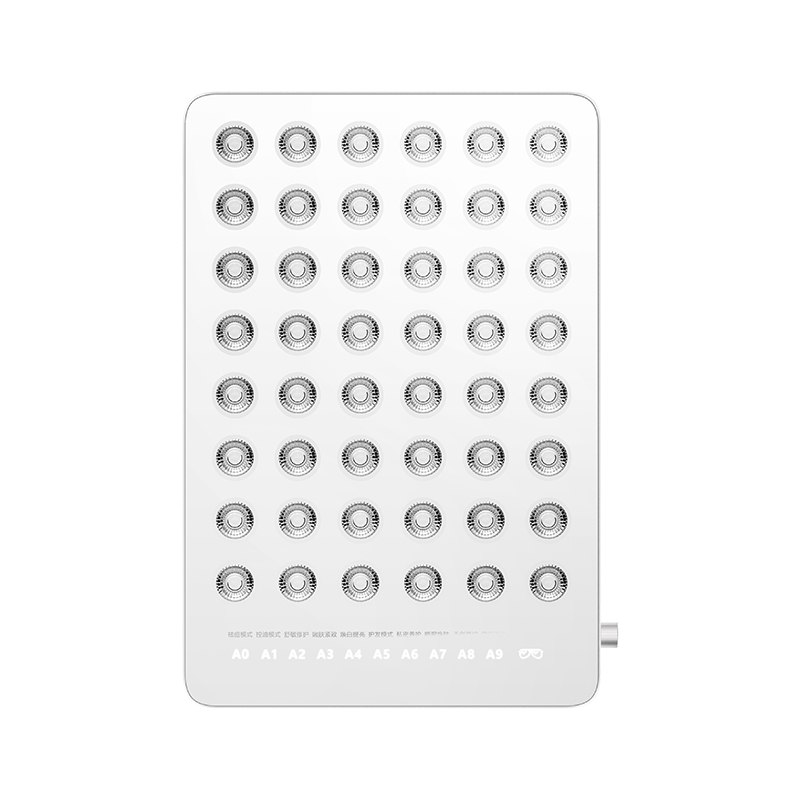
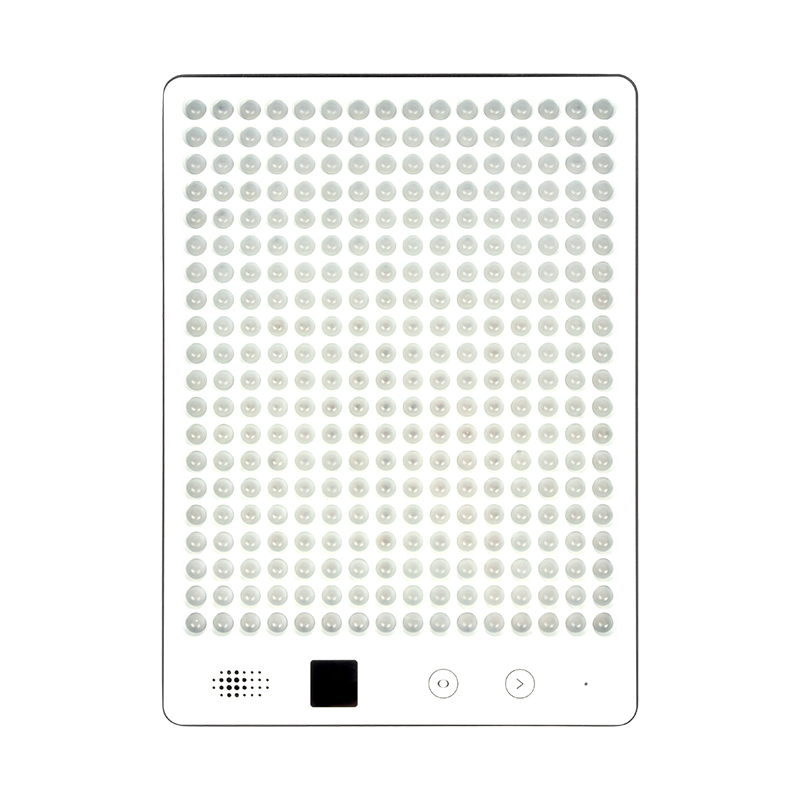
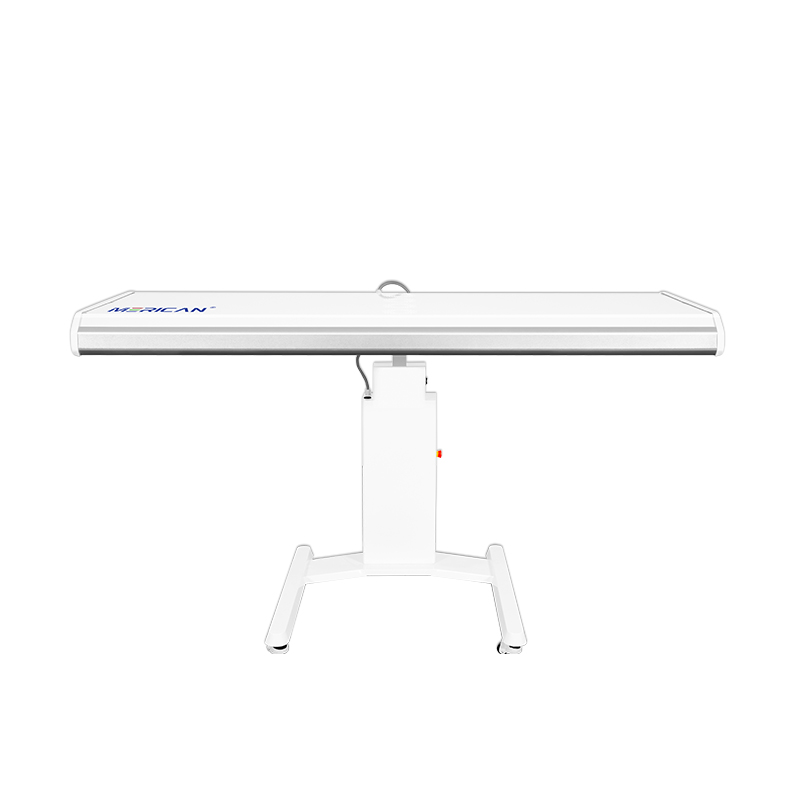
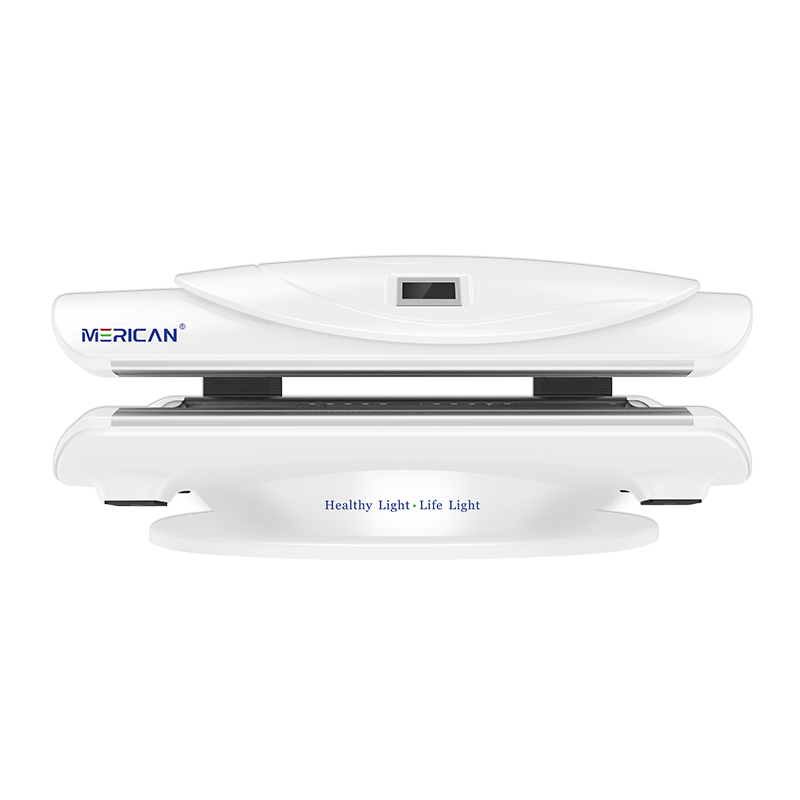
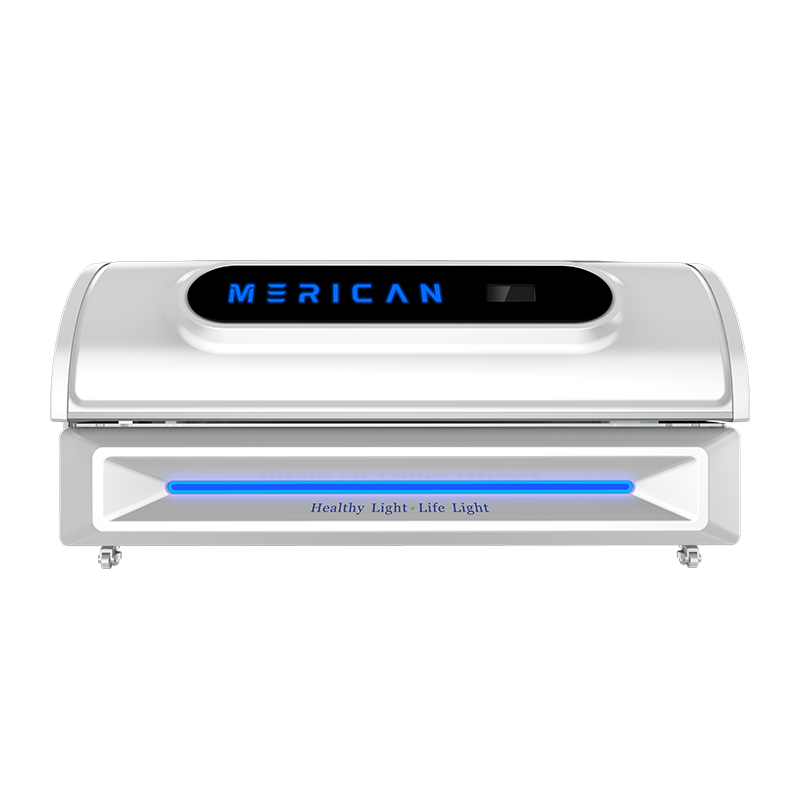
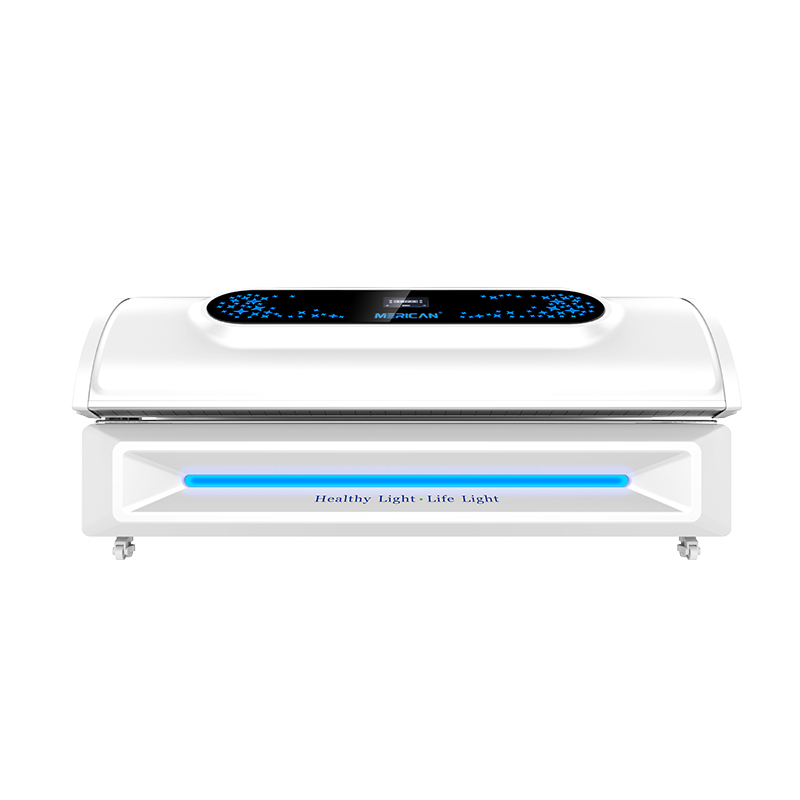
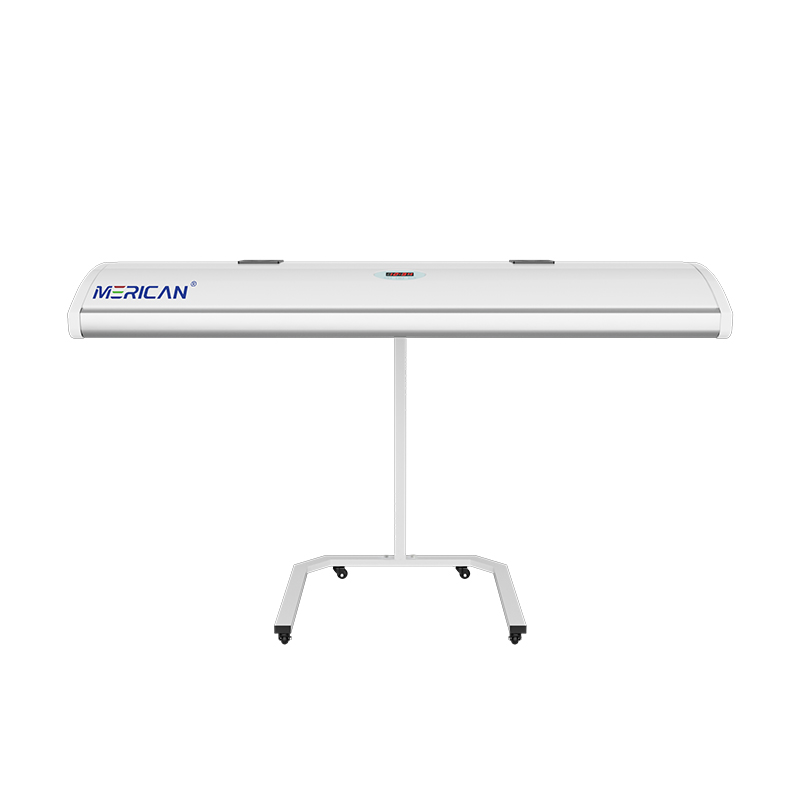
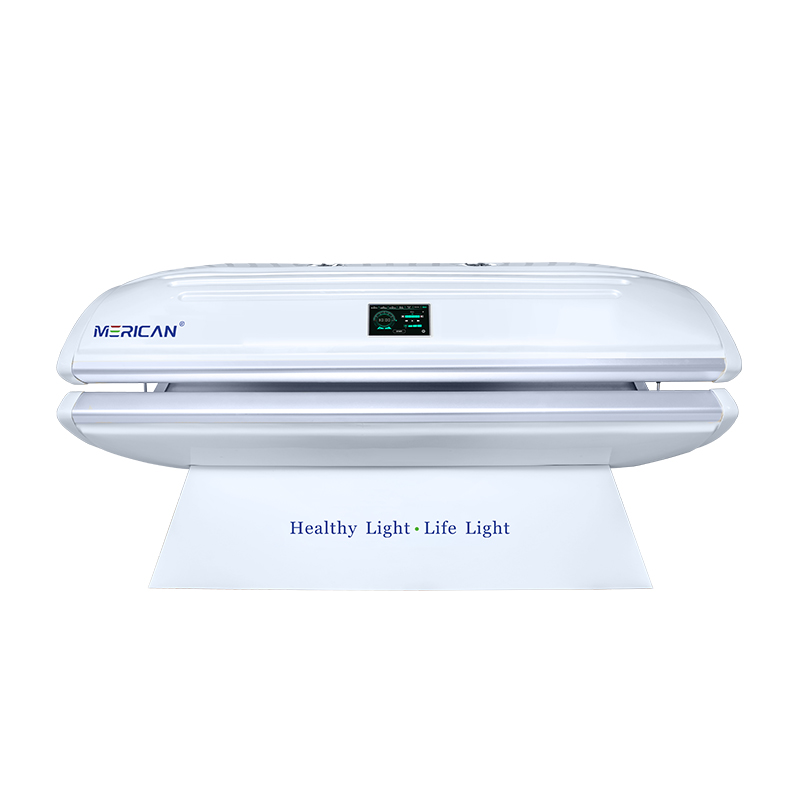
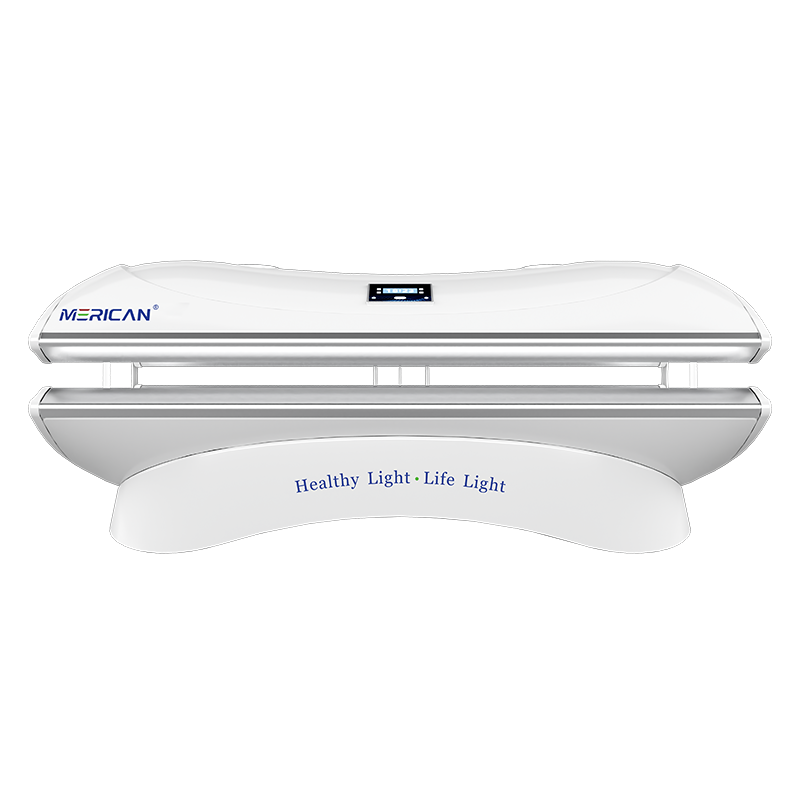
Merican tilbyr robuste enheter av klinisk kvalitet – hver med FDA-godkjente bølgelengder på 660 nm og 850 nm. Alle modellene er oppført på Mericans offisielle nettsted:
Utforsk Mericans løsninger for rødt lysterapi i dag og ta det første skrittet mot langsiktig, medisinfri leddsmerter.
Vanlige spørsmål:
Hva er den beste sittestillingen for knehelsen?
Sitt med knærne kl 90 grader, føtter flate, og unngå langvarige stillinger i kors.
Hvordan lindrer du leddsmerter?
Bruk fysioterapi, rødt lys terapi, NSAIDs, vektkontroll, og lav-effekt trening for å håndtere leddubehag.
Hva er det beste vitaminet for stive ledd?
Vitamin D støtter leddfleksibilitet og reduserer betennelse i brusk og bein.
Hvor lenge vil leddsmerter vare?
Varigheten varierer - akutt smerte varer fra dager til uker; kroniske leddsmerter kan vedvare i flere måneder eller kreve kontinuerlig behandling.