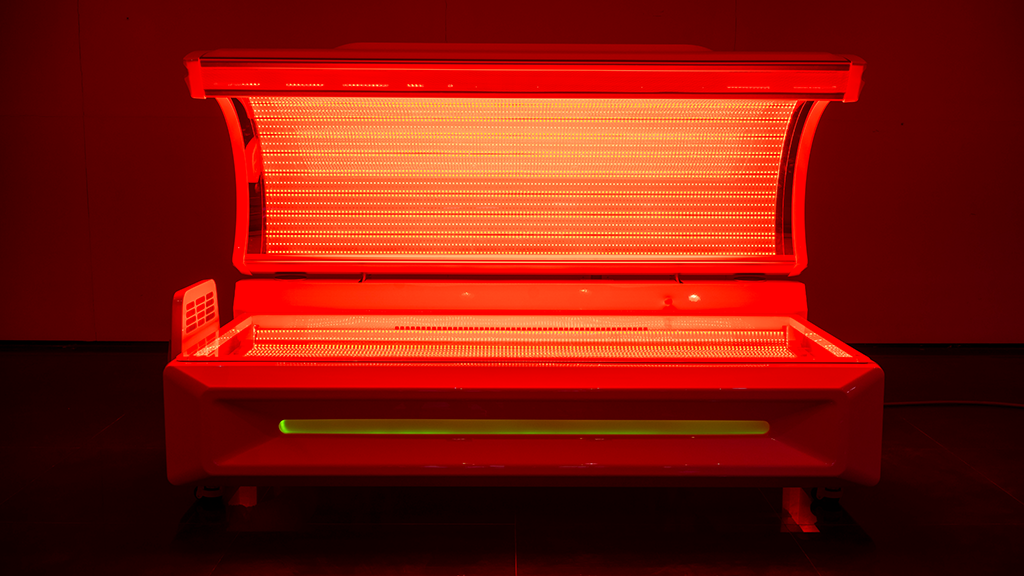
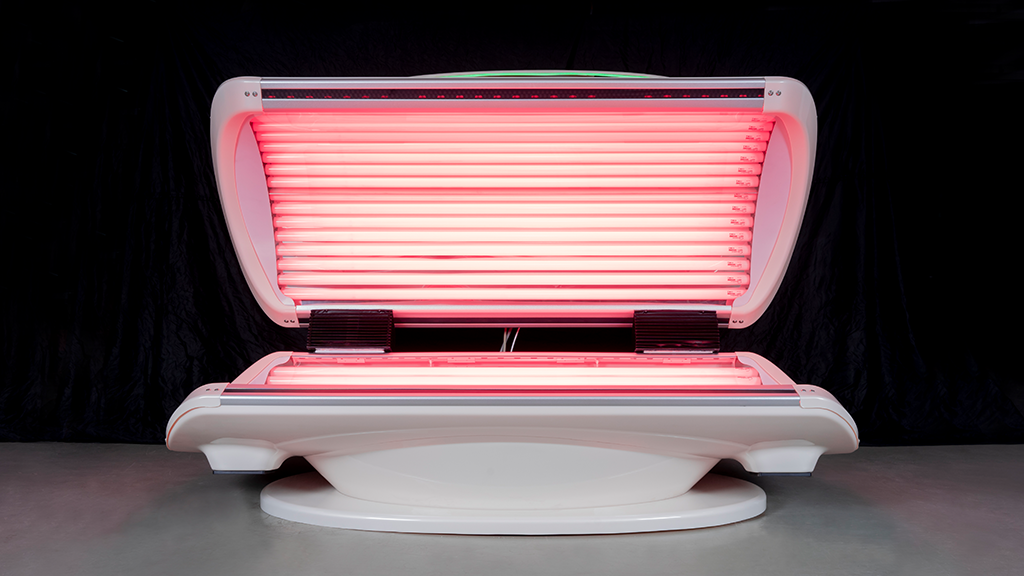
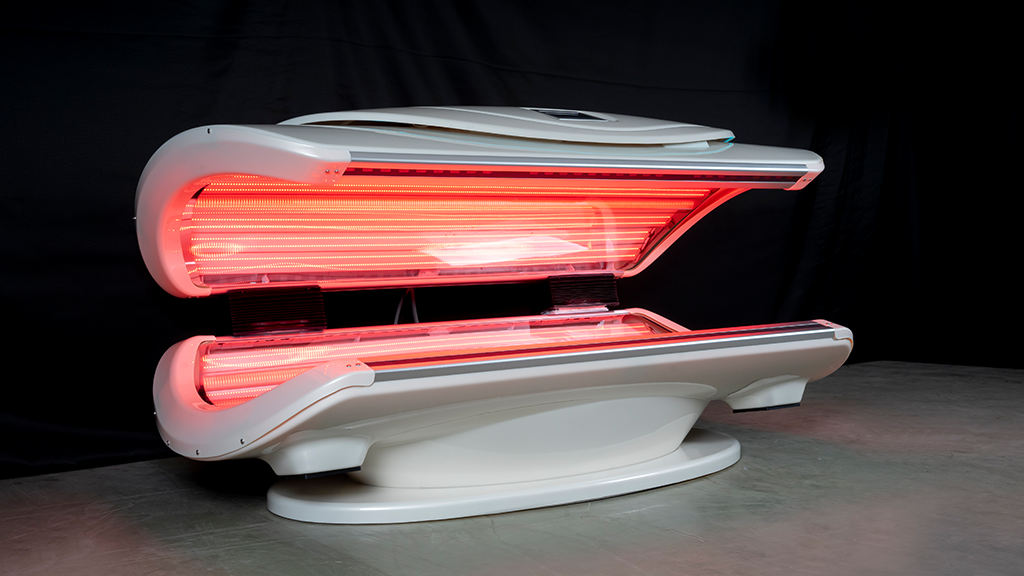
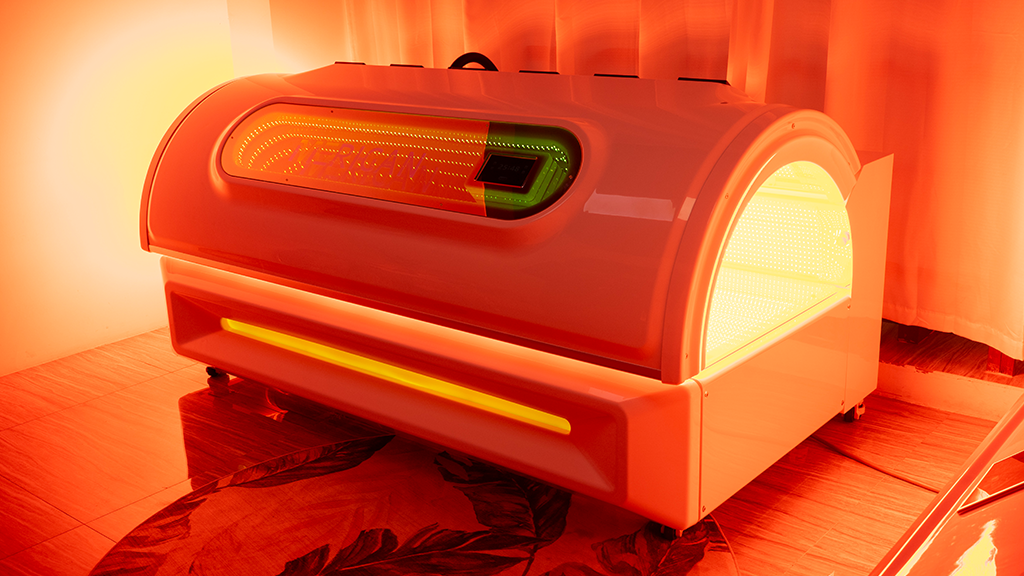
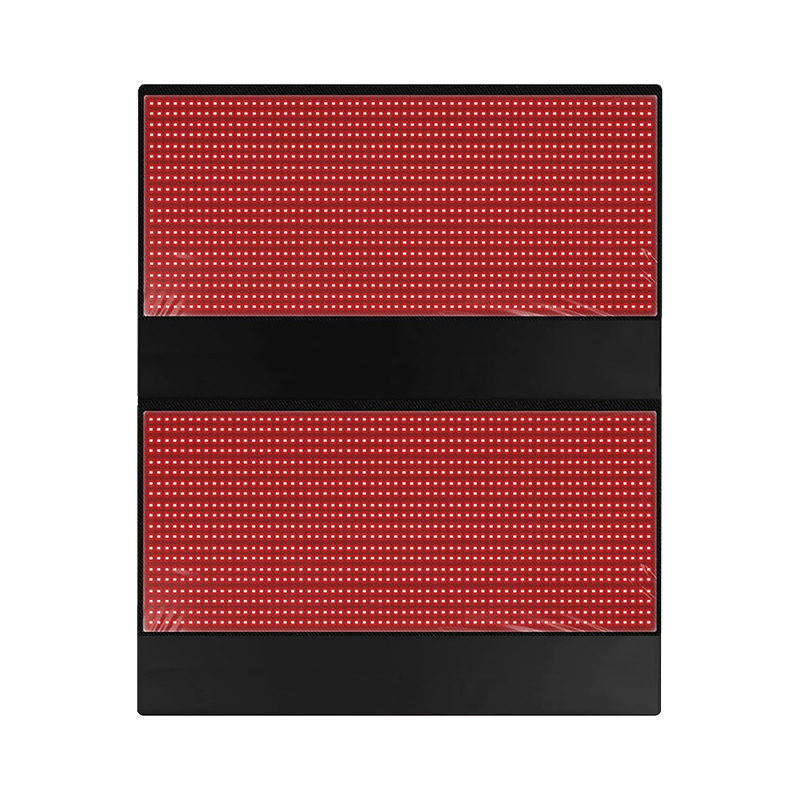
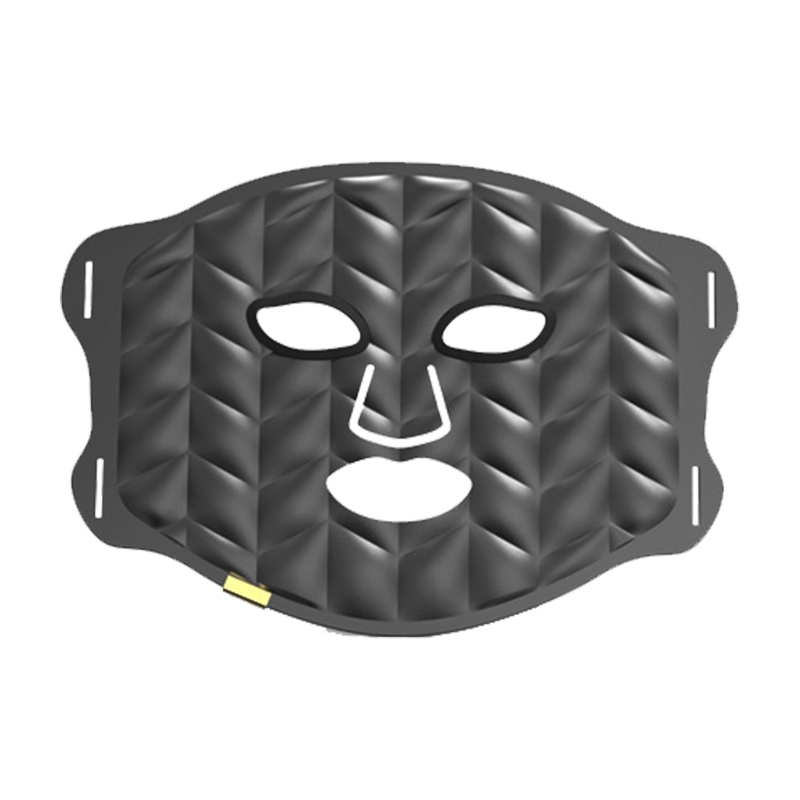
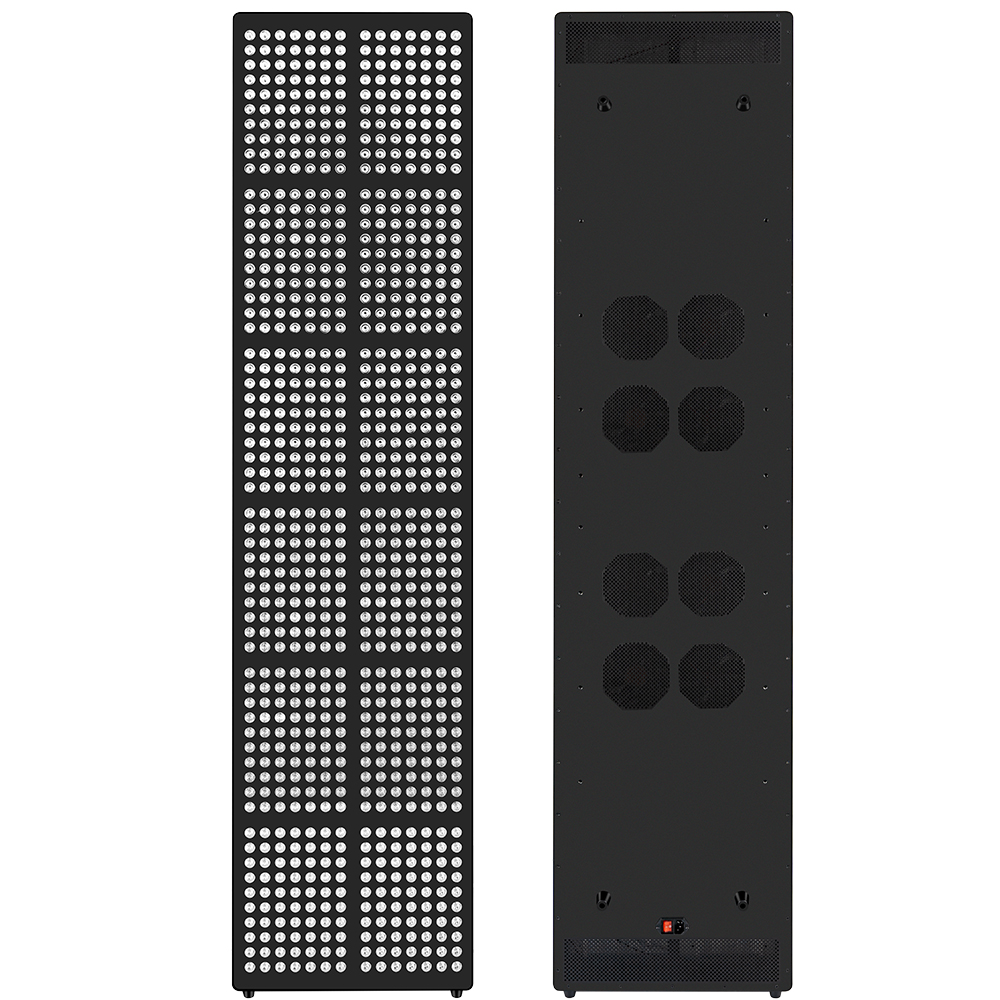
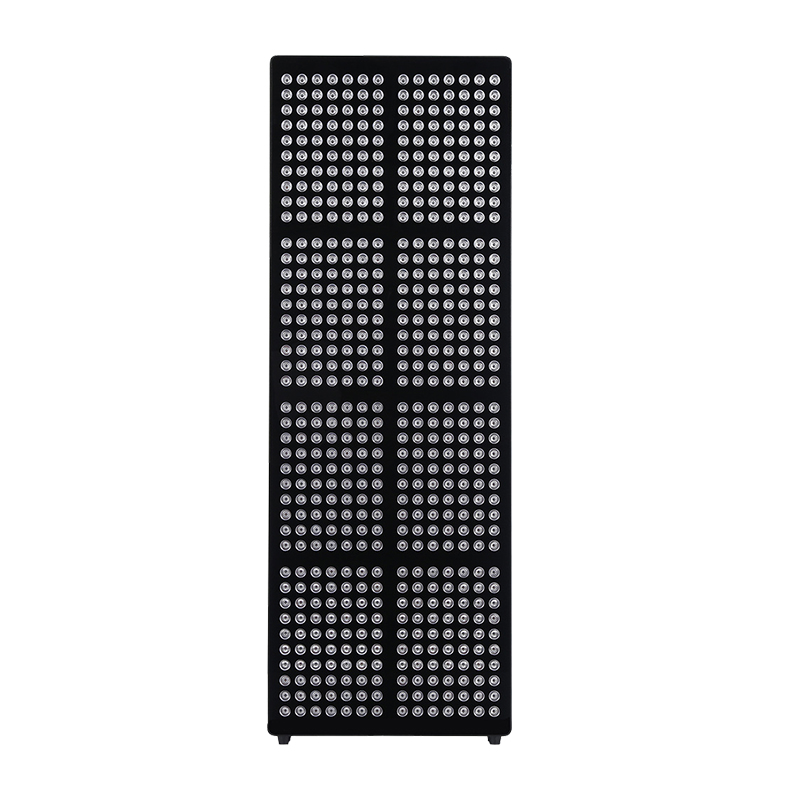
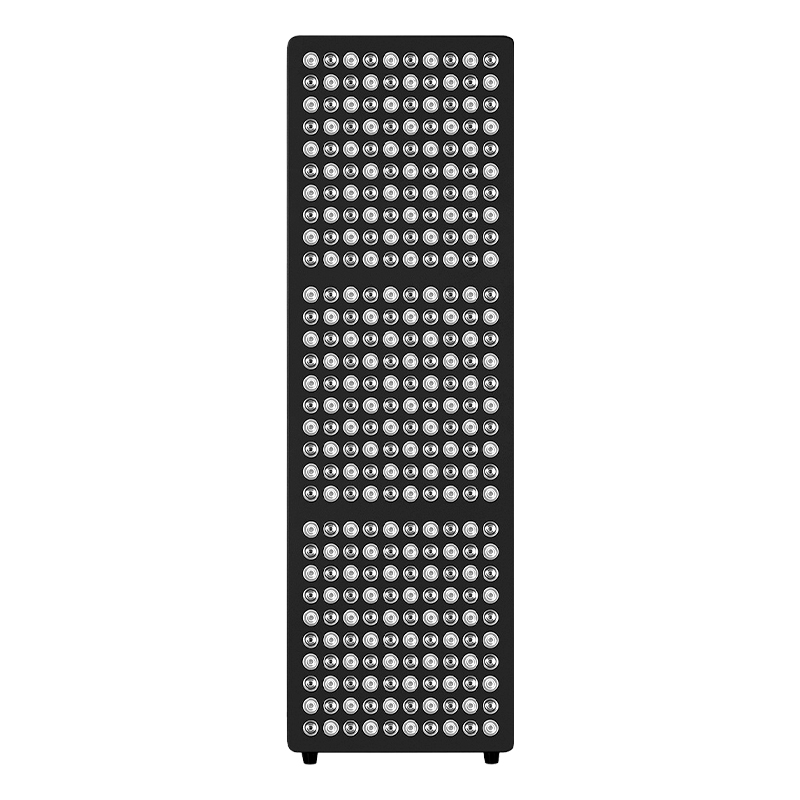
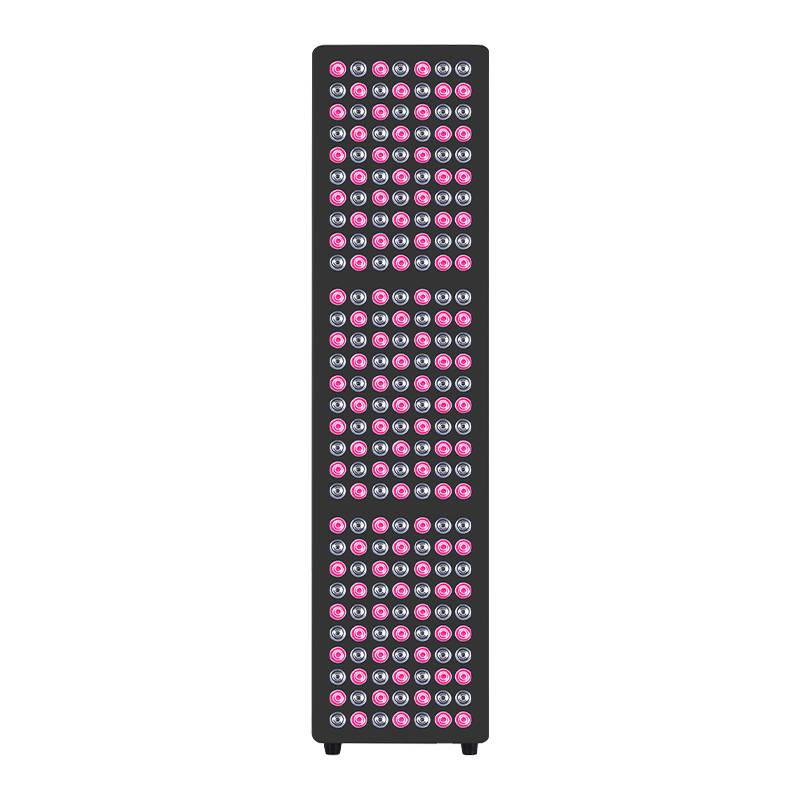
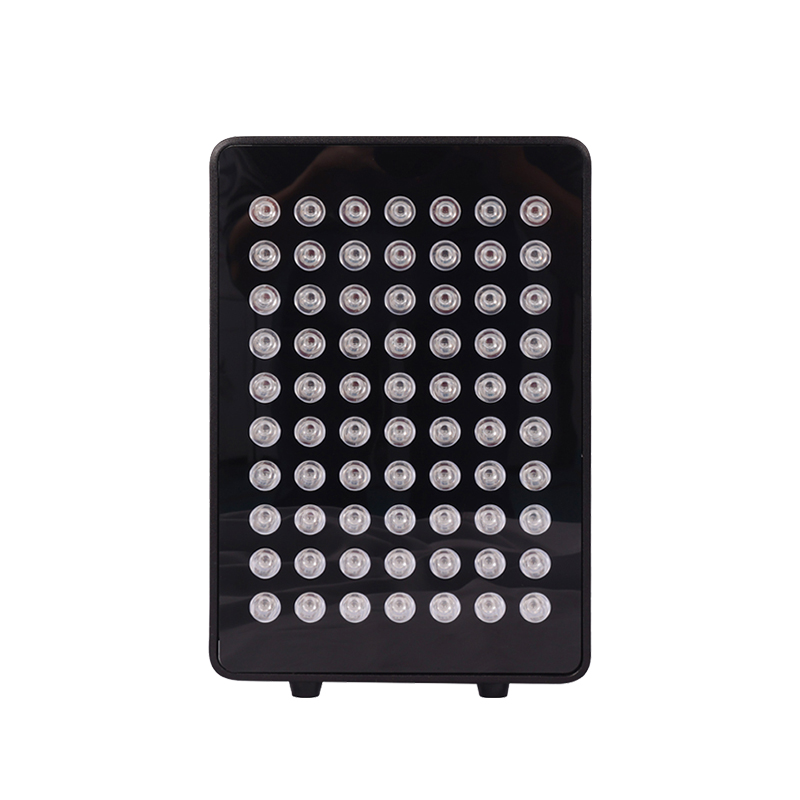
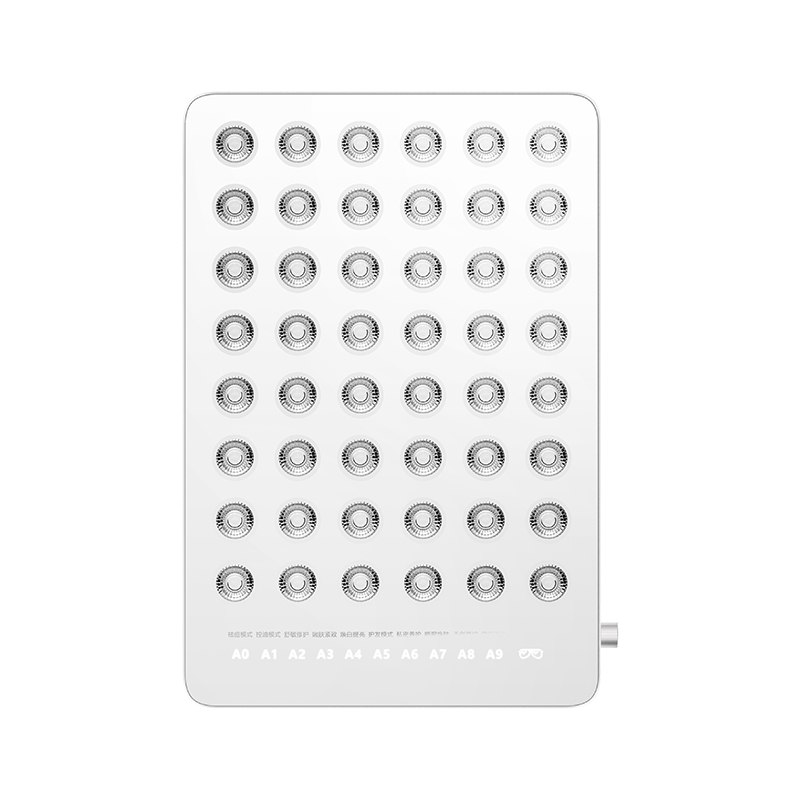
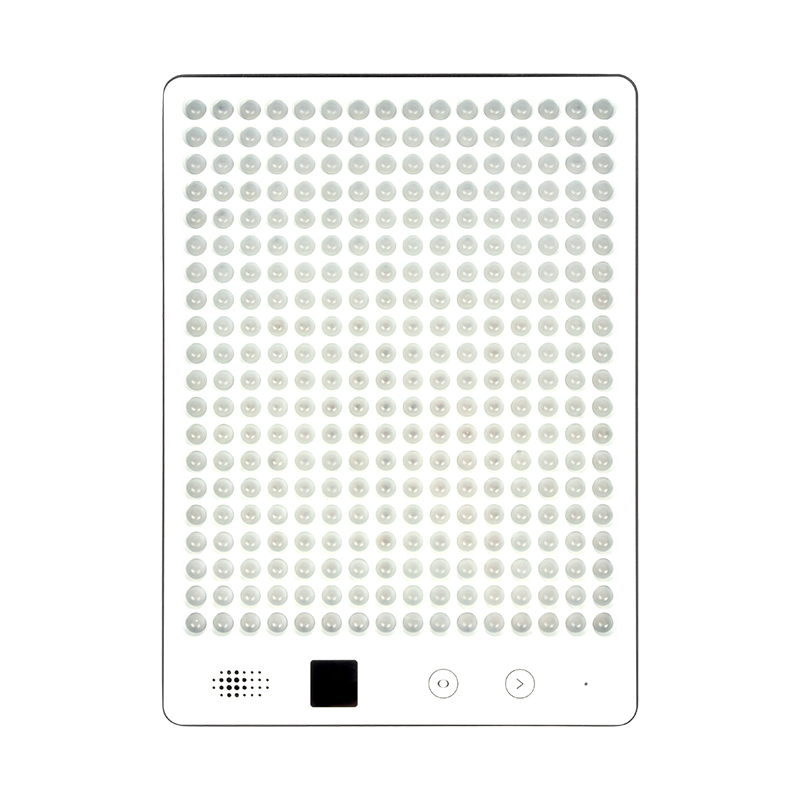
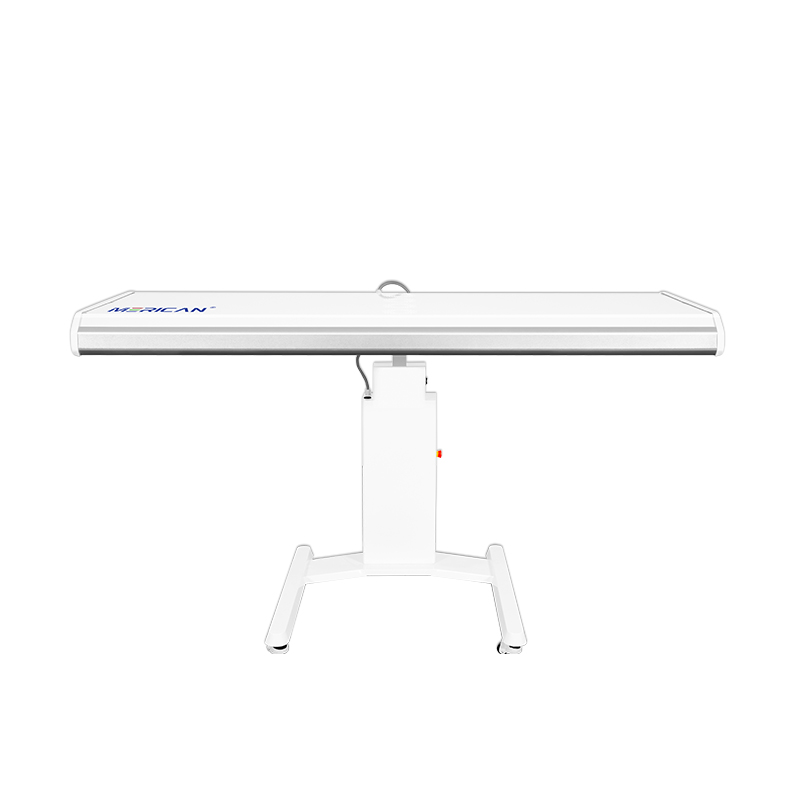
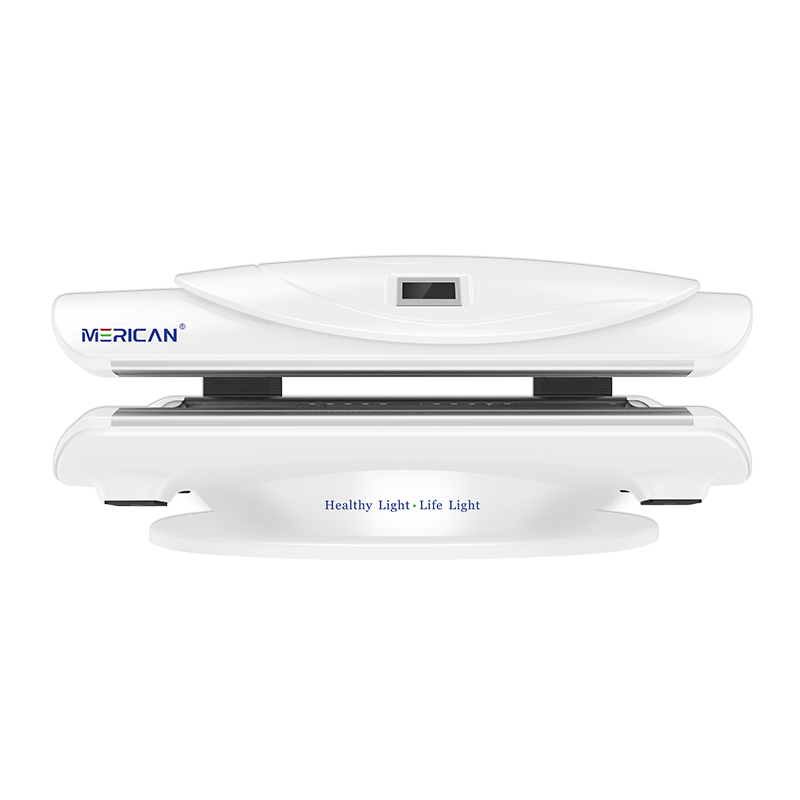
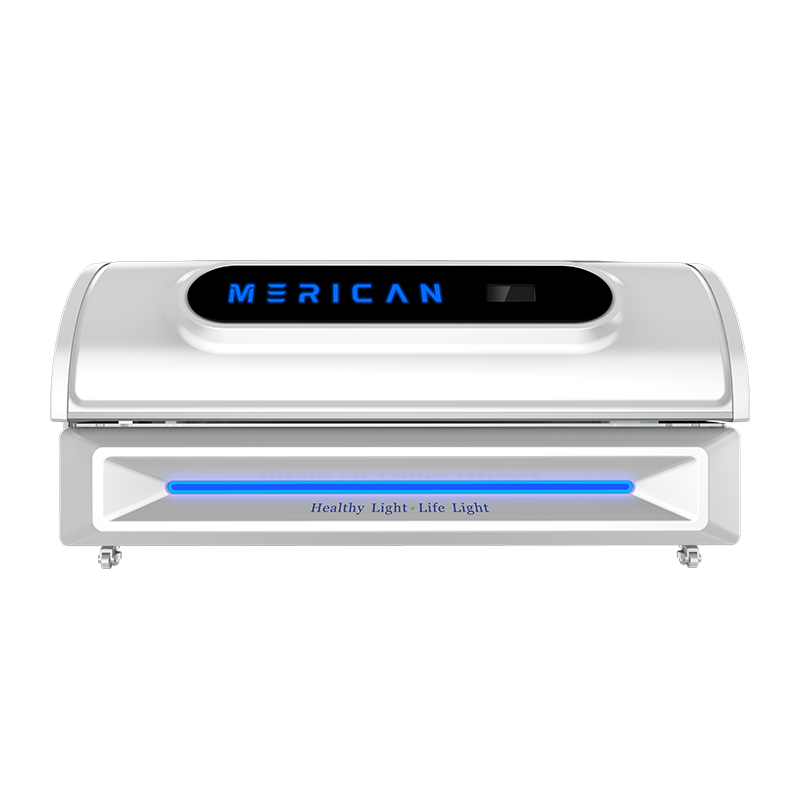
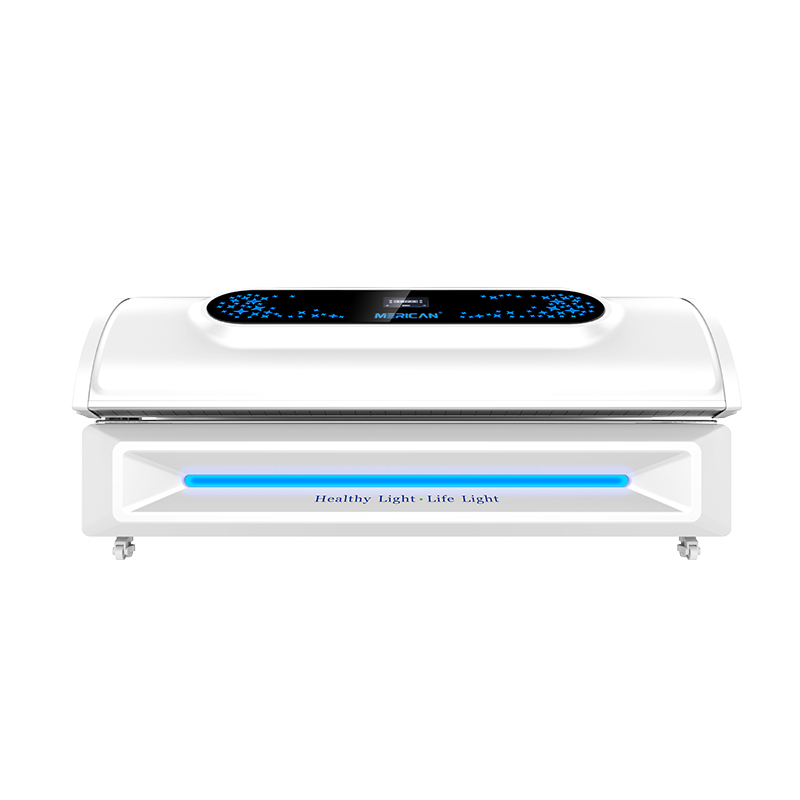
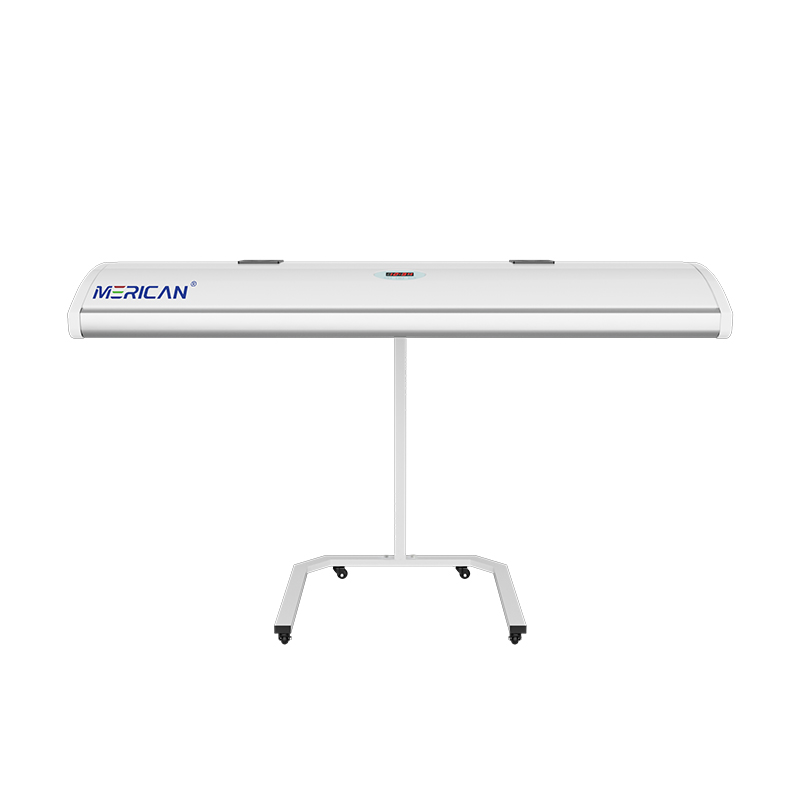
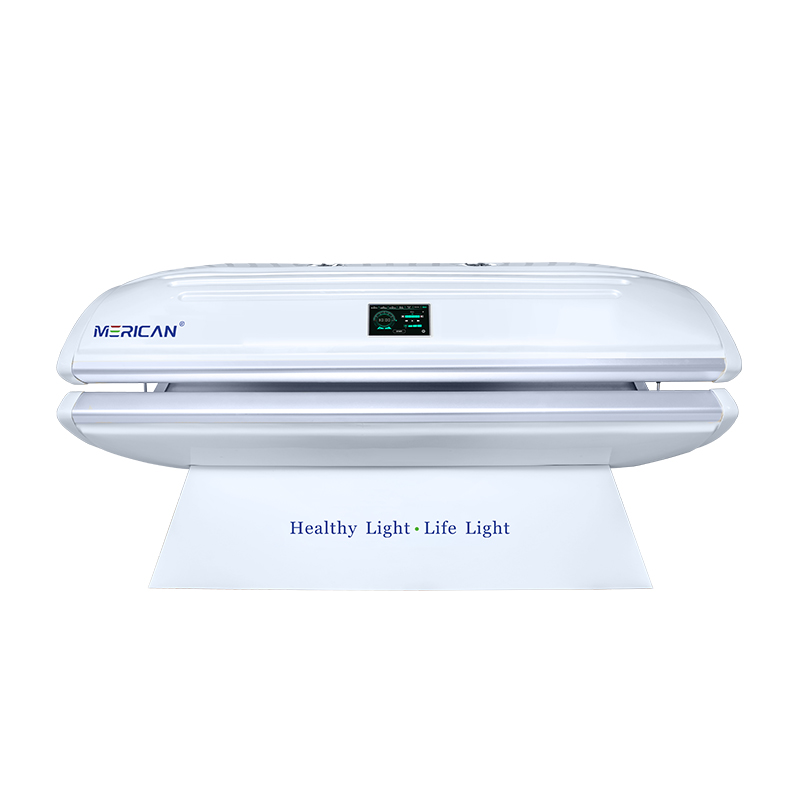
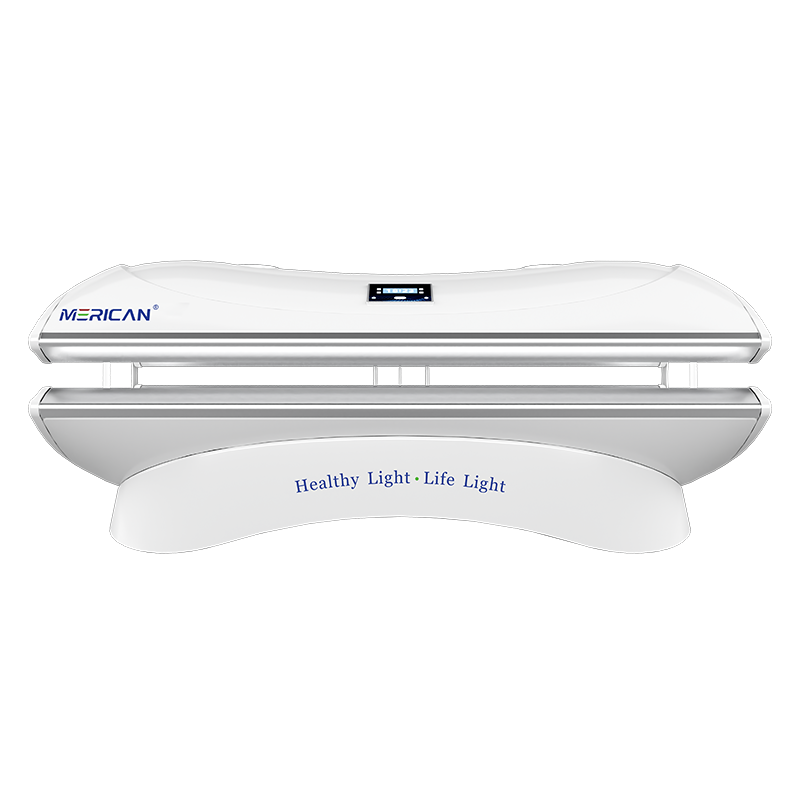
Arthritis is a chronic joint condition characterized by pain, stiffness, swelling, and reduced mobility. As interest grows in non-drug, non-invasive pain management options, red light therapy (RLT)—also known as photobiomodulation—has gained attention as a supportive therapy for joint health.
How Red Light Therapy Works for Arthritic Joints
Red light therapy typically uses red and near-infrared wavelengths in the 630–880 nm range. These wavelengths can penetrate skin and soft tissue to reach muscles and joints, where they may:
- Stimulate mitochondrial activity and ATP production
- Improve local blood circulation
- Support cellular repair processes
Because arthritis is often associated with chronic inflammation and impaired tissue recovery, these biological effects are highly relevant.
Anti-Inflammatory and Pain-Relief Effects
Inflammation plays a key role in both osteoarthritis and inflammatory arthritis. Red light therapy may help:
- Reduce inflammatory markers
- Decrease joint swelling and tenderness
- Ease stiffness and discomfort
Many users report improved joint comfort and range of motion with consistent use.
Supporting Joint Function and Mobility
By enhancing circulation and tissue oxygenation, red light therapy may support:
- Muscle relaxation around affected joints
- Faster recovery after movement or exercise
- Better flexibility over time
This makes it a potential complementary tool for physical therapy and rehabilitation programs.
What Does Research Indicate?
Clinical and laboratory studies on photobiomodulation suggest:
- Reduced pain scores in arthritis patients
- Improved joint function and mobility
- Good safety profile with minimal side effects
While more large-scale trials are still needed, current evidence supports its use as an adjunct, not a replacement, for medical treatment.
Summary
Red light therapy offers a promising, research-supported approach to supporting joint comfort and function in people with arthritis, especially when used alongside professional care and lifestyle management.