Red Light Therapy for Hypothyroidism: What Does the Study Show?
If you have searched for “red light therapy hypothyroidism study,” you may have seen claims that red or near-infrared light could support thyroid function. This topic has attracted attention because photobiomodulation, commonly called red light therapy, is being studied for its effects on cellular activity, inflammation, tissue repair, and mitochondrial function.
But an important distinction needs to be made: research into red or near-infrared light and thyroid function does not currently mean that red light therapy is a proven replacement for standard hypothyroidism treatment.
Hypothyroidism is a medical condition in which the thyroid gland does not produce enough thyroid hormones. Standard management commonly involves thyroid hormone replacement prescribed and monitored by a healthcare professional.
So, what does the research actually show? Could photobiomodulation have a role in thyroid-related wellness? And what should people know before considering a red light therapy device?
This article reviews the topic from an evidence-based perspective.
What Is Hypothyroidism?
Hypothyroidism occurs when the thyroid gland cannot produce enough thyroid hormone to meet the body’s needs.
Thyroid hormones influence many processes, including:
- Metabolism
- Heart function
- Body temperature
- Energy production
- Brain function
- Muscle function
- Growth and development
Common symptoms can include fatigue, feeling unusually cold, dry skin, constipation, weight changes, and difficulty concentrating. However, these symptoms are not specific to hypothyroidism and can occur with many other conditions.
Diagnosis generally involves medical history, physical examination, and blood testing, particularly measurements related to thyroid-stimulating hormone (TSH) and thyroid hormone levels.
Because thyroid function affects many body systems, suspected hypothyroidism should be evaluated by a qualified healthcare professional rather than self-treated with light therapy.
What Is Red Light Therapy?
Red light therapy is a form of photobiomodulation (PBM) that uses specific wavelengths of non-ionizing light.
Depending on the device, treatment may use visible red light, near-infrared light, or a combination of wavelengths.
Unlike UV tanning, photobiomodulation is not intended to produce a suntan.
Researchers have investigated PBM for a variety of applications because light energy may interact with biological processes at the cellular level.
Proposed mechanisms include effects on mitochondrial activity, cellular signaling, oxidative stress, and inflammatory pathways.
However, a proposed biological mechanism is not the same thing as proof that a therapy can treat a particular disease.
That distinction is especially important when discussing hypothyroidism.
What Does the Hypothyroidism Research Show?
One of the most frequently discussed areas of research involves low-level laser therapy (LLLT) or photobiomodulation applied directly to the thyroid gland.
Research has explored whether this approach may influence thyroid-related outcomes, particularly in people with autoimmune thyroid conditions such as Hashimoto’s thyroiditis.
Some clinical studies have reported potentially interesting findings, including changes in thyroid-related laboratory measurements and reduced requirements for thyroid hormone replacement in selected participants.
However, the research is still limited.
Studies have used different light sources, wavelengths, treatment schedules, sample sizes, and patient populations. This makes it difficult to conclude that every red light therapy device—or a full-body red light therapy bed—would produce the same effects.
Therefore, the most responsible interpretation is:
Photobiomodulation is an area of research in thyroid health, but more high-quality clinical research is needed before it can be considered an established treatment for hypothyroidism.
Red Light Therapy and Hashimoto’s Thyroiditis
Hashimoto’s thyroiditis is an autoimmune condition and one of the most common causes of hypothyroidism.
Researchers have shown particular interest in PBM because of its potential effects on inflammatory and cellular processes.
A randomized controlled study published in Lasers in Medical Science investigated low-level laser therapy in patients with Hashimoto’s thyroiditis and reported improvements in some thyroid-related outcomes compared with placebo treatment. However, the study was relatively small, and its findings should be interpreted within the limitations of its design.
This is an important point for SEO health content.
It is tempting to write:
“Red light therapy treats Hashimoto’s disease.”
That statement goes beyond what current evidence supports.
A more accurate statement is:
“Some clinical research has investigated photobiomodulation as a potential complementary approach for people with Hashimoto’s thyroiditis, but evidence remains insufficient to establish it as a standard treatment.”
This distinction helps readers understand both the potential and the limitations of the science.
Why Is the Thyroid an Interesting Target for Photobiomodulation?
The thyroid is a highly active endocrine gland.
Because thyroid cells are involved in hormone production and metabolic regulation, researchers have investigated whether cellular-level effects of light could influence thyroid tissue.
The theory is partly related to the interaction between light and cellular metabolism.
Photobiomodulation has been proposed to influence mitochondrial function and cellular signaling. Since mitochondria play a central role in energy production, researchers have investigated PBM across many biological and medical applications.
However, it is important not to overstate this mechanism.
Even if light influences cellular activity, that does not automatically mean it can restore normal thyroid hormone production in someone with hypothyroidism.
Clinical outcomes need to be demonstrated through well-designed human studies.
Can Red Light Therapy Increase Thyroid Hormones?
This is one of the most important questions surrounding the topic.
Some studies investigating direct thyroid photobiomodulation have reported changes in thyroid-related laboratory markers.
However, these results should not be interpreted as proof that red light therapy will increase thyroid hormone levels in every person.
Thyroid hormone regulation is complex.
TSH, free T4, and sometimes T3 are interpreted together with symptoms, medical history, medications, and the underlying cause of thyroid dysfunction.
Someone with hypothyroidism should not adjust thyroid medication based on a red light therapy session or an online article.
If laboratory values change, medication adjustments should be made only with appropriate medical supervision.
Can Red Light Therapy Replace Levothyroxine?
Based on current evidence, people with hypothyroidism should not stop or reduce prescribed thyroid hormone medication simply because they are using red light therapy.
Levothyroxine is a standard treatment for hypothyroidism, and the appropriate dosage is determined by a healthcare professional using laboratory results and clinical factors.
Some research into thyroid photobiomodulation has explored whether patients might eventually require less medication under specific circumstances, but this is not enough to recommend replacing established treatment with red light therapy.
If you currently take thyroid medication, continue following your healthcare provider’s instructions.
If you believe your thyroid function has changed, ask for appropriate laboratory testing.
Red Light Therapy for Hypothyroidism vs. General Wellness
It is also useful to separate two different concepts:
Direct thyroid photobiomodulation
and
General red light therapy for wellness.
Some studies investigating thyroid conditions have used targeted light treatment directed toward the thyroid region.
A commercial full-body red light therapy bed is a different type of exposure.
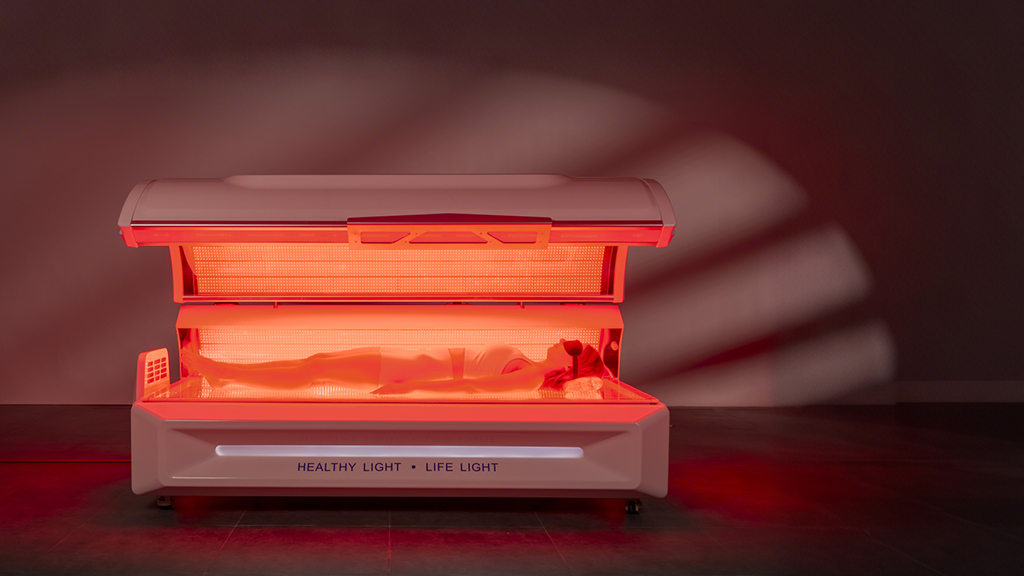
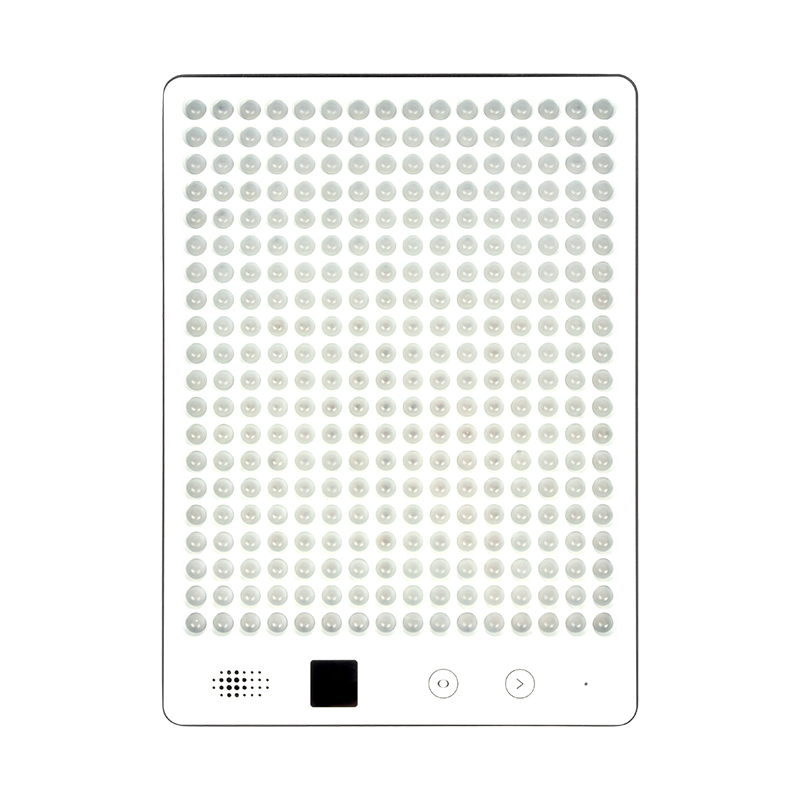
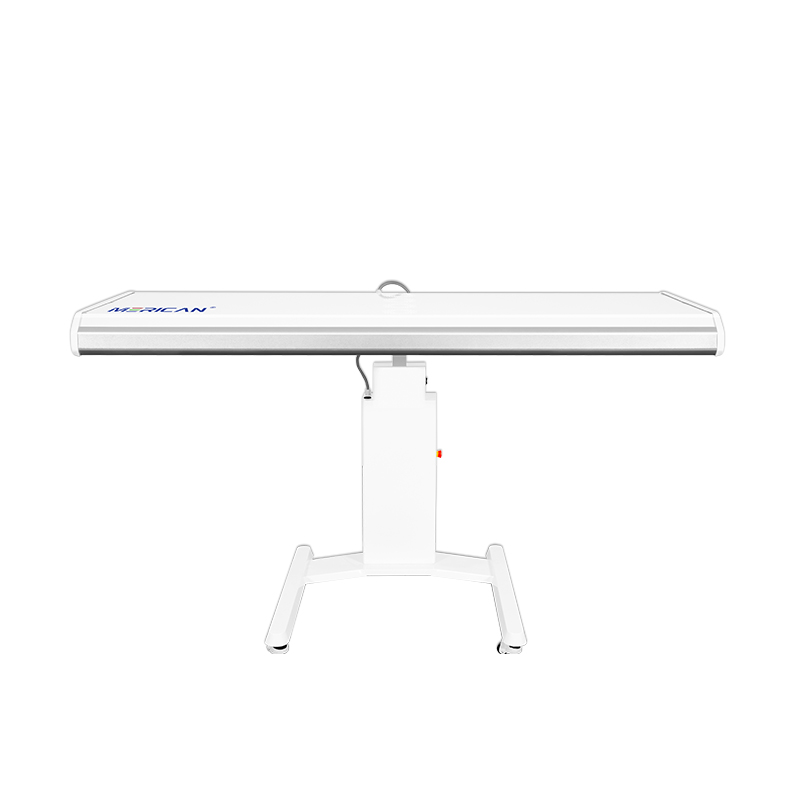
A full-body system is designed to expose large areas of the body to red and/or near-infrared light. It should not automatically be considered equivalent to a clinical research protocol in which light is applied directly to the thyroid using specific parameters.
This distinction is especially important for consumers and businesses.
Does a Red Light Therapy Bed Treat Hypothyroidism?
There is currently not enough evidence to claim that a commercial red light therapy bed treats hypothyroidism.
A full-body red light therapy bed can be positioned as a wellness and photobiomodulation solution, but it should not be marketed as a substitute for thyroid medication or medical care.
The clinical research question is much more specific:
- What wavelength was used?
- What was the irradiance?
- What was the treatment duration?
- How frequently was treatment performed?
- Was the thyroid directly targeted?
- What was the total dose?
- What type of thyroid condition did participants have?
- How long were participants followed?
A commercial device may have different specifications from the equipment used in a particular study.
Therefore, a study involving one PBM protocol cannot automatically validate every red light therapy product.
Why Wavelength Matters
One of the most important variables in photobiomodulation research is wavelength.
Red and near-infrared wavelengths have different physical properties and tissue penetration characteristics.
A study might use a specific wavelength and treatment protocol, while another device may use a different combination.
This means that simply saying:
“Red light therapy was studied for thyroid problems”
does not provide enough information.
A scientifically responsible article should also consider the device parameters.
For businesses purchasing professional equipment, manufacturers should provide clear information about:
- Wavelengths
- Irradiance
- Treatment area
- LED configuration
- Session duration
- Recommended treatment distance
- Intended application
Why Dose Matters
Photobiomodulation is not simply a matter of turning on a light.
Researchers often evaluate treatment according to parameters such as energy density, irradiance, exposure duration, and frequency.
More light does not necessarily mean better results.
A longer session is not automatically equivalent to the protocol used in a clinical study.
This is why consumers should avoid creating their own high-dose thyroid treatment protocol based on information found online.
If a person is considering targeted light treatment for a medical condition, the appropriate protocol should be discussed with a qualified healthcare professional.
What Are the Potential Benefits Being Studied?
Research into photobiomodulation and thyroid health has generated interest in several possible outcomes.
These may include:
Thyroid Function
Some studies have explored changes in laboratory measures associated with thyroid function.
Autoimmune Activity
Because Hashimoto’s thyroiditis involves autoimmune processes, researchers have investigated whether PBM may influence certain inflammatory or immune-related markers.
Medication Requirements
Some research has explored whether participants might require less thyroid hormone replacement following specific interventions.
This is an interesting research direction but should not be interpreted as a recommendation for patients to change medication independently.
Tissue-Level Effects
PBM research broadly examines cellular signaling, oxidative stress, inflammation, and mitochondrial activity.
However, the relevance of these mechanisms to clinical hypothyroidism remains an active area of investigation.
Why More Research Is Needed
The biggest limitation is the relatively small body of high-quality evidence specifically addressing hypothyroidism.
Research can vary substantially in:
- Participant numbers
- Diagnosis
- Disease severity
- Wavelength
- Irradiance
- Treatment duration
- Treatment frequency
- Treatment location
- Follow-up period
A small clinical study may generate a promising hypothesis without establishing a definitive medical treatment.
To establish stronger evidence, researchers would ideally conduct larger, well-designed randomized controlled trials with standardized treatment protocols and long-term follow-up.
Until that evidence is available, claims should remain appropriately cautious.
Who Should Talk to a Doctor Before Using Red Light Therapy?
If you are considering red light therapy for a medical condition, professional guidance is especially important if you:
- Have diagnosed hypothyroidism
- Have Hashimoto’s thyroiditis
- Take thyroid hormone medication
- Have another endocrine disorder
- Are pregnant or planning pregnancy
- Take photosensitizing medication
- Have a known photosensitivity disorder
- Have cancer or a history of cancer
- Have an implanted medical device
- Have an active skin condition in the treatment area
The FDA identifies several circumstances requiring caution with photobiomodulation devices, including pregnancy or planned pregnancy, photosensitivity disorders, photosensitizing medications, certain implanted devices, and cancer or a history of cancer at the treatment site.
What Should You Ask Before Buying a Red Light Therapy Device?
If you are considering a red light therapy product for general wellness, look beyond the number of LEDs.
Ask the manufacturer:
1. What wavelengths does the device use?
A professional manufacturer should clearly identify the wavelengths.
2. What is the irradiance?
This helps you understand the amount of optical power delivered to the treatment area.
3. What is the recommended treatment distance?
Distance can affect the amount of light reaching the body.
4. What is the recommended session duration?
A professional device should have clear usage instructions.
5. Is the product designed for home or commercial use?
Commercial equipment needs to accommodate repeated operation and professional environments.
6. What certifications are available?
Check which certifications apply to the specific model and destination market.
7. What warranty and technical support are provided?
For commercial buyers, after-sales service can be just as important as the initial purchase.
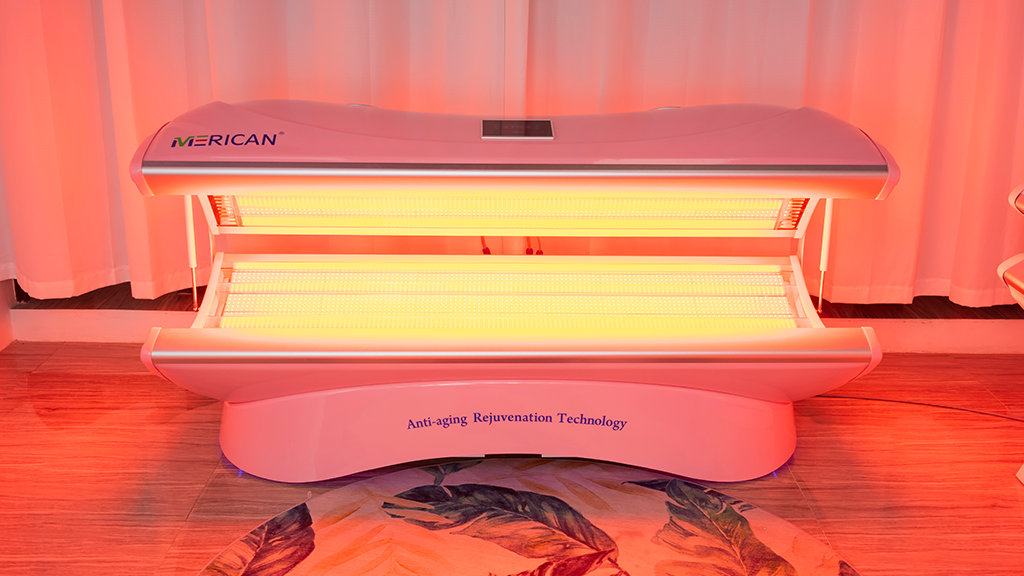
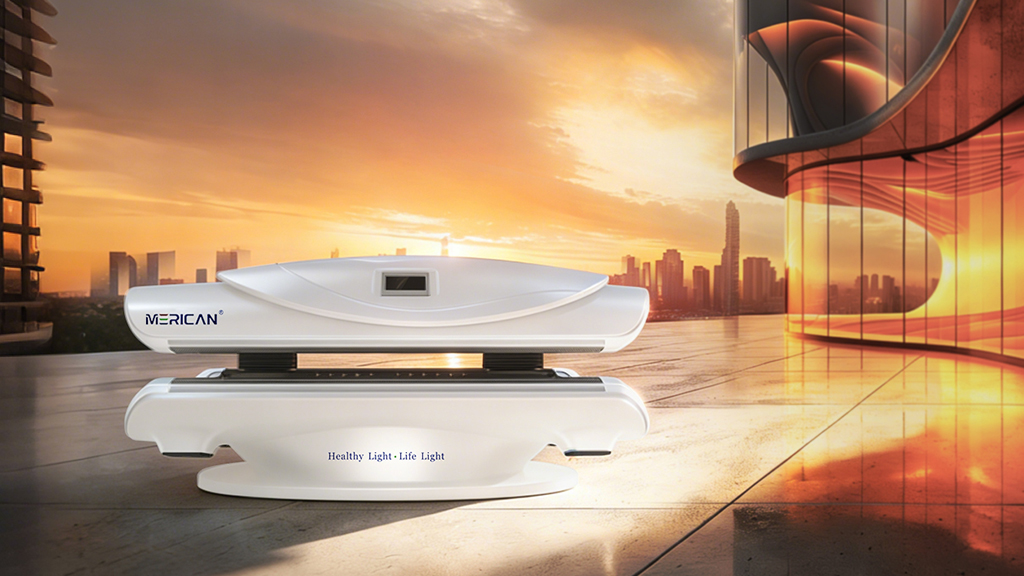
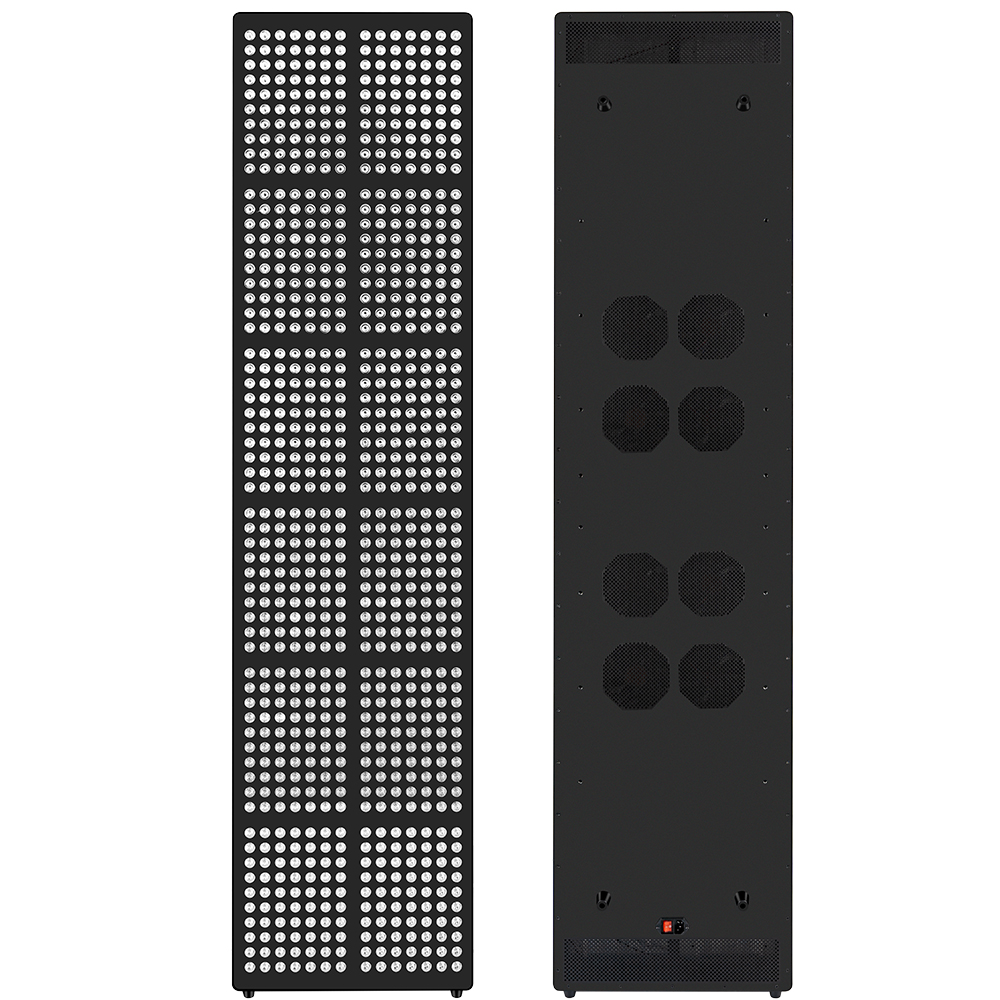
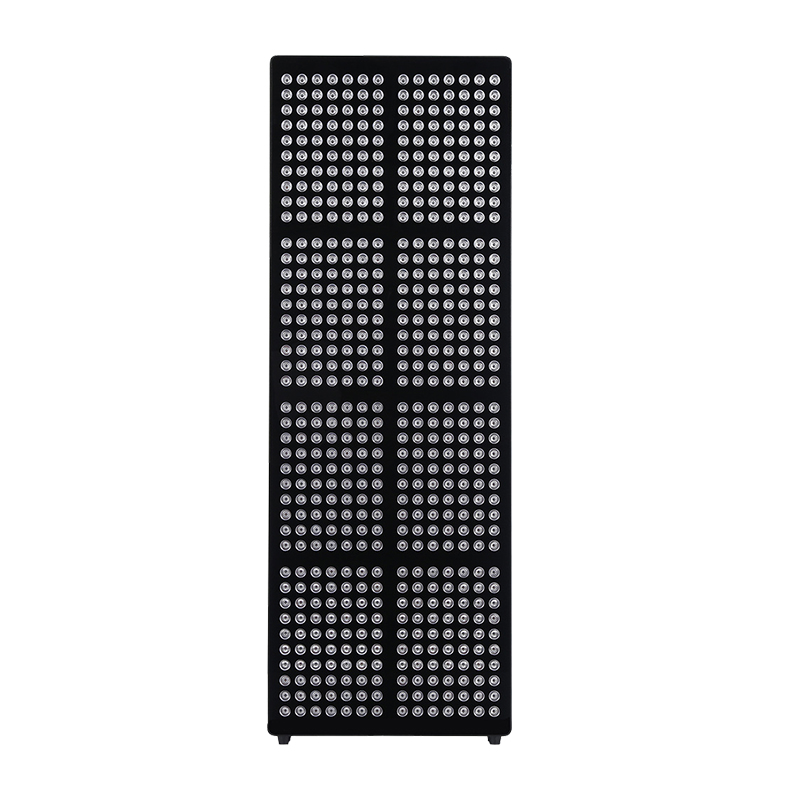
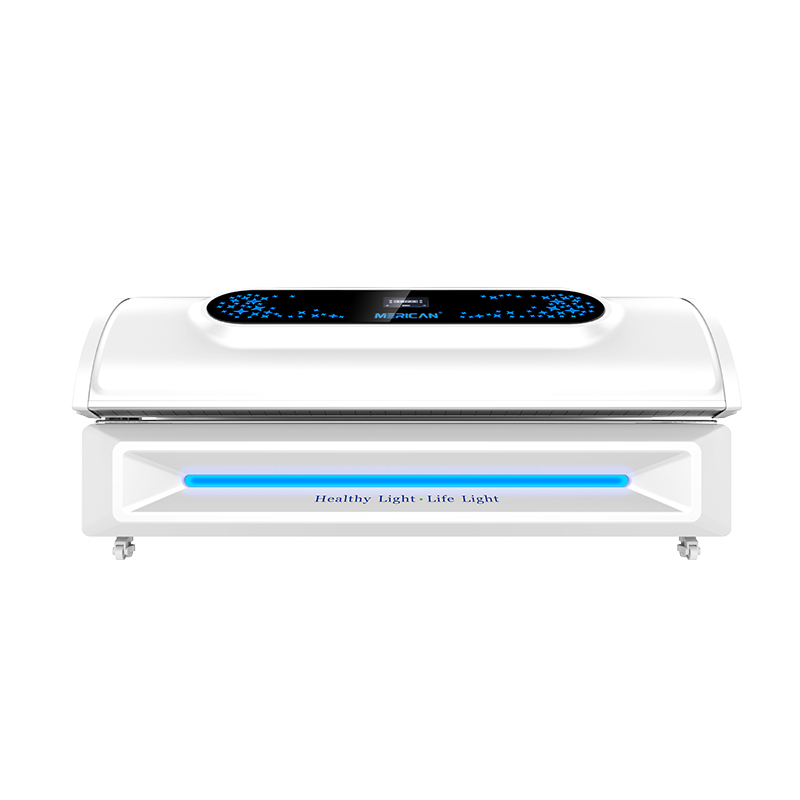
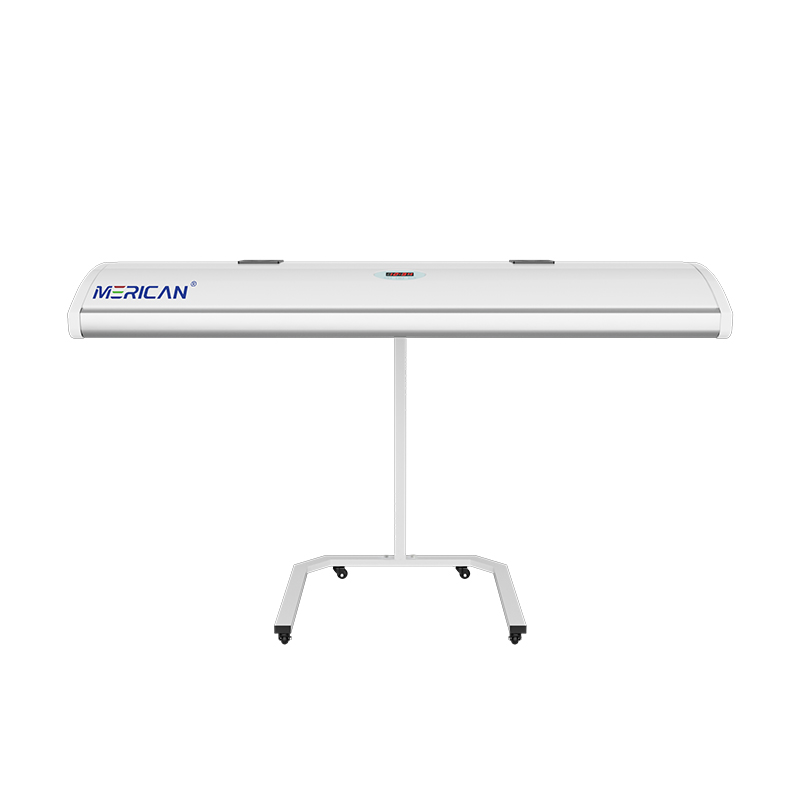
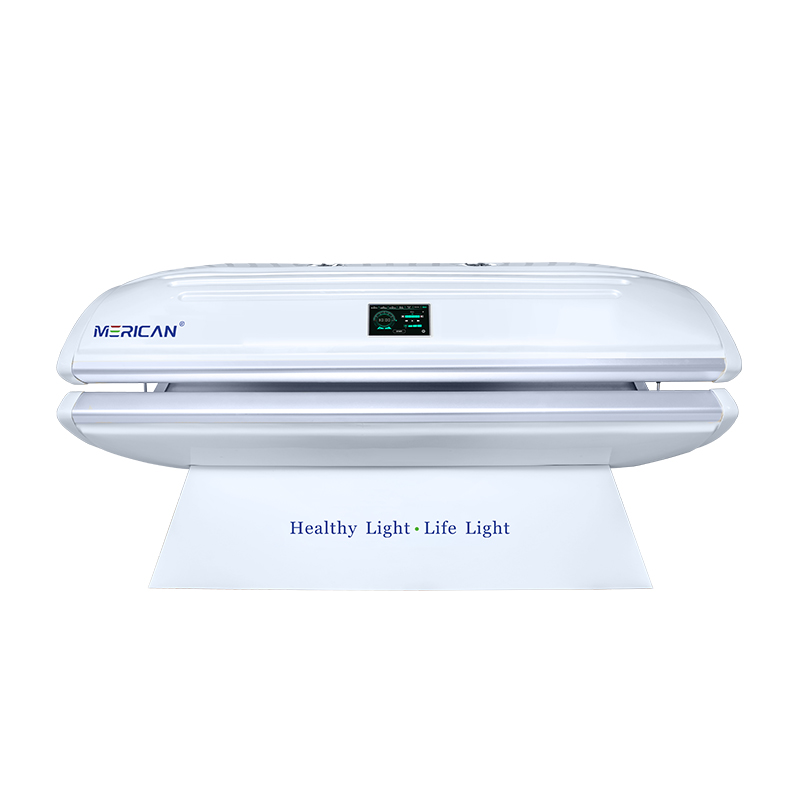
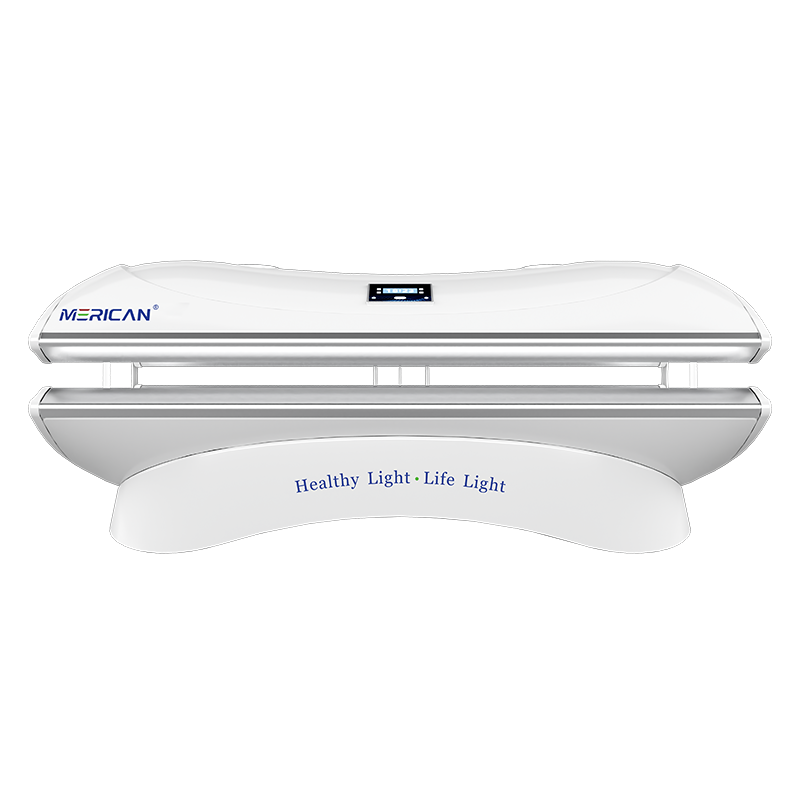
Merican Red Light Therapy Bed M4N for Professional Wellness Businesses
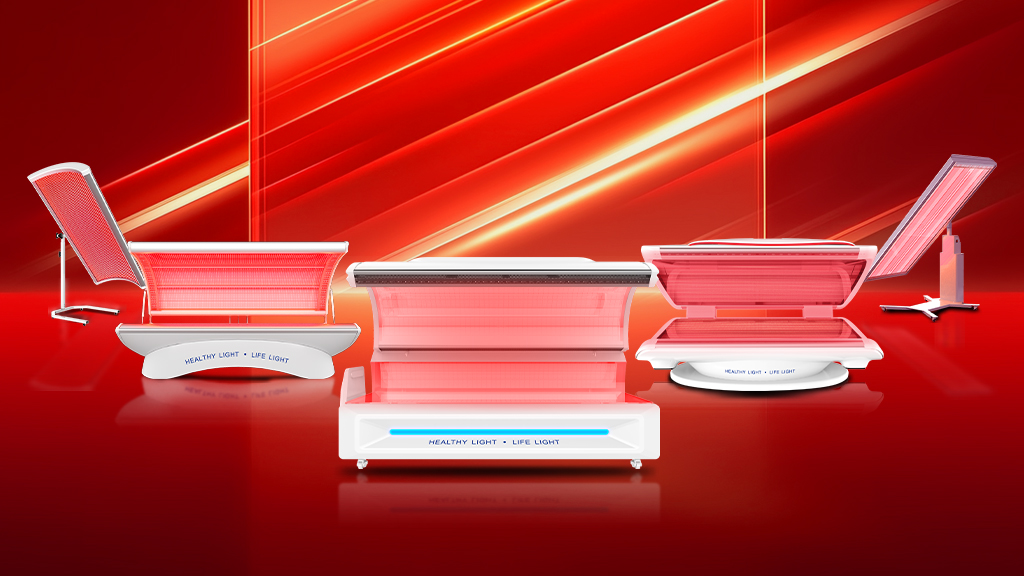
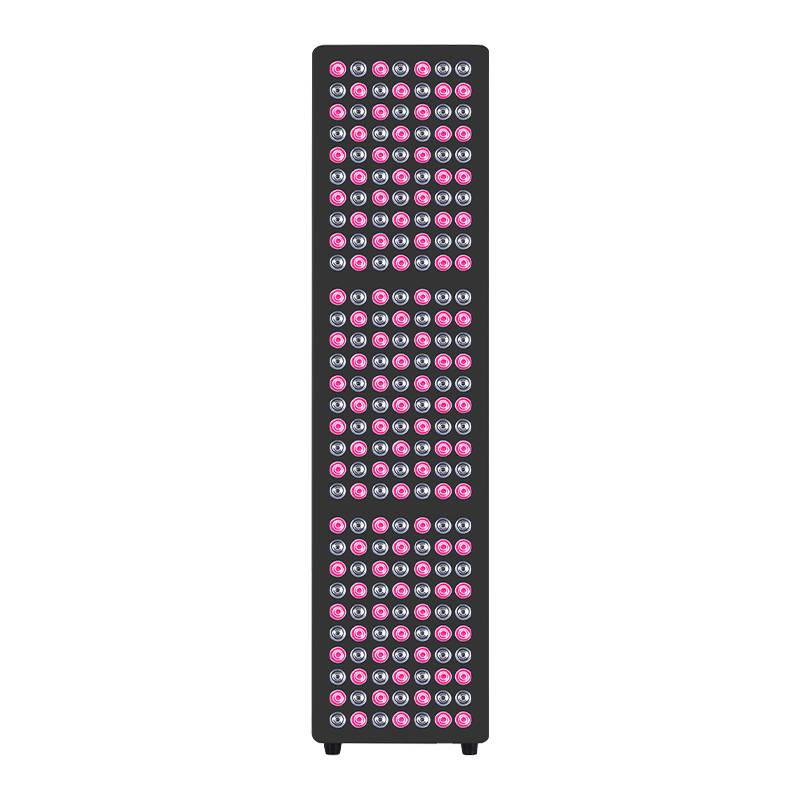
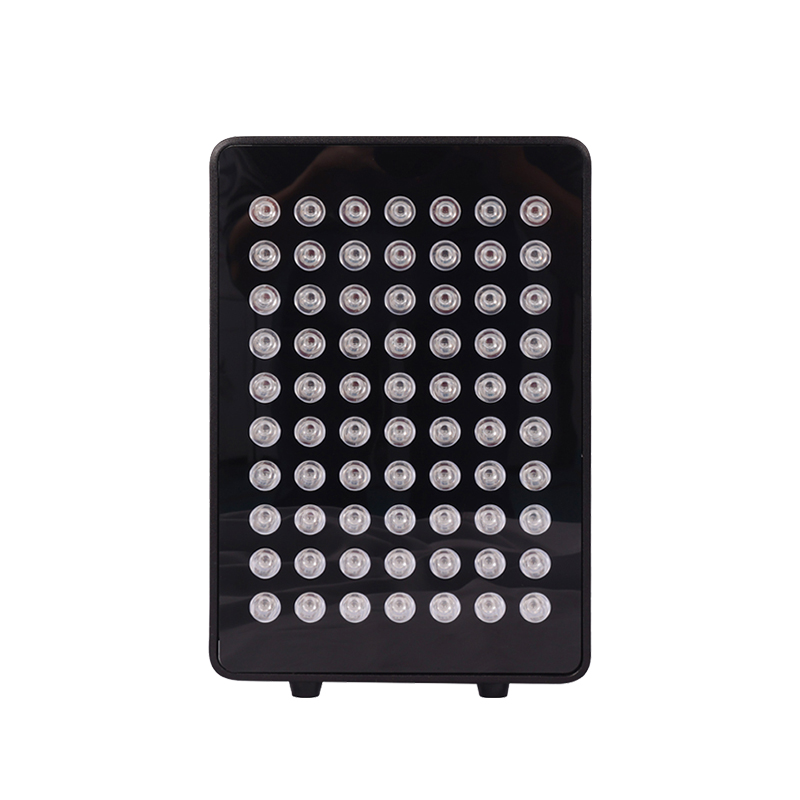
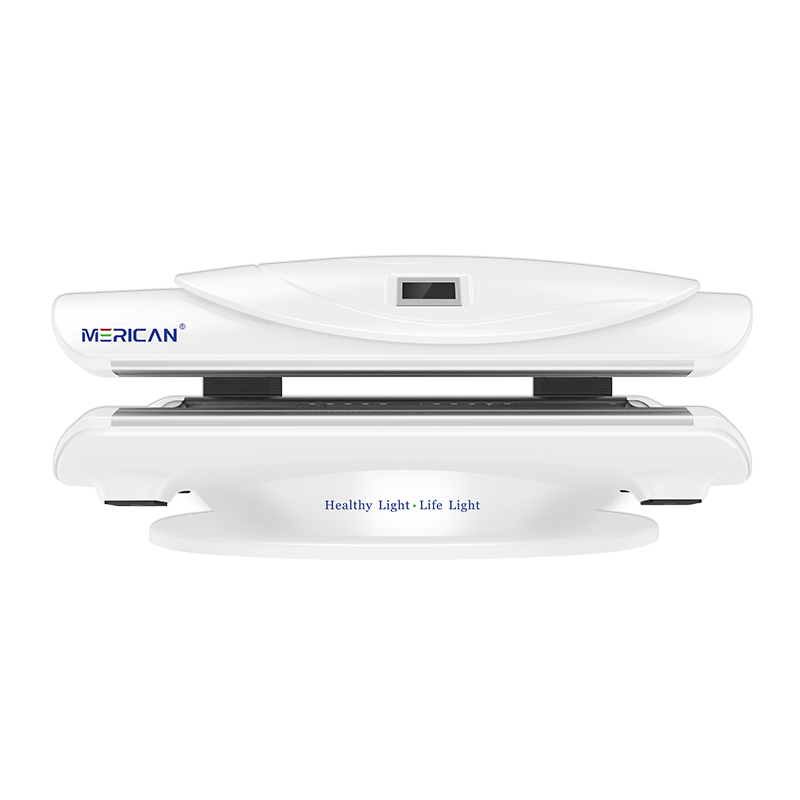
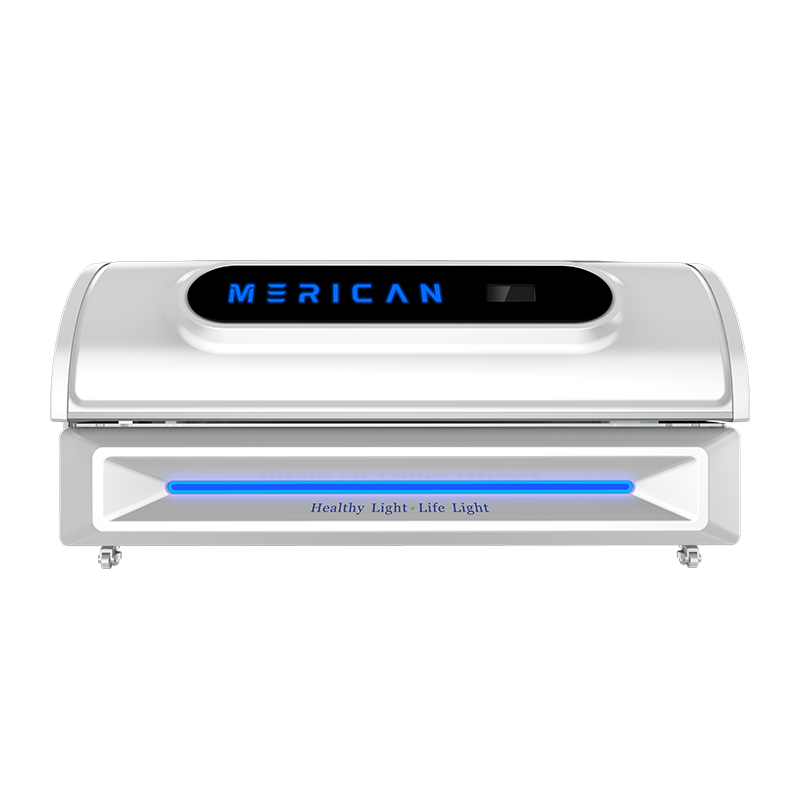
For businesses looking for a professional full-body red light therapy solution, Merican Red Light Therapy Bed M4N is designed for commercial wellness environments and can be considered by beauty salons, spas, gyms, wellness centers, and other professional locations.
Merican has 18 years of industry experience and a professional technical and R&D team supporting product development, engineering, manufacturing, and customization.
The company provides OEM & ODM customization services, allowing businesses to develop solutions based on their own branding and commercial requirements.
For international customers, Merican can also provide customized logo services for global stores, beauty salons, spas, gyms, wellness centers, and other commercial locations.
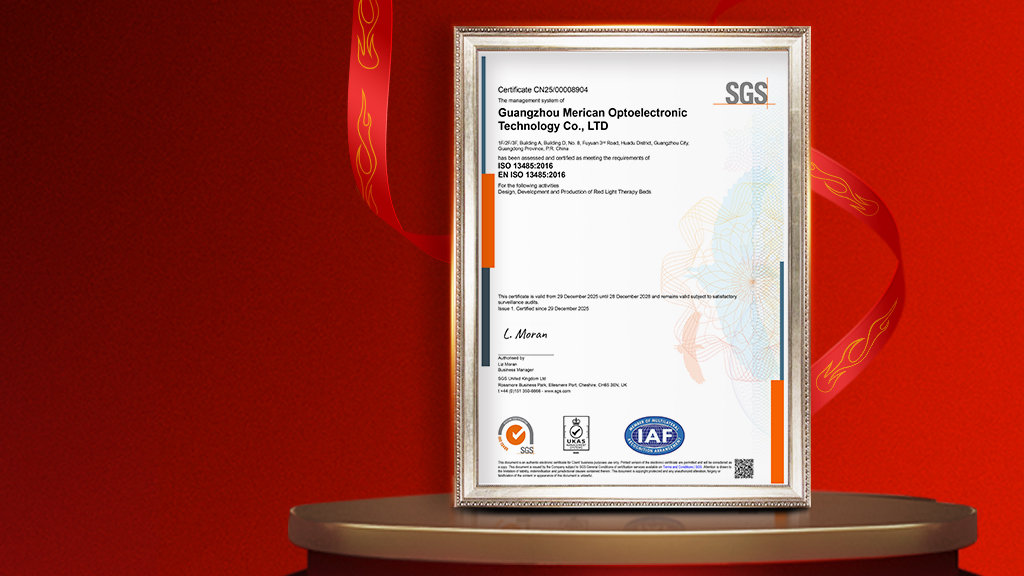
Merican has developed multiple patented technologies and offers products with multiple certifications and qualifications for international markets. Specific certification documentation should be confirmed according to the selected model and destination market.
For businesses looking for long-term equipment support, Merican can provide 3–5 years of warranty support, depending on the product and agreed commercial terms.
Whether you are building a wellness studio, adding red light therapy to an existing spa, expanding a gym recovery service, or developing a branded commercial wellness business, Merican can provide professional equipment and customized OEM & ODM solutions.
Frequently Asked Questions
Does red light therapy help hypothyroidism?
Some research has investigated photobiomodulation for thyroid conditions, including Hashimoto’s thyroiditis, and has reported potentially promising findings. However, current evidence is not sufficient to establish red light therapy as a standard treatment for hypothyroidism.
Can red light therapy cure Hashimoto’s?
There is currently insufficient evidence to claim that red light therapy can cure Hashimoto’s thyroiditis. Some studies have investigated targeted photobiomodulation, but larger and better-controlled studies are needed.
Can red light therapy replace thyroid medication?
No. People taking prescribed thyroid medication should not stop, reduce, or change their dosage because of red light therapy without medical supervision.
Can I use a red light therapy bed for hypothyroidism?
A full-body red light therapy bed should not be promoted as a proven treatment for hypothyroidism. Research involving targeted thyroid photobiomodulation may use different wavelengths, doses, and treatment protocols from commercial full-body systems.
What wavelength is best for thyroid health?
There is no universally established wavelength that can currently be recommended as a standard treatment for hypothyroidism. Research protocols vary, and wavelength should not be selected solely based on online claims.
Is red light therapy safe for people with hypothyroidism?
Having hypothyroidism does not automatically mean that every red light therapy product is appropriate. If you have a diagnosed thyroid condition or take medication, discuss the intended use with your healthcare professional.
Final Thoughts: What Does the Red Light Therapy Hypothyroidism Study Mean?
The research surrounding red light therapy and hypothyroidism is interesting, particularly because some studies have explored targeted photobiomodulation for thyroid function and Hashimoto’s thyroiditis.
However, the current evidence should be interpreted carefully.
There is a significant difference between saying “researchers are studying whether photobiomodulation may influence thyroid function” and saying “red light therapy treats hypothyroidism.”
The first statement reflects the current research landscape. The second makes a medical claim that is not adequately supported by current evidence.
For people with hypothyroidism, standard medical evaluation and prescribed treatment remain essential. Red light therapy should not be used as a reason to stop medication or delay professional care.
For businesses interested in professional photobiomodulation equipment, Merican Red Light Therapy Bed M4N offers a commercial full-body solution backed by 18 years of industry experience, professional R&D and technical expertise, OEM & ODM customization, customized logo services for global stores, beauty salons, spas and gyms, multiple patents, and multiple product certifications.
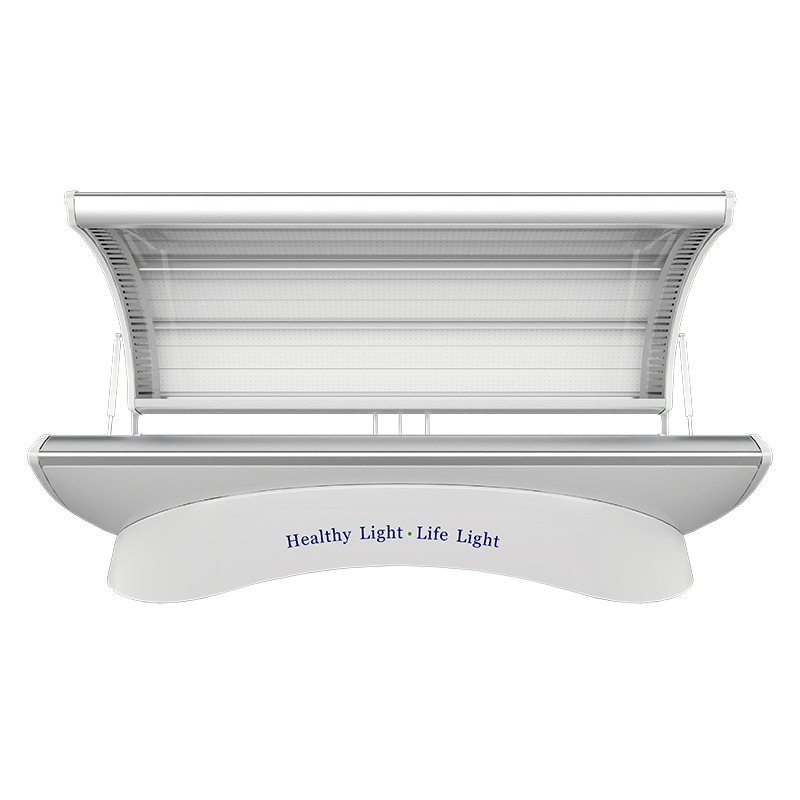
Merican supports international customers with professional manufacturing and customization capabilities and can provide 3–5 years of warranty support depending on the selected product and commercial terms.
For businesses looking to enter or expand the professional red light therapy market, Merican also welcomes global agents and distributors and can support customized solutions for different commercial applications.