Terapia de luz roja para el hipotiroidismo: ¿Qué muestra el estudio??
Si has buscado “Estudio de hipotiroidismo con terapia de luz roja.," Es posible que haya visto afirmaciones de que la luz roja o del infrarrojo cercano podría favorecer la función tiroidea.. Este tema ha llamado la atención porque la fotobiomodulación, comúnmente llamada terapia de luz roja, Se está estudiando por sus efectos sobre la actividad celular., inflamación, reparación de tejidos, y función mitocondrial.
Pero es necesario hacer una distinción importante: La investigación sobre la luz roja o infrarroja cercana y la función tiroidea no significa actualmente que la terapia con luz roja sea un reemplazo comprobado del tratamiento estándar del hipotiroidismo..
El hipotiroidismo es una afección médica en la que la glándula tiroides no produce suficientes hormonas tiroideas.. El tratamiento estándar suele implicar el reemplazo de hormona tiroidea recetado y supervisado por un profesional de la salud..
Entonces, ¿Qué muestra realmente la investigación?? ¿Podría la fotobiomodulación tener un papel en el bienestar relacionado con la tiroides?? ¿Y qué deben saber las personas antes de considerar un dispositivo de terapia con luz roja??
Este artículo revisa el tema desde una perspectiva basada en la evidencia..
¿Qué es el hipotiroidismo??
El hipotiroidismo ocurre cuando la glándula tiroides no puede producir suficiente hormona tiroidea para satisfacer las necesidades del cuerpo..
Las hormonas tiroideas influyen en muchos procesos., incluido:
- Metabolismo
- función del corazón
- Temperatura corporal
- Producción de energía
- función cerebral
- función muscular
- Crecimiento y desarrollo
Los síntomas comunes pueden incluir fatiga., sintiéndose inusualmente frío, piel seca, constipación, cambios de peso, y dificultad para concentrarse. Sin embargo, Estos síntomas no son específicos del hipotiroidismo y pueden ocurrir con muchas otras afecciones..
El diagnóstico generalmente involucra el historial médico., examen físico, y análisis de sangre, particularmente mediciones relacionadas con la hormona estimulante de la tiroides (TSH) y niveles de hormona tiroidea.
Porque la función tiroidea afecta a muchos sistemas del cuerpo., La sospecha de hipotiroidismo debe ser evaluada por un profesional de la salud calificado en lugar de autotratarse con fototerapia..
¿Qué es la terapia con luz roja??
La terapia con luz roja es una forma de fotobiomodulación (Pbm) que utiliza longitudes de onda específicas de luz no ionizante.
Dependiendo del dispositivo, el tratamiento puede utilizar luz roja visible, luz de infrarrojo cercano, o una combinación de longitudes de onda.
A diferencia del bronceado UV, La fotobiomodulación no está destinada a producir bronceado..
Los investigadores han investigado la PBM para una variedad de aplicaciones porque la energía luminosa puede interactuar con procesos biológicos a nivel celular..
Los mecanismos propuestos incluyen efectos sobre la actividad mitocondrial., señalización celular, estrés oxidativo, y vías inflamatorias.
Sin embargo, Un mecanismo biológico propuesto no es lo mismo que una prueba de que una terapia puede tratar una enfermedad en particular..
Esa distinción es especialmente importante cuando se habla de hipotiroidismo..
¿Qué muestra la investigación sobre el hipotiroidismo??
Una de las áreas de investigación más frecuentemente discutidas involucra terapia con láser de bajo nivel (LLLT) o fotobiomodulación aplicada directamente a la glándula tiroides.
La investigación ha explorado si este enfoque puede influir en los resultados relacionados con la tiroides., particularmente en personas con afecciones tiroideas autoinmunes como la tiroiditis de Hashimoto.
Algunos estudios clínicos han reportado hallazgos potencialmente interesantes., incluidos cambios en las mediciones de laboratorio relacionadas con la tiroides y requisitos reducidos para el reemplazo de hormona tiroidea en participantes seleccionados.
Sin embargo, la investigación aún es limitada.
Los estudios han utilizado diferentes fuentes de luz., longitudes de onda, horarios de tratamiento, tamaños de muestra, y poblaciones de pacientes. Esto hace que sea difícil concluir que cada dispositivo de terapia con luz roja, o una cama de terapia con luz roja para todo el cuerpo, produciría los mismos efectos..
Por lo tanto, la interpretación más responsable es:
La fotobiomodulación es un área de investigación en la salud de la tiroides, pero se necesita más investigación clínica de alta calidad antes de que pueda considerarse un tratamiento establecido para el hipotiroidismo..
Terapia de luz roja y tiroiditis de Hashimoto
La tiroiditis de Hashimoto es una enfermedad autoinmune y una de las causas más comunes de hipotiroidismo..
Los investigadores han mostrado especial interés en la PBM debido a sus posibles efectos sobre los procesos inflamatorios y celulares..
Un estudio controlado aleatorio publicado en Láseres en la ciencia médica investigó la terapia con láser de baja intensidad en pacientes con tiroiditis de Hashimoto y reportó mejoras en algunos resultados relacionados con la tiroides en comparación con el tratamiento con placebo. Sin embargo, el estudio fue relativamente pequeño, y sus hallazgos deben interpretarse dentro de las limitaciones de su diseño..
Este es un punto importante para el contenido de salud SEO..
Es tentador escribir:
"La terapia con luz roja trata la enfermedad de Hashimoto".
Esa afirmación va más allá de lo que respalda la evidencia actual..
Una afirmación más precisa es:
“Algunas investigaciones clínicas han investigado la fotobiomodulación como un posible enfoque complementario para personas con tiroiditis de Hashimoto., pero la evidencia sigue siendo insuficiente para establecerlo como un tratamiento estándar”.
Esta distinción ayuda a los lectores a comprender tanto el potencial como las limitaciones de la ciencia..
¿Por qué la tiroides es un objetivo interesante para la fotobiomodulación??
La tiroides es una glándula endocrina muy activa..
Porque las células tiroideas participan en la producción de hormonas y la regulación metabólica., Los investigadores han investigado si los efectos de la luz a nivel celular podrían influir en el tejido tiroideo..
La teoría está relacionada en parte con la interacción entre la luz y el metabolismo celular..
Se ha propuesto que la fotobiomodulación influye en la función mitocondrial y la señalización celular.. Dado que las mitocondrias desempeñan un papel central en la producción de energía., Los investigadores han investigado el PBM en muchas aplicaciones biológicas y médicas..
Sin embargo, Es importante no exagerar este mecanismo..
Incluso si la luz influye en la actividad celular, Eso no significa automáticamente que pueda restaurar la producción normal de hormona tiroidea en alguien con hipotiroidismo..
Los resultados clínicos deben demostrarse mediante estudios en humanos bien diseñados.
¿Puede la terapia con luz roja aumentar las hormonas tiroideas??
Esta es una de las preguntas más importantes que rodean el tema..
Algunos estudios que investigan la fotobiomodulación directa de la tiroides han informado cambios en los marcadores de laboratorio relacionados con la tiroides..
Sin embargo, Estos resultados no deben interpretarse como prueba de que la terapia con luz roja aumentará los niveles de hormona tiroidea en todas las personas..
Thyroid hormone regulation is complex.
TSH, libre T4, y a veces T3 se interpretan junto con los síntomas., historial medico, medicamentos, and the underlying cause of thyroid dysfunction.
Alguien con hipotiroidismo no debe ajustar la medicación para la tiroides basándose en una sesión de terapia con luz roja o en un artículo en línea..
If laboratory values change, Los ajustes de medicación deben realizarse sólo con supervisión médica adecuada..
Can Red Light Therapy Replace Levothyroxine?
Based on current evidence, people with hypothyroidism should no suspender ni reducir los medicamentos recetados para la hormona tiroidea simplemente porque están usando la terapia con luz roja.
La levotiroxina es un tratamiento estándar para el hipotiroidismo., y la dosis adecuada la determina un profesional de la salud utilizando resultados de laboratorio y factores clínicos..
Algunas investigaciones sobre la fotobiomodulación de la tiroides han explorado si los pacientes eventualmente podrían necesitar menos medicación en circunstancias específicas., pero esto no es suficiente para recomendar reemplazar el tratamiento establecido con terapia de luz roja.
Si actualmente toma medicamentos para la tiroides, continúe siguiendo las instrucciones de su proveedor de atención médica.
Si cree que su función tiroidea ha cambiado, Solicite las pruebas de laboratorio adecuadas..
Terapia de luz roja para el hipotiroidismo versus. Bienestar general
También es útil separar dos conceptos diferentes.:
Fotobiomodulación directa de la tiroides.
y
Terapia general de luz roja para el bienestar..
Algunos estudios que investigan las afecciones de la tiroides han utilizado un tratamiento con luz dirigida hacia la región de la tiroides..
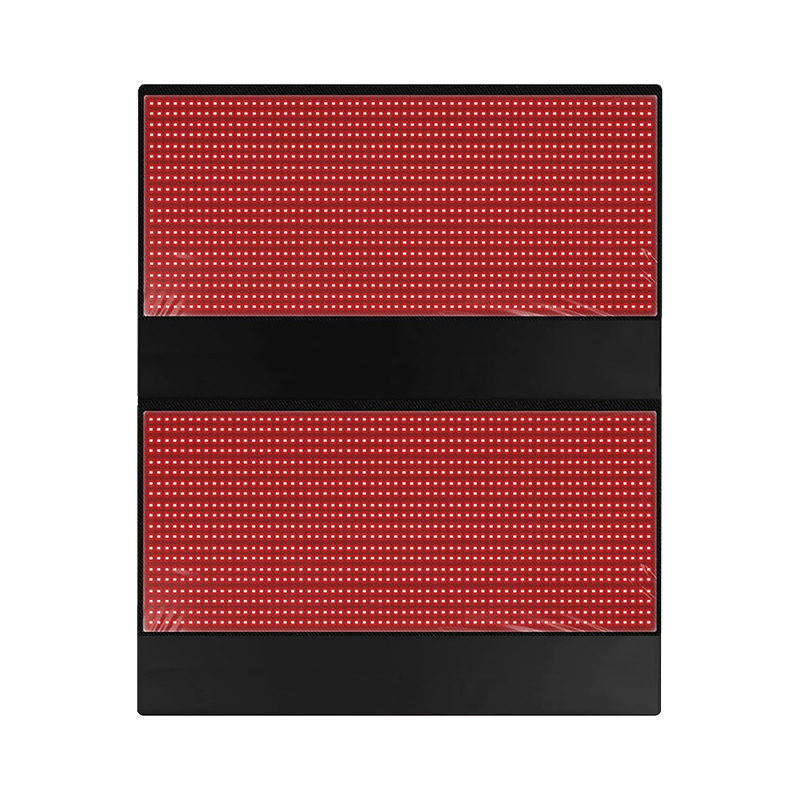
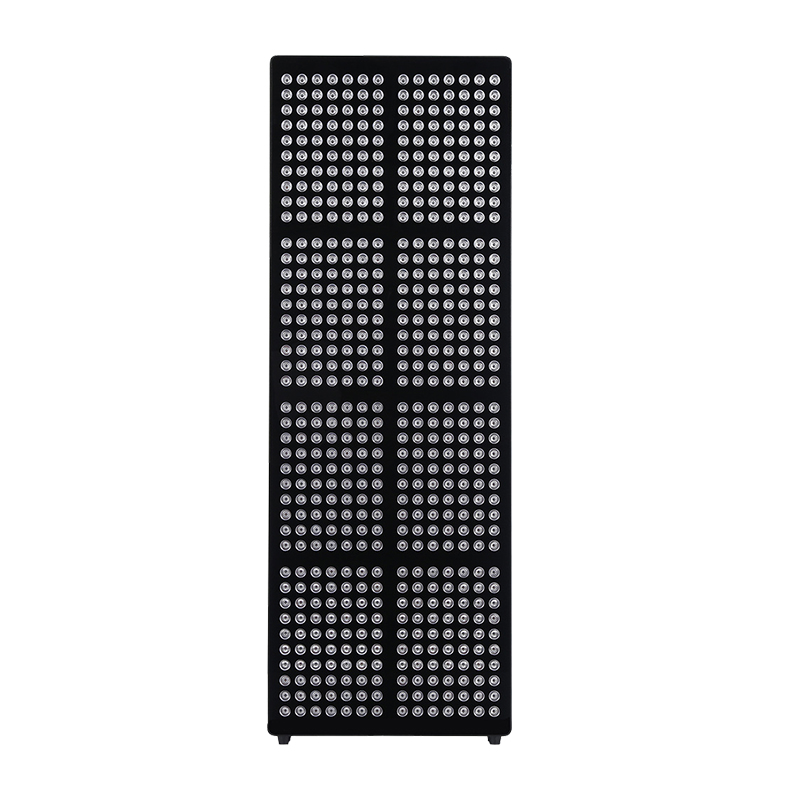
Una cama comercial de terapia con luz roja de cuerpo completo es un tipo diferente de exposición.
Un sistema de cuerpo completo está diseñado para exponer grandes áreas del cuerpo a luz roja y/o infrarroja cercana.. No debe considerarse automáticamente equivalente a un protocolo de investigación clínica en el que se aplica luz directamente a la tiroides utilizando parámetros específicos..
Esta distinción es especialmente importante para consumidores y empresas..
¿Una cama de terapia con luz roja trata el hipotiroidismo??
Actualmente no hay pruebas suficientes para afirmar que una cama comercial de terapia con luz roja trate el hipotiroidismo..
Una cama de terapia con luz roja para todo el cuerpo se puede colocar como solución de bienestar y fotobiomodulación, pero no debe comercializarse como sustituto de medicamentos para la tiroides o atención médica..
La pregunta de investigación clínica es mucho más específica.:
- ¿Qué longitud de onda se utilizó??
- ¿Cuál fue la irradiancia??
- ¿Cuál fue la duración del tratamiento??
- ¿Con qué frecuencia se realizó el tratamiento??
- ¿Se atacó directamente a la tiroides??
- ¿Cuál fue la dosis total??
- ¿Qué tipo de condición de tiroides tenían los participantes??
- ¿Durante cuánto tiempo se siguió a los participantes??
Un dispositivo comercial puede tener especificaciones diferentes a las del equipo utilizado en un estudio en particular..
Por lo tanto, un estudio que incluya un protocolo PBM no puede validar automáticamente todos los productos de terapia con luz roja.
Por qué es importante la longitud de onda
Una de las variables más importantes en la investigación de la fotobiomodulación es la longitud de onda..
Las longitudes de onda del rojo y del infrarrojo cercano tienen diferentes propiedades físicas y características de penetración en los tejidos..
Un estudio podría utilizar una longitud de onda y un protocolo de tratamiento específicos, mientras que otro dispositivo puede usar una combinación diferente.
Esto significa que simplemente decir:
“La terapia con luz roja se estudió para problemas de tiroides”
no proporciona suficiente información.
Un artículo científicamente responsable también debería considerar los parámetros del dispositivo..
Para empresas que compran equipos profesionales., Los fabricantes deben proporcionar información clara sobre:
- Longitudes de onda
- irradiancia
- Área de tratamiento
- Configuración de LED
- Duración de la sesión
- Distancia de tratamiento recomendada
- Aplicación prevista
Por qué es importante la dosis
La fotobiomodulación no es simplemente cuestión de encender una luz.
Los investigadores suelen evaluar el tratamiento según parámetros como la densidad energética., irradiancia, duración de la exposición, y frecuencia.
Más luz no significa necesariamente mejores resultados.
A longer session is not automatically equivalent to the protocol used in a clinical study.
This is why consumers should avoid creating their own high-dose thyroid treatment protocol based on information found online.
If a person is considering targeted light treatment for a medical condition, the appropriate protocol should be discussed with a qualified healthcare professional.
What Are the Potential Benefits Being Studied?
Research into photobiomodulation and thyroid health has generated interest in several possible outcomes.
These may include:
Thyroid Function
Some studies have explored changes in laboratory measures associated with thyroid function.
Autoimmune Activity
Because Hashimoto’s thyroiditis involves autoimmune processes, researchers have investigated whether PBM may influence certain inflammatory or immune-related markers.
Medication Requirements
Some research has explored whether participants might require less thyroid hormone replacement following specific interventions.
This is an interesting research direction but should not be interpreted as a recommendation for patients to change medication independently.
Tissue-Level Effects
PBM research broadly examines cellular signaling, estrés oxidativo, inflamación, and mitochondrial activity.
Sin embargo, the relevance of these mechanisms to clinical hypothyroidism remains an active area of investigation.
Why More Research Is Needed
The biggest limitation is the relatively small body of high-quality evidence specifically addressing hypothyroidism.
Research can vary substantially in:
- Participant numbers
- Diagnosis
- Disease severity
- Longitud de onda
- irradiancia
- Duración del tratamiento
- Frecuencia de tratamiento
- Ubicación del tratamiento
- Follow-up period
A small clinical study may generate a promising hypothesis without establishing a definitive medical treatment.
To establish stronger evidence, researchers would ideally conduct larger, well-designed randomized controlled trials with standardized treatment protocols and long-term follow-up.
Until that evidence is available, claims should remain appropriately cautious.
Who Should Talk to a Doctor Before Using Red Light Therapy?
If you are considering red light therapy for a medical condition, professional guidance is especially important if you:
- Have diagnosed hypothyroidism
- Have Hashimoto’s thyroiditis
- Take thyroid hormone medication
- Have another endocrine disorder
- Está embarazada o planea un embarazo
- Tomar medicación fotosensibilizante
- Have a known photosensitivity disorder
- Have cancer or a history of cancer
- Tener un dispositivo médico implantado
- Have an active skin condition in the treatment area
The FDA identifies several circumstances requiring caution with photobiomodulation devices, including pregnancy or planned pregnancy, trastornos de fotosensibilidad, photosensitizing medications, certain implanted devices, and cancer or a history of cancer at the treatment site.
What Should You Ask Before Buying a Red Light Therapy Device?
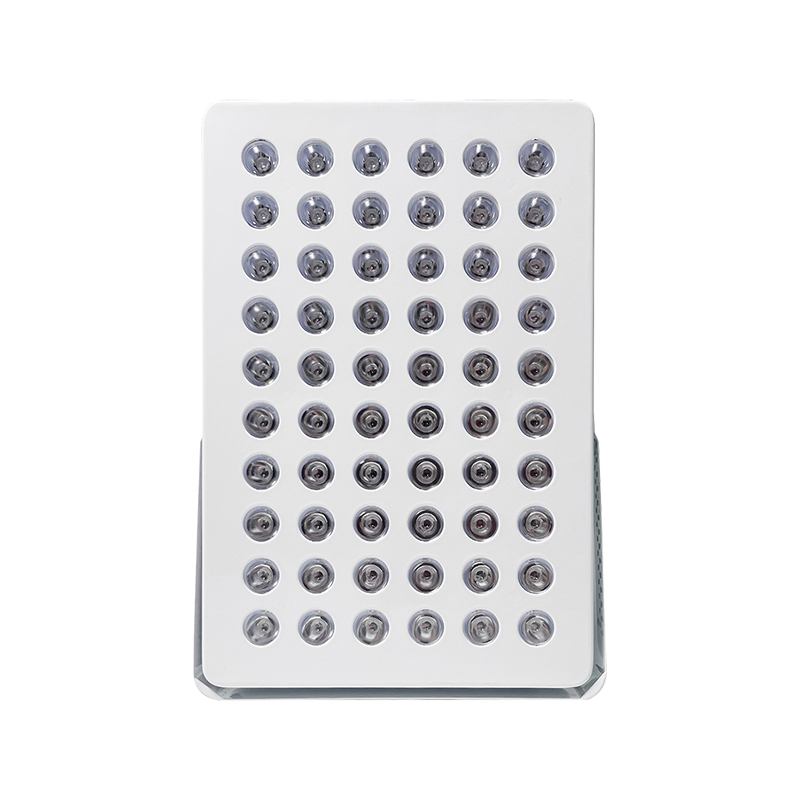
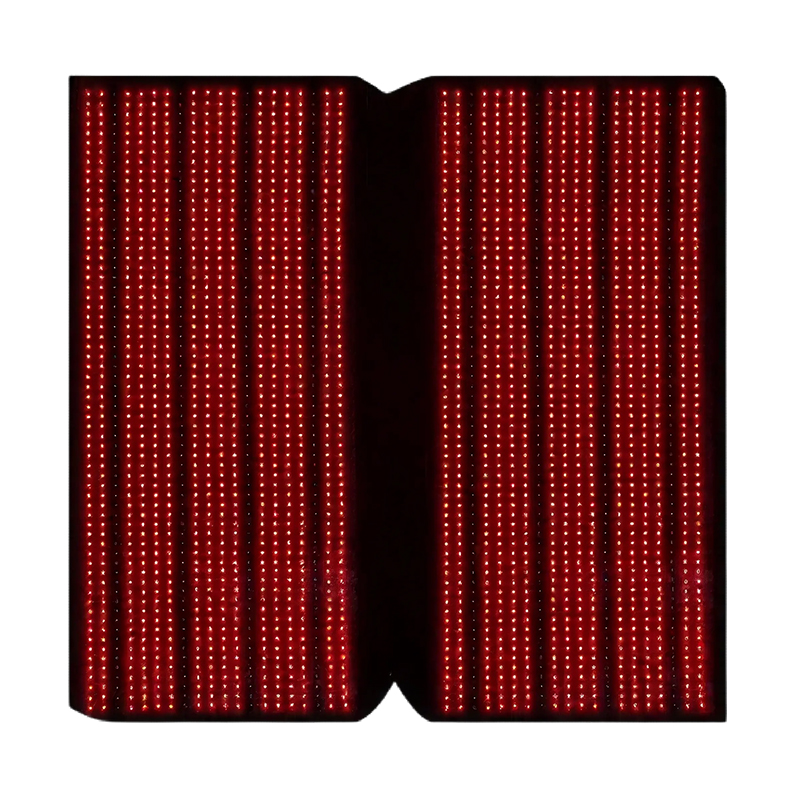
If you are considering a red light therapy product for general wellness, look beyond the number of LEDs.
Ask the manufacturer:
1. What wavelengths does the device use?
A professional manufacturer should clearly identify the wavelengths.
2. What is the irradiance?
This helps you understand the amount of optical power delivered to the treatment area.
3. What is the recommended treatment distance?
Distance can affect the amount of light reaching the body.
4. What is the recommended session duration?
A professional device should have clear usage instructions.
5. Is the product designed for home or commercial use?
Commercial equipment needs to accommodate repeated operation and professional environments.
6. What certifications are available?
Check which certifications apply to the specific model and destination market.
7. What warranty and technical support are provided?
For commercial buyers, after-sales service can be just as important as the initial purchase.
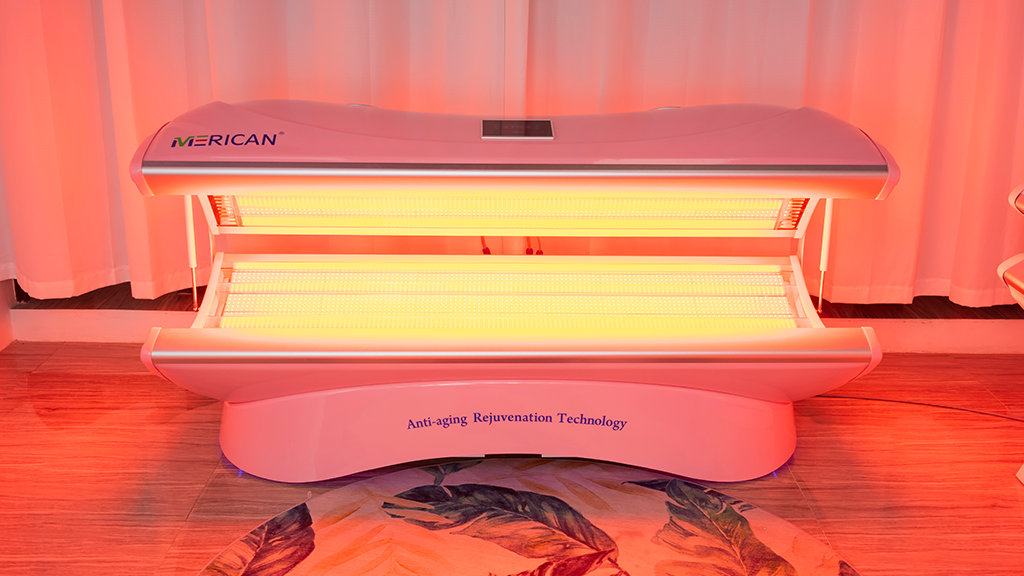
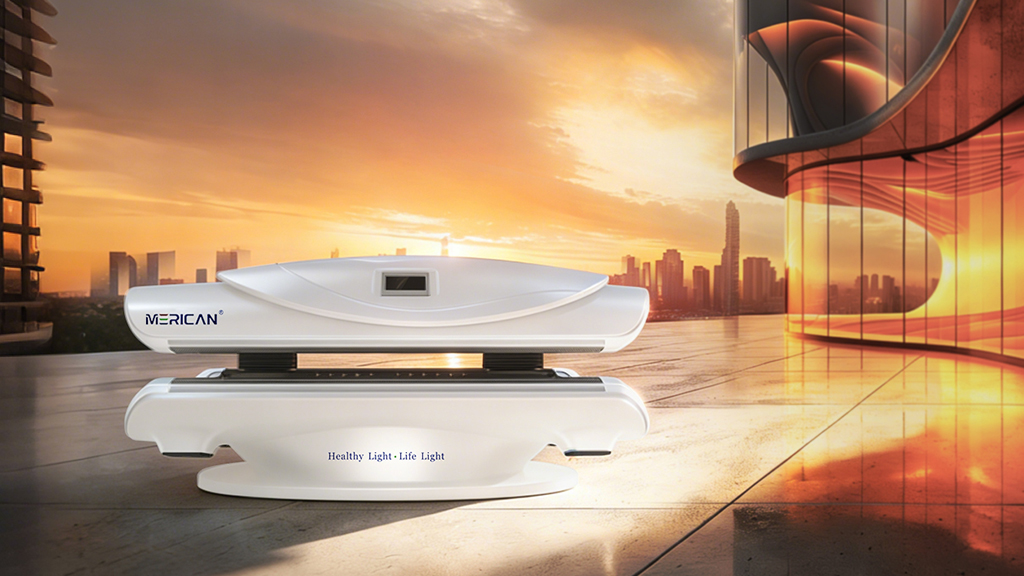
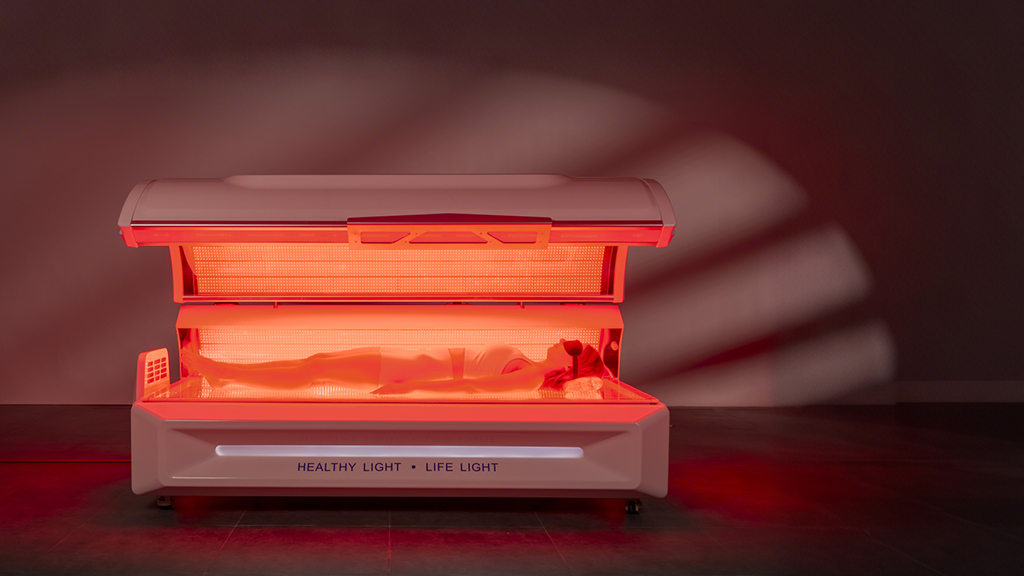
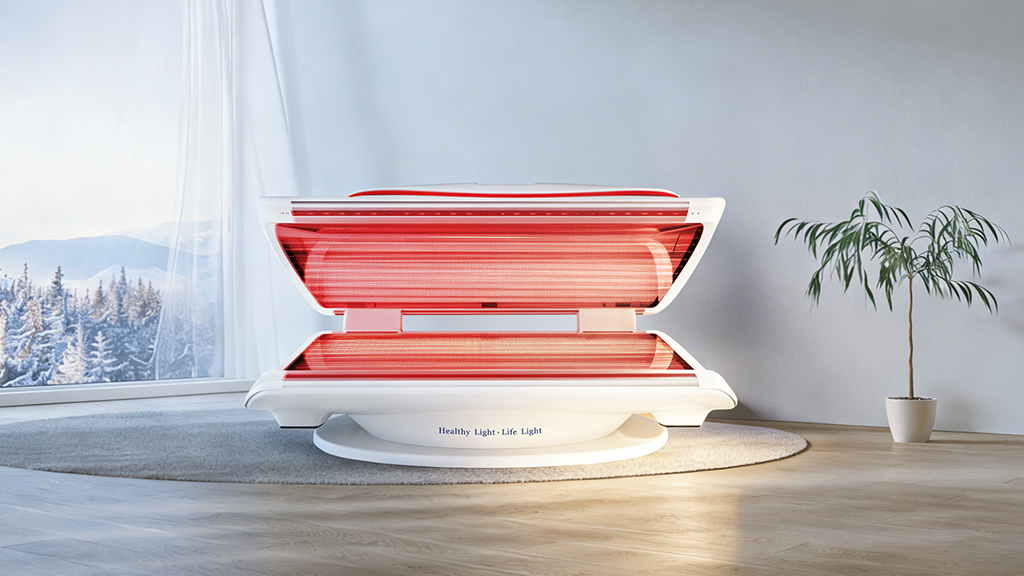
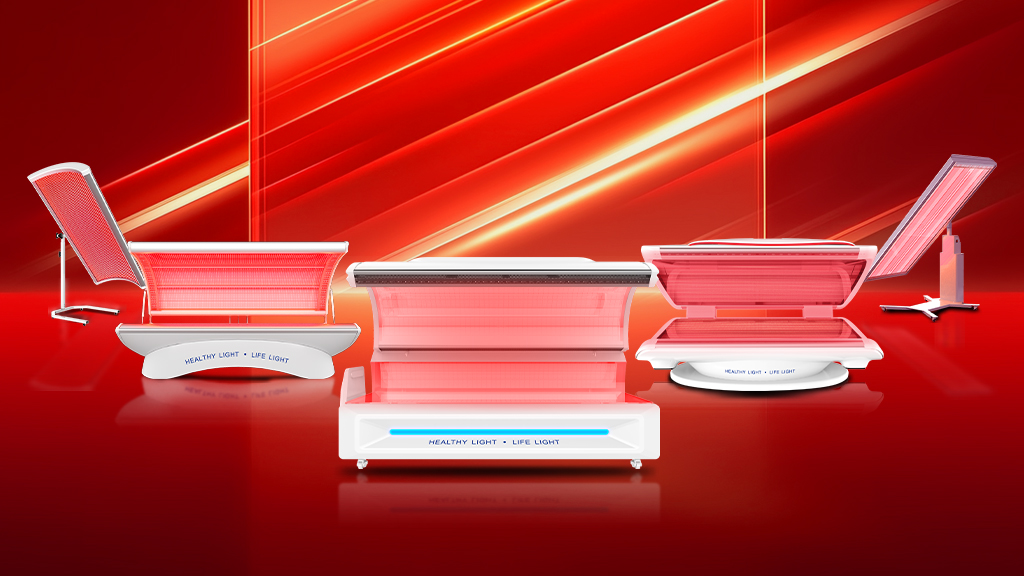
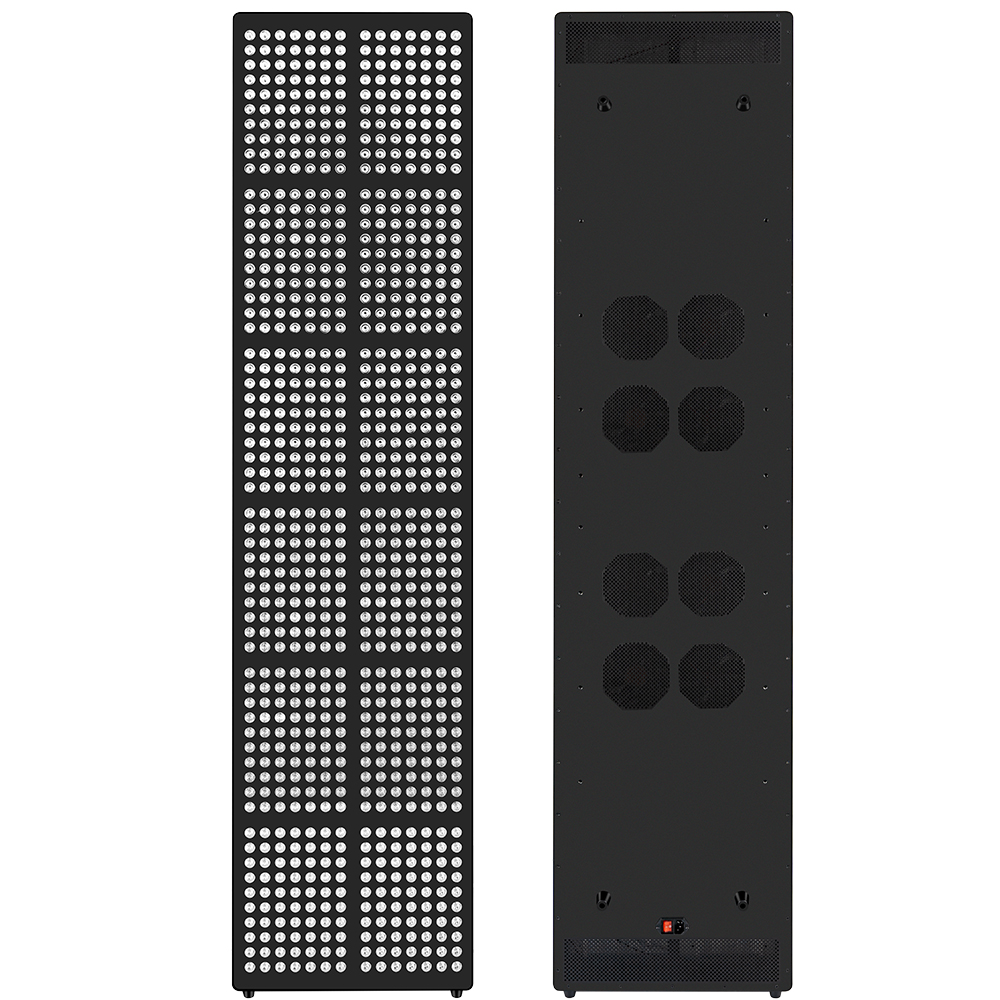
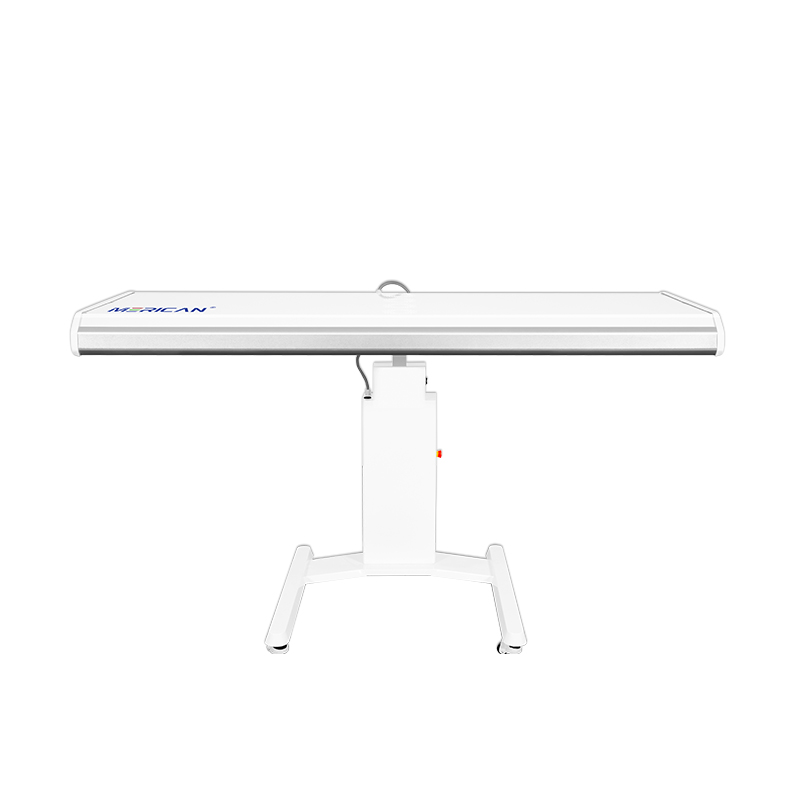
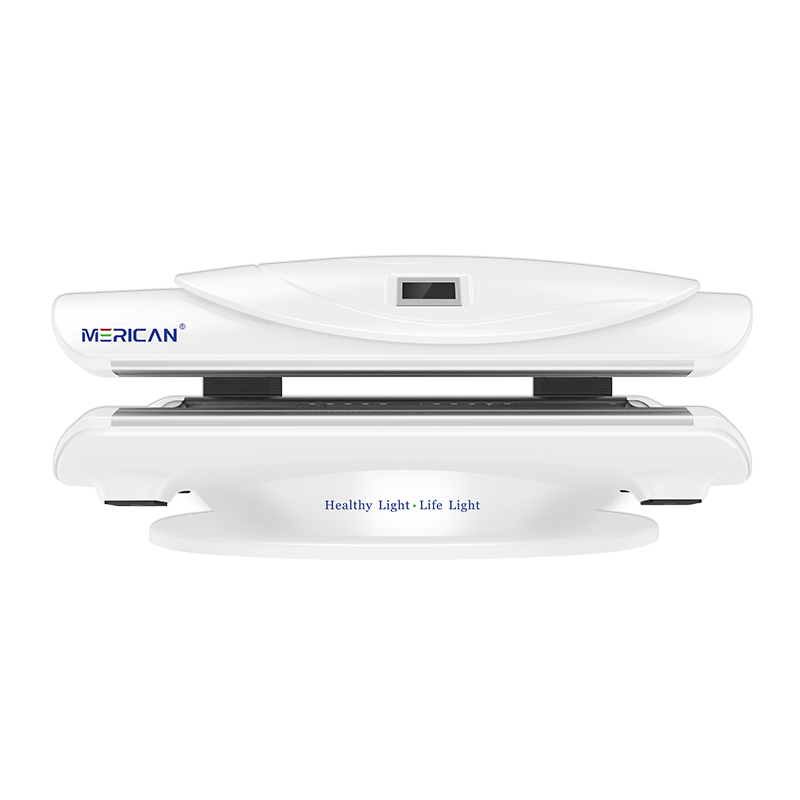
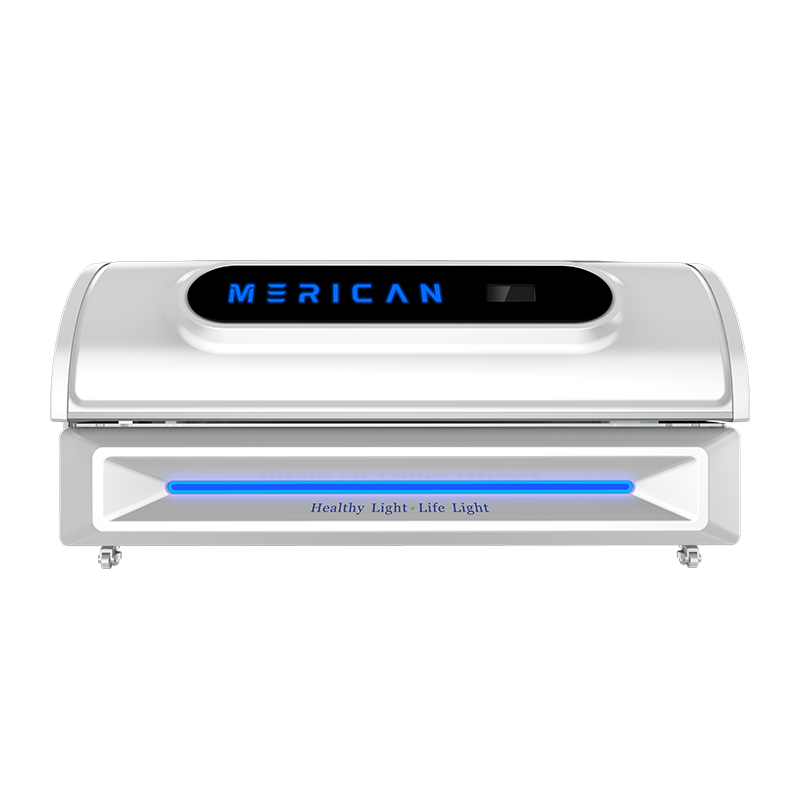
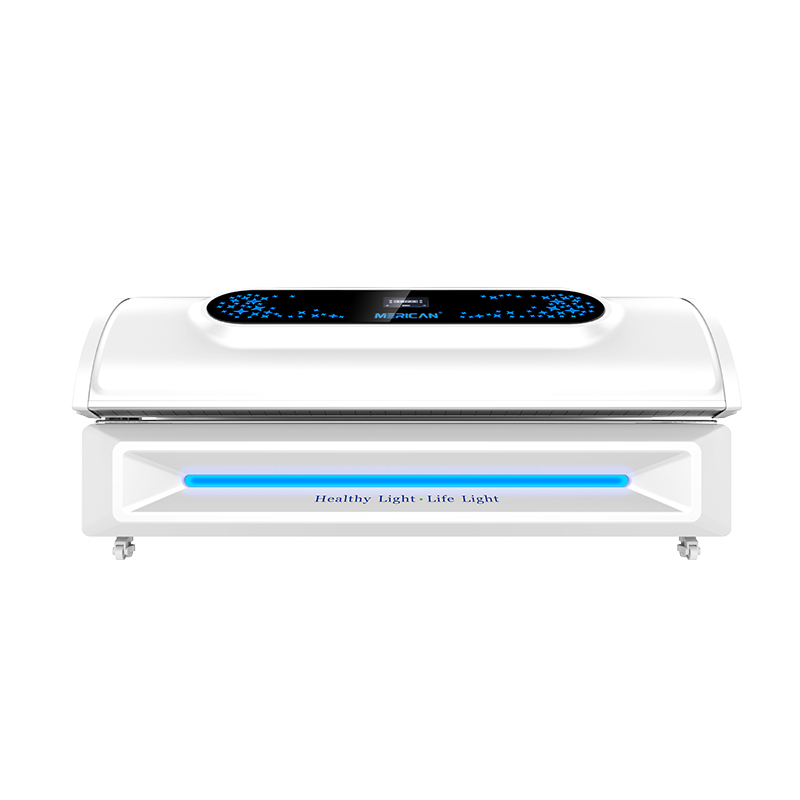
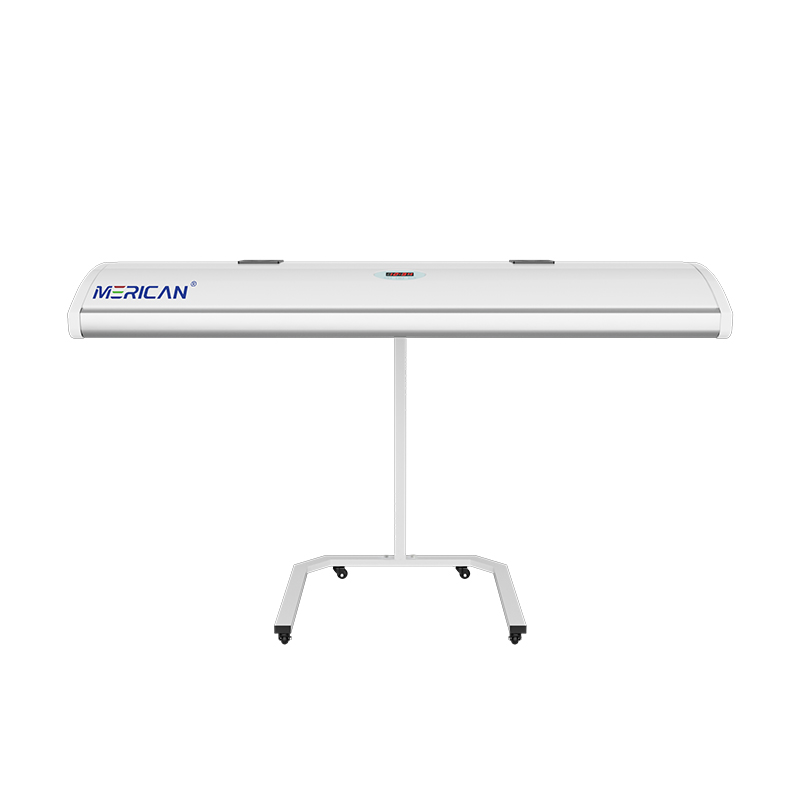
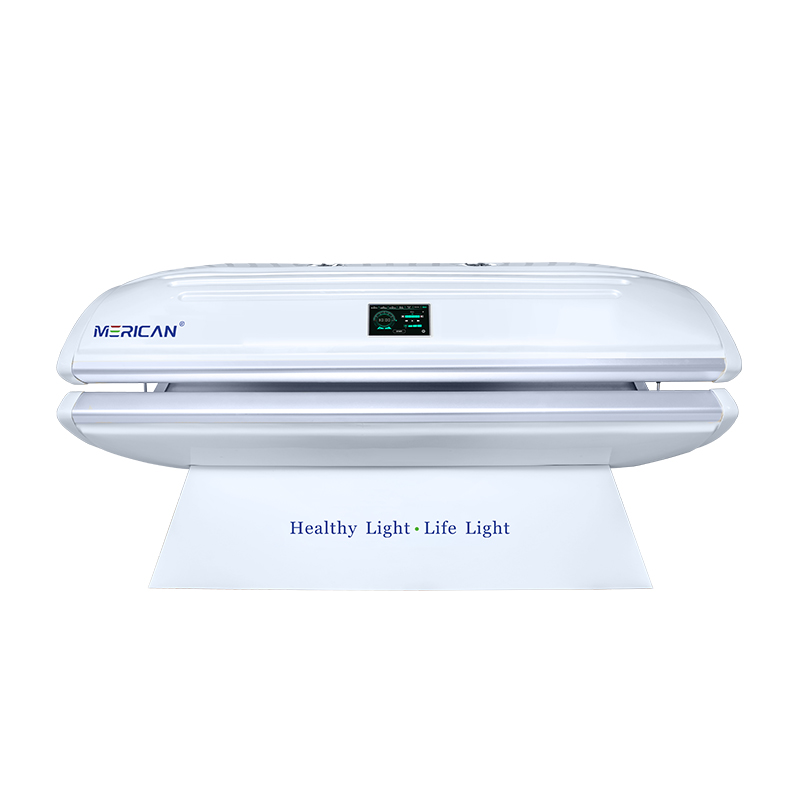
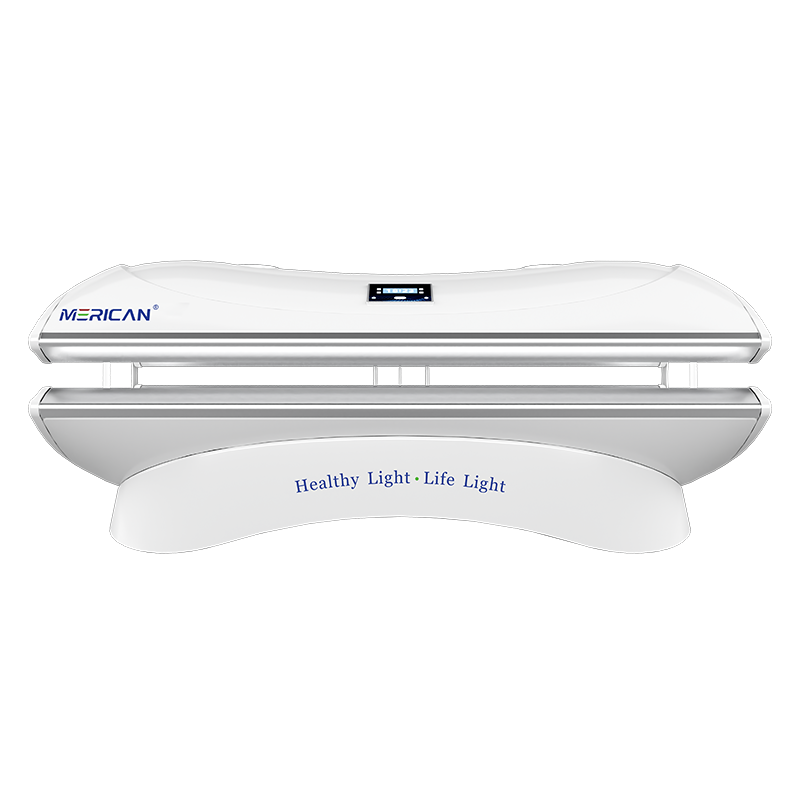
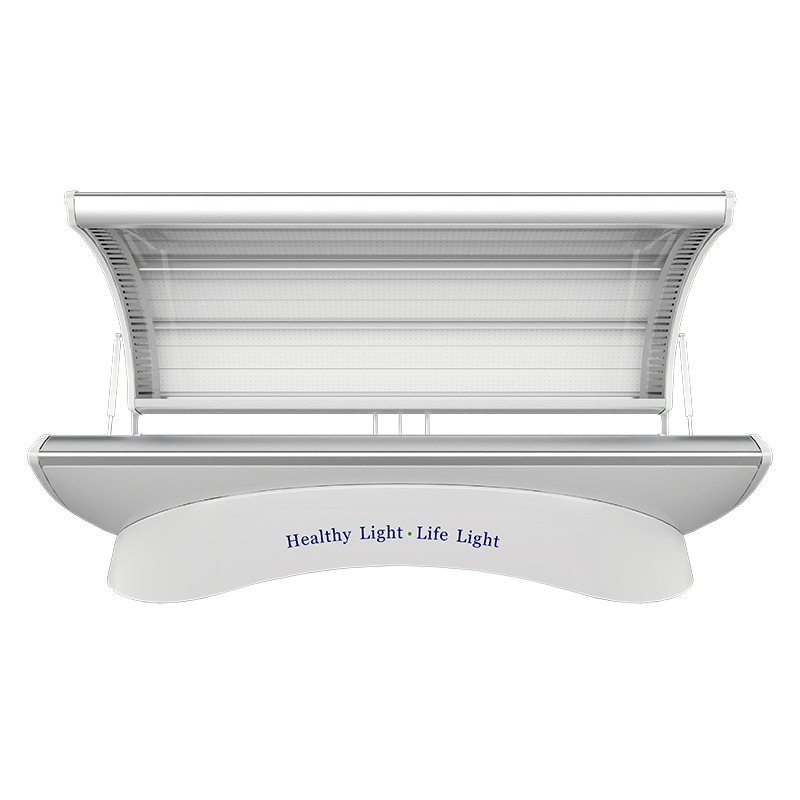
Merican Red Light Therapy Bed M4N for Professional Wellness Businesses
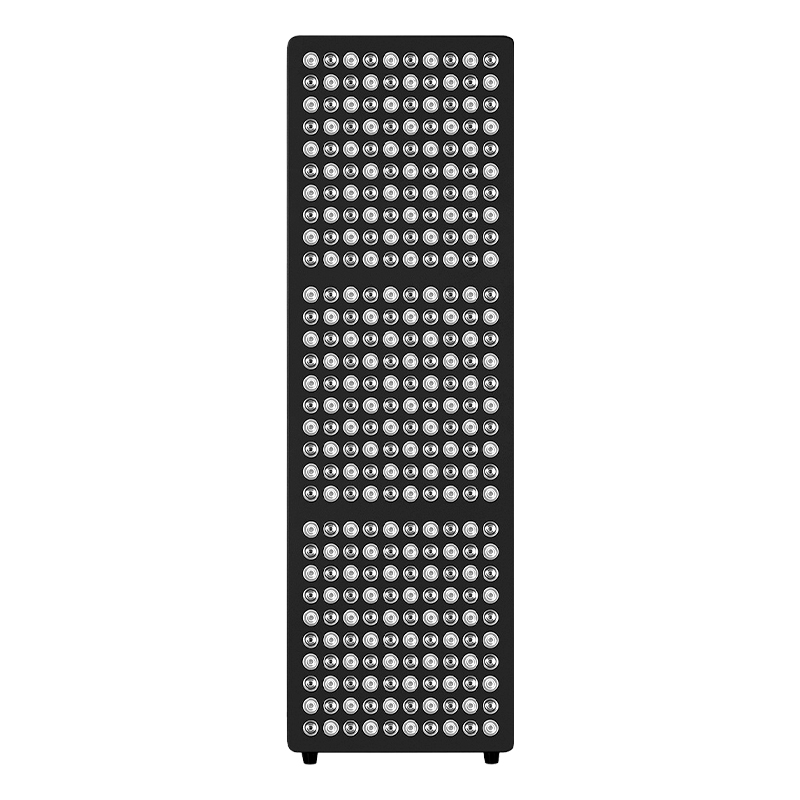
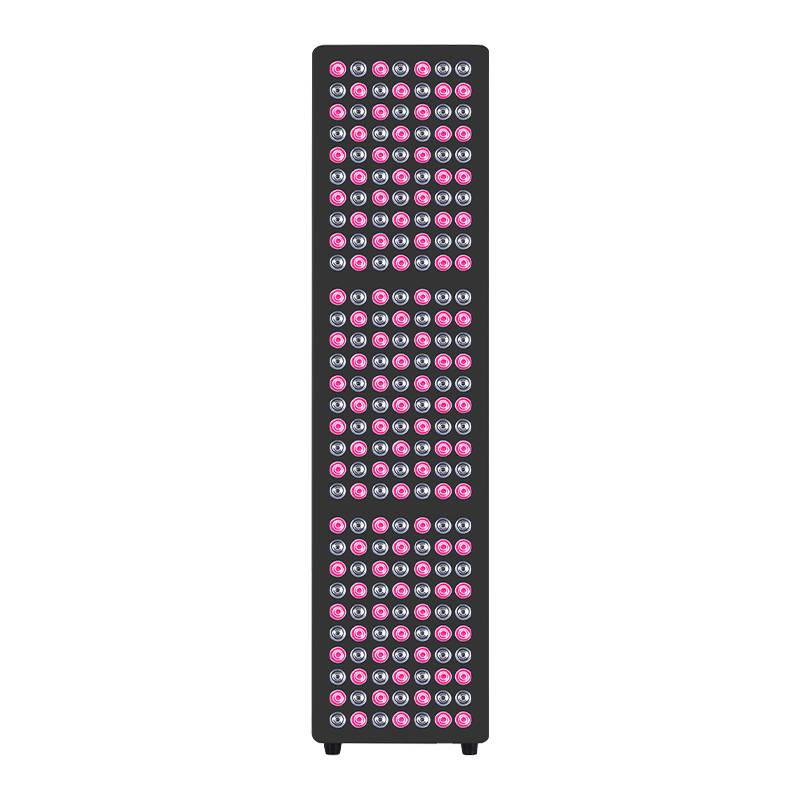
For businesses looking for a professional full-body red light therapy solution, Cama de terapia de luz roja mericana M4N is designed for commercial wellness environments and can be considered by beauty salons, balnearios, gimnasios, centros de bienestar, and other professional locations.
Merican has 18 años de experiencia en la industria and a professional technical and R&D team supporting product development, engineering, fabricación, and customization.
La empresa proporciona OEM & Servicios de personalización ODM, allowing businesses to develop solutions based on their own branding and commercial requirements.
For international customers, Merican can also provide customized logo services for global stores, salones de belleza, balnearios, gimnasios, centros de bienestar, and other commercial locations.
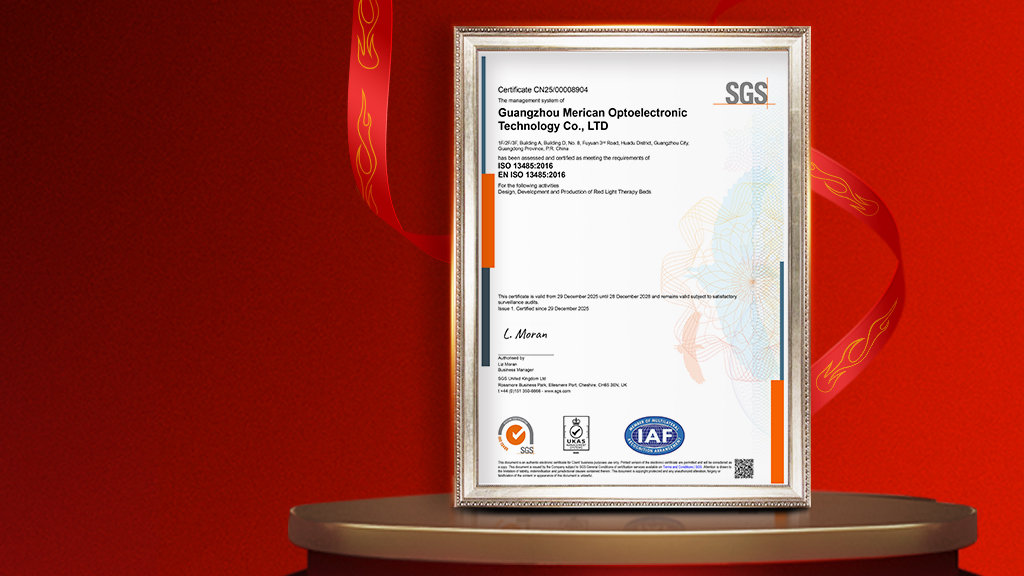
Merican has developed multiple patented technologies and offers products with multiple certifications and qualifications for international markets. Specific certification documentation should be confirmed according to the selected model and destination market.
For businesses looking for long-term equipment support, Merican can provide 3–5 years of warranty support, depending on the product and agreed commercial terms.
Whether you are building a wellness studio, adding red light therapy to an existing spa, expanding a gym recovery service, or developing a branded commercial wellness business, Merican can provide professional equipment and customized OEM & ODM solutions.
Preguntas frecuentes
Does red light therapy help hypothyroidism?
Some research has investigated photobiomodulation for thyroid conditions, including Hashimoto’s thyroiditis, and has reported potentially promising findings. Sin embargo, current evidence is not sufficient to establish red light therapy as a standard treatment for hypothyroidism.
Can red light therapy cure Hashimoto’s?
There is currently insufficient evidence to claim that red light therapy can cure Hashimoto’s thyroiditis. Some studies have investigated targeted photobiomodulation, but larger and better-controlled studies are needed.
¿Puede la terapia con luz roja reemplazar la medicación para la tiroides??
No. People taking prescribed thyroid medication should not stop, reducir, or change their dosage because of red light therapy without medical supervision.
¿Puedo usar una cama de terapia con luz roja para el hipotiroidismo??
Una cama de terapia con luz roja para todo el cuerpo no debe promocionarse como un tratamiento probado para el hipotiroidismo.. La investigación que involucra fotobiomodulación tiroidea dirigida puede utilizar diferentes longitudes de onda, dosis, y protocolos de tratamiento de sistemas comerciales de cuerpo completo.
¿Qué longitud de onda es mejor para la salud de la tiroides??
No existe una longitud de onda universalmente establecida que pueda recomendarse actualmente como tratamiento estándar para el hipotiroidismo.. Los protocolos de investigación varían, y la longitud de onda no debe seleccionarse únicamente basándose en afirmaciones en línea.
¿Es segura la terapia con luz roja para personas con hipotiroidismo??
Tener hipotiroidismo no significa automáticamente que todos los productos de terapia con luz roja sean apropiados. Si tiene una afección tiroidea diagnosticada o toma medicamentos, Discuta el uso previsto con su profesional de la salud..
Pensamientos finales: ¿Qué significa el estudio sobre hipotiroidismo con terapia de luz roja??
La investigación que rodea Terapia de luz roja e hipotiroidismo. es interesante, particularmente porque algunos estudios han explorado la fotobiomodulación dirigida para la función tiroidea y la tiroiditis de Hashimoto..
Sin embargo, La evidencia actual debe interpretarse cuidadosamente..
Hay una diferencia significativa entre decir “Los investigadores están estudiando si la fotobiomodulación puede influir en la función tiroidea” y diciendo "La terapia con luz roja trata el hipotiroidismo".
La primera afirmación refleja el panorama actual de la investigación.. El segundo hace una afirmación médica que no está adecuadamente respaldada por la evidencia actual..
Para personas con hipotiroidismo, La evaluación médica estándar y el tratamiento prescrito siguen siendo esenciales.. La terapia con luz roja no debe utilizarse como motivo para suspender la medicación o retrasar la atención profesional..
Para empresas interesadas en equipos de fotobiomodulación profesionales., Cama de terapia de luz roja mericana M4N ofrece una solución comercial de cuerpo completo respaldada por 18 años de experiencia en la industria, profesional r&D y experiencia técnica., OEM & Personalización ODM, customized logo services for global stores, salones de belleza, spas y gimnasios, múltiples patentes, y múltiples certificaciones de productos.
Merican apoya a los clientes internacionales con capacidades profesionales de fabricación y personalización y puede proporcionar 3–5 años de soporte de garantía dependiendo del producto seleccionado y términos comerciales.
Para empresas que buscan ingresar o expandir el mercado profesional de la terapia de luz roja., Mérican también da la bienvenida agentes y distribuidores globales y puede admitir soluciones personalizadas para diferentes aplicaciones comerciales.