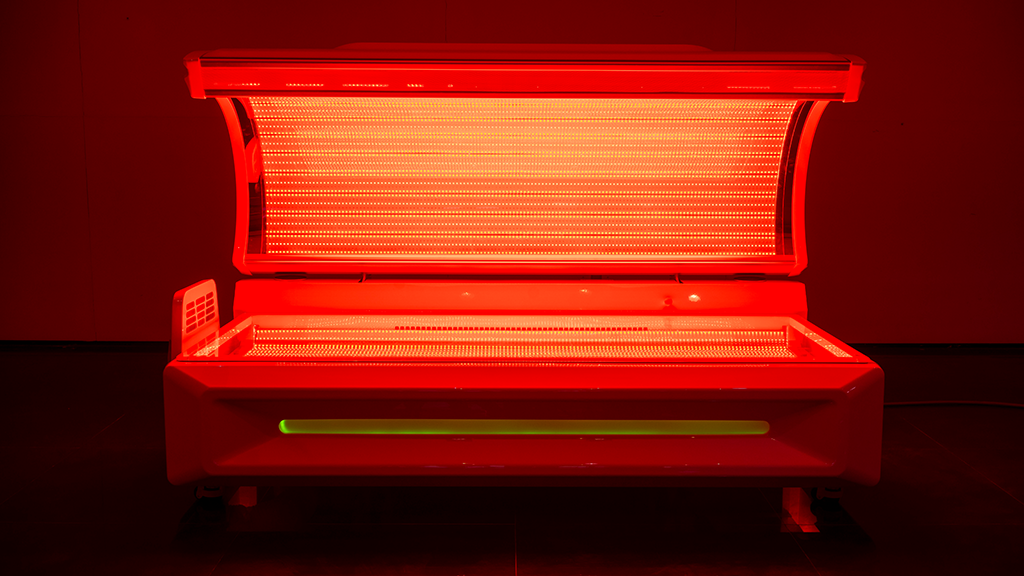
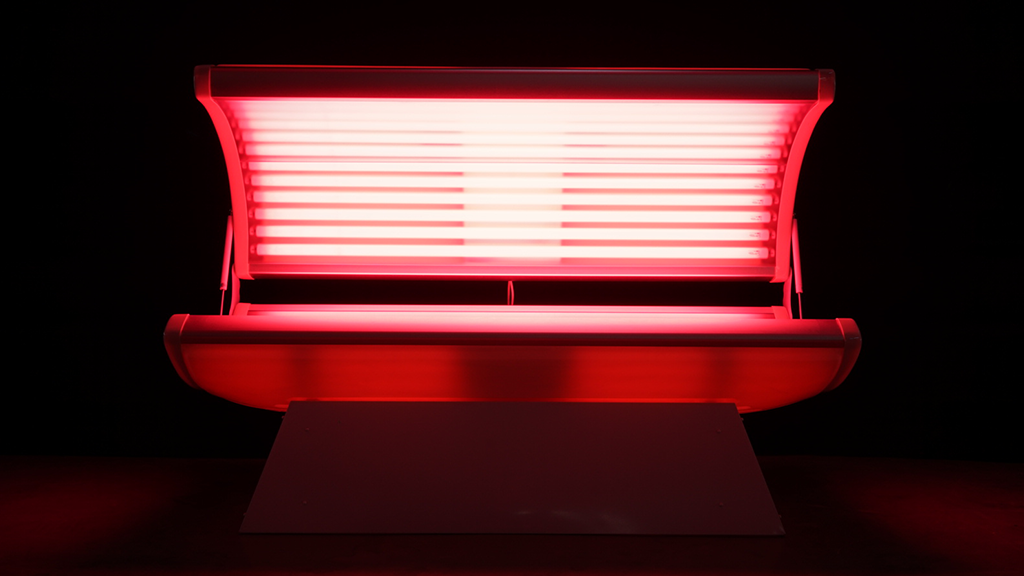
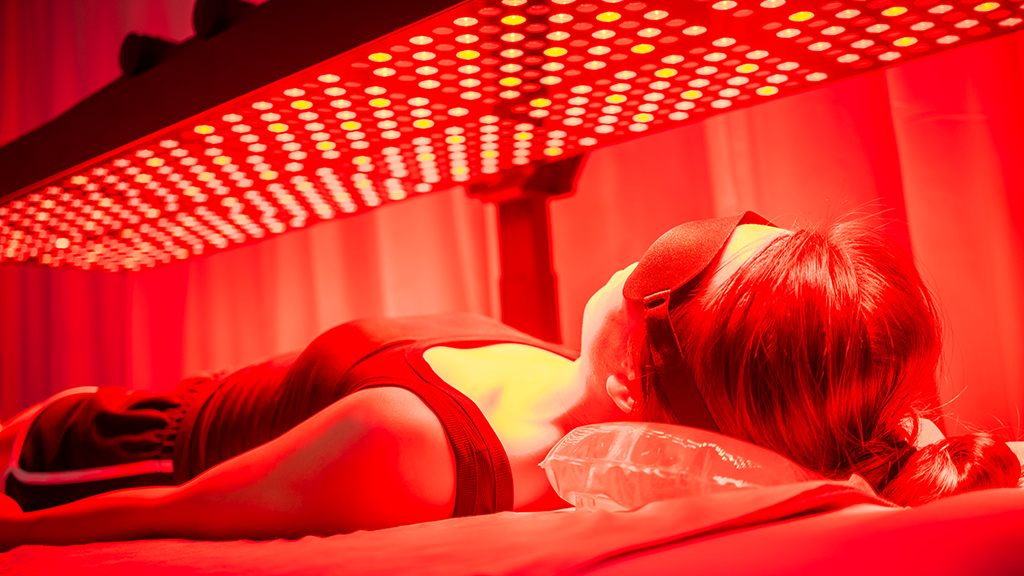
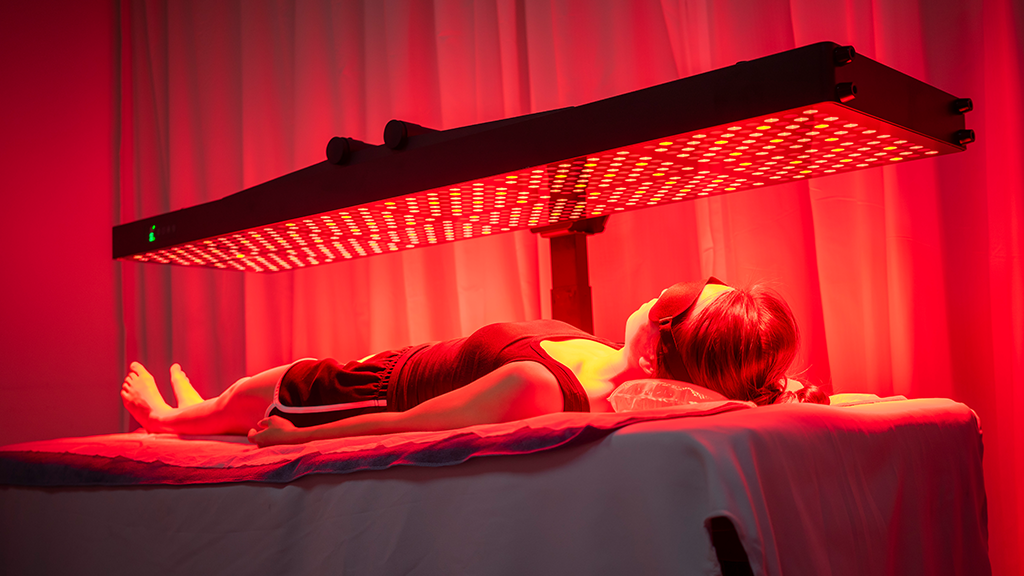
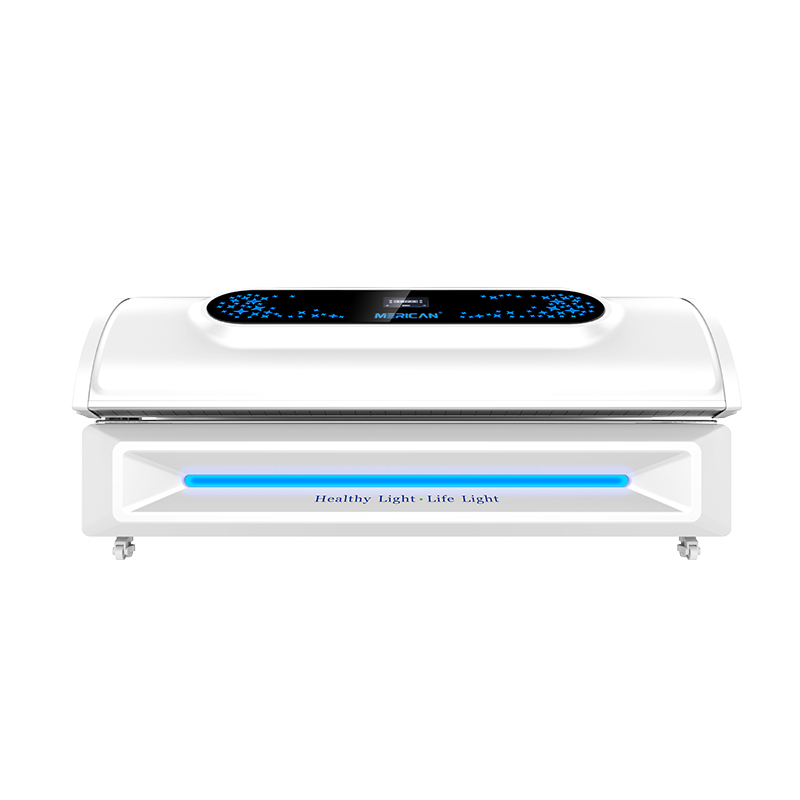
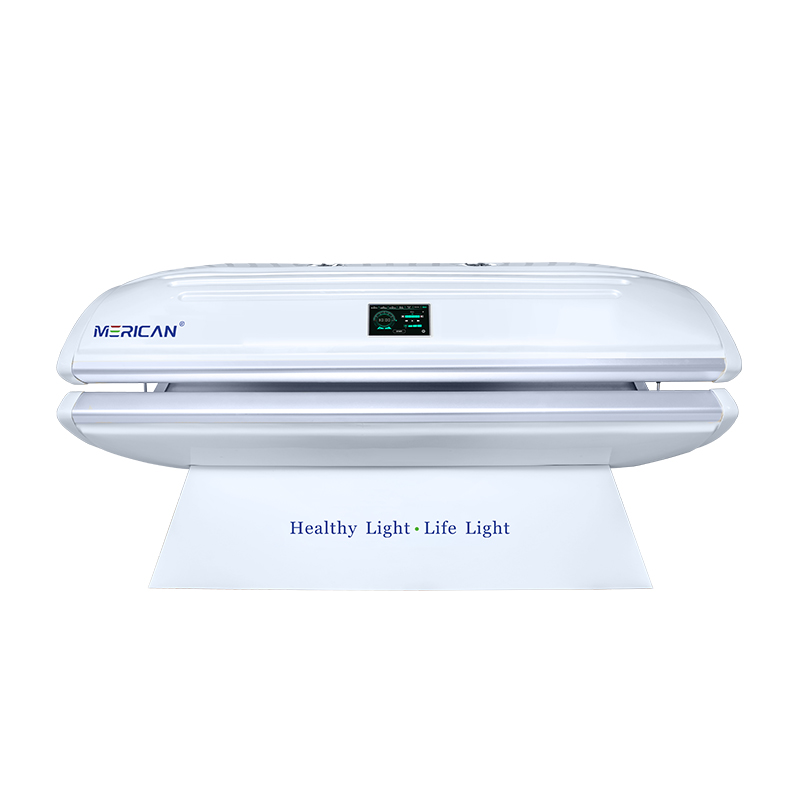
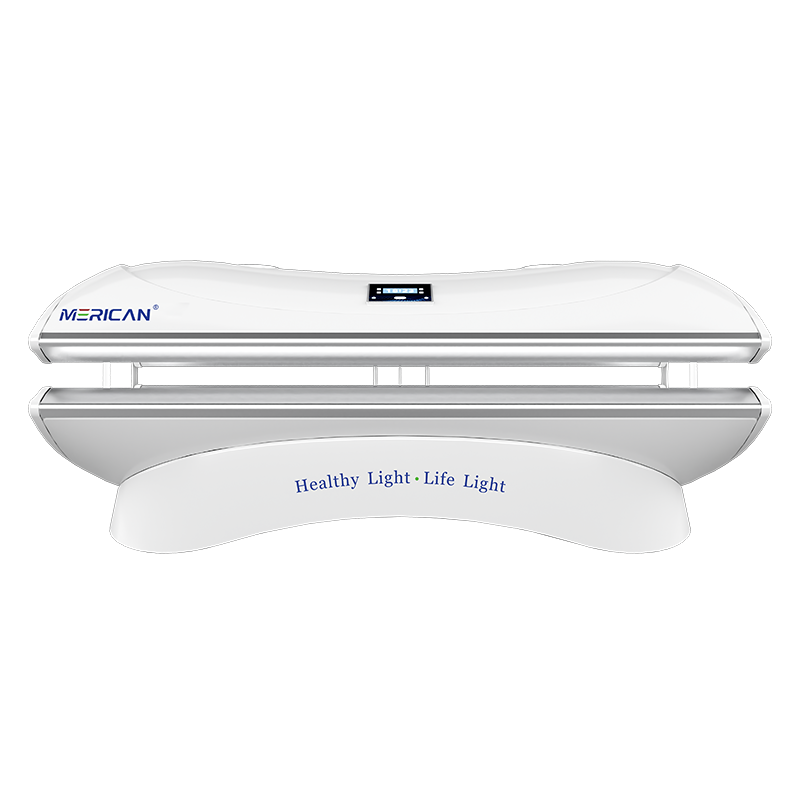
As red light therapy becomes more widely used for skin care, recovery, and wellness, many people ask whether it is safe to use red light therapy while taking antibiotics. The answer depends on the type of antibiotic and individual sensitivity, rather than the red light therapy itself.
1. Does Red Light Therapy Interact With Antibiotics?
Red light therapy works through photobiomodulation, using non-ionizing red and near-infrared light to support cellular energy and tissue function.
It does not alter drug metabolism in the liver or kidneys and does not chemically interact with antibiotics.
However, certain antibiotics can increase photosensitivity, which may affect how the skin responds to light exposure.
2. What Is Photosensitivity and Why Does It Matter?
Some antibiotics make the skin more sensitive to light, a condition known as drug-induced photosensitivity. This can increase the risk of:
- Skin redness
- Irritation or burning sensations
- Rash after light exposure
Common antibiotic classes associated with photosensitivity include:
- Tetracyclines (e.g., doxycycline)
- Fluoroquinolones (e.g., ciprofloxacin)
- Sulfonamides
While photosensitivity is more commonly linked to UV light, caution is still advised with any light-based therapy.
3. Is Red Light Therapy Safer Than UV Light When on Antibiotics?
Yes, in general. Red light therapy uses non-UV wavelengths, which are far less likely to trigger photosensitive reactions compared to sunlight or tanning beds.
That said, increased skin sensitivity may still occur in some individuals.
4. Practical Safety Tips If You’re Taking Antibiotics
If you are using antibiotics and considering red light therapy:
- Start with shorter sessions
- Monitor skin response carefully
- Avoid high-intensity or prolonged exposure
- Do not treat areas with active rashes or irritation
If discomfort or unusual redness appears, discontinue use and consult a healthcare professional.
5. When to Avoid Red Light Therapy Temporarily
It may be best to delay red light therapy if you:
- Are experiencing strong photosensitivity reactions
- Have inflamed or infected skin at the treatment site
- Are unsure whether your medication increases light sensitivity
Professional guidance is recommended in these cases.
6. Home Devices vs. Professional Systems
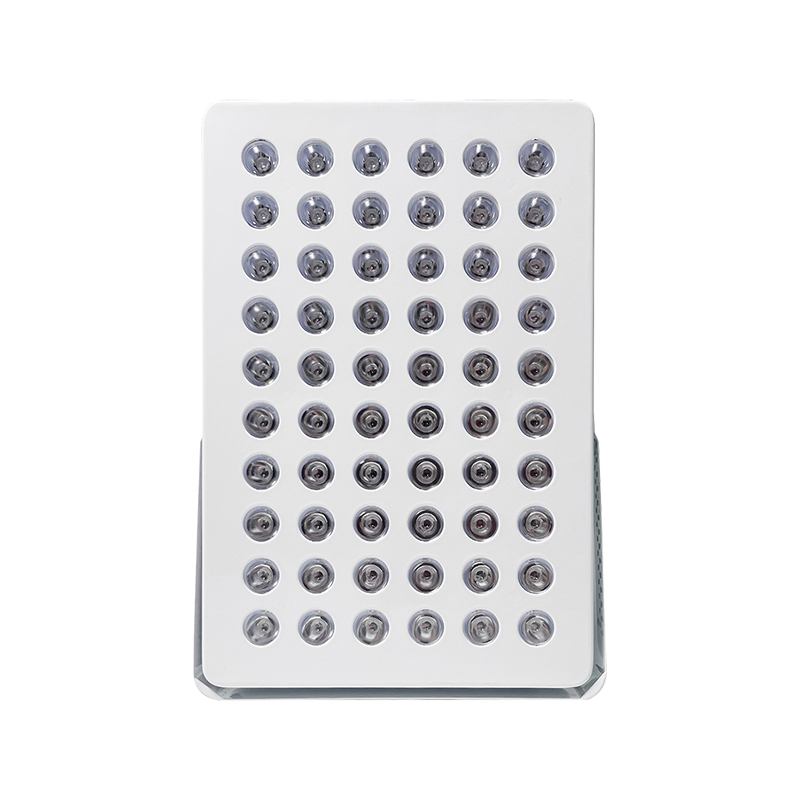
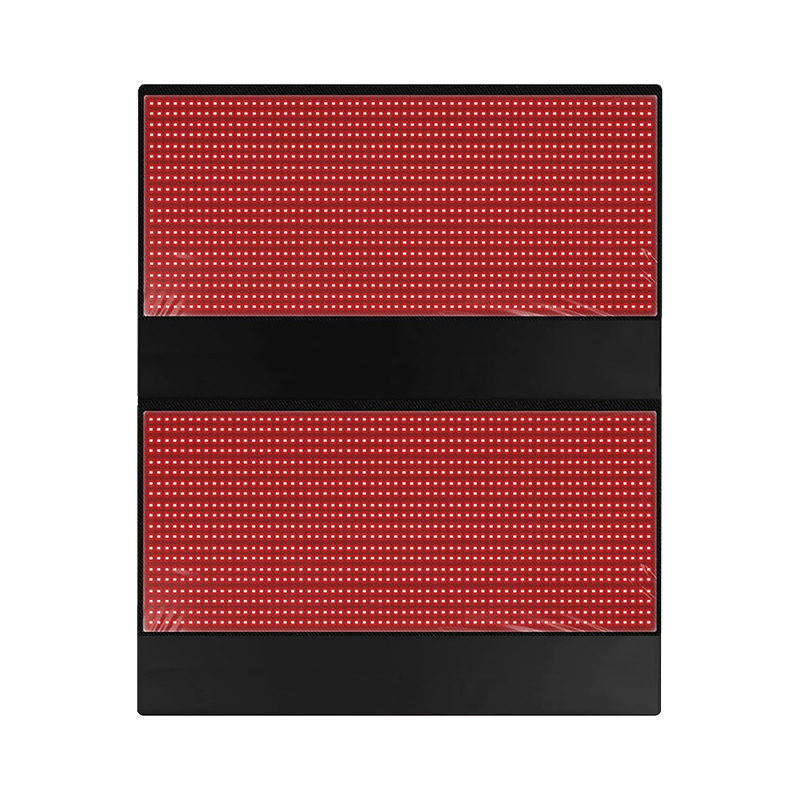
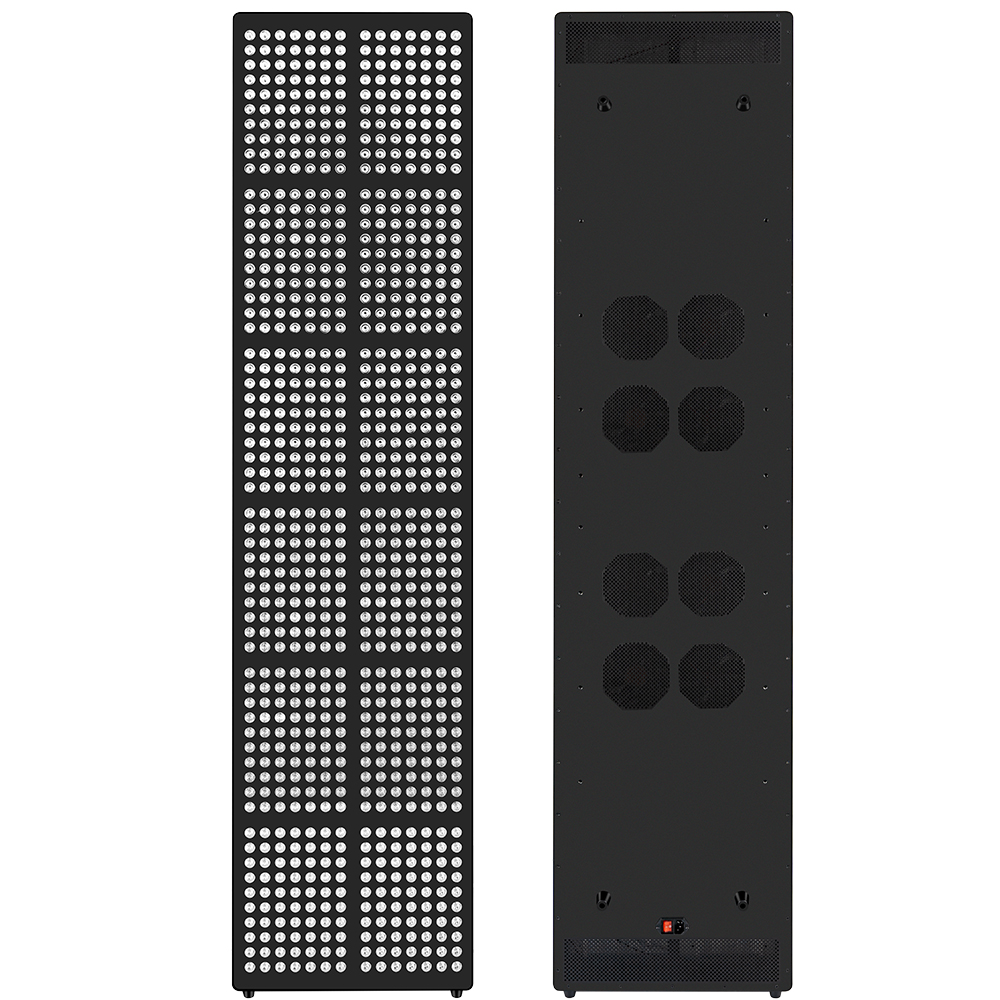
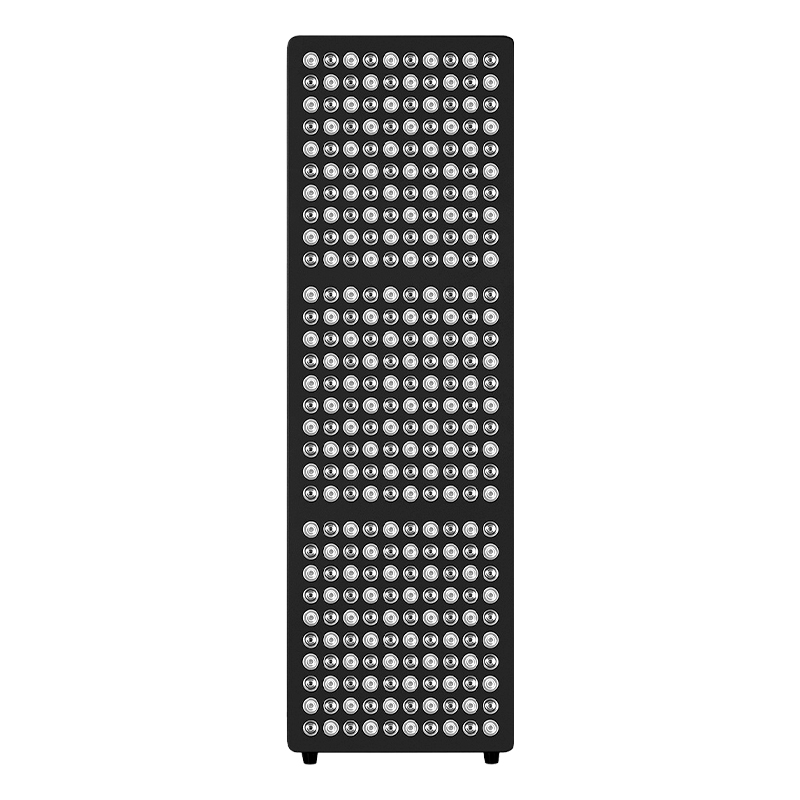
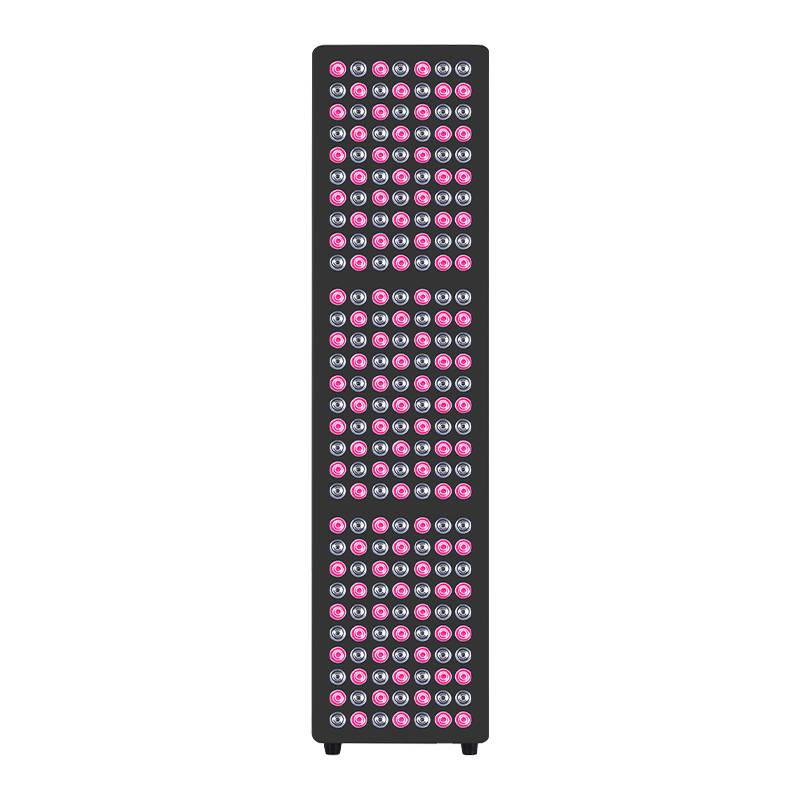
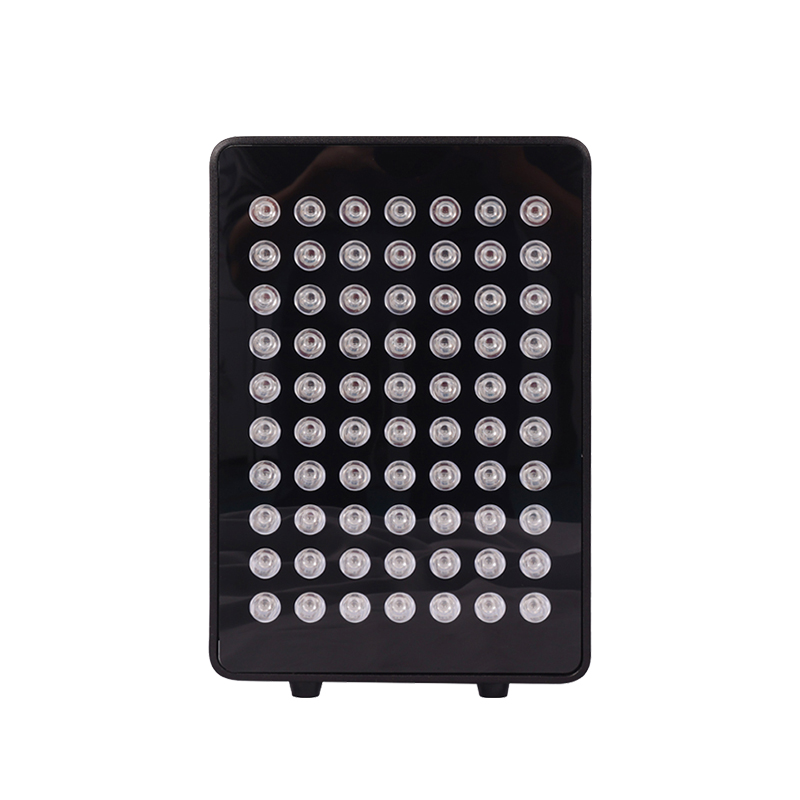
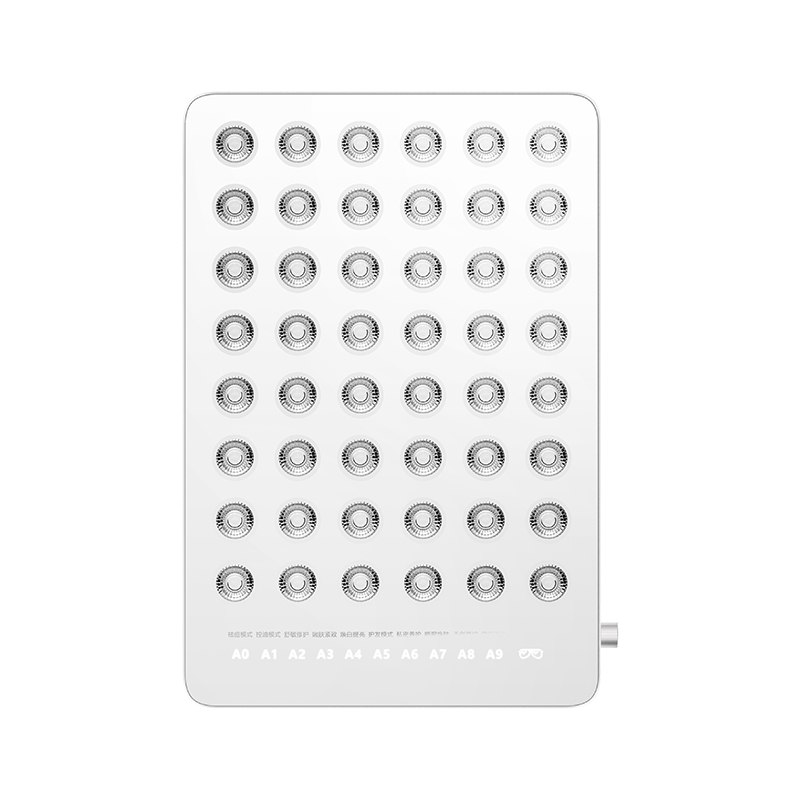
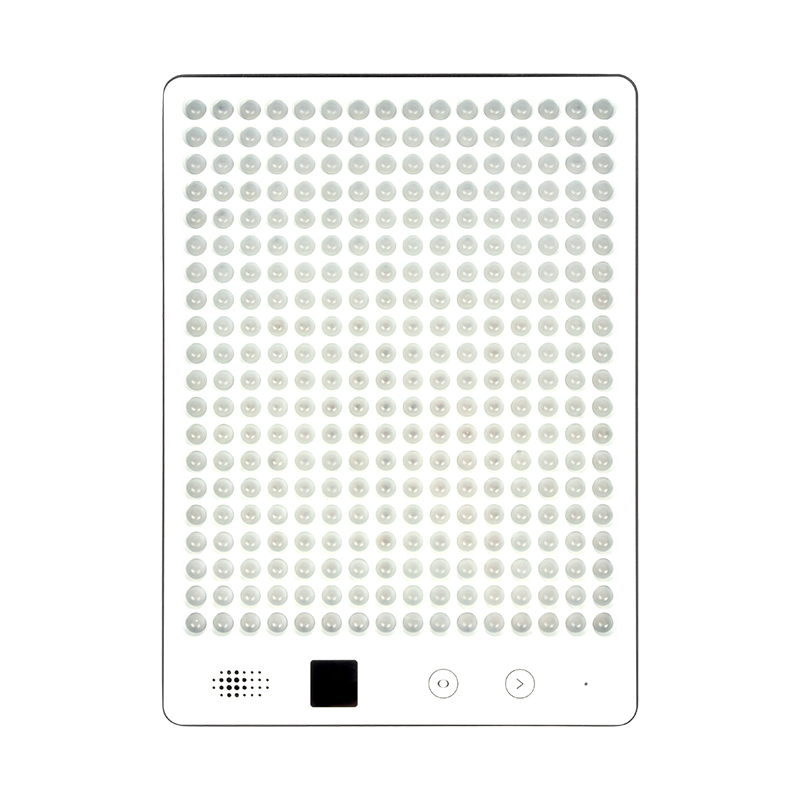
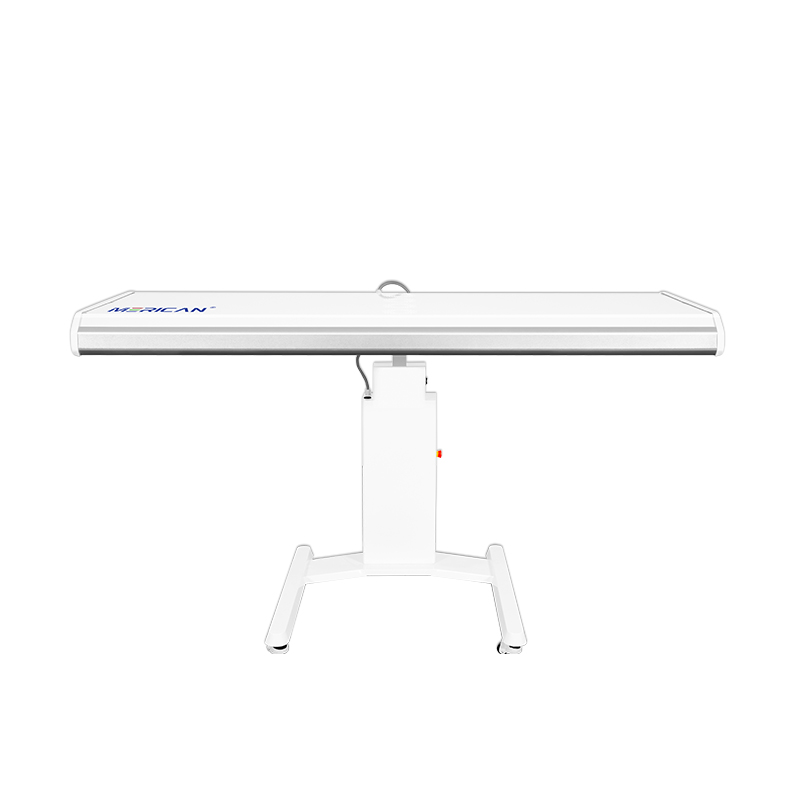
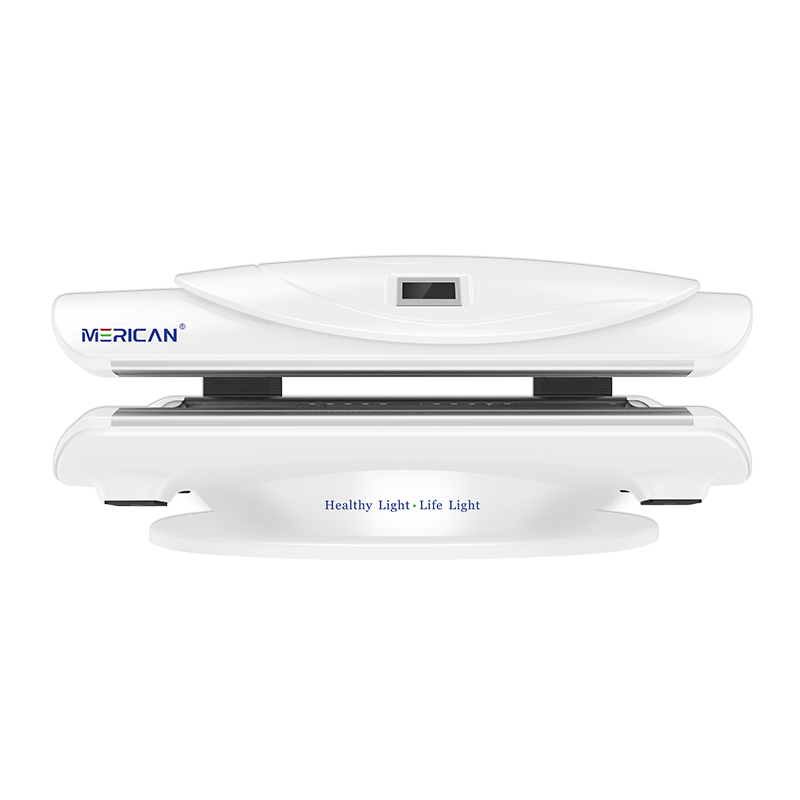
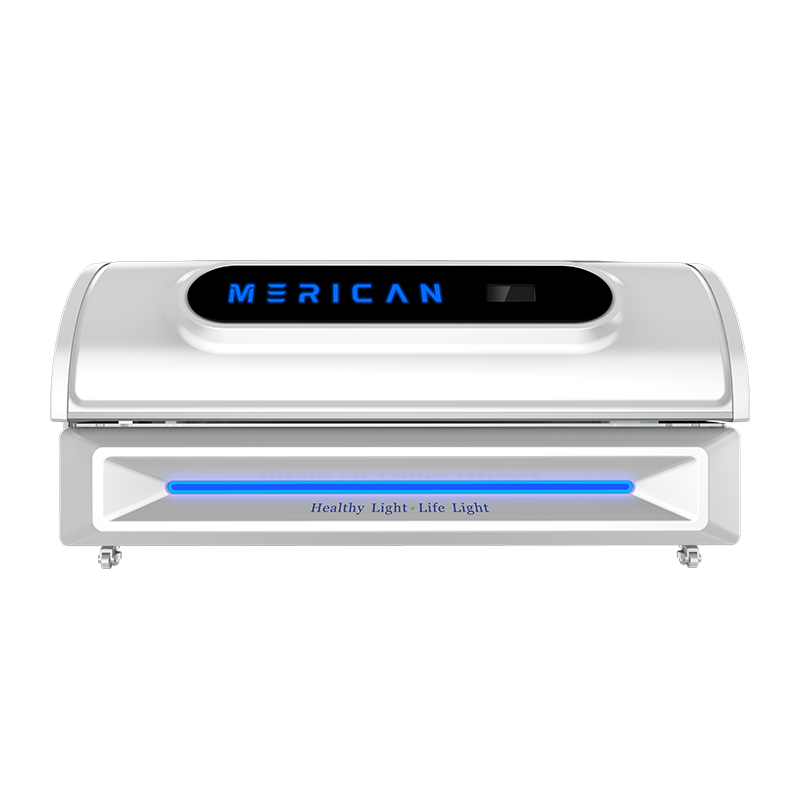
Home devices typically deliver lower output and allow more conservative use. Professional red light therapy systems often include:
- Controlled exposure times
- Even light distribution
- Built-in safety features
Regardless of device type, medical advice should take priority during active antibiotic treatment.
Conclusion
Red light therapy does not directly interact with antibiotics, but some antibiotics can increase skin sensitivity to light. While red light therapy is generally safer than UV exposure, users taking photosensitizing antibiotics should proceed with caution and prioritize skin comfort and safety.