Introduction:
Pneumonia, a respiratory infection affecting the lungs, can be a severe and life-threatening condition, especially in vulnerable populations such as the elderly and those with compromised immune systems. While traditional treatments like antibiotics and antiviral medications are essential, emerging therapies like red light therapy are gaining attention for their potential to support recovery. But is red light therapy good for pneumonia? Let’s delve into the science behind this innovative approach.
Body:
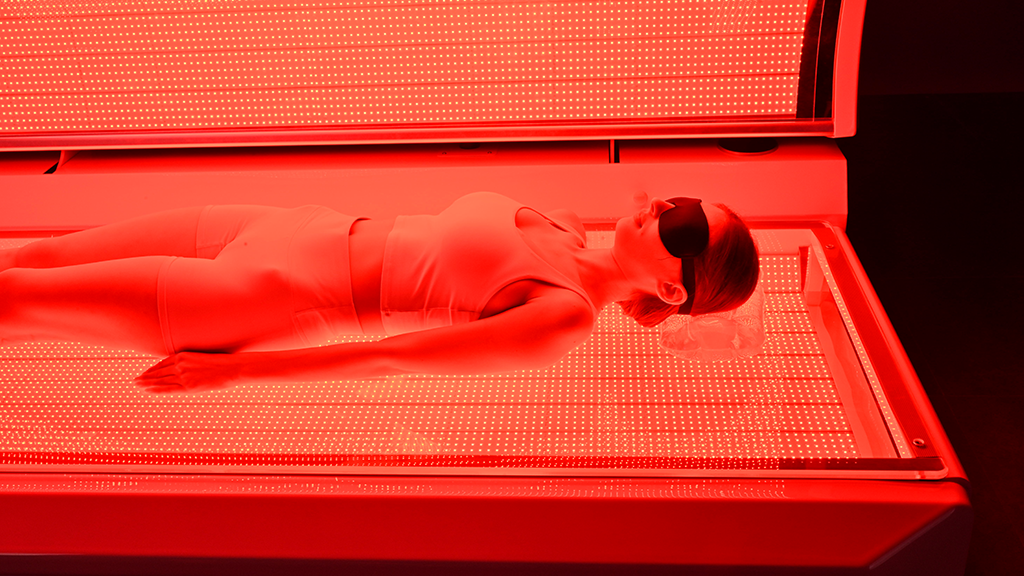
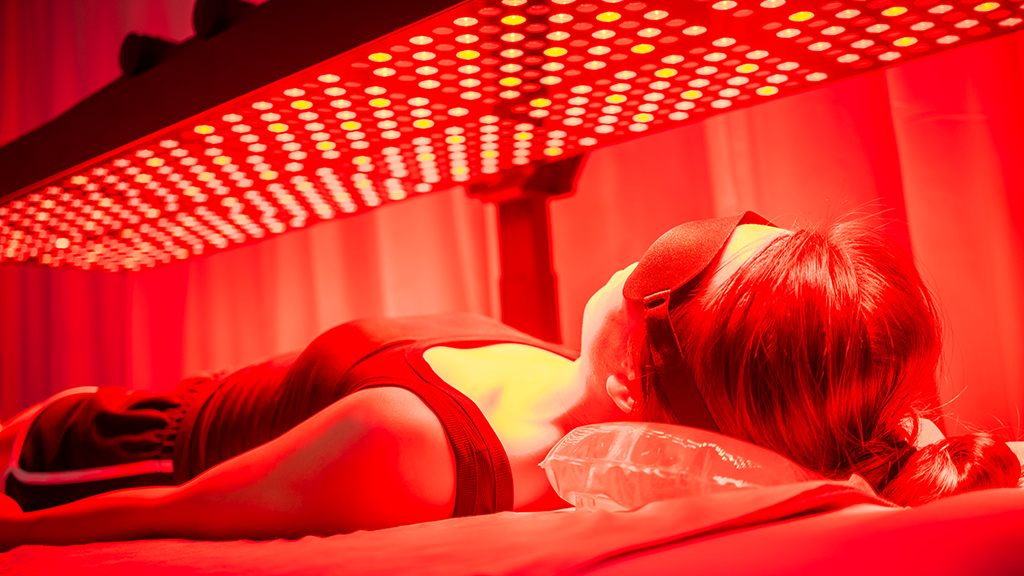
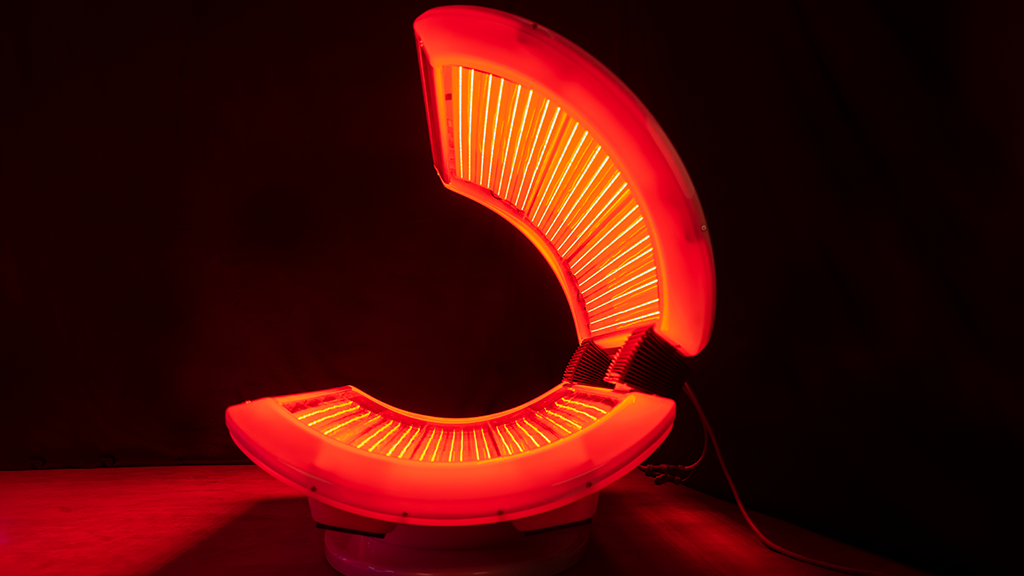
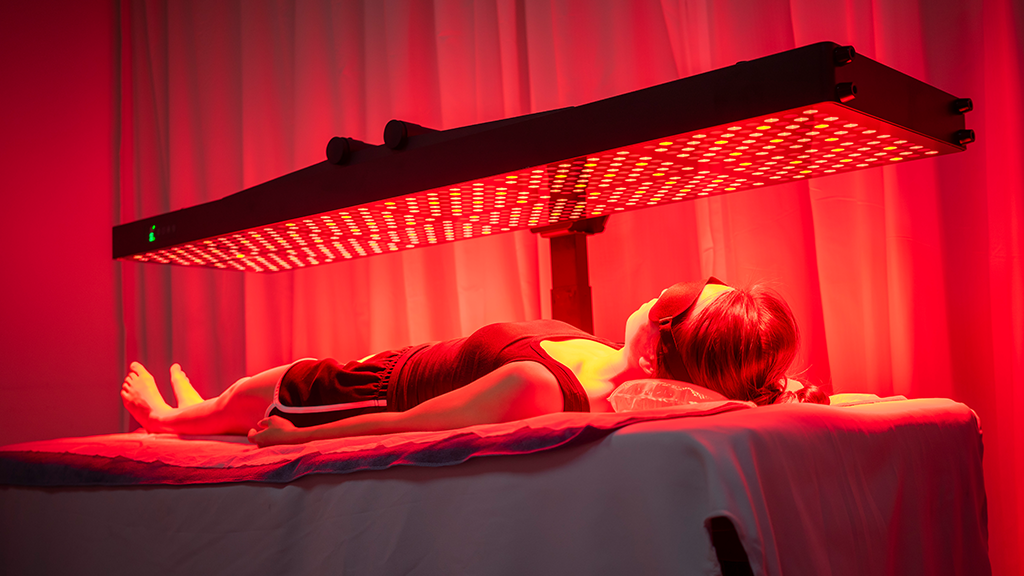
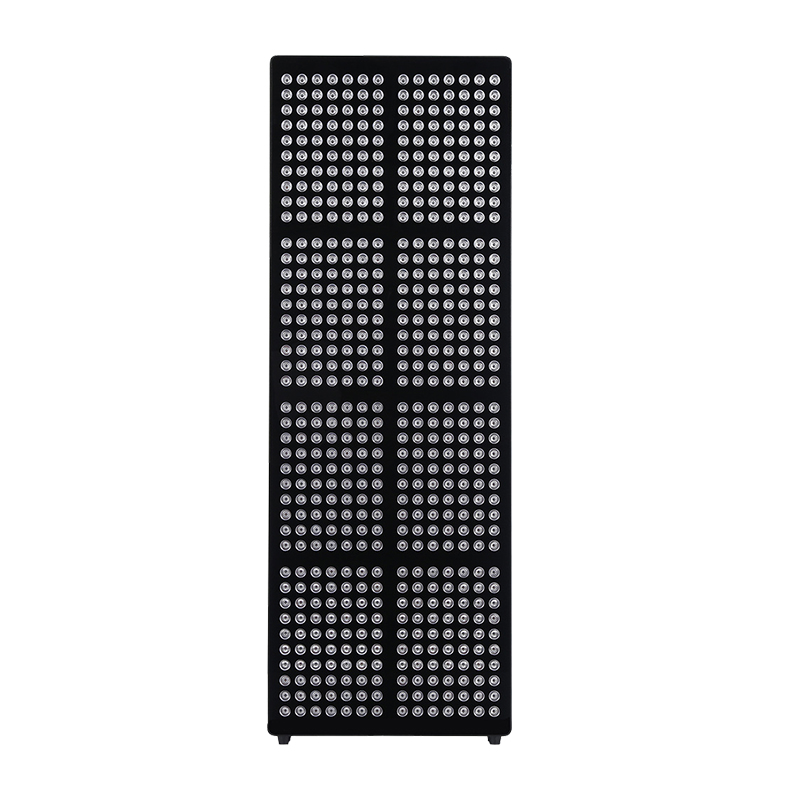
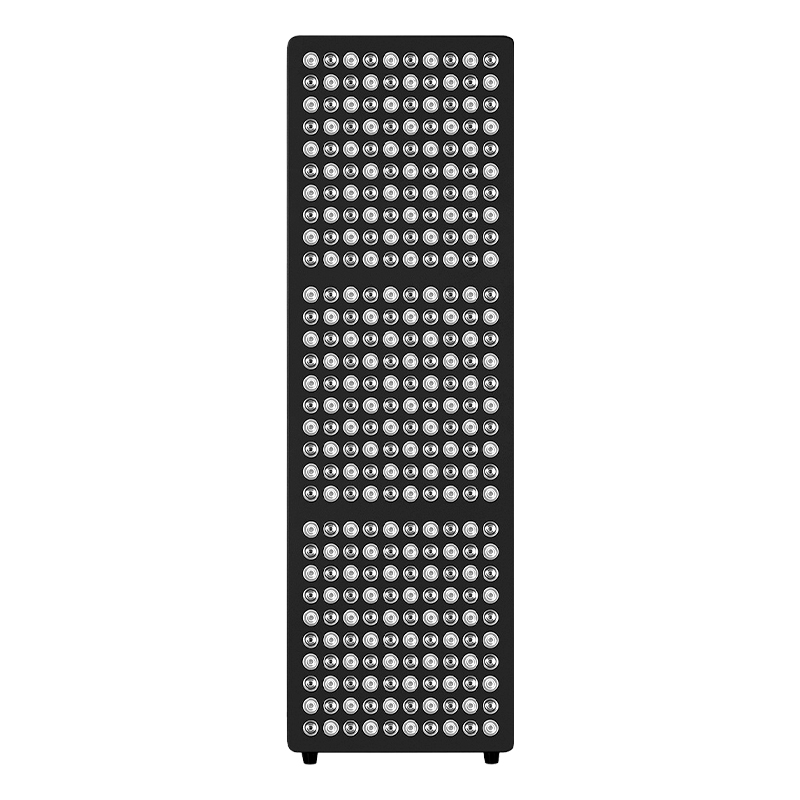
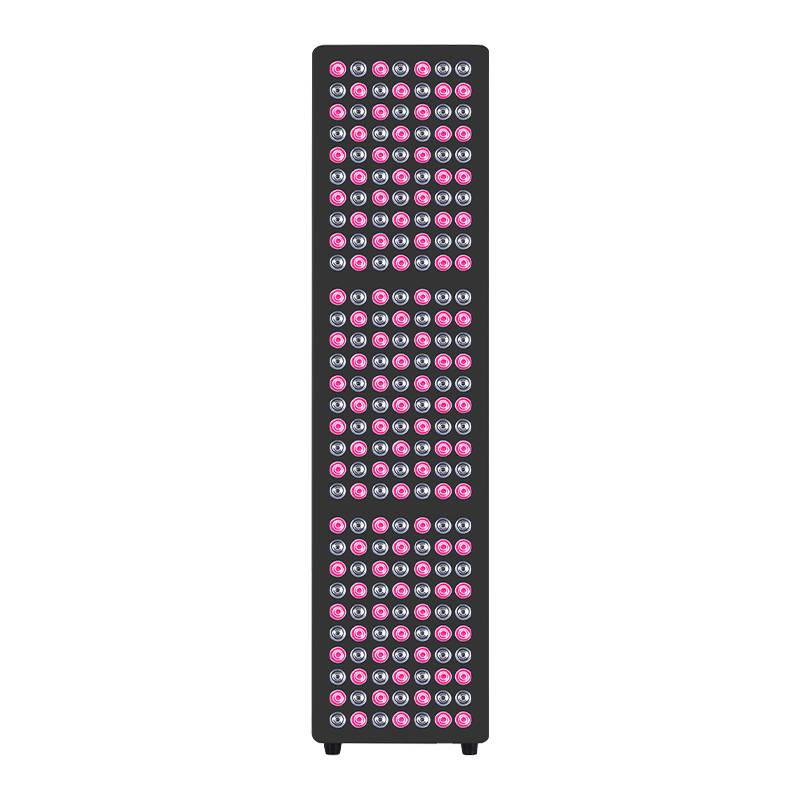
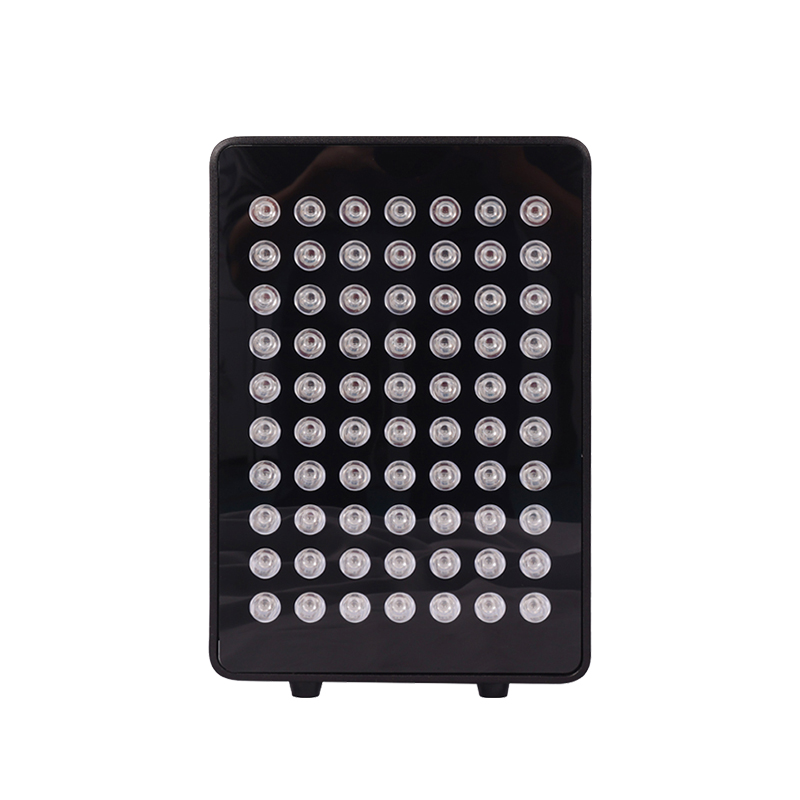
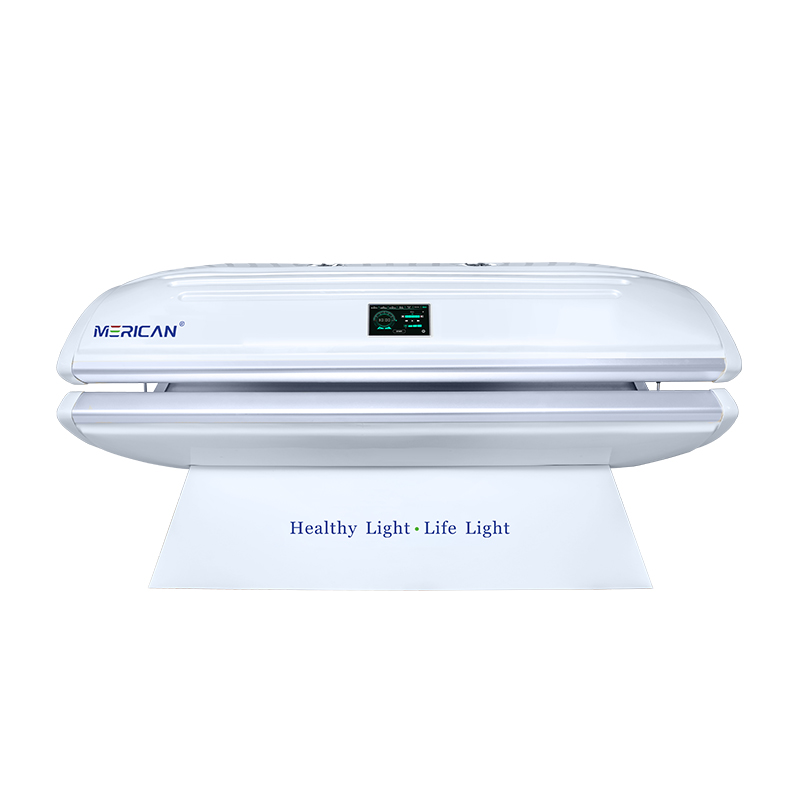
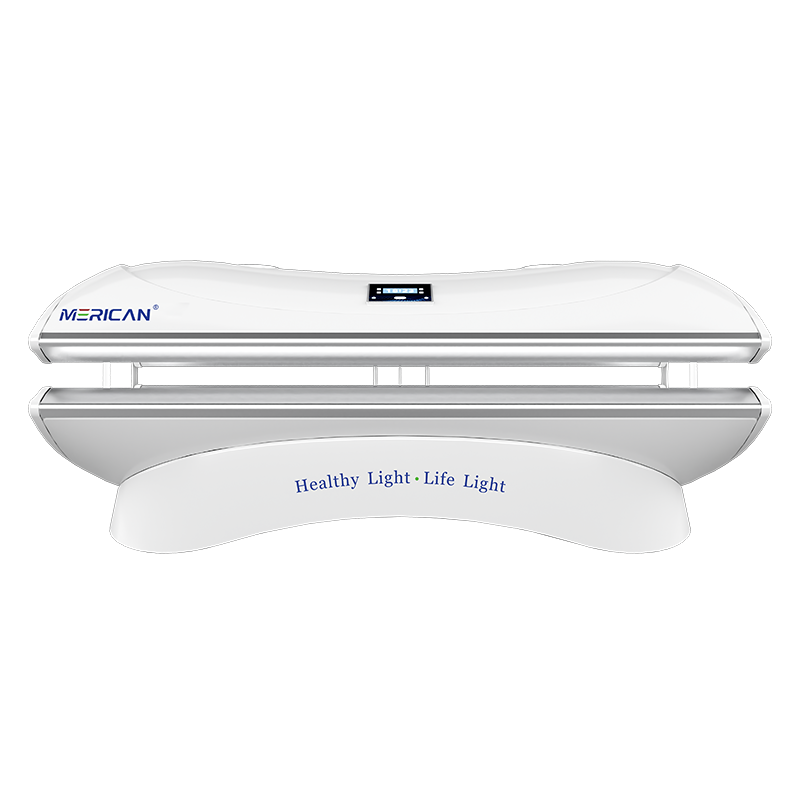
Red light therapy, also known as low-level laser therapy (LLLT) or photobiomodulation, utilizes specific wavelengths of red and near-infrared light to penetrate the skin and stimulate cellular activity. This non-invasive treatment has been shown to enhance circulation, reduce inflammation, and promote tissue repair—all crucial factors in combating pneumonia.
- Enhanced Circulation: Improved blood flow ensures that oxygen and nutrients are efficiently delivered to the lungs, aiding in the healing process.
- Reduced Inflammation: Pneumonia often triggers an inflammatory response that can damage lung tissue. Red light therapy helps modulate this response, minimizing tissue damage.
- Boosted Immune Function: By stimulating the production of ATP (the body’s energy currency), red light therapy can enhance the immune system’s ability to fight off infections.
Conclusion:
While red light therapy should not replace conventional treatments for pneumonia, it can serve as a valuable complementary therapy. Its ability to reduce inflammation, improve circulation, and support immune function makes it a promising option for those seeking additional relief from pneumonia symptoms. Always consult with a healthcare professional before incorporating new therapies into your treatment plan.